
Brands typically have an easily identifiable origin, a point in history where they emerge, and their name appears as a definitive solution.
Stories that are sometimes told and other times hidden. However, brands also have another life, given to them by the consumers themselves, who transform some of these stories into almost mythical creations.
Let’s review some of the brands in FOOTDISTRICT’s catalog, the origin of their names, and interesting facts about them.
Brands Named After Their Founders
Naming a brand after its founder may seem like the simplest solution, but it’s not always the case. Brands with the names of their founders often come from times when commercial registrations weren’t as complicated, such as BIRKENSTOCK (founded in 1774 by Johann Adam Birkenstock), Levi’s (1853 by Levi Strauss), Converse (1908 by Marquis Mills Converse), or Stanley (1843 by Frederick Trent Stanley).
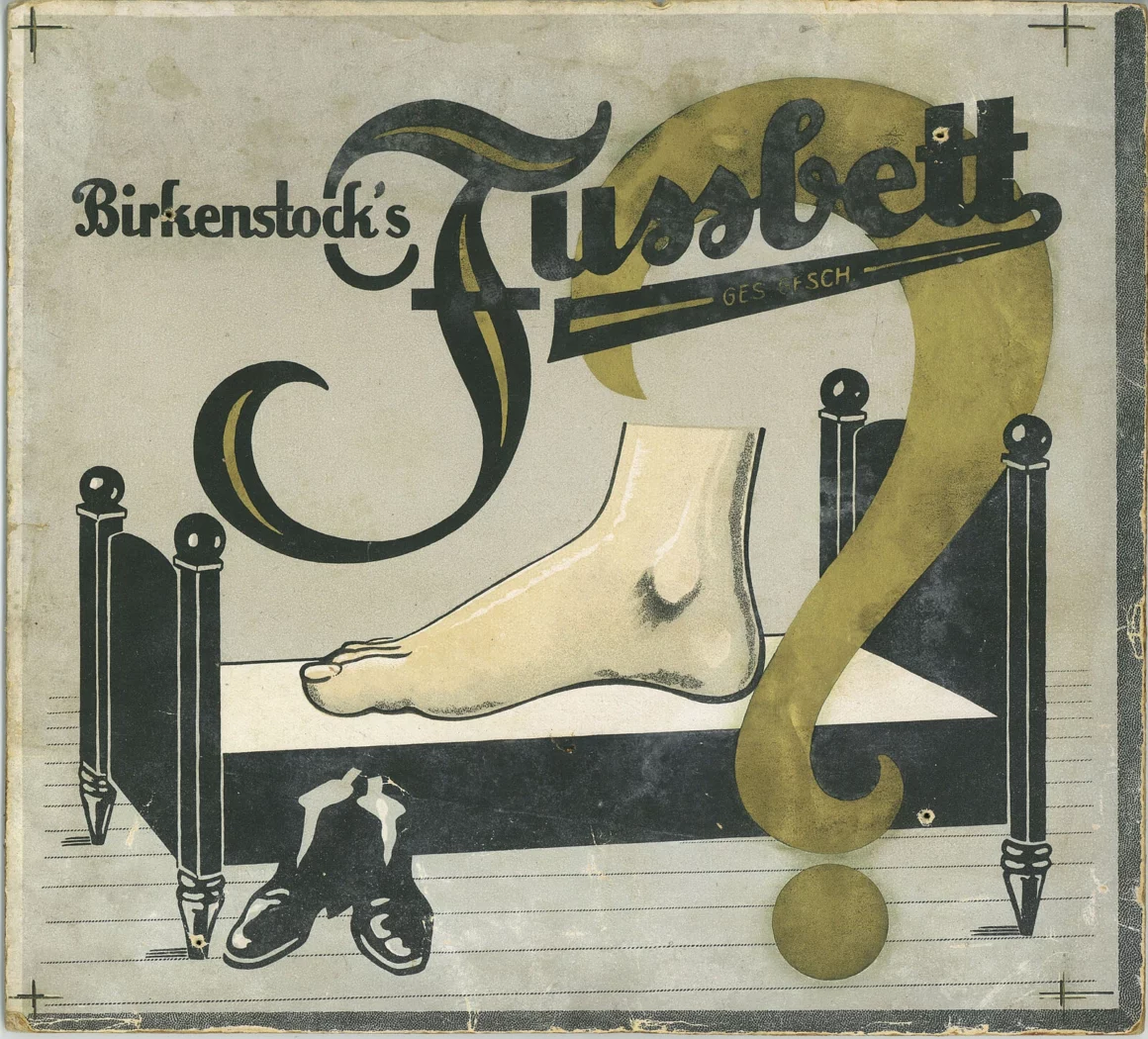
More modern examples include Fred Perry, Lacoste, or Ralph Lauren. Less well-known are the names of the founders of Taschen (Benedikt Taschen) or Salomon (George Salomon). Can we include Dr. Martens? Almost. The creator of the brand was Dr. Klaus Maertens, but the brand’s distributors in the UK modified the name to make it sound more British.
Brands with Family Names
In some cases, the founders didn’t act alone but were assisted by family members. This is the case with brothers Rizo and Rihachi Mizuno (the brand’s original name was Mizuno Brothers Ltd). Clarks was also, for a long time, the brand of two brothers, Cyrus and James Clark, which is why they chose the plural of their surname.

Williamson-Dickie Mfg. Co. was created by two cousins, C. N. Williamson and E. E. “Colonel” Dickie, though over time it became known simply as Dickies.
Names Derived from Acronyms
It’s well known that ASICS was founded under the name of its founder, Kihachiro Onitsuka, but it changed in the 1970s to become the initials of a quote by Juvenal, Anima Sana In Corpore Sano.
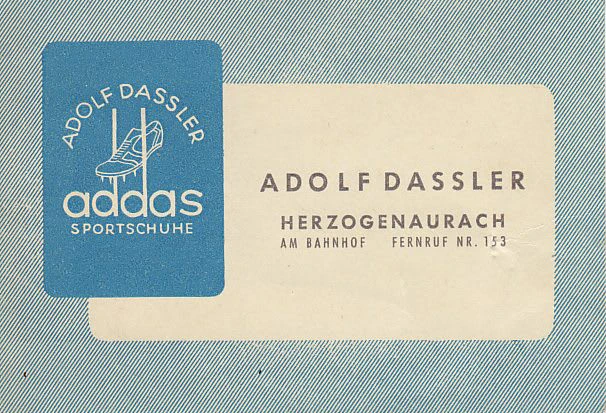
Although not directly an acronym, adidas also drew from the first syllables of its founder’s name, Adi Dassler. In fact, their first registration attempt was “addas,” which was rejected by the trademark office because there was already a similar brand. The original name of Puma was Ruda, derived from the first syllables of Rudolf Dassler’s name.
More directly, Jean Touitou chose A.P.C. as the initials for Atelier de Production et de Création. The initials of C.P. Company came about due to a legal issue; the original name was Chester Perry, which was too similar to Chester Barrie and Fred Perry, both already registered brands. Between acronyms and family names is Diemme, created by brothers Dennis and Maico Signor (the initials of their names form the brand).
Brands That Seem to Come from a Place (But Don’t)
The elegance of France has attracted many brands that come from other places. Despite its French name, Comme Des Garçons is the creation of Japanese designer Rei Kawakubo. Its first collections and store emerged in Japan, although it later established a strong connection with Paris. In a similar case, Kenzo added “Paris” to its name because the brand was born in France, but its creator, Kenzo Takada, developed part of his education in Japan.
Forét also sounds French, but it was created by Danish designers Jeppe and Jesper, inspired by French forests. Gramicci sounds Italian because the brand’s founder, Mike Graham, enjoyed adding an exotic touch to his climbing experiences and pretended to be Italian.
Geographically Inspired Brands
It seems logical that brands more related to the outdoors have names linked to geographic elements. Sebago is named after a lake in Maine, which explains the popularity of its boat shoes. Saucony took its name from a stream (now called Sacony) that also inspired its logo. Patagonia was the region where Yvon Chouinard, the founder of the brand, arrived on a trip from California. Interestingly, Douglas Tompkins, founder of The North Face, accompanied him on that trip, using the more challenging side of winter climbs and the Half Dome mountain for his logo.
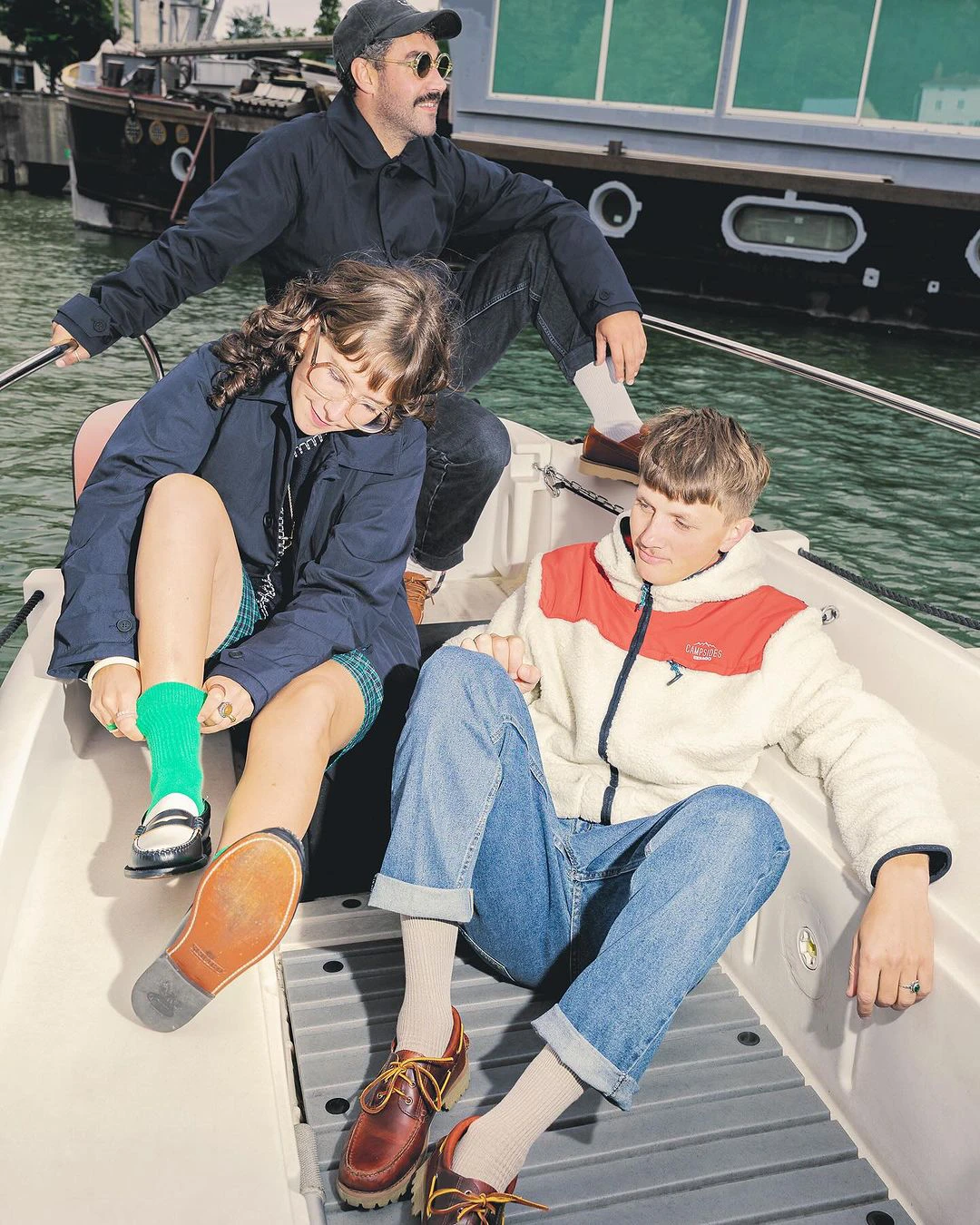
Timberland was originally called Abington Shoe Company but adopted a name in the 1970s that identified it with its style, the land of wood.
Brand Names Related to Art
Loris Messina and Simone Rizzo found the perfect name in SUNNEI. The inspiration came while listening to “Sunny,” the song by Stevie Wonder. Brain Dead is named after a 1992 Peter Jackson movie, and Stone Island used the two words most frequently found in Joseph Conrad’s novels.
Brand Names Related to Animals
Crocs shoes are perfect for amphibious use, in both dry and wet terrains, so associating them with a crocodile seemed like a good idea. Long before that, in 1895, J.W. Foster and Sons was born, which in 1958 rebirthed as Reebok, taking the name of a fast South African antelope called Rhebok.
Brand Names Related to Gods
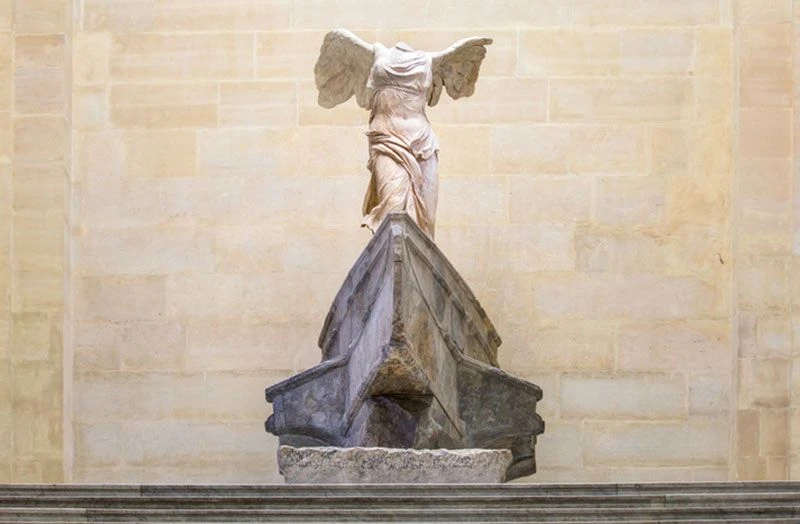
Nike was almost called Dimension Six, but a last-minute dream featuring the winged goddess of victory transformed it into Nike. It made sense for a brand seeking peak athletic performance.
Among brands related to deities, DEVÁ STATES plays with words; devá are the benevolent deities in Hinduism and Buddhism, but “devastate” leads you to a very different context. The origin of Evisu is shrouded in legends, but the official information speaks of a tribute to Ebisu, the Japanese god of fortune.
Family names, geographic accidents, artistic inspirations—each brand has a story associated with its name. Remember that you can find the latest offerings from all these brands at FOOTDISTRICT.