
Dr. Martens is synonymous with music and subcultures, but the brand has a rich history and future.
Curiosities and unknown stories about Dr. Martens
Dr. Martens footwear, like many other items of workwear, has been subject to constant reinterpretations of its meaning, which would undoubtedly surprise the innocent old ladies who wore Dr. Martens in its early days. Its constant reinvention has allowed Dr. Martens to tell hundreds of stories about everything they have experienced. We chose 10 intriguing facts about Dr. Martens, a brand that continues to tell stories based on its experiences.
Dr. Martens has German origins
Following a skiing injury in 1945, Dr. Klaus Maertens discovered that his usual stiff-soled shoes were extremely uncomfortable. To solve the problem, he created a cushioned sole with Herbert Funk, a childhood friend and industrial engineer.
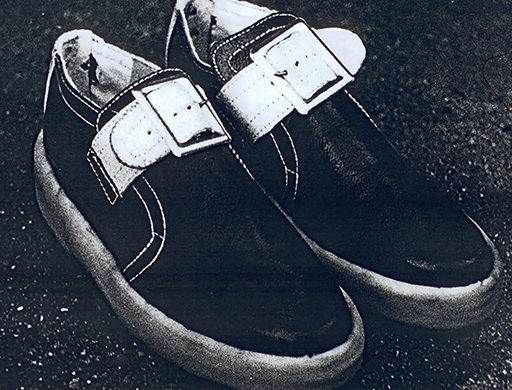
Airwaves, cushioned soles
During the first decade of their business, Maertens and Funk primarily sold to people who required a cushioned sole. Essentially, elderly people were discovering the comfort of Maertens and Funk shoes.
Dr. Martens has English origins
Since 1901, the Griggs family has been producing work boots and footwear at their factory in Wollaston, Northamptonshire. In 1959, Bill Griggs discovered Maertens and Funk cushioned soles and thought they would be an excellent complement to his footwear. They obtained the patent, updated the design with a new heel, and renamed Maertens: Martens.

Do you know the original release date of Dr. Martens?
The first Dr. Martens shoe, the 1460, hit stores on April 1, 1960. This is how it got its name. Not every release makes it easy to remember the date. A classic boot featuring the new sole, eight eyelets, a heel pull tab with the slogan “With Bouncing Soles” inspired by Bill Griggs’ lyrics, and, of course, yellow stitching.
Dr. Martens yellow stitching
Since its inception, Dr. Martens’ yellow stitching has become the brand’s most visible identifier, serving as a way to distinguish a technologically advanced item with its cushioned sole. However, these yellow seams have caused legal issues in some countries where the colour of a thread is not recognised as a distinguishing feature.
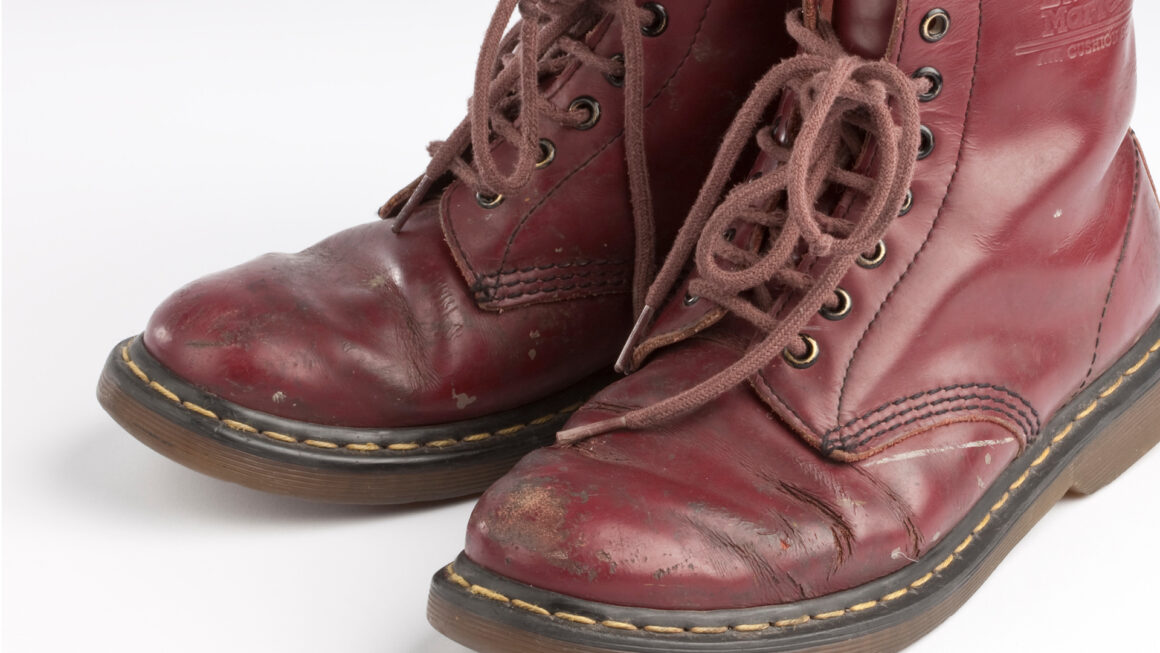
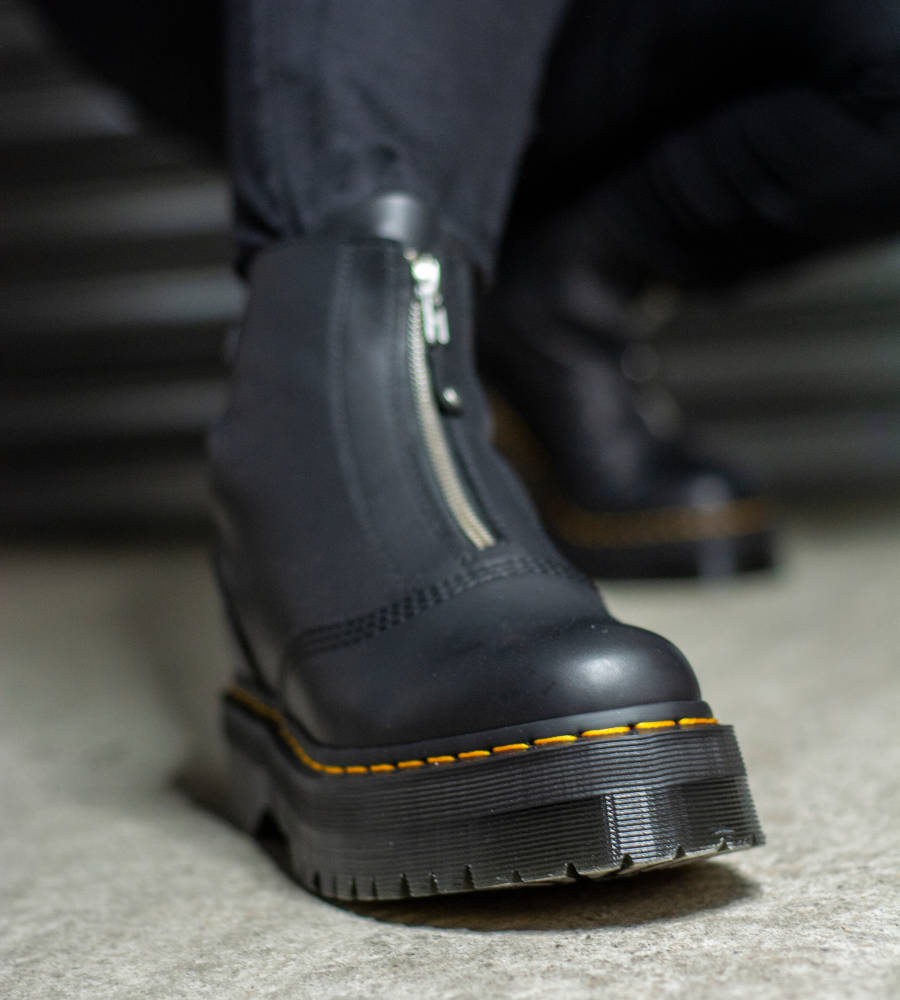
Dr. Martens; from two pounds
The first Dr. Martens were designed for letter carriers and workers who spent long hours on their feet. Priced at two pounds, it was a working-class product. Dr. Martens, like many other elements of workwear, began as a functional and blue-collar item before becoming a social and cultural icon.
Pete Townshend and Dr. Martens
During the 1960s, Dr. Martens’ social influence swept through various subcultures, but it was the guitarist of The Who who brought them to the stage. Pete Townshend was tired of wearing clothes that prevented him from playing the guitar and chose workwear and Dr Martens boots. Townshend’s 1460s became a symbol of self-expression, and he thanked his footwear for allowing him to perform new moves on stage. Of course, Townshend and The Who have had special editions.
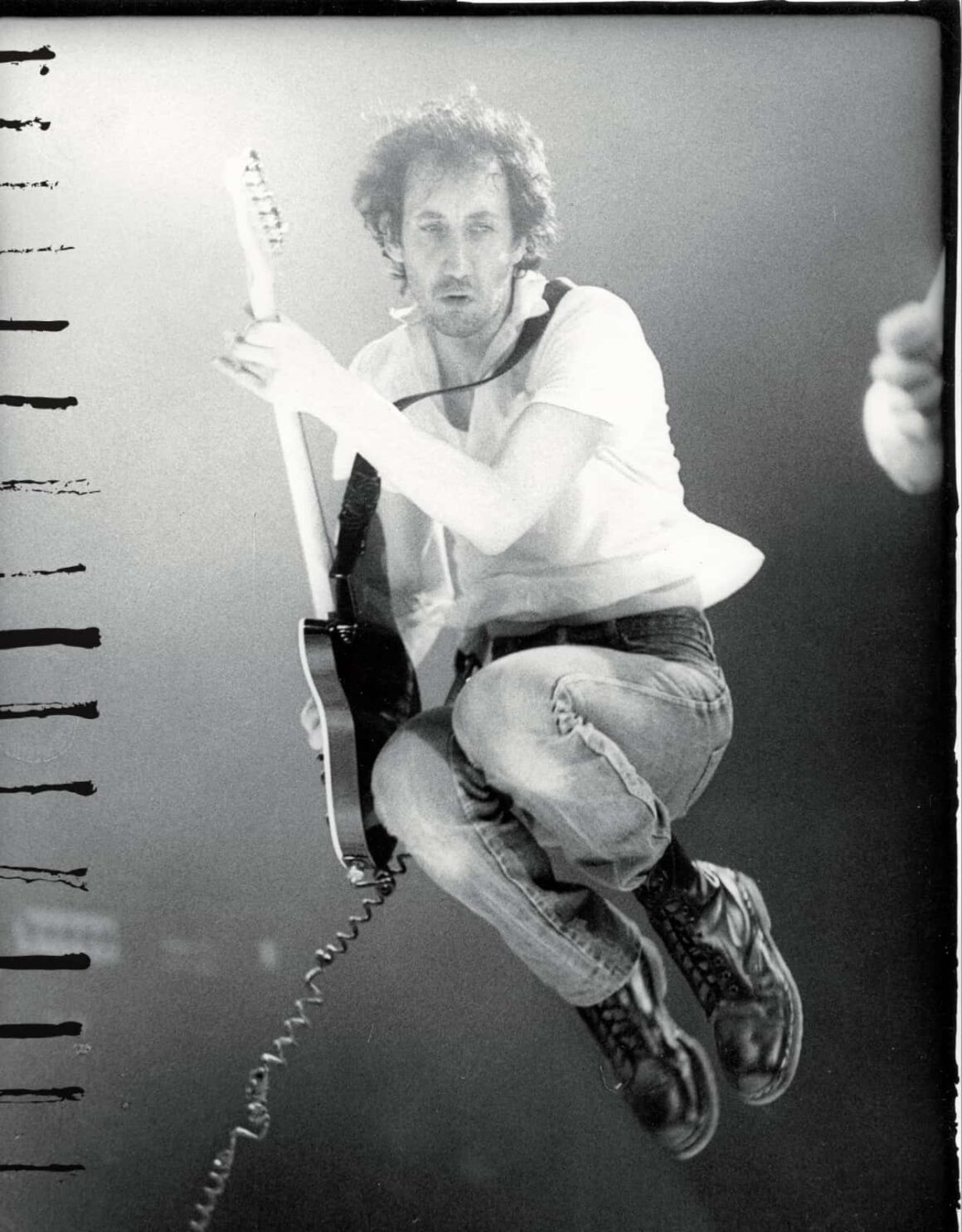
Celebs and Dr. Martens
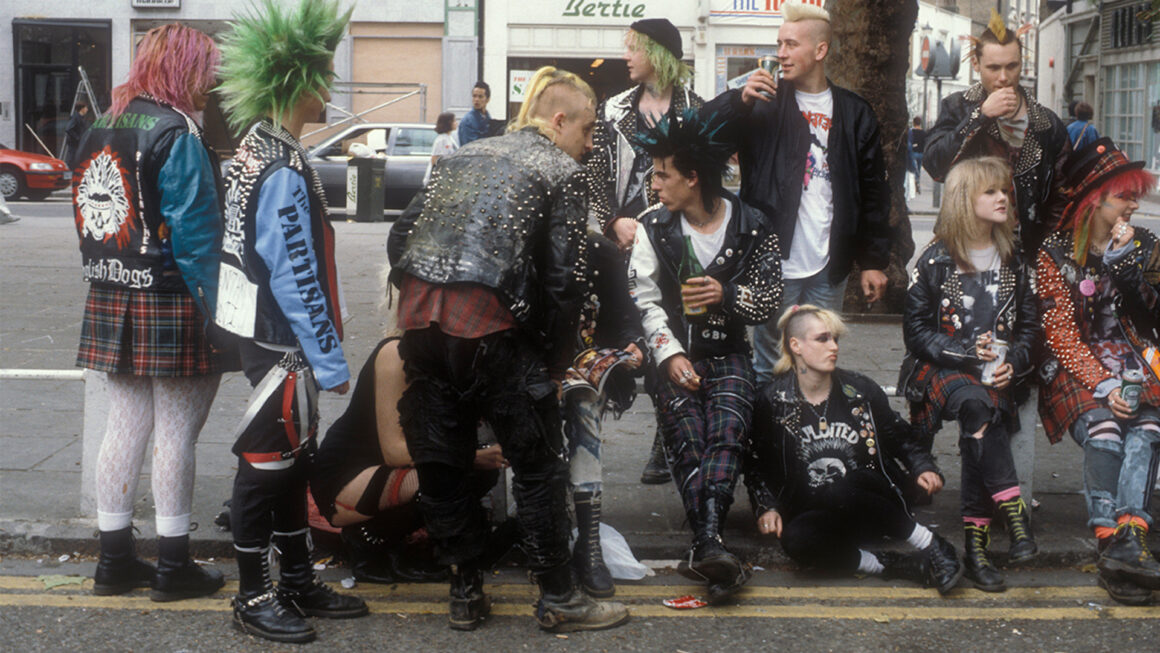
Townshend was the first of a long list of artists who, during the 70s, 80s and 90s used Dr. Martens: Buzzcocks, The Specials, Sex Pistols, Elton John, Morrissey, and Eddie Vedder redefined work boots and paved the way for a new generation to create their own style with them. A surprising appearance: in 1996, the Vatican ordered 100 pairs for its Swiss guard, including a special order in white for John Paul II.
Dr. Martens in unexpected contexts
Max Griggs, heir to the founders and CEO of Dr. Martens, was also the founder of the Rushden & Diamonds soccer team, which of course carried Dr. Martens advertising on its jerseys. He was not alone. Dr Martens also appeared on West Ham’s jerseys from 1998 to 2003, creating some of the most iconic uniforms in English football.

Collaborations in the history of Dr. Martens
Dr. Martens began as a collaboration between Maertens and Funk, then with the Griggs family. Dr Martens has continued to collaborate with a variety of creators who already revered the brand and, as a result, have shown complete respect for the original designs. Names such as Supreme, Stüssy, Vetements, Comme des Garçons, Raf Simons, Rick Owens or Yohji Yamamoto have created new interpretations of classic designs.
The original Dr. Martens icons, 1460, 1461, 2976 Chelsea, redesigns such as the Adrian moccasin or George II clogs in different finishes, materials and soles (Bex, Quad Neoteric, Quad and Quad Max) are available at FOOTDISTRICT.