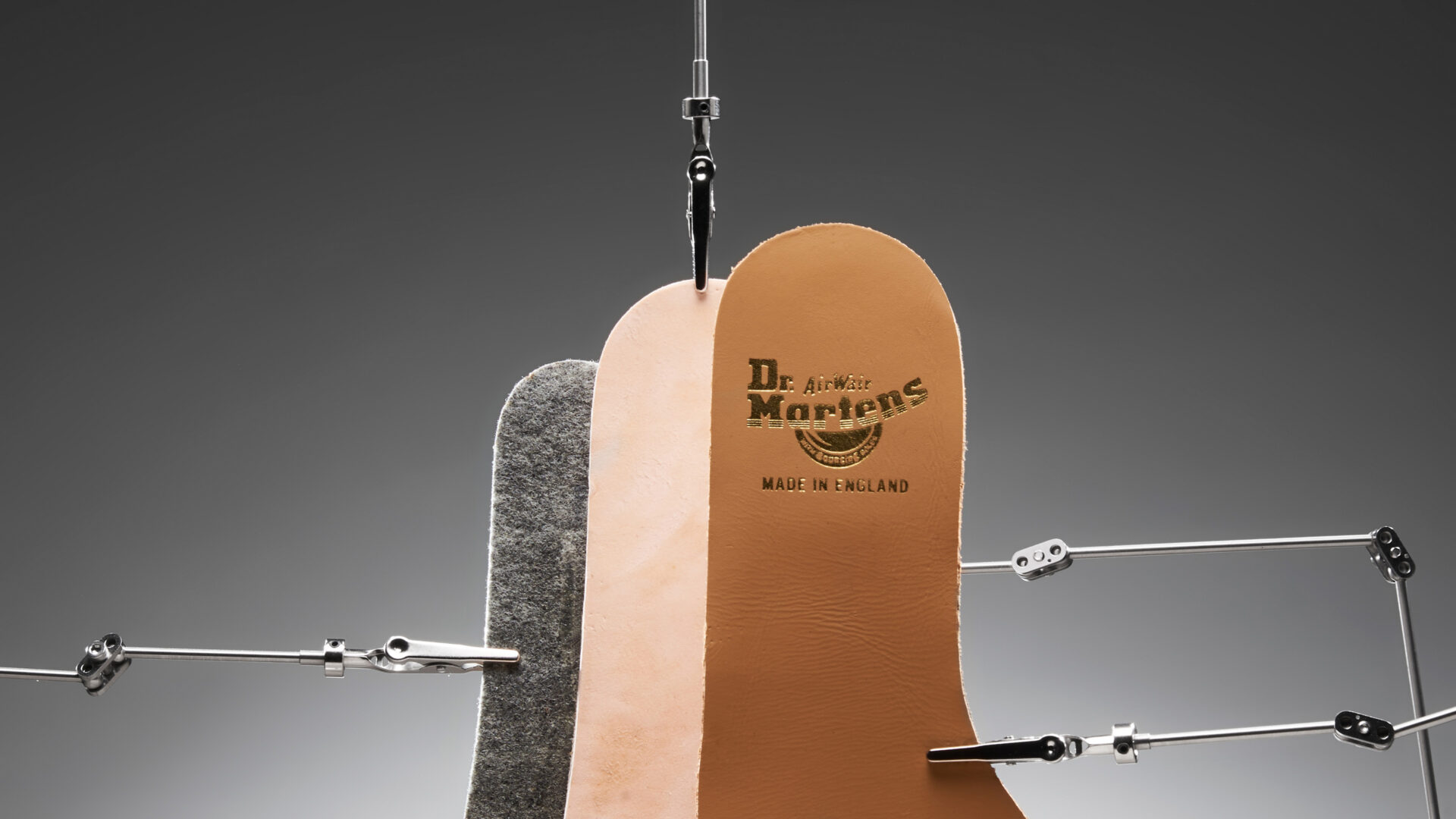
Dr. Martens’ cultural significance, dissected in a painstaking laboratory analysis.
Creating a recognisable and authoritative design that can be associated with hundreds of stories from different decades is a difficult task. Impossible if we demand that not only the finished product, but each of its components be recognisable, sought after, and admired. This is the case of Dr Martens, which manages to reduce its pieces to a bare minimum while expanding its recognition, that of elements that have remained unchanged since their inception in 1960, but are also capable of evolving to adapt.

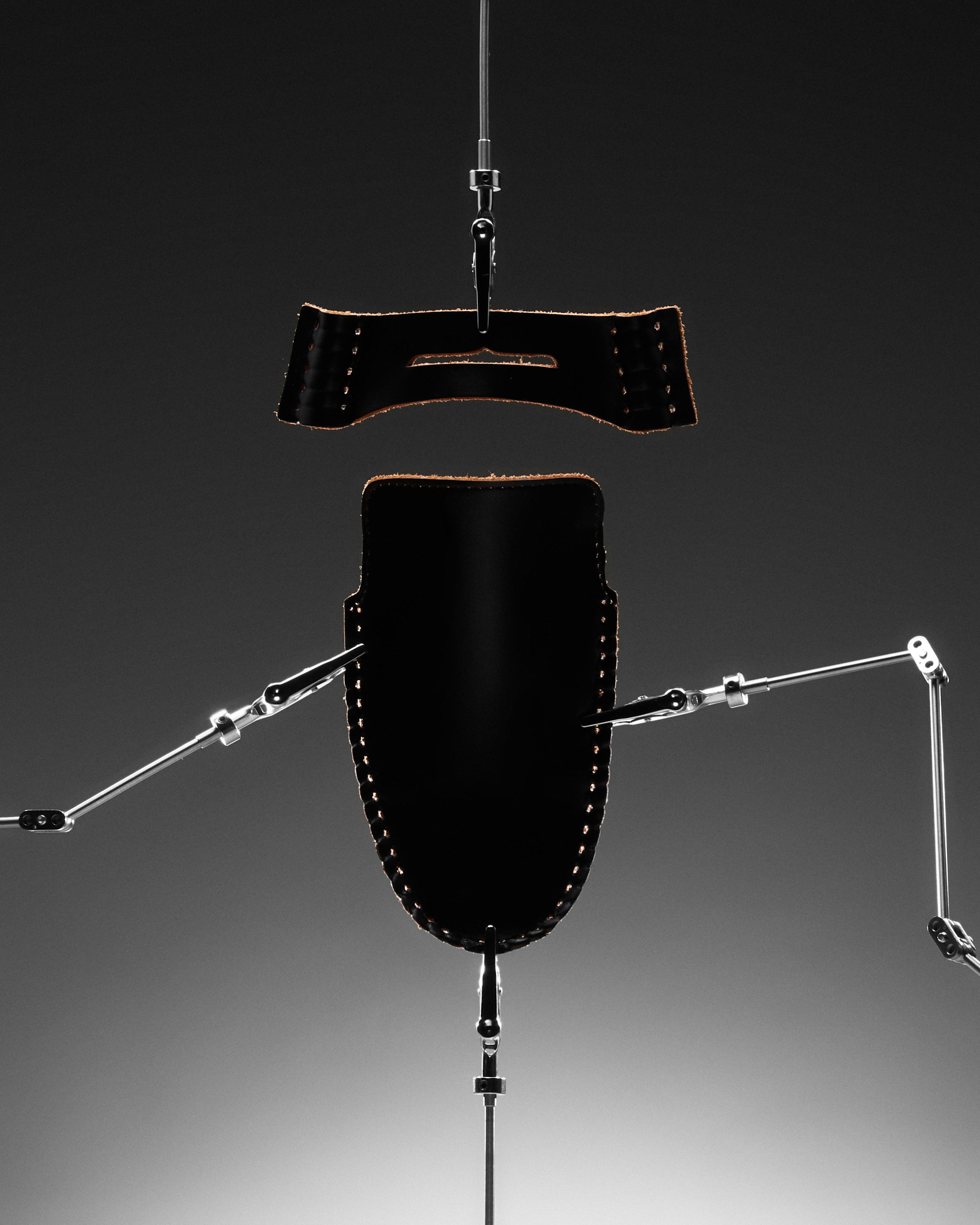

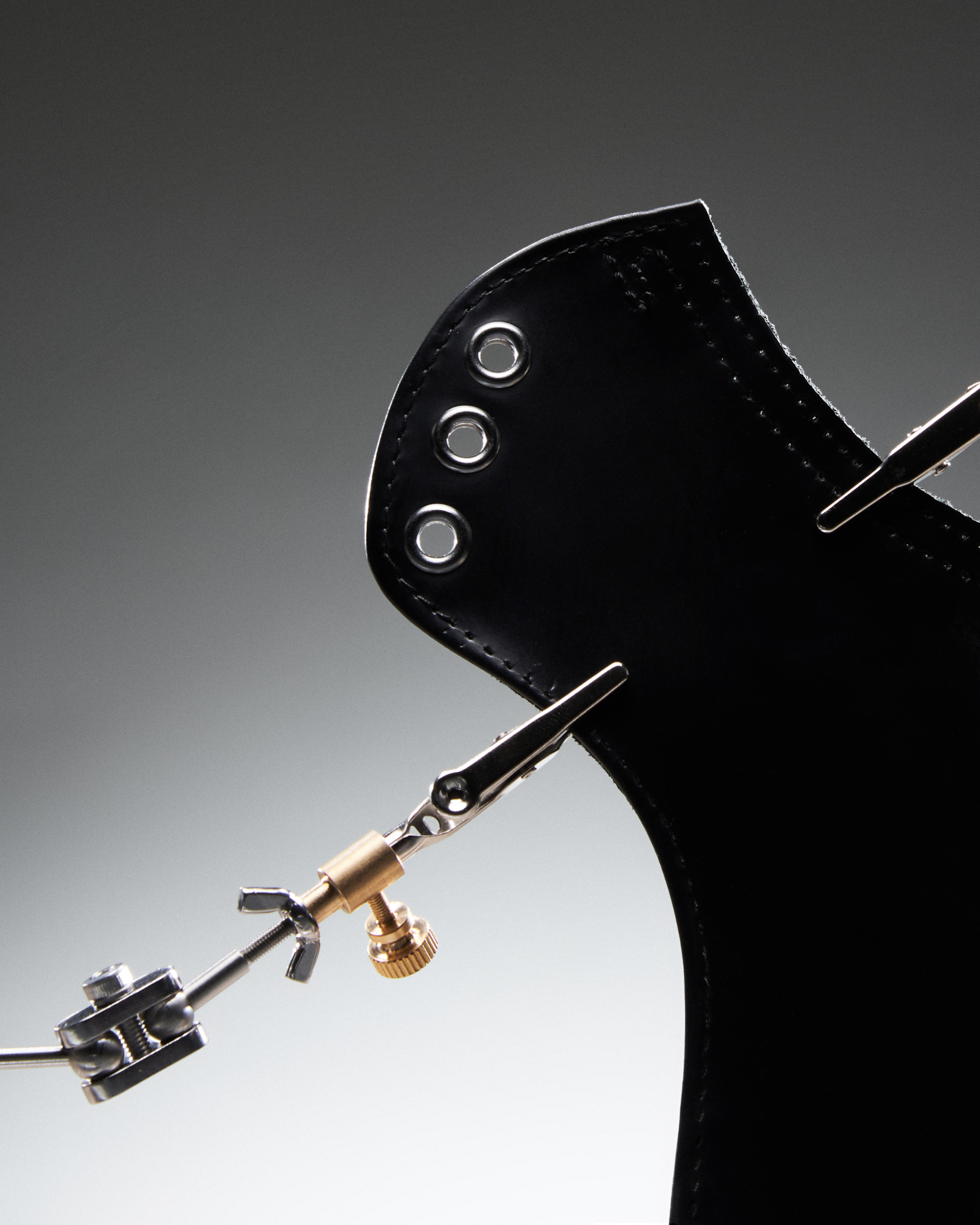
The eight eyelets of the 1460, the three eyelets of the 1461, the DMS sole, the base of the original silhouettes and of each of their transformations, the yellow stitching that has become the brand’s image, the heel puller with the AirWair symbol, the leathers treated by the expert hands of a two-hundred-year-old tanner, C.F. Stead, and the Made In England stamp on the insole, as a symbol of excellence.

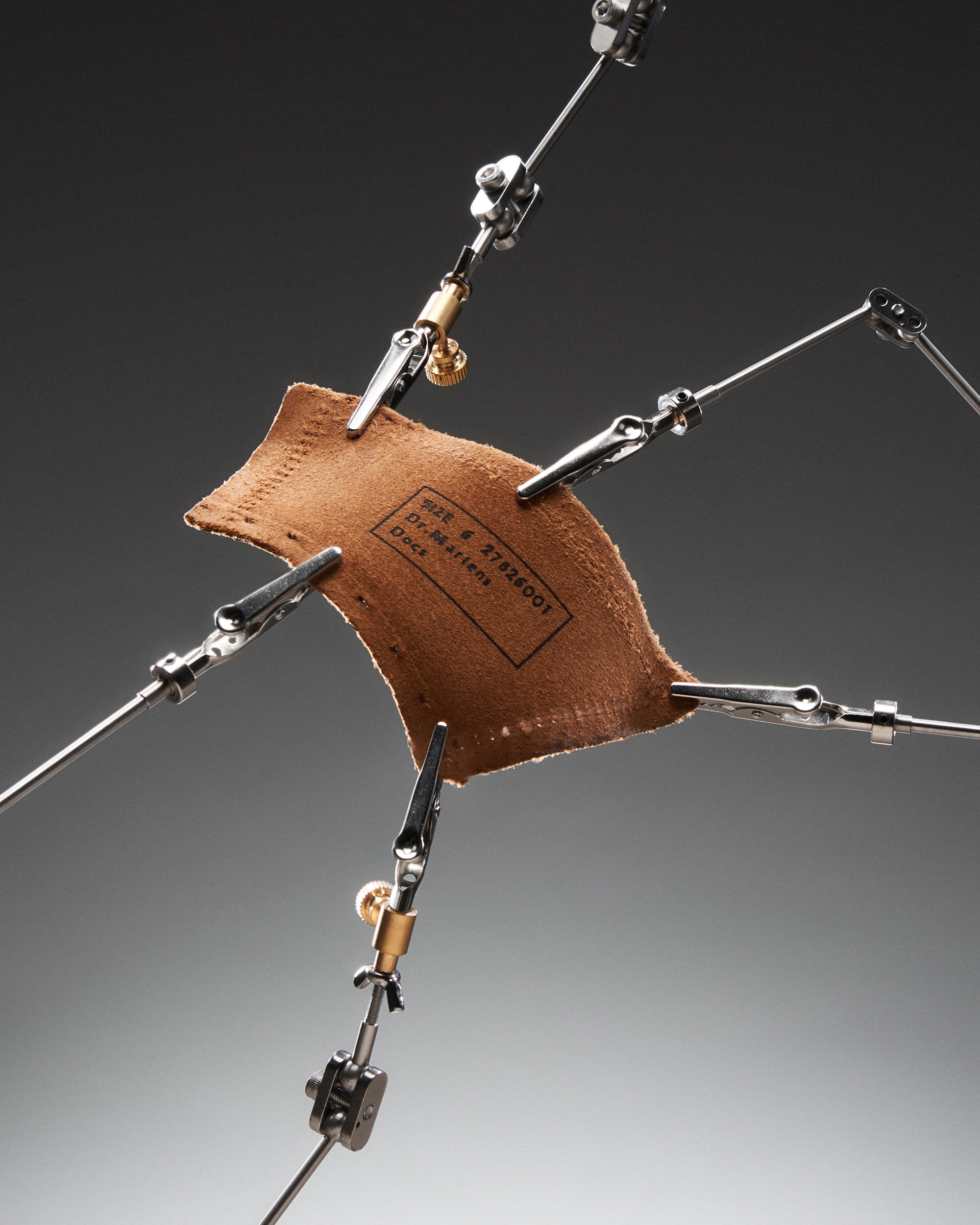
Historical and recognisable components are present in models linked to various stories. They established their reputation as being unbreakable with their work boots, unexpectedly became a multicultural symbol with ska, and entered the music industry via subcultural currents. Punk, glam, or grunge are just a few of the new tribes that used Dr. Martens to subvert earlier fashions from various cultural, musical, and trend viewpoints. The authenticity that Dr. Martens has carved out over decades and permeates each of its pieces allows it to maintain its alternative appeal during a time of change for youth-related movements and subcultures.

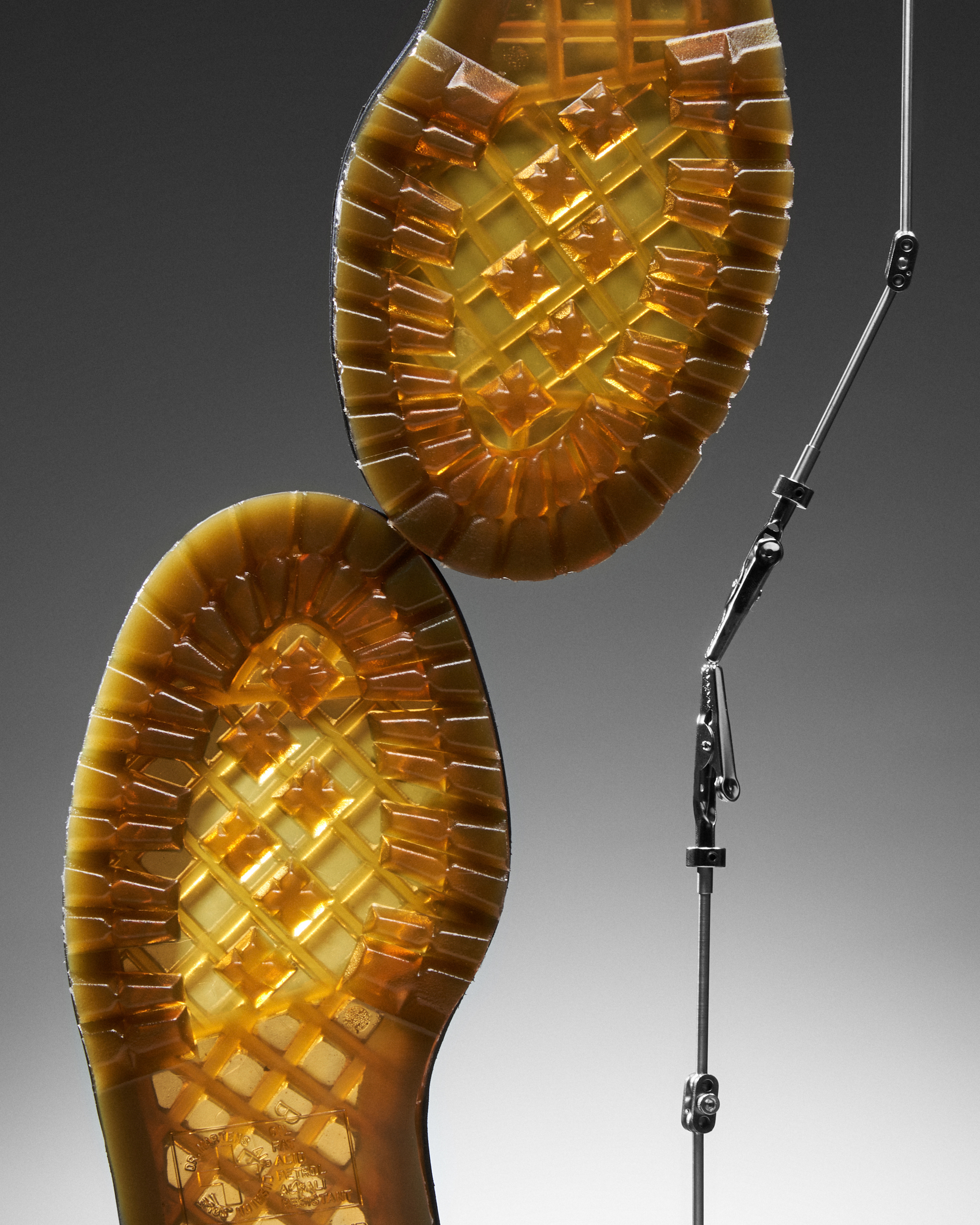
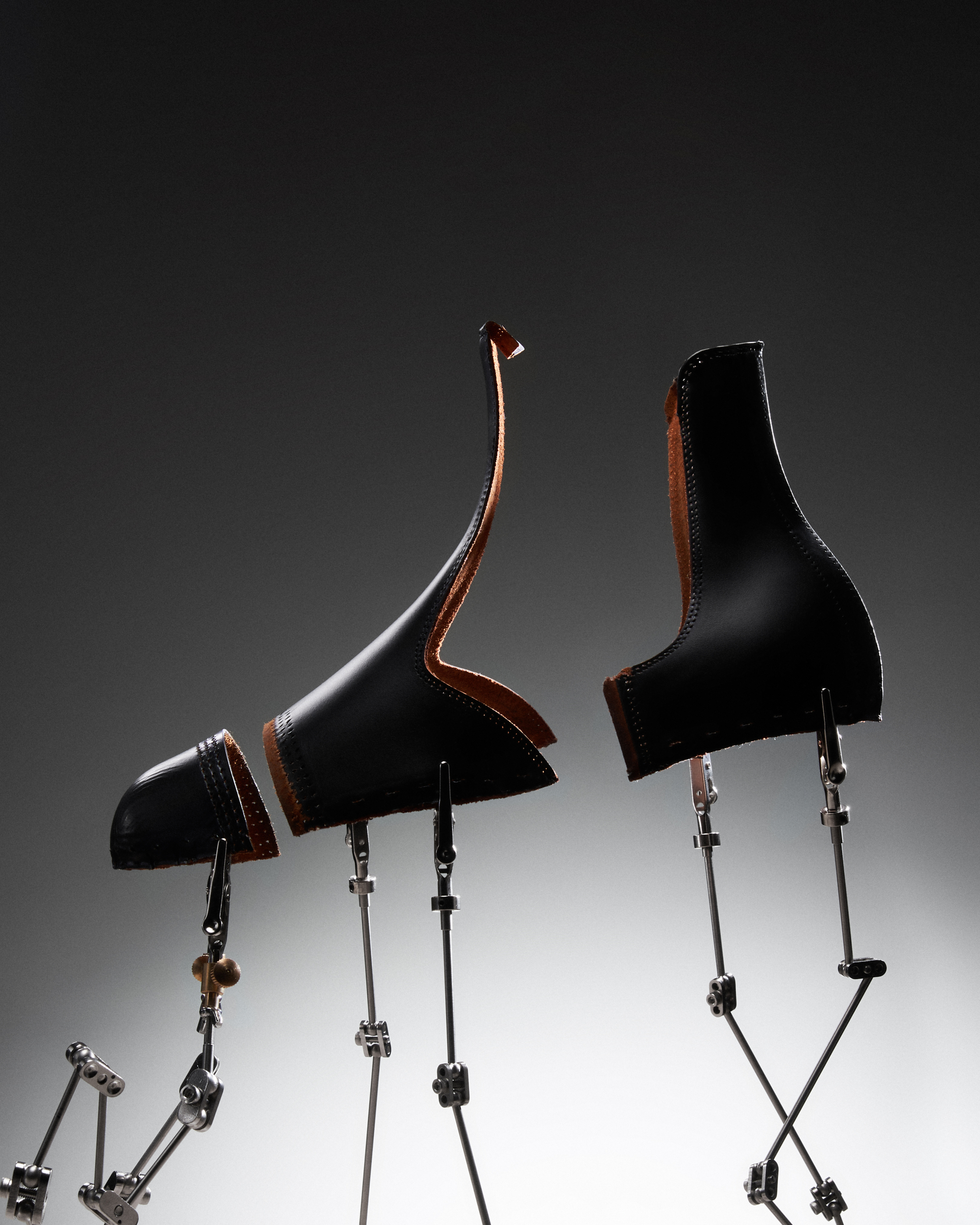
Each fragment contains a symbol of self-expression, which FOOTDISTRICT has taken to the lab to dissect, analyse, and investigate its forms. A situation that contrasted with their typical experiences and in which we hoped to uncover their secrets.
The Dr. Martens Made In England collection is now available at FOOTDISTRICT.