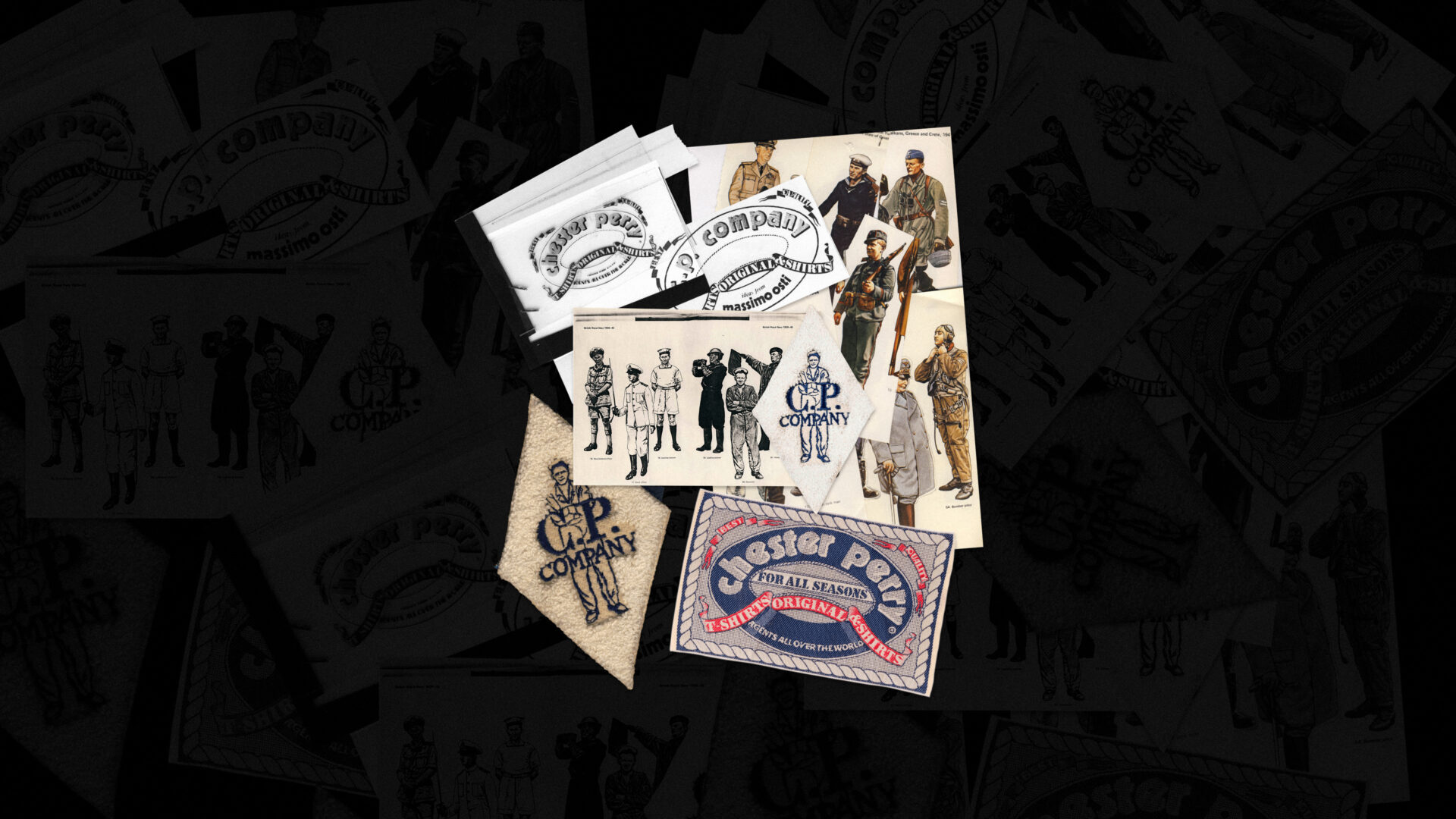
The life of CP Company and its founder, Massimo Osti, is filled with stories and legends about his ability to create new creations from opposite worlds.
We look at some interesting facts about CP Company and its ability to surprise us.
About the origin of CP Company and its name
CP Company was founded in 1971 under another name, Chester Perry. Chester Perry was the name of the factory where the main character of the comic strip Bristow, which ran daily from 1961 to 2012, worked.
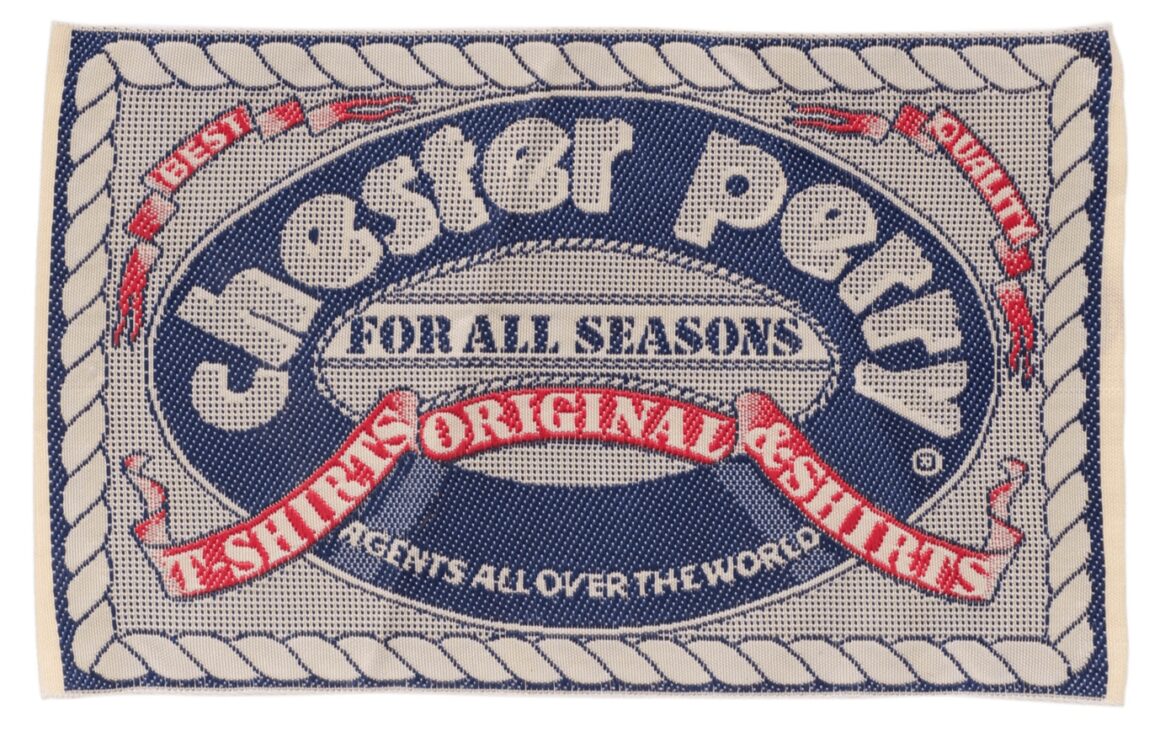
In 1978 Chester Perry became C.P. Company, after two brands, Chester Barrie and Fred Perry, filed lawsuits for resemblance to their trademarks. It kept Chester Perry’s initials and adapted the logo.
Massimo Osti’s first proposal was not Chester Perry (C.P. Company), but Chomp Chomp, a brand with a comic-book-related image.

About Massimo Osti, the founder of CP Company
Massimo Osti began his career as an industrial designer for Pirelli before creating his own designs. At first, it was just graphics on T-shirts by designer Anna Gobbo.
In addition to CP Company, Massimo Osti founded Bonneville, Stone Island, Left Hand and Massimo Osti Production and collaborated with Levi’s and Philips.
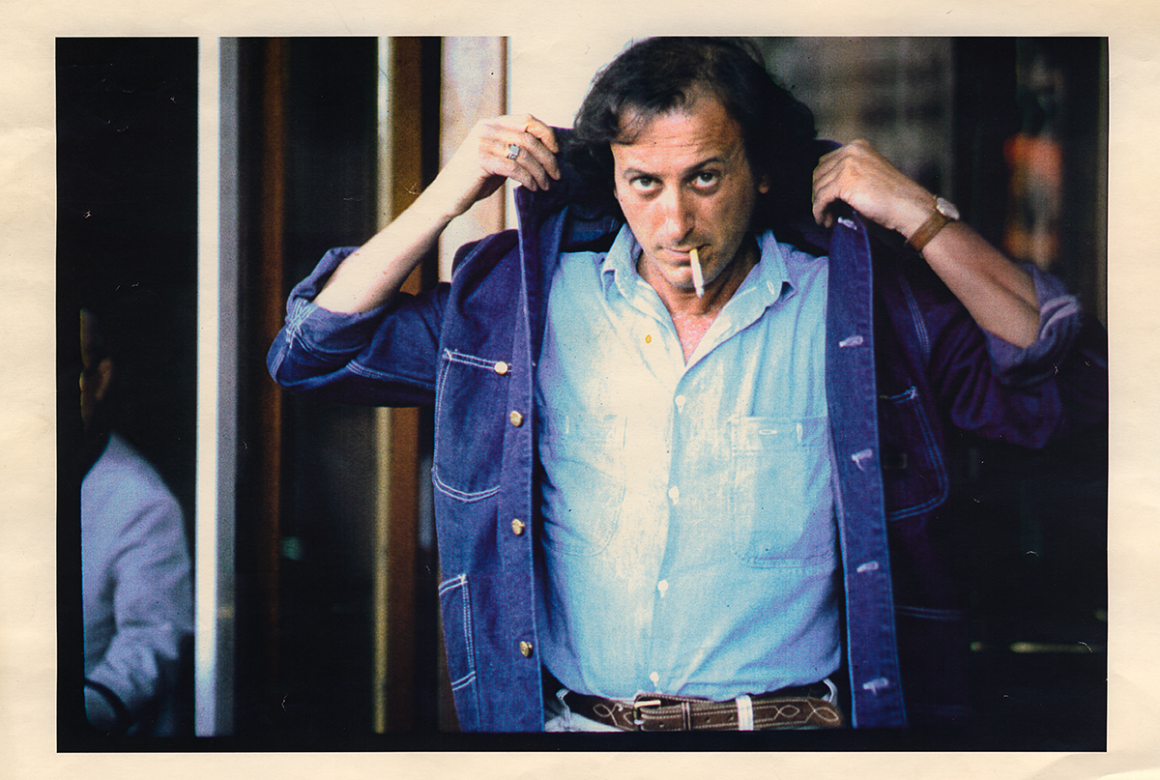
CP Company was an attempt to create the perfect wardrobe, so Osti saw no point in renewing collections every season. He coined the concept of “Continuative Garments”, a process of improving garments by redesigning only those aspects that could be improved through new technologies.
About functionality and design at CP Company
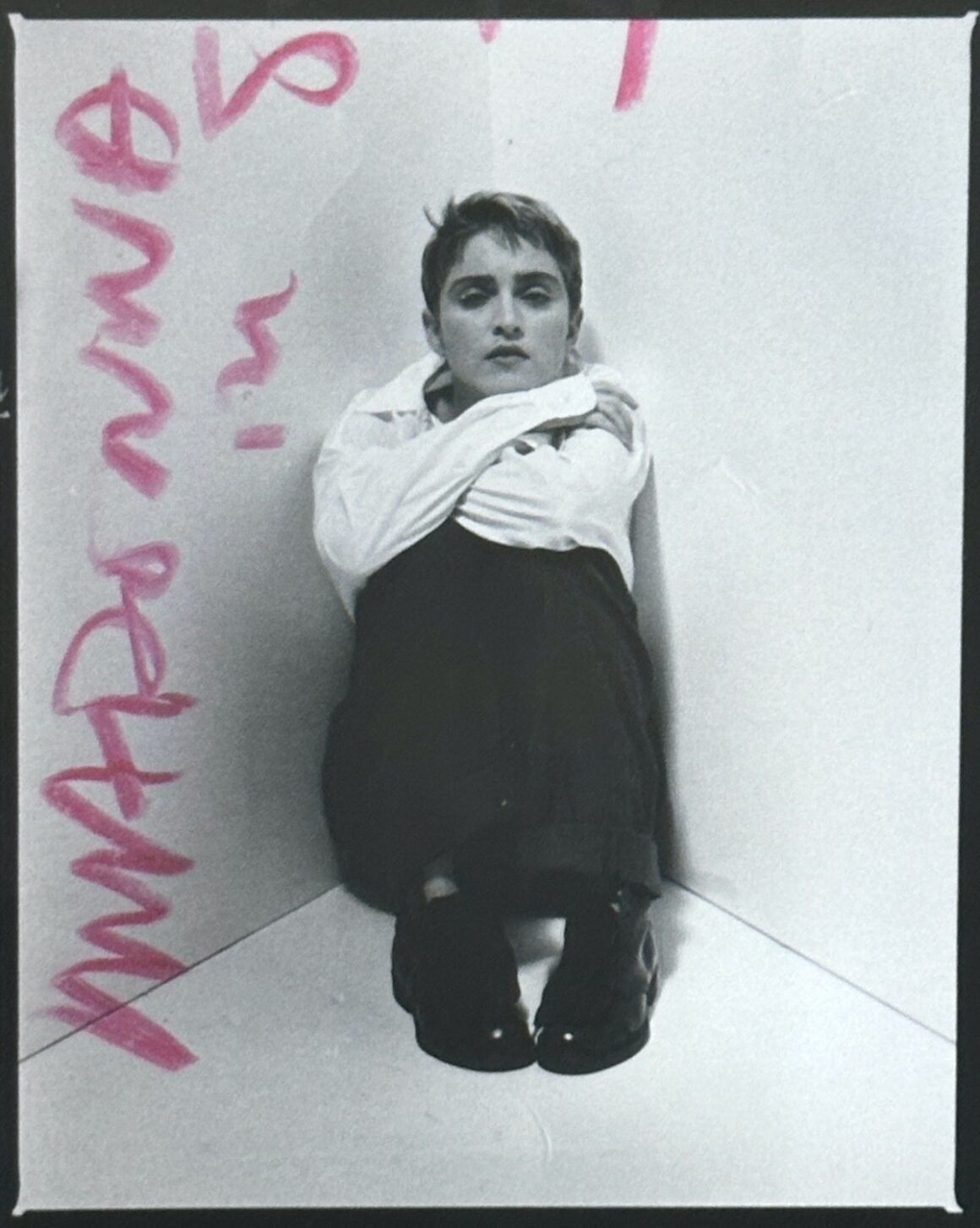
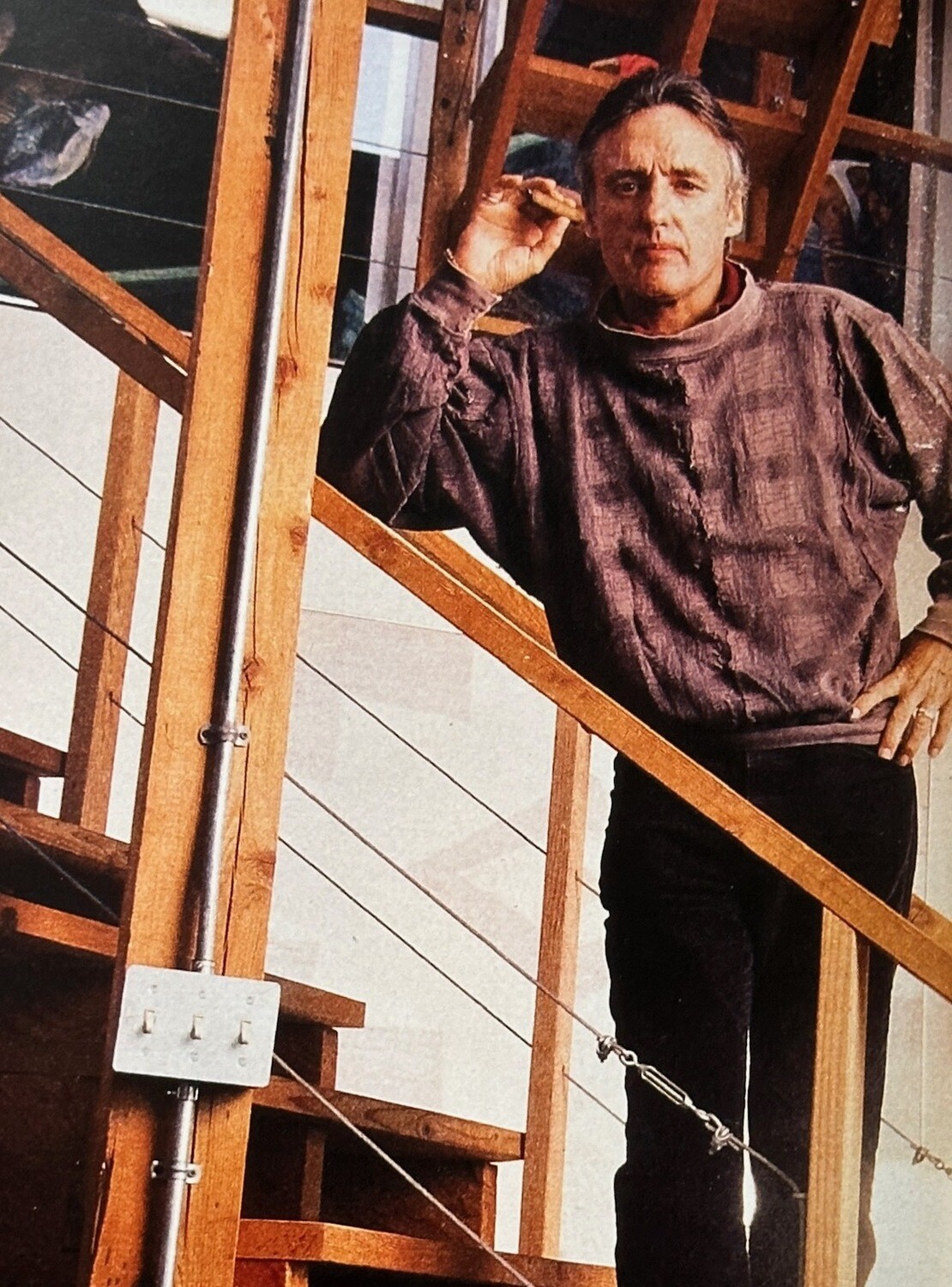
C.P. Company’s functionality and style was the reason why Herb Ritts or Anne Leibovitz chose the brand for shoots with Madonna or Dennis Hopper.
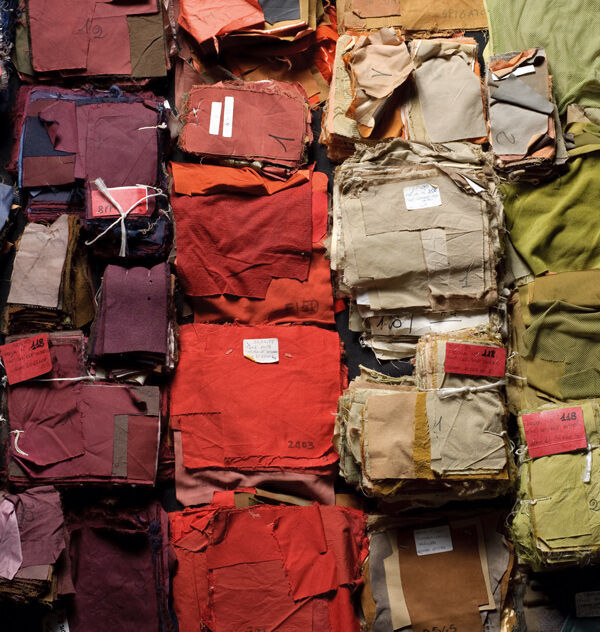
One of CP Company’s unique features is garment dyeing, i.e., dyes are added after the garment is finished. Originally, it was intended to give the garments a more realistic finish. Osti quoted the English gentlemen who asked their servants to wear their garments until they had a “more lived-in” look.
Massimo Osti worked on a photocopier. If he wanted to try pockets on a garment, he simply photocopied them from another garment and added them, on paper.

The cultural legacy of CP Company
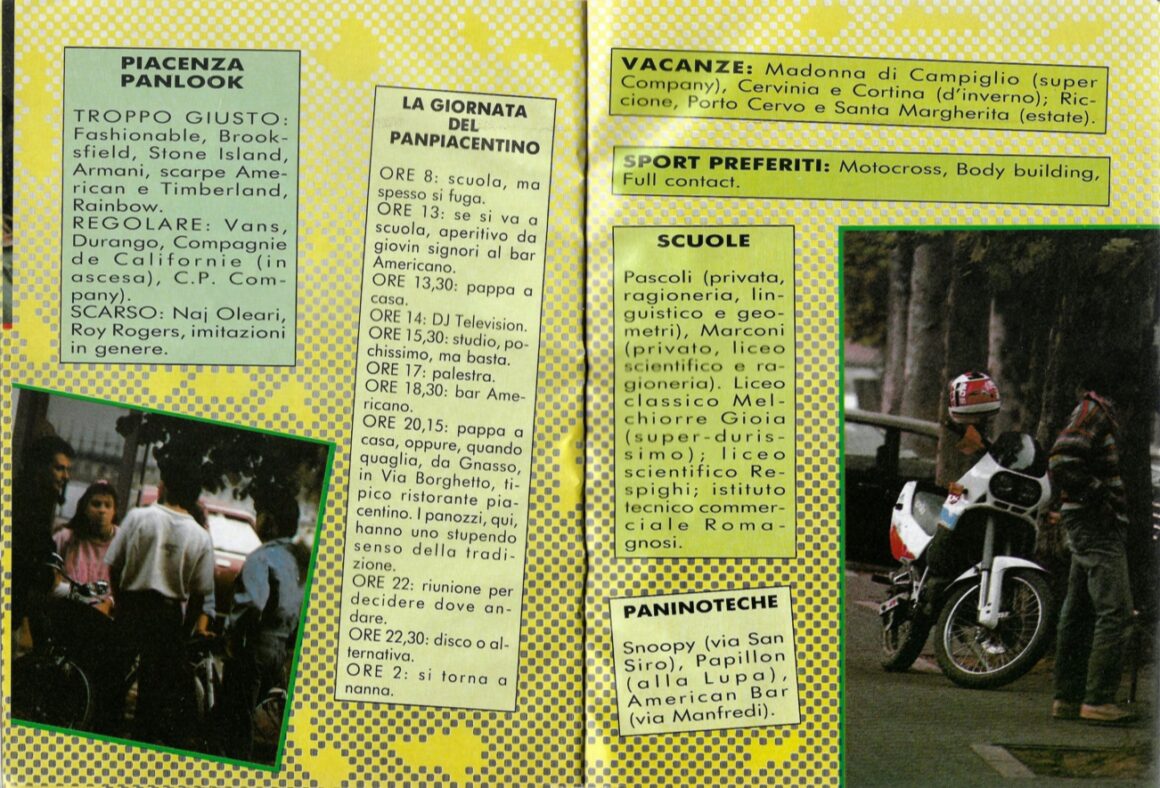
The first to adopt CP Company as a cultural element were the panninari, a group that emerged in the early 1980s in Milan. A response to the politicized seventies, the panninari were hedonists and sought in C.P. Company the conjunction of beauty and utility to lead an active life.
The panninari were also the reason for CP Company’s association with Terrace culture. When fans of British soccer clubs visited Italy they wanted to return home with those brands.
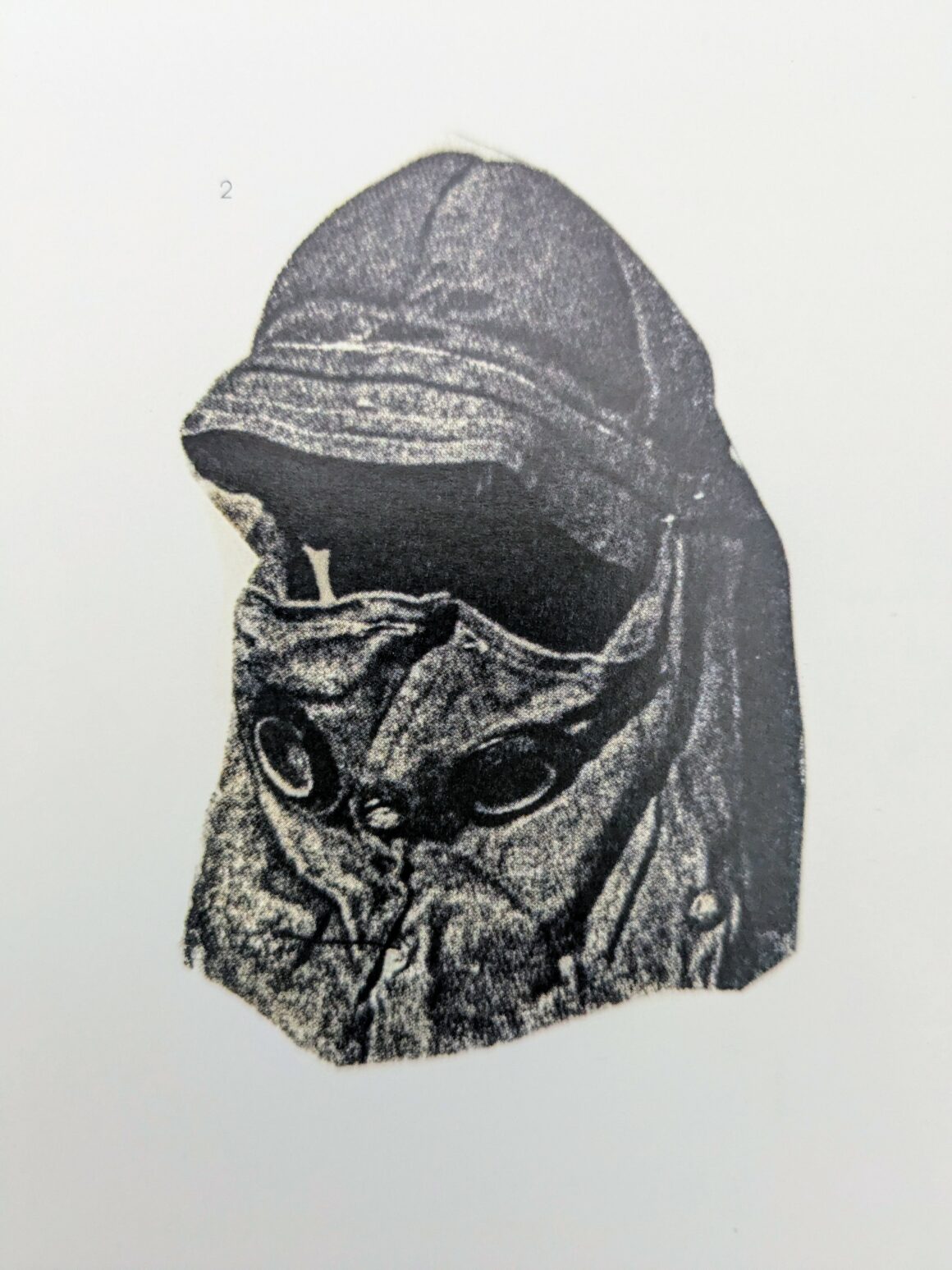
The origin of C.P. Company’s most distinctive feature, the lens that appears in much of its catalog, is well known. Massimo Osti was developing a design that could cover the face, as some Swiss army jackets did. His plan came to fruition when he sponsored the Mille Miglia, a competitive race that ran until 1957 and was converted into a travelling classic car show in 1977. The place where the Mille Miglia Jacket made its debut. What is not so well known is that the first prototypes were inspired by the garments worn by the Japanese Self-Defense Forces.
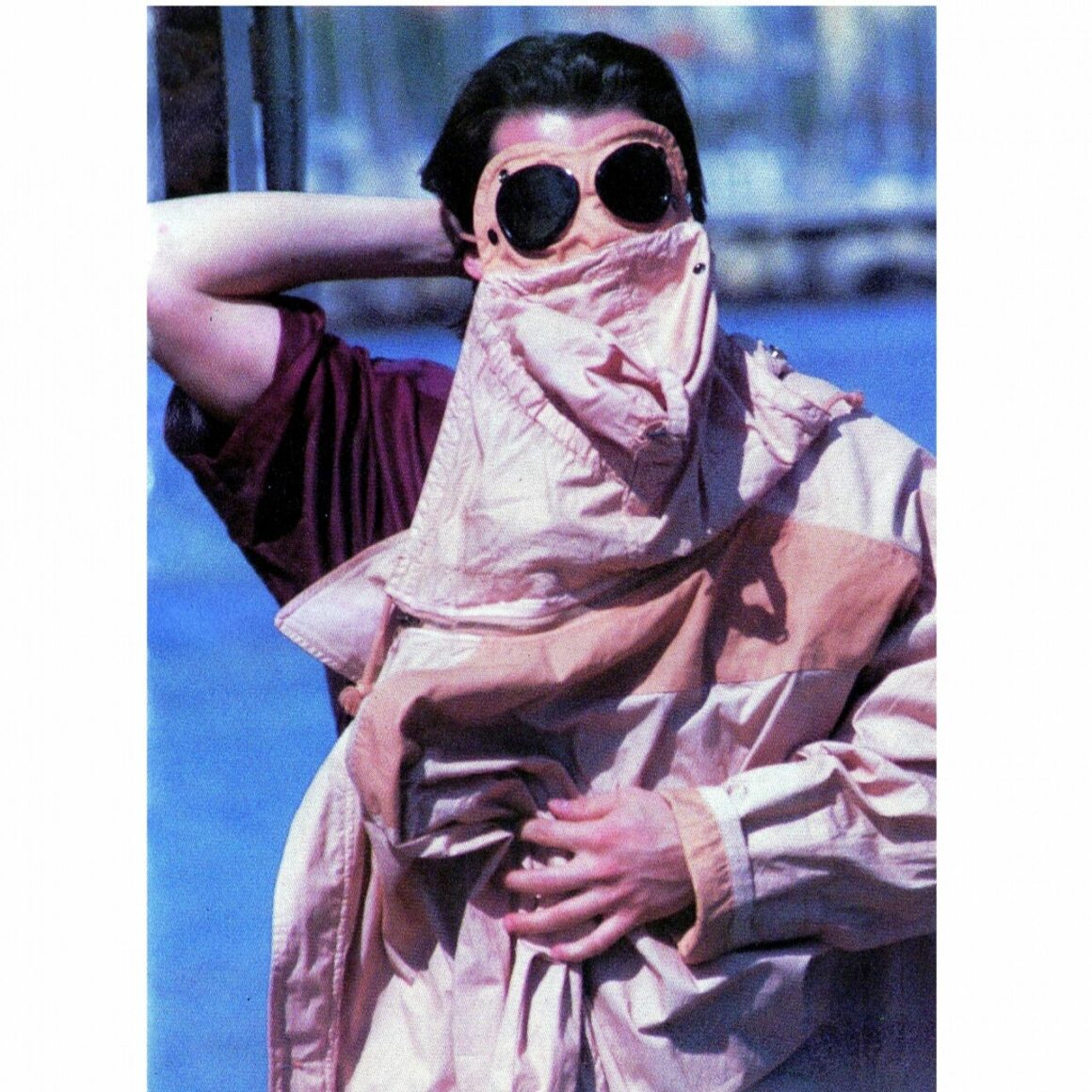
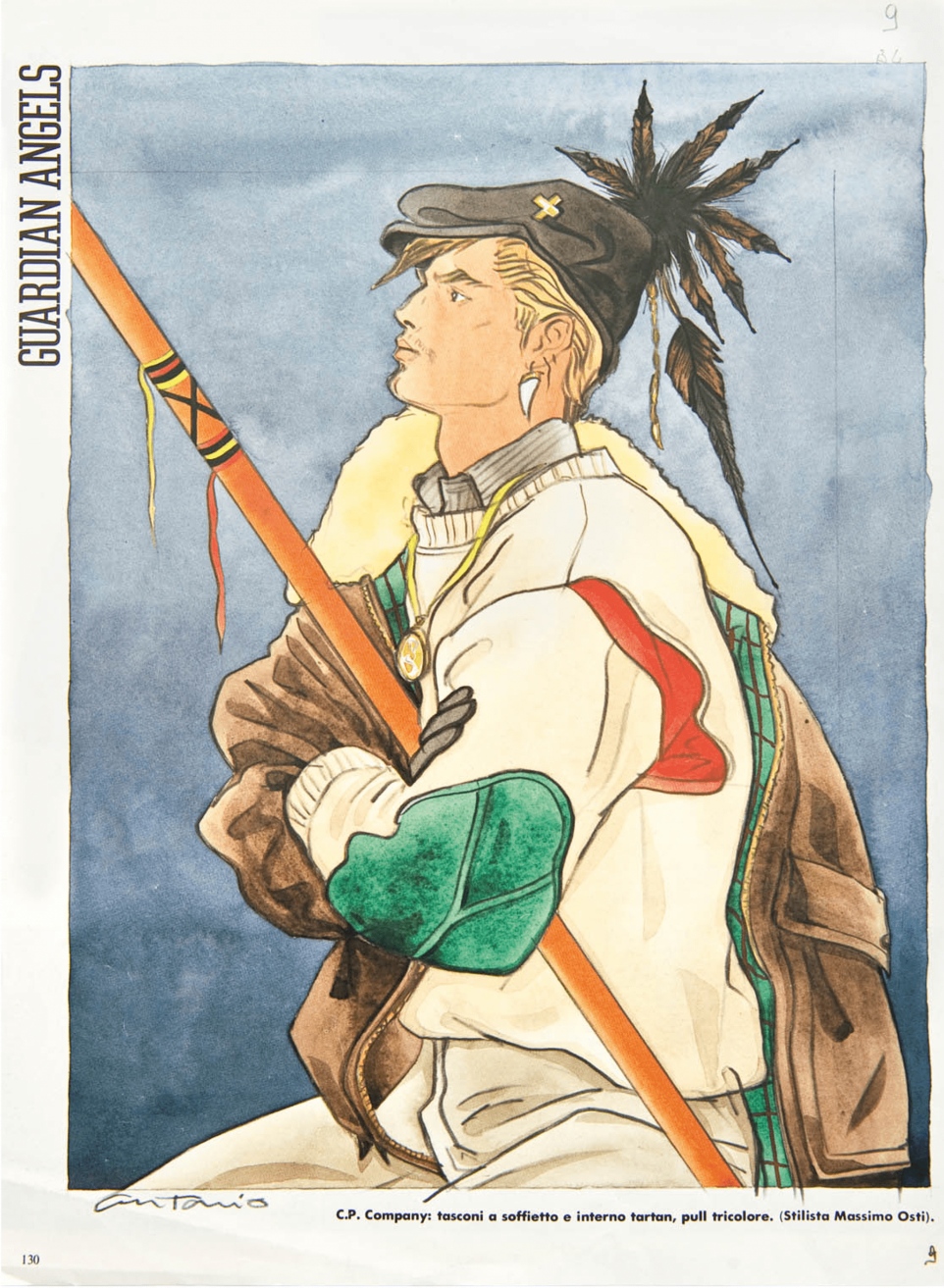
A classic CP Company design, the Dutch Police Jacket was inspired by an old police jacket and allowed for different uses thanks to its interchangeable pieces. It went on sale in 1982 and its campaign used images by Puerto Rican illustrator Antonio Lopez, a close collaborator of Karl Lagerfeld and Andy Warhol.
FOOTDISTRICT features the new CP Company collection. Discover garments that combine cutting-edge technology and urban style, redefining the relationship between design and urban culture.