
adidas, a historical brand for understanding the development of sport and culture, was born as an idea long before Adi Dassler decided to use the first letters of his first and last name in a new brand.
In 1949, when the name adidas was finally legally registered, its creators already had decades of experience with the best athletes in the world, to facilitate their training and develop products with which to achieve better performance. Its history is full of curiosities and anecdotes.
The Dassler family
Adi Dassler was born in 1900 in Herzogenaurach, a small town then numbering some 4,000 inhabitants. He was the fourth child of Christoph and Pauline Dassler, after Fritz, Marie and Rudolf, the closest, with whom he shared an overflowing passion for sport. After attempting a career as a baker, Adi set out to learn to make shoes, a common resource in Herzogenaurach, which boasted numerous shoe manufacturers.
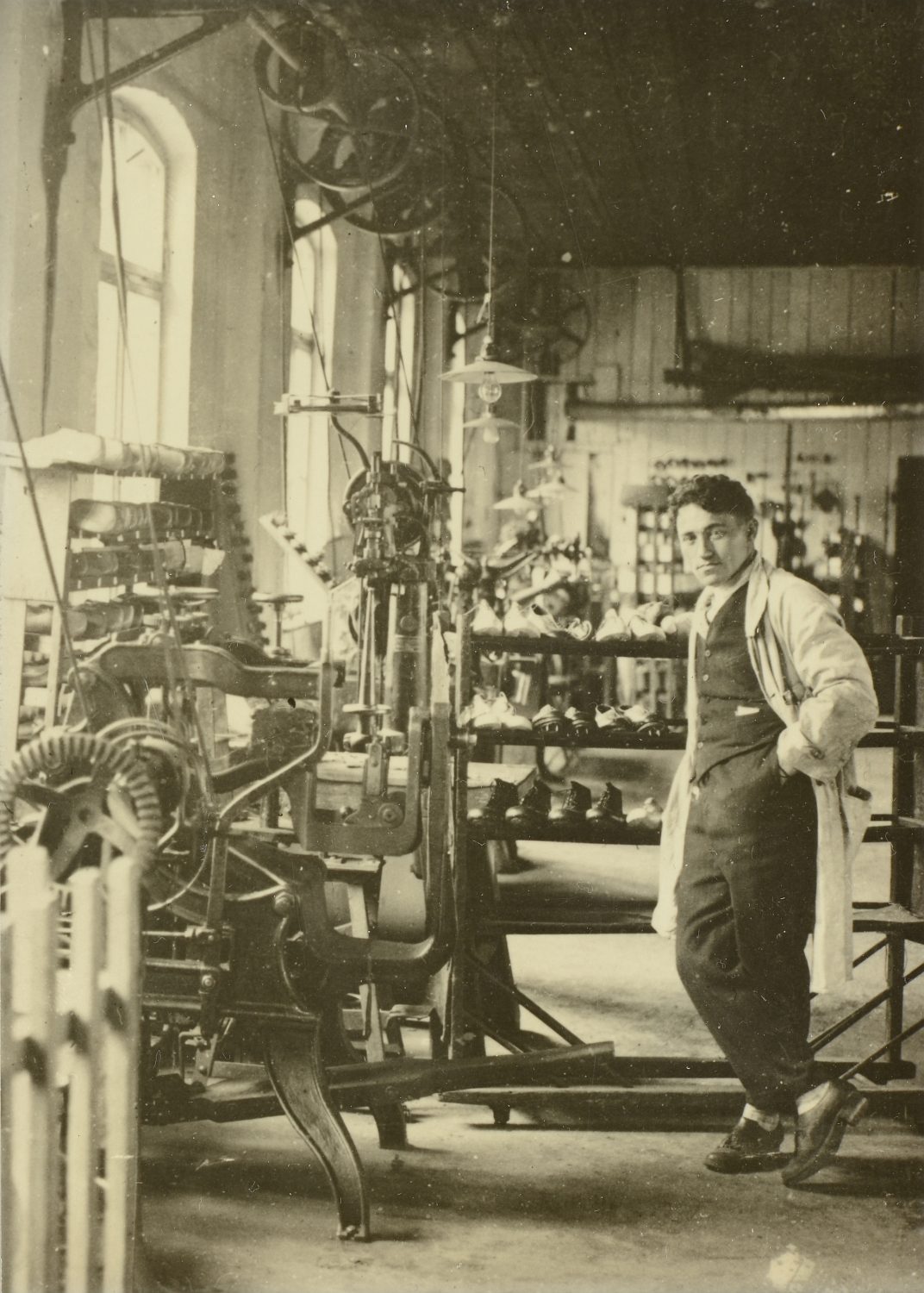
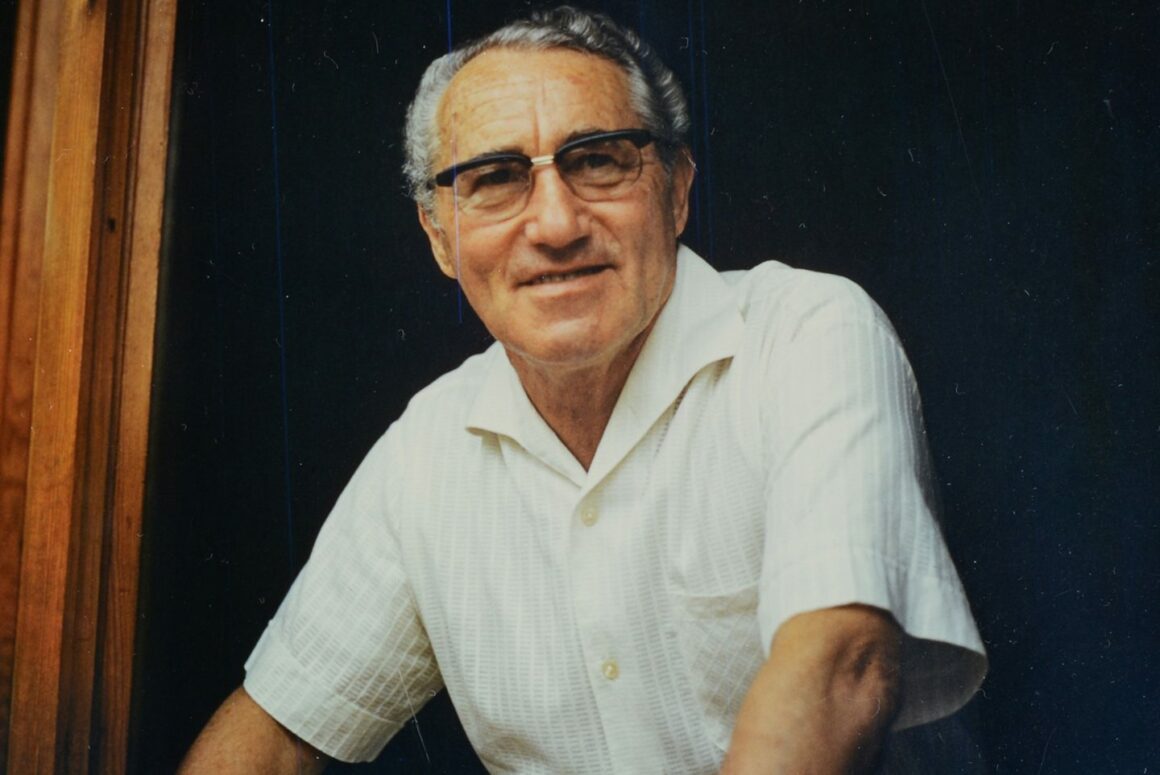
In 1918 Adi’s studies were interrupted by his joining the army to serve in World War I, but on his return he arrived with a clear idea, to unite his knowledge of footwear with his passion for sport. Adi regularly boxed, athletics, skied or ice hockey and found that, despite the obvious differences between the various sports, the shoesthey used were basically the same. Designing sport-specific products could provide a functional and performance advantage.
The Dassler brothers’ shoe factory
The time was complicated; the country was recovering from a war, and materials were rationed, but Adi had the idea of starting a small shoe factory in the family home. He began his career as a shoemaker, recycling materials and repairing shoes, but he also had to address another issue: energy. From a bicycle and some belts, Adi developed a wooden sewing machine that moved thanks to the pedaling motion of his first employee, Sepp Erhardt. In 1923 his brother Rudolf Dassler began working with him and a year later the company was officially registered, under the name “Gebrüder Dassler Sportschihfabrik”, the Dassler brothers’ sports shoe factory. The roles seemed to be divided on the basis of the skills of each, Adi devised and developed the shoes, Rudolf sold them.
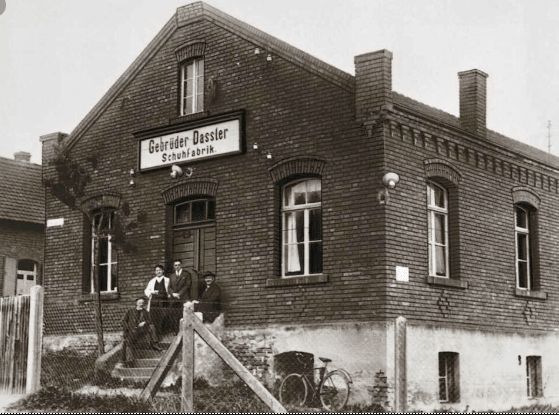
In the first two years, the Dassler brothers and a dozen employees managed to manufacture up to 50 pairs of sneakers a day, and in 1926 they were forced to move out of the house and rent premises to increase production.
Dassler at the Games
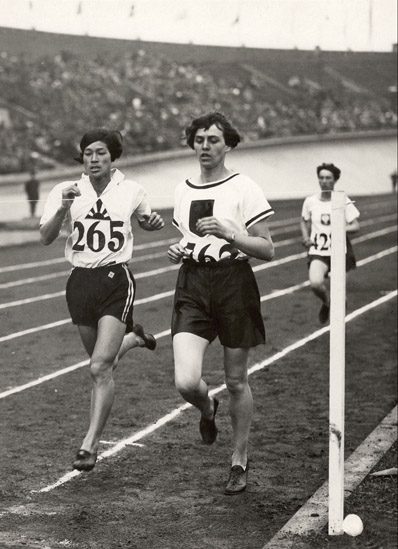
Amsterdam in 1928 were the first Olympic Games in which the Dassler brothers participated in any way. Adi, convinced of the superiority of his sneakers, gave some pairs to the German athlete Lina Radke, who won gold and broke the 800-meter world record with a mark that was not broken until 16 years later. It was the first time that women could participate in athletic events at the Olympic Games and the 800 meters was the longest distance scheduled. The reaction of society and the Olympic movement itself was negative; Baron de Coubertin, the Games’ “recuperator,” denied the possibility of female participation, and there were numerous criticisms of the alleged harm that sport could cause to women. The 800 metres were removed from the Olympic schedule until 1960.
The next Games took place in Los Angeles in 1932, which was too far away for Dassler’s influence. However, 1932 held significance for Adi for another reason. Adi left Herzogenaurach for a few months to train in Pirmasens, a German town near France known for its high-quality shoe factories. There he learned from last maker Franz Martz (whose company continues to work with adidas) and met his daughter Käthe, who would later marry Adi and become an important part of adidas.
Jesse Owens in Berlin 1936
Berlin 1936 was undoubtedly the first major showcase for the shoes created by Adi Dassler. From 1930, the German athletics coach Josef Waitzer collaborated directly in the development of the shoe, which made it an open door to the best German athletes. But in 1936, it was no longer just German athletes, Adi himself was responsible for getting some of his shoes to top athletes around the world, with Jesse Owens as a leading athlete. In an environment created by the burgeoning Nazi ideology, putting your sneakers on the African-American star was also a statement of principle. For Adi, it was all about performance. The Dassler brothers’ shoes won seven golds, five silvers and five bronzes at the 1936 Olympic Games in Berlin.
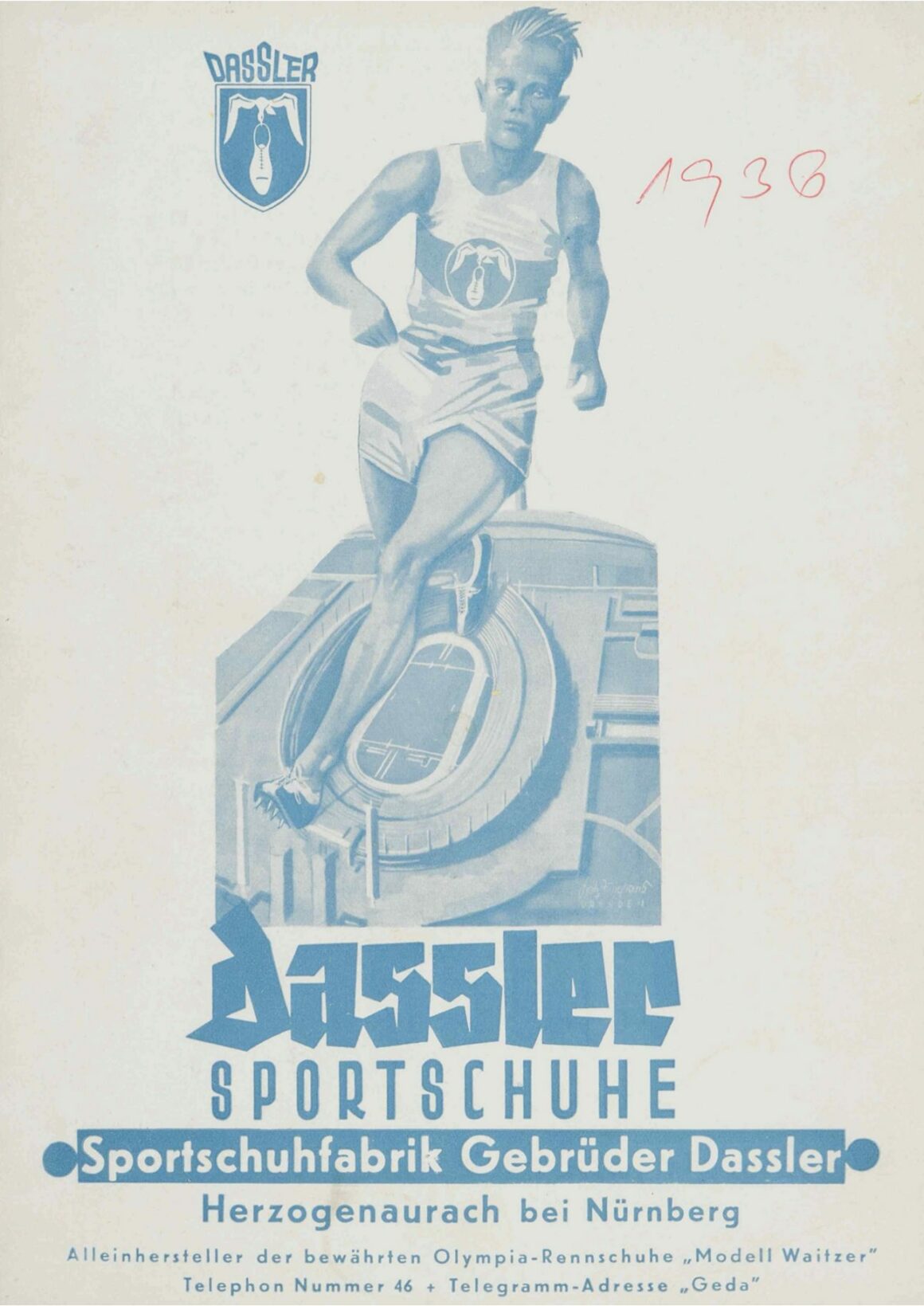
Adi Dassler in the face of the World War
A success that, together with the sporting demand created after the Games, forced the Dasslers to increase production: up to 100 pairs of sneakers were manufactured daily by the Dassler brothers’ company. In 1939 everything changed, Germany began its war escalation and again material, energy and manpower were limited. In addition, the two Dassler brothers were already war veterans having participated in World War I and were drafted. Two years later, Adi is released from his military duties and returned to Herzogenaurach to manufacture shoes, now for the German army, while Ruda was still at the front. The war was also the height of friction between the two brothers, Adiand Ruda, and the final separation. With very different jobs within the company and with opposing personalities, the separation inició una rivalidad entre las dos familias y el nacimiento de adidas y Puma.
The birth of adidas
Adi’s first company name was “Adolf Dassler Special Sport Shoe Production addas,” with the intention of using addas as a brand name. However, the records office found the name too similar to ada-ada, a shoe company focused on children’s sizes. Adi had to add an “i” and so adidas was born, on August 18, 1949. A new stage that maintained Adi Dassler’s expertise as a sneaker manufacturer.
Some of the first adidas designs were created for basketball or baseball, sports not too popular in Germany. The reason was simple, the first adidas buyers were, in some cases, US soldiers stationed in Germany. Although adidas remains a brand deeply rooted in Europe, those early contacts with this consumer were the basis for its subsequent American landing a few decades later.
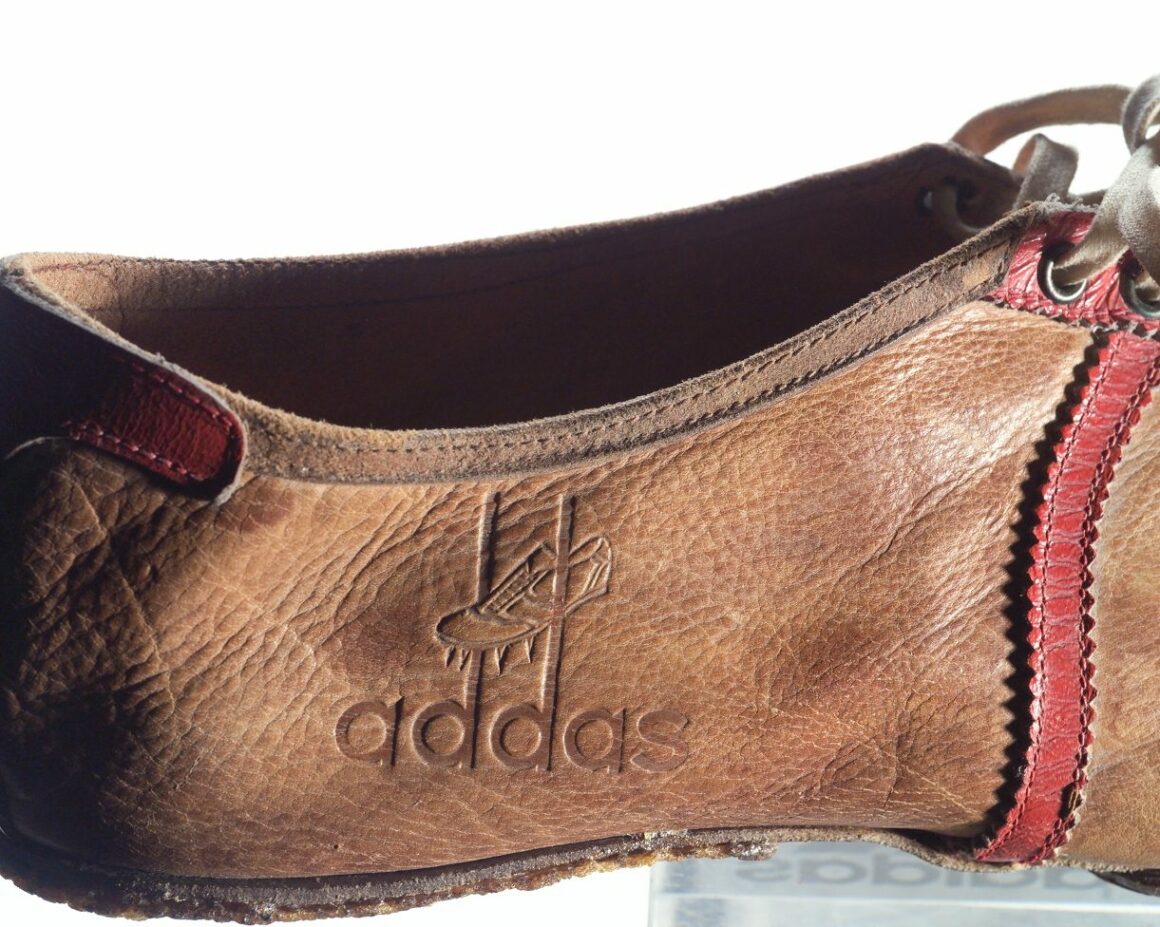
However, the first major success of adidas as a brand came in a typically European sport and with the German national soccer team as the main protagonist. Soccer has historically been a great ally of adidas; some of the greatest innovations and most advanced footwear were created by adidas. And not only that, in the stands, adidas made its designs the fundamental reference for many generations during the 60s, 70s and 80s, designs that are revived today thanks to the adidas Spezial collection.
The miracle of Berne
There are few occasions when a sporting good is recognized as the ultimate success story. The miracle of Bern was one of them, and of course the culprit was adidas.
Since his days at the “Gebrüder Dassler Sportschihfabrik”, Adi Dassler had struck up a deep friendship with Sepp Herberger, the eternal coach of the German national soccer team who remained in charge for almost three decades. The relationship between Adi and Sepp went from personal to working and the two used each other’s expertise to create new soccer boots. In 1954, Herberger invited Adi Dassler to take part in the World Cup as a sports equipment consultant to the national team. A gesture that ended up deciding the championship.
Germany was not one of the favorites, a label that went to Hungary, the so-called Golden Team, which had beaten Germany 8-3 in the qualifying round. When the two teams met again in the final, no one was betting on the Teutons.
However, the day of the final dawned with rain. The pitch only withstood the first few minutes of the match, during which the Hungarians scored twice. As the match progressed, the pitch became a muddy mess. For the German players it wasn’t a problem, the adidas boots that Adi had prepared for them had interchangeable studs that could adapt to every situation.

Germany revived the match and ended up taking the championship thanks to the advice of Adi Dassler and his adidas Argentinian. A sporting success that also had a social correlate, only nine years after the World War, Germany presented itself to the world as a new modern state.
Collaboration as a tool
That first major adidas creation defined its style in many ways. It developed as a collaboration with German coach Sepp Herberger, with each party bringing their expertise to the table. Since then, Adi Dassler worked hand-in-hand with top athletes, an example adidas has maintained throughout its history, with collaborations. He did so in the early 1970s with designer Daniel Hechte and has done so long after Jeremy Scott, Stella McCartney, Raf Simons, Rick Owens, Yohji Yamamoto, Wales Bonner, Gucci, Prada, Pharrell Williams or Balenciaga. A list of collaborators to which musicians such as Bad Bunny, Pusha T, Korn or Beyoncé and the creators of the concept themselves: Run DMC.
The first great success of adidas in football marked the path of the brand for the following decades, always based on research, the development of innovative products and its relationship with the best athletes in the world. The history of adidas, intimately related to sport, grew in other areas at the same time that sport itself grew in cultural relevance.
The most important designs in adidas history: sneakers, apparel, and collections
A growth that we can follow from some of its main sneakers throughout its history, a complicated selection open to discussion.
adidas Samba
Among his first creations, a soccer boot specifically designed for icy surfaces. A shoe related to a minority context that went on to become a cultural icon, the adidas Samba. From frozen soccer fields it went to hard surfaces, indoor soccer and finally, to the stands. From there it has become a stylistic device that returns with a vengeance to mark its legendary character.
adidas Gazelle
A total training shoe. That was the original idea of the adidas Gazelle, which at first kept different colors for indoor and outdoor use, with an adidas Gazelle Indoor in blue and an adidas Gazelle in red. A novel proposal that was used at first by top athletes and gradually took on new meanings in the streets, during the 80s it was one of the first lifestyle sneakers and in the 90s it was associated with models and brit pop.
adidas Stan Smith
During the 1960s and 1970s, adidas created a series of innovations that placed it as the world’s leading brand. Models such as the adidas Stan Smith, under another name had originally been created as a specific tennis model for French tennis player Robert Haillet, but he decided to retire soon after. Stan Smith, a Californian tennis player who was already wearing the Robert Haillet adidas, was chosen to put his name and face on a revamped version of the adidas Haillet which was renamed the Stan Smith (but not before going through a strange time when the shoe used Haillet’s name and Smith’s face). They quickly went on to become a style icon that maintains its impact five decades later. A path that has also been followed by many of the great adidas innovations, sometimes associated with great names in world tennis such as Rod Laver, Nastase, Tom Okker, Billie Jean King, Newcombe, Edberg, Steffie Graf or Lendl.
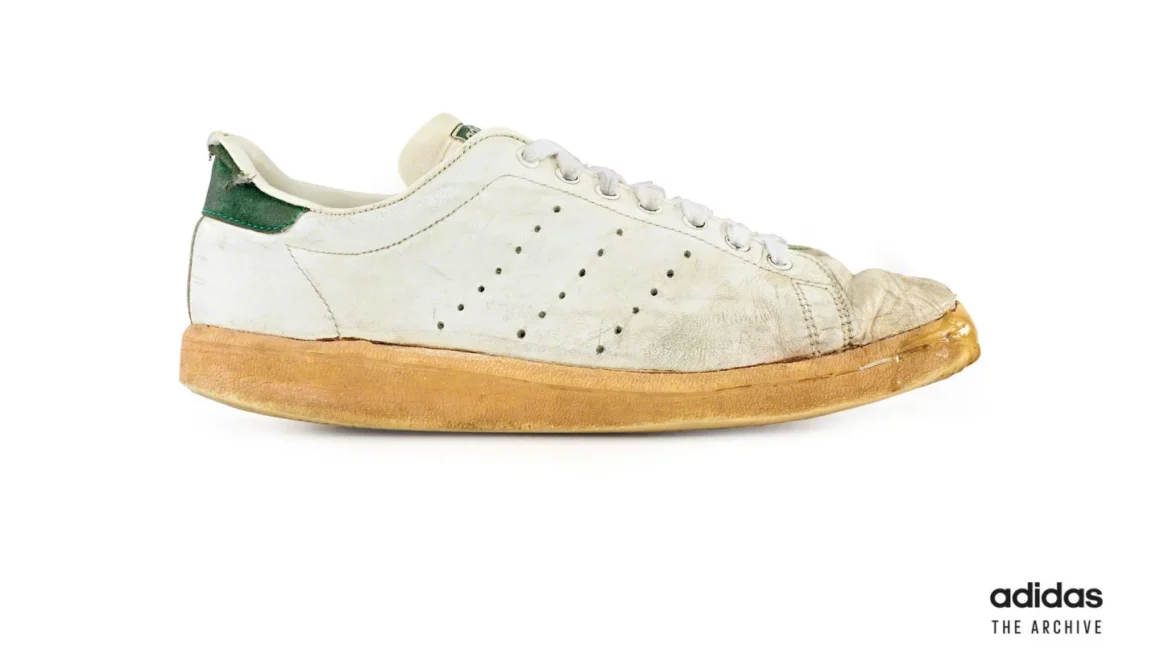
adidas Superstar
An idea of Horst Dassler, the son of the founder and considered to be the great strategist of sports marketing. Horst wanted a basketball shoe to conquer the American market and found two, adidas Superstar and adidas ProModel, with the same idea: a toe piece that facilitated a new way of building sneakers. In its original life on the courts it completely renewed the design of sports footwear and much later, in the 1980s, it made the leap into popular culture thanks to hip hop.

adidas Tracksuit & Beckenbauer
In the first decade of the 1960s, Horst Dassler, son of founder Adi and a true marketing genius, approached his father about applying his knowledge of sports performance to clothing. Together with Georg Schwahn he developed his first garments, jacket and pants in a combination of nylon and wool that hit the market in 1966. His real commercial impact came soon after, when he developed a collection for German national team player Franz Beckenbauer. It was the beginning of a global expansion of his garments and of the three stripes being forever associated with sports and leisurewear.
adidas SL 72
Super Light, the aim of the adidas SL 72 was to create a super-lightweight model that could be used by athletes for their leisure time, a concept well ahead of its time that used for the first time the “trefoil” logo. It was the sneaker chosen by many athletes to collect their medals at major international competitions, becoming forever associated with success.

With the same idea, adidas released updates of the SL 72 for the various Olympic Games, SL 76 and SL 80.
adidas Handball Spezial
The adidas Handball Spezial was created as a prototype for the Federal Republic of Germany handball team that won the world championship in 1978. However, its aesthetic impact came in the United Kingdom, when fans of British soccer clubs discovered the adidas Handball Spezial while accompanying their teams in European competitions.
They returned to the United Kingdom with a shoe never seen there and turned it into a myth that returns punctually always associated with the aesthetic Terrace. A strange relationship for a model originally designed for handball.
adidas Top Ten
Created in 1979with the advice of ten of the NBA’s best playersand with Rick Barry as the main attraction, the adidas Top Ten established a style that triumphed in Europe during the 1980s to become the silhouette that everyone thought of when talking about basketball. Like the adidas three stripes, the adidas Top Ten was imitated to exhaustion.
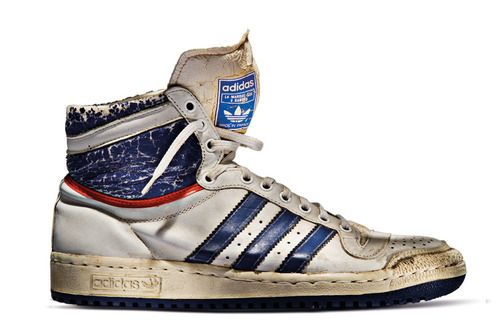
adidas Forum
The adidas Forum were designed by one of the greatest sneaker designers in history, Jacques Chassaing and intended for the 84 Los Angeles Olympic Games (hence its name, which refers to the pavilion where the basketball competition took place). A model created with the sole objective of being the best shoe of the moment.
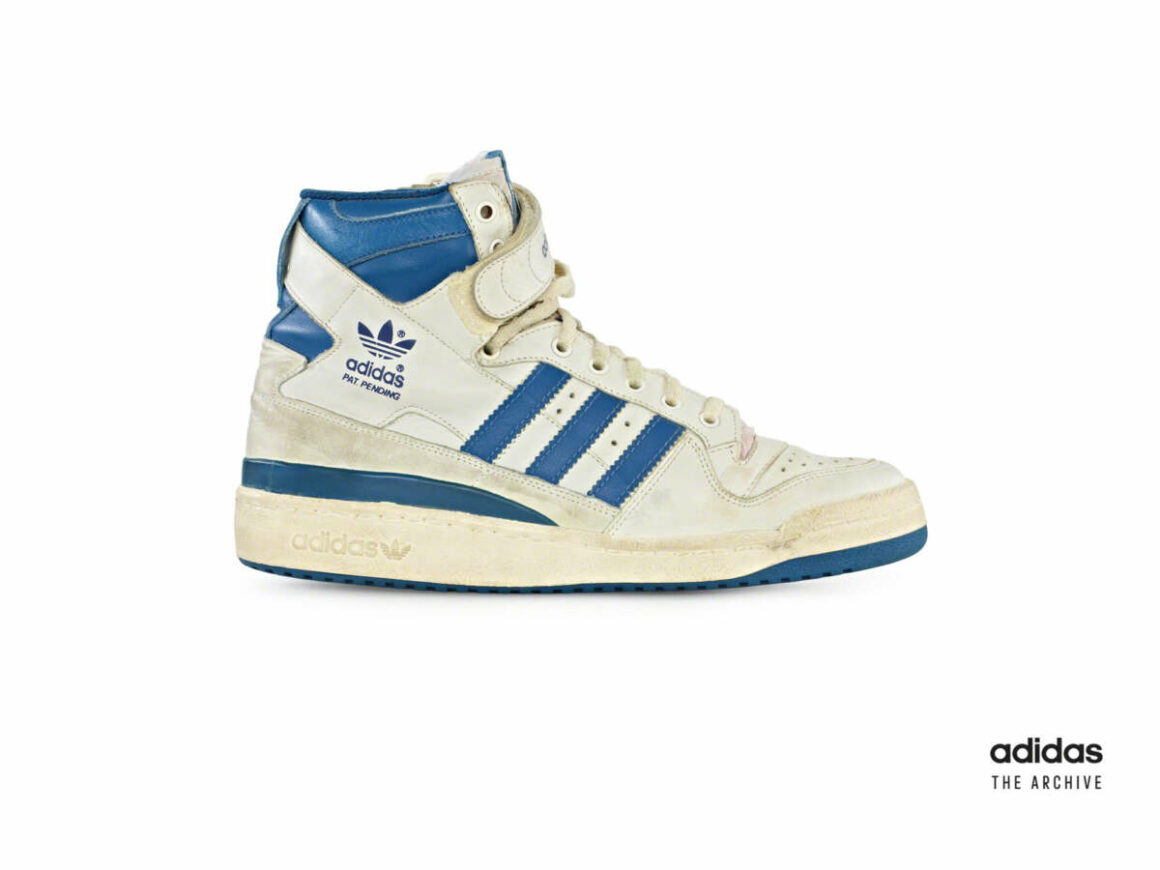
adidas Campus
In the seventies, in parallel to the adidas Superstar, came the adidas Tournament, a model created for university students in different colors. It passed through the courts without much success, but precisely its colors facilitated its comeback during the eighties, now with a new name, adidas Campus. With a big impact on hip hop, it was later adopted by the skate and metal communityunder its various forms, the adidas Campus Original, adidas Campus ADV, adidas Campus 00s and silhouettes derived from them such as the adidas LWST.
adidas Conductor, Attitude and Rivalry
adidas Conductor, adidas Attitude and adidas Rivalry, three models created for Knicks center Pat Ewing which, along with the Superstar, served as inspiration for Run DMC to develop his own line. A sneaker that breathed the spirit of New York.
adidas Micropacer
A shoe that was decades ahead of 1984, the year it went on sale. The microprocessor in the tongue of the adidas Micropacer let you know how many kilometers you had covered. Its unmistakable silver image showed that it was aware that it was a shoe way ahead of its time.
adidas ZX
A saga, also created by Jacques Chassaing, called ZX for its association with speed and which brought adidas back to an important place in running in the late 1980s. Striking colors related to its functionality and a second life associated with British music.
adidas EQT
The adidas renaissance in the 1990s came at the hands of Peter Moore and Rob Strasser, who understood like no one else what the brand really meant. They created adidas Equipment, EQT. Essential colors, only the essentials, only the best, in a collection of footwear and apparel for soccer, basketball, running, tennis and all major sports.
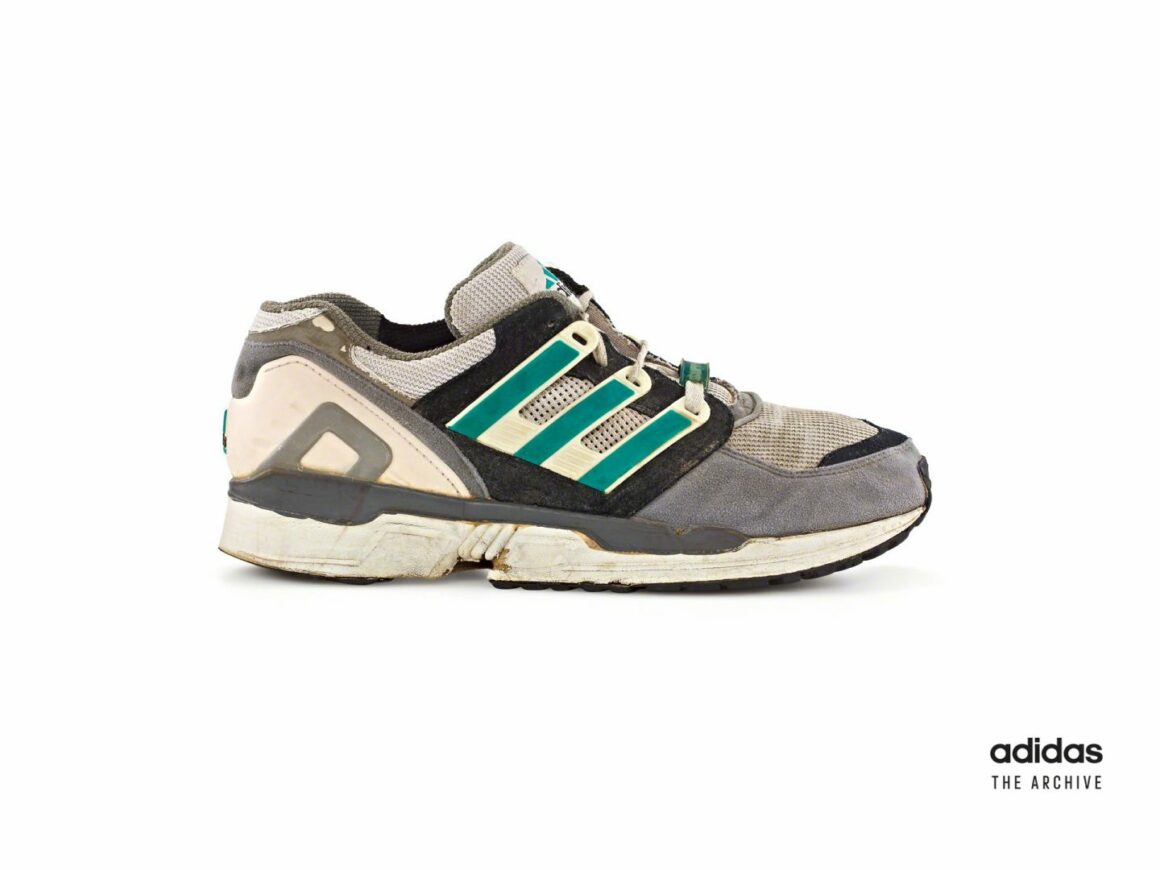
The impact of the EQT line affected adidas forever. The image created for the EQT collection turned 30º the three adidas stripes and ended up replacing the trefoil debuted on the adidas SL 72.
adidas Predator
The idea was complex and difficult to accept, but those soccer boots made your shots unique. The adidas Predator of 1994 and its evolutions adidas Touch or adidas Accelerator completely changed the way of understanding the design of soccer footwear and its striking image influenced an entire generation.
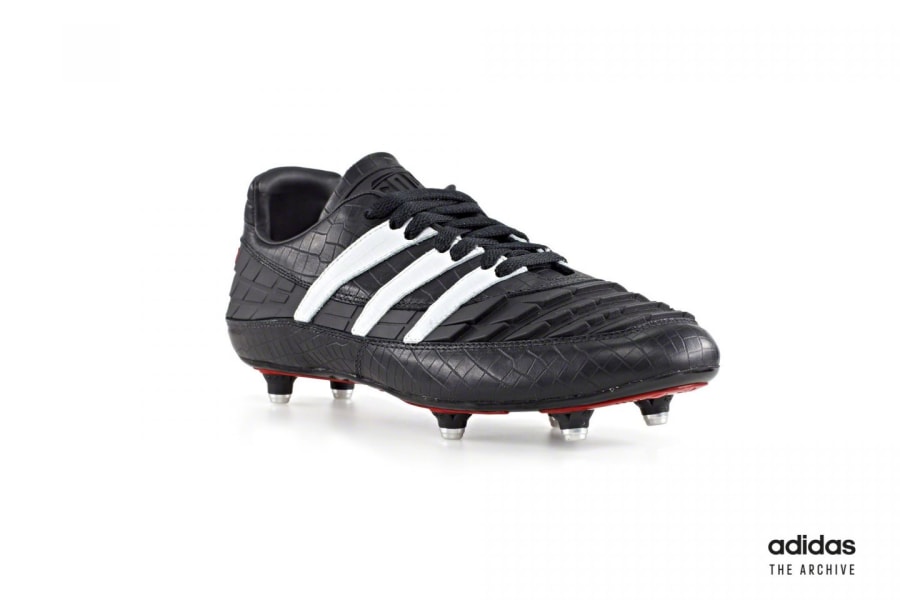
adidas Ultraboost
A new technology, Boost, was both desired for its performance and style. One of those sneakers, the adidas Ultraboost, cross-cutting sneakers that manage to change the paradigm of an era, with it came back the running silhouettes and comfort as an added value.

adidas SPZL
Aware of the importance of its designs in different urban subcultures, adidas teamed up with Gary Aspden to recover some of the brand’s mythical stories and silhouettes. From 2014, the adidas SPZL collections are a celebration of the brand’s archives to recover almost forgotten models that tell their own stories and those of several generations related to music and fashion. Reissues, inspirations and new creations that tell new stories.
adidas NMD
A perfect example of merging adidas legacies and new technologies. The adidas NMD wore Boost and Primeknit, and their deeply contemporary styling had obscure references to models from the adidas archives.