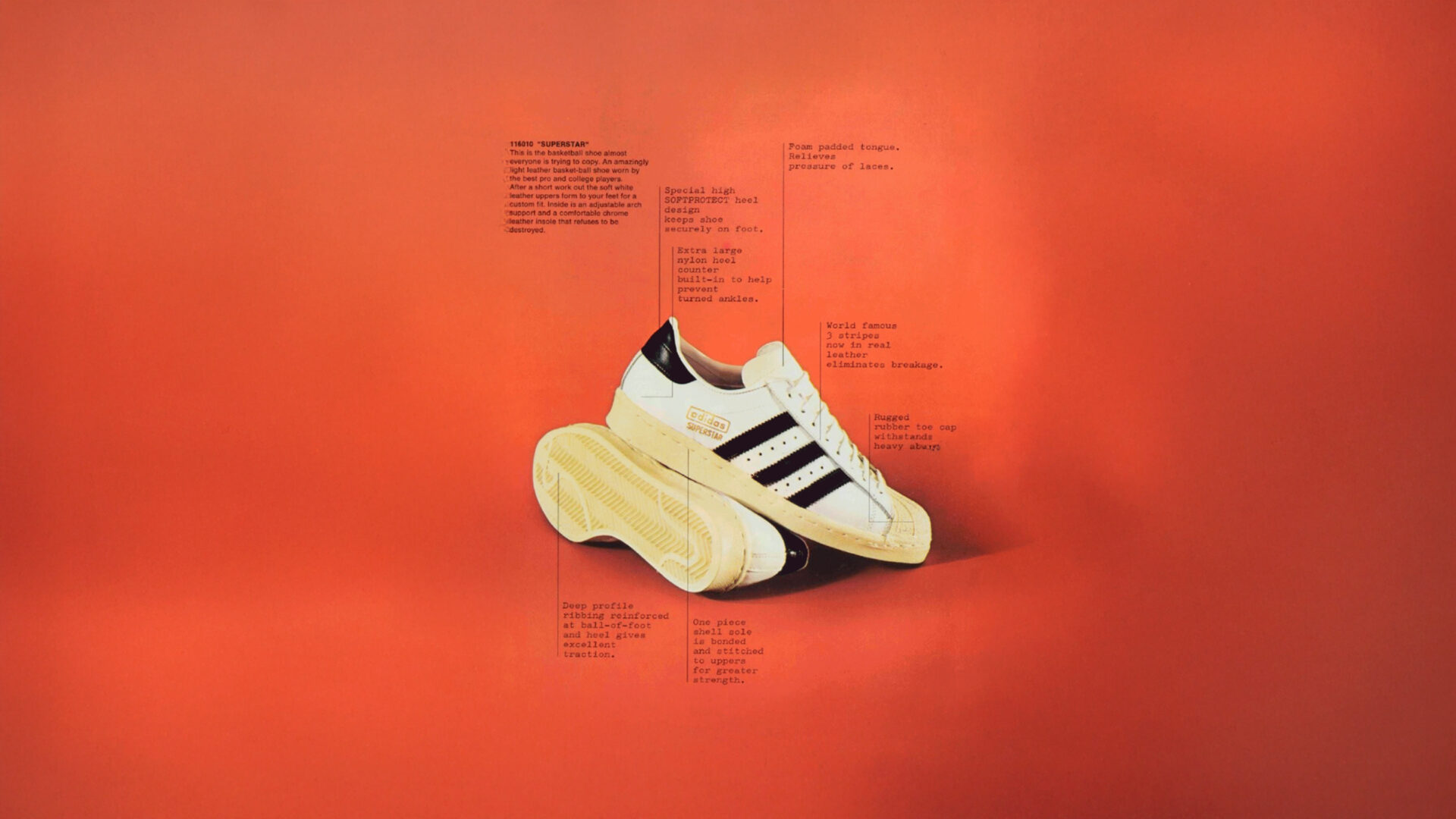
The adidas Superstar has transcended generations, evolving from its inception as a high-performance basketball shoe to becoming a cultural icon. Its history is deeply rooted in innovation and adaptation to the needs of both athletes and street culture.
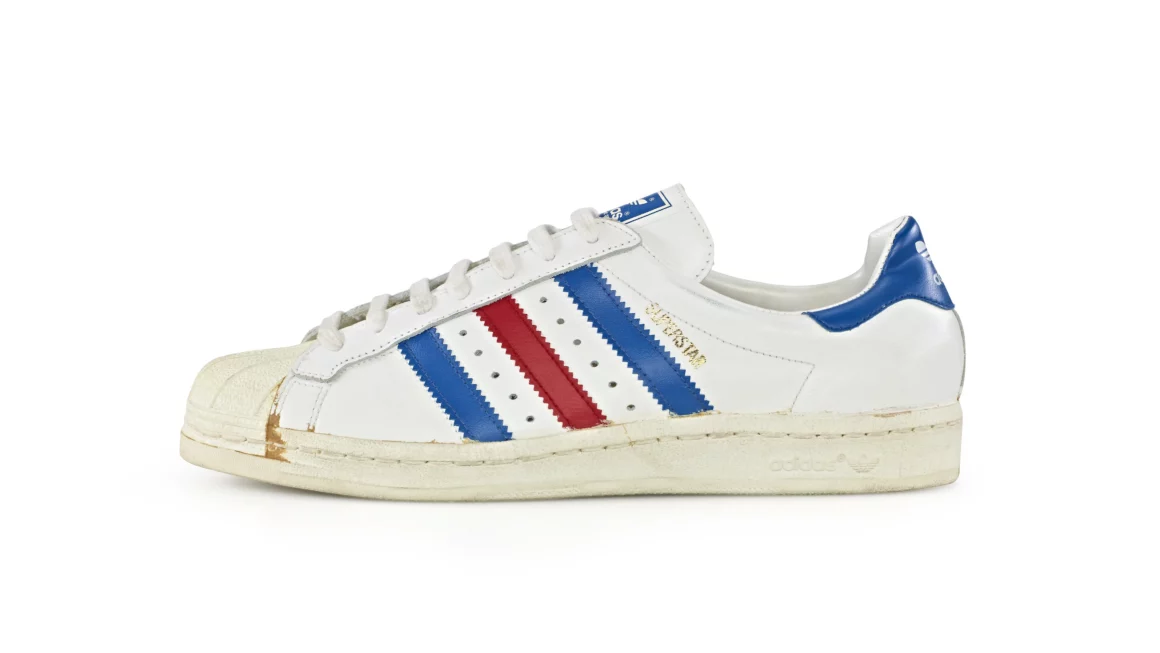
adidas and Its Beginnings in Basketball
In the 1950s and 60s, basketball was not a particularly popular sport in Germany, so adidas initially found success in mainstream sports such as track and field, soccer, and handball. However, basketball does have a direct connection to the brand’s origins. After World War II, an American military unit was stationed in Herzogenaurach, the birthplace of adidas. Some of Adi Dassler’s first customers were American soldiers looking for athletic shoes.
Horst Dassler, who aimed to lead adidas’ expansion into the U.S., became fascinated with basketball during the 1960 Rome Olympics. The U.S. national team formed what was, for many years, considered the most dominant squad in history. With Jerry West, Oscar Robertson, Jerry Lucas, and Walt Bellamy, the U.S. won gold, averaging a 42-point victory margin per game.
The Transition from Canvas to Leather in Basketball
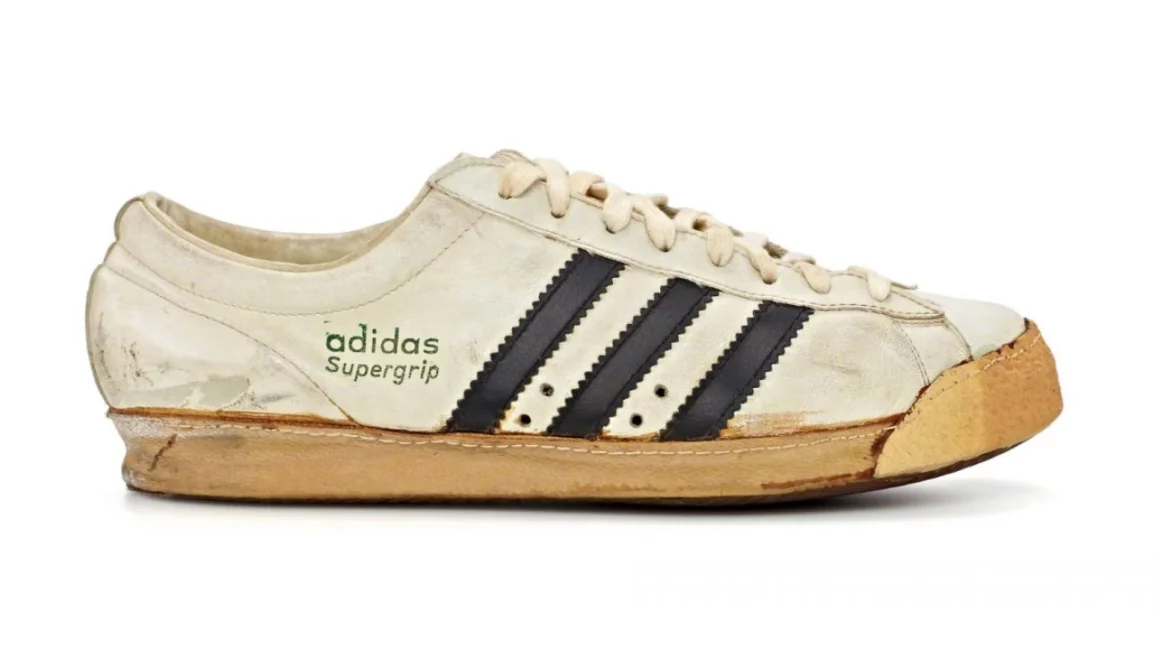
By the 1960s, adidas had established itself as a leading brand in sports footwear, but its presence in basketball was still in its early stages. In 1964, the German company launched its first basketball models, but the real breakthrough came in 1965 with the introduction of the Supergrip. A predecessor to the Superstar, this model featured an innovative design for the time, with a herringbone-patterned sole and a leather upper—at a time when most basketball shoes were still made of canvas. The Supergrip’s appearance was inspired by another model of the era, the Olympiade: a white shoe with adidas’ signature three black stripes.
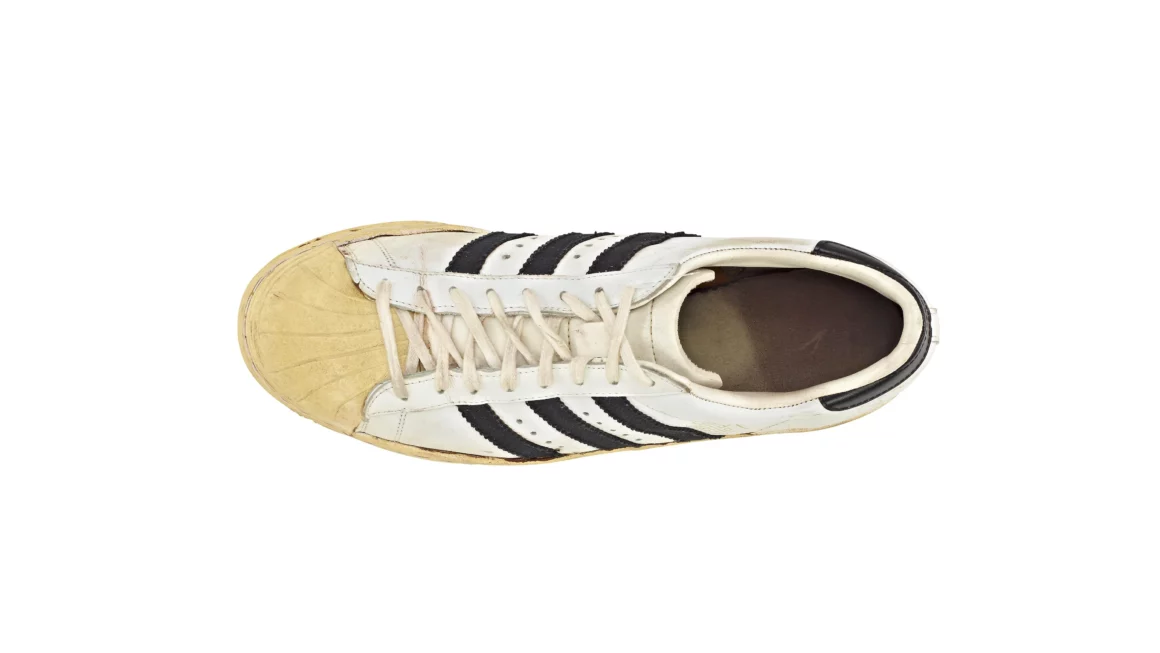
The birth of the Superstar followed shortly after, partly thanks to the collaboration between adidas and U.S. distributors like Chris Severn. Severn suggested to Horst Dassler, the son of adidas’ founder, the idea of developing a fully leather basketball shoe. Its most distinctive element, the “Shell Toe”, was not just a protective feature; it also reinforced the shoe’s structure through stitching. The name “Superstar” seemed like a direct challenge to its biggest competitor at the time—the shoe worn by most professional players. After all, a Superstar would always be something greater than an All Star.
The Rise of the adidas Superstar in Professional Basketball
From the late 1960s through the early 70s, the adidas Superstar gained popularity among NBA players. Without a massive corporate structure behind it, adidas provided a few pairs to John Block, a standout from the University of Southern California (USC) who joined the Lakers in 1966. In his rookie season, Block missed much of the year due to injury. The only shoes that felt comfortable to him were, of course, the adidas Superstar. In his second season, Block was traded to the newly formed San Diego Rockets (who would later relocate to Houston). With more playing time and visibility, he even earned a spot in the 1972 All-Star Game (thanks to a league rule requiring at least one player from each team). Block’s adidas Superstar sneakers began to stand out on the court—first for their unique look, and later for their functionality.
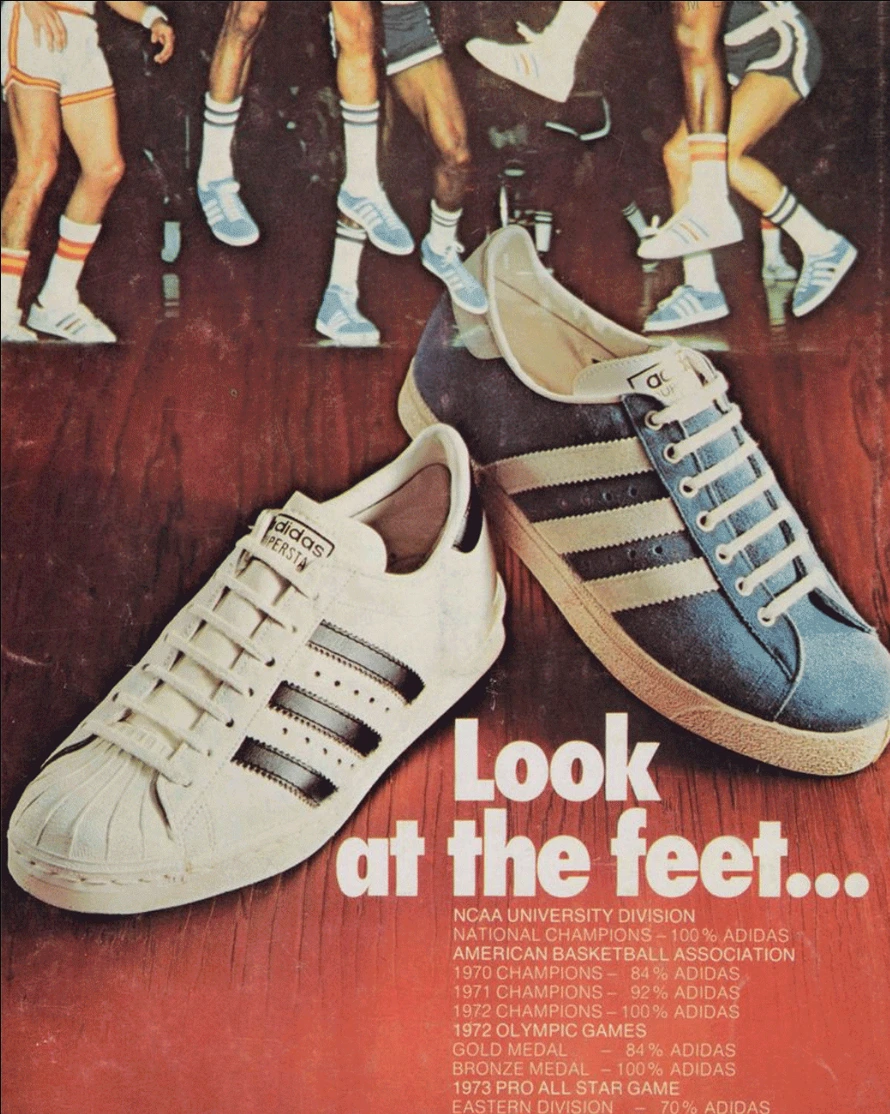
Part of the Superstar’s success lay in its exclusivity. Initially, adidas lacked the operational capacity to distribute its basketball products nationwide in the U.S., meaning the first to wear the Superstar were professional players. In some cases, they even received special editions with the three stripes painted in their team colors. For young fans who were just beginning to see full-color sports magazines, these shoes became the holy grail.
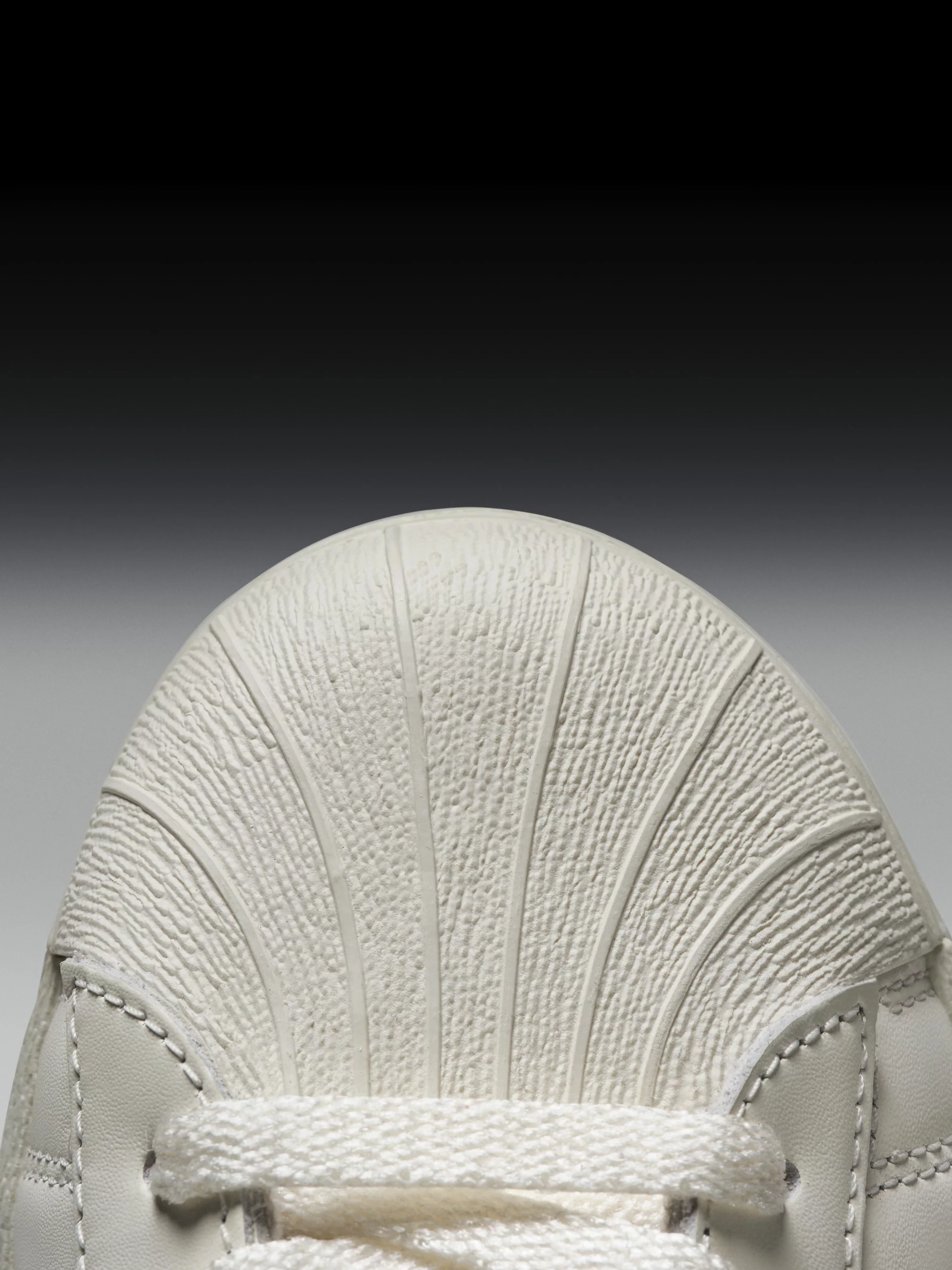
The Superstar was the foundation on which adidas built an entire footwear family, starting with the Pro Model—essentially the high-top version. In 1974, the Half Shell debuted, a lighter model with only a half-rubber toe cap, preferred by Kareem Abdul-Jabbar. The adidas Half Shell was also the shoe that led to the unofficial nickname of the Superstar: “Shell Toe”. By the late 70s, adidas introduced the Superstar II, featuring suede details and a reduced shell toe. With this new version—and soon after, the release of the adidas Top Ten—the original Superstar seemed to be reaching the end of its era.
