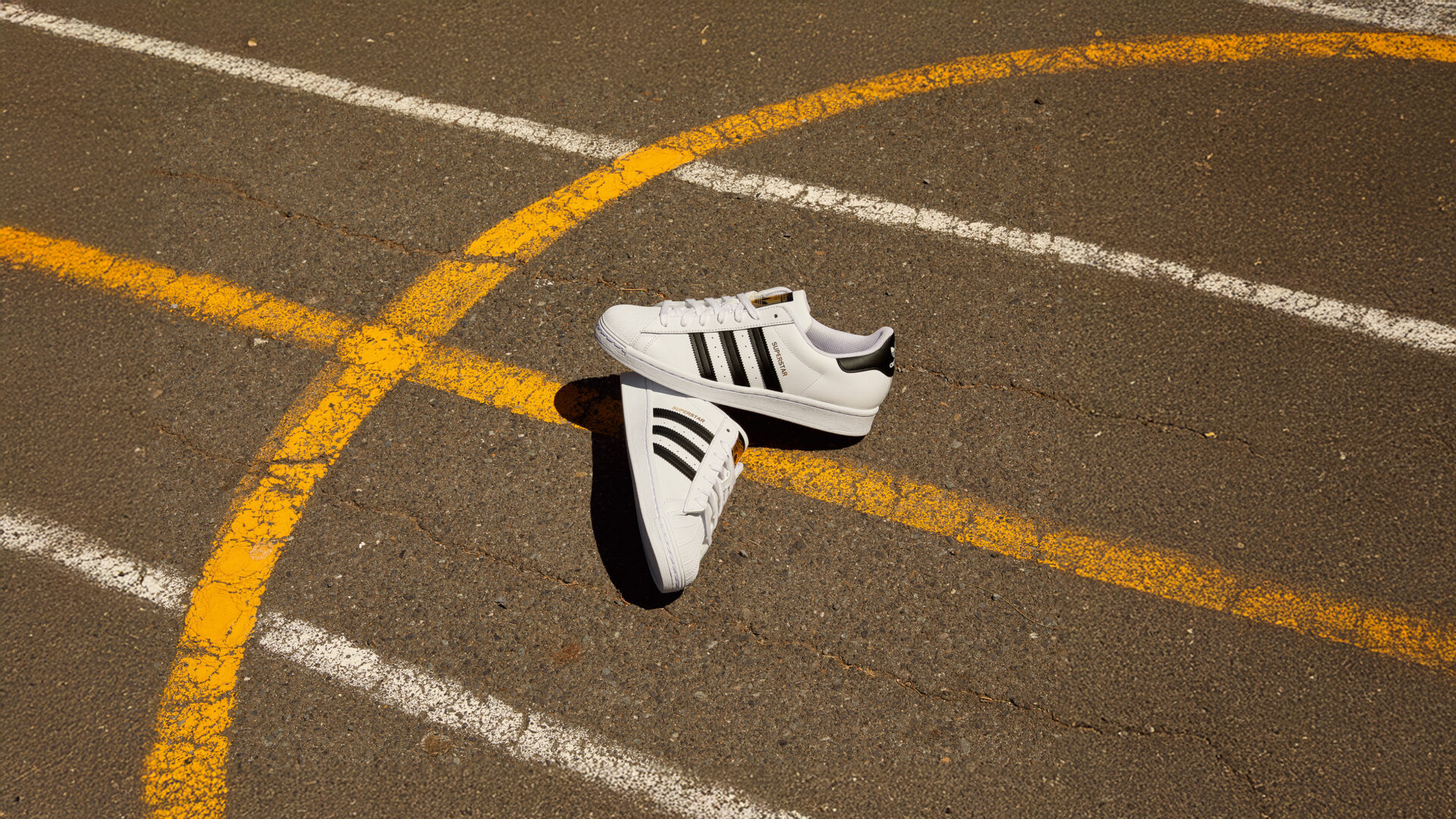
Once established as a legend, the 1980s gave the adidas Superstar a new lease on life, renewing its influence with each passing decade.
From the Courts to Urban Culture
During the 1980s, the Superstar began to drift away from its original purpose in basketball, becoming a symbol of urban style. New versions were introduced as simple, versatile indoor sports shoes. Their accessibility and durability made them the perfect choice for those who spent their days on the streets, moving between basketball games, graffiti, and dance battles. It was the dawn of hip-hop, and the Superstar cemented itself as one of its icons.
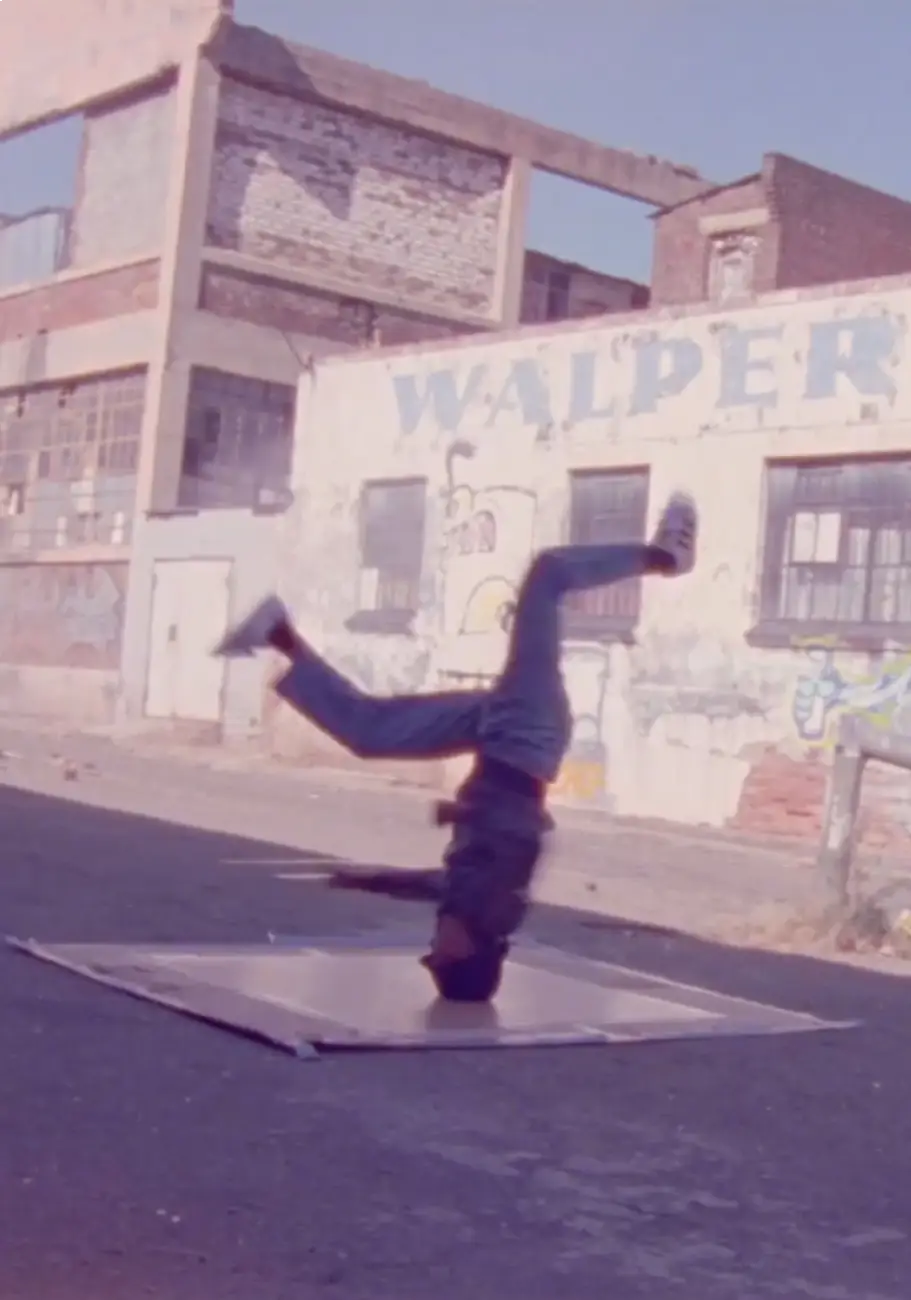
Breakdancing crews and early rap pioneers, like Run-DMC, adopted the shoe as part of their signature look—worn without laces and with the tongue exposed.
Run-DMC’s influence was so significant that in 1986, they released the song “My Adidas”, a tribute to the sneaker that culminated in a historic deal with the brand. This was one of the first sponsorship agreements between a sportswear company and a music group, marking a turning point in the intersection of fashion, music, and sports.
Expansion and Evolution in the 1990s
In the 1990s, the “old school” revival and a wave of nostalgia led to a resurgence of the Superstar, particularly in Japan and Europe. The Beastie Boys became ambassadors of a trend that revived styles from previous decades. Specialty stores and collectors began searching for original editions made in France and other European countries, elevating the Superstar’s status as a cult classic.
The 90s also saw the release of the adidas Superstar II (unrelated to the Superstar 2 that had debuted in the late 70s). This update to the original Superstar featured slight design tweaks to fit the times and introduced a padded tongue.
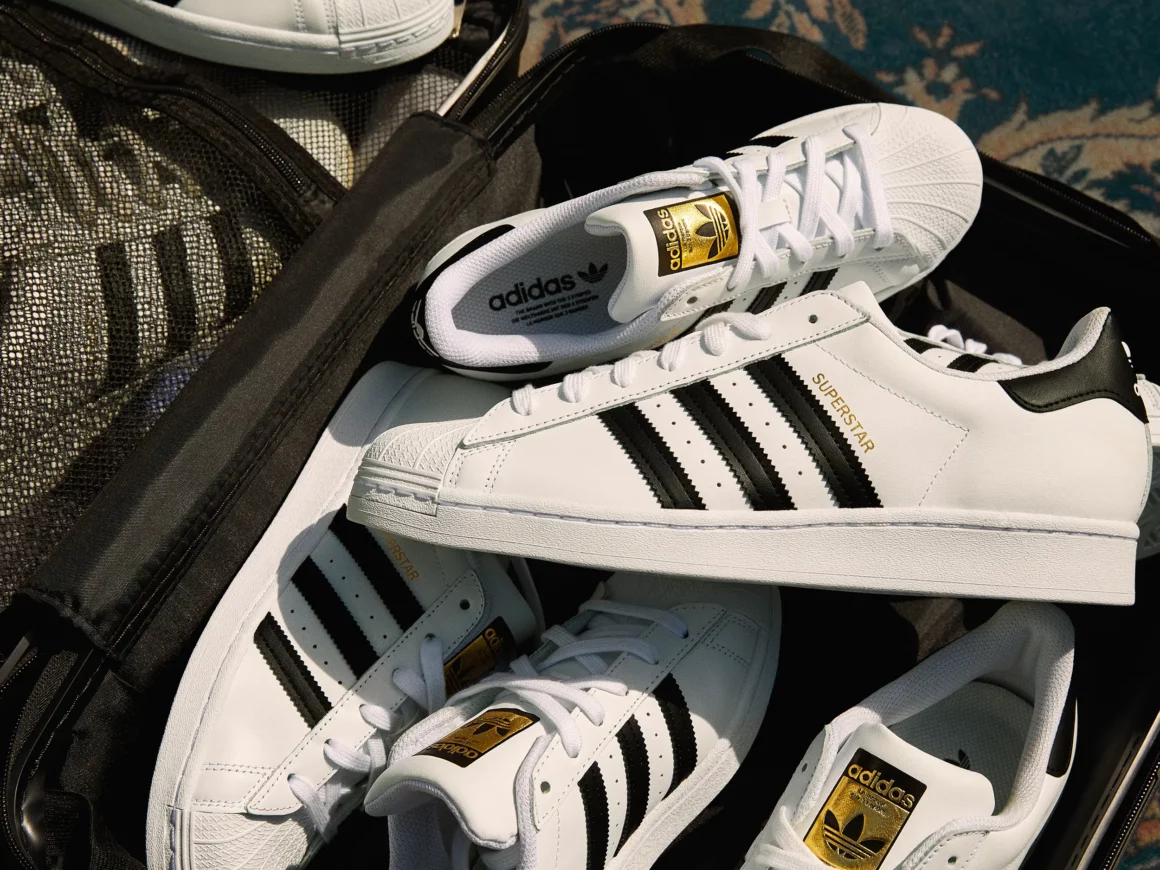
That design element quickly became an advantage for skaters, who were already drawn to the Superstar for its indestructible toe cap. Originally designed for basketball, the shoe started appearing in skateparks just as skateboarding was developing a new aesthetic. Beyond classic patterns, which were already widely accepted in skate culture, adidas modified the Superstar’s design to meet the needs of this new generation.
Skateboarding opened another path for the Superstar—it was no longer just the shoe of hip-hop; it was also making its way into the metal scene.
The Collector Culture
Japan, with its deep appreciation for American vintage aesthetics, became the perfect place for the adidas Superstar to grow into a true myth at the turn of the millennium. The launch of adidas Originals, a line inspired by the brand’s past, was perfectly timed to reclaim its legacy—just as collectors were hunting for original editions. Harajuku, emerging Japanese designers, and of course, BAPE, filtered and reinterpreted the Superstar’s influence.
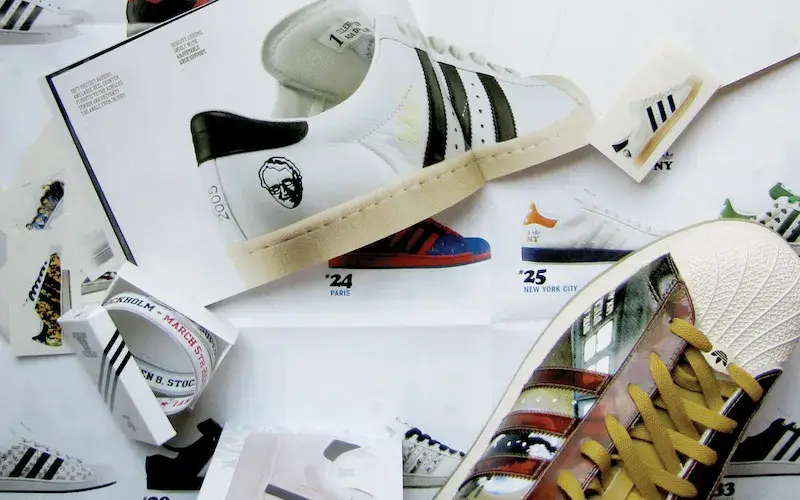
The Superstar’s 35th anniversary in 2005 established a new approach to releases: limited editions in collaboration with the world’s best sneaker boutiques, along with versions inspired by artists, cities, and even a special edition paying tribute to Adi Dassler himself.
The different eras of the Superstar overlap—it never lost its influence in hip-hop, which was revitalized by new styles emerging from Japan, with Nigo as a key figure. Meanwhile, collaborations with CLOT, Prada, Hello Kitty, LEGO, and NBHD took the silhouette to uncharted territory. Among them all, Pharrell Williams’ “50 Colors of Superstar” collection stands as perhaps the most massive love letter to the sneaker.
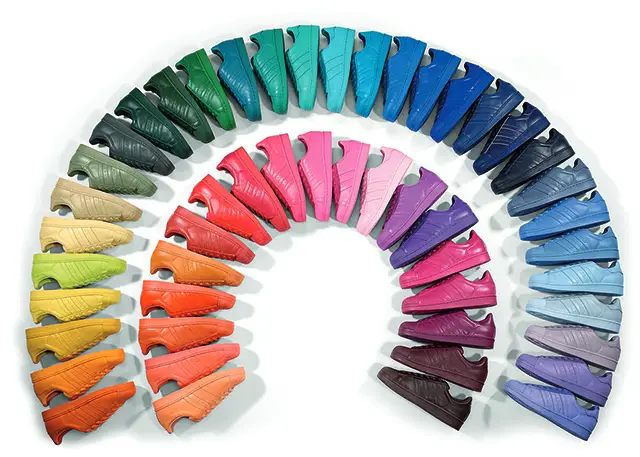
Today, the Superstar remains one of adidas’ most recognizable shoes, with countless reinterpretations and collaborations keeping its legacy alive. Its story is a testament to the power of reinvention and adaptation—proof that, five decades later, a great design can remain relevant in both sports and fashion.