Warning: Trying to access array offset on false in /var/www/blog.footdistrict.com/wp-content/plugins/fusion-builder/inc/lib/inc/class-fusion-images.php on line 219
Warning: Trying to access array offset on false in /var/www/blog.footdistrict.com/wp-content/plugins/fusion-builder/inc/lib/inc/class-fusion-images.php on line 219
Warning: Trying to access array offset on false in /var/www/blog.footdistrict.com/wp-content/plugins/fusion-builder/inc/lib/inc/class-fusion-images.php on line 219
Warning: Trying to access array offset on false in /var/www/blog.footdistrict.com/wp-content/plugins/fusion-builder/inc/lib/inc/class-fusion-images.php on line 219
Warning: Trying to access array offset on false in /var/www/blog.footdistrict.com/wp-content/plugins/fusion-builder/inc/lib/inc/class-fusion-images.php on line 219
Sometimes a sport is able to develop a style that goes beyond the sport itself. And no, it is not related to the number of practitioners, but rather to the cultural legacy of the practise. One of those activities where a style is completely drawn out and sometimes extended and cannibalised until it becomes a trend is surfing.

The sport of surfing entails a variety of distinctive elements, such as attire and accessories that act as a flag for surfers as well as a means of identifying those who take part in it. Burnt hair, sunburnt hair, sunglasses and brightly coloured swimming costumes instantly place you on a beach. However, there is much more going on than just a practical relationship; these symbols become new trends’ symbols. Long before skateboarding and surfing combined, floral shirts and plaid flannels had already paved the way for what we now refer to as streetwear.
Duke Kahanamoku, who promoted surfing outside of Hawaii, is credited with popularising Hawaiian shirts in the continental United States in the 1930s. He was a unique example of a multi-sport athlete, actor, and businessman (he had his own trainers as early as 1966). He was also an Olympian in swimming and water polo. Considered the father of modern surfing thanks to the exhibitions he held all over the world, he made his own style universal.
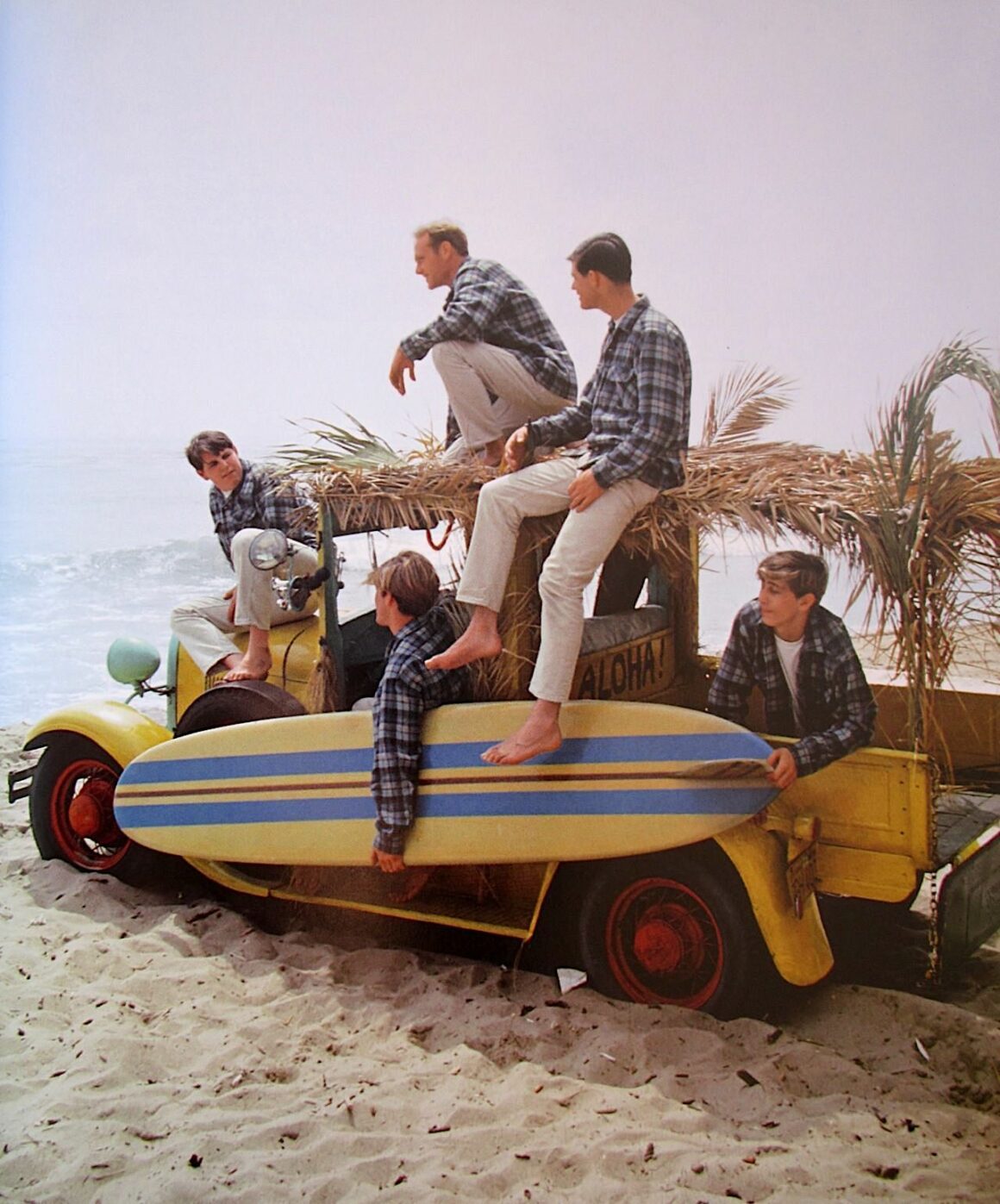
In the 1950s, surfing became a part of popular culture. The Pendletons was the name Brian, Dennis, and Carl Wilson’s band originally went by before changing to the more straightforward The Beach Boys. They were joined by their cousin Mike Love and friend Al Jardine. The new surfing attire was plaid shirts, chinos, and white Levi’s, according to songs. Gidget, a popular movie about a teenage girl who learns to surf, was well received by audiences. Of course, his aesthetic was widely adopted in America.
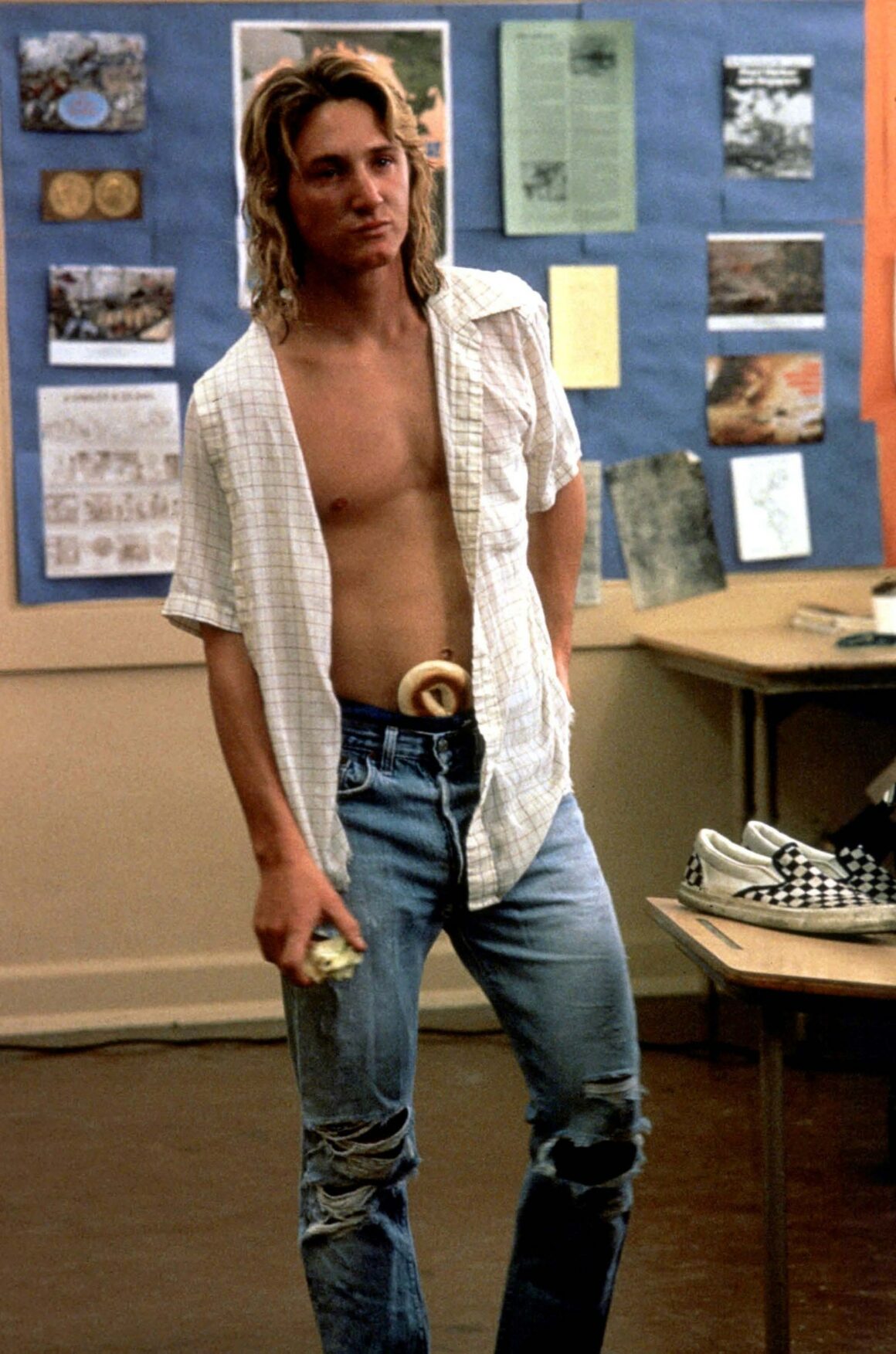
Skateboarding became an ally of surfing in the 1970s, and the two sports interacted frequently. The first skateboarders tried to bring the sensations of the sea to the asphalt, but they soon set a different style, sometimes for their own needs (the first skaters skated barefoot) and sometimes to make a difference. Pop is replaced by rock, and skateboarding brings some black to the otherwise colourful beach scenes. In order to keep feet warm and comfortable during the lengthy waits for the ideal wave, the first wetsuit brands created a look that they share with Vans or UGG. The funniest and most frequently imitated character from Fast Times at Ridgemont High, Jeff Spicoli, reflects patterns of carefree surfers that are created by popular culture and are seen as a lifestyle.
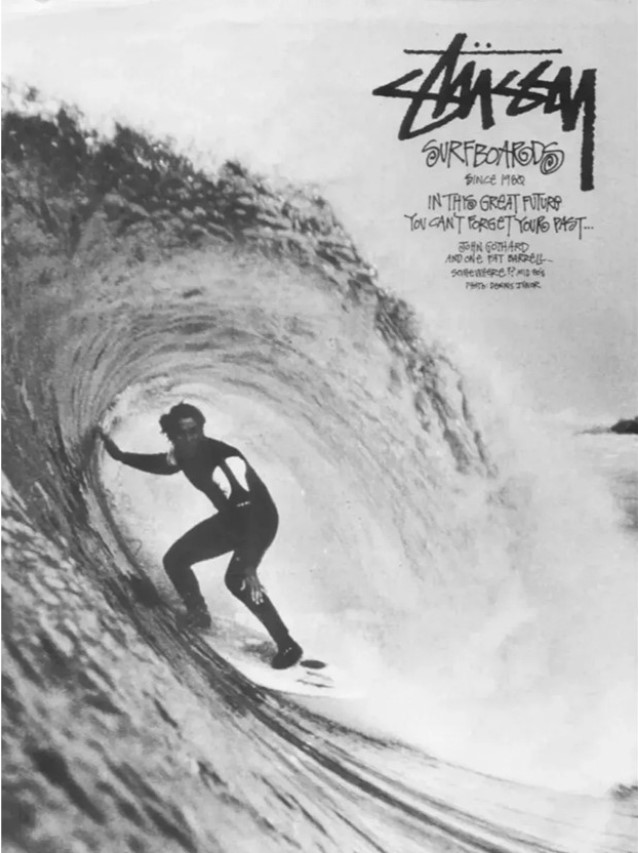
Urbanites who favour a casual and laid-back look and live far from the coast can dress in urban references to surf culture. Streetwear is born on the streets, but surf brands like Stüssy owe their existence to Shawn Stussy’s skill as a surfboard shaper. The first Stüssy T-shirts were just a way of promoting his surfboard brand. In the 80s surf identity could be found in teen series or Living Colour concerts in the 1980s (the singer, Corey Glover, wore colourful neoprene wetsuits). Bikinis were on magazine covers, hiding (or revealing) supermodel bodies, young designers were using neoprene in unexpected ways, and graphic designs were everywhere.
When discussing historical changes, we often look for a key identifier, and in the case of surfing style, the change came with the Los Angeles riots in 1992. That is how Scott Daley, a former surfer and Vice President of Marketing at Body Glove at the time, sees it. On the streets, the image of fun and bright colours gave way to those from the darker side of Los Angeles who were proposing something different. Reality, which takes shorter steps, tells us that it was a process that began years ago and almost completely separated the surfing and skateboarding styles. As a result, streetwear was born.
However, surfing continued to have an impact on other styles and brands, as it had when Nat Young modelled for Ralph Lauren in 1987, a trend started by another photography historian, Bruce Weber, who was the first to place Laird Hamilton in a fashion context. Over the next decade, Kelly Slater became the face of Versace, and Buzzy Kerbox became a regular for Ralph Lauren. Attracted by an image of freedom and its apparent disdain for appearances, luxury has found in surfing an agitator that punctuates collections and campaigns.
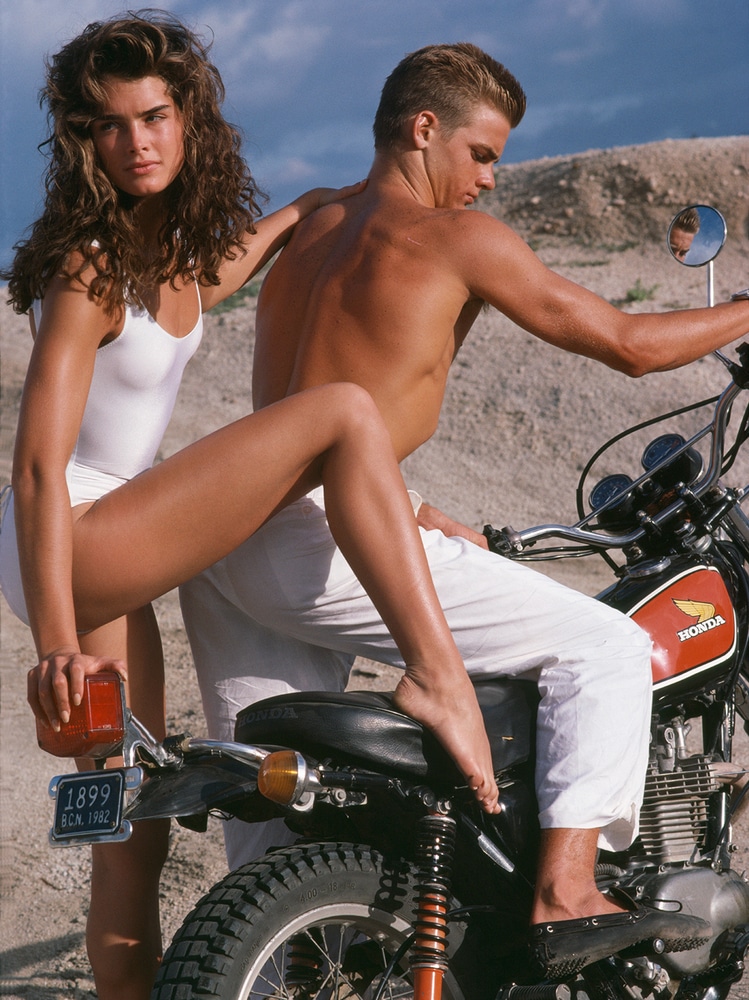
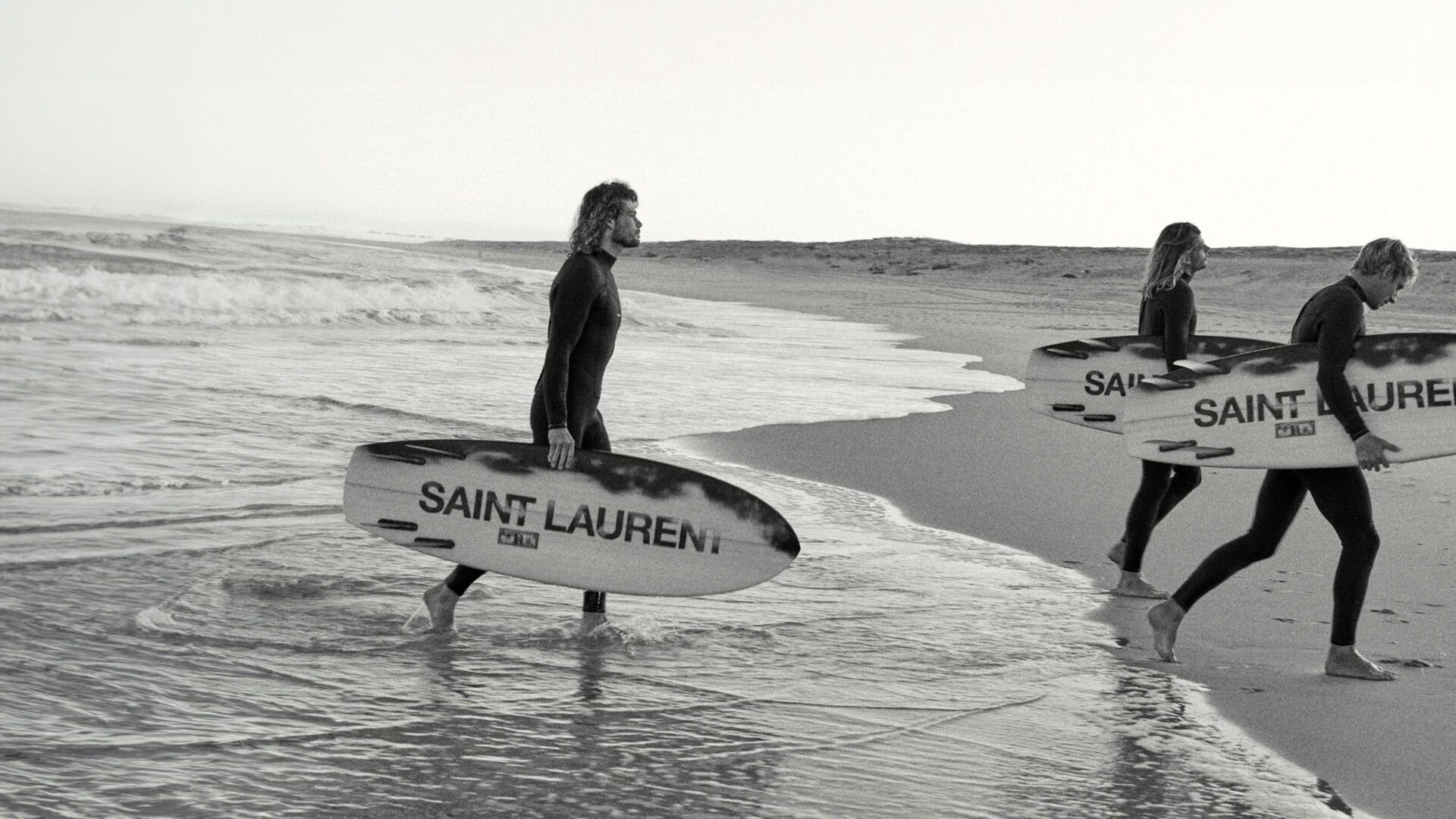
In recent seasons, brands such as AMBUSH, Dior, Jacquemus, and Palomo Spain have turned their attention to surfing in collaboration with Puma. A new level of influence to a century-old relationship between surf and fashion.