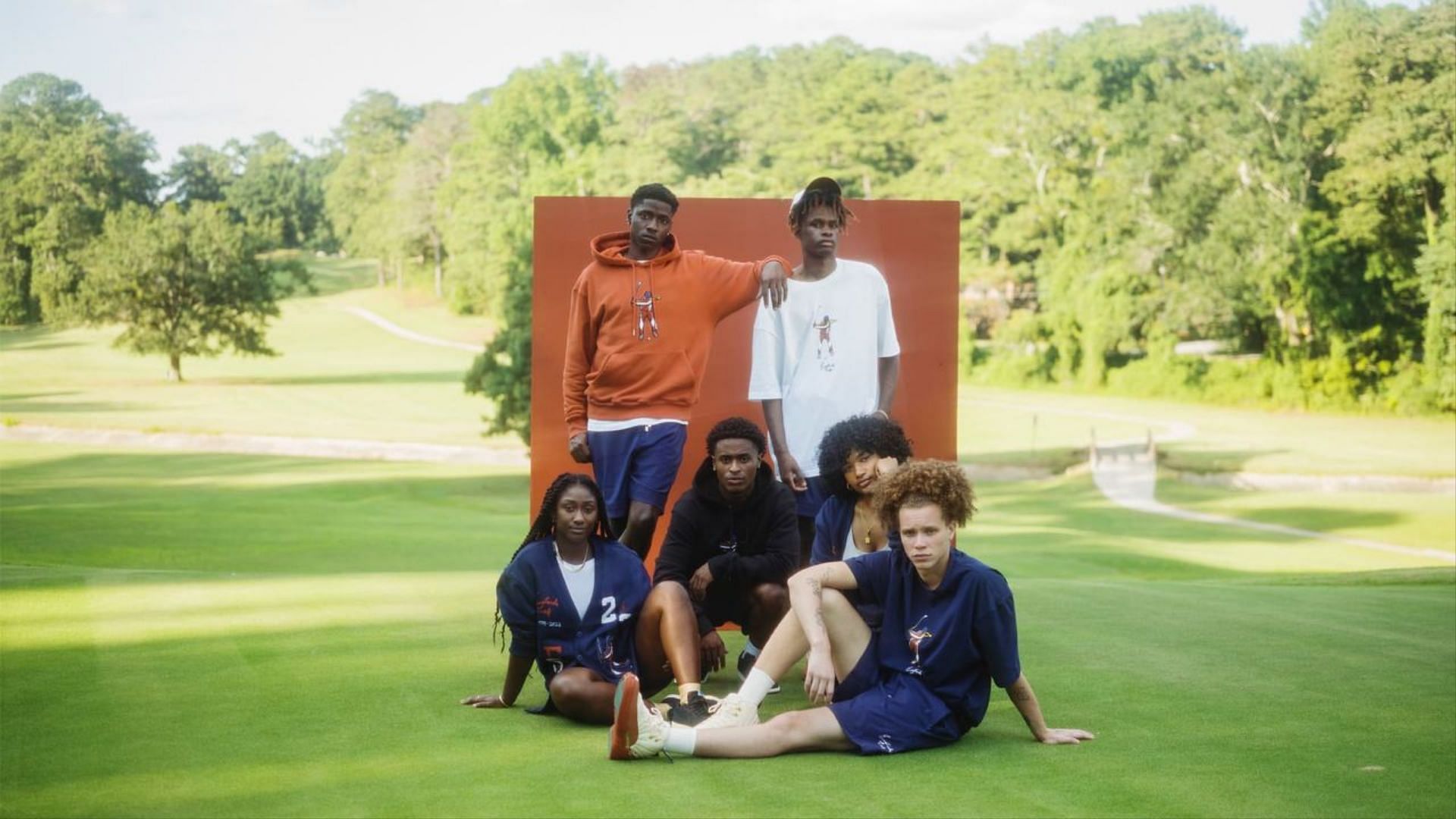
When fashion trends coincide with socio-demographic shifts, they frequently shift in two directions (up-down, left-right).
While Succession emphasizes the return of quiet luxury, another process is taking place in the opposite direction: the development of golf and other sports traditionally associated with a certain elitism or luxury (such as tennis) are gradually establishing themselves as a counter-cultural movement. As new generations and classes embrace the sport, so does its influence on contemporary fashion.
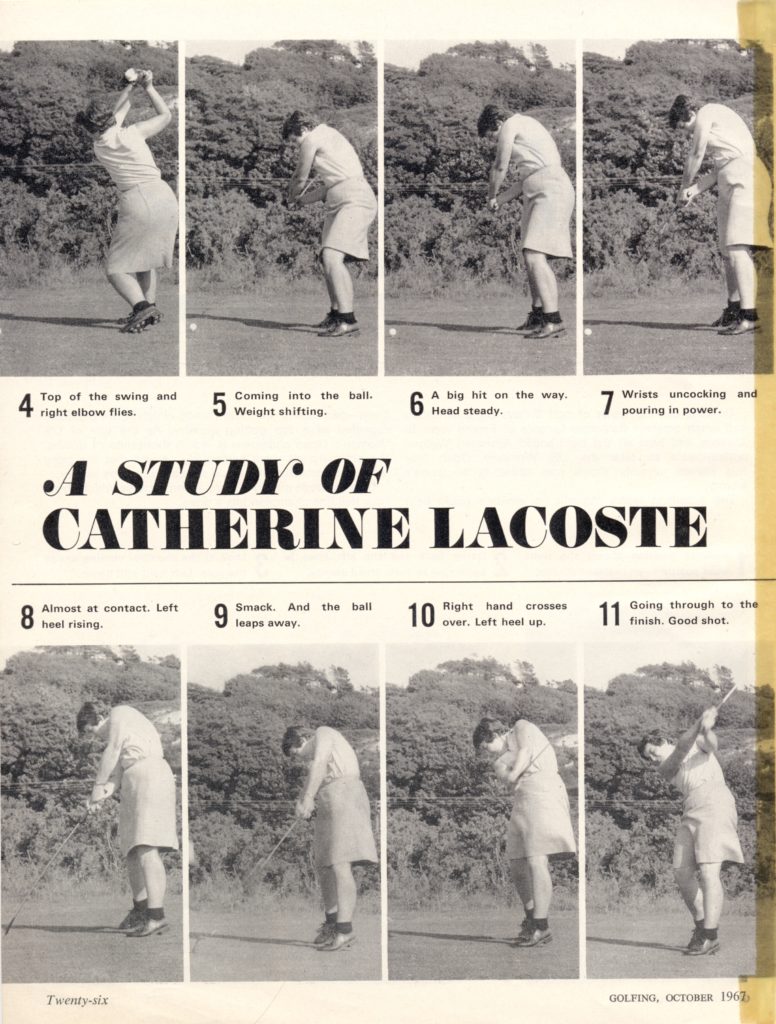
There is one aspect that is difficult to separate: golf is a sport or practice that is not easily accessible or inexpensive to participate in. This has been the case since its inception. As a result, the brands that appeared at the dawn of this world have also been located in the high spectrum of fashion, whether we are talking about classic brands like Ralph Lauren, relatively contemporary brands like Peter Millar, or more technical brands like Callaway. Add to this the fact that the practice of golf has also had a series of stylistic and aesthetic codes attached to it (sometimes official, sometimes unofficial), so that the relationship between fashion and golf has always been a constant.
Although golf had experienced a downturn following Tiger Woods, the COVID-19 pandemic has resulted in its resurgence, both in terms of the number of participants and the increase in turnover for the brands that manufacture the equipment, as well as the arrival of new generations and the emergence of profiles, personalities, social groups, and minorities who are carving out a space for themselves that would not have been available to them in the past. All of this is a breeding ground for a paradigm shift in which golf is a territory to be explored for fashion.
A similar phenomenon to that of tennis, which transitioned from being a niche sport to dominating aesthetic inspiration, is occurring with golf. We can draw a direct line from Lacoste in the 1930s to Casablanca today, or the emergence of brands that are solely inspired by this universe, such as Alex Eagle Sporting Club.
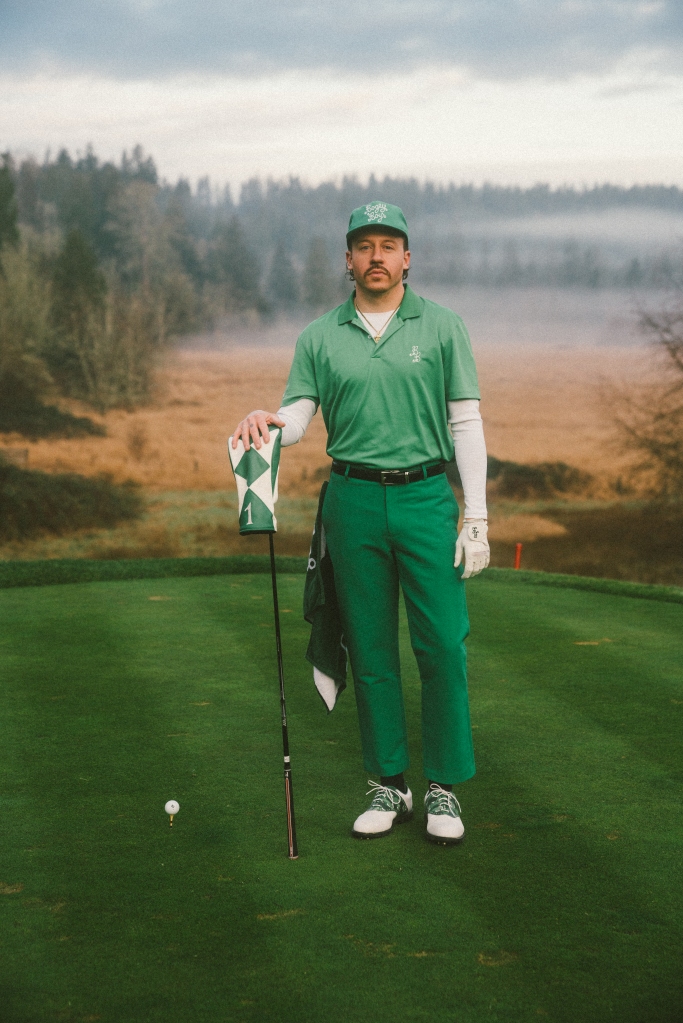
The path of small steps and milestones that led to the funnel that subdued golf has been a virtuous circle. The arrival of the aforementioned Woods opened the door to golf courses for a previously predominantly white sport. Sports stars like Michael Jordan (and later, LeBron James and JR Smith) embrace this practice and bring it to a wider audience. As a result, brands like Jordan Brand began to try to capitalize on it, and versions of the Jordan silhouette adapted to this sport emerged, so that the eye and appetite of streetwear and the hypebeast began to focus on this universe as well. Figures on the outskirts of fame, but with notoriety and ascendency, such as rappers like ScHoolboy Q, fall in love with the sport and begin to act as ambassadors and advocates. The sport has similarly opened up to the emergence of female athletes, so the scope is continually expanding. And the list goes on.
Brands like Malbon, Manors, or Metalwood, which add the element of design and aesthetics while keeping up with current trends, are also to blame for the paradigm and perception shift. For example, Metalwood caps are one of the timeless accessories of one of the most influential voices in terms of opinion generation in men’s fashion in the past ten years, such as Lawrence Schlossman of the Throwing Fits podcast, who is also acting as community generators around golf (Hypebeast dedicated a report to Metalwood’s impact on the creation of a counterculture).
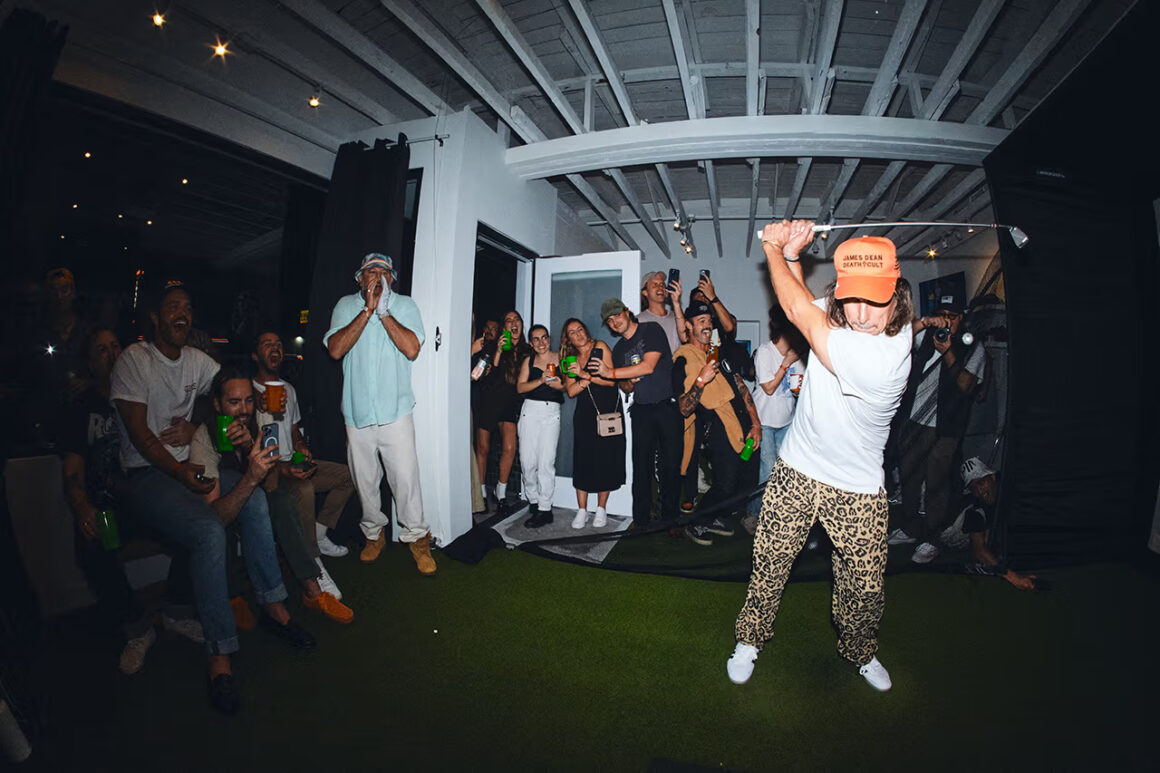
It is also critical to emphasize the function of luxury in and of itself. As a bridge between these two realities, brands like Gucci or Dior’s approaches to urban fashion, which attempt to capitalize on this market while offering collections and products by and for golf, serve as examples. Thus, we cannot overlook the work of firms such as Sporty & Rich that have generated ideologies and imaginaries, especially on platforms such as Instagram, in which luxury and a hedonistic lifestyle have been linked to urban fashion, which has also helped the acceptance of golf.
The emergence of publications like Hypegolf -a Hypebeast vertical that specializes in information about this world and held a pop-up shop in New York called Clubhouse- or the South Korean edition of GQ golf contributes to the creation of content and a framework for theorizing, reflecting on, and ultimately legitimizing golf by anchoring it in the world of fashion and trends. The necessary fan phenomenon is also generated by other phenomena, like the Netflix documentary Full Swing, which draws huge audiences to the best athletes and elevates them to superstardom.
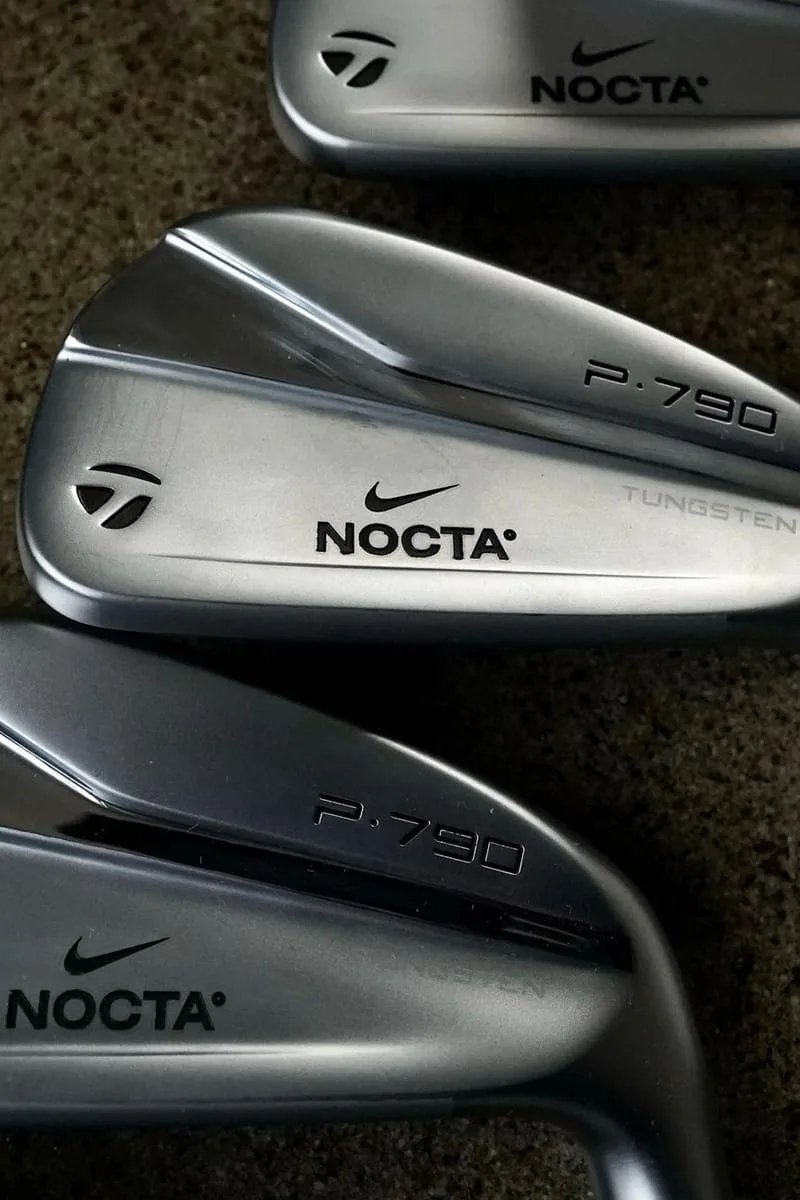
All this, and more, leads to the current point where characters like Dj Khaled or Travis Scott can be seen playing golf; NOCTA by Drake for Nike has a golf line; brands like Eastside Golf collaborate with the Jordan Brand; Mr. Porter launches a line also for golf christened Mr P; photographers such as Christian Hafer give new sensibilities through their graphic work and new brands are constantly appearing that impact not only golf, but fashion in general.