
When it comes to streetwear, it is near impossible to overstate the impact of Hiroshi Fujiwara. From Supreme to A Bathing Ape, Fujiwara has helped to shape many of the brands that we know and love.
 Hiroshi Fujiwara
The Godfather of Streetwear: Hiroshi Fujiwara
In fact, it wouldn’t be a stretch to say that just about every major player in the streetwear scene has, in some way, been influenced by Fujiwara and his disruptive ways. While many know Fujiwara as simply the founder and head honcho of Fragment Design, he is, in reality, so much more. With so many accolades to his name, we decided to dive right in and take a closer look at the so-called ‘godfather of streetwear’.
East Meets West
Mighty oaks from little acorns grow as the saying goes and Fujiwara is no different. He grew up in the humble Japanese coastal city of Ibe, before making the move to Tokyo in the early 80s at the age of 18. He was infatuated with the punk scene – an early indicator of his penchant for disruption. By strange coincidence, this love for punk ultimately lead to him becoming enamoured with another emerging music genre on a chance visit to New York City: hip-hop. Fujiwara brought this new sound back to Japan with him, where he took up DJing and began to be seen as a link between East and West.
Together with the new sound he brought to his homeland, Fujiwara also brought a new sense of style. He established a reputation as a jet-setter and could consistently be seen on the streets of Harajuku in the latest fashions from around the globe. In the days before e-commerce and social media, when much of global fashion would be relayed at snail’s pace through magazines, this human connection was a big deal. Fujiwara himself would relay his own observations about emerging trends in streetwear through local magazines, further establishing his reputation as a connection to western fashion.
Defying Convention
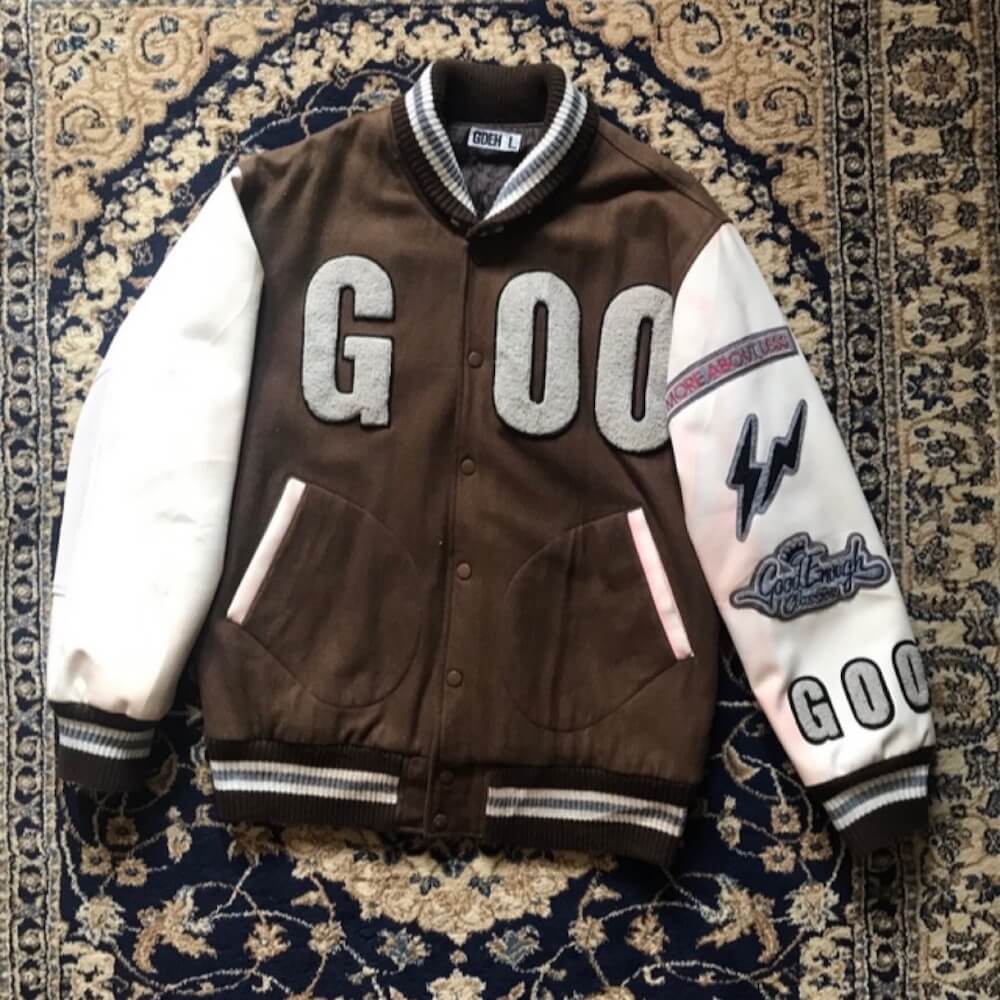
In 1990, Fujiwara transitioned from observer to creator with the establishment of his own fashion label: GOODENOUGH. The brand drew heavy inspiration from the likes of Anarchic Adjustment and Stüssy, the latter of which Fujiwara had become close friends with by this stage. Along with original designs, GOODENOUGH made heavy use of pop-culture references, often reworking well-known logos and images, as has become a staple of modern streetwear. Perhaps Fujiwara’s most disruptive – and consequently influential – decision with GOODENOUGH was in how products released. At the time, there was no consideration given to streetwear being collectible and, thus, the idea of such product being produced in limited quantities, despite demand, seemed absurd. Fujiwara didn’t care. As a result, GOODENOUGH would often sell out of items on the very same day they were released, planting the seeds for the modern FOMO-fuelled industry. With that in mind, it comes as no surprise that Supreme would later acknowledge the importance of GOODENOUGH by collaborating on a tee design.
Hiroshi Fujiwara In Good Company
In the early days of GOODENOUGH, Fujiwara would make one of his most significant contributions to the streetwear world indirectly. In 1993, he would help NIGO and Jun Takahashi to launch their retail venture NOWHERE in Harajuku. Among the brands stocked at NOWHERE was AFFA (standing for ‘Anarchy Forever Forever Anachy’), a collaboration between Fujiwara and Takahashi. Similar to the model established at GOODENOUGH, AFFA apparel would be produced in limited single runs, with designs immediately retired, never to be repeated. As far as NIGO is concerned, if you needed any more convincing of Fujiwara’s influence on the A Bathing Ape mastermind then look no further than the very name ‘NIGO’, which translates to ‘number two’. This nickname was said to given to NIGO due to his resemblance to Fujiwara!
Fragment Design
After GOODENOUGH, Fujiwara would diversify his focus with the creation of Fragment Design and a keen focus on collaboration. Today, Fragment is probably best known for its mouthwatering collabs with the likes of Jordan Brand, Louis Vuitton and even Pokémon, but, right from the start, such endeavours were never all about hype. They were based on mutual respect between brands and born from a shared focus – the fact that these collaborations have become some of the most sought-after of their time is simply a bonus. Fragment Design has a reputation for disruptive product executed with razor-sharp precision.
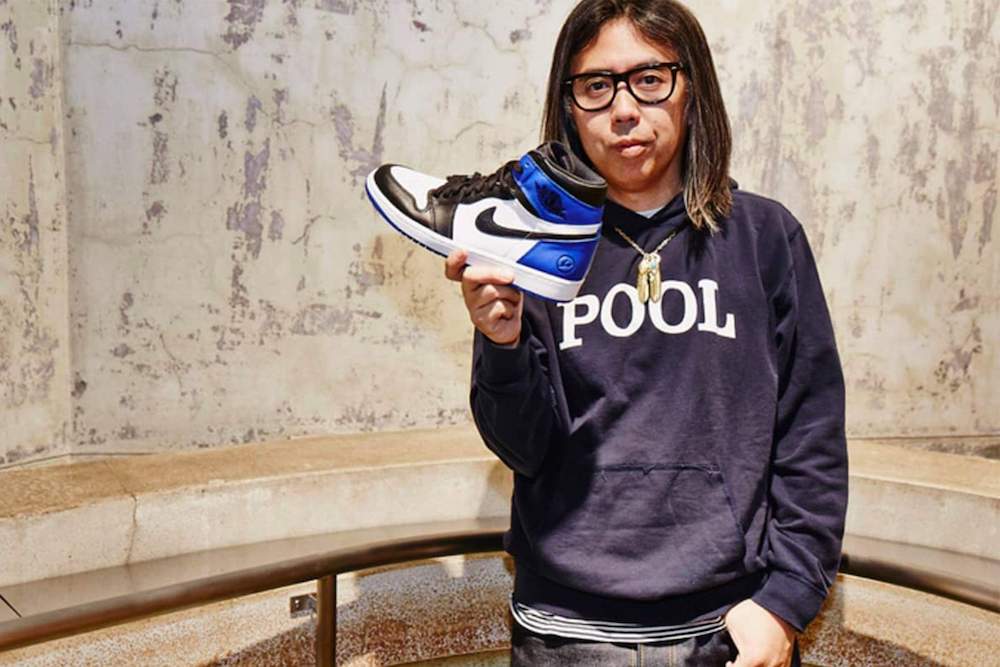 Hiroshi Fujiwara – Jordan 1 x Fragment
While it would a colossal task to list off all the collaborations Fujiwara has to his name, one collaborative relationship stands out above the rest: his relationship with Nike. Most sneakerheads would be familiar with the Fragment Design x Air Jordan 1 as the coveted collab that switches up the classic ‘Black Toe’ AJ1 with a blue flip and subtle stamped logo at the heel – and be well familiar with the four-figure asking price it commands on the secondary market – but only a fraction of those would be aware that Fujiwara helped to truly establish the very idea of luxury Nike sneakers and, by extension, the modern sneaker scene as we know it.
HTM
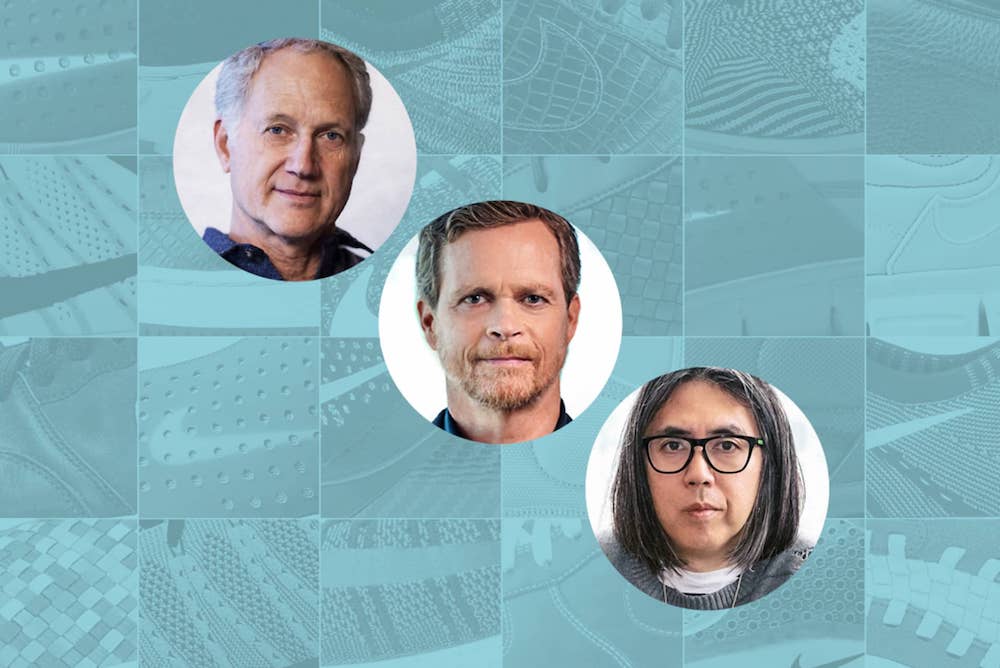
Hiroshi, Tinker Hatfield and Mark Parker are the three men that make up Nike HTM, and for almost two decades the trio have treated the collaborative relationship as an opportunity to experiment with new ideas that combine the expertise of each. Of all the many HTM projects to appear over the years, the most significant is still arguably the trio’s first effort: a luxurious take on the Air Force 1 to celebrate the model’s 20th anniversary. At a time when special releases were few and far between, and little more than palette swaps, this implanted the idea that athletic sneakers could evolve into the luxury fashion items they have become today.
Whether you love Hiroshi Fujiwara’s work under Fragment Design or not, it’s impossible to deny his considerable contribution to the world of streetwear as a whole. He is known as the ‘godfather of streetwear’ with good reason, after all. He has favoured disruption and connection in equal measures throughout his career and continues to be one of the most inspiring figures in the scene. So, the next time you’re showing off your collection of limited edition gems, shed a thought for the man that started it all.