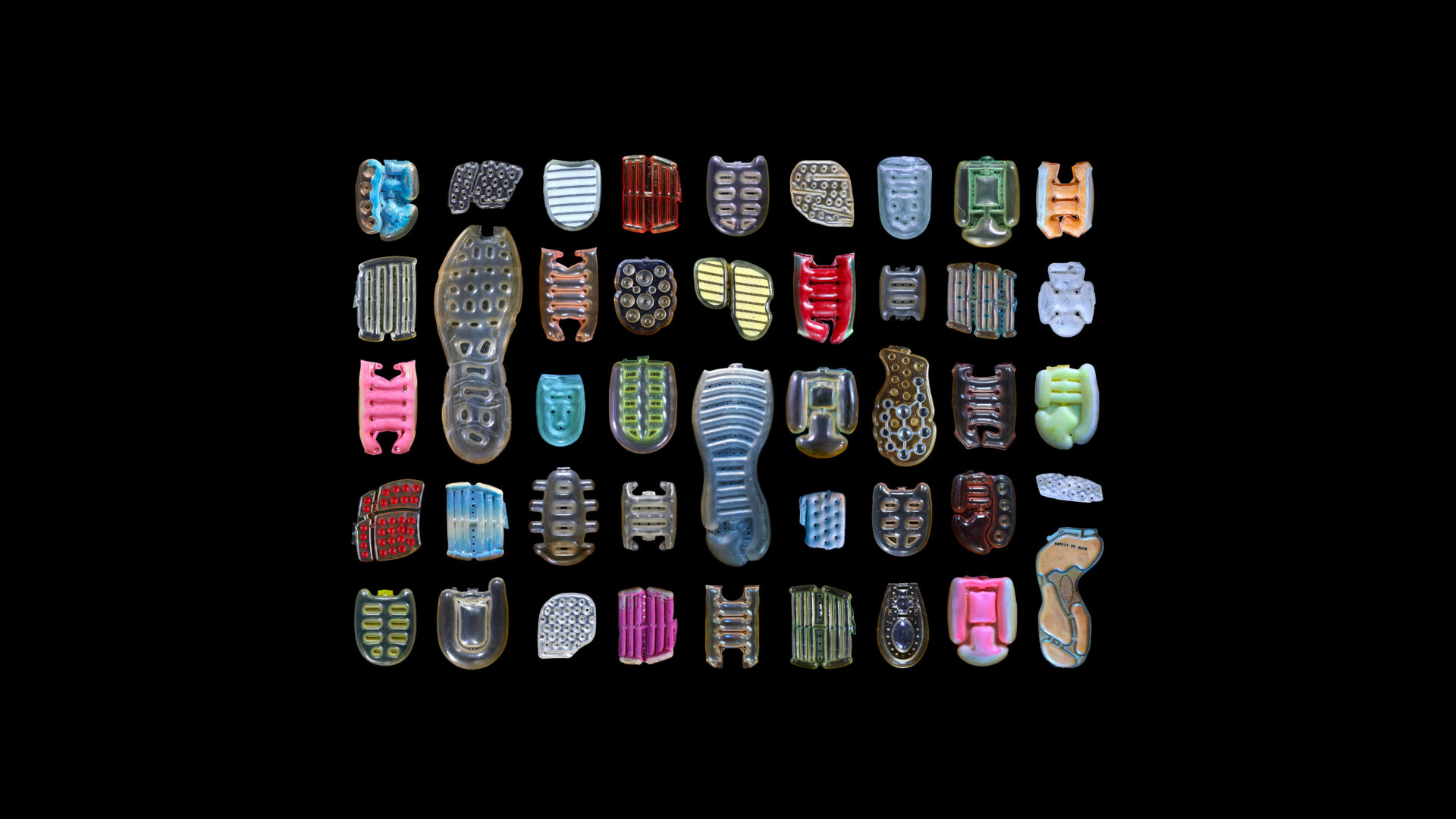
This year, we’re celebrating Air Max Day from a different perspective—shining a light on the technology that gave rise to the legend: the Air Max units.
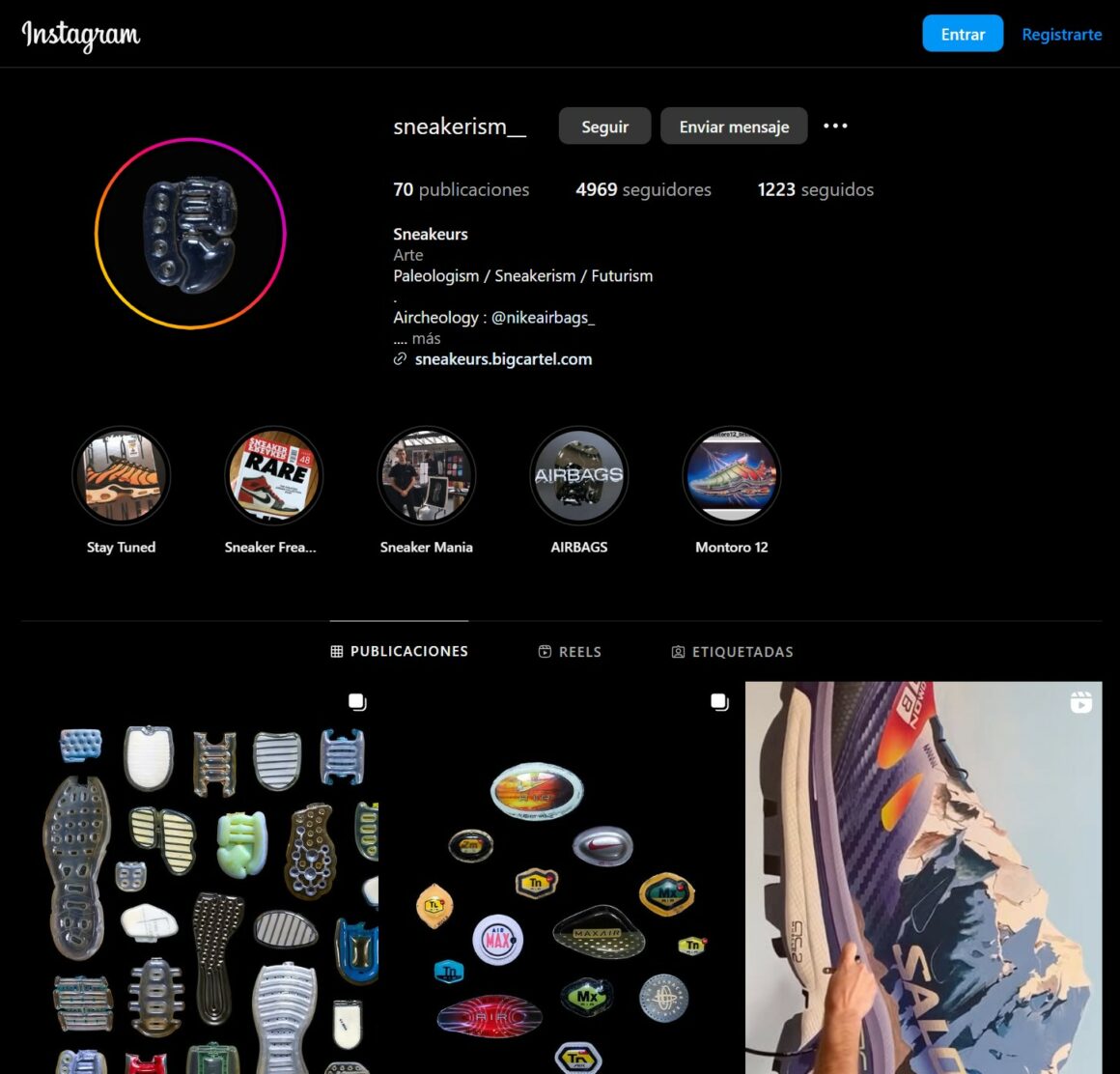
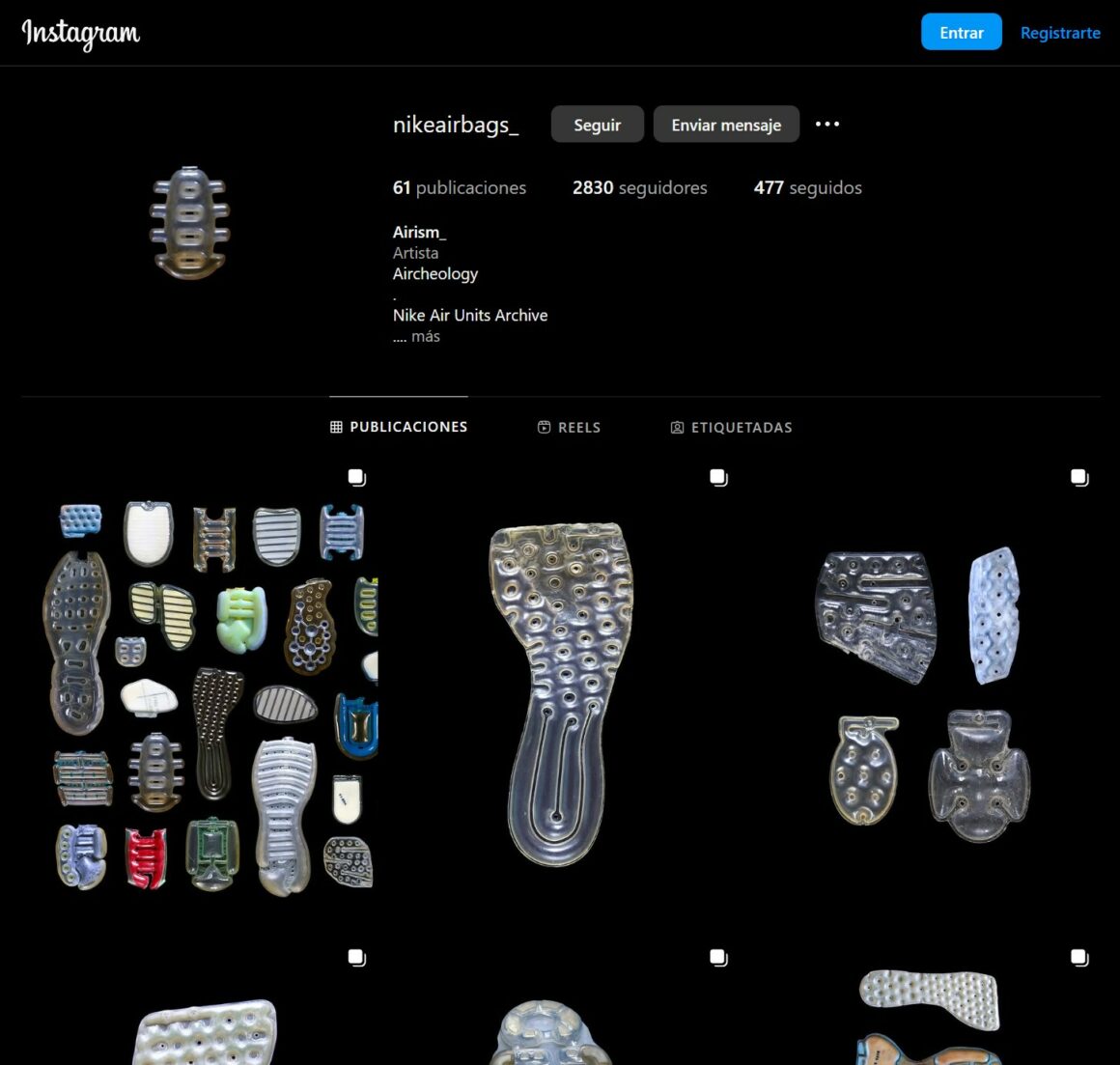
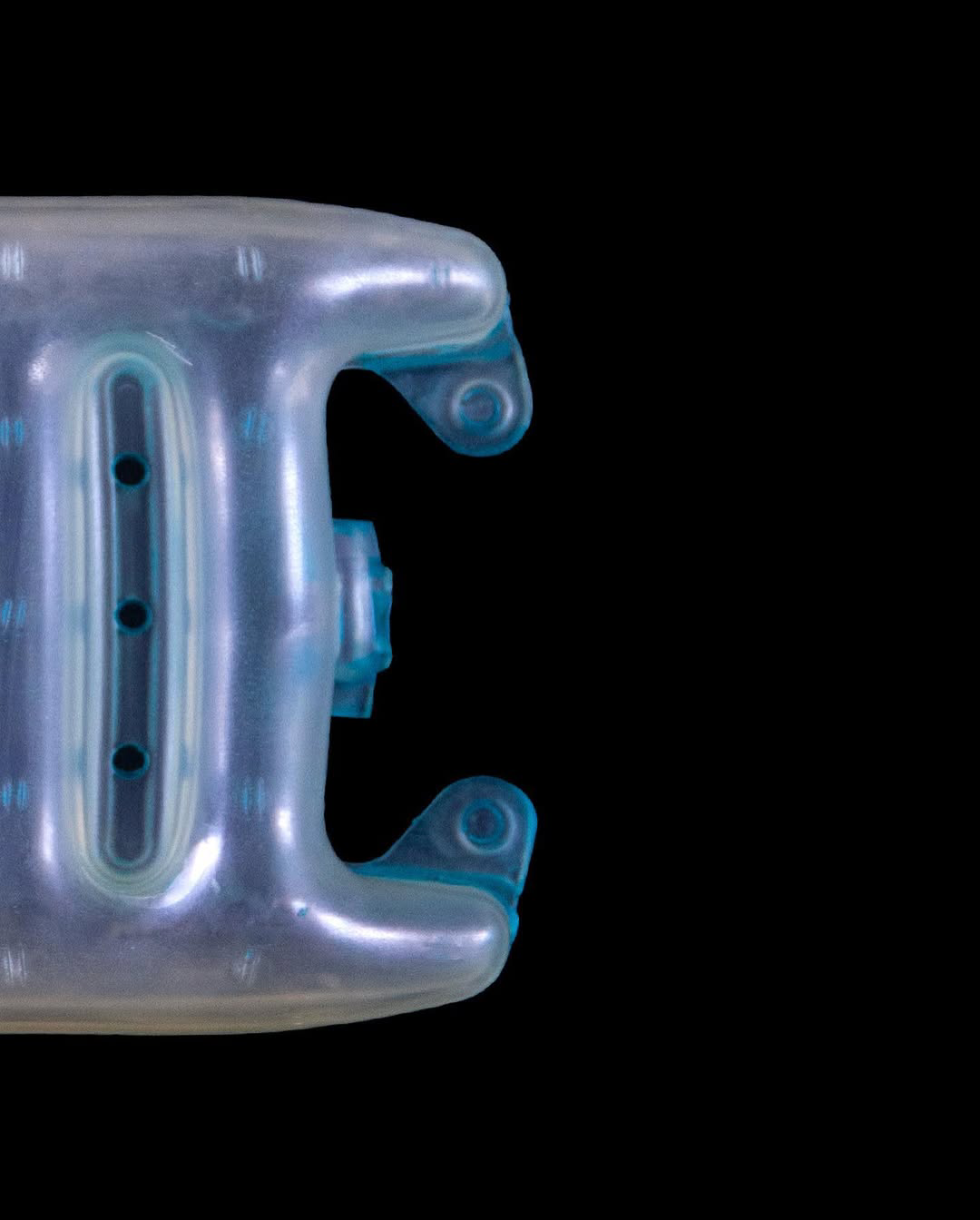
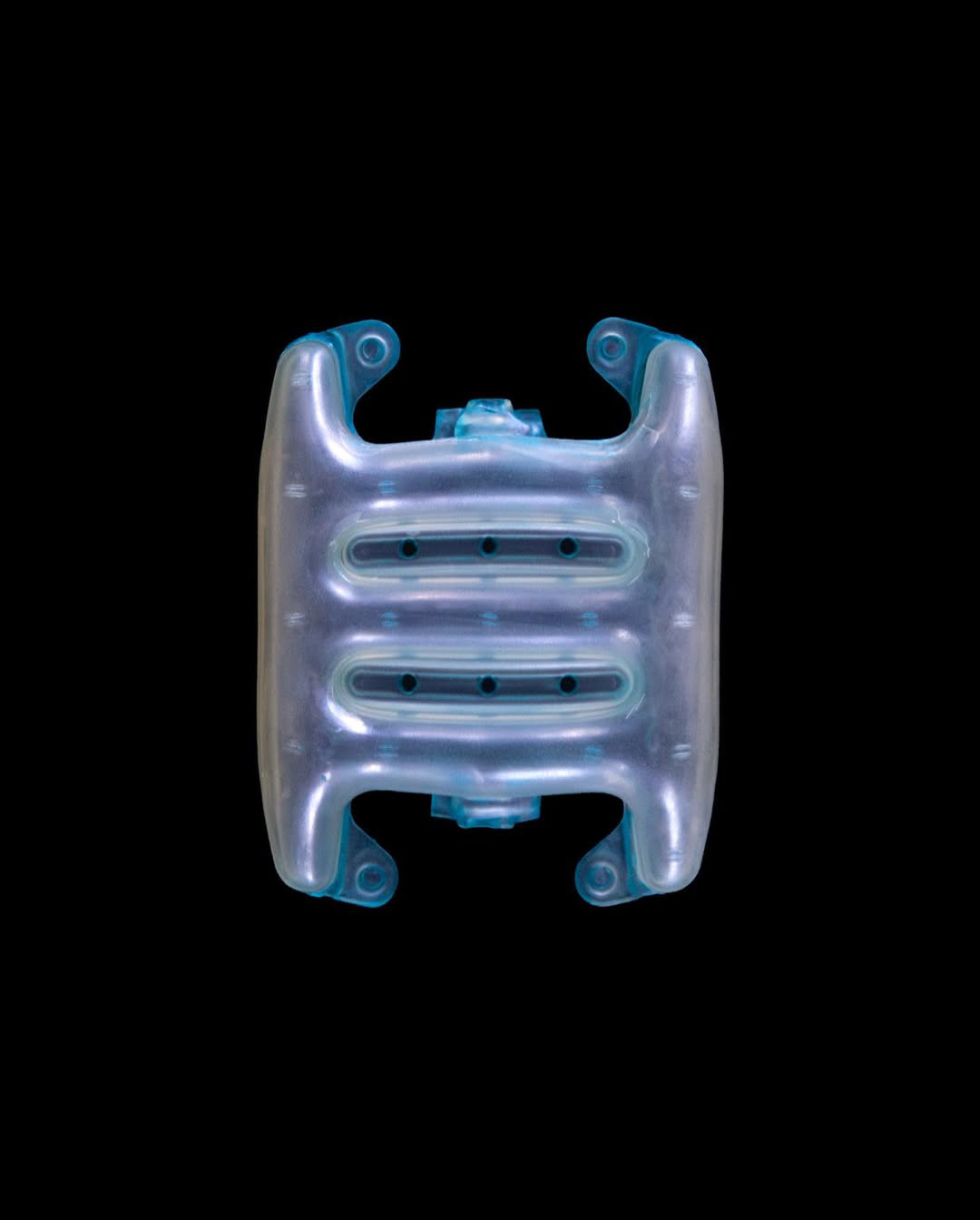
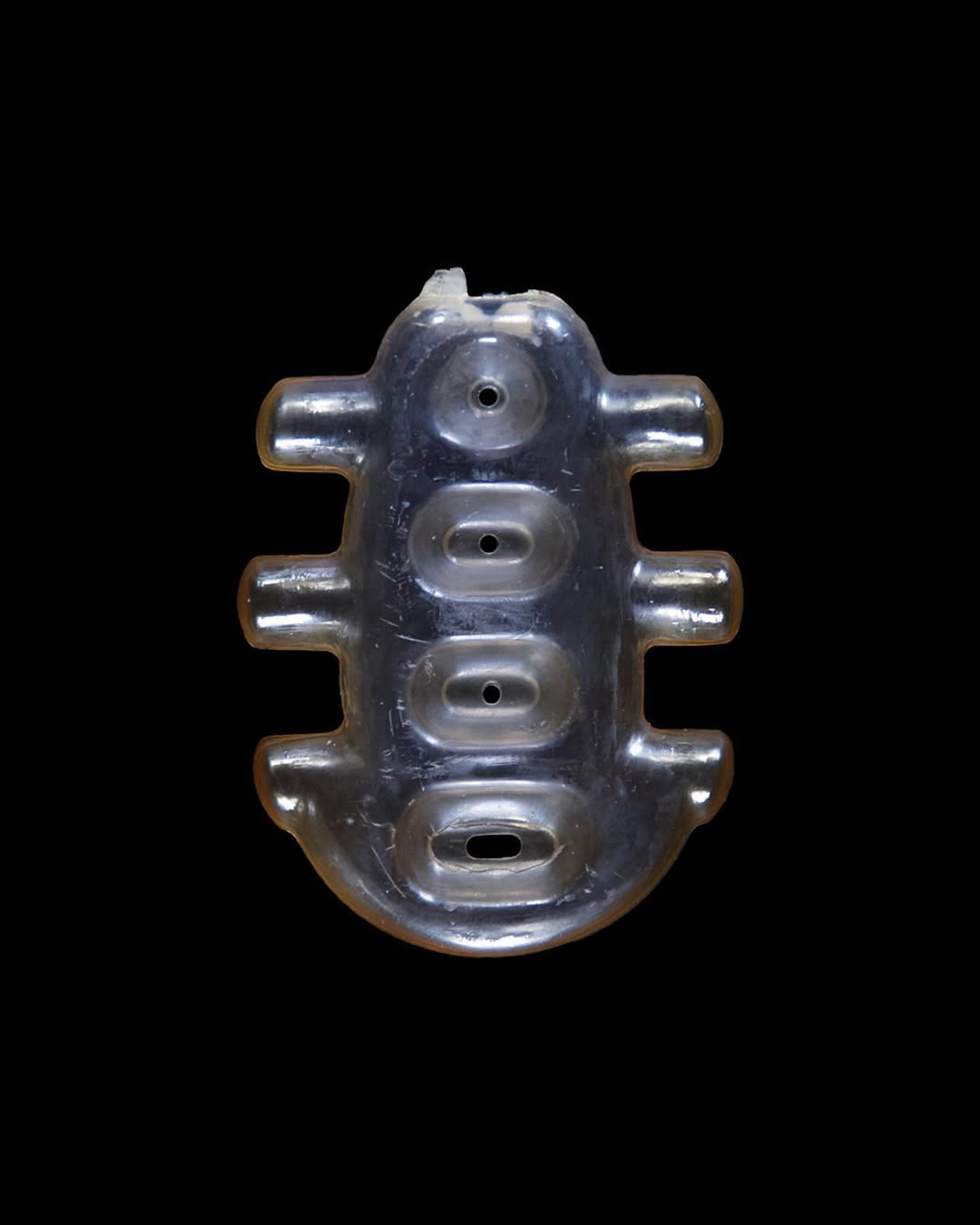
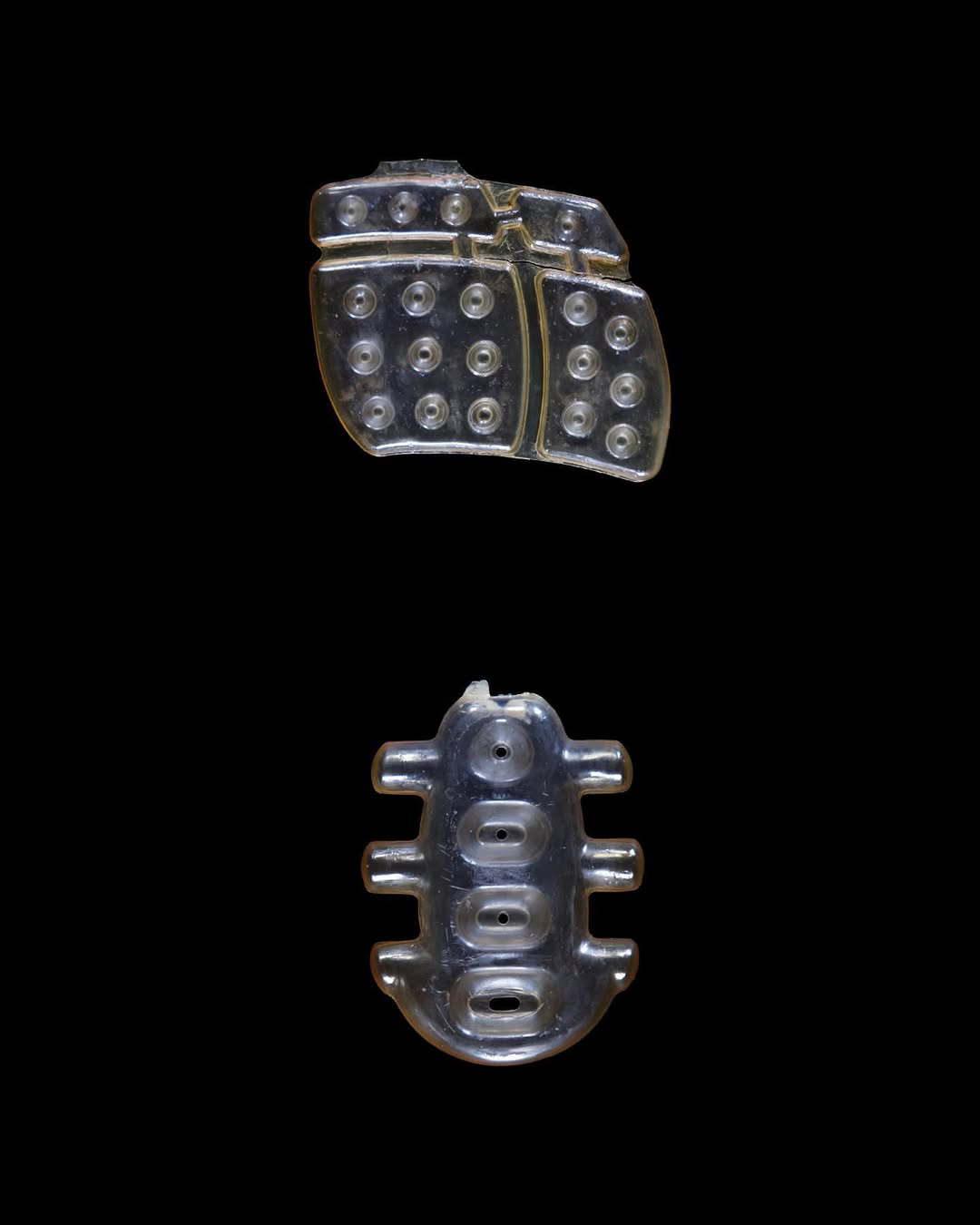
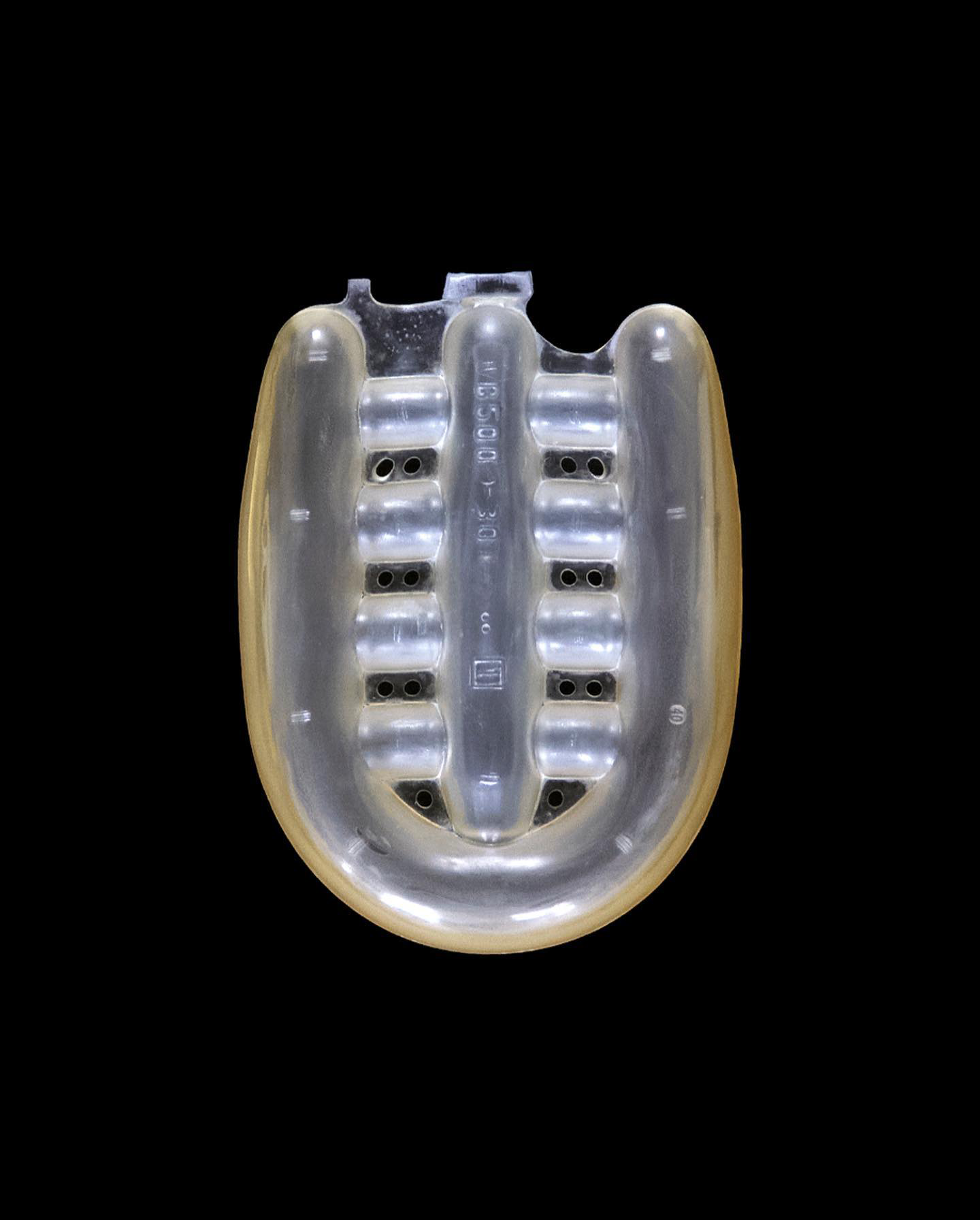
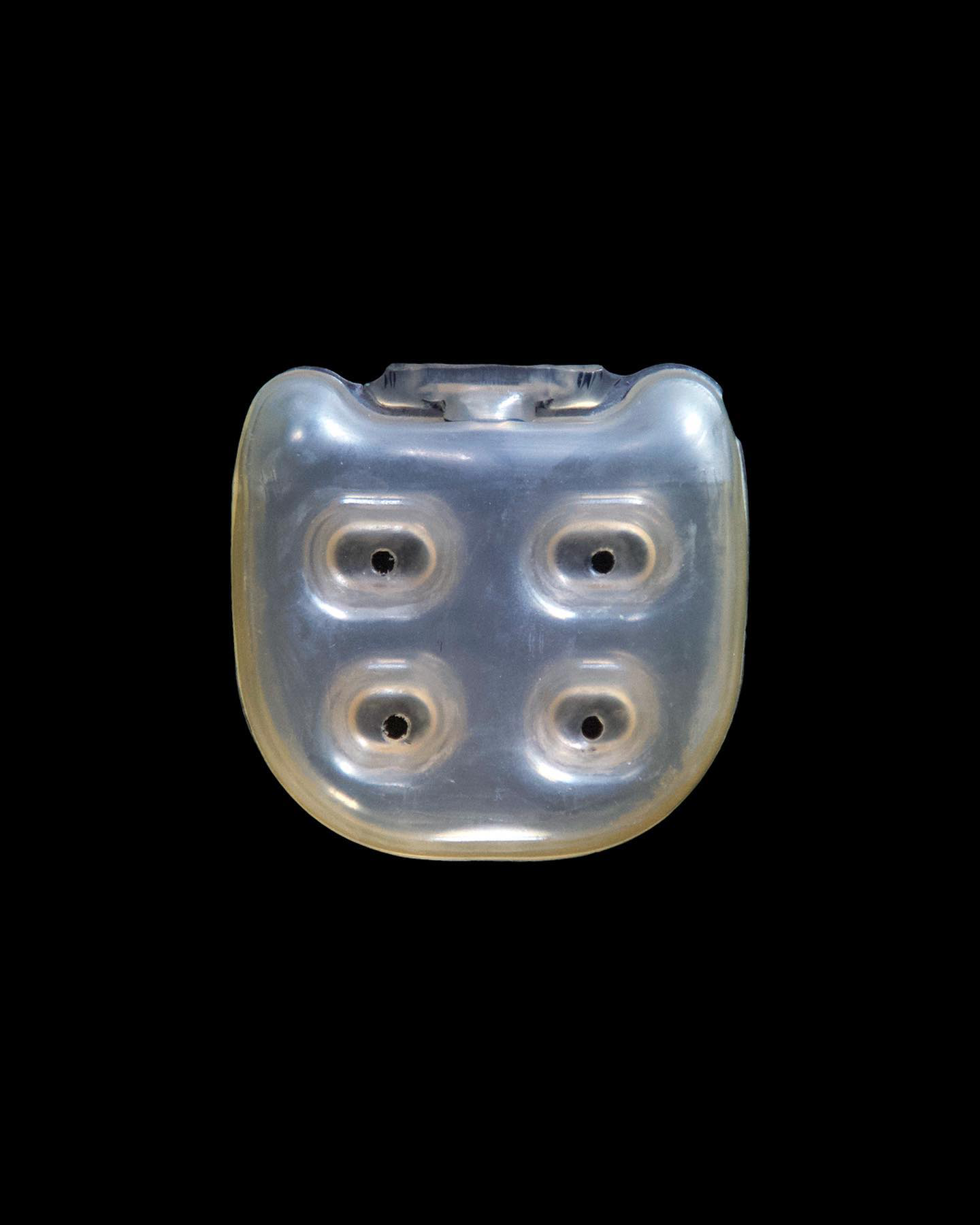
And there’s no one better to spotlight than Martin Coste, who launched Airbags project through Sneakerism, an archive of air units presented in a style reminiscent of fossils and precious stones. A unique way of approaching the Air Max phenomenon that reveals what had never been seen before.
How would you like to introduce yourself?
I’m a pluridisciplinary artist and my work is mainly focused on sneaker culture. I like to express myself and question footwear on large format paintings. I’ve built an Air Unit archive three years ago that showcases the air bubbles from Nike. Also, I’ve started upcycling works as I’d like to explore and re-use sneaker parts, on the one hand, because it’s a continuation of my research and, on the other, to raise awareness of the impact of fashion wear.
Sneakers, and even more so Air Max, are often associated with sport and street culture, but your background comes from a very different place—art and illustration. Do you think your approach to sneakers is different because of that?
Yes, definitely. I was born in the early 90s, so I grew up with sneaker culture throughout the years, so it’s always been a part of me. Being in art school helped me to explore other fields than sneakers and better understand the social movements that have shaped the footwear culture. I’ve always been creative (from an early age), multidisciplinary and curious, which has led me to develop a passion for all kinds of fields: photography, architecture, drawing, graffiti, music and cinema, as my family runs a cinema in the south of France, which very early on introduced me to images (I’m a big fan of posters), shots, narration and emotion. So in my artistic practice, I try to question the footwear universe through my prism and my influences, both in my paintings where I like to redefine frontiers and explore new narratives, and on the air archive that begins to take shape now.
Do you think the design of Air Max over time has been a form of aesthetic experimentation beyond functionality?
Yes, in a certain way, but both are linked because form follows function. To me, the Air Max line always kept an experimental spirit that shaped this particular family. We all have in mind some fearless designs. My thought is maybe the designers were more daring and free to experiment with obscure designs back in the day, and the craze for the new millennium has pushed brands to come up with futuristic new models. Brands were in full competition and had to keep coming up with new products. But from a marketing point of view, it’s possible that over the years, aesthetic experimentation has taken precedence over functionality, unfortunately.
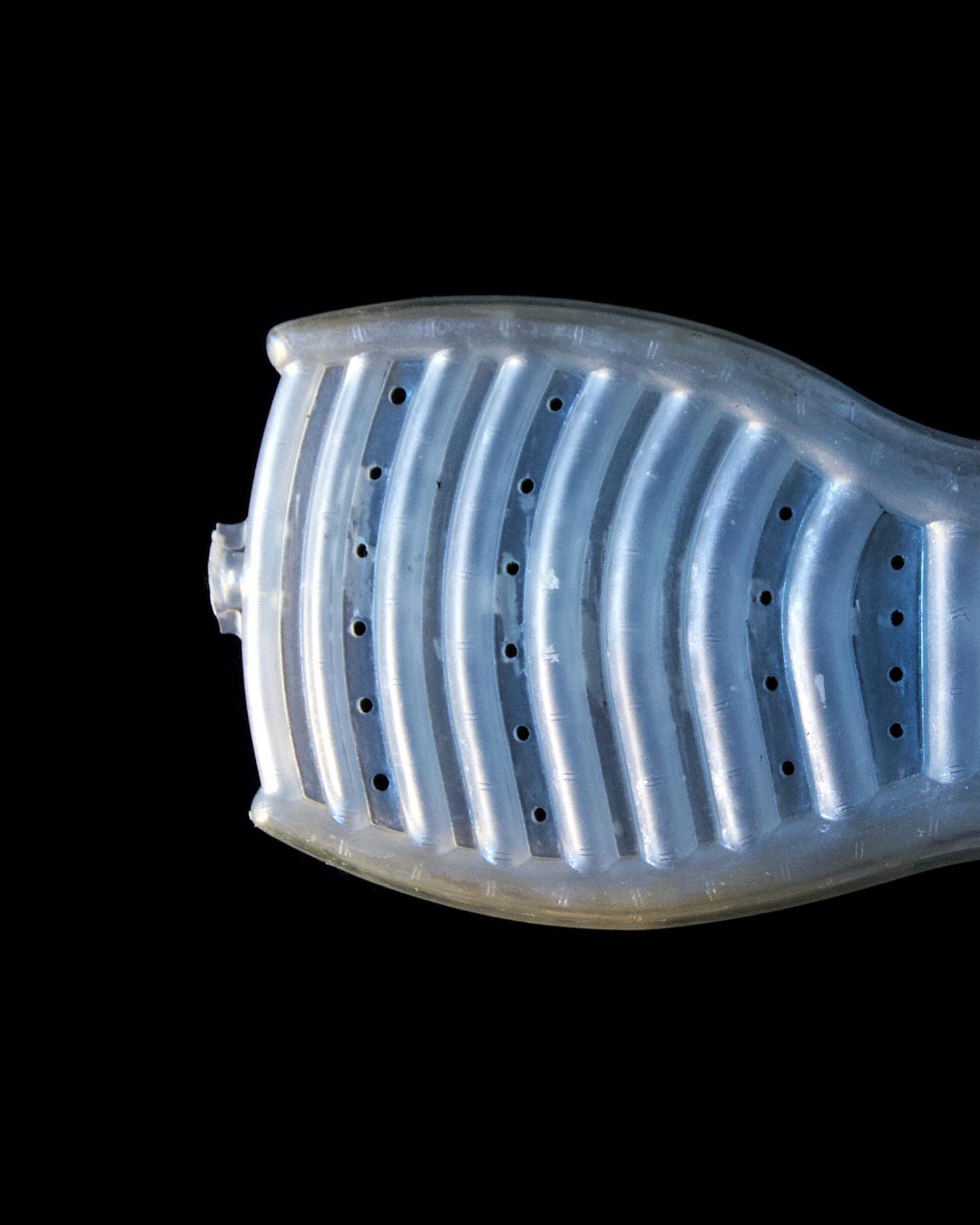
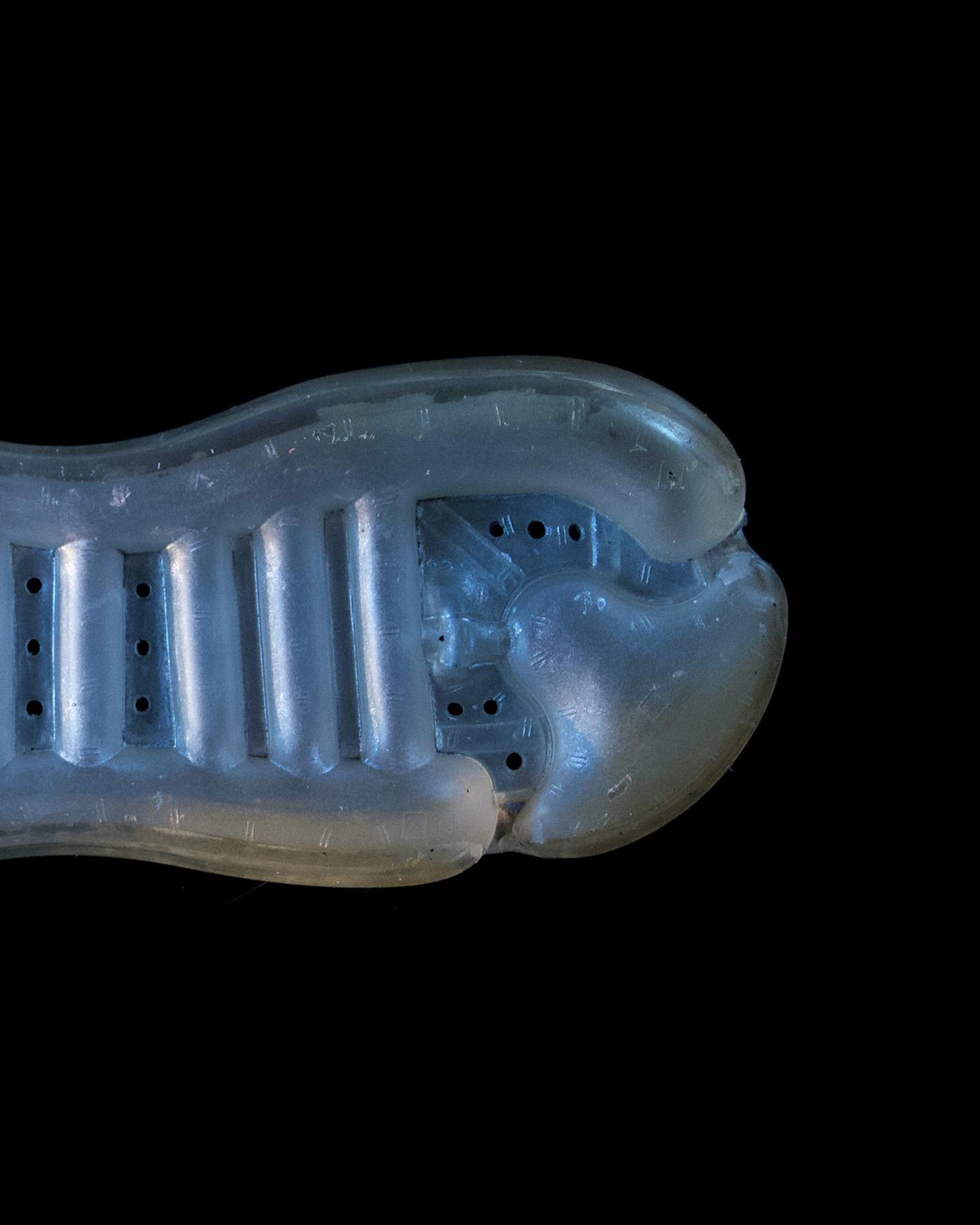
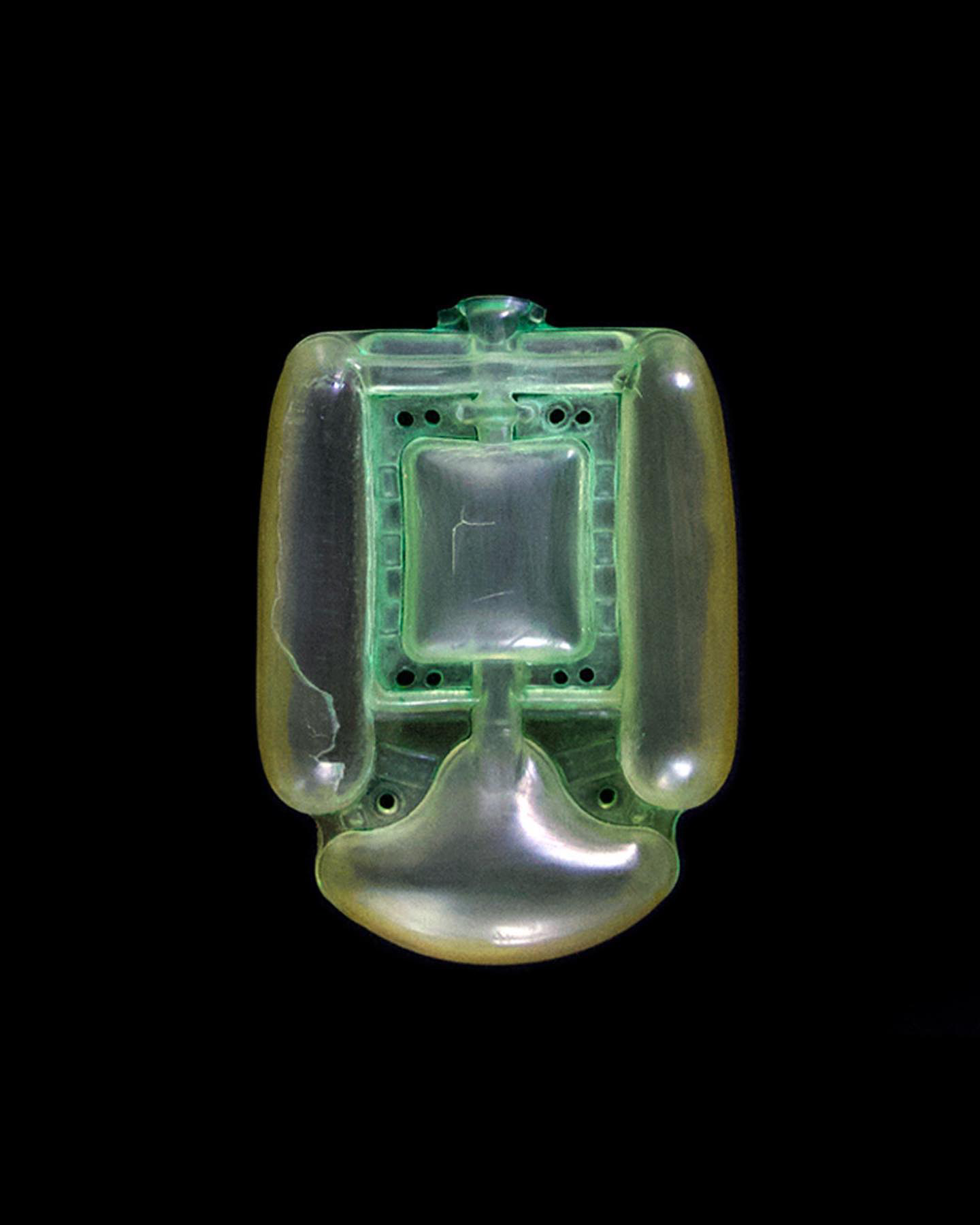
Your Airbags series transforms air units into almost sculptural objects. How did the idea of extracting the bubbles and presenting them as standalone pieces come about?
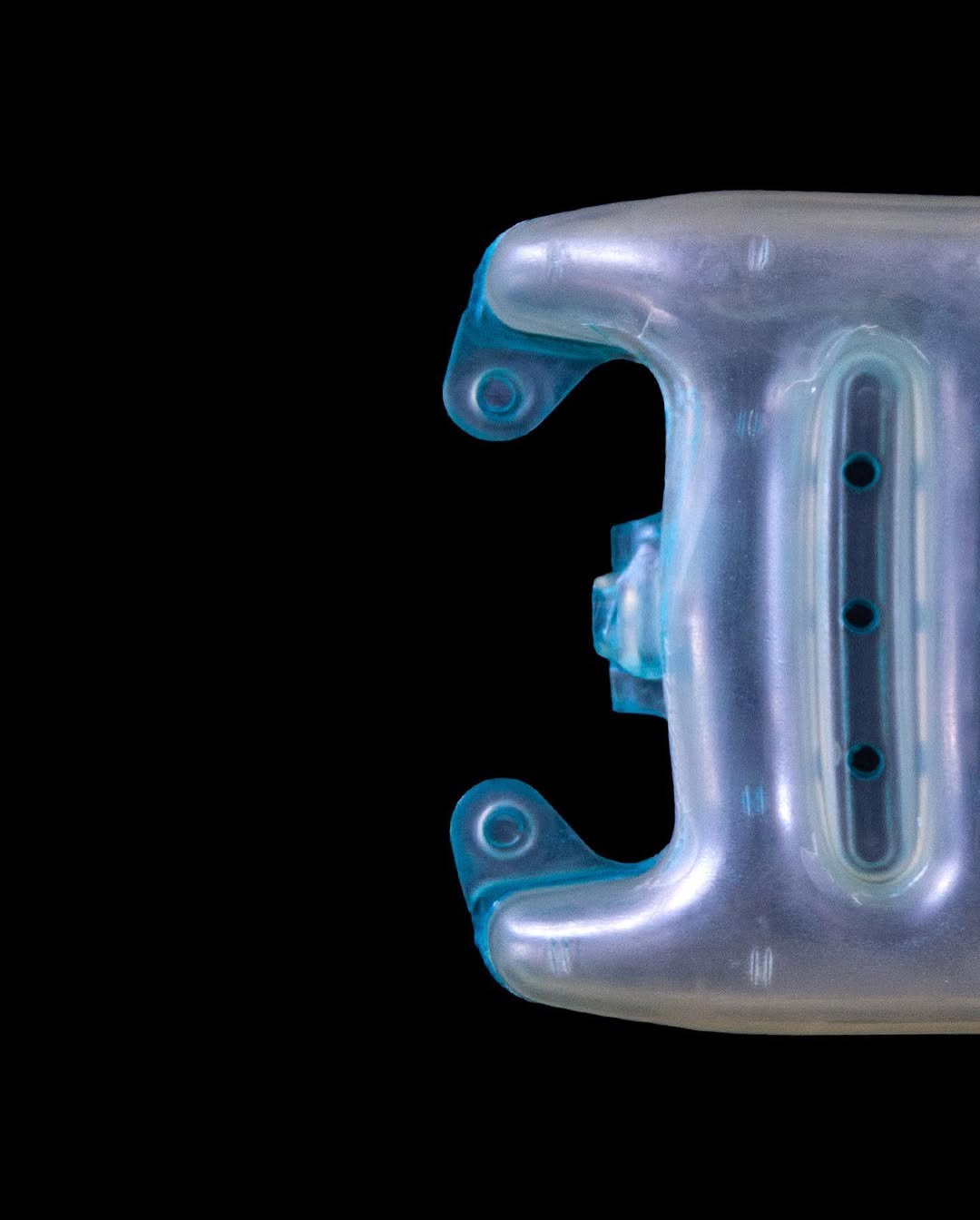
Well, I always was an Air Max enthusiast and I remember seeing rare pictures of air units on the internet, but there was no more information about them. One day, walking around a flea market in Brussels, I found a rare TN from early 2000 for 5 euros. The sole was completely crumbling in pieces and I thought that I could easily remove the air units. I pulled them off and cleaned them, removing the foam and the paint. Then I heated them with a hair dryer and what was unveiled to my eyes was beyond all I expected—the air was so transparent that I could see right through it. A post on Instagram generated a lot of enthusiasm and this experience was the trigger for this archive.
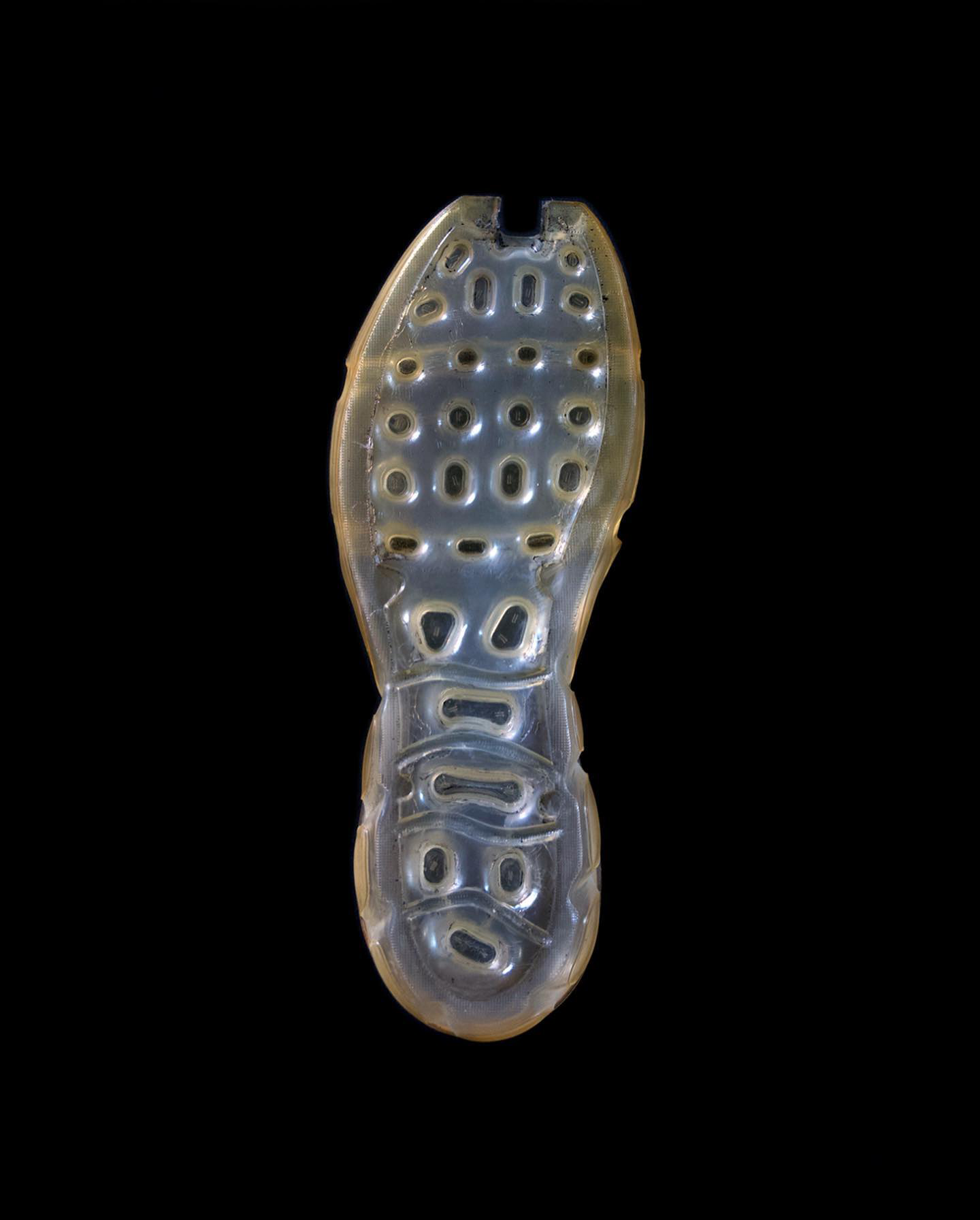
You manage to showcase Air Max we’ve seen thousands of times from a completely different perspective. Do you think people see Air Max differently after your project?
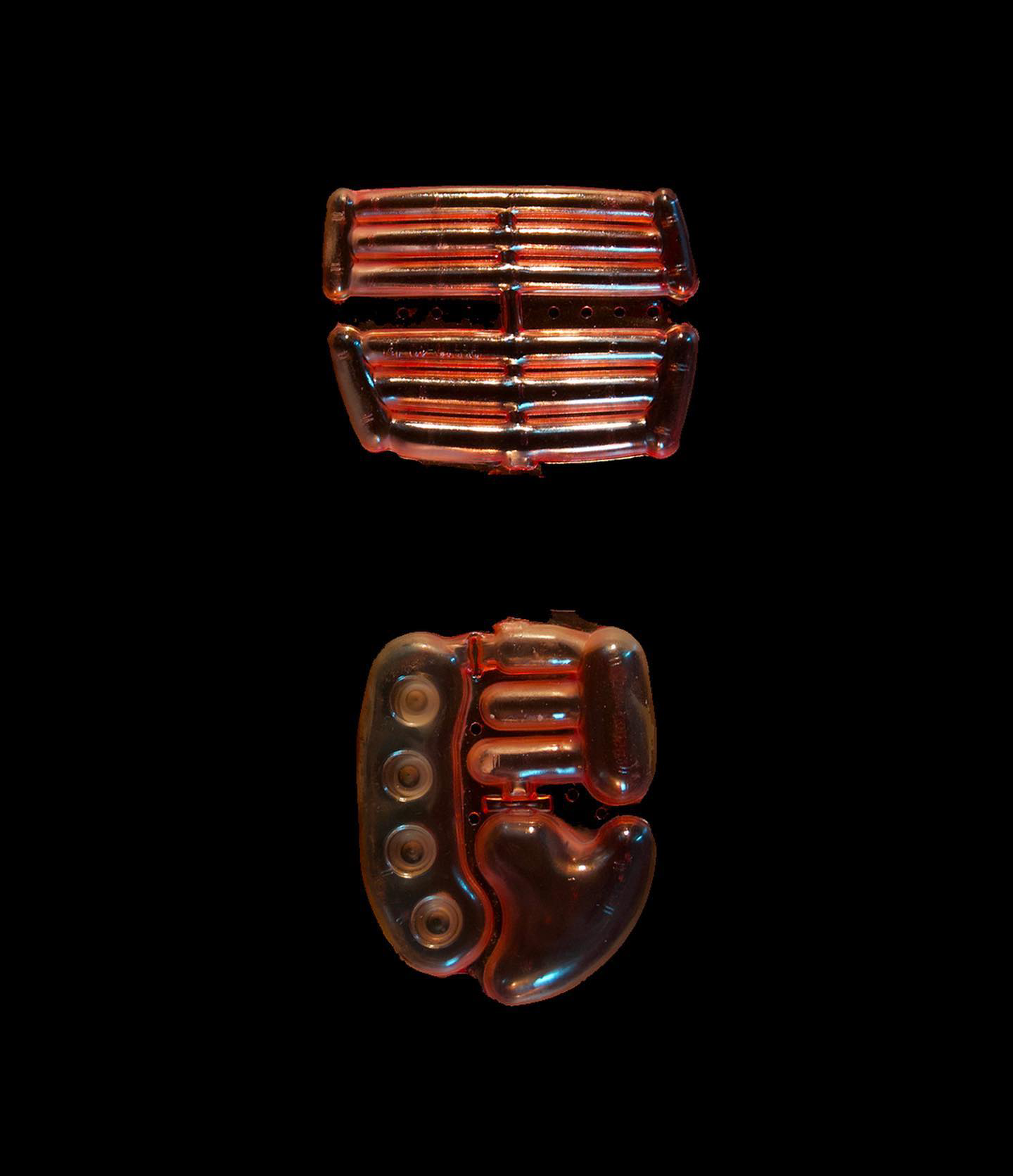
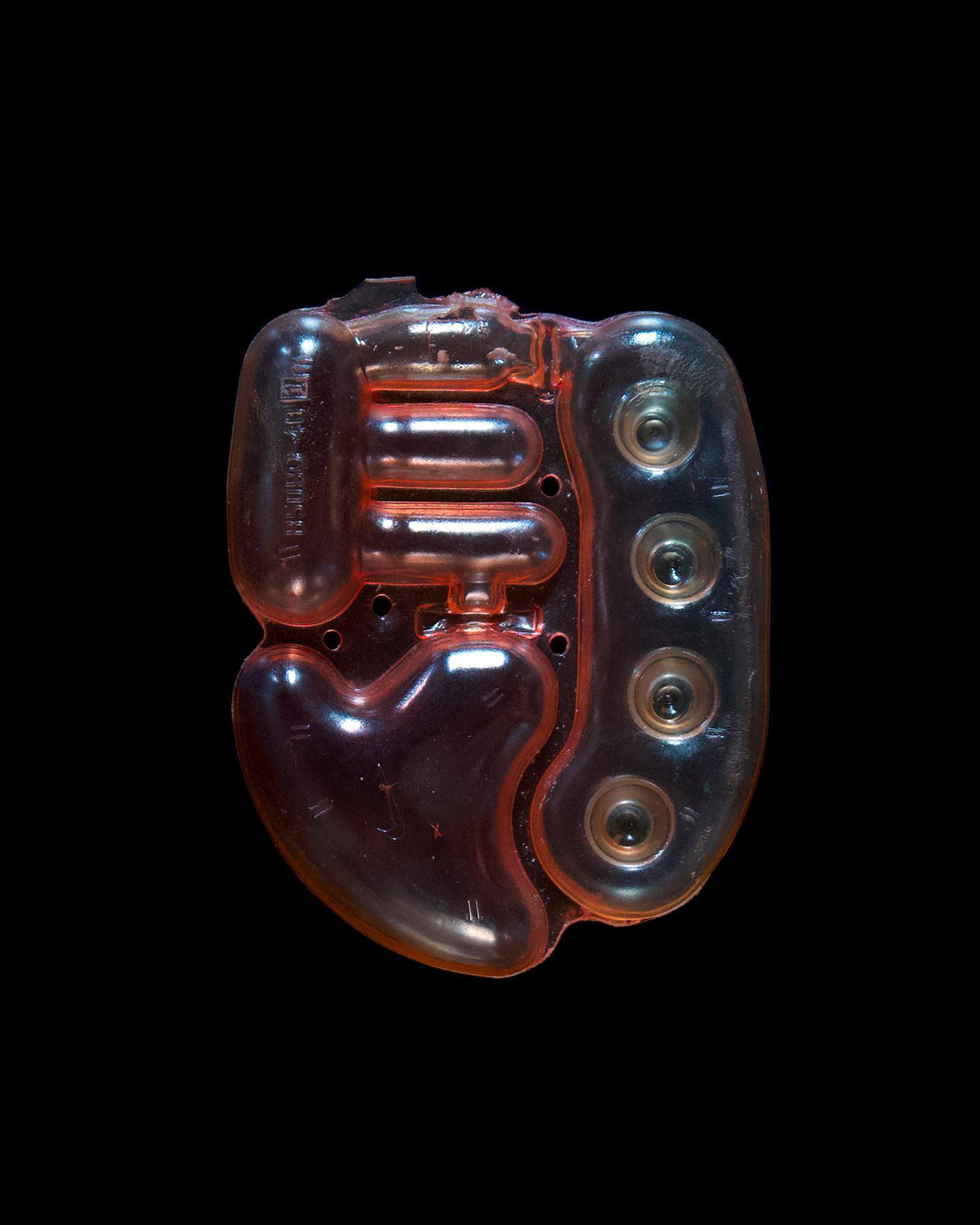
This is the main goal of this archive. I’d like it to encourage people to take more of an interest in what their everyday objects are made of and just be more curious. For this archive, I’m more interested in producing an artistic work, gathering the bubbles together like if they were part of a microorganism family. They appear more like unconventional objects: microbes, organs, micro-organisms, fossils. I’d like this archive to inspire as many people and artists as it inspires and fascinates me.
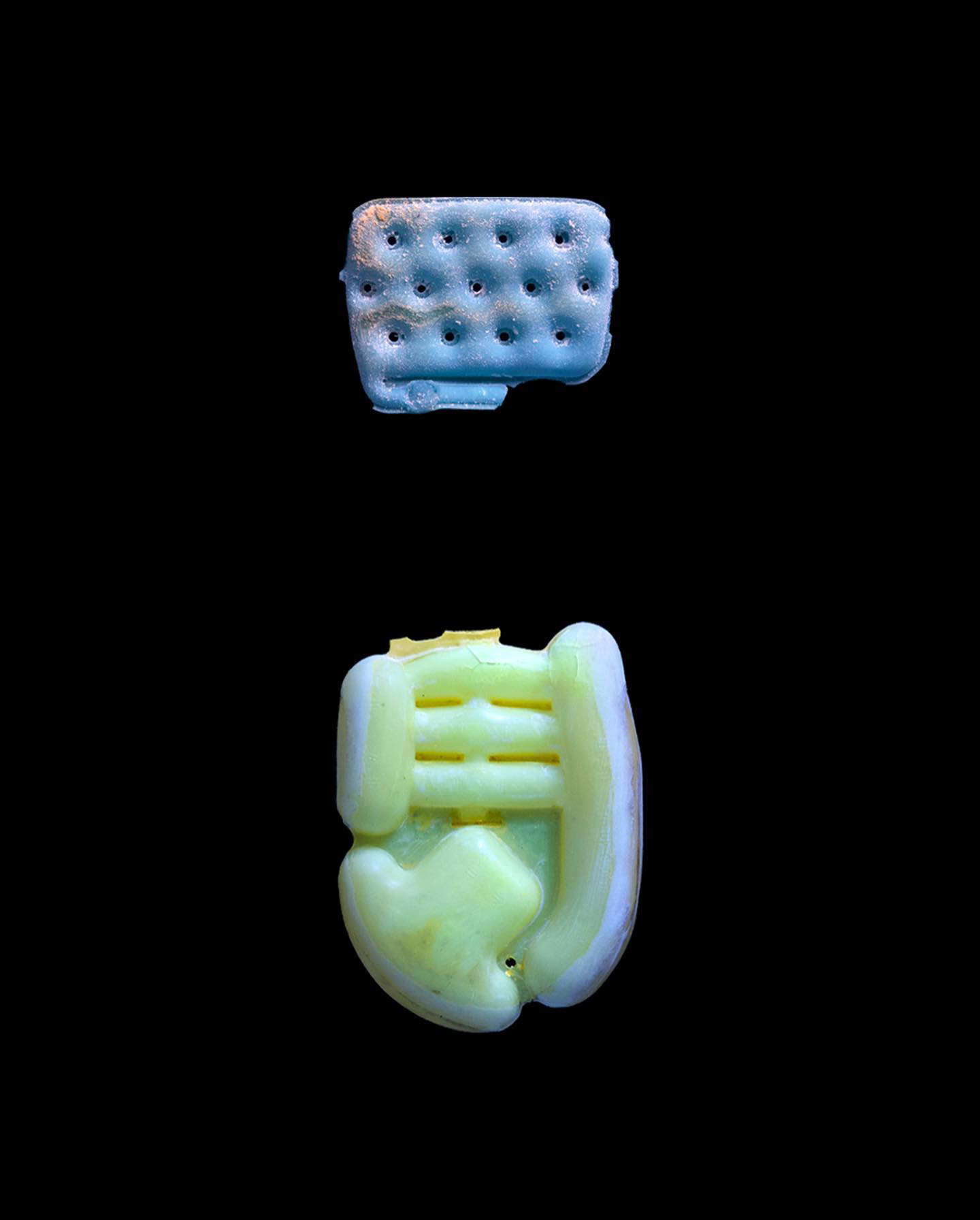
Classifying the Air Units as if they were fossils or micro-organisms gives them an almost scientific aura. How did you decide on the visual and conceptual approach for Airbags?
Now we talk (laughs). I’ve been studying sciences before art school and my father collected fossils when he was younger. Mixing different inspiration sources, I thought that it would be better to showcase them this way with a black background, to bring a sense of elegance and as if they were floating in a vacuum—it makes sense because it’s air. Suggesting rather than showing. Highlighting the air unit rather than the pair itself that everybody knows. This way, the shoe appears more singular, as if each pair has a soul and looks alive through their colors, defects and markings.
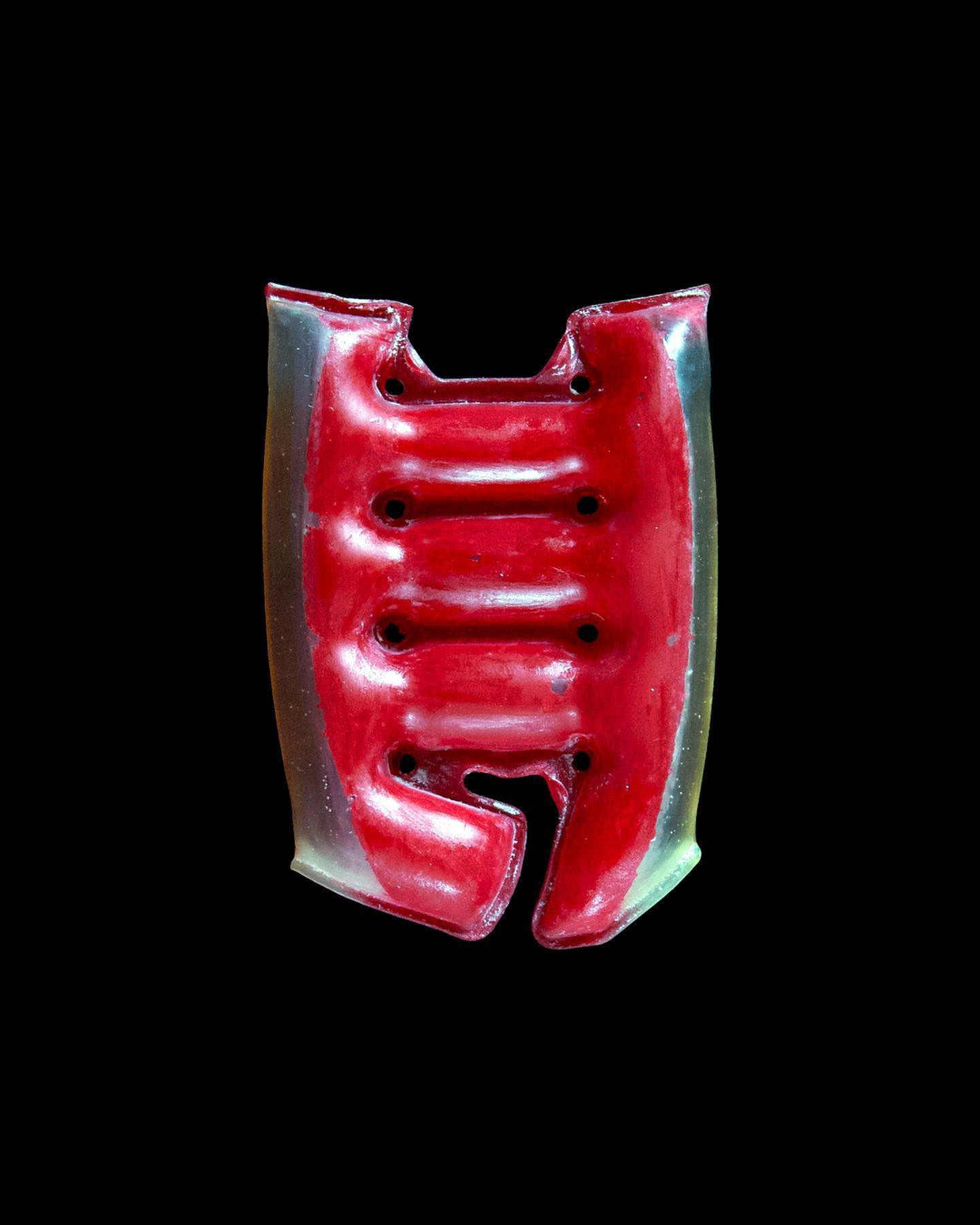
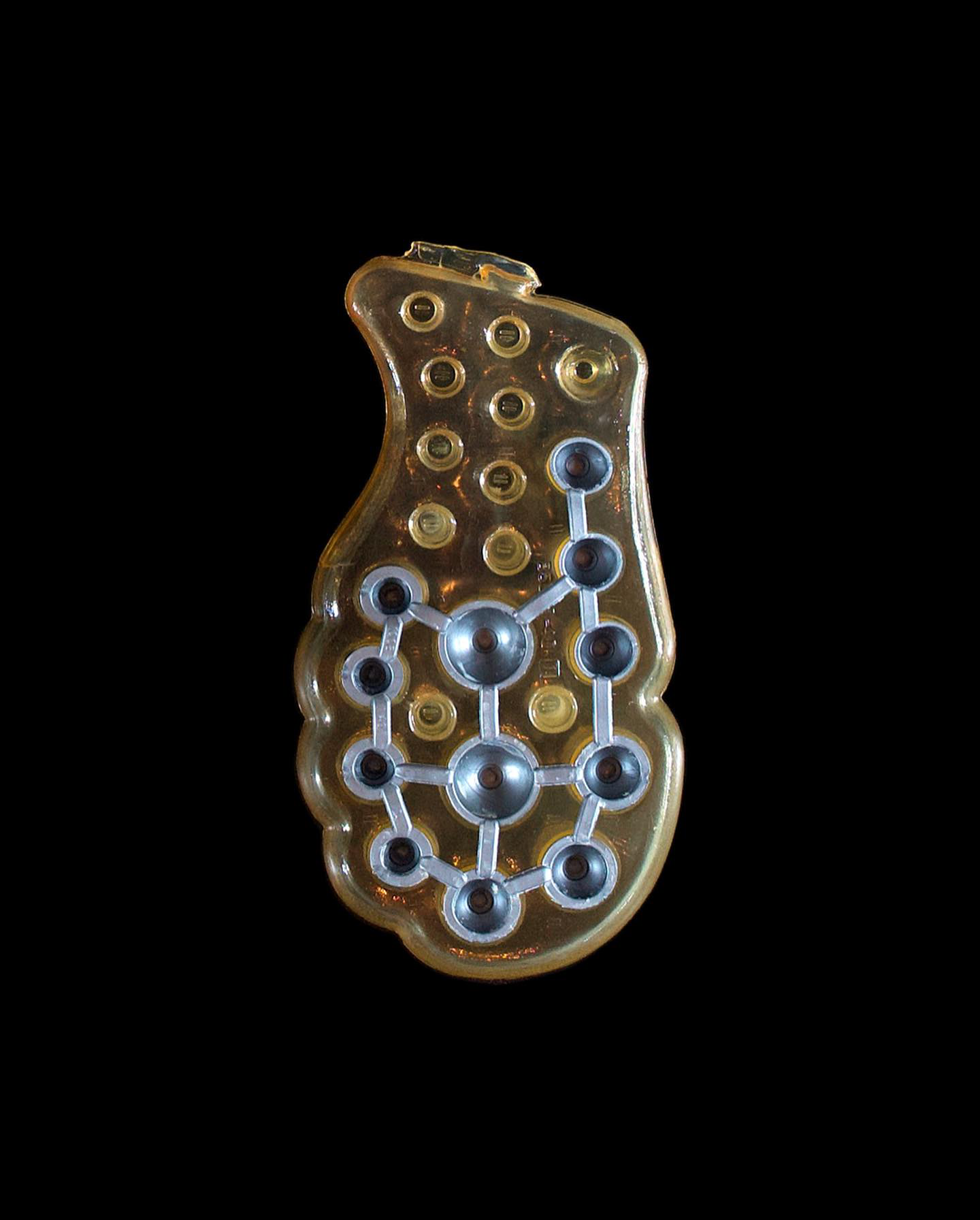
While deconstructing sneakers, you discovered hidden inscriptions and colors altered by time. What was the most unexpected thing you found during this process?
I’m almost surprised every time I open a pair and discover a bubble I haven’t seen before. One that stood out for me was the Air Max Plus 5 with its tubular heel bubble, forefoot bubble and distinctive foot design. Or, more recently, the Air Perrish, with its air bubbles that look like primitive carved bones, or the Air Max Plata, with its completely strange bubble that looks like something out of Men in Black. But the process is very time-consuming. I spend hours and sometimes days to fully clean them. Sometimes when I remove them, they are partially broken, so I’m not always surprised in a good way…
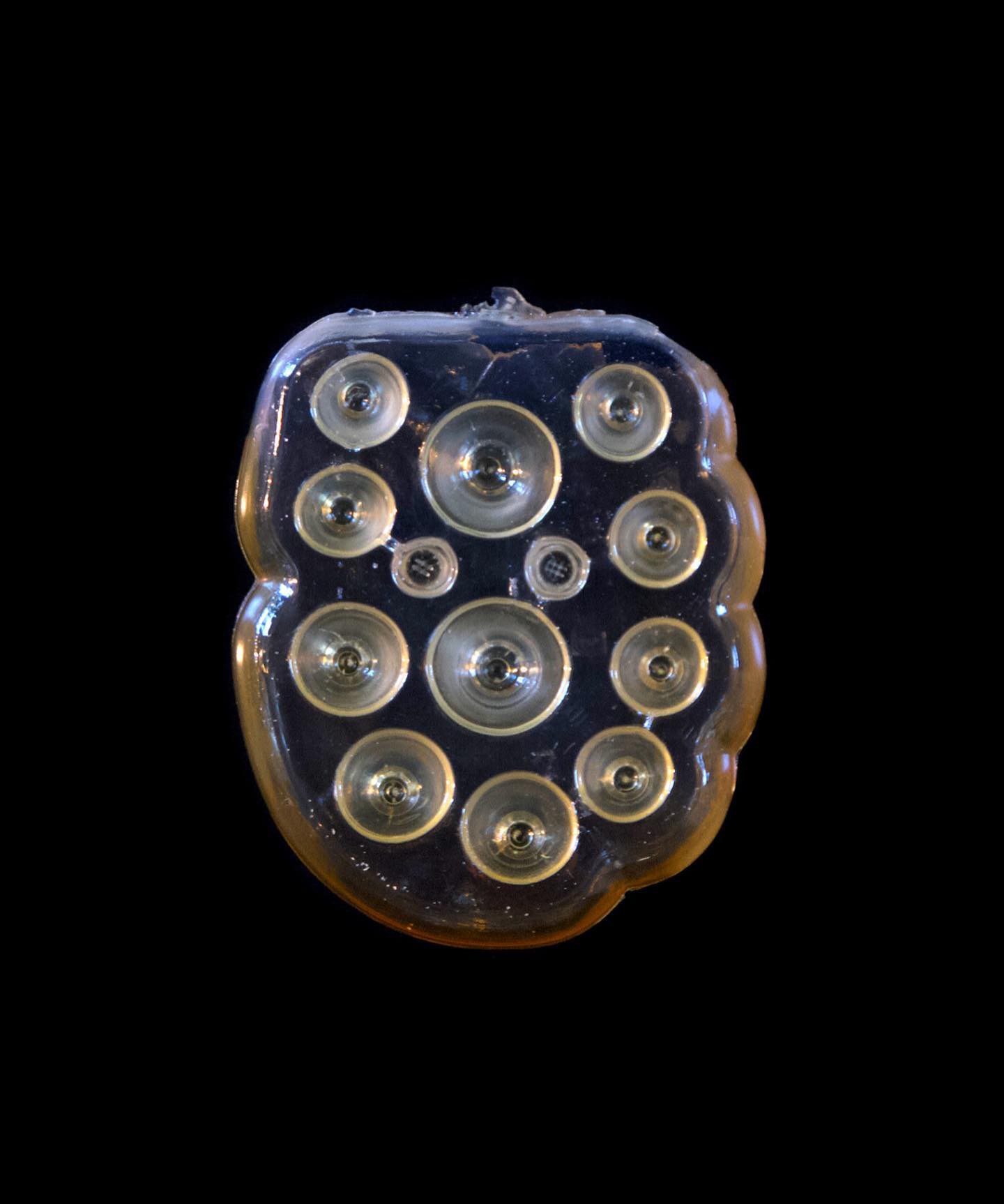
Is there a particular air you found especially fascinating, whether for its design, rarity or history?
Yes, definitely. The Air Max 2001 is my pride and joy as a science-fiction fan. The heel air unit looks incredible (tubular air). I like the pair, its daring design that looks like a spaceship, the way it was crafted—a real UFO!
You’ve spoken about how sneakers have evolved from sportswear to objects of worship. How do you see the future of sneaker collecting and artistic reinterpretation?
I’m not a collector, but I’m pretty sure that sneaker culture will continue to evolve, hybridizing with new materials, old designs and everyday things that inspire us. As they lie at the crossroads of several fields—such as architecture, science, sport, music and social issues—inspiration will always be inexhaustible. There will always be new proposals, and each new generation will appropriate them with its own codes, I guess.
Finally, after exploring Air Max from an almost archeological perspective, how has your own perception of these sneakers changed?
I don’t know if my vision of the Air Max has really changed. In any case, when I see a rare model, I’m more likely to wonder what type of bubble is inside and whether I’ve already archived it or not. Also, it stimulates the search for new forms and colors to make new air unit compositions and visual languages.
What is your next project?
I still have a lot of work in progress to achieve. The next big challenge for me is upcycling. I have too many ideas, as I’d like to re-use old uppers and Air Max pieces to make new wearable accessories/clothes. Also, I’d like to continue archiving but highlighting other brands like Adidas, Reebok, Puma from 1990–2000, exploring and deconstructing Pump air bags or Puma Disc Dial System, for example, and unveil to everybody what is inside. I have some ideas about paintings too, but I keep it quiet because nothing is done for now.
At FOOTDISTRICT, we celebrate Air Max Day by exploring the evolution of its designs—whether from the inside through Nike Air Bags or from the outside with our special selection.