Warning: Trying to access array offset on false in /var/www/blog.footdistrict.com/wp-content/plugins/fusion-builder/inc/lib/inc/class-fusion-images.php on line 219
Warning: Trying to access array offset on false in /var/www/blog.footdistrict.com/wp-content/plugins/fusion-builder/inc/lib/inc/class-fusion-images.php on line 219
Warning: Trying to access array offset on false in /var/www/blog.footdistrict.com/wp-content/plugins/fusion-builder/inc/lib/inc/class-fusion-images.php on line 219
It seems like when we talk about trends, we are talking about impulsive successes. Rarely, a trend is established after 75 years of working in the shadows. The Salomon case pushes us past the normcore and makes us think about how functionality and trends interact.
In 1947, when the need arose for George Salomon to develop specialised mountaineering gear, his ideas focused solely on performance. This was the case for the majority of their existence. But despite having nothing to do with their original intent, products created for performance have a unique allure for creators and designers. Elements designed for performance take on new expressions thanks to trend-seekers in urban tribes and brands unrelated to sports. At one time or another, everyone has been drawn to items expressly designed for performance.

Popular Harrington jackets are known as G9s because they were designed specifically for nine-hole golf, trench coats are named after their original location, the trenches of war, and even the wristwatch was designed for military use (pocket watches prevented hand movement in combat). Hundreds of items we use on a daily basis were designed for a completely different context.
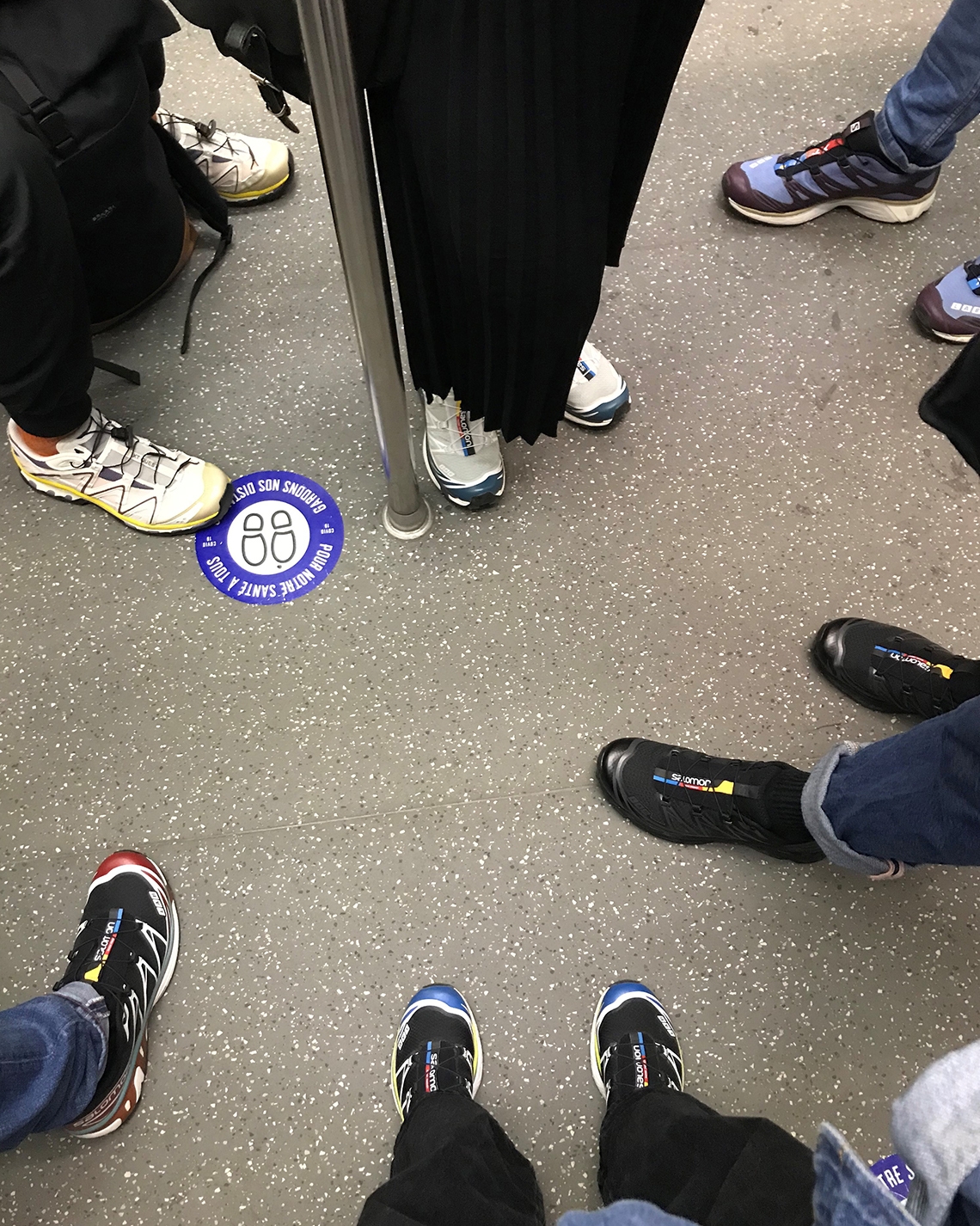
This was Salomon’s experience in the early 1990s, when his Adventure became a must-have for various European dance music cultures. As the decade came to an end, Salomon discovered that some skateboarders were skating in his indestructible shoes.
Salomon saw its wares in unexpected places again a few decades later with the futuristic lines of the Snowcross, a shoe based on the Speedcross that was designed for use on snowy terrain.
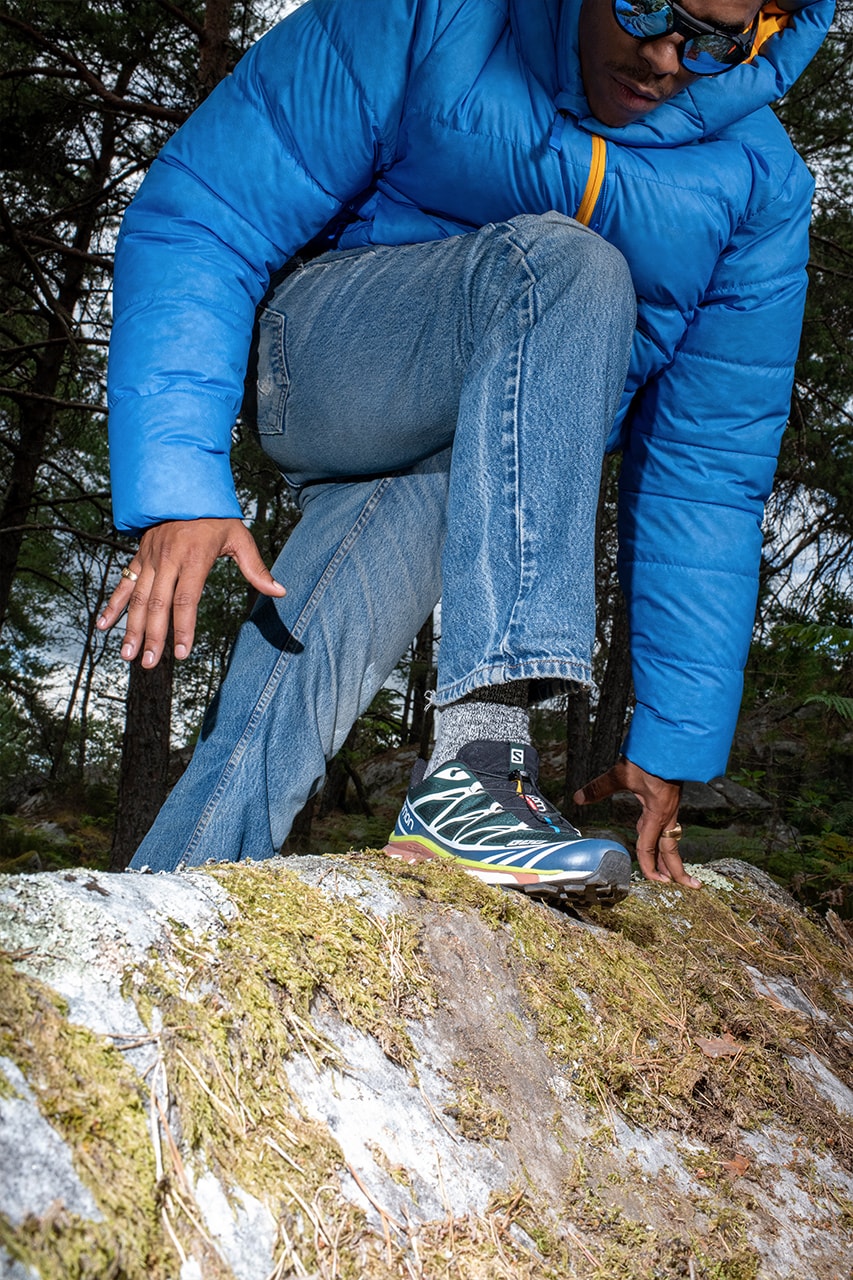
It was creating them for such an unfashionable context that appealed to a completely different consumer. According to Warren Bosomworth, one of its designers, “they are not designed to try to appeal to anyone who does not do trail running,” so they stand out in a market that is all about following trends. That’s exactly what appealed to a generation that grew up anti-fashion and knew how to take advantage of the functional benefits of a technologically advanced product.
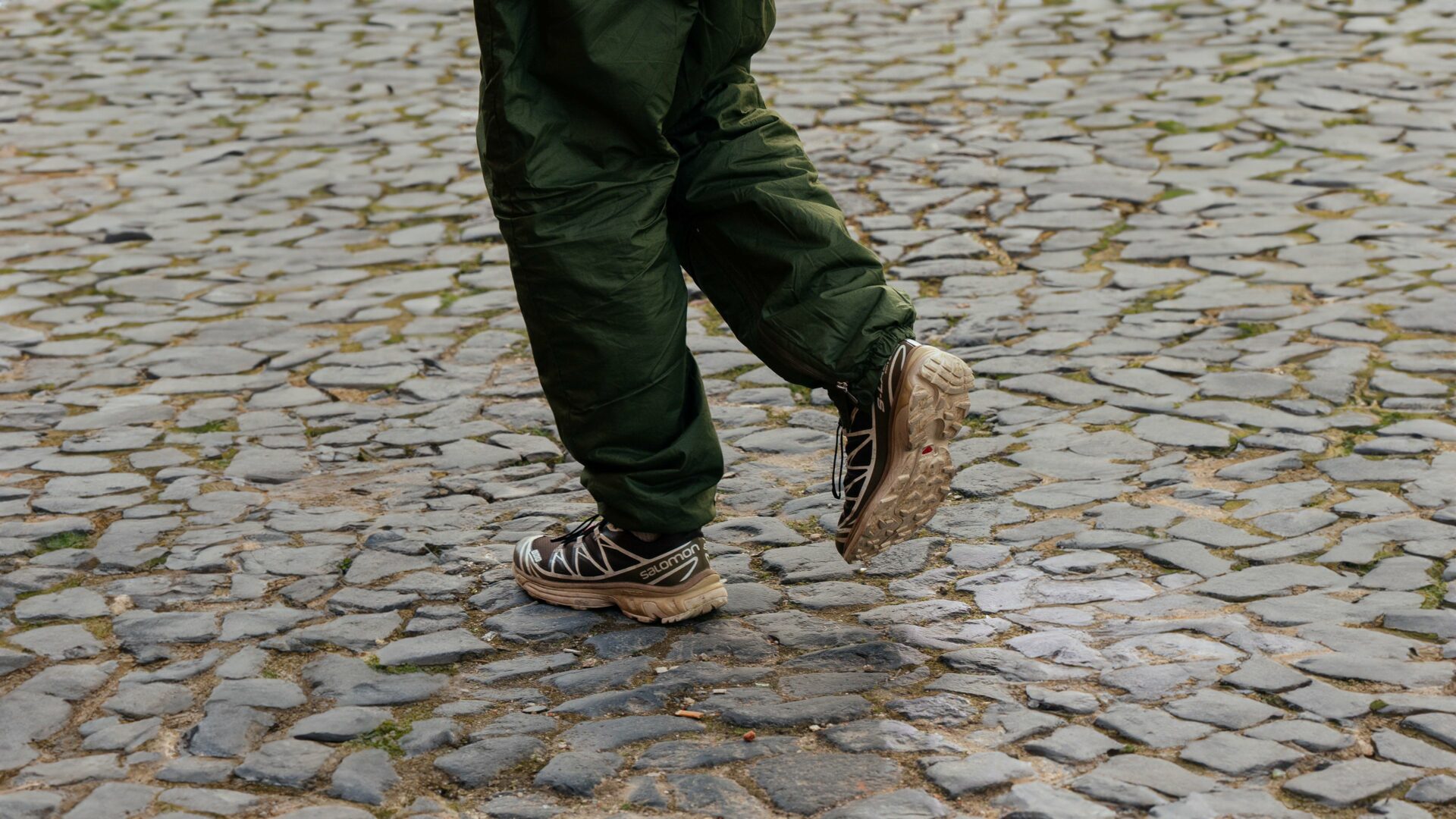
Following the Speedcross were the XA Pro, XT-4, and XT-6, as well as collaborations with Boris Bidjan, COMME des GARONS, Palace, and MM6 by Maison Margiela, which arrived at a time when gorpcore and workwear were popular. Underneath this apparent new approach is Salomon’s legacy, which has always prioritised communication in its designs. A connection that has expanded beyond athletes to include designers and brands who can bring new ideas and engage in new dialogues. When Salomon welcomed the MM6 designers, they did not expect to find some outdoor and trail running enthusiasts among them. Conversations with Palace brought back memories of skating in outdoor boots in the 1990s. Because, beyond active participation in sport, outdoor, or fashion, Salomon‘s key is to find new companions for their journeys.