For decades, the athletes who received the most media attention were those competing in the Olympic Games. Any discipline not included in the Olympic program struggled to develop under normal conditions. Without media exposure, sponsorship was scarce, and finding an athlete who could make a living from their passion was extremely rare.
Perhaps for this reason, trail runners remained outsiders within the world of official sport for a long time. Until well into the 1990s, running ultradistances in the mountains occupied a space somewhere between sport and heroism. This context attracted figures who operated on the margins of sport and, at times, style as well.
Tarahumara
When long-distance races began to gain popularity, attention turned to a region of Mexico where a ritual involving running hundreds of kilometers was still practiced. Two Tarahumara runners competed in the marathon at the 1928 Olympic Games, finishing in 32nd and 35th place. For them, 42 kilometers was simply too short a distance.
In the 1990s, the well-known “Caballo Blanco” acted as a bridge between the Tarahumara and ultradistance races in the United States. Victoriano Churro and Juan Herrera won the Leadville Trail 100 in 1993 and 1994, and it soon became common to see Tarahumara runners on the podium at major events.
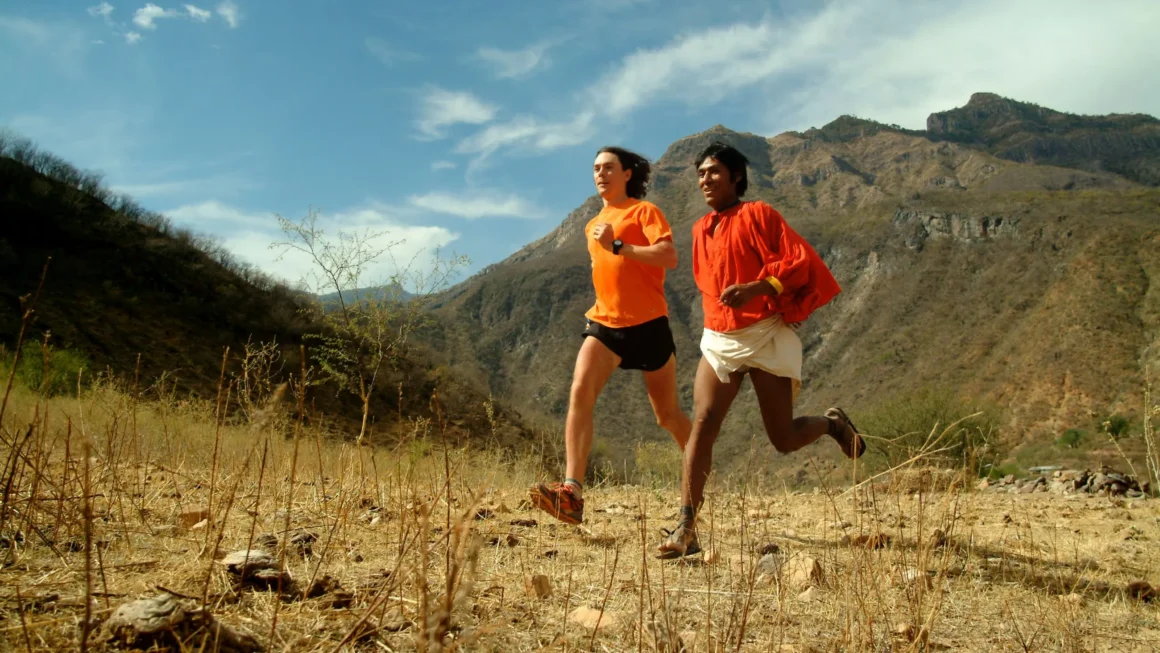
Their style was just as striking. They ran in traditional clothing and sandals made from recycled tires. The ideas of minimalism and direct contact with nature began with them and have remained central to trail running ever since.
Anton Krupicka
One of the first elite ultrarunners to fully embrace minimalism, Krupicka modified his traditional New Balance shoes into zero-drop models until the brand eventually launched the Minimus line. At a time when trail running was becoming more technical, he ran shirtless, bearded, and with his long hair—when he had it—flowing freely.
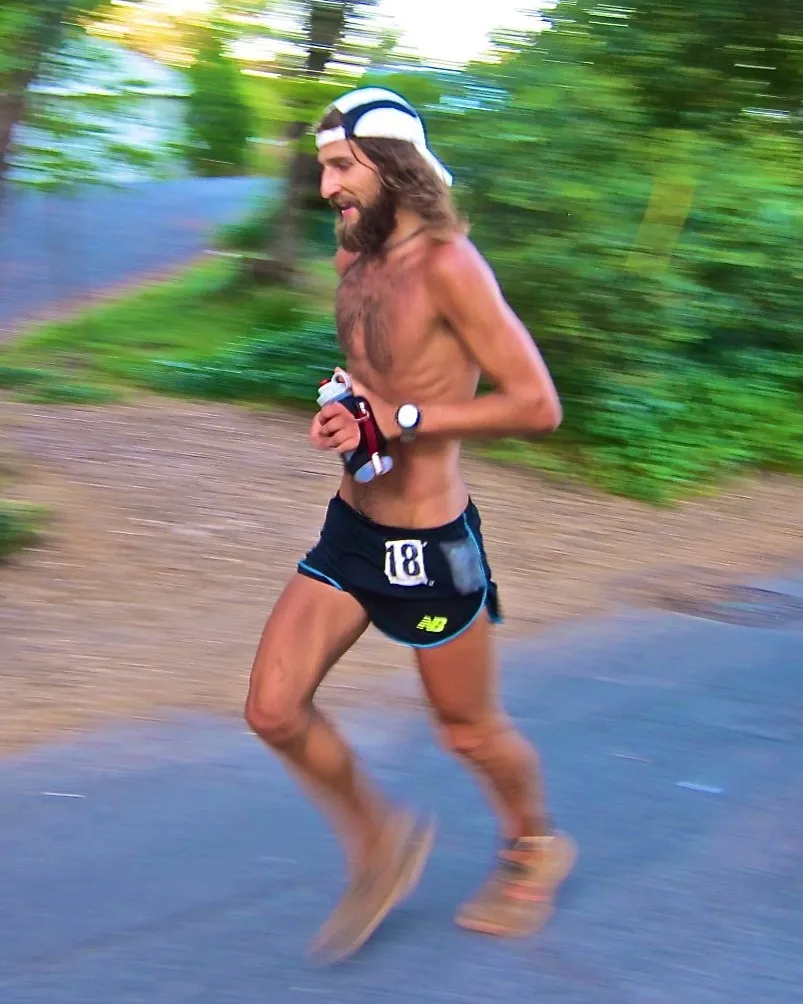
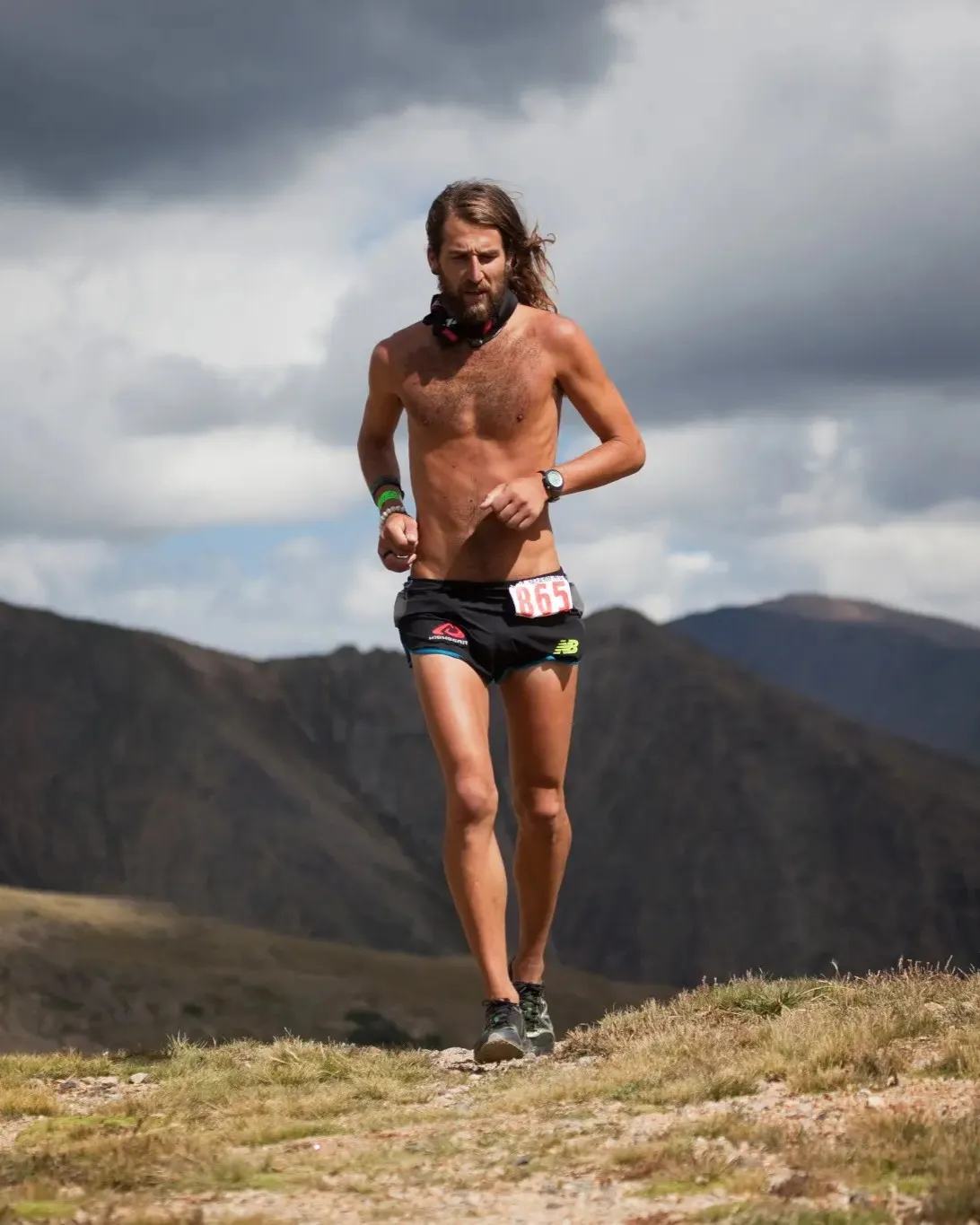
He became the most visible figure during a period when trail running was establishing itself as a mature, commercial sport, shaping the image of an entire generation.
Scott Jurek
Between 1996 and 2006, Jurek’s résumé covered nearly every major ultradistance race. He won the Spartathlon (250 km) three times, set the U.S. 24-hour record with 266 km, claimed seven victories at Western States, two at Badwater, and holds the speed record for crossing the Appalachian Trail (3,500 km) in 46 days, 8 hours, and 7 minutes.
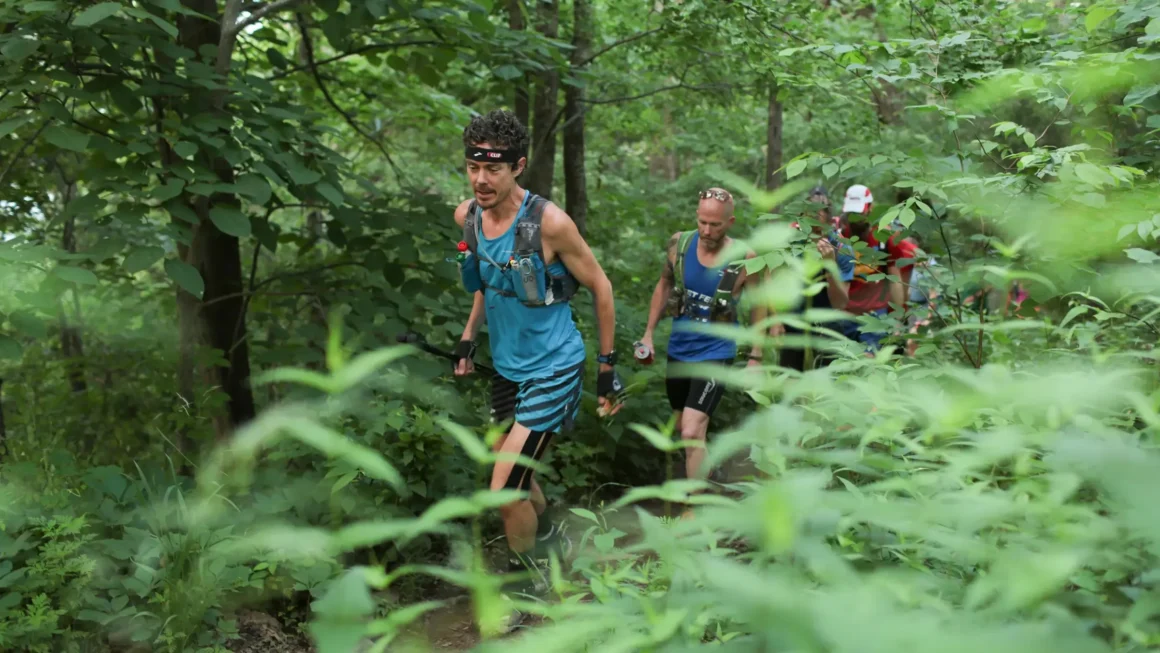
Beyond the results, it was his attitude that stood out. Jurek was the first major trail runner to develop a shoe in collaboration with a large brand, Brooks, paving the way for many others to secure professional sponsorships.
Kilian Jornet
His life seems almost designed to produce one of the greatest trail runners in history. Raised in a mountain refuge at 2,000 meters above sea level, he climbed his first 3,000-meter peak at the age of three and combined cross-country skiing with trail running throughout his adolescence.
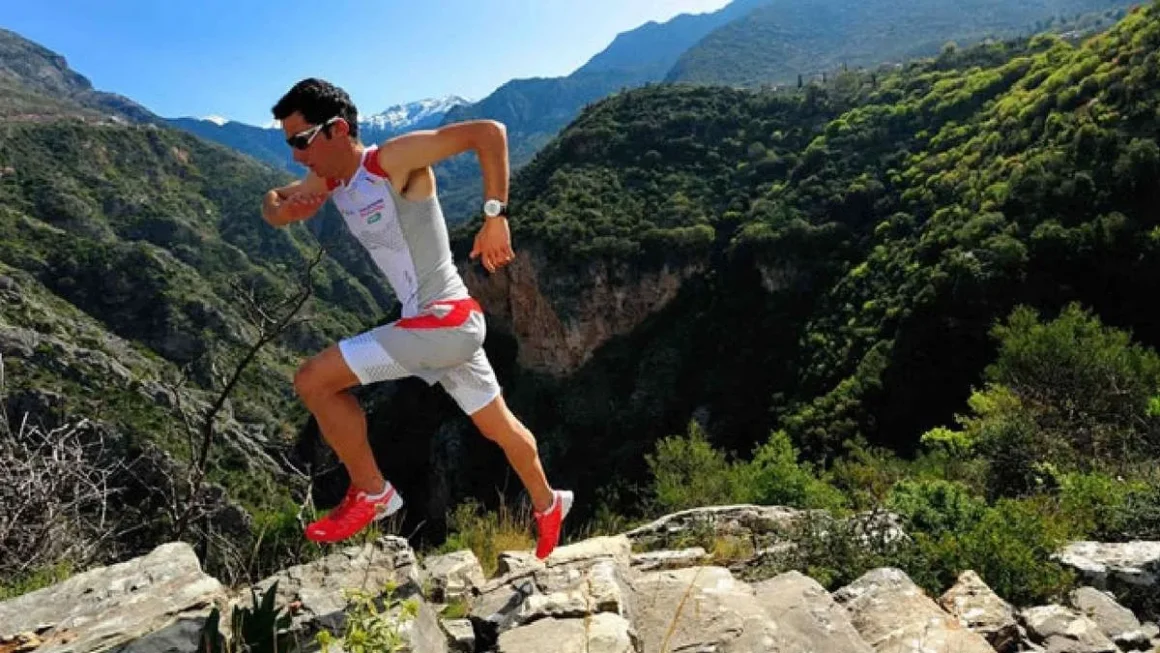
Removed from urban life and deeply connected to product development, Jornet’s early style was distinctly technical. As a developer for Salomon’s S/Lab line, he introduced previously unseen technical specifications to trail running. Today, through his own brand, NNormal, he continues to emphasize sustainability.
Courtney Dauwalter
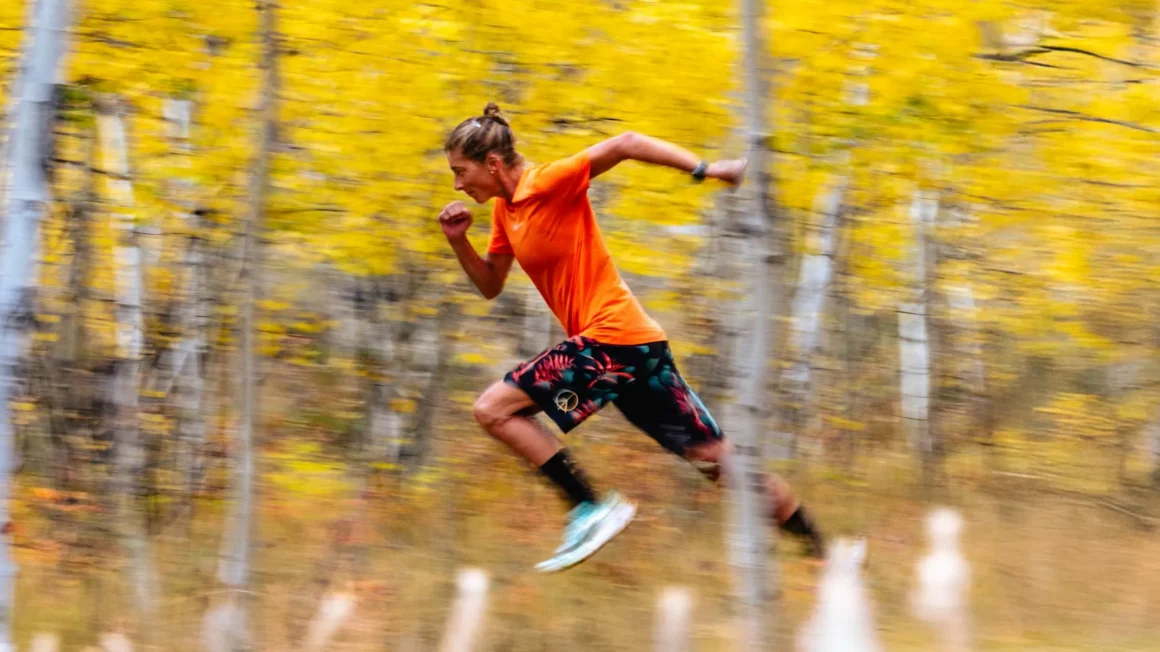
Courtney Dauwalter is the most dominant ultradistance runner in history. Known for her unmistakable look and exceptional mental strength, she popularized the concept of the “pain cave,” a mental space where suffering becomes a source of momentum.
Her greatest achievement came in 2023, when she won Western States, Hardrock 100, and UTMB in a single summer. Alongside her performance, her easily recognizable aesthetic—baggy knee-length shorts and oversized T-shirts—has become so influential that it led to her own line within Salomon.
Caleb Olson
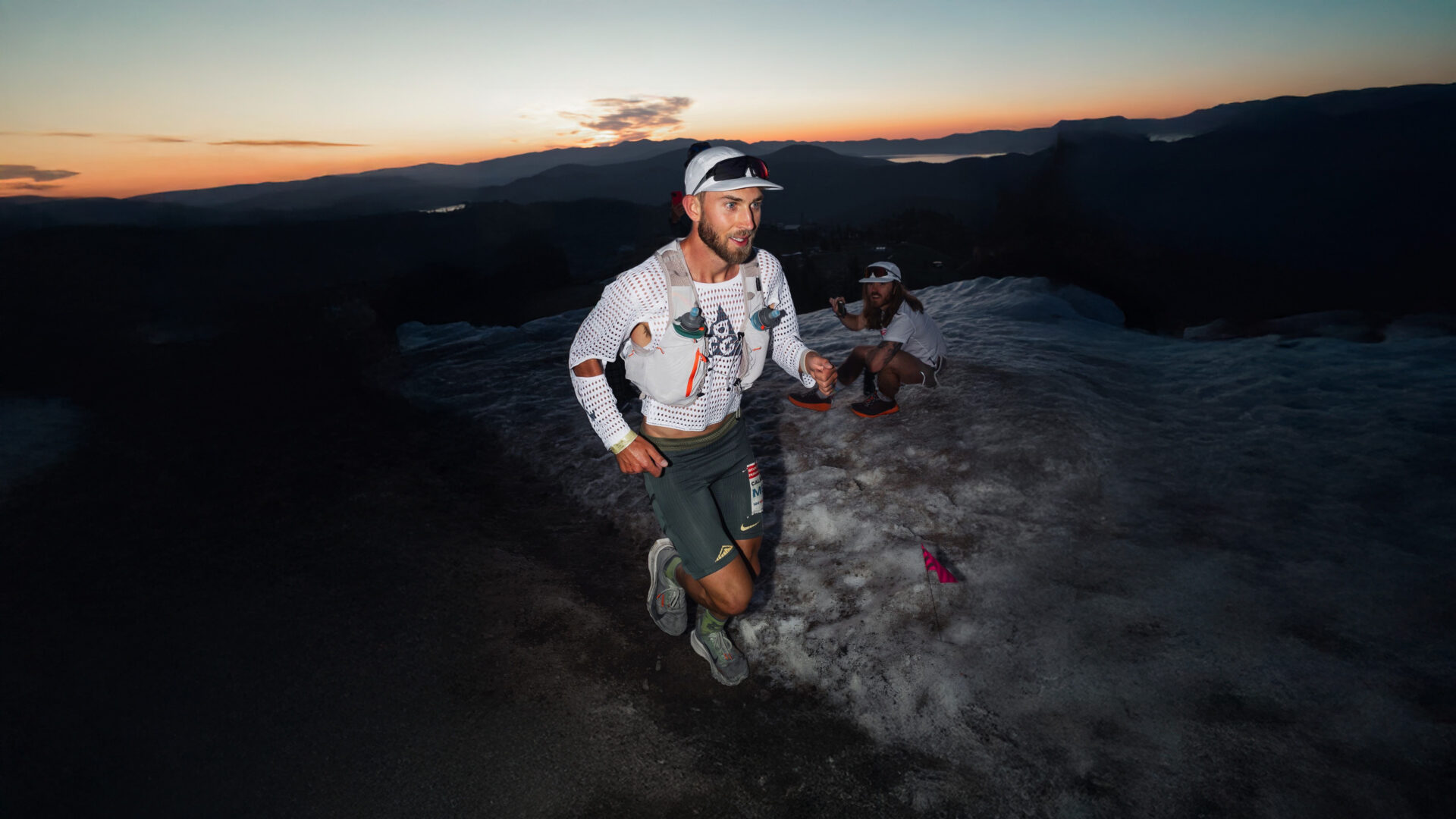
With a promising résumé, though still far from the historic greats, Olson made a strong visual statement with his victory at the 2025 Western States. On that occasion, he debuted the Nike ACG Radical AirFlow, marking the first official appearance of the garment in competition.
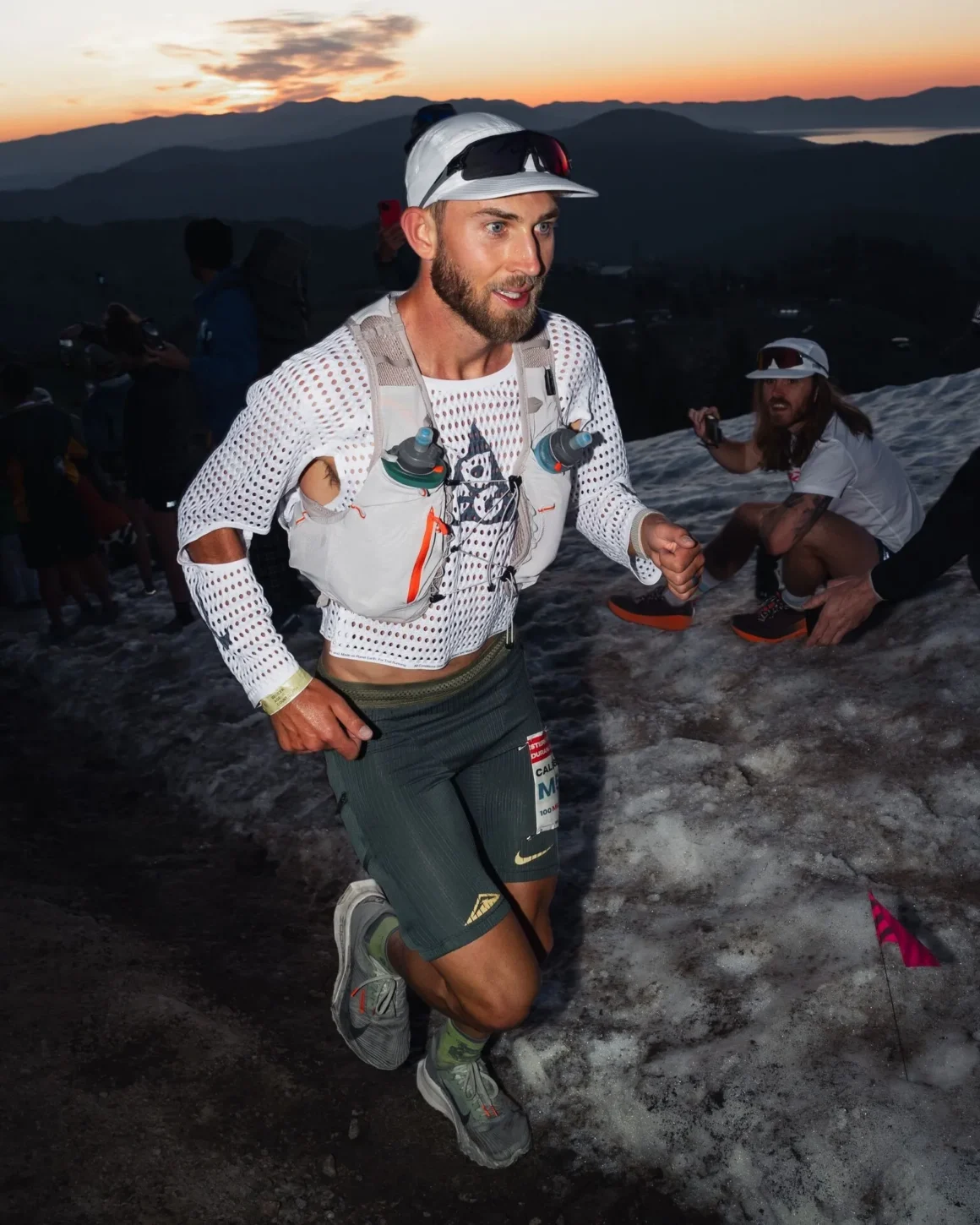
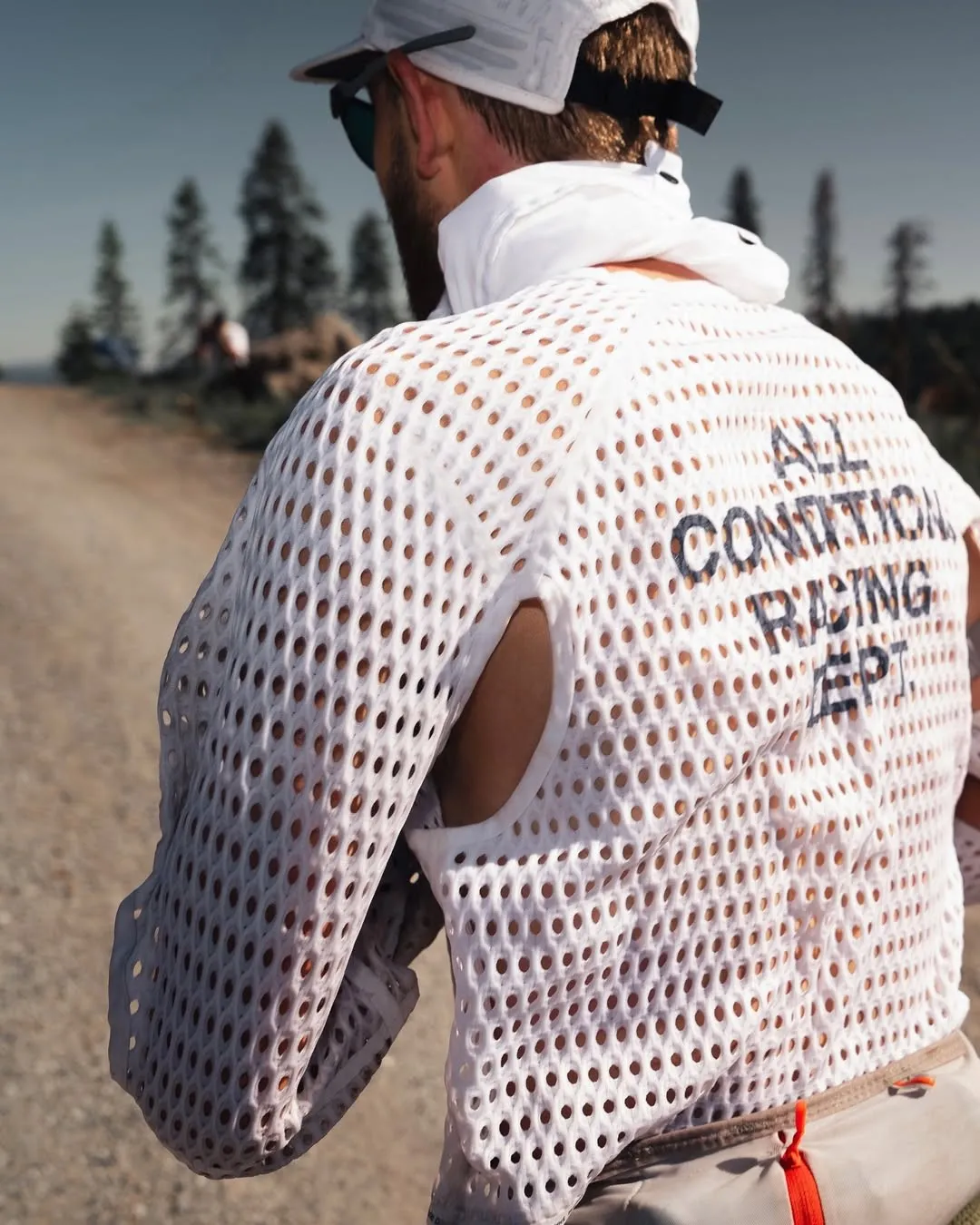
There was no better stage for its introduction than a win at one of the most important trail races in the United States.