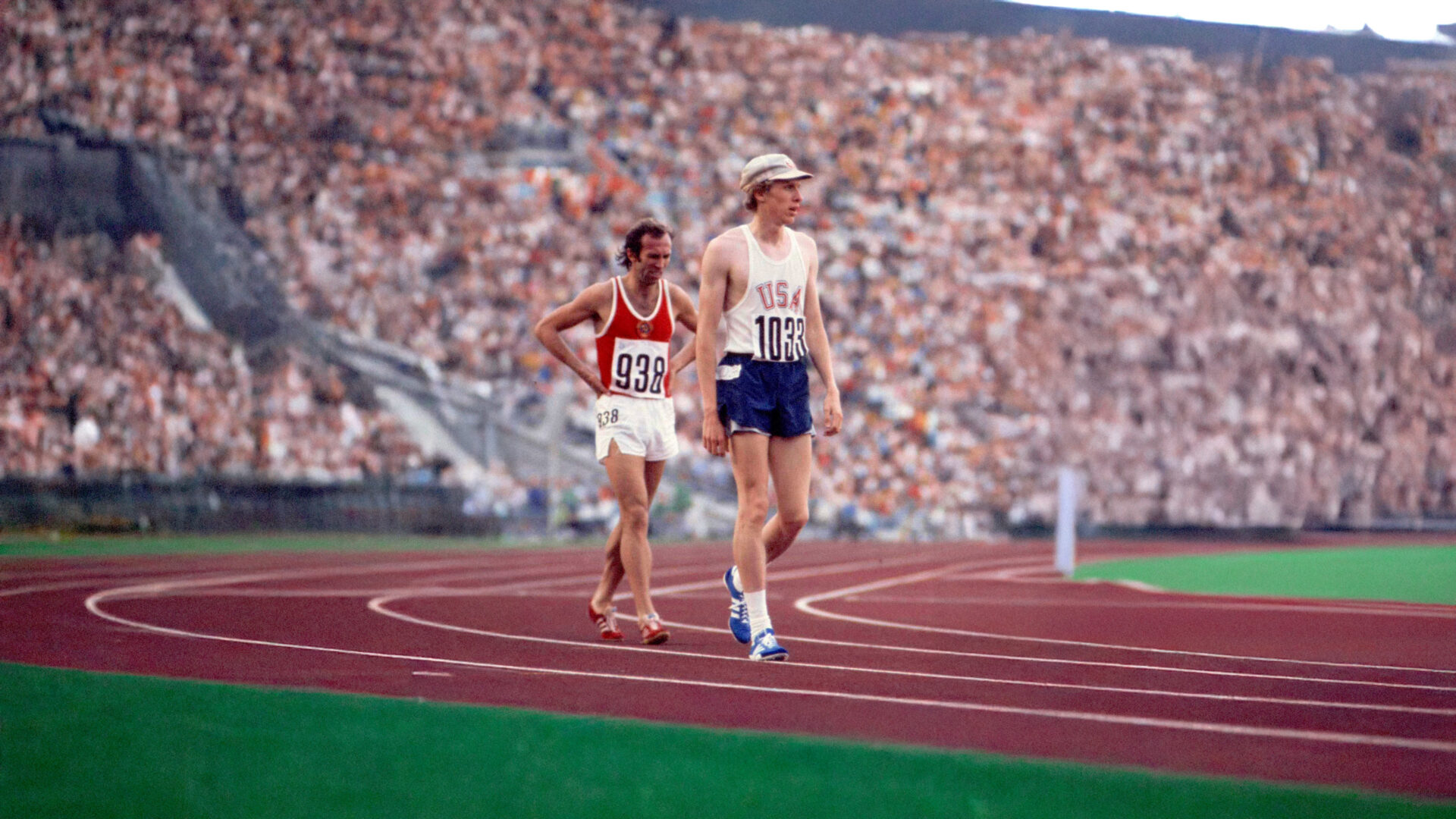
Running has become a style. Not just a lifestyle —as is often said about any passion that takes up too much space in one’s life— but a style in its own right. One that is born on the track but goes far beyond it, taking over the streets through technical garments that have moved away from their original purpose.
This style, which has brought models like the Kayano or the Pegasus into everyday conversations, goes beyond performance-focused running shoes. It’s rooted in the history of running and in the heroes of athletics who built their own image. Here we look back at some of them: those who established the classic codes and those who set out to break them.
Great names in athletics, idols the world wanted to imitate. And usually, when it comes to elite athletes, it’s much easier to copy their style than their performance.
Steve Prefontaine
Everything connected to rebellion in running inevitably leads back to him. A runner who could just as easily have been a rock star. Controversial, wild, and with a life story worthy of a movie —actually two: Prefontaine, starring Jared Leto, and Without Limits, with Donald Sutherland as Bill Bowerman.
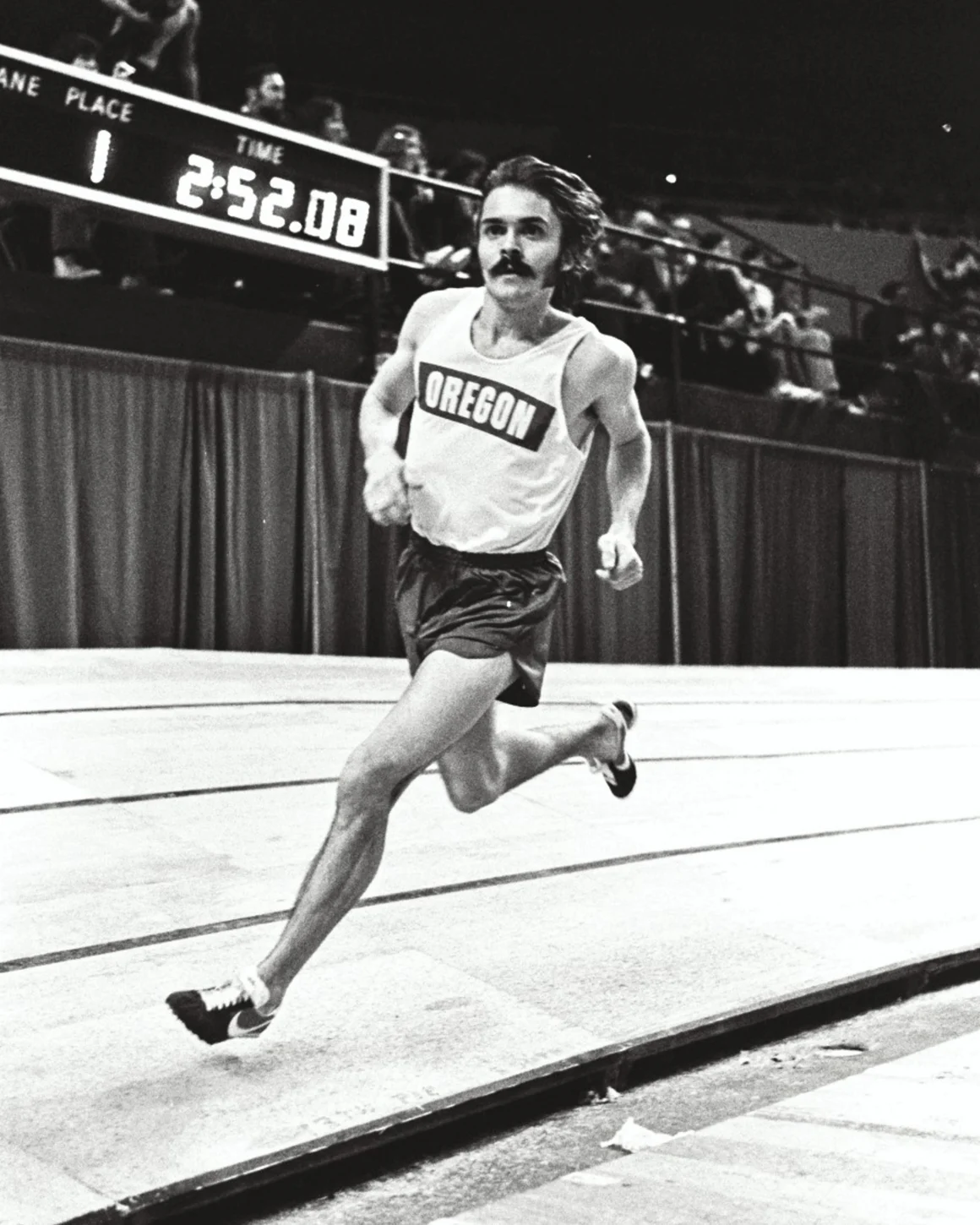
His aesthetic is inseparable from the 1970s, a time when runners were in constant conflict with official governing bodies. Prefontaine’s defiant, outspoken attitude against injustice is remembered just as vividly as his performances on the track, where he held every American record from 2,000 to 10,000 meters.
He was the first major runner to wear Nike, using pioneering tactics to bypass regulations that prevented athletes from earning money through competition. And, of course, he was the reason many runners first started paying attention to the Swoosh.
His death at just 24 years old only amplified his legend, forever fixing his image: mustache, flowing hair, and an untamed spirit.
Dave Wottle
Dave Wottle’s beginnings in athletics were anything but promising. He started running because he wasn’t particularly good at any other sport. In his early training sessions, his coach sent him “where all untalented runners went: to run distance.”
By 1971, when Wottle was already the world record holder in the 800 meters, he began racing in a white mesh cap similar to those worn in golf. He competed in various events wearing it, eventually reaching the 1972 Munich Olympic Games.
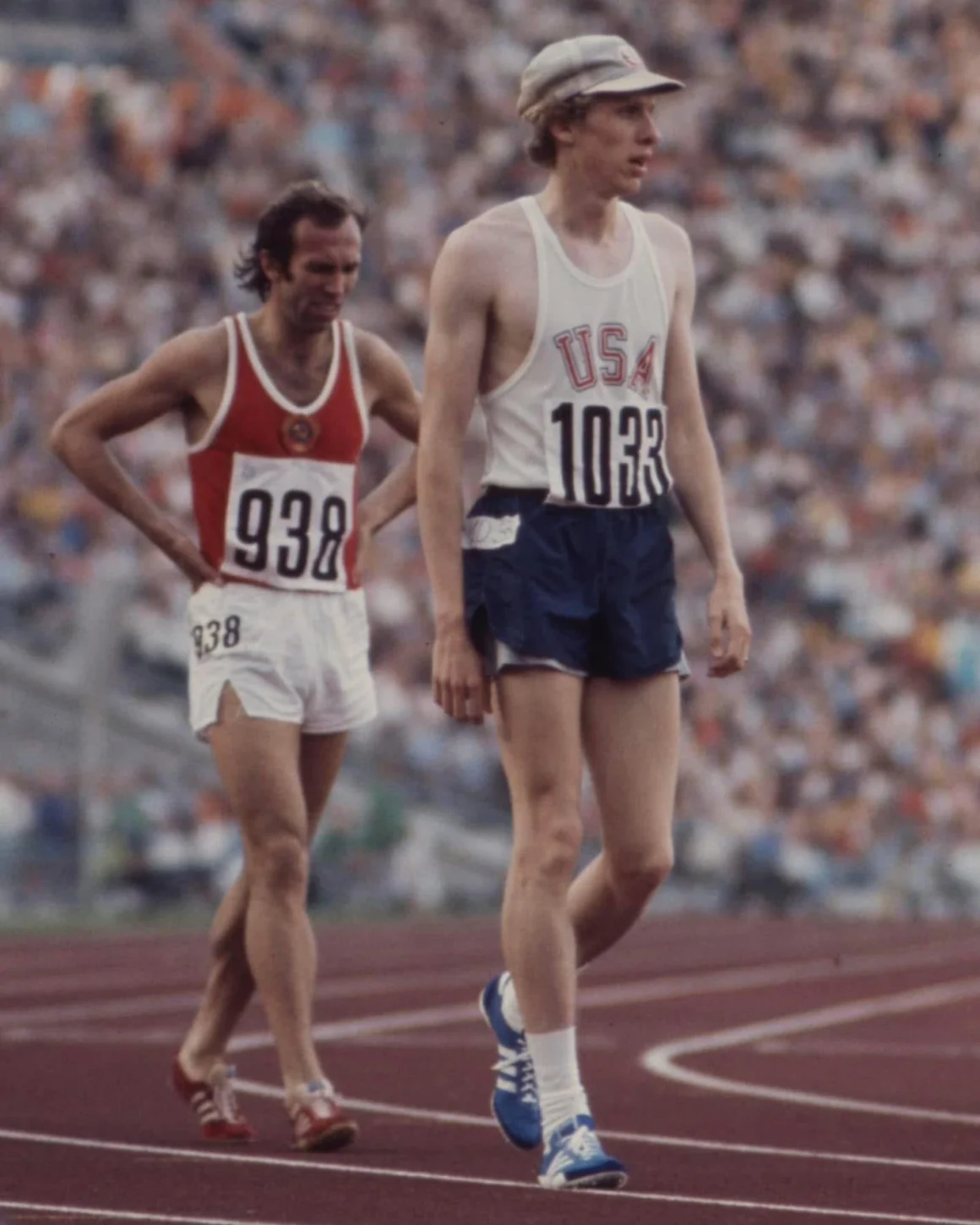
Wottle had scheduled his wedding before the Games, which caused friction with the national team coach —none other than Bill Bowerman, Nike’s founder. According to Bowerman, Wottle had chosen a wife over a medal. During the Olympic training sessions, Wottle tried to prove his marriage hadn’t affected his performance, but he ended up developing tendinitis that forced him to rest.
He arrived at the Olympic final under suspicion that he lacked the strength to contend for a medal. Limping slightly but still wearing his white cap, he stayed near the back of the pack, trailing by nearly ten meters —seemingly proving Bowerman right. But with one lap to go, he began to move up through the field, eventually claiming one of the most cinematic victories of the decade (still referenced today on LinkedIn as an example of never giving up).
That golf cap, fortunately, never became a trend —but it did become a symbol of resilience.
Fred Lebow
Possibly the worst runner on this list, with a personal best of 3 hours and 42 minutes in the marathon. Yet Fred Lebow is best known for turning the New York City Marathon into a global event. From its humble beginnings in 1970, when just 55 runners finished the race, to the more than 60,000 participants today.
Lebow’s look remained unchanged for decades: a cap we’d now call a “cycling cap” and a tracksuit, usually from whichever brand sponsored “his” marathon that year. He ran his final marathon in 1992, already aware that a brain tumor threatened his life. Of course, he wore the cycling cap.
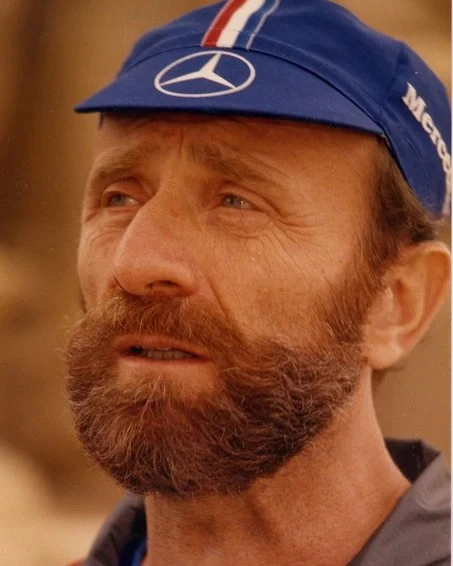
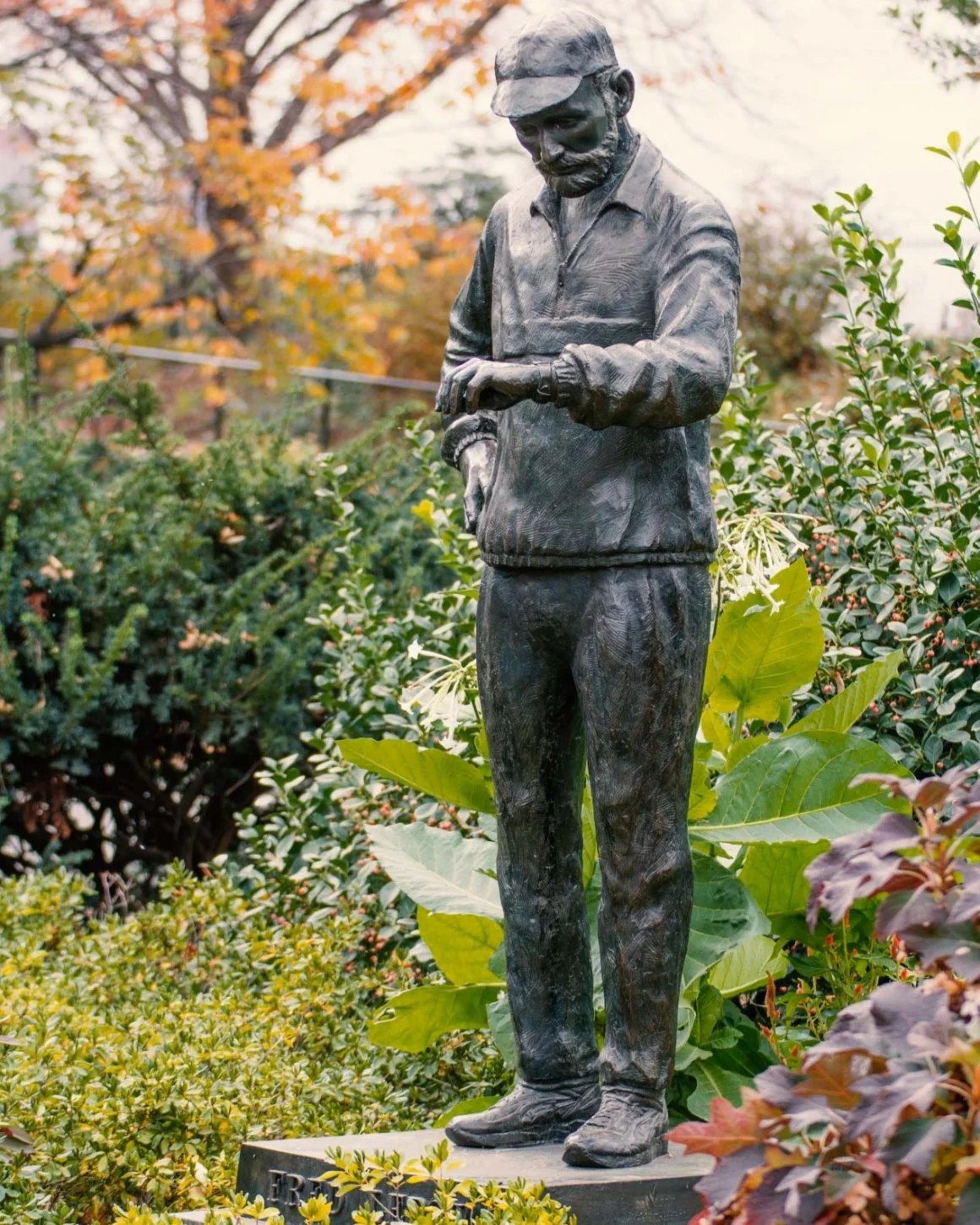
That same cap appears on his statue in Central Park, which is moved to the finish line every year so Lebow can keep watching his race go by.
Grete Waitz
Grete Waitz rose to prominence in the New York City Marathon, where she won nine editions between 1978 and 1988. One of her most memorable moments, however, came in 1992, when she accompanied Fred Lebow during his final marathon.
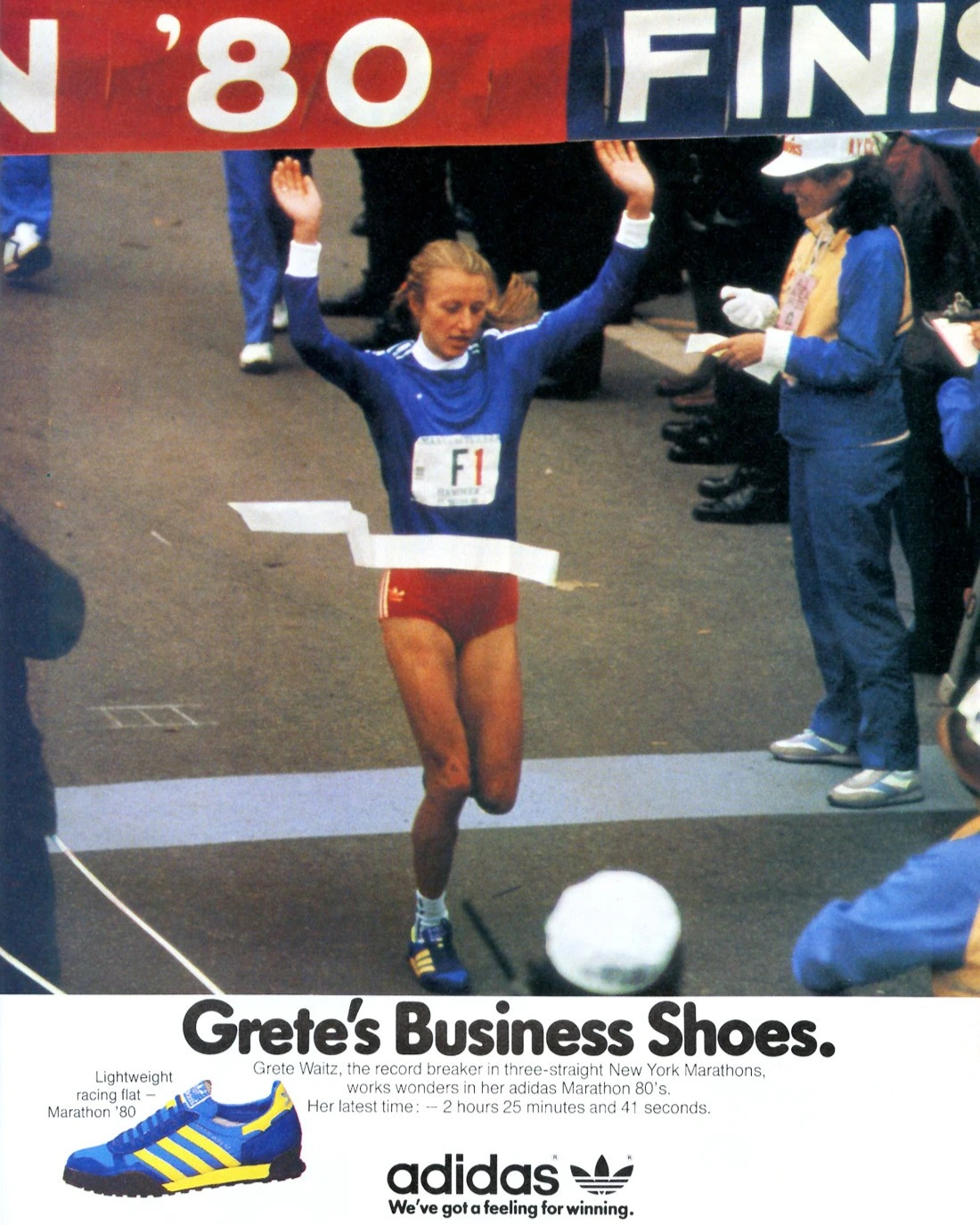
Aside from the occasional race where she experimented with long sleeves or full-body singlets, Waitz’s stylistic journey doesn’t stand out as particularly distinctive —unlike Ingrid Kristiansen, who famously raced wearing gloves. Still, Waitz was chosen by adidas to become the first female runner to have a shoe named after her, a model developed from the adidas Atlanta she had previously raced in.
Eliud Kipchoge
He entered long-distance running after the image of the runner had already been defined: shorts and a singlet. That remained the standard until 2017, when Kipchoge became the central figure of Breaking2, Nike’s project to run 42.195 kilometers in under two hours.
Among all the innovations developed for the attempt, the Zoom Vaporfly Elite shoes made the biggest impact. But there was another change, somewhere between style and function: short tights. Common among sprinters, but almost unheard of in distance running —and especially in the marathon.
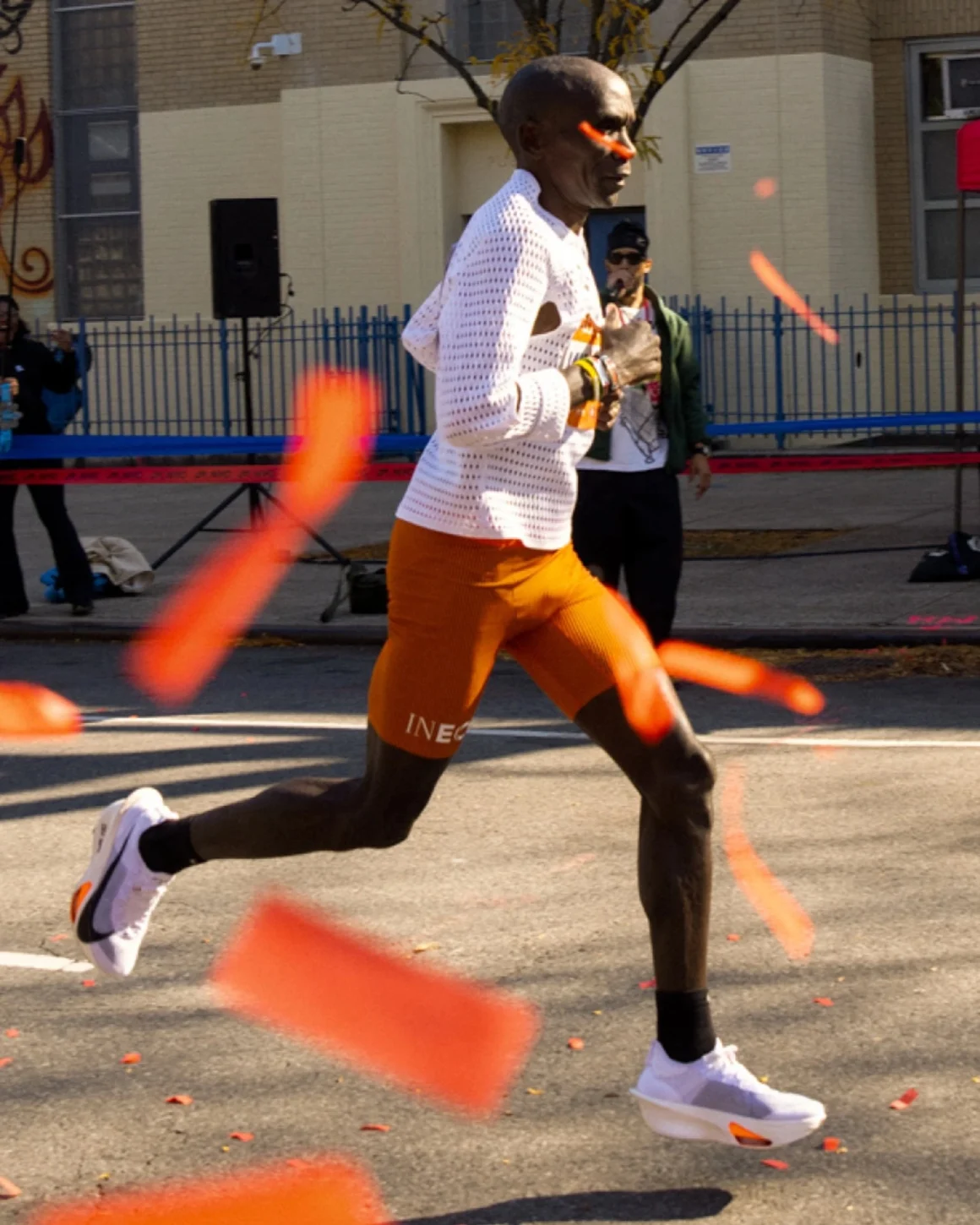
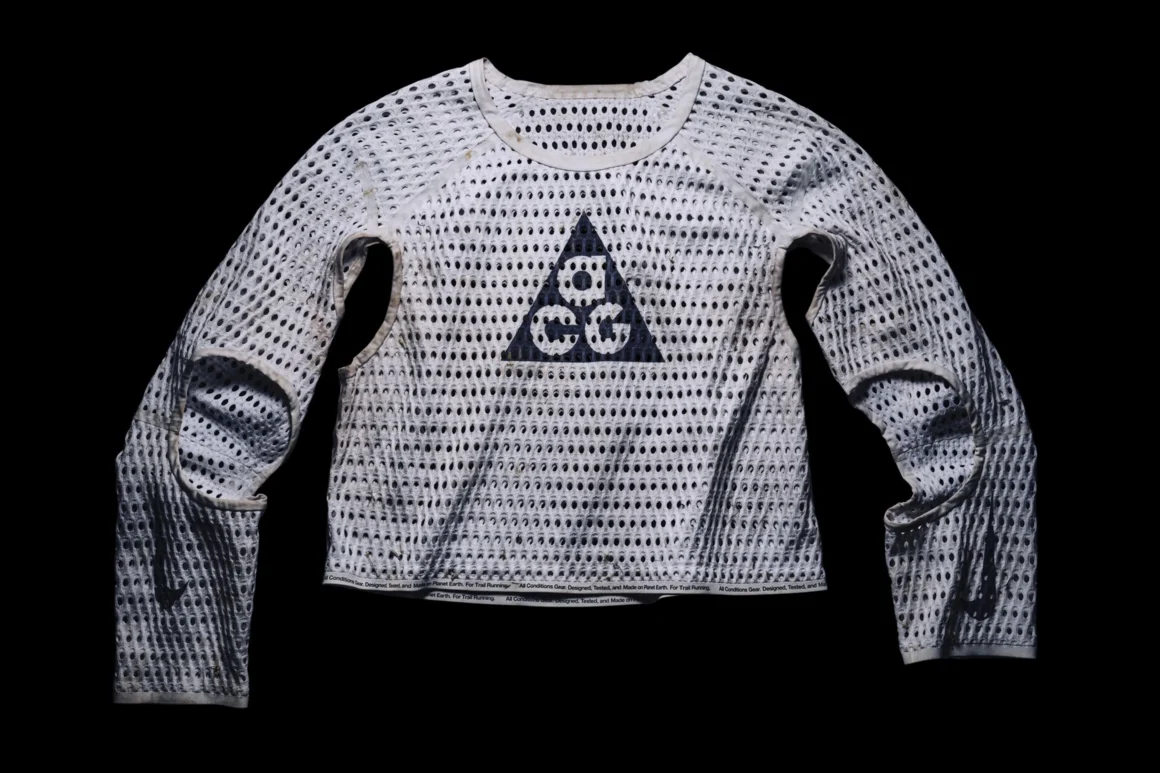
Since then, we’ve grown accustomed to seeing Kipchoge —and many other marathon runners— racing in tights. In his most recent competitive appearance, he also wore a new long-sleeve top developed by Nike ACG using Radical AirFlow, a system designed to keep the body at an optimal temperature.