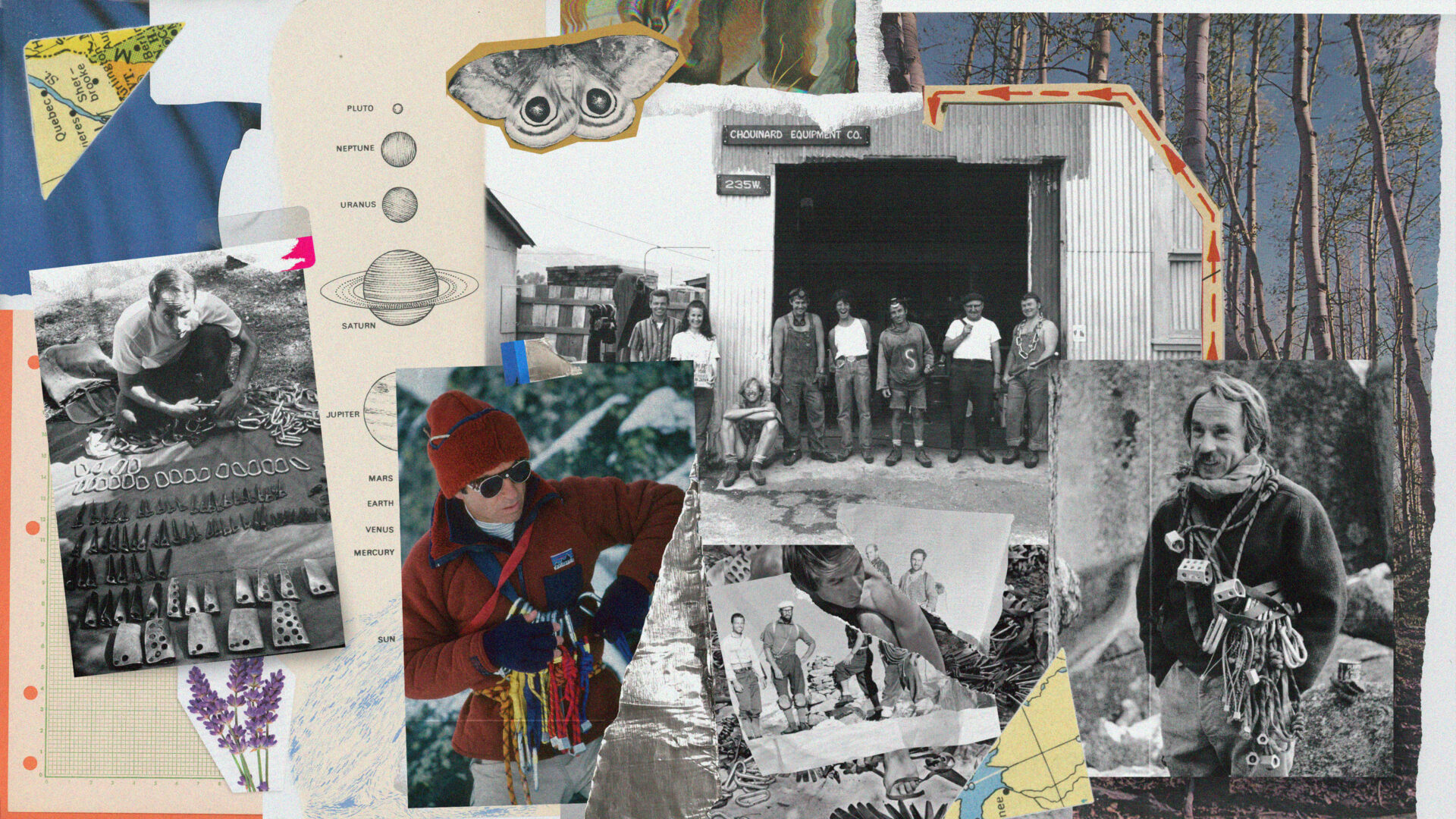
Although Patagonia is a new brand to FOOTDISTRICT, it is not a new brand. It has been around for 50 years and is still going strong 50 years later.
Yvon Chouinard, the founder of Patagonia
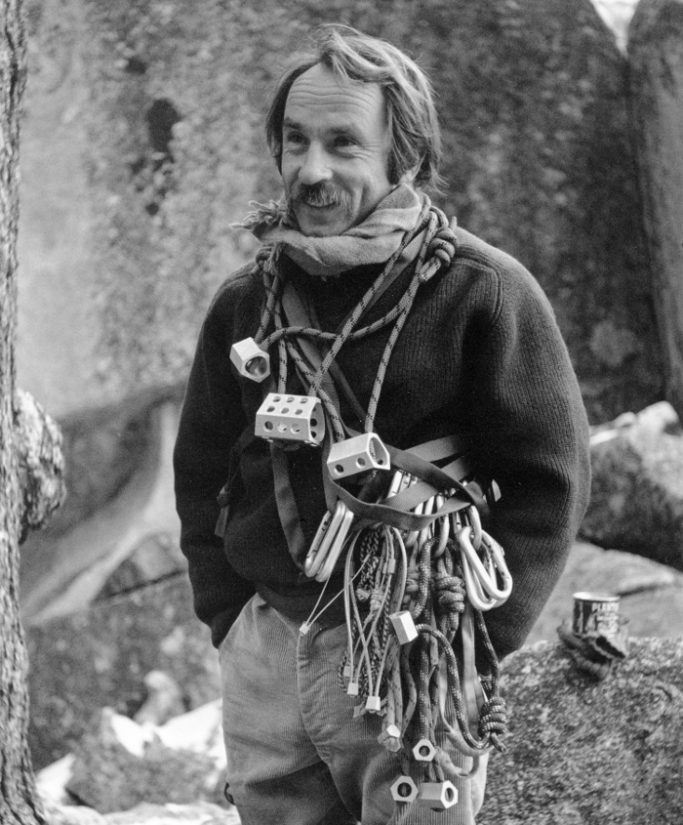
Speaking of Patagonia is also speaking of its creator, Yvon Chouinard, who held ownership until 2022, when he gave the Earth his property. It must be the only planet in the universe that has a brand. A peculiar tale that got its start in the 1950s.
At the age of 9, Chouinard moved to California. He became interested in climbing and joined the Sierra Club, an organisation for the environment founded by John Muir, who is regarded as the father of the modern environmental movement. There he met Tom Frost and Royal Robbins, two legendary climbers with whom he shared his days in Yosemite during its heyday, when a group of misfits roughed it, eluded rangers, and ate leftovers in order to realise their dream of creating a new route. Chuoinard made his own climbing gear, and when the time came to pay for his travels, he realised that selling pitons might be a simple solution. Douglas Tompkins, a fellow Yosemite adventurer who would go on to found The North Face, was the source of the concept.
The birth of Patagonia
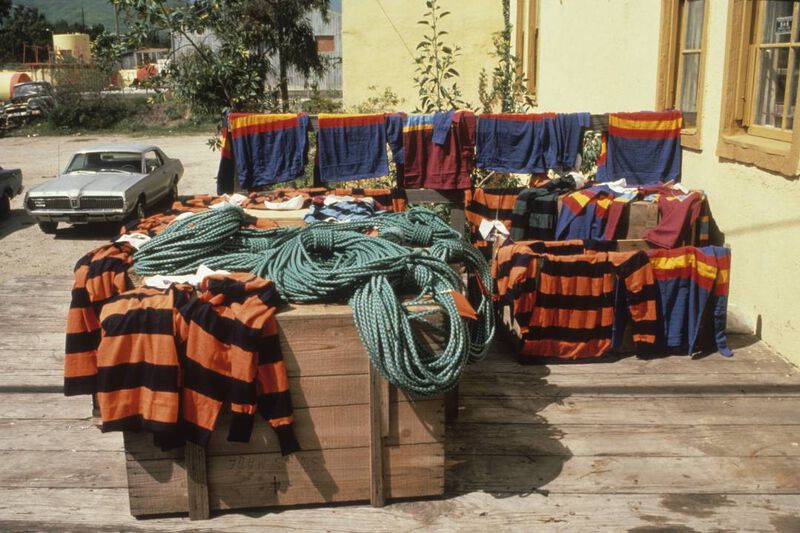
Tompkins and Yvon Chouinard travelled across the American continent to Patagonia, where they encountered a wilderness that would forever change them. In Scotland, he learned that rugby polo shirts, which are made to withstand the harshest grips, also make excellent climbing attire. The collar also protected the skin from being burned by the ropes. In addition to ideas from his travels, he also brought back from Scotland a shipment of rugby polo shirts, which he immediately sold to climbers.
In addition to pitons and crampons, Chuoinard started selling polo shirts, knitted wool hats, and knitted gloves. Patagonia was established.
Patagonia and innovation, Synchilla® and Capilene®
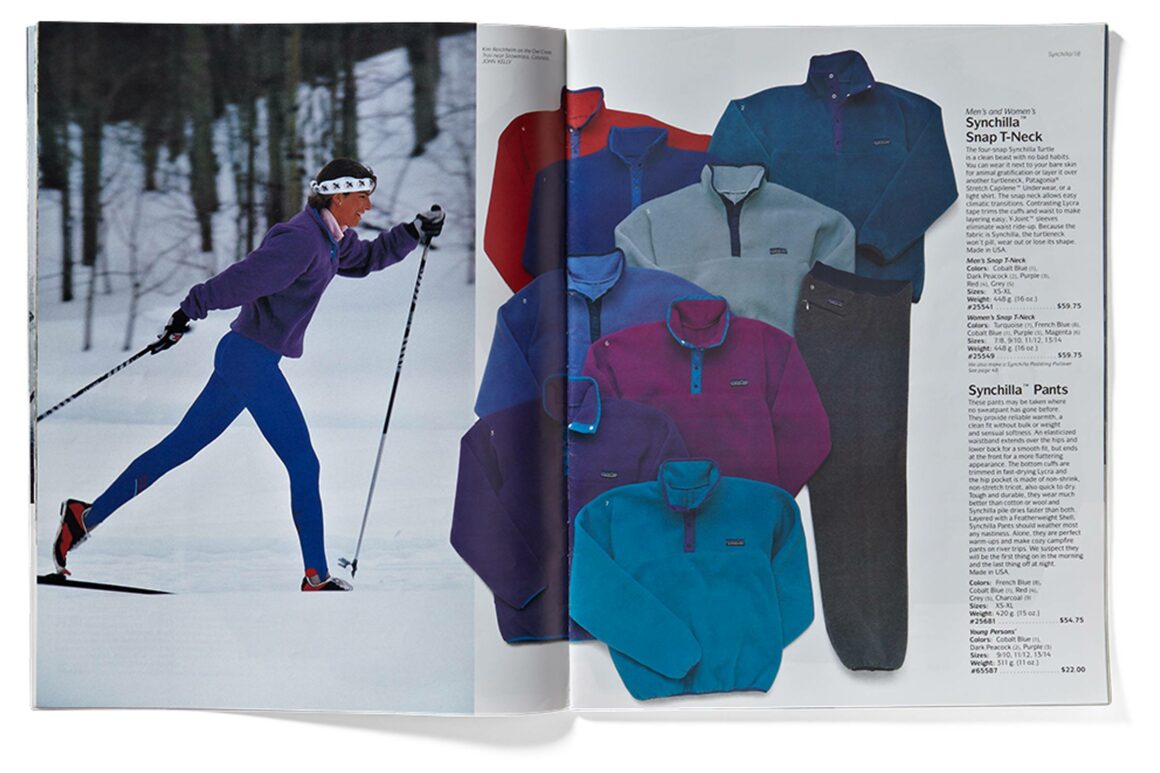
Only innovation will help you comprehend Patagonia’s history. As an alternative to the traditional mountain clothing made only of moisture-wicking cotton, wool, and feathers, they developed a synthetic pile composite in the 1980s. Patagonia created a composite called Synchilla that served as an insulating layer that dried quickly, but it did not make sense to wear it over a cotton T-shirt that wicks moisture from the body. They therefore created the initial layers from polypropylene, a substance that is used to make marine ropes due to its ability to repel water. They had created the layering system. Later, polypropylene underwent a specific development for Patagonia to become Capilene®, a type of polyester. In the evolution of garments there is also an unexpected space for style. At a time when the outdoor product tended to be dull and calm colours, Patagonia introduced striking colours such as cobalt, teal or seafoam. The original reasoning was that Patagonia could only get this type of fabric from Malden Mills, but they also discovered a benefit: with these colours, they were more visible in the event of a rescue.
The Patagonia philosophy
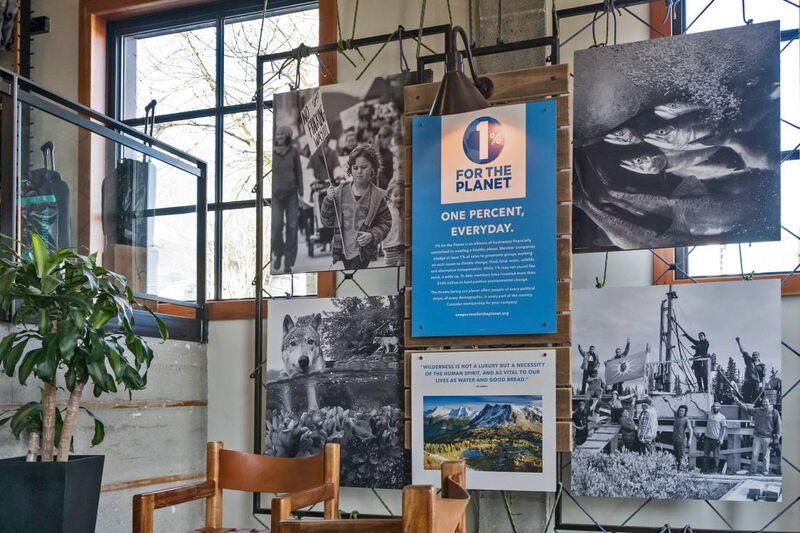
The evolution of the company established an ideology, a fight against global warming, the destruction of tropical forests, and the extinction of ecosystems. Patagonia has been involved in campaigns to stop development plans that directly threaten wildlife since the 1970s, but in the 1980s its actions became a commitment: to donate 10% of profits to groups fighting to save or restore natural habitat (later changed to 1% of sales, profit or no profit). Patagonia, aware of its role as a polluter, has led some of these campaigns. They have been working with organic cotton since 1996, developed a polyester from recycled plastic bottles, and designed their stores, offices, and logistics centres to have the least amount of impact. Patagonia is a B Corporation, which means that it has a social and environmental mission.
Patagonia is a planet’s property
That dedication grew stronger as he approached his fiftieth birthday. Yvon Chouinard gave the company to the Earth in September 2022. He did so through two organisations: the Patagonia Purpose Trust, established to protect the company’s values, and the NGO Hodlfast Collective, dedicated to environmental protection. The company’s profits will go directly to caring for the planet. A mantra repeated throughout Patagonia, from design, which aims to be timeless and durable, to manufacturing with recycled materials, to communication, which is dedicated to the responsible use of its garments.
The new Patagonia season is now available at FOOTDISTRICT.