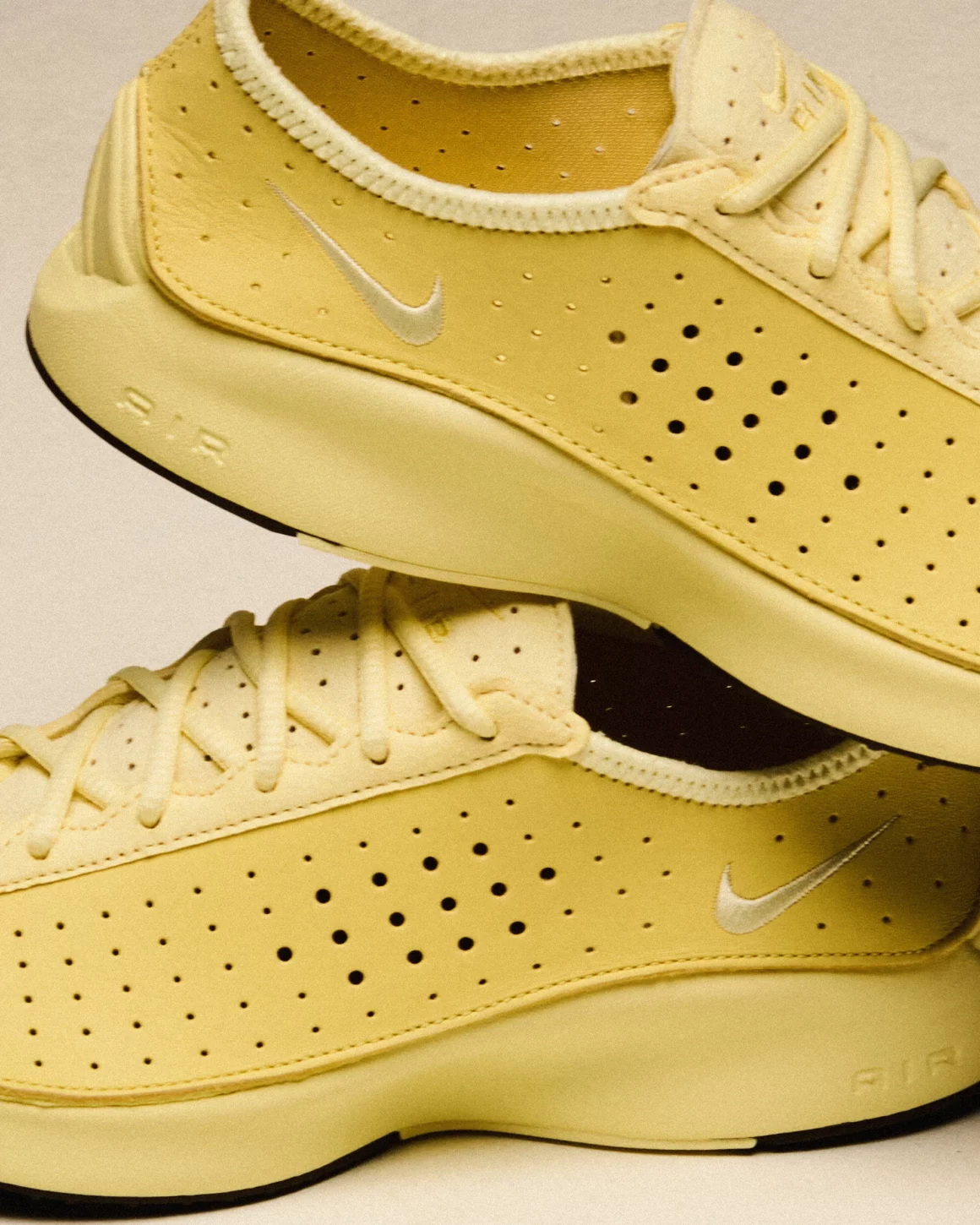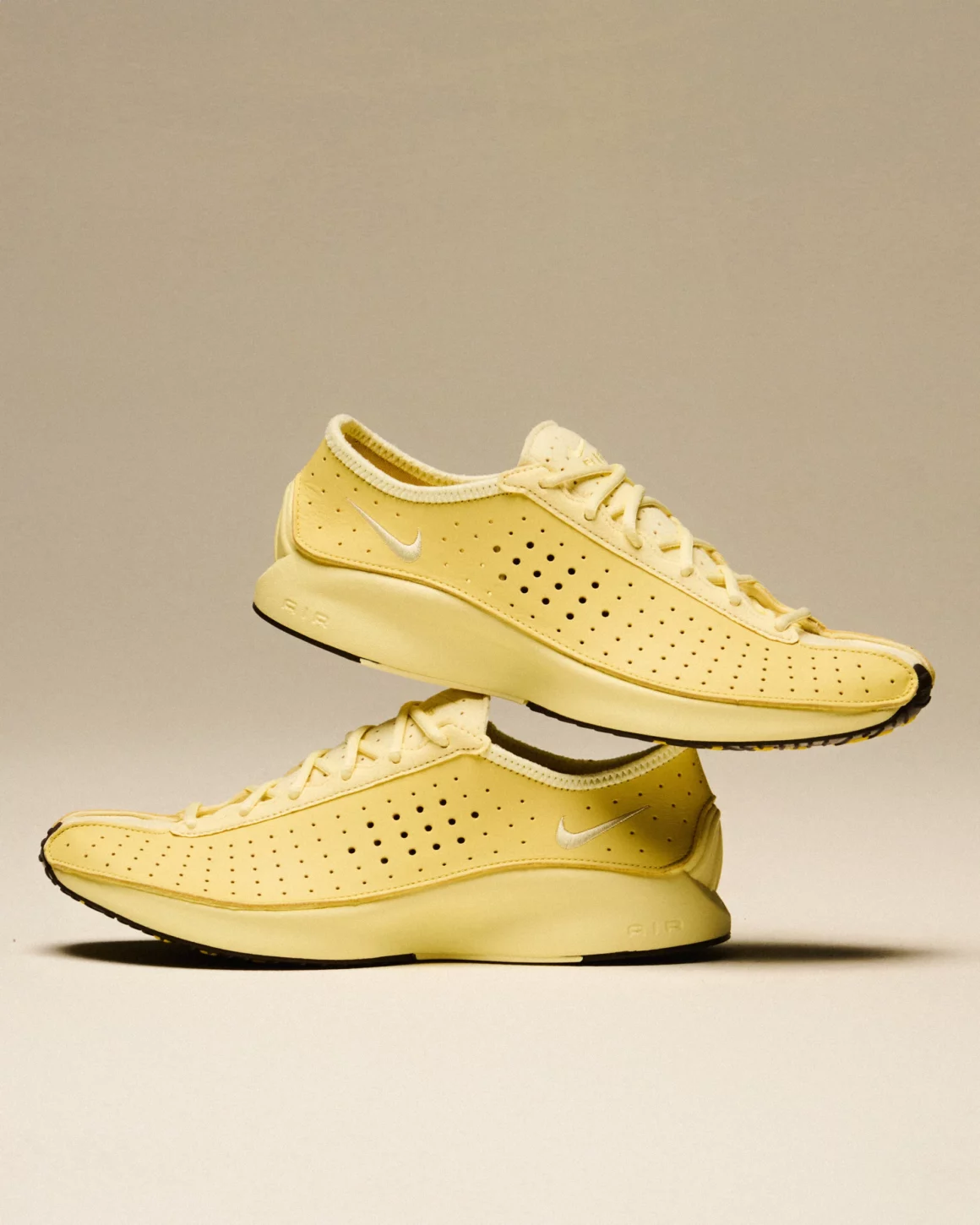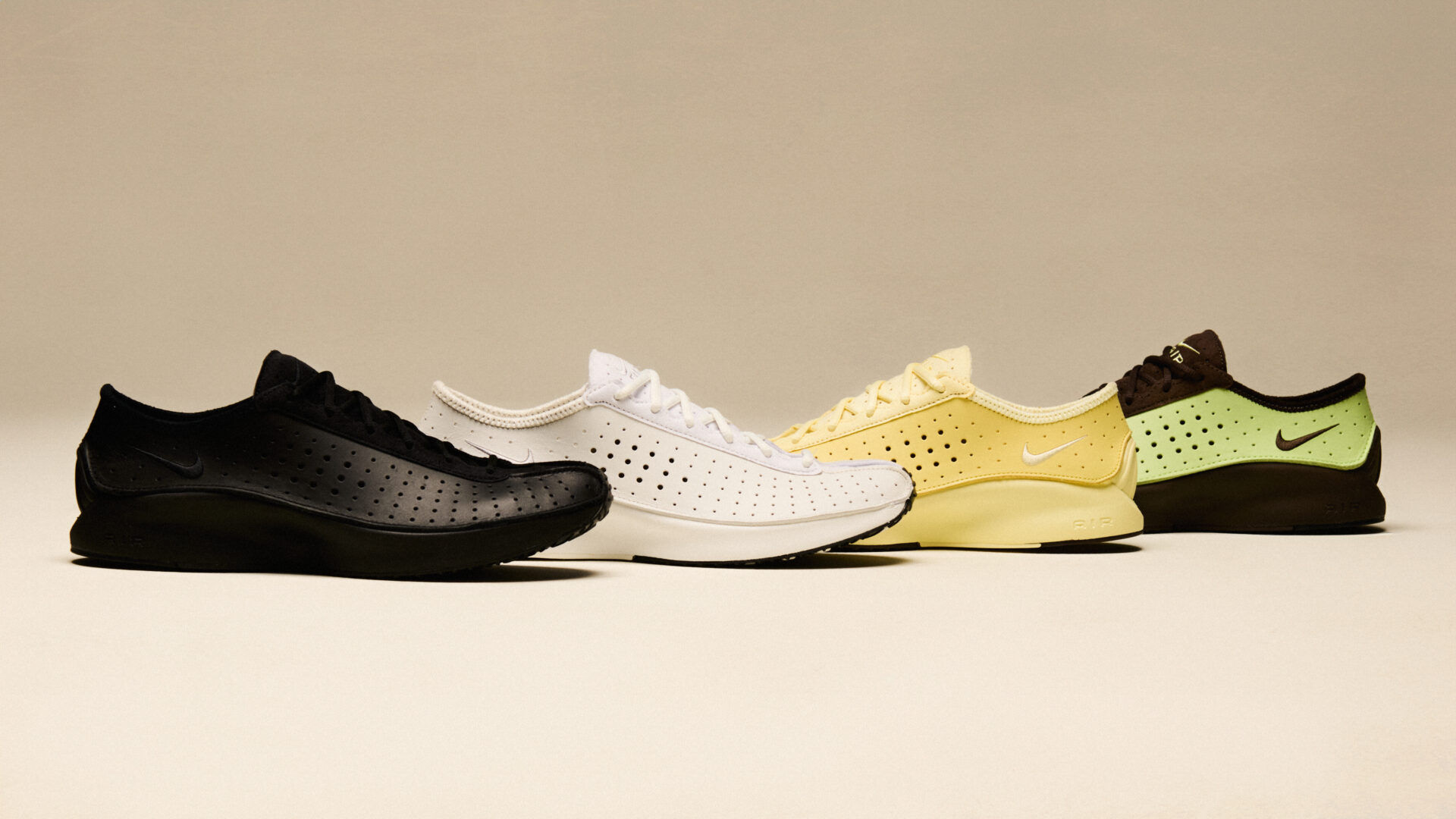
From track to runway, this is how one of Nike’s most influential —yet overlooked— silhouettes was forged. The return of the Nike Superfly brings its design back to the spotlight, along with the stories that shaped it.
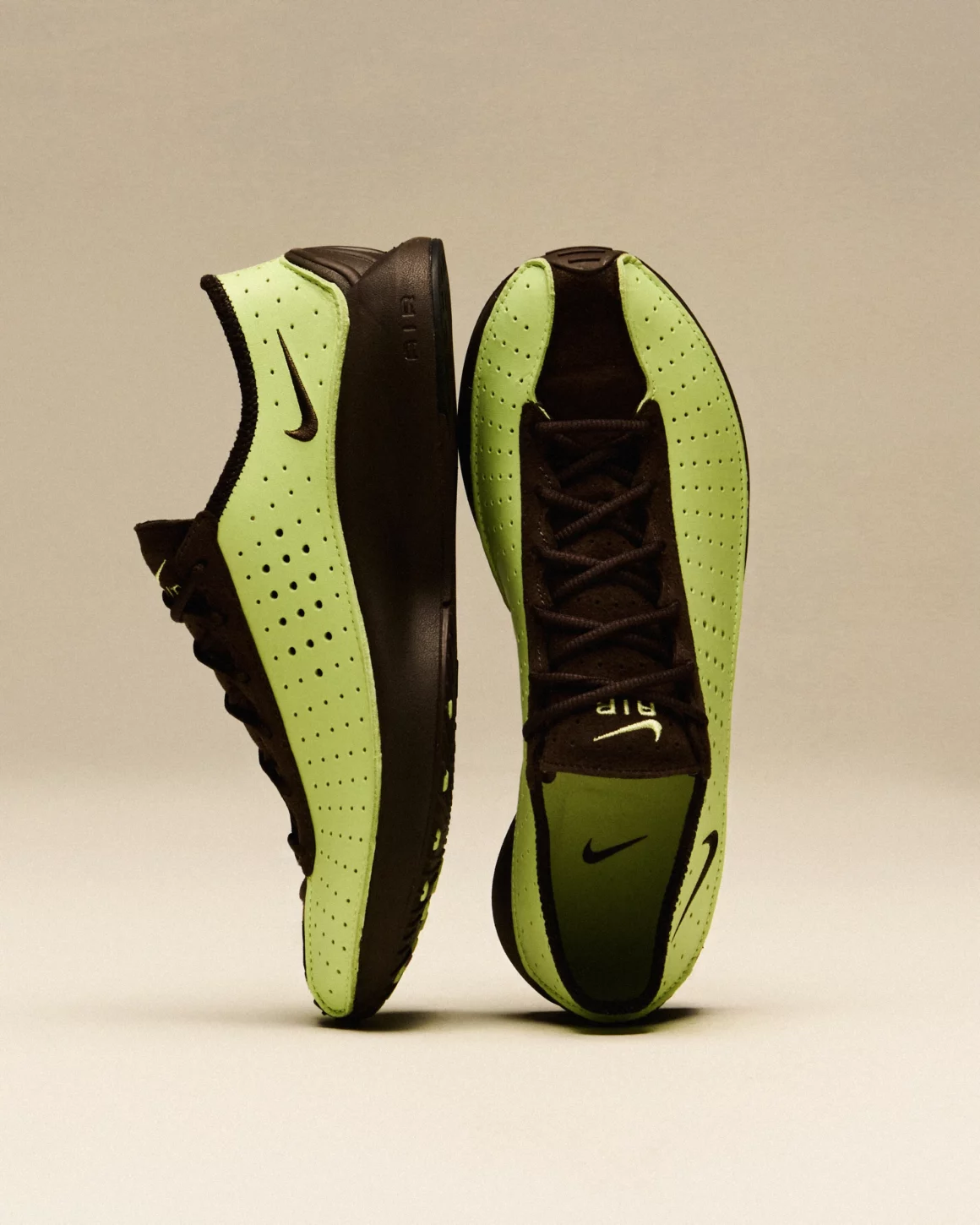
Nike Super Fly, 1996
The 1996 Atlanta Olympics marked a breakthrough moment for Nike on the track. Michael Johnson’s golden spikes, the Zoom Eldoret, and the Zoom Jasari are still etched in memory nearly three decades later. But it was the Nike Zoom Superfly, designed for the 100-meter sprint and almost hidden in a glorious Nike catalog, that transcended its time and left a quieter, more enduring legacy.
Its multi-density plate and ten spikes were a technical revolution, masked in neon. With it, Nike cemented a narrative of speed that would evolve through models like the Zoom Superfly II and even across disciplines, including football —sometimes branded as Superfly, other times as Super Fly.
Nike Superfly, 2001
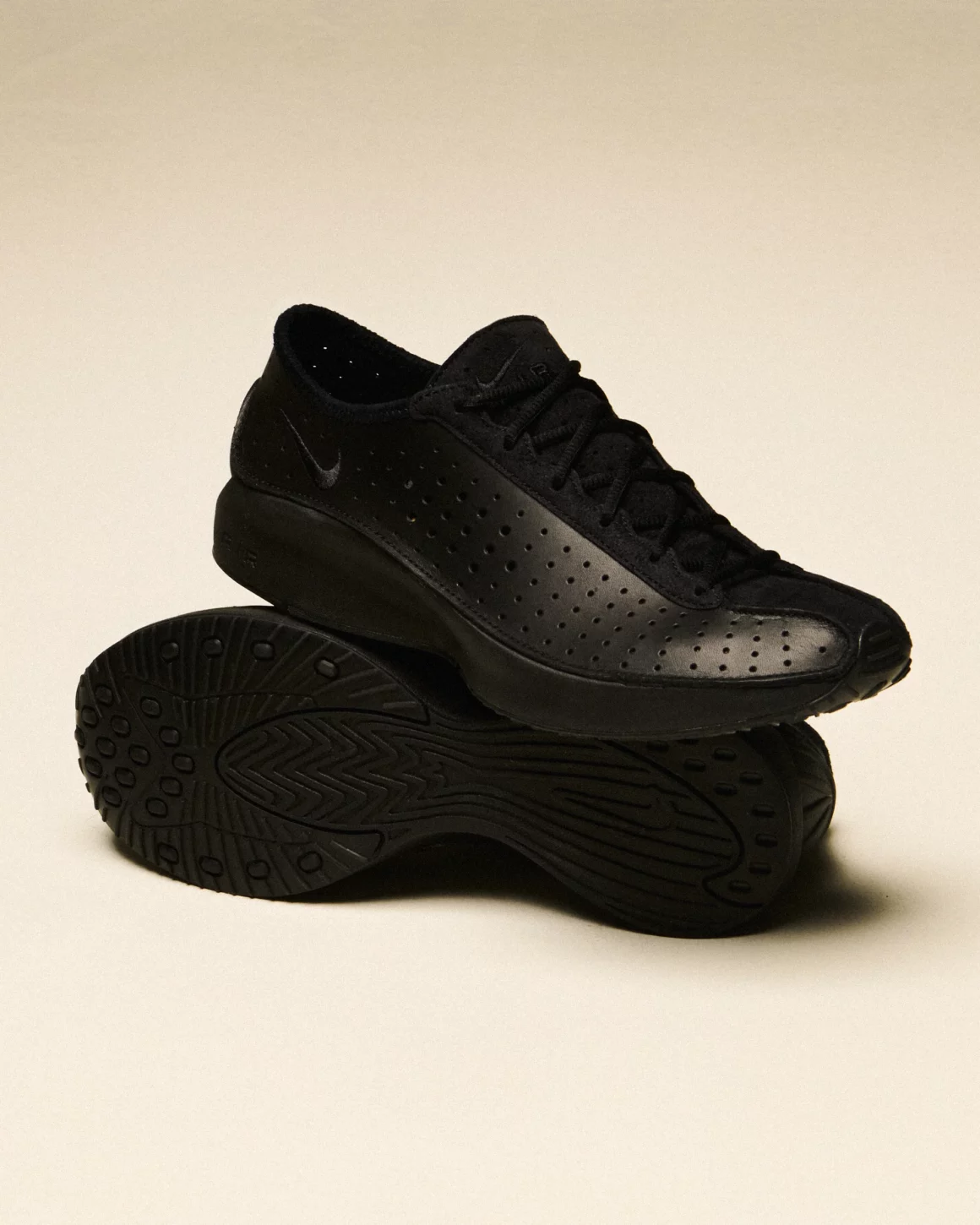
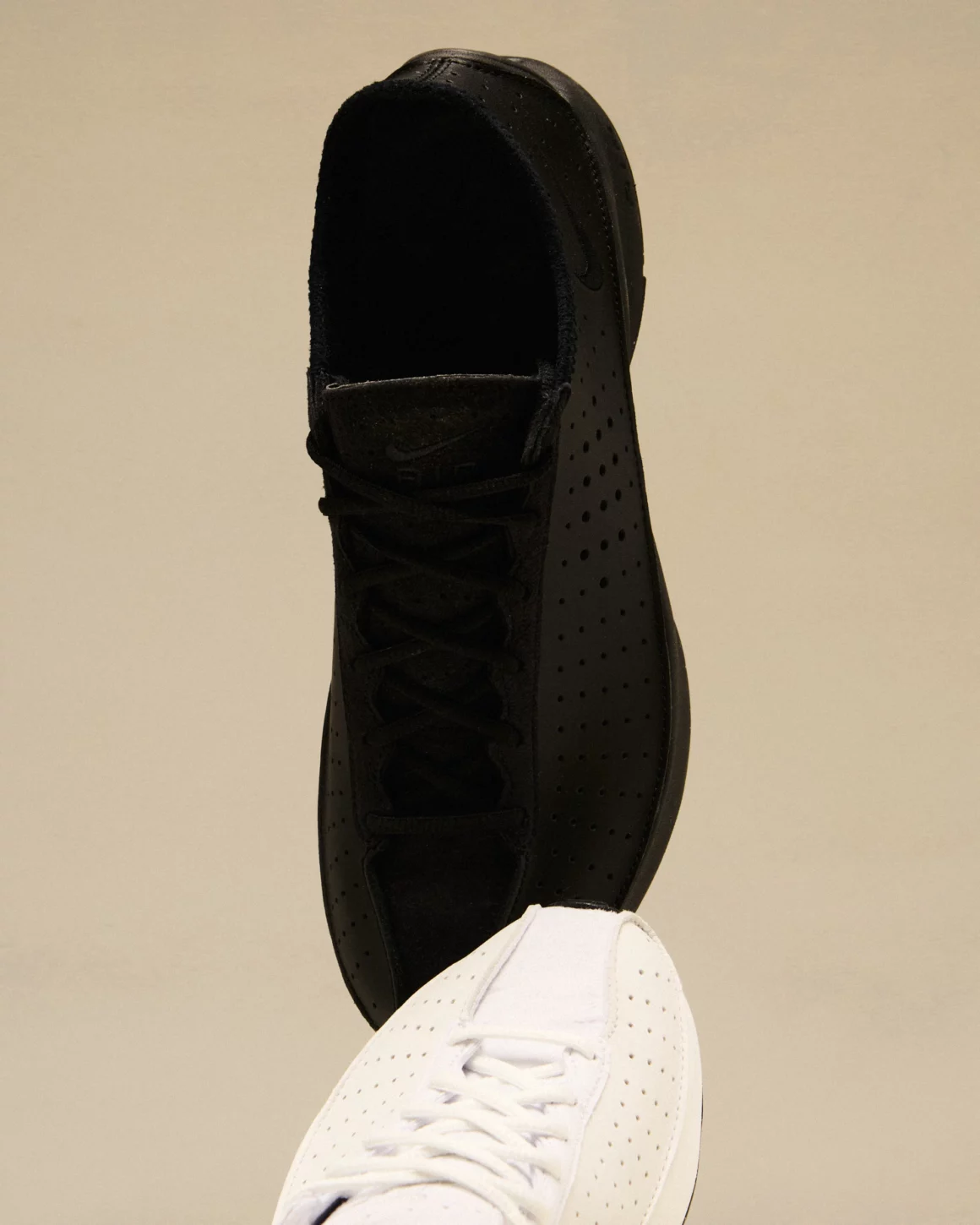
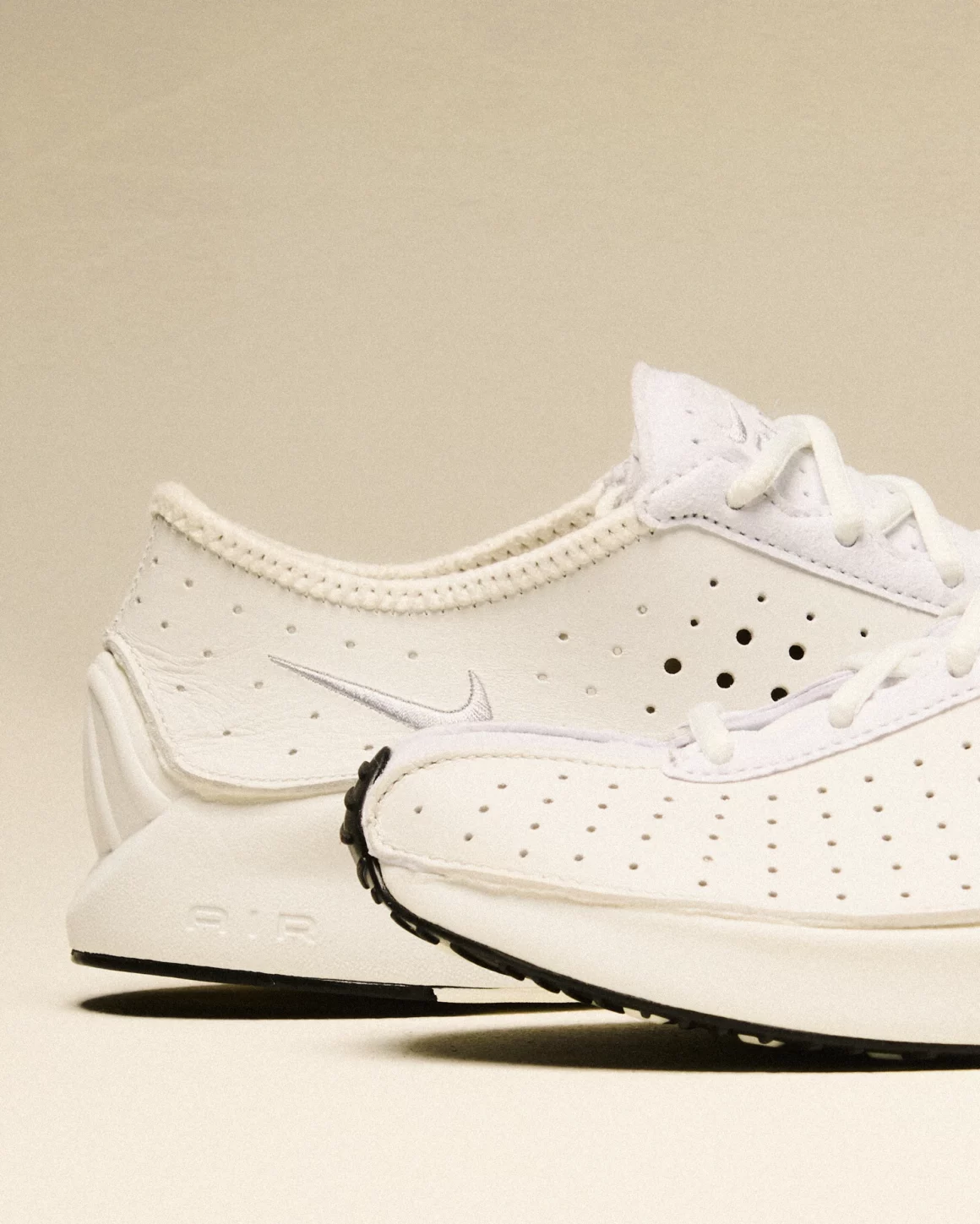
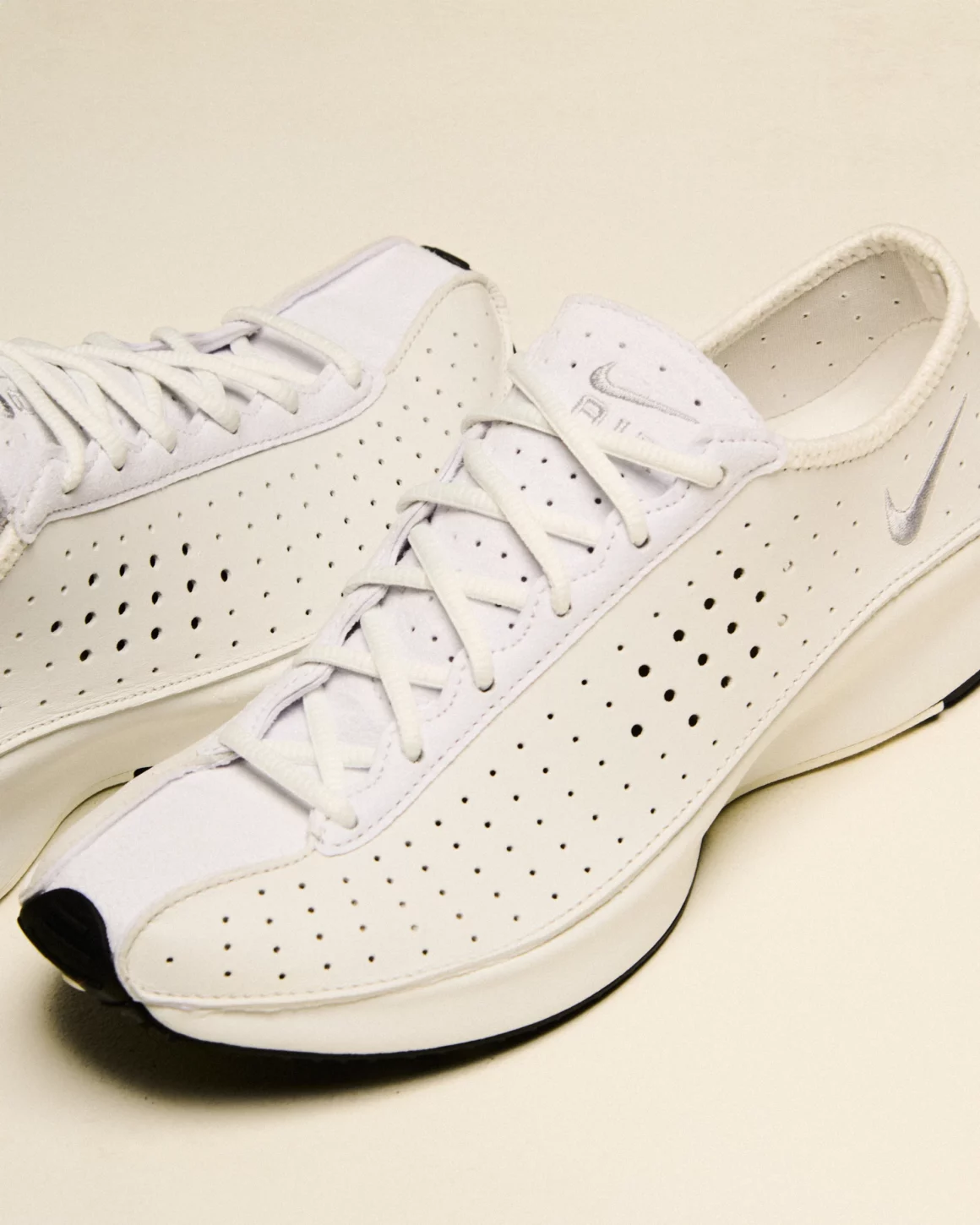
In 2001, the Superfly made an unexpected leap: speed hit the streets. A new construction featuring external seams eliminated the need for insoles. Perforated panels paid tribute to its track lineage while introducing a bold, minimalist aesthetic. Comme des Garçons quickly recognized its potential, releasing a special edition long before collaborations became the norm.
Twenty-five years after its debut, the Nike Superfly still holds visual power. New materials and updated codes of style expand its language, proving that innovation can also be a matter of aesthetics.