Nike was born in athletics, and its earliest steps were shaped by an emerging movement: running. As more and more people became devoted to this new activity, Nike grew alongside it. The brand’s relationship with running can be understood through its longest-standing franchise, now returning as the Pegasus 42.
The origin of the Nike Pegasus
The birth of the Nike Pegasus tells a story deeply connected to runners and somewhat removed from the logic of major launches. The idea for the Pegasus emerged in 1982, when Nike was already familiar with the progress being made in Air technology. The first shoes with Air units had been the Tailwind in 1978, and from that moment on, Nike had been trying to create the model with as much Air as possible, an evolution that, in one way or another, would eventually lead to Air Max years later.
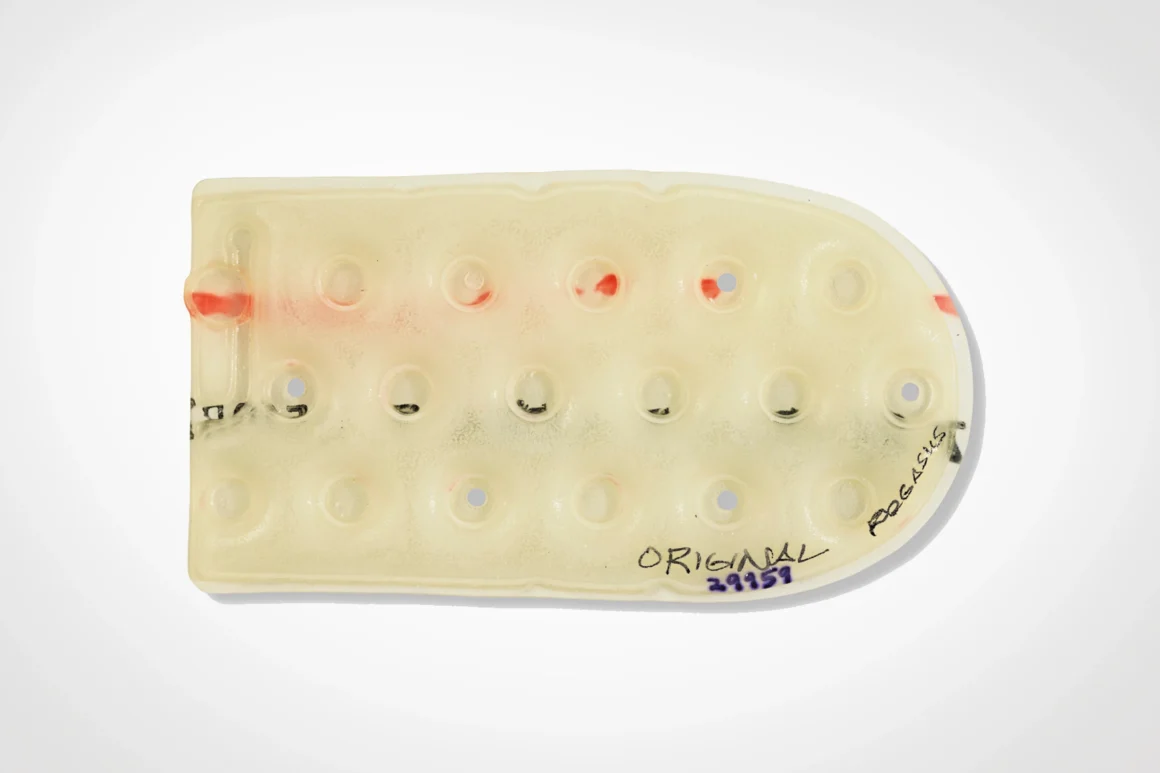
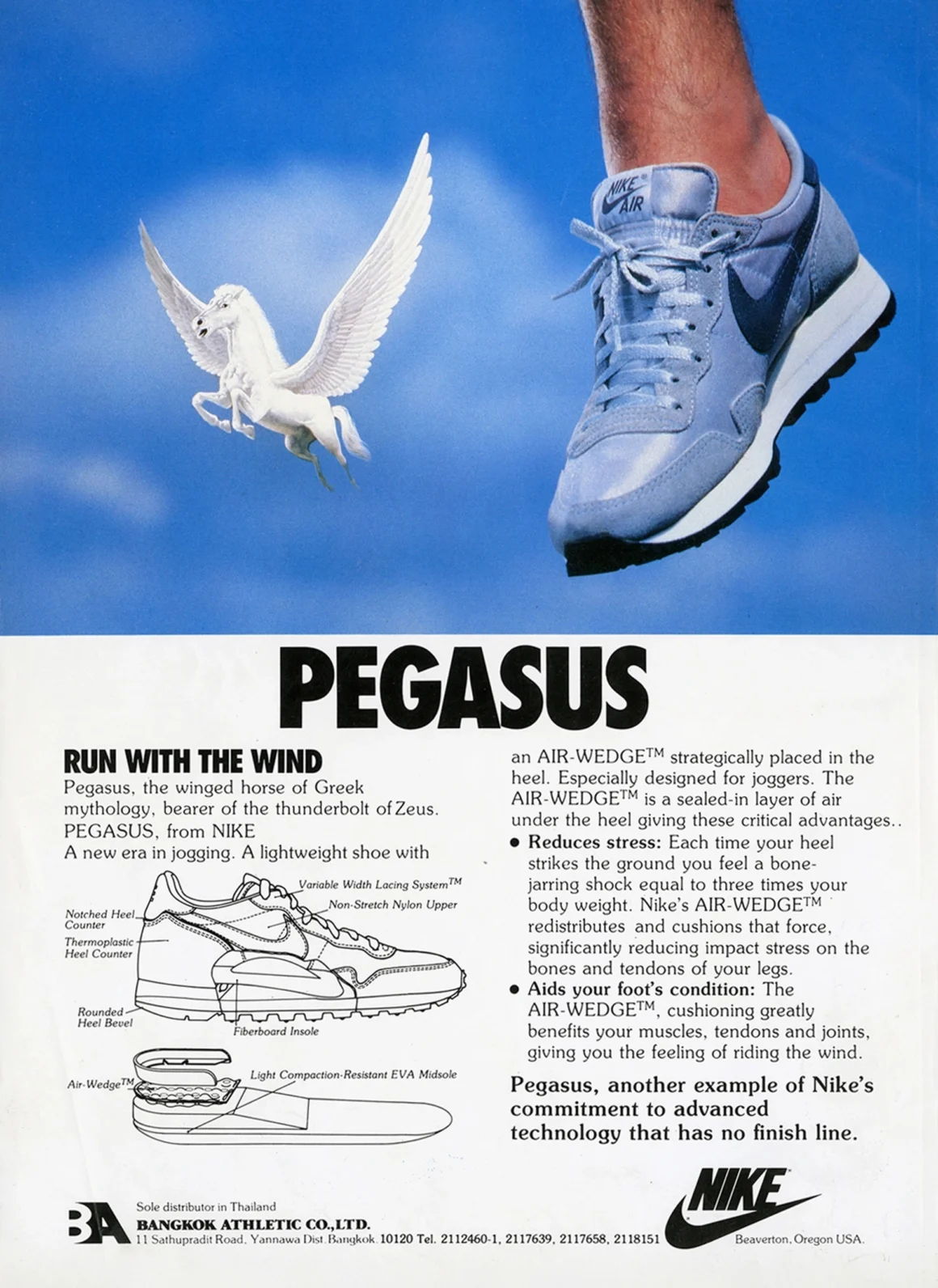
In 1982, running shoes were often technological showcases with high price points, a competition between brands to offer something never seen before. Yet few were truly looking at the consumer, at the everyday runner. That is exactly what Nike did. Using the Nike Internationalist as a starting point, the brand set out to include Air only where it was truly needed, in the area of greatest impact: the heel. To achieve this, they developed a new Air unit called the Air Wedge, which allowed for a more controlled and scalable use of Air, maintaining cushioning and durability without the fit issues, or the cost, of a full-length Air unit.
It was also a response to the needs of more experienced runners, who were looking for a shoe with a comfortable feel that could be used across different situations. For the outsole, Nike created a new tread pattern inspired by its classic Waffle soles, while modifying the lugs to better adapt to asphalt and dirt paths.
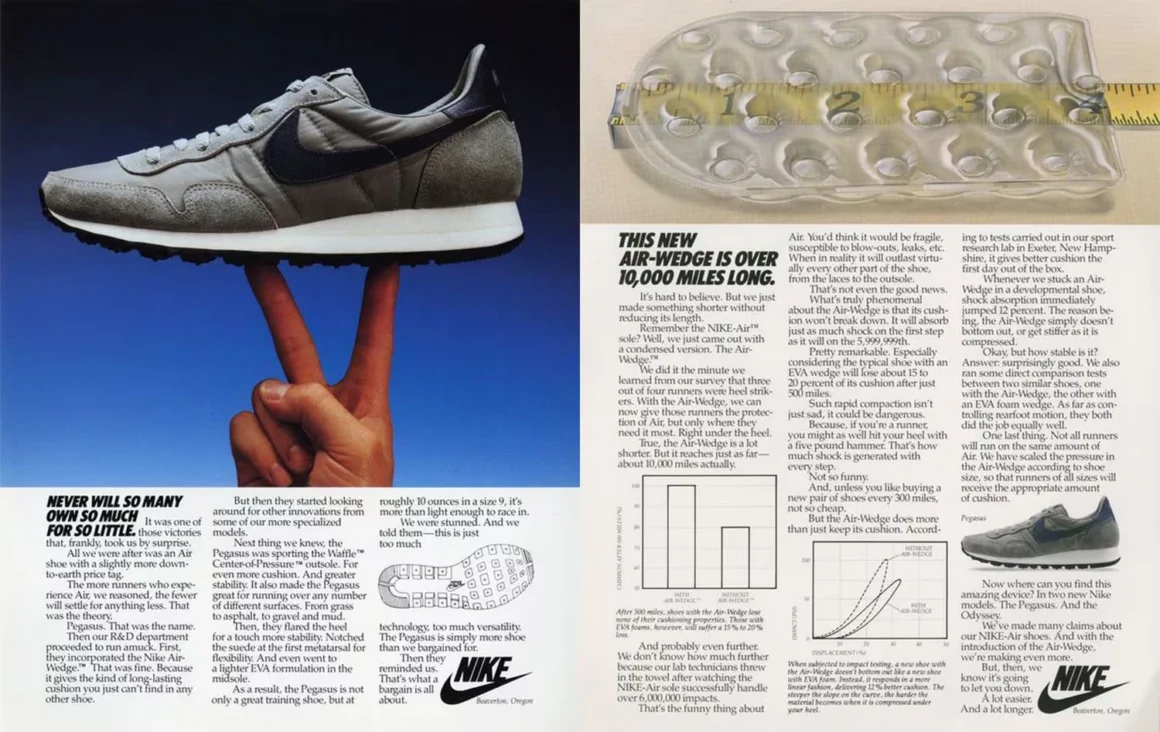
The design process involved some of Nike’s most celebrated names, including Bruce Kilgore (Air Force 1, Nike Sock Racer, Air Jordan 2) and Mark Parker, who would become Nike’s CEO 35 years later.
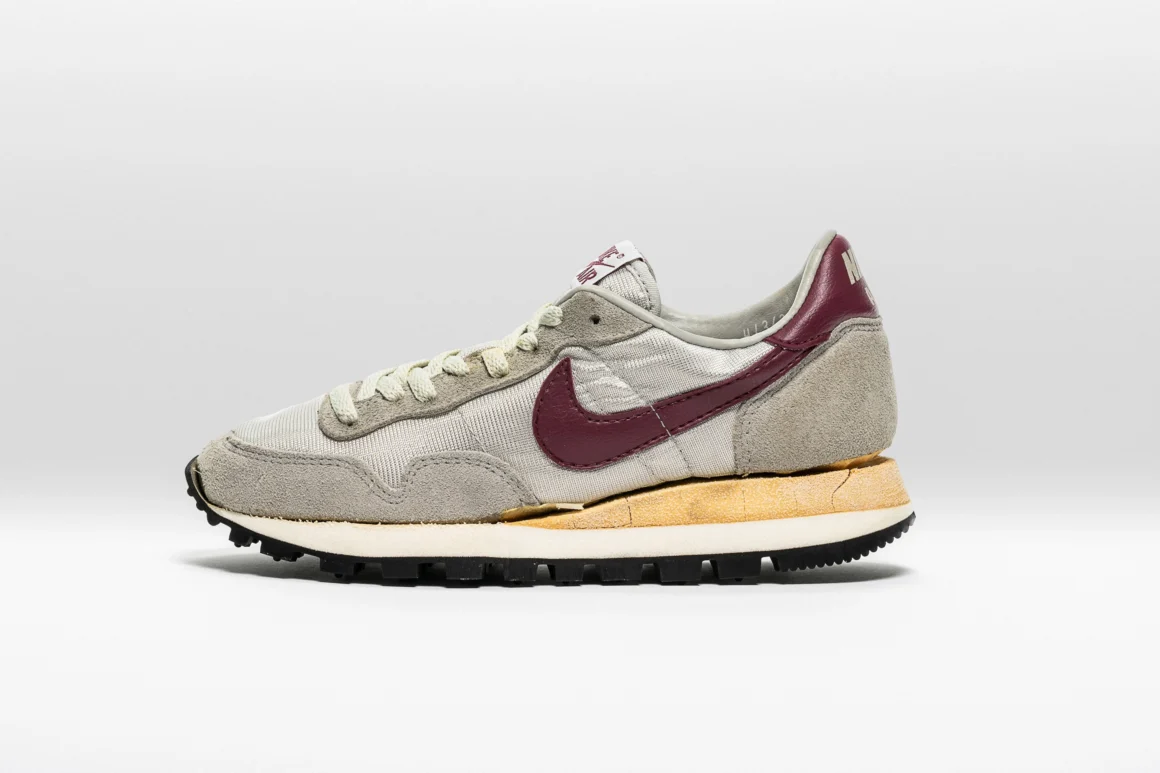
Although it was not a complete novelty, separate versions were developed for men and women, with different lasts, weights and colorways, with the aim of reaching a broader range of athletes.
The first impact of the Nike Pegasus
Shortly before the 1982 New York Marathon, the Nike Pegasus first arrived in stores in a rather understated color combination: grey and blue for men, off-white and burgundy for women. That was part of its appeal. It was a model with everything essential, one that did not necessarily stand out within Nike’s catalog at the time, but one that was the direct result of the brand’s dialogue with runners.
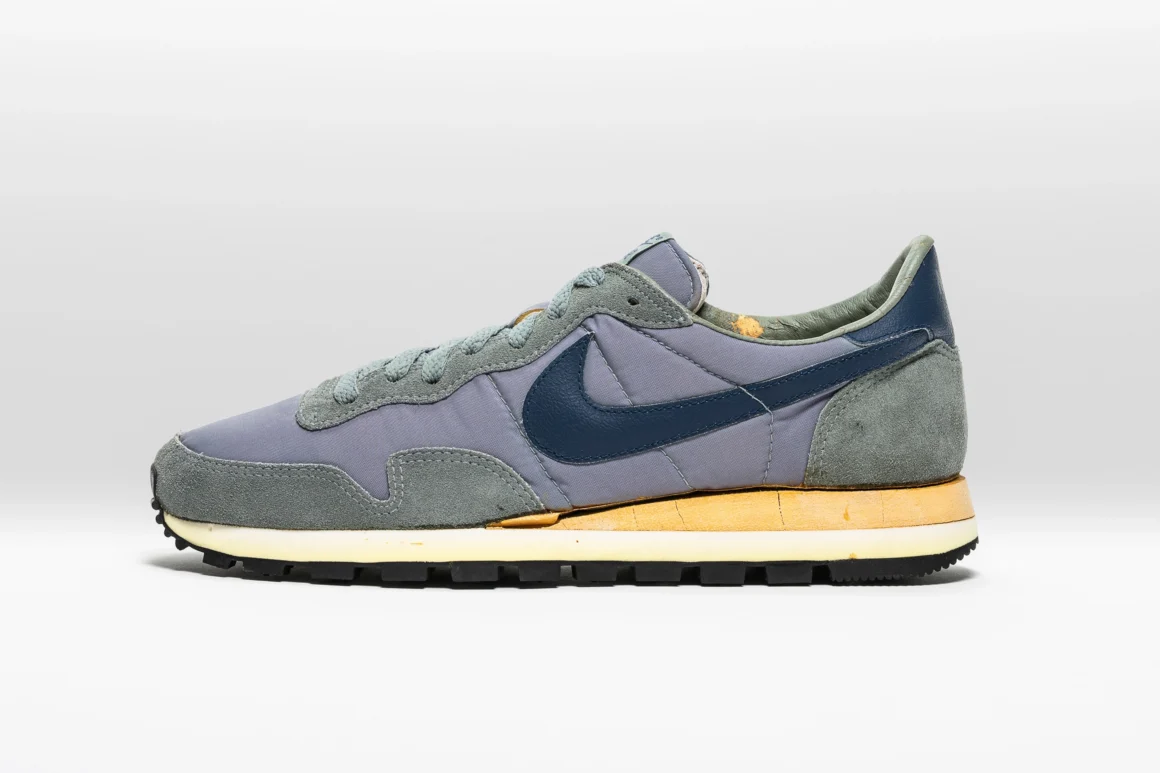
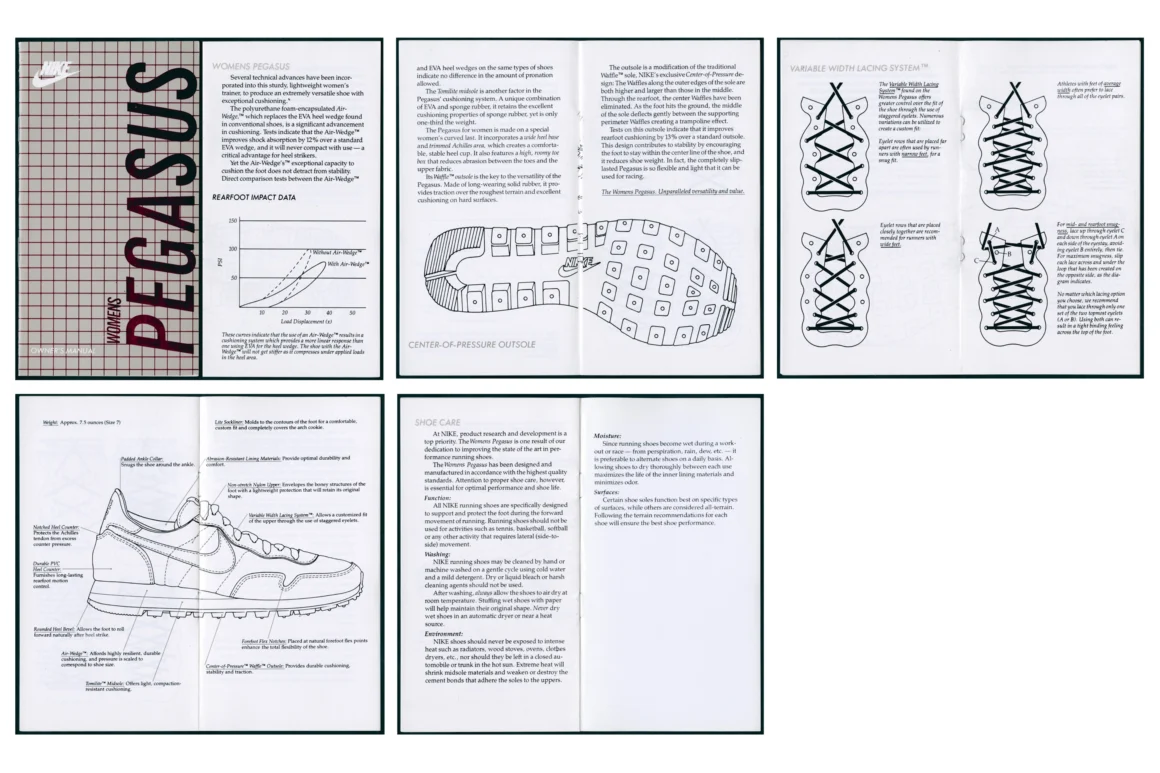
Because of this apparent simplicity, Nike found itself having to explain what the Pegasus actually contained. To do so, it included a booklet detailing the properties of the Air Wedge, Tomilite foam (a type of EVA), and the variable lacing system, which allowed for a more precise fit.
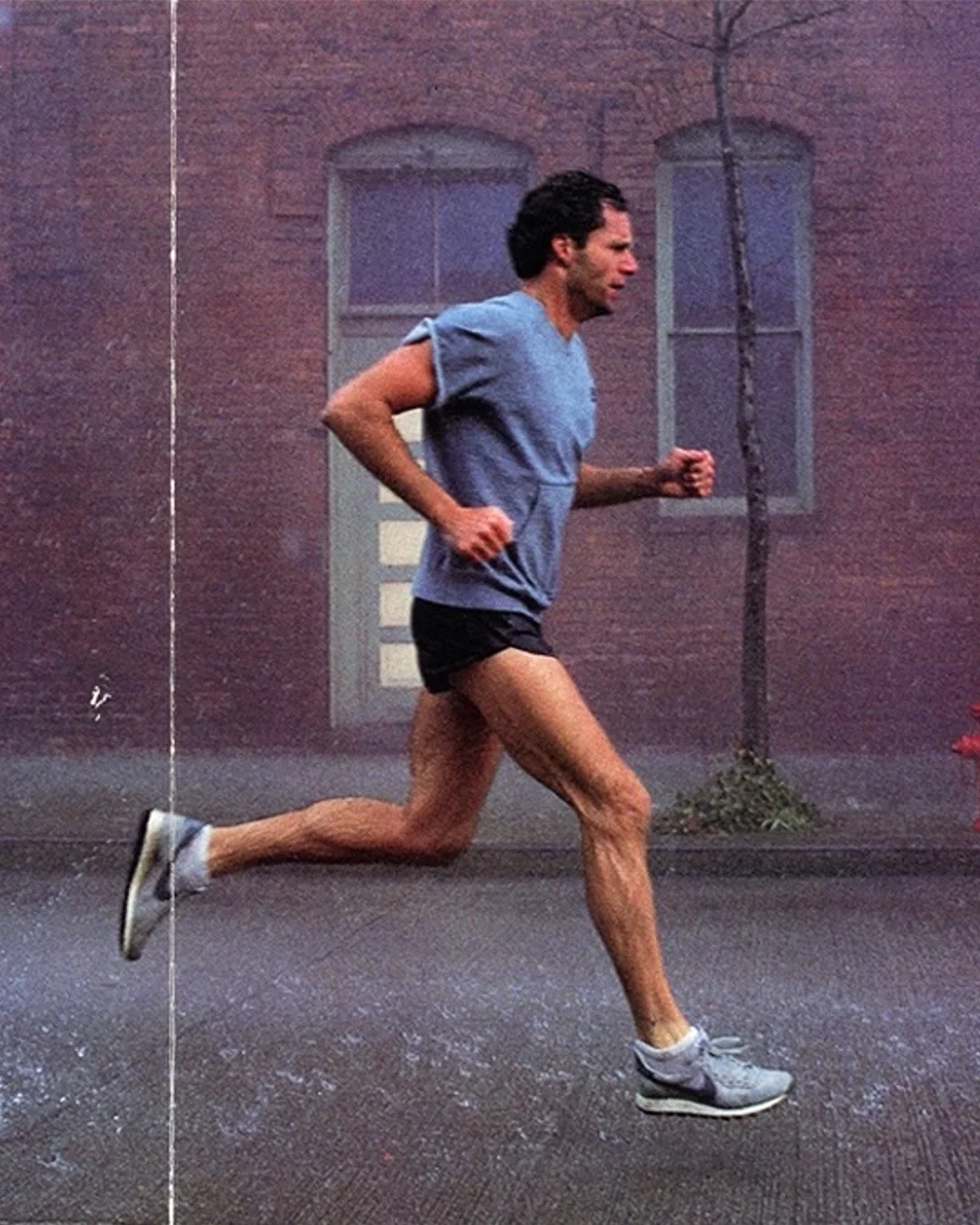
Alberto Salazar’s success at the New York Marathon, although achieved in a pair of Nike Mariah, a model better suited to his pace, gave Nike greater visibility as it worked to bring the Pegasus to more stores and more runners. Another iconic marathon runner, Joan Benoit, chose the Pegasus as her everyday training shoe.
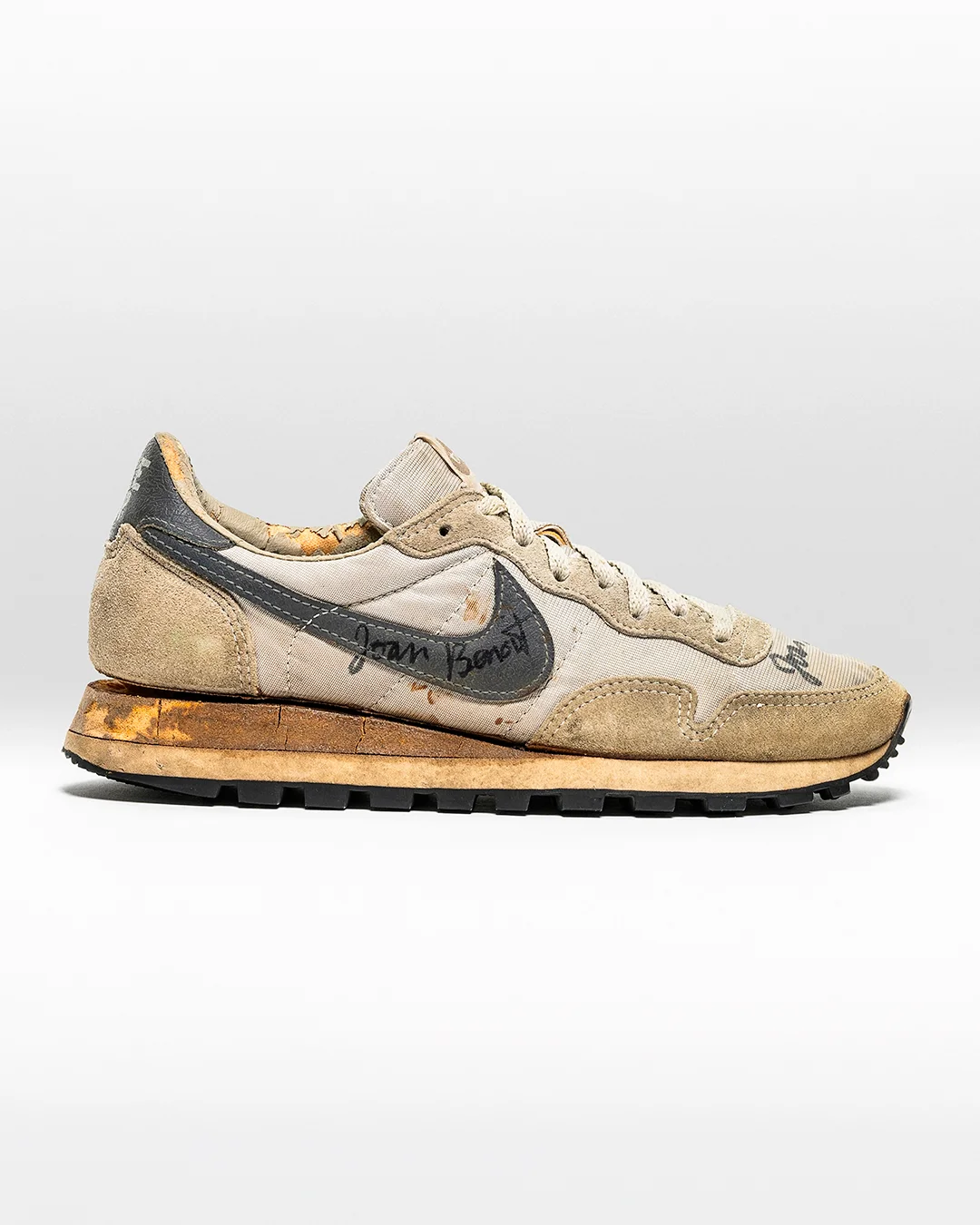
In its first six months on the market, the Pegasus sold 300,000 pairs, an immediate success that accounted for nearly one tenth of Nike’s annual revenue.
The evolution of Pegasus
In 1985, Nike began thinking about a possible evolution of the Pegasus, always tied to one central idea: a simple design that works for most runners in most situations. That thinking led to the next chapter, which reached stores in 1987, and from there the line continued to evolve.
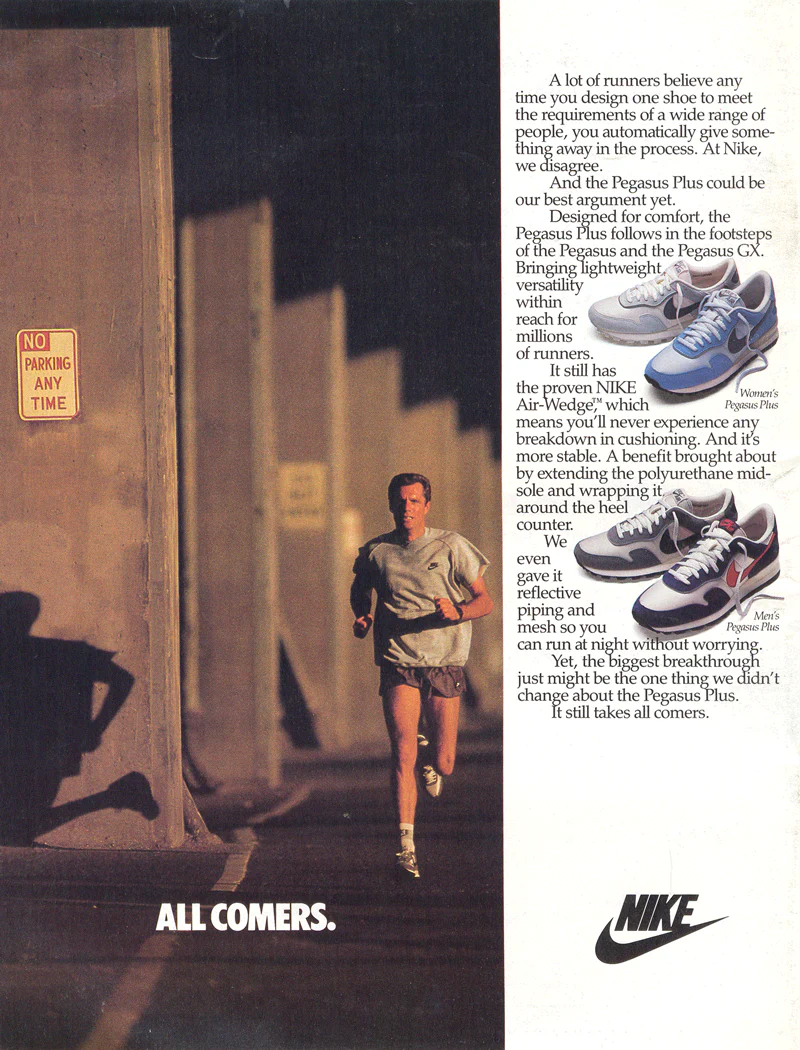
The models released in 1982, 1987 and 1989 became running legends, and over time they gained iconic status. Some versions from the 2000s have even been successfully reissued in fashion contexts. The Pegasus line expanded with ACG models, Trail, Racer, T/C (Training and Competition), and in recent years, Plus and Premium editions.
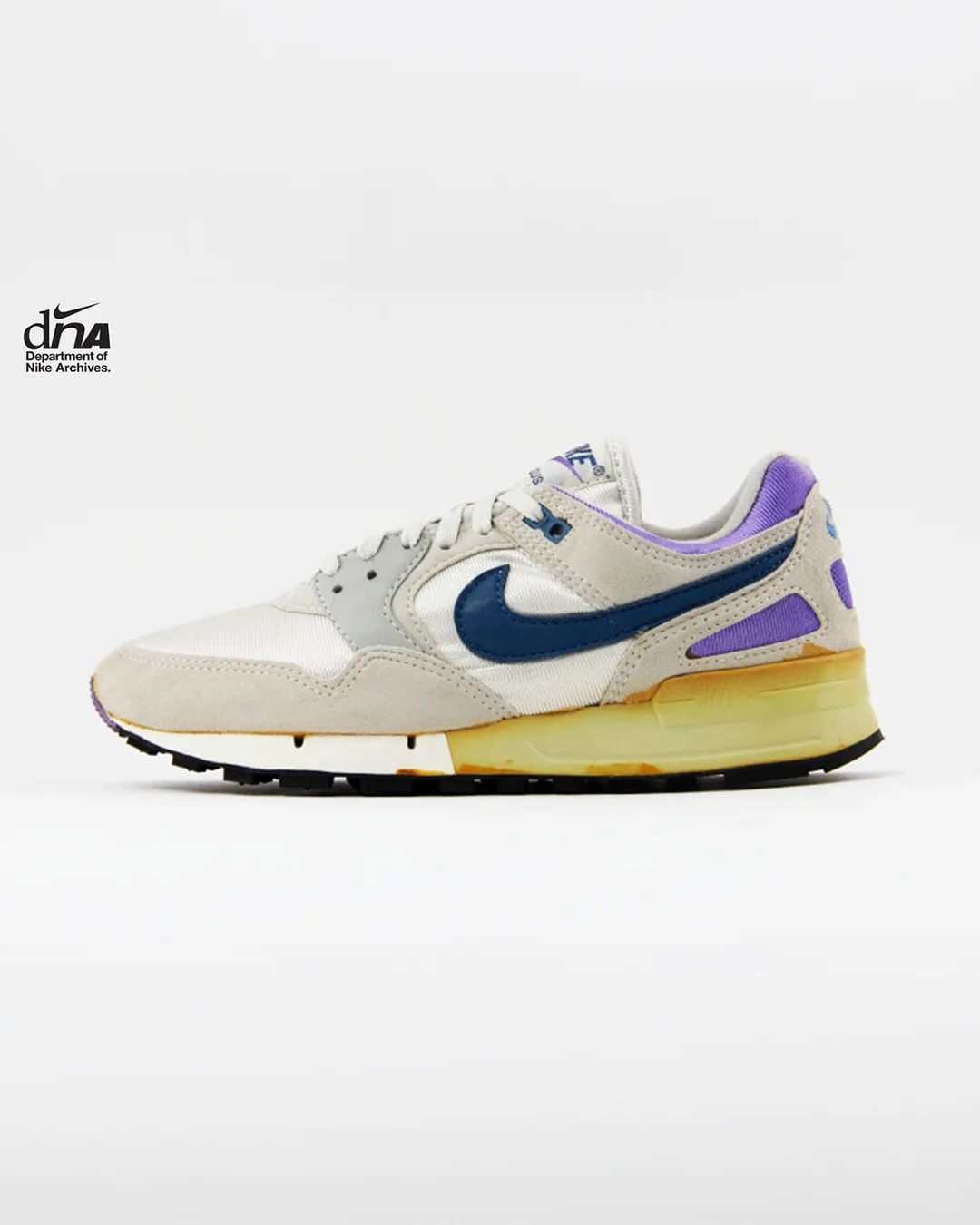
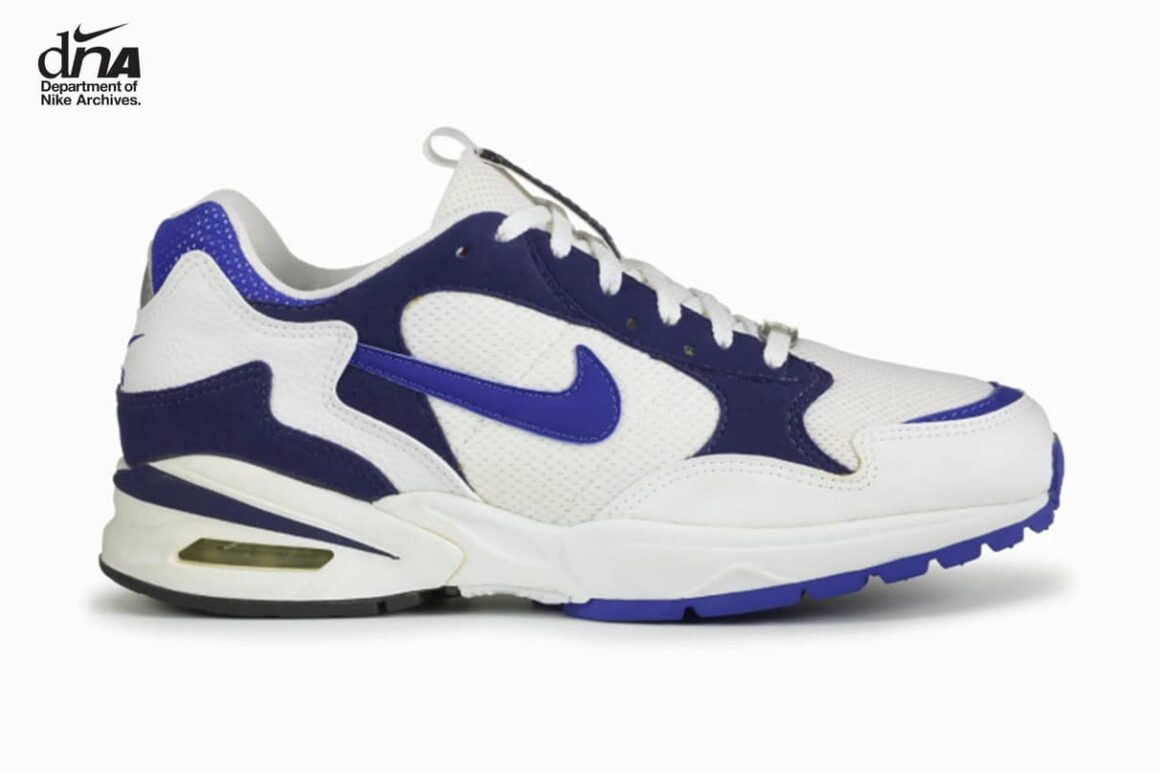
The franchise even went through a brief pause in the late 1990s, after several experiments with visible Air units moved it away from its original idea.
Nike Pegasus 42
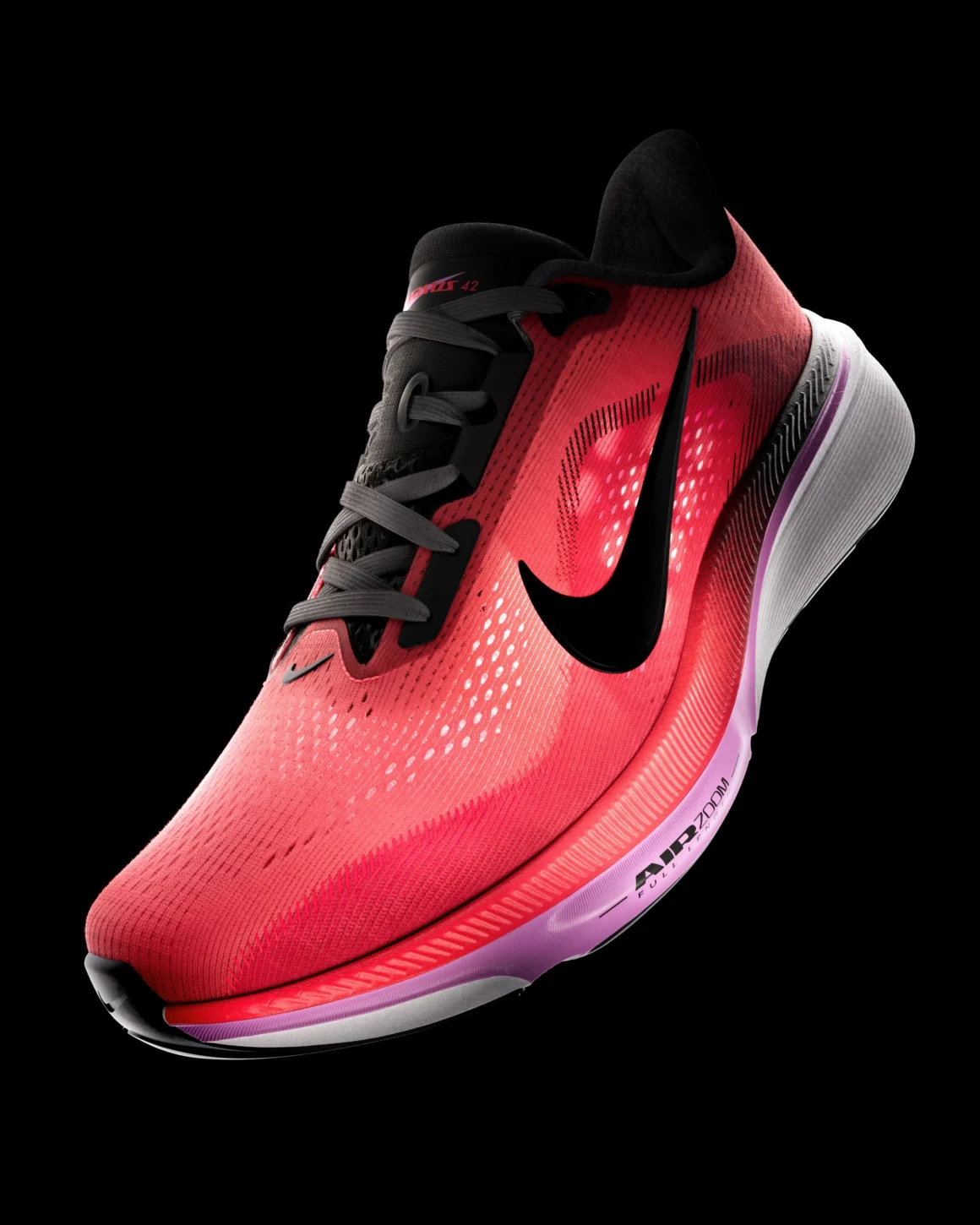
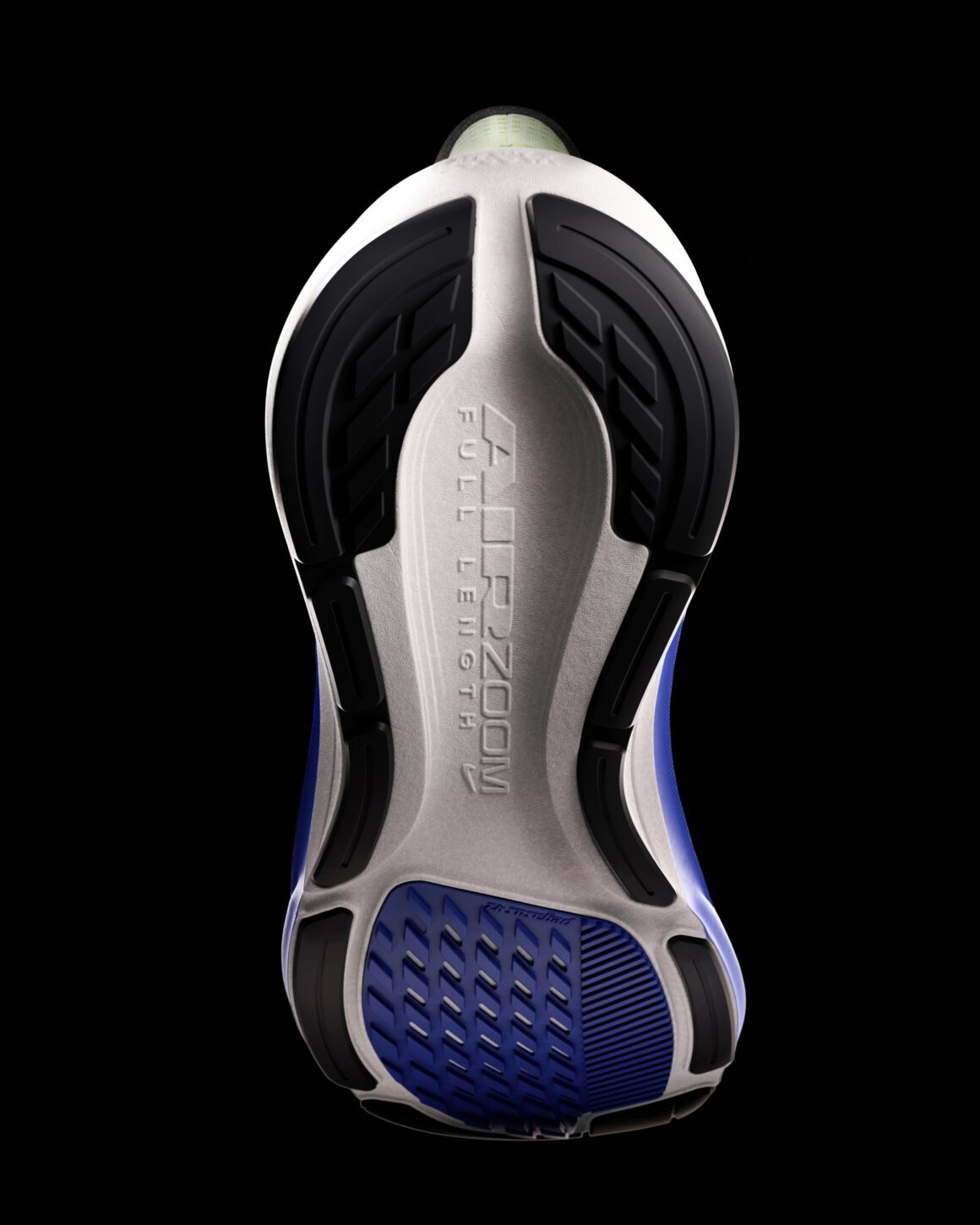
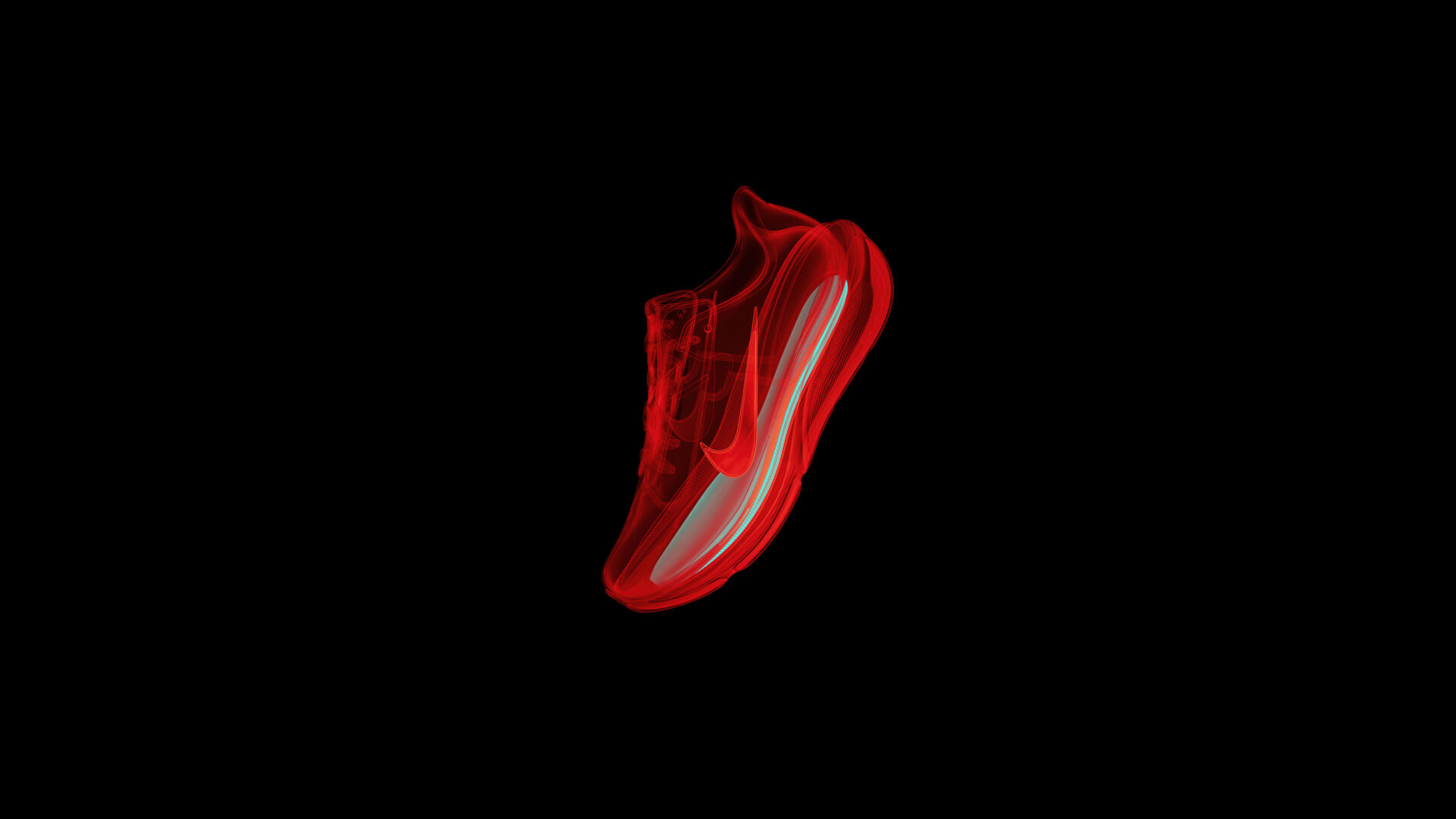
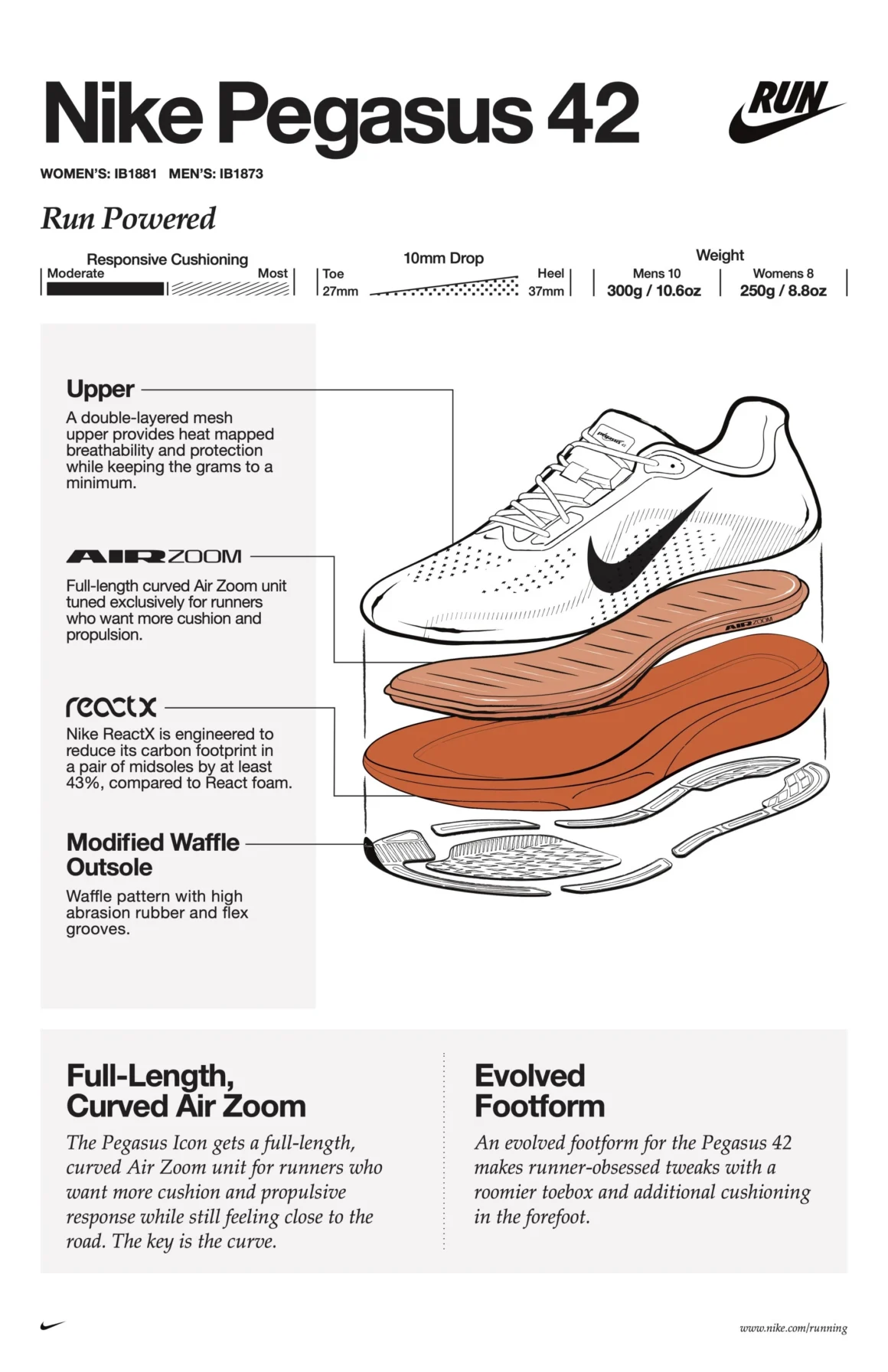
The launch of the new Nike Pegasus 42 remains faithful to its original purpose: a simple, easy shoe for everyone, improved with each new version. This time it features a full-length curved Air Zoom unit, designed for maximum responsiveness and said to deliver 15% more energy return than the Pegasus 41. It also includes ReactX and a new structure that allows for 3 mm more foam without altering the height of the midsole.
Together with Vomero and Structure, Pegasus forms the basis of Nike’s new simplified running range, which means we can expect different versions of it in the future.