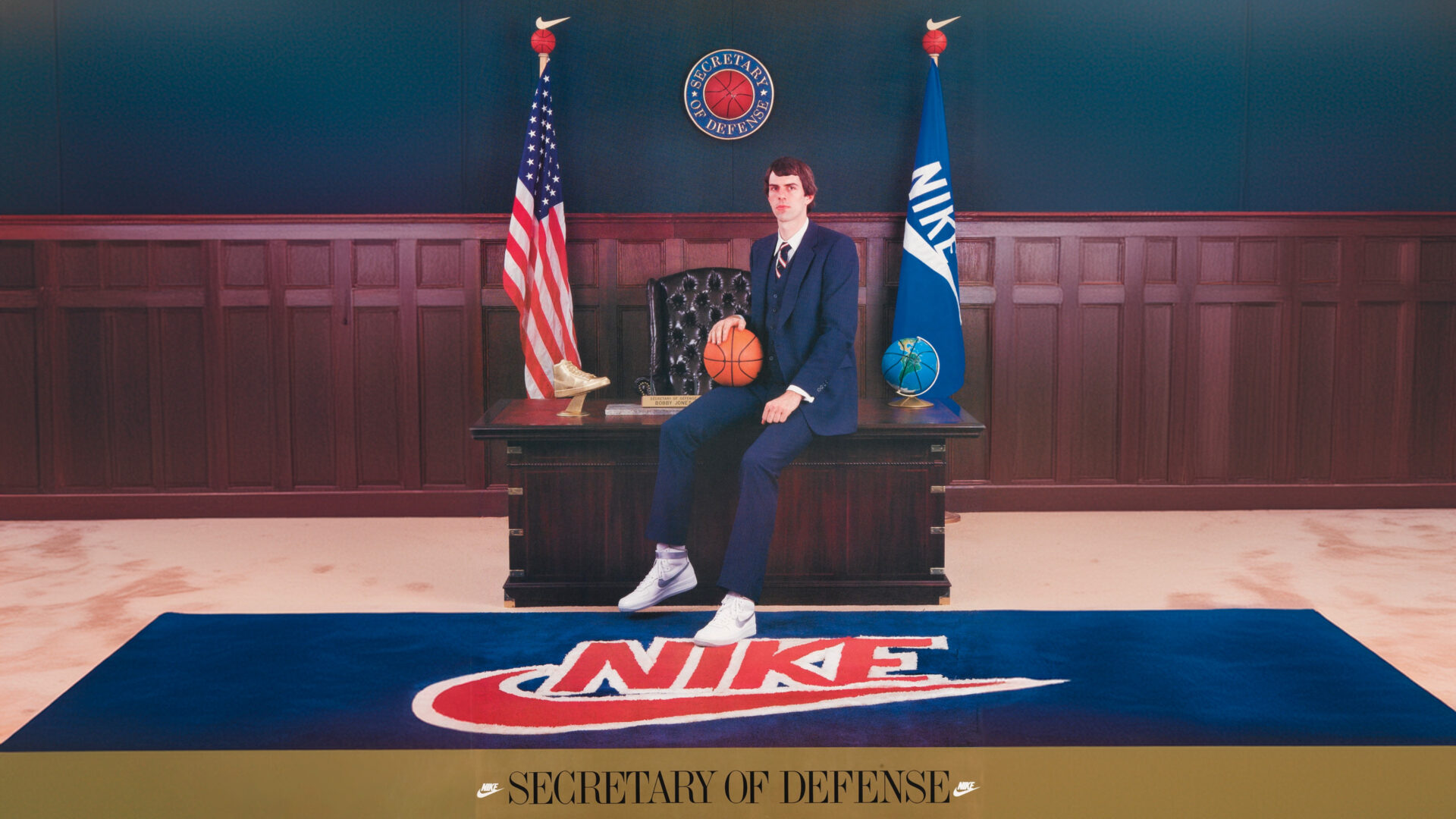
Photography Day is a good time to reflect on the relationship between this noble art and some of history’s best campaigns, many of which deserve their own museum exhibit.
Some Nike photographs have made their way into museums, thanks to one of the most well-known contemporary artists, Jeff Koon.
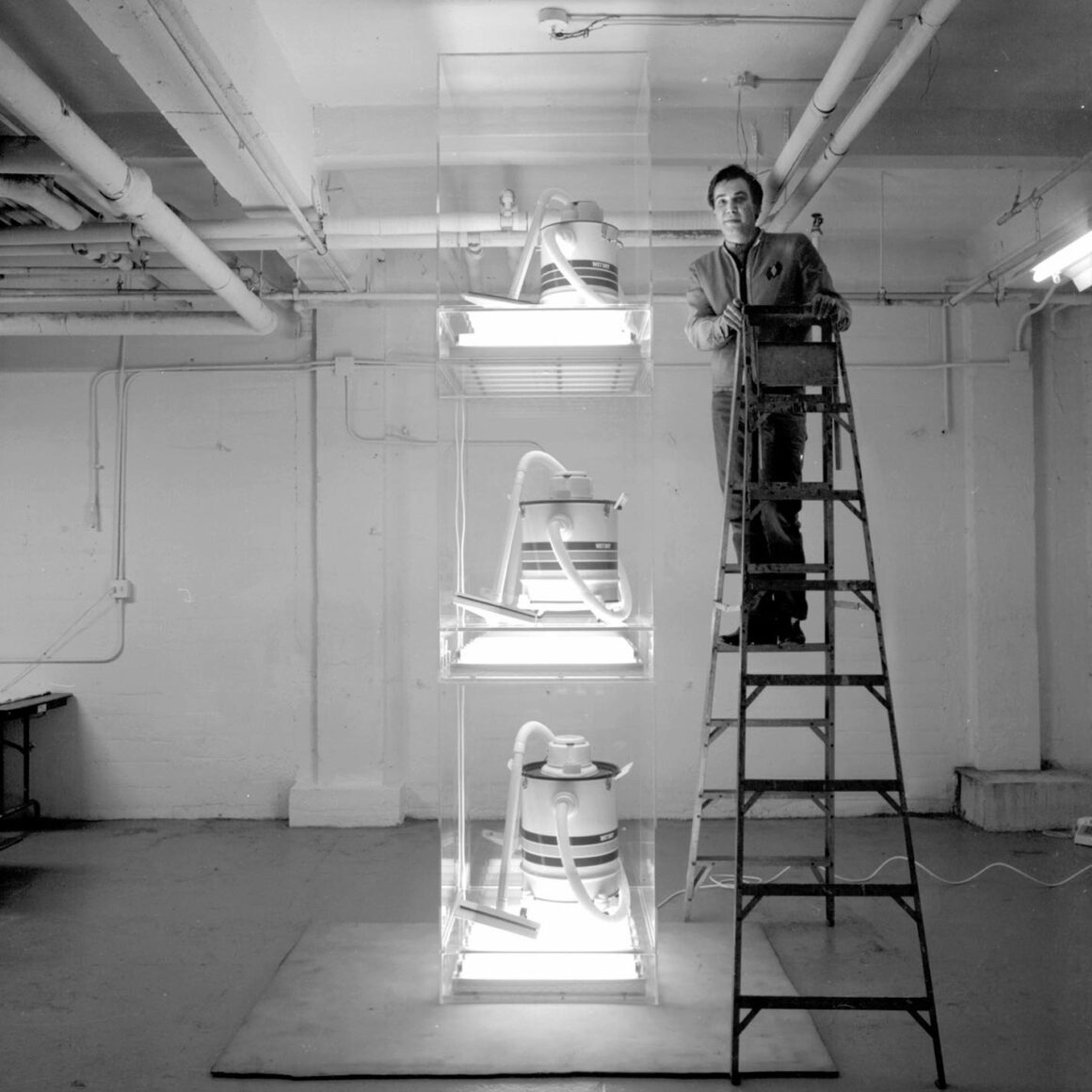
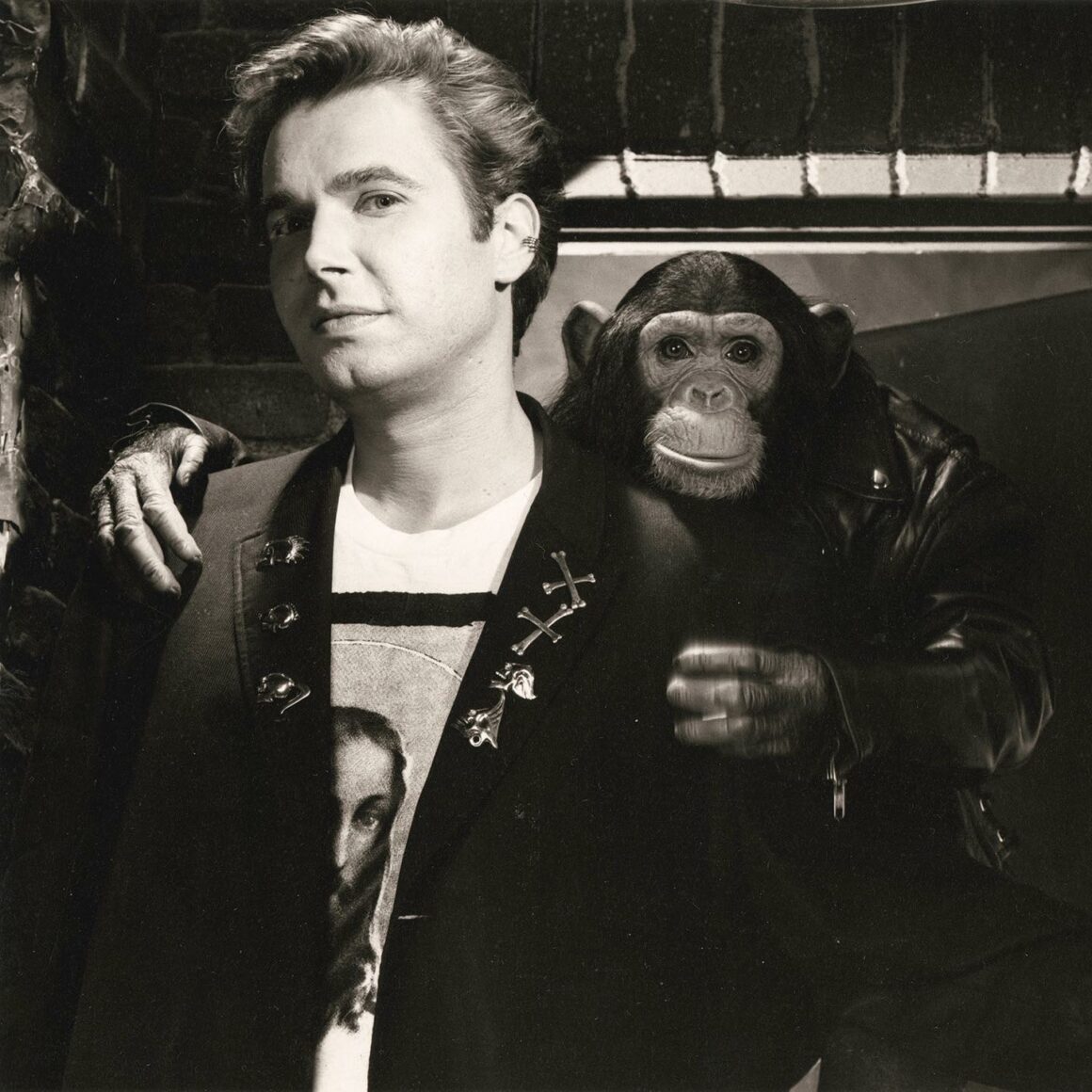
Hanging one of your works in a museum can be the ultimate indication that they have become art. However, Jeff Koons, an artist, was able to transform an object found in thousands of rooms into works worth millions of dollars.
In the 1970s and early 1980s, Nike sought to introduce its athletes to the general public through posters. Instead of focusing on the brand, Nike presented its athletes as superheroes, with references to their style of play or their attitudes off the court. George Gervin was Ice Man, Darryl Dawkins was Chocolate Thunder and Sidney Moncrief was Sir Sid. It was Peter Moore’s idea to turn the bedrooms of American teenagers into Nike campaigns.
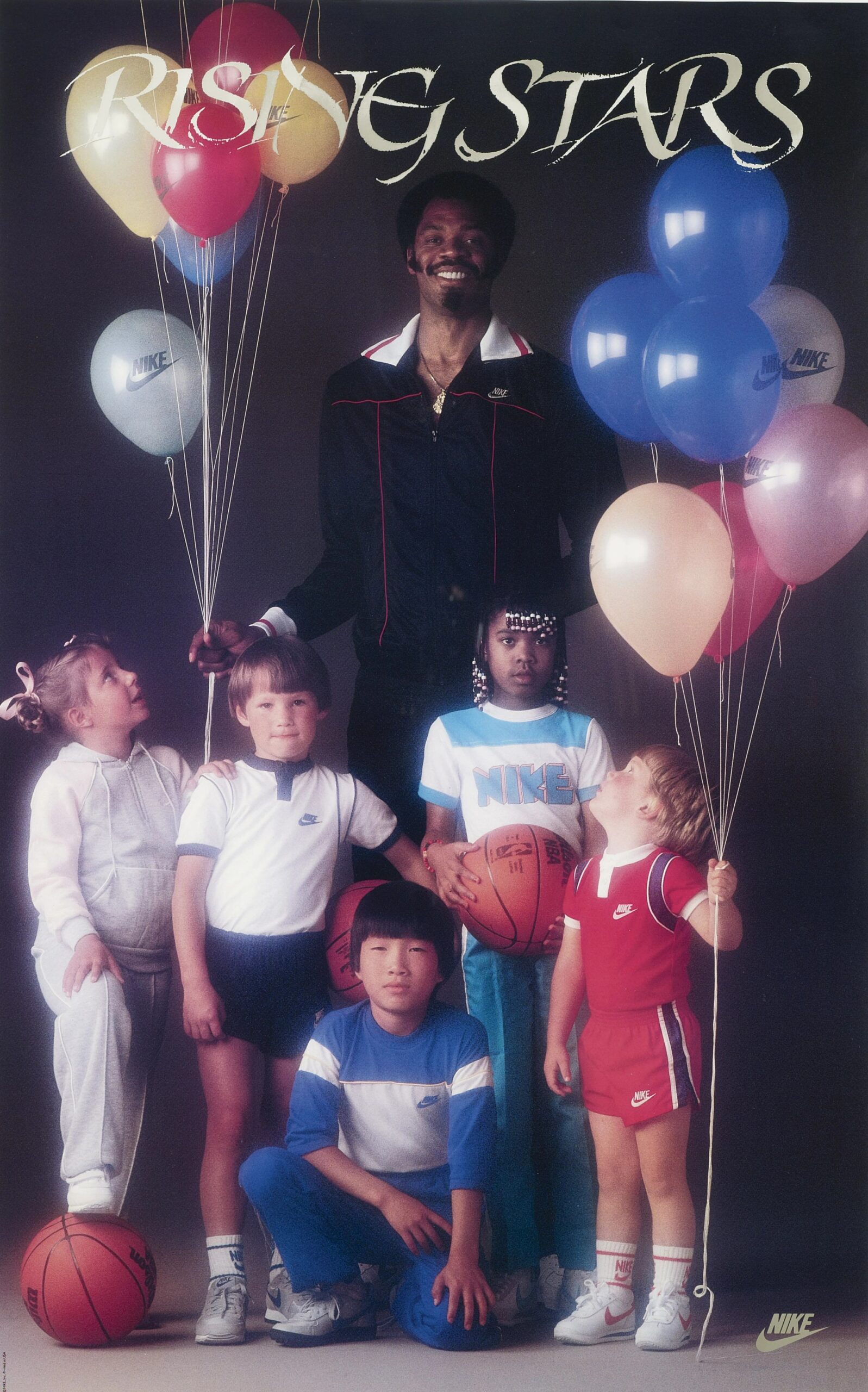
Jeff Koons’ trajectory differs from that of other artists. His background as a stockbroker before devoting himself to art has always given Koons a dual identity as an artist and a businessman. His use of everyday elements out of context, as well as pop culture elements, links him directly to Warhol and Duchamp. Koons’ first exhibition, EQUILIBRIUM, featured one of the 1980s’ pop icons, Nike posters. After reaching an agreement with Nike, Jeff Koons exhibited some of the posters that adorned teenagers’ bedrooms, as well as Nike campaigns featuring Ray and Gus Williams, Bobby Jones, Geirge Gervin, Moses Malone, Artis Gilmore, and Darrell Griffith “Dr Dunkenstein.”
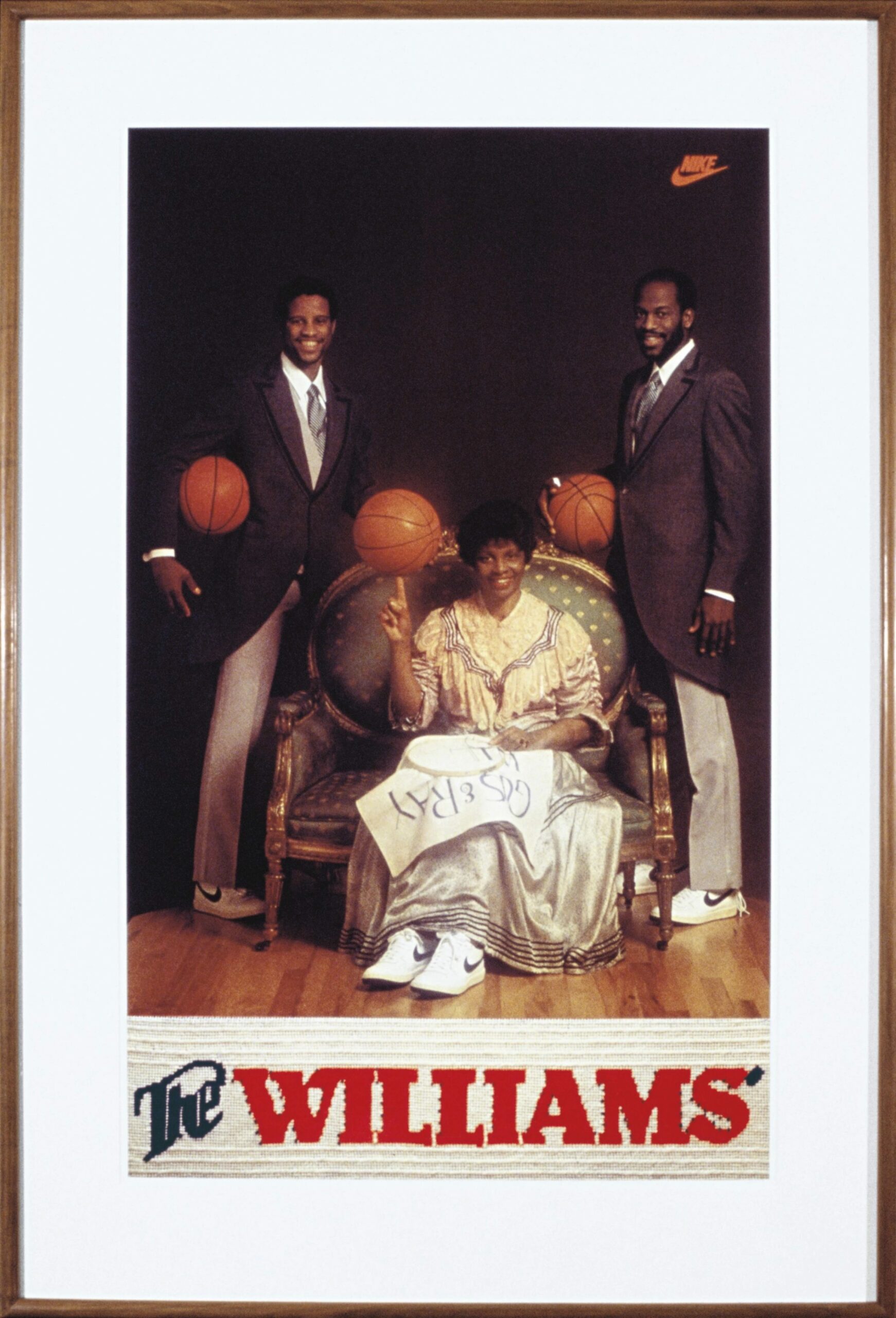
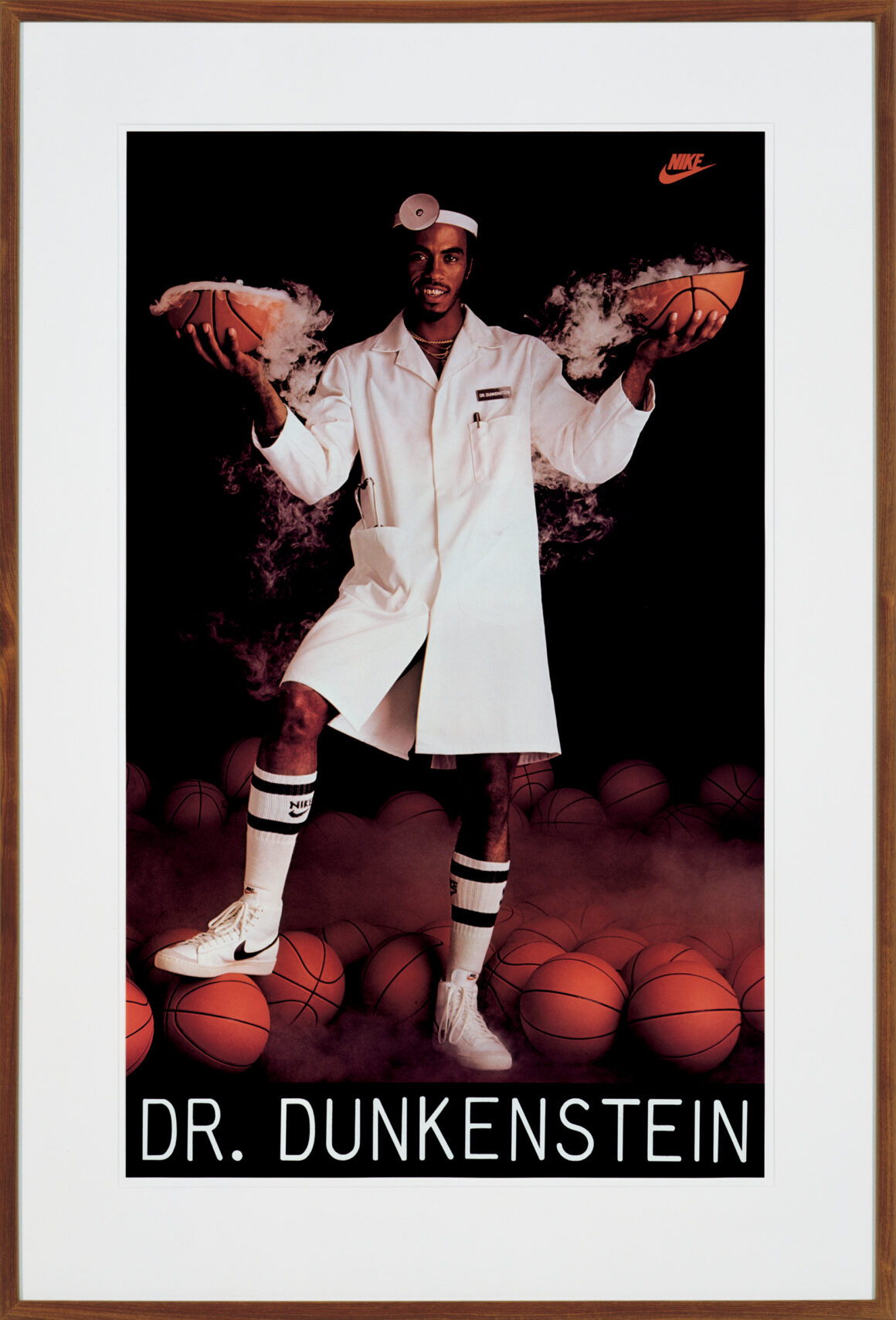
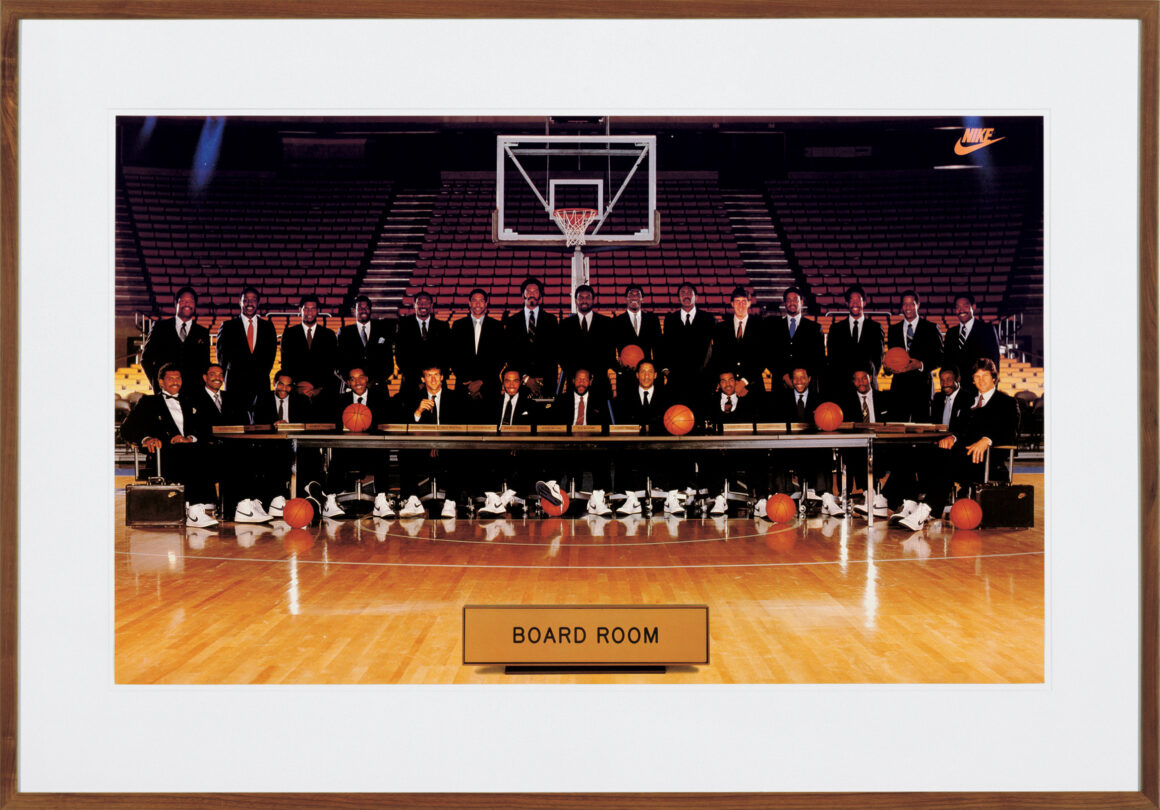
A cliché, such as the relationship of African-American society with professional sports for social mobility, was now posed with a different perspective, now it was art that used the athletes for its own benefit. In the line of Duchamp, Koons had turned a popular and affordable product into a work of art.
The Nike campaign photos were a popular image, and an advertising campaign that would never have expected to be featured in an art exhibition. Perhaps they were not the most valuable photos in terms of quality, but their ability to become myths has allowed them to be unexpectedly placed in museums.