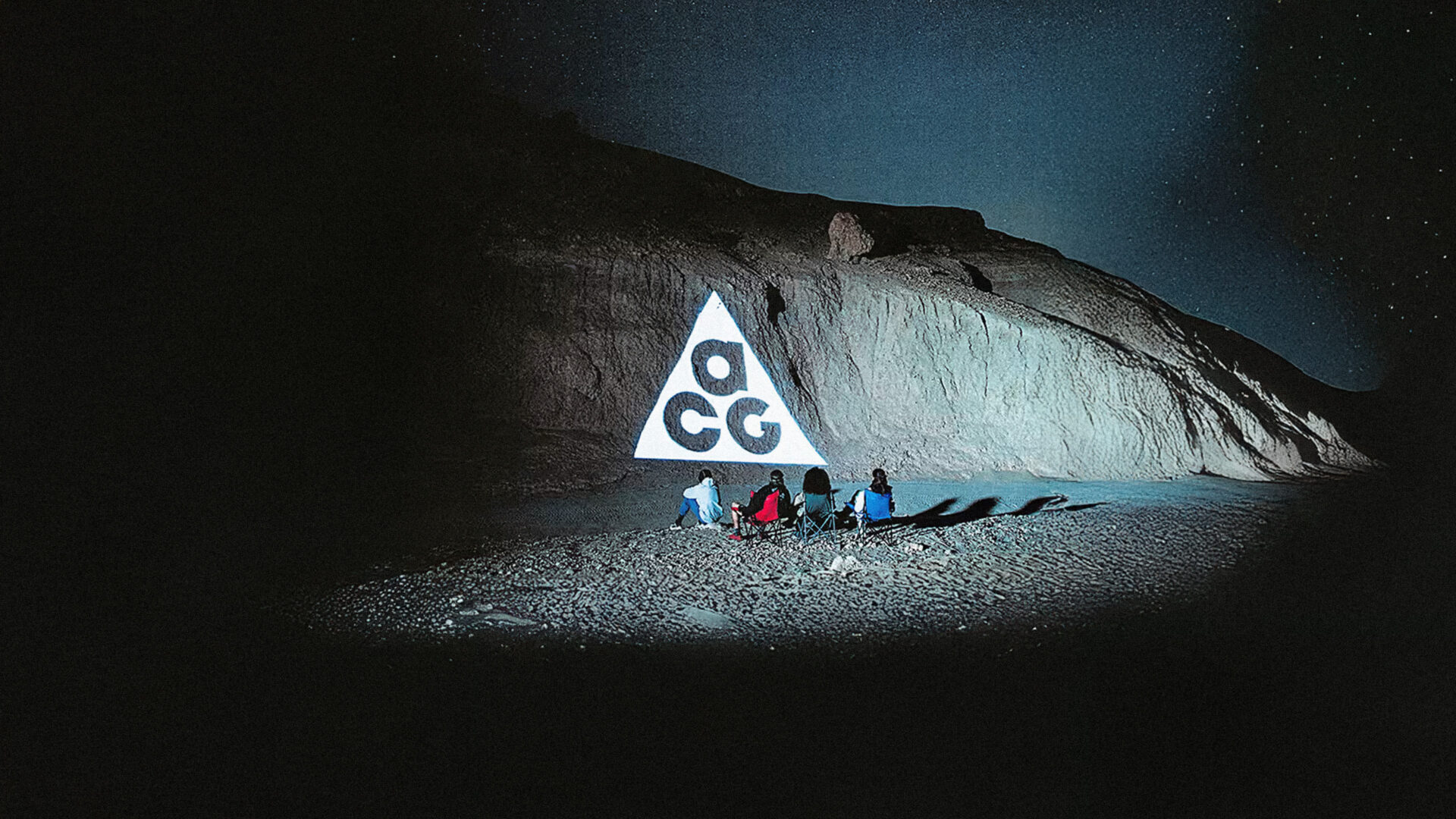
Originally created as a capsule of creative defiance, we revisit the history, impact, and identity of ACG through 11 key insights that explain why (ACG) All Conditions Gear remains one of Nike’s most unique and influential lines.
1. Nike ACG: Inheriting the Legacy of Nike Hiking
ACG’s birth was abrupt and surprising, but Nike had already built a relationship with the outdoors—fitting for a brand based in Oregon. While Nike’s earliest shoes were made for the track, the brand quickly began developing models for rough trails and unexplored terrains.
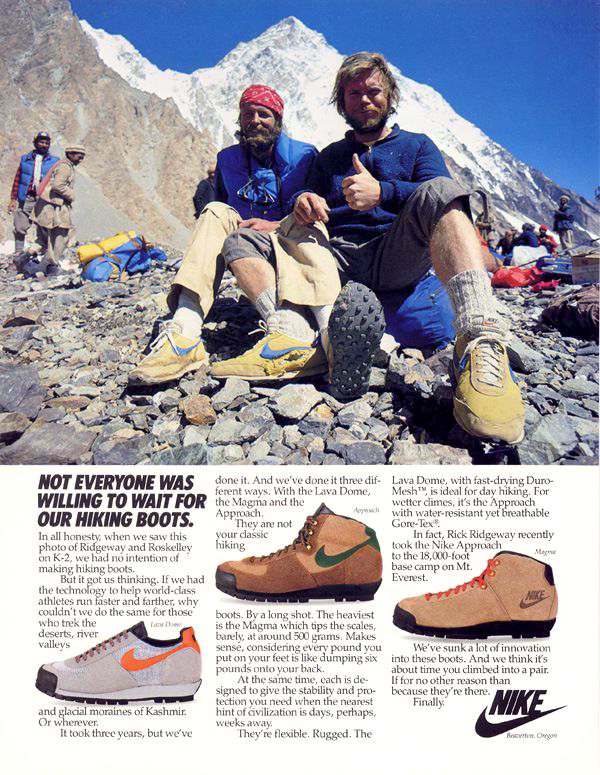
That moment sparked Nike’s own outdoor line. Models like the Lava Dome, Lahar, Approach, and Magma belonged to the Nike Hiking category, which in many ways served as a precursor to ACG. Nike Hiking was born from a photo of John Roskelley and Rick Ridgeway during the first American ascent of K2, where they wore Nike LDVs provided by the brand.
2. Nike ACG: The Cross-Training Heir
By the late ’80s, the concept of cross-training emerged—training that combined different disciplines. The core idea: athletes didn’t stick to one sport. One day basketball, another tennis, a run here, a gym session there. The Nike Trainer embodied that multi-sport ideal.
But there was nothing similar for outdoor adventure: no shoe that could handle hiking, canyoning, or bikepacking. ACG was born from merging Nike Hiking with this multi-sport ethos.
3. ACG: Born from Creative Dissent
ACG emerged in the ’80s as an internal, alternative response within Nike. It wasn’t for stadiums—it was for mountains, for the margins, for those more into climbing than running. It was Nike’s own designers, seeking gear for their personal outdoor adventures, who proposed this new line: All Conditions Gear.
4. All Conditions Gear: The Perfect Name
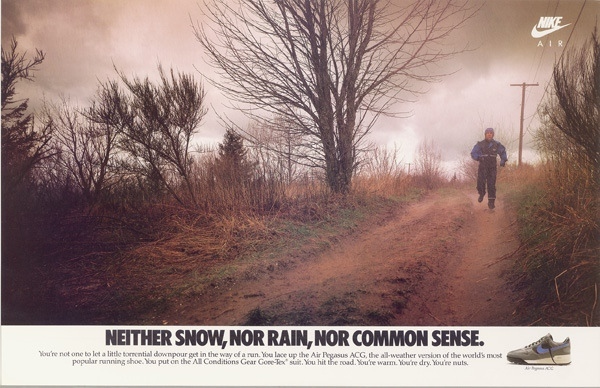
All weather, all terrain, all conditions. ACG wasn’t just a technical line—it was a philosophy. The name was borrowed from an earlier model, the Nike Pegasus ACG, designed for runners who trained in extreme weather. That shoe preceded the ACG category itself, but set the tone.
5. Mowabb: The Manifesto in Shoe Form
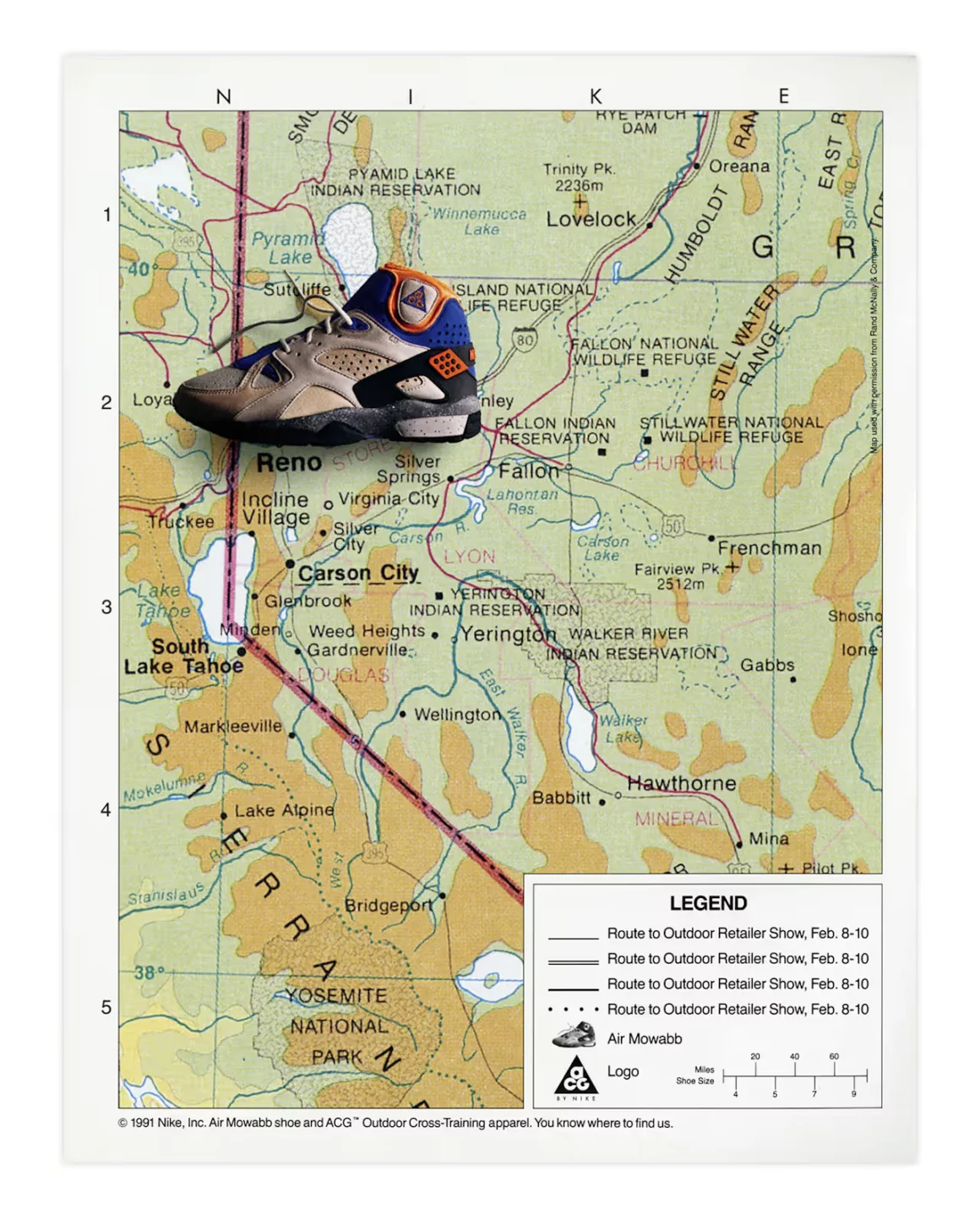
Released in 1991, the Air Mowabb changed everything. Designed by Tinker Hatfield, it combined neoprene, trail function, a Huarache sole, and bold, team-free colorways. It was wild, technical, and versatile enough for almost any outdoor activity. Its sole even featured a humorous touch—a silhouette of a man mowing a lawn—sending a message: you didn’t need to be a super athlete; you just had to go outside.
6. ACG: A Brand Within a Brand
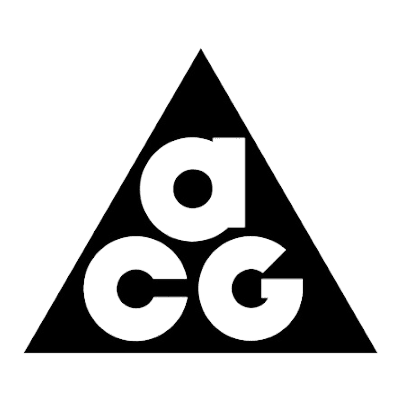
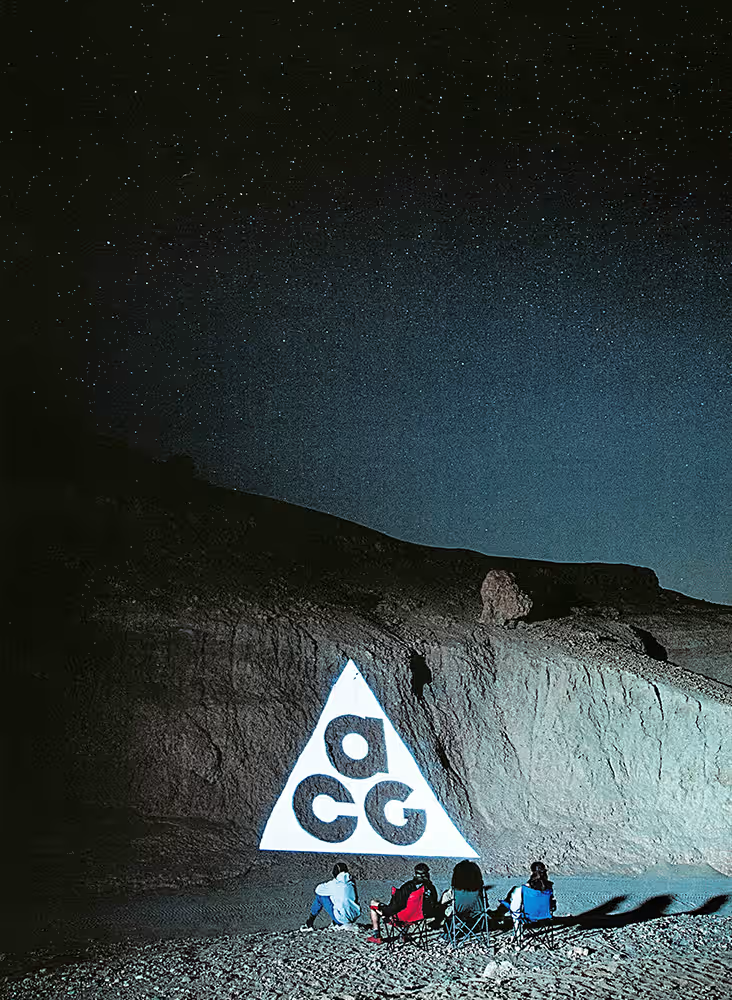
Nike ACG came with its own logos, campaigns, disruptive naming, and a visual language distinct from Nike’s mainline. ACG operated almost like an internal brand with the creative freedom often restricted in traditional categories.
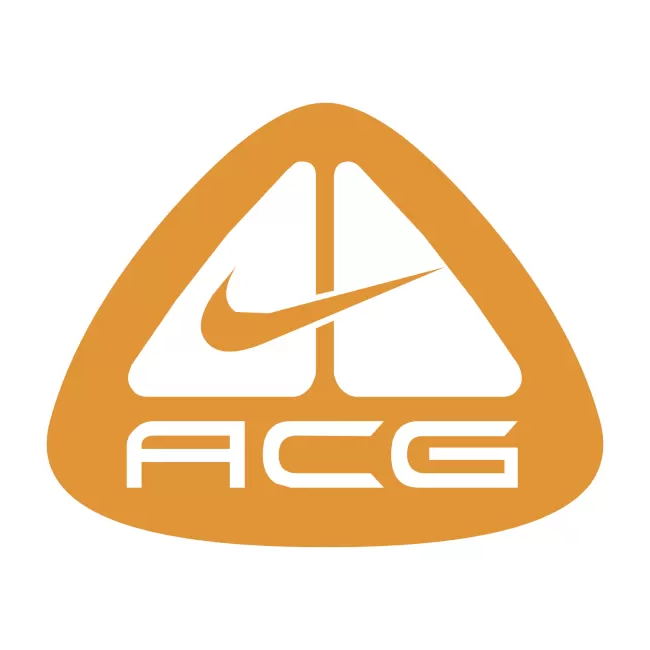
By the mid-’90s, Nike updated the ACG logo, replacing the triangle and letters with two lungs crossed by the Swoosh, maintaining the link to nature and breath.
7. Emotional Topography: ACG Naming as Cartography
Models like Rhyolite, Wailuku, and Mowabb weren’t just products—they were destinations. Even if you never went, their names took you somewhere. ACG model names created emotional and imagined geographies.
8. ACG in ’90s Hip Hop
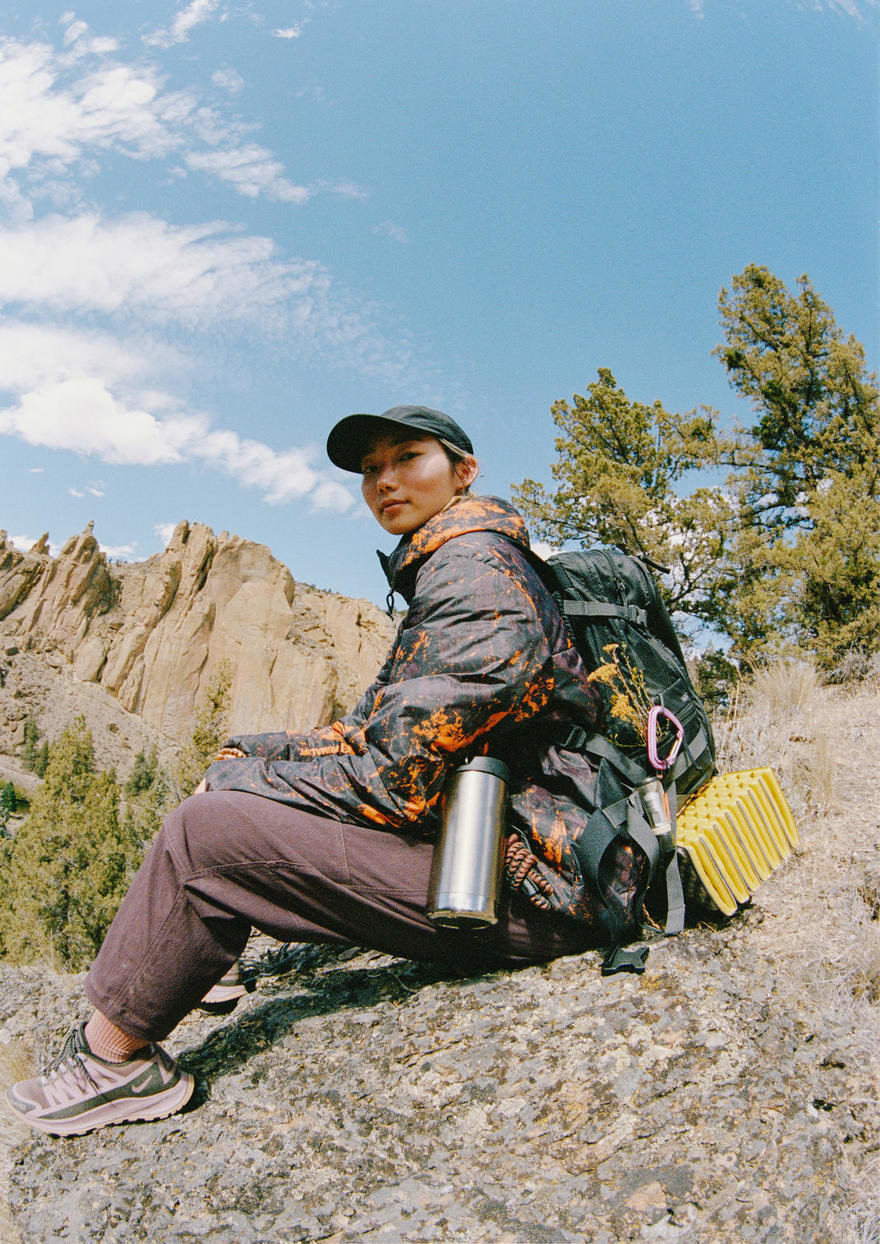
Artists like Grand Puba, James Jones, Jadakiss, Wale, and full crews from NYC and D.C. adopted ACG gear for its real-world function and bold aesthetic. ACG jackets became winter statement pieces in hip hop—designed to survive both the elements and the city.
9. Nike ACG vs. Nike Terra
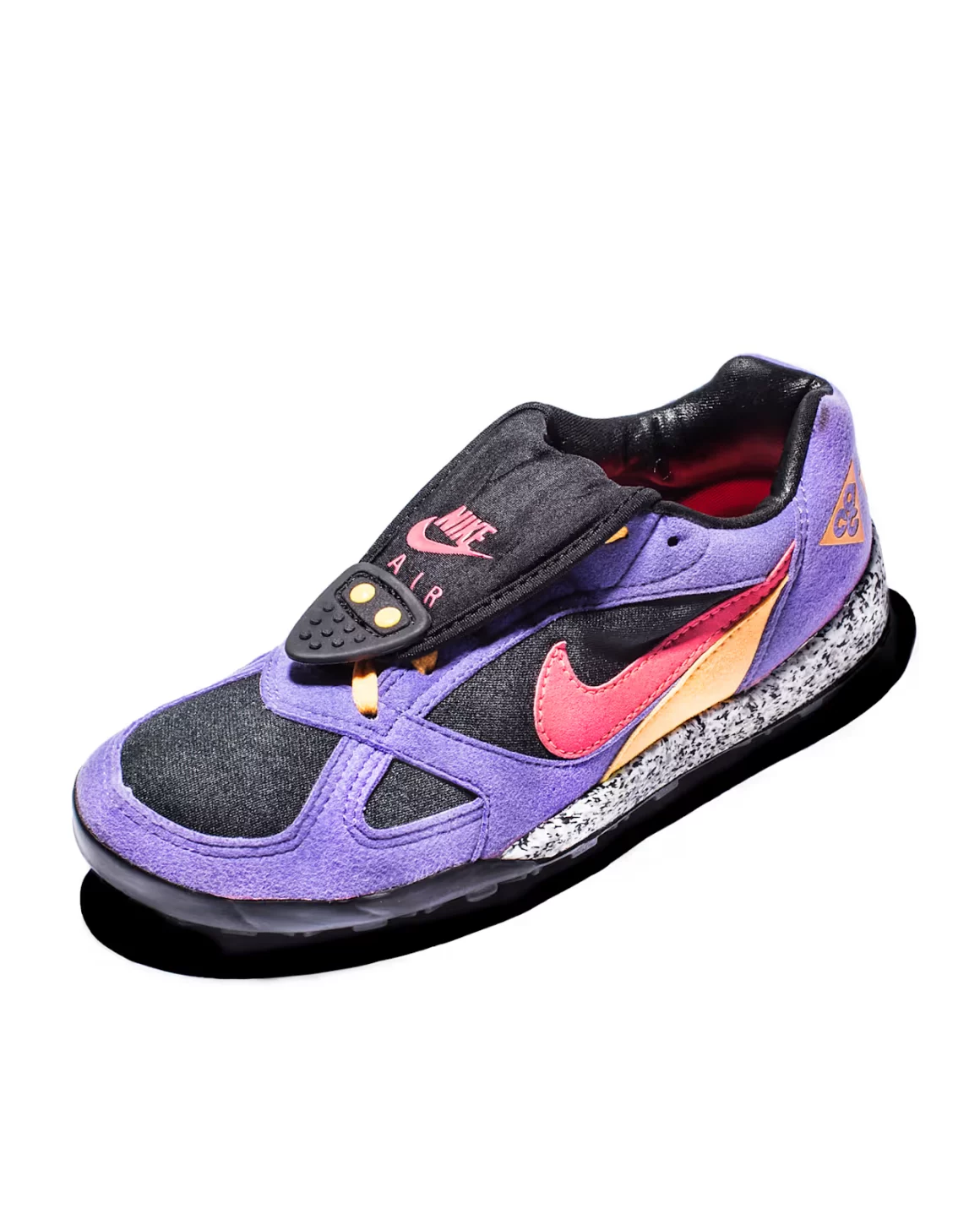
ACG’s strength has always been versatility. So when Nike began developing trail-running specific shoes, it spun them off under the Nike Terra name. Though both lines shared outdoor DNA, models like the Terra Humara, Terra Sertig, and Terra Albis were designed purely for running. The Nike Terra ACG (1991) stands as the moment the two paths diverged.
10. ACG as a Symbol of Urban Escape
Today, ACG is worn as much in cities as in forests. It’s emotional performance gear—even if you’re not leaving town, you’re dressed like you could. The look says: “I’m ready.”
11. Key Collaborations
Though less collaboration-heavy than other Nike lines, ACG has officially joined forces with some significant names. In 2022, Supreme reinterpreted ACG’s outdoor spirit through a street-infused capsule collection. In 2023, COMME des GARÇONS offered its minimalist take on the ACG Mountain Fly, while Pendleton collaborated in 2010 by applying its iconic native textiles to trail silhouettes. In 2014, Poler Outdoor Stuff infused ACG with a camping-skate aesthetic, and the 2013 Stüssy Trainerendor—while technically part of Nike SB—was for a time included within the ACG category.
Yet, the most transformative chapter came with Errolson Hugh and ACRONYM. With a background in textile innovation and tactical design, Hugh reimagined ACG as a system of wearable tools: functional closures, hidden pockets, and construction inspired by architectural thinking. It was ACG reengineered for the urban future.