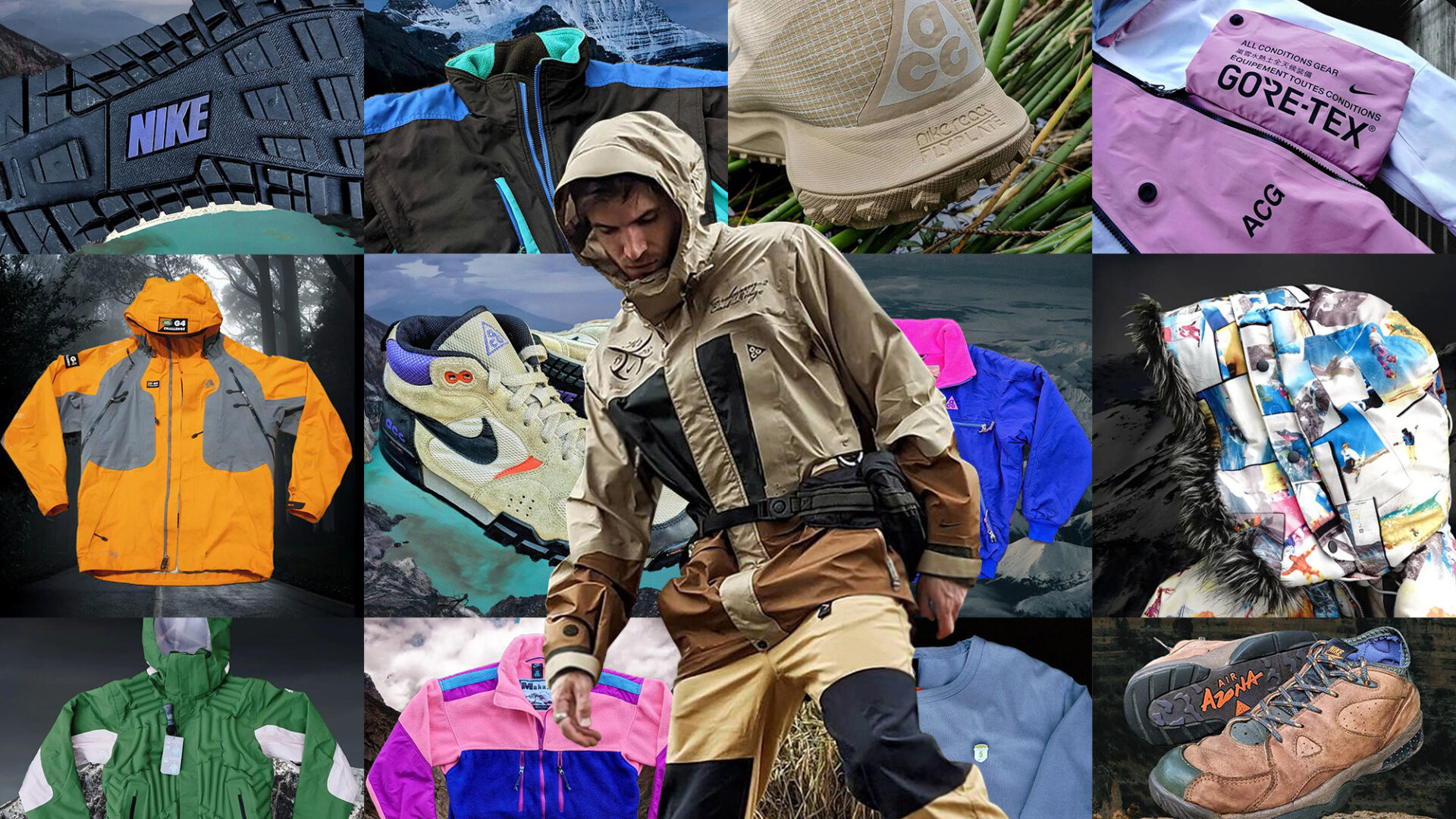
In an effort to help us get back in touch with nature, FOOTDISTRICT and Nike ACG have launched the Terra Project. While preparing for the third season, we chose the garments that will accompany us on our new adventures and discovered that they already contain many stories. To learn more about them, we spoke with @mrvlaz, the lazy side of Nike ACG Community AU (according to his definition) and an ACG historian (according to mine). Because ACG is about sun, snow, sea, mountain, and contact with nature, but someone has to tell all of those stories.
The typical profile of an ACG fan is different from that of a Nike collector. What is your personal story?
My first foray into the world of ACG came during its NikeLab era. I was very fortunate to receive the 2-in-1 System Jacket (in Summit White) 1 as a Christmas gift while visiting London in 2015, so I had plenty of opportunity to wear it for long periods outside in the cold rain and wind. I came to really appreciate how perfectly the jacket was designed for its intended urban environment, from the consideration for movement built into its articulated profile, to the accessibility of its multiple pockets, and the utility of features like its sling system and removable internal bomber jacket.
But I also associated that one product with a lot of special memories, like wearing it while meeting Arsenal FC legend Charlie George during a tour of the Emirates Stadium; he noticed the large ACG lettering on the back of the jacket and asked what it meant, before suggesting that it must surely stand for ‘Arsenal Charlie George’.
I then started a role at Nike in 2016 here in Australia, which presented a whole new world of product and resources for me to explore. As I learned more about ACG’s history and evolution I developed a very different appreciation for it, beyond just its relationship with modern techwear.
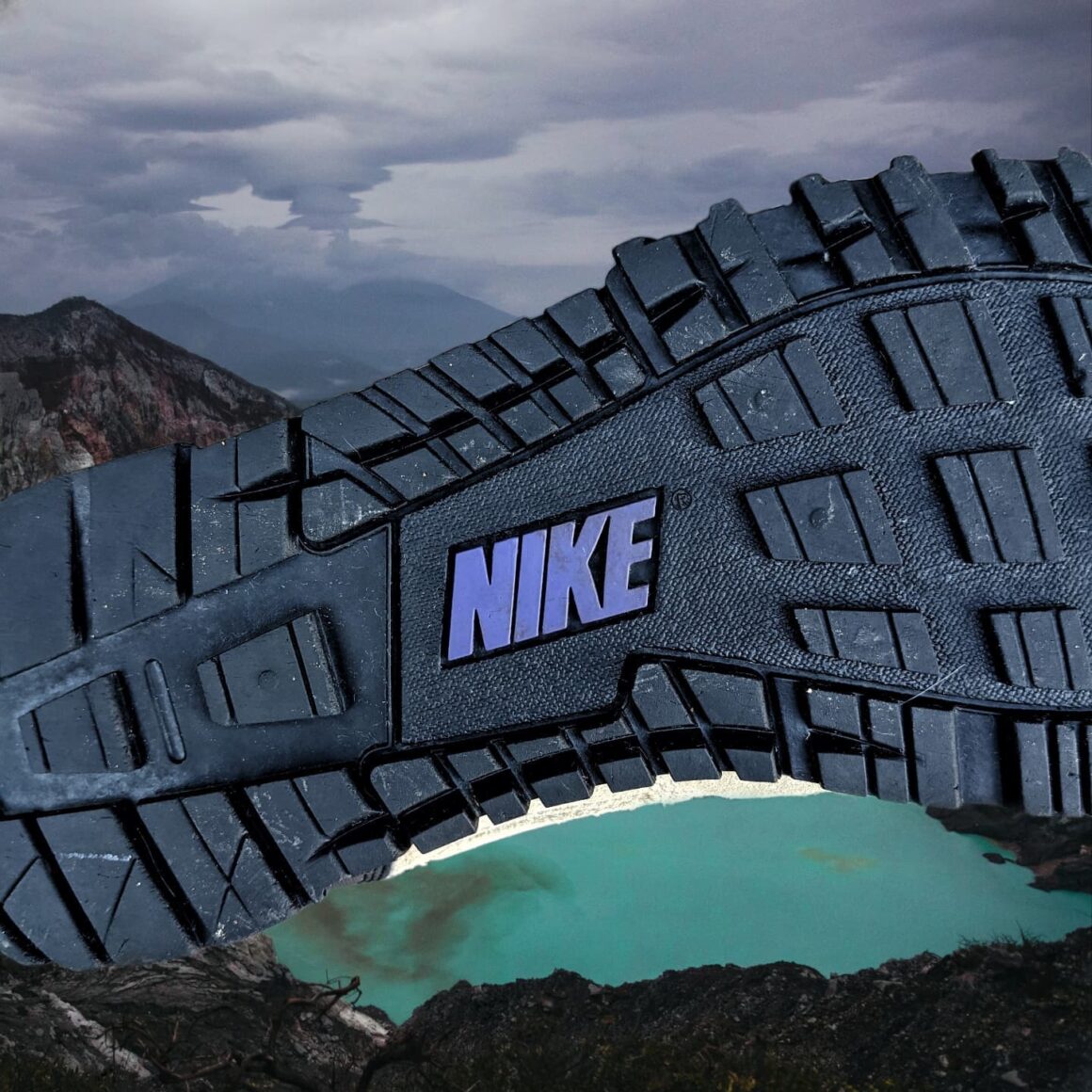
Why ACG? What makes Nike ACG unique?
I think the unique appeal of ACG is that it’s somehow both accessible and enigmatic at the same time. It derives legitimacy from the overarching Nike brand name and is indirectly advertised when famous athletes wear ACG product, but it has never been in the spotlight likethe Running, Basketball or Football categories because the concept of ‘getting outdoors’ hasno scoreboard or competitive element. Even when there is a competitive aspect – like at snowboarding competitions or trail races – the monetary figures hardly compare to major events like NBA Playoffs or FIFA World Cups, often because the outdoor sports tend to sit on the more extreme or unconventional edge of human performance. Incidentally, one ACG ad was very aware of this fact, acknowledging outdoor enthusiasts as ‘the lunatic fringe’.
So ACG has always been an outlier among the Nike categories in this sense, which in turn has allowed for a bit more creative freedom in its design processes. We definitely saw this in its early years, with footwear products like the Air Mowabb, Air Azona, Air Yewtah reflecting the designers’ humorous sides, and Amanda Briggs’ beautiful prints highlighting her innovative use of organic source materials. Yet there still remained a real seriousness and sense of purpose behind the products – the team cared about creating products that could genuinely perform in the outdoors. And this certainly makes sense when you consider that a reliable product could literally make the difference between life or death for someone stuck out in the wilderness.
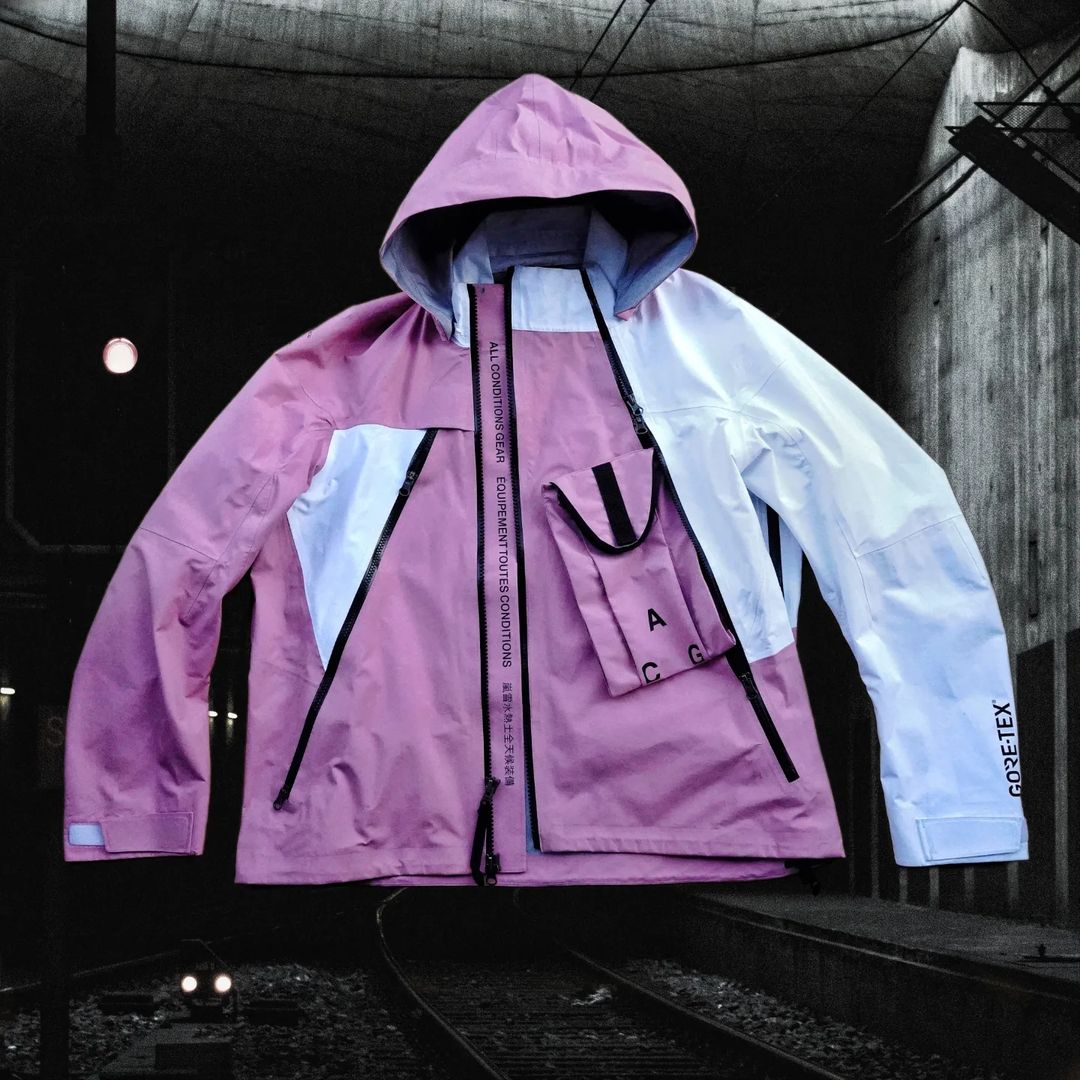
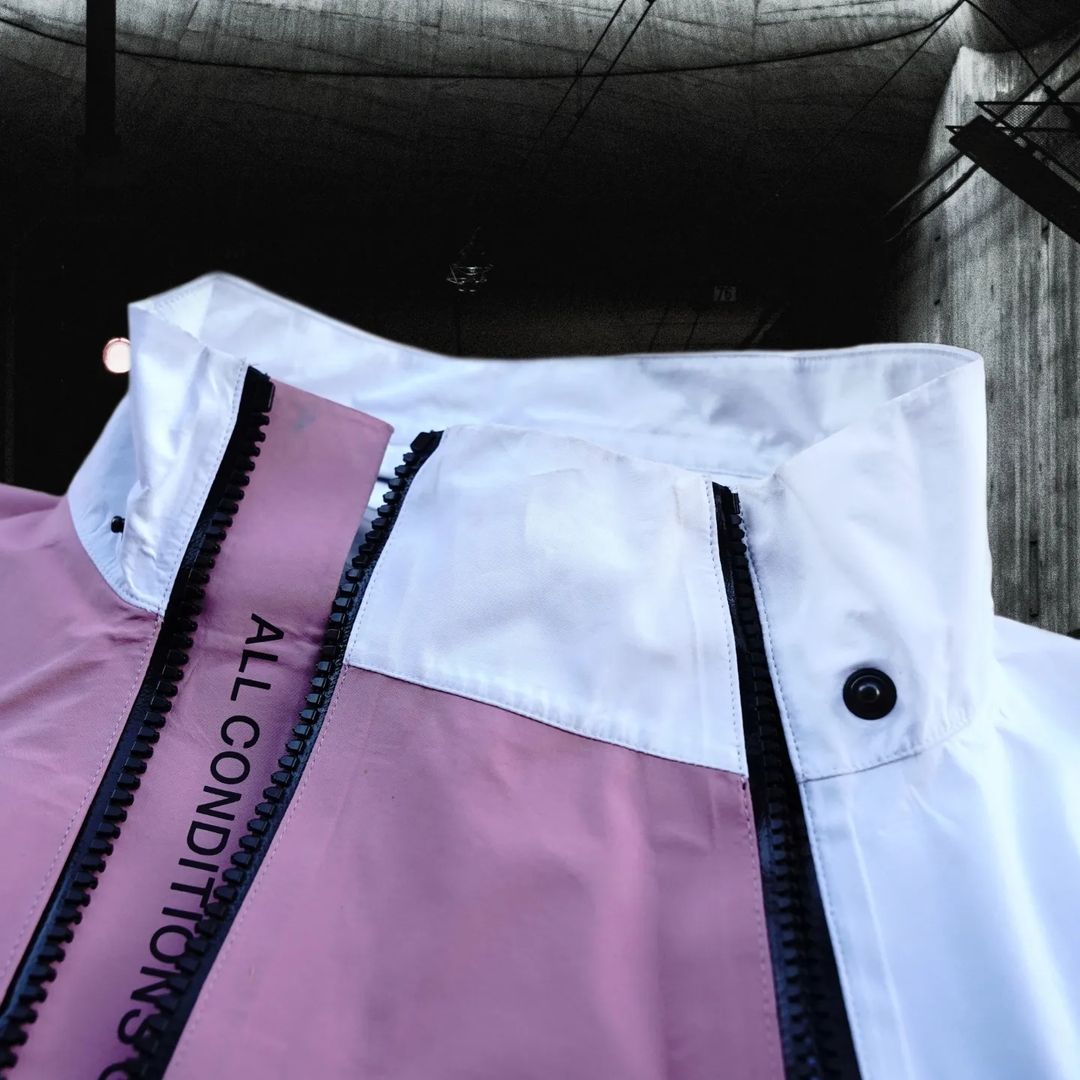

Nike ACG has had different interpretations along the way. Outdoor multifunctional in the 90's, urban and hip hop related a few years later, hyper-technical in the early 00's, Considered, NikeLab ACG… Why do you believe it has changed so dramatically over time? What is your favorite ACG stage?
ACG has experienced what I would describe as an identity crisis throughout its lifetime, and I think this partly comes down to the label not having a comfortable place to settle in the market. Initially, one of the challenges of being a relatively newer and smaller category at Nike was that it was difficult for ACG to establish itself as a serious player in the outdoor game. Other brands were already deeply established in this market and people had understandably developed trust in them over time. So even though ACG may have also been offering highly functional and reliable products, stores would have found it difficult to push to consumers with loyalty to other existing companies.

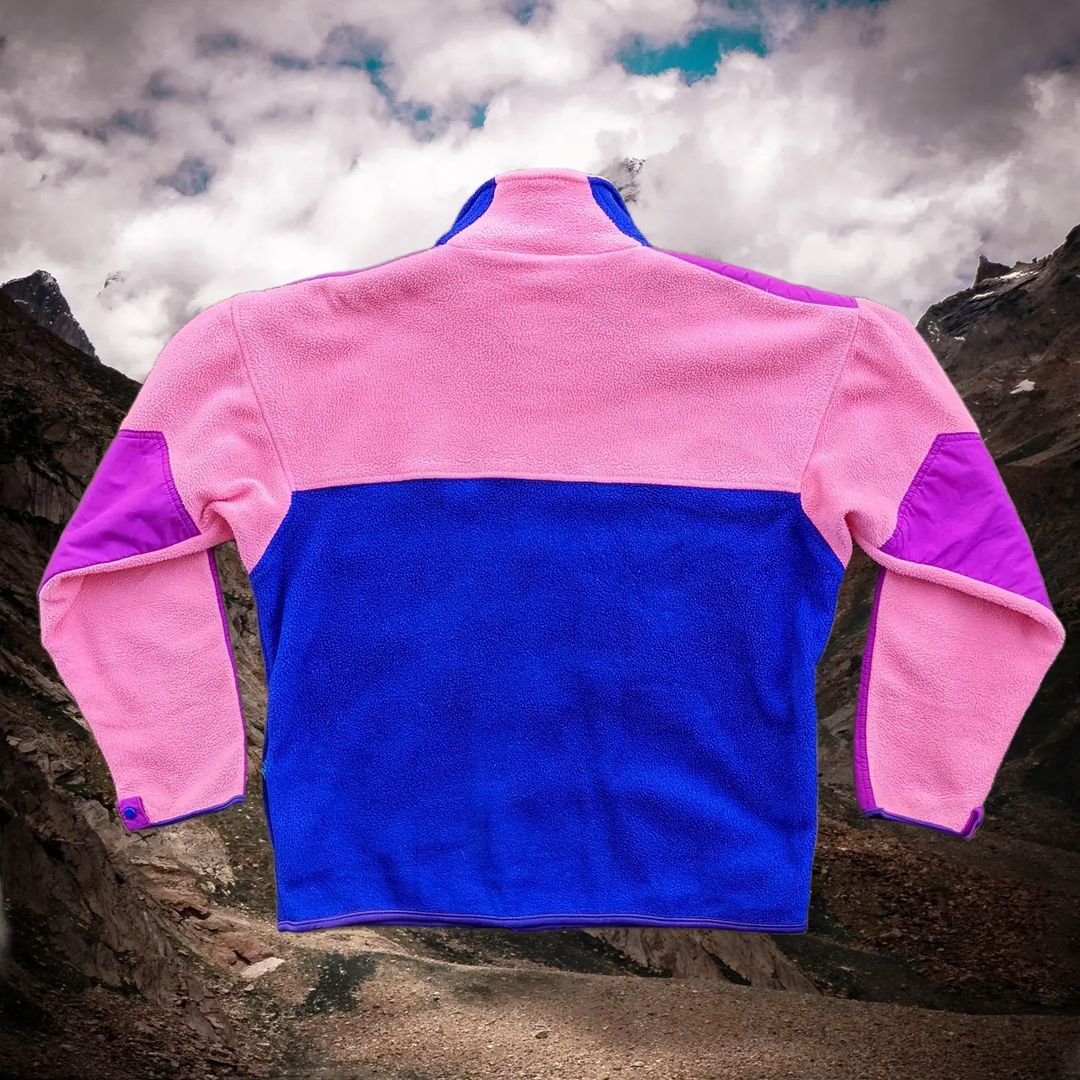
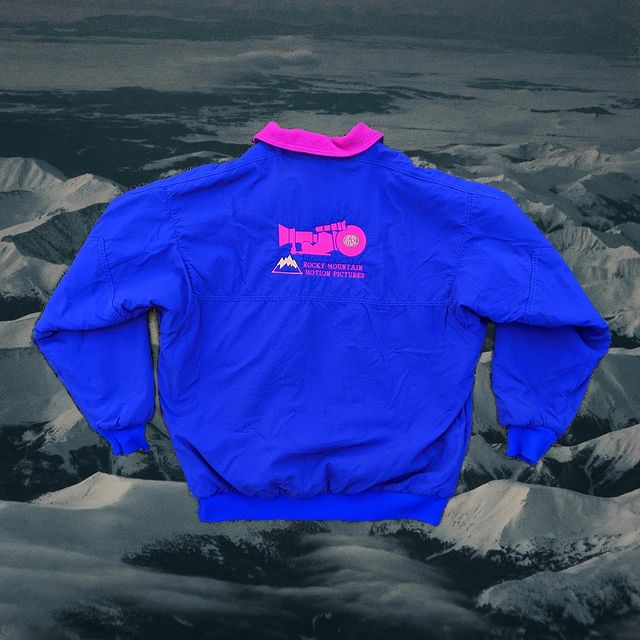
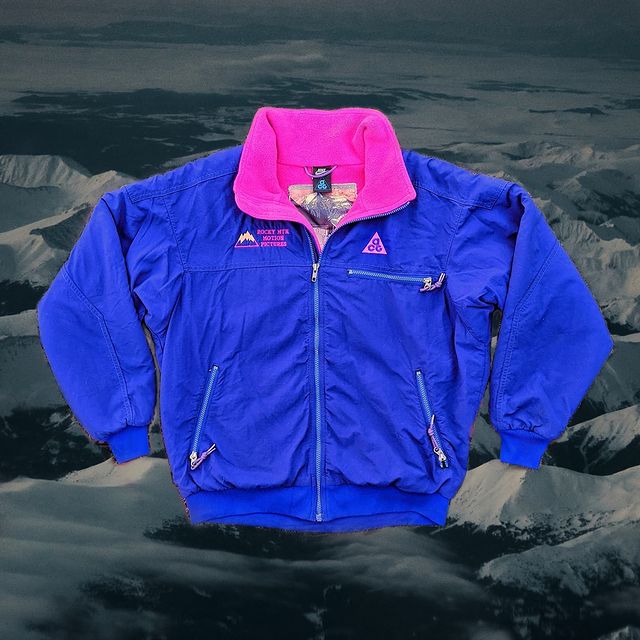
At the same time, I think the changes in ACG’s interpretations speak to the label’s adaptability to changes in market interests. Early on there was definitely no shortage of trend research, which informed decisions like the brightly coloured apparel ACG produced in the early ‘90s and the ‘brown shoe era’ that followed. However, as noted in my previous response, ACG has never really taken priority as a category at Nike, and so it’s likely that periods with relatively basic ACG product were a symptom of smaller budgets.
It’s difficult to choose my favorite era as they all have a role in ACG’s legacy, and each has produced amazing products. For apparel, I would say the original 1989 and early 1990s collections – the ‘postcard’ fleeces have this indescribable nostalgic feel to them, and that era of ACG product was also largely responsible for Nike’s suite of Functional Innovative Technology (F.I.T.) systems that naturally expanded to every corner of Nike apparel. For footwear, the early 2000s period strikes the most interesting balance between aesthetic and technical design for me. Models like Peter Fogg’s inimitable Zoom Tallac GTX were such a distinct evolution from the bulky and heavy materials of the ‘90s, and really a marvel of product design given the technological limitations at the time.
How would you characterize the present stage among all of these?
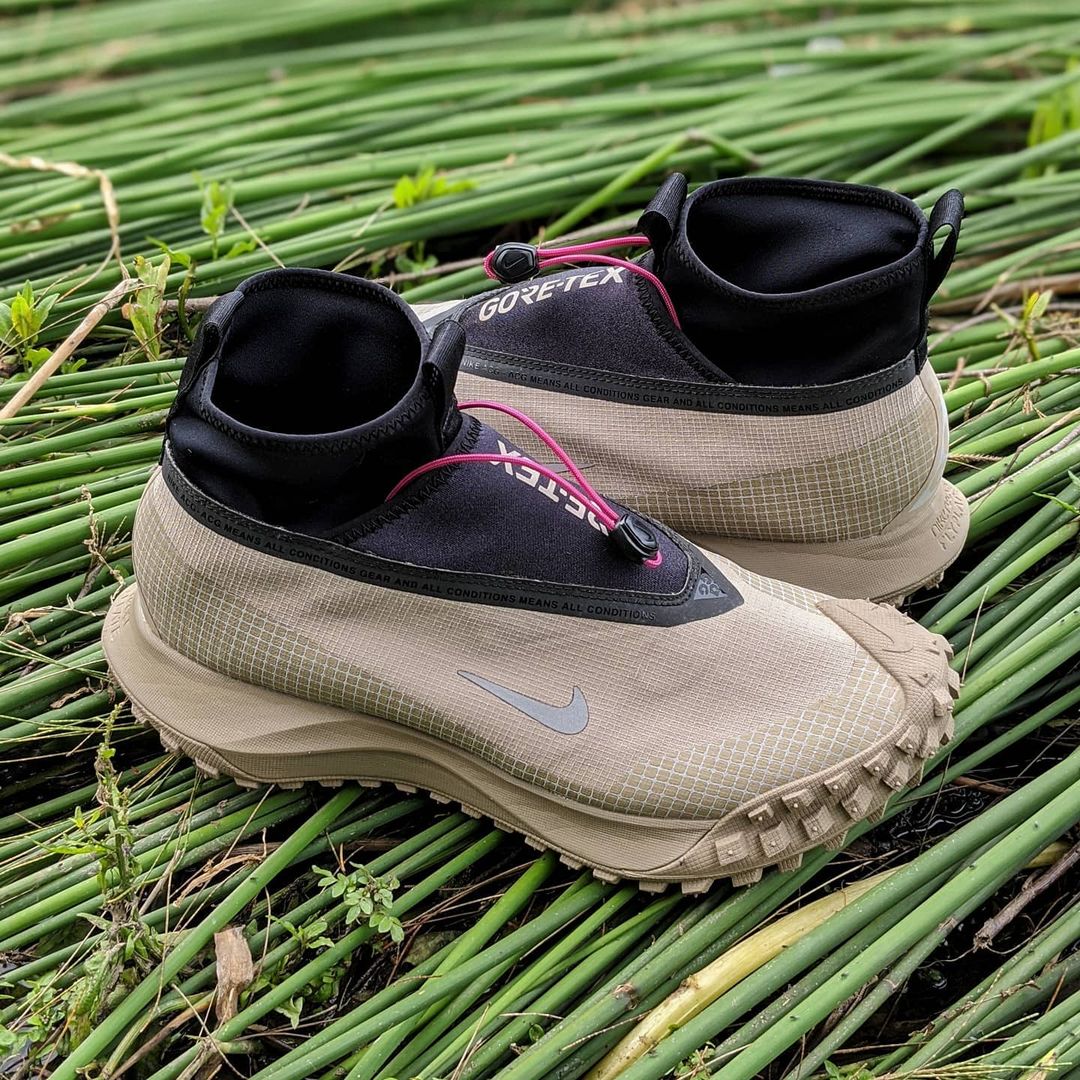
I think recent ACG seasons have attempted to appeal to a much broader consumer demographic through three approaches: the lifestyle angle, with items like Therma-FIT hoodies and basic tees; the performance angle, through flagship technical pieces like the Misery Ridge jacket and Mountain Fly GTX; and the nostalgia angle, through retro products like the Moc, Air Deschutz, and Air Mowabb. From a marketing perspective this is a smart approach, as it makes ACG far more accessible at different price points and accommodates the different degrees of outdoor enthusiast, from ‘I might leave my house today’ to ‘I’m doing a 40km hike in the middle of nowhere this weekend just for fun’.
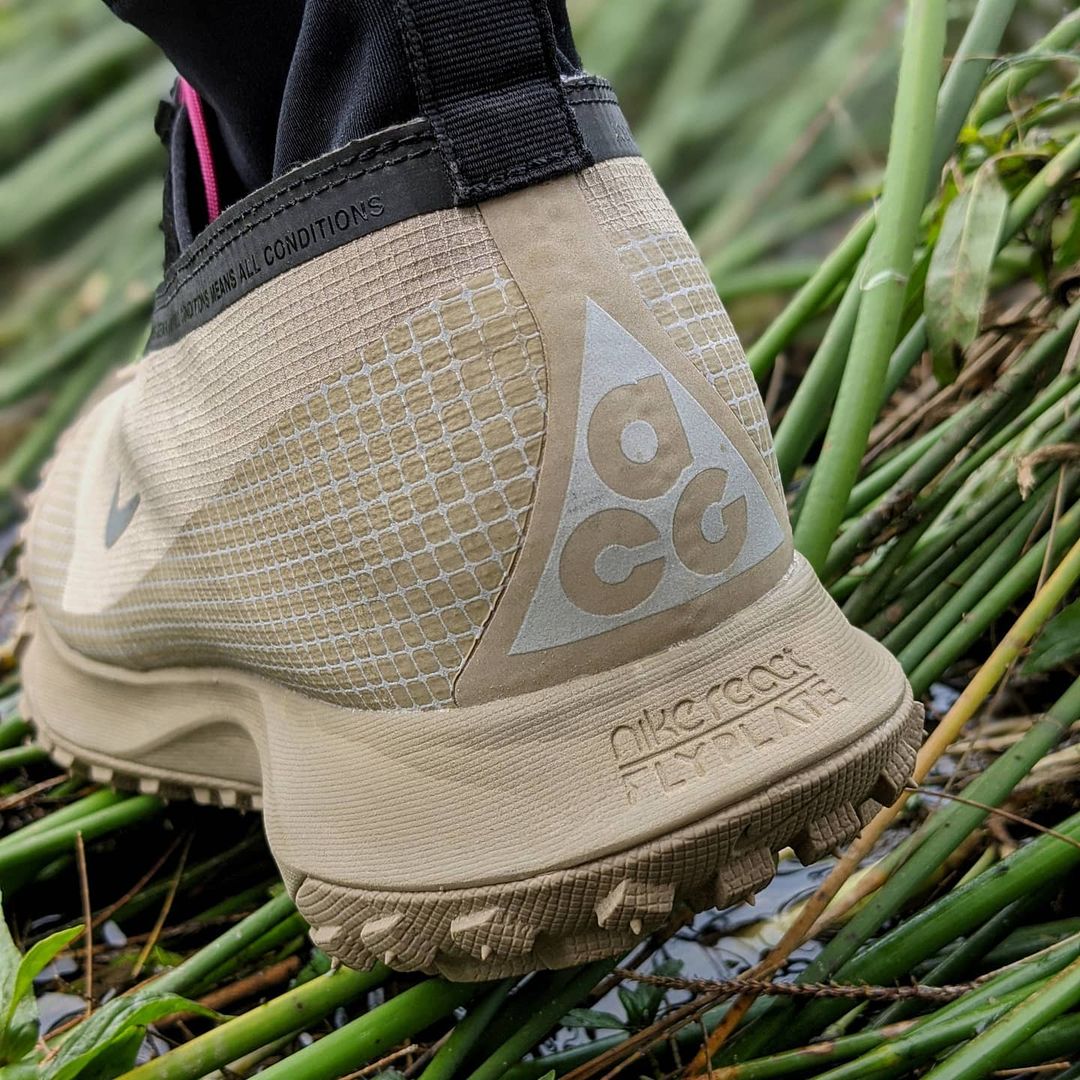
ACG has remained in a secondary position in the 90s edition wheel and even in collecting. Why do you think this has been the case?
The most basic factors here are the limited availability of ‘90s ACG product and the associations people have with that product. Compared to vintage models like Jordans, Dunks,Air Force 1s, or vintage Nike tees, there is a very small market and very little information published online relating to ACG product, particularly from before the 2010s. Sellers on sites like eBay often list products simply as ‘Vintage ACG jacket’ or something similar, which naturally makes the process of collecting more difficult. On the flip side, many would argue that this is part of the appeal of collecting – the process of digging until you find the exact product you’re searching for.
But there is also very little hype – artificial or otherwise – around ACG product in the same way that there is an entire mainstream culture of collecting Jordans, or vintage Nike tees.
Collectors often associate these products with certain events, like a famous Michael Jordan shot or a particular Cascade Run Off race. ACG product tends not to have that association with anything for most people, expect maybe previously sponsored athletes.
Your Instagram serves as an example of a product that is hard to find and, more importantly, of untold stories. Why do you think their stories remain hidden? How is the procedure for finding details about each product?
Unfortunately, there is almost zero information about ACG product that is publicly accessible on the internet. With the exception of a few recognizable models like the Air Mowabb, Caldera, or Zion, for example, it is practically impossible to identify most models through basic searching. In my case, I previously had the benefit of access to certain Nike resources relating to ACG products, but in the absence of those resources my approach is typically the same as any open-source researcher – I begin with some formative keyword searches online and go from there.
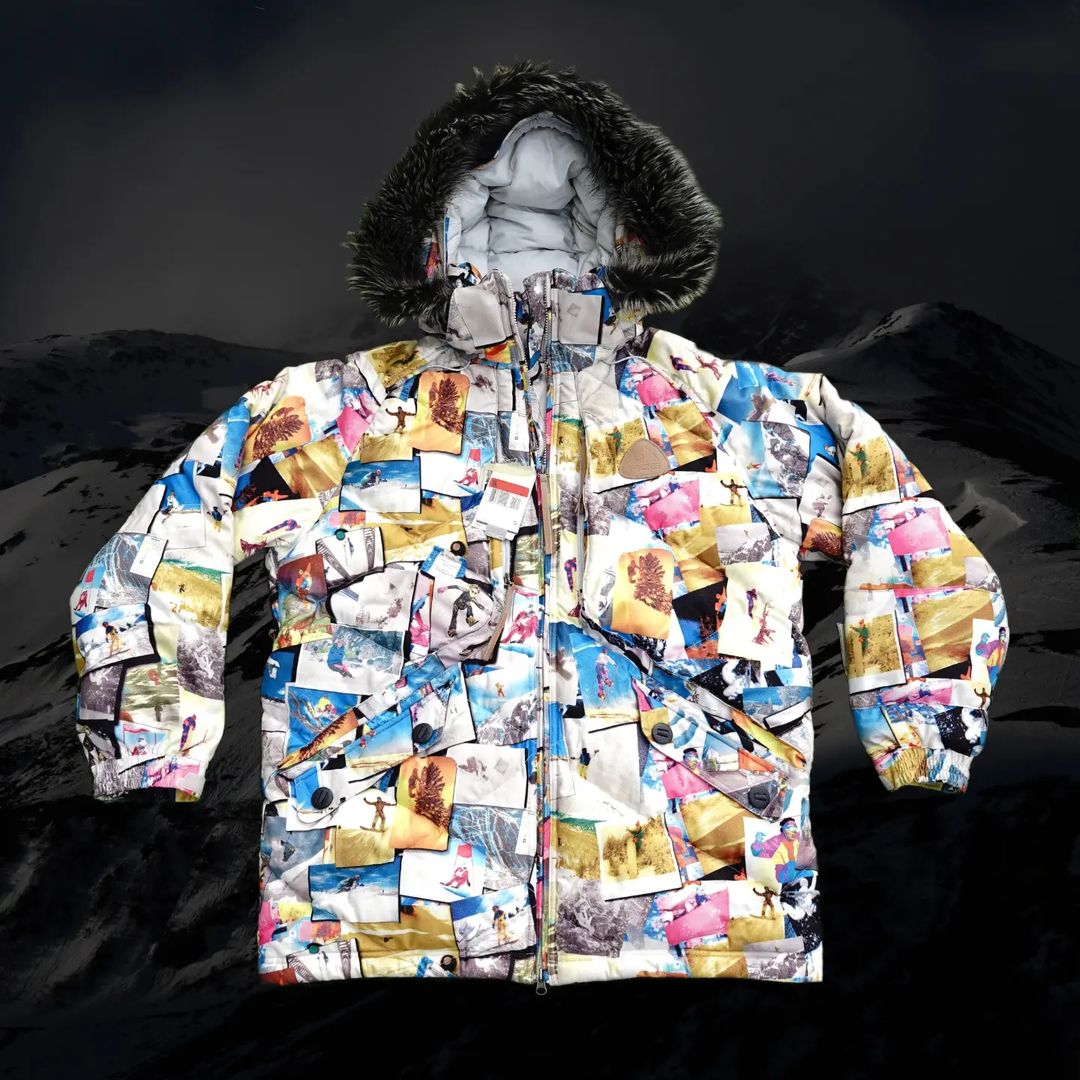
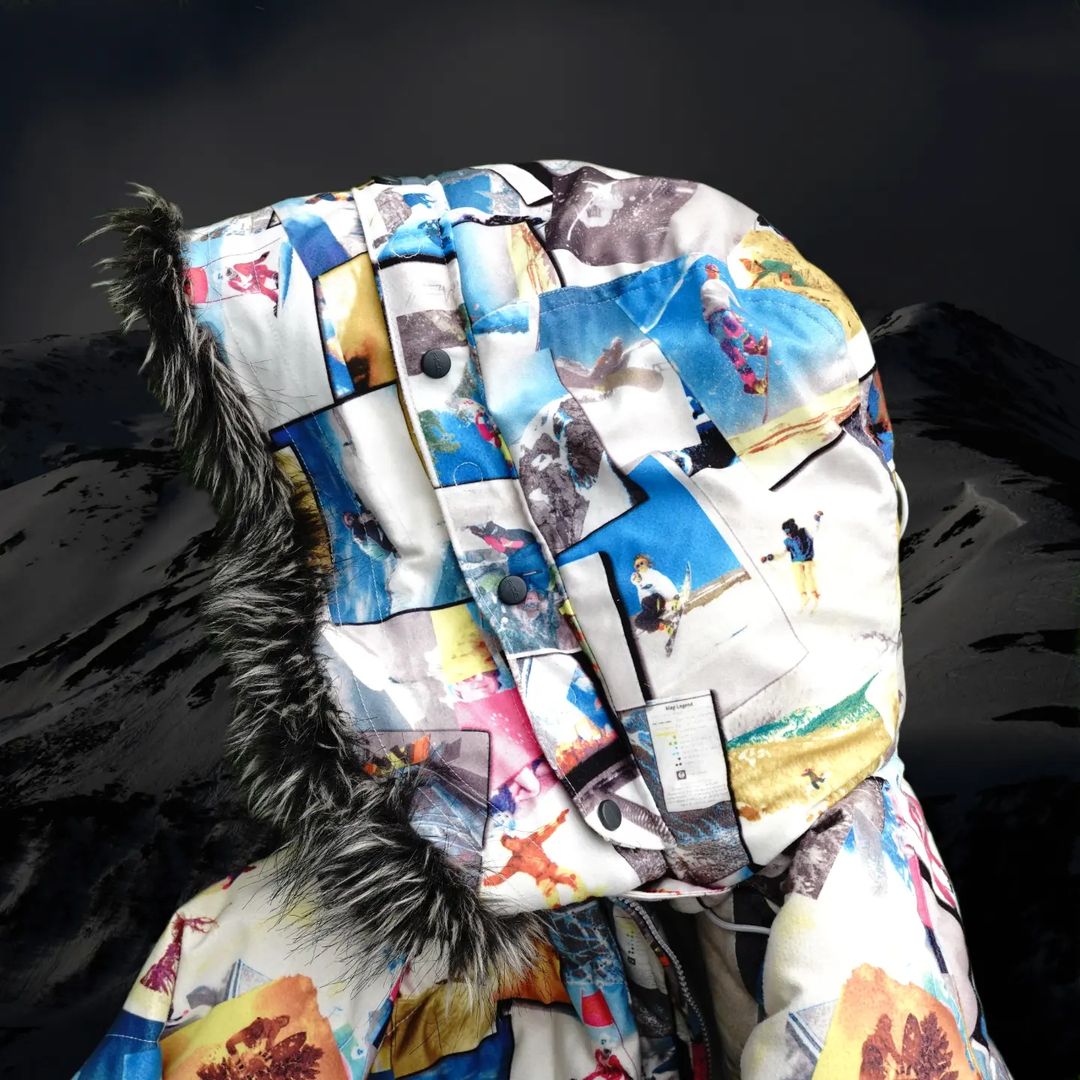
Patience plays a big part in this process, as I often have to piece together different elements of information from multiple different sources. For example, I might find an image of a ‘90s ACG shoe on the late Gary Warnett’s Gwarizm blog, then find the technical details of the same shoe in an issue of Backpacker Magazine via Google Books, and then discover a personal review of the shoe on a random trail running forum somewhere.
It’s kind of like those ‘evidence walls’ you see in crime shows where an obsessive detective is trying to figure out the suspect of a crime by connecting all the pieces with a bunch of red string. Except I’m just trying to confirm if this old brown hiking shoe came out in 1994 or 1995, and my only source might be a magazine that mainly sells fishing accessories. But it’s a rewarding process.
What is your favorite piece of clothing? And sneaker?
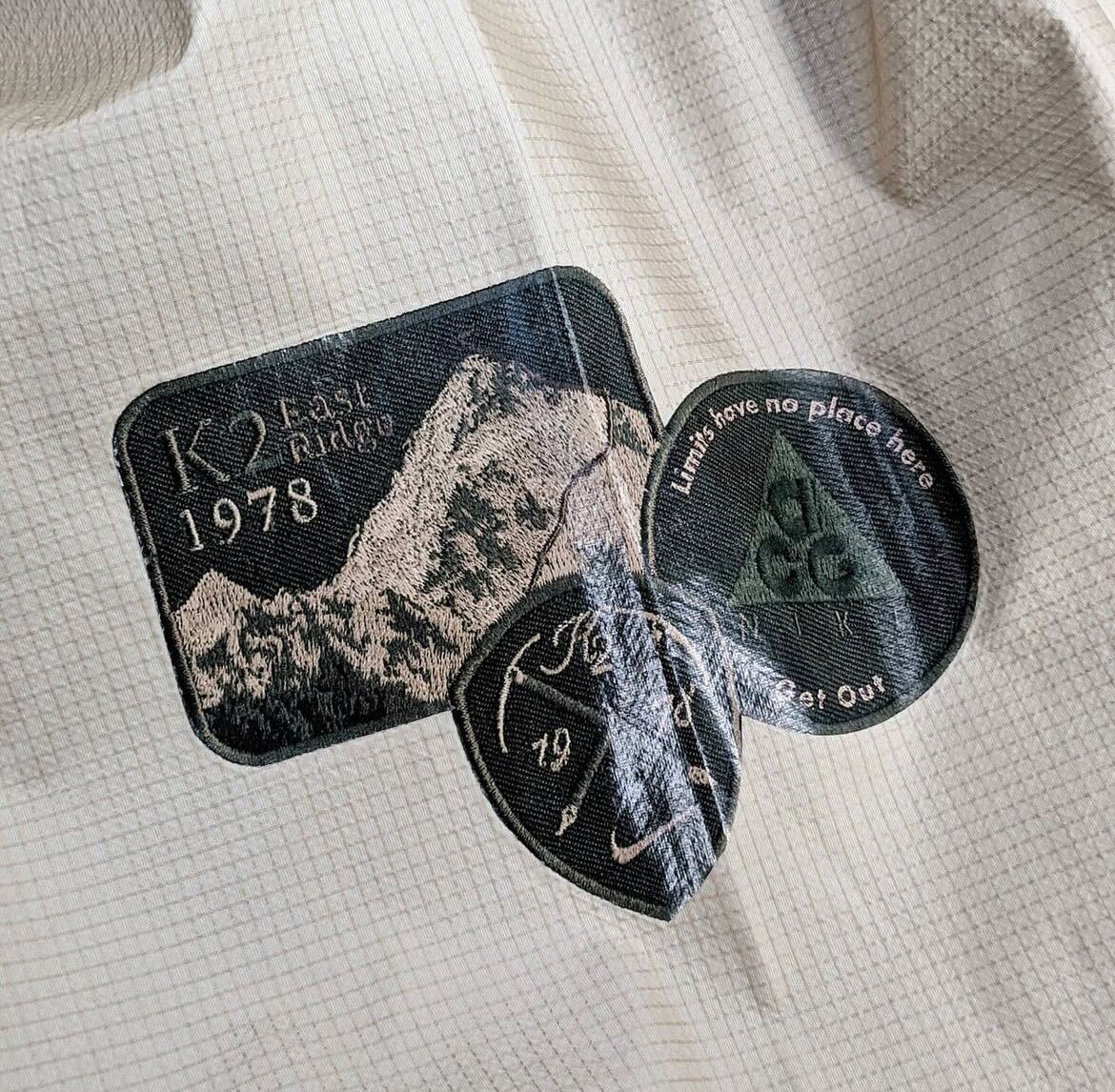
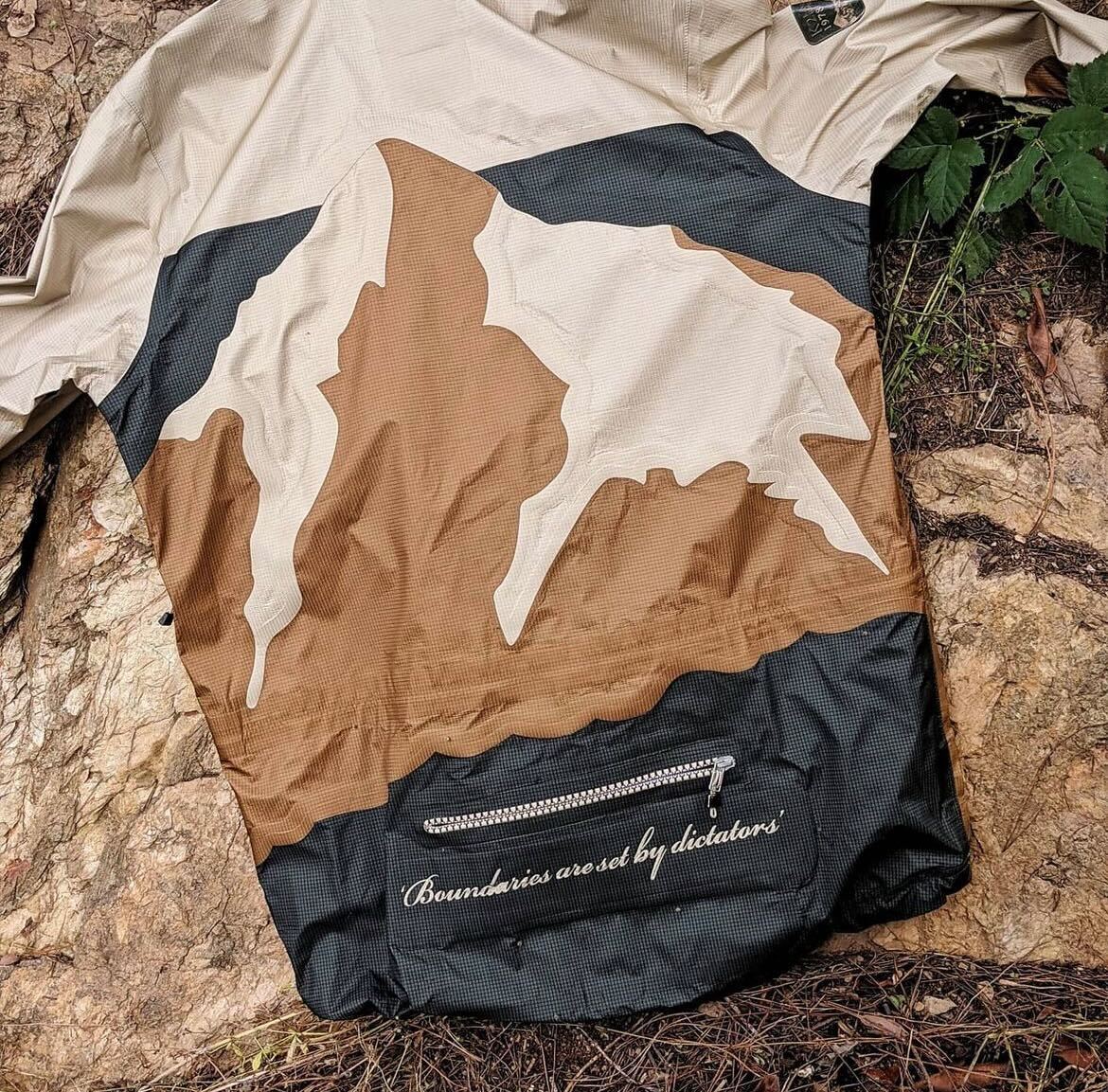
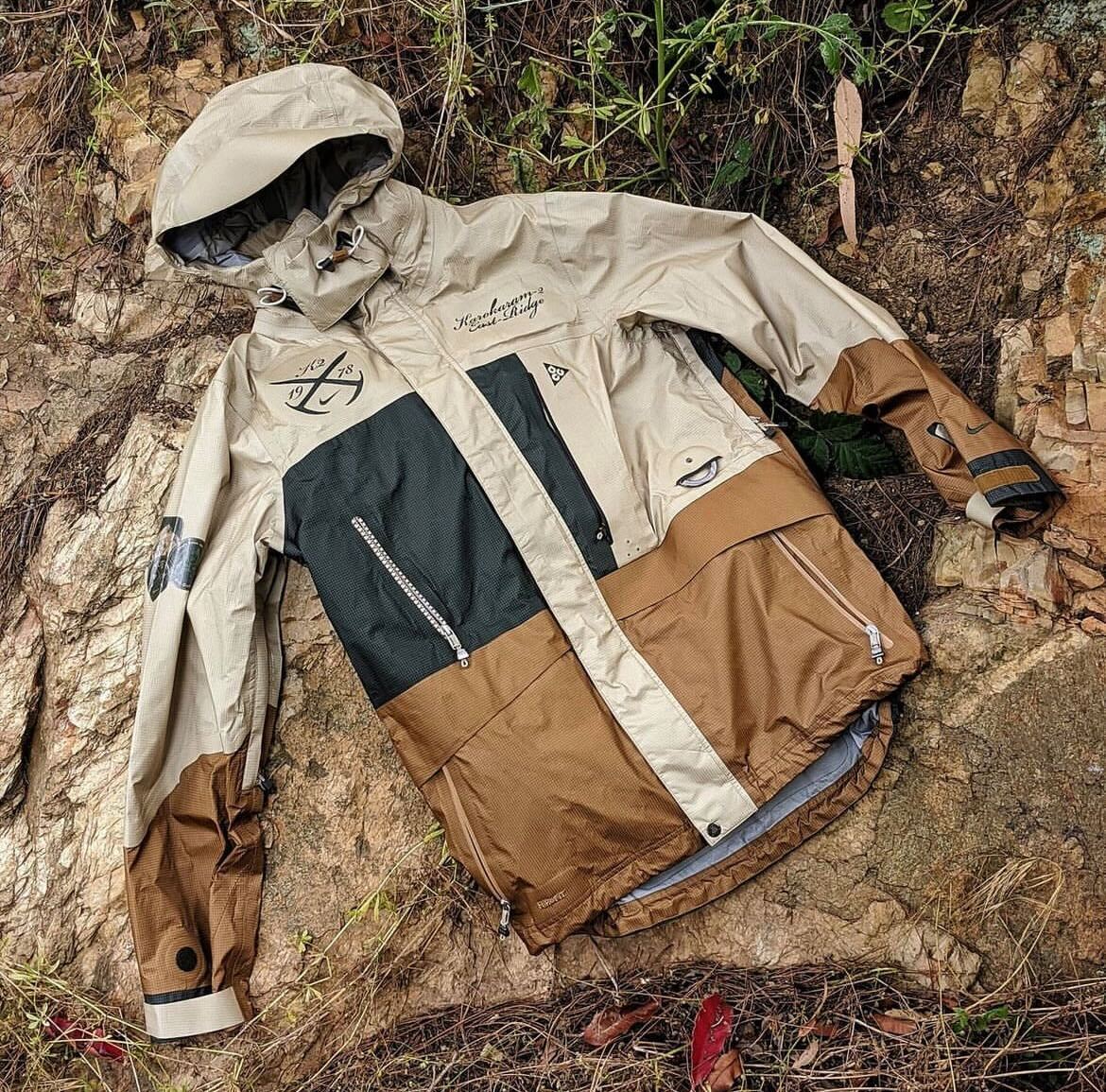
I am partial to the 2015 NikeLab ACG System Jacket because it was my first ever ACG piece, but I really love the 2009 Expedition 3-Layer Jacket 4 – the combination of earthy colours, countless technical features, and immediate references to the 1978 K2 expedition that set the foundation for Nike Hiking and eventually ACG are such a perfect representation of everything ACG means to me.
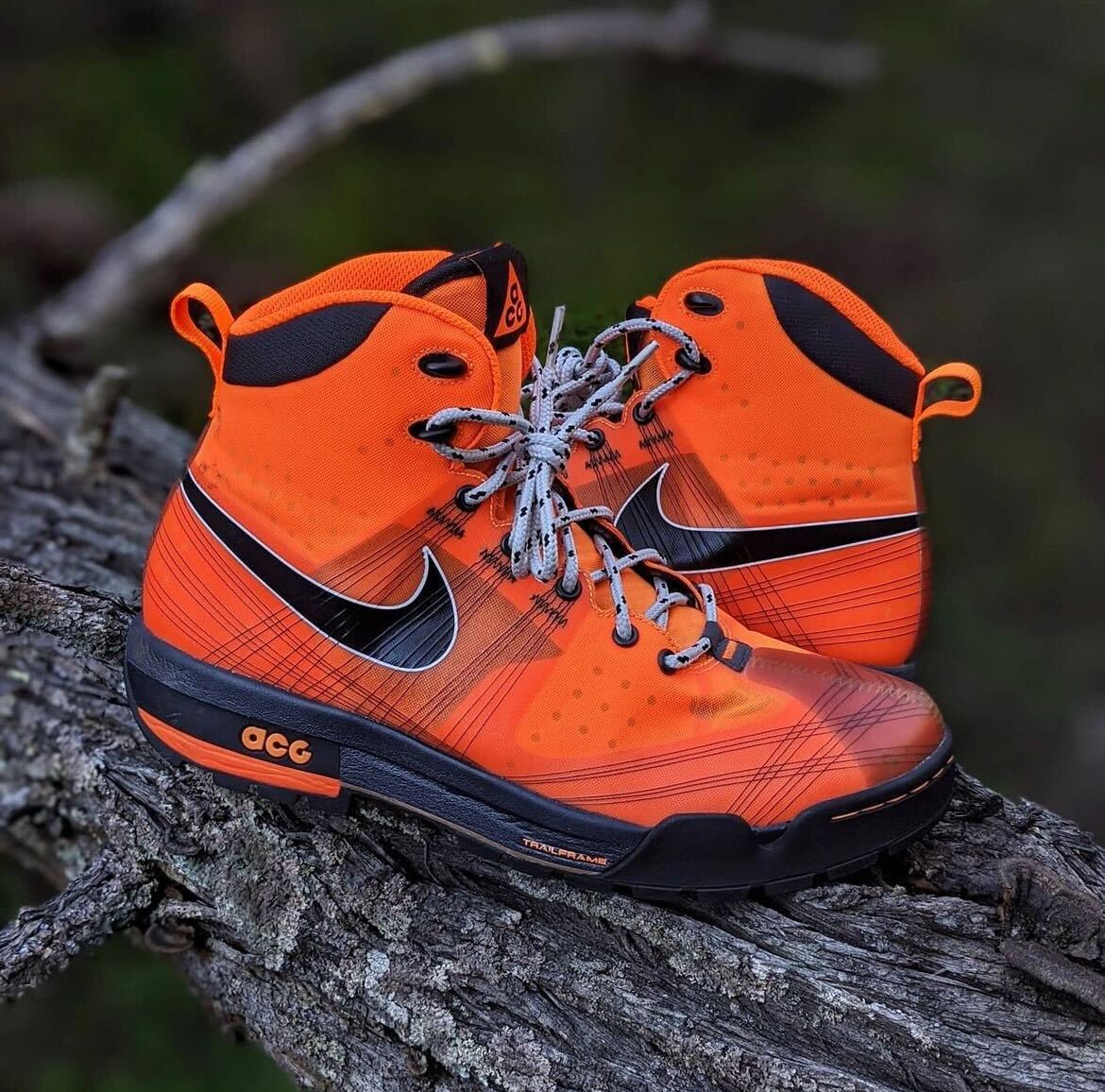
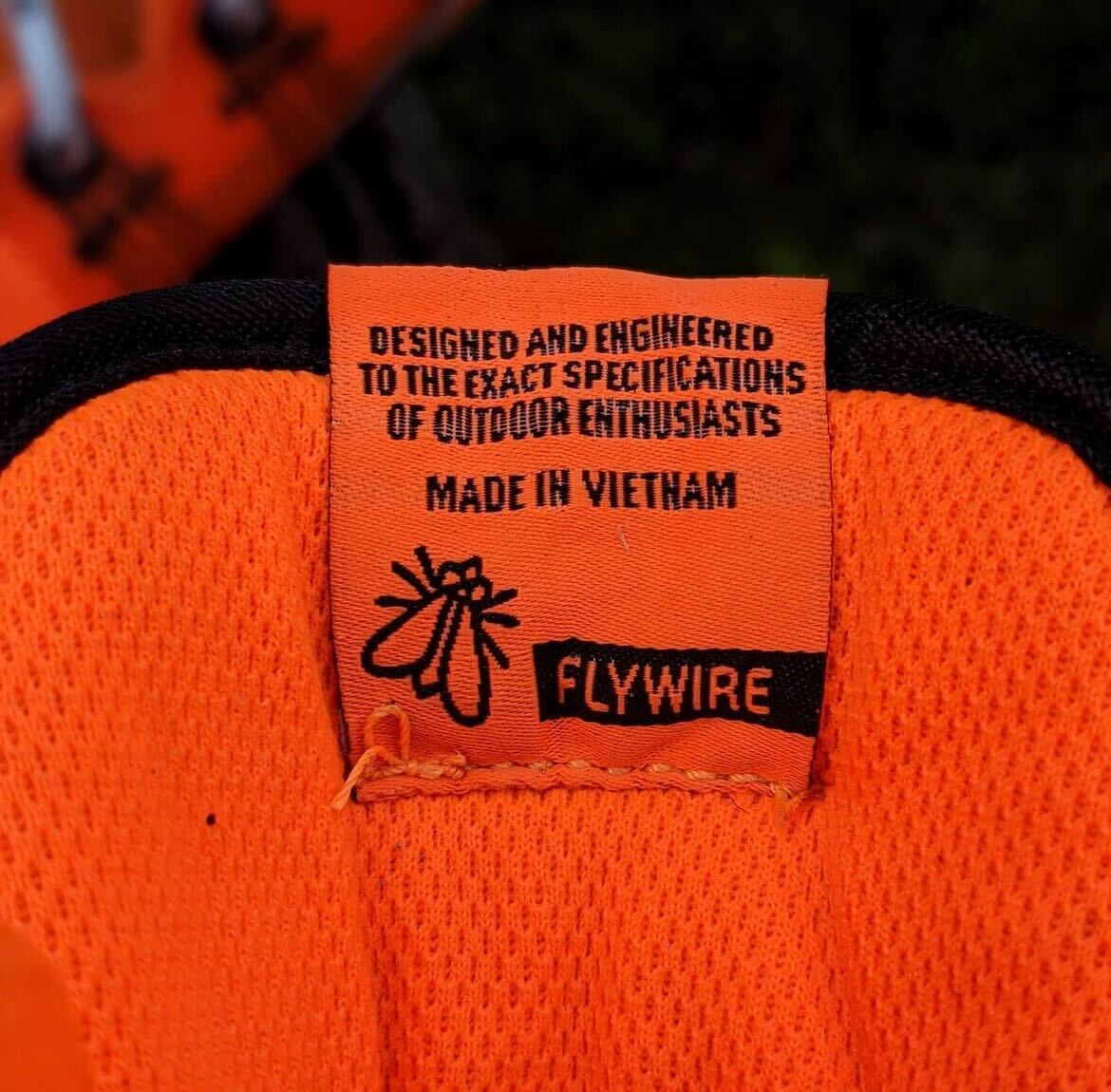
Footwear is a tough choice, and I would probably have to stretch it to a broader answer: Peter Fogg’s ACG design collection. Models like the Zoom Tallac GTX, Zoom Ashiko, Air River Spike, and so many others (including trail models like the Air Humara and Air Terra Sertig) were made with such a specific design intent yet still captured the creativity and boldness of the early ACG days, taking inspiration from everywhere – animal anatomy, racecar design, caution signs, you name it. 5 It’s fascinating to see a product where the designer’s personal interests and experiences are translated so perfectly into something capable of performing in extreme conditions. I have many of Foggy’s designs in my collection and I value them as both tools and pieces of art.
How do you see ACGs future?
Looking at its varied history, I think ACG could take any direction from here. I’m very curious to see what technical innovation will be incorporated into the performance-oriented product in the near future.
I believe there is a lot to be learned from ACG’s internal product archives, not just to determine which models deserve a retro release, but also to understand where previous technologies can potentially be revived. The recent Oregon Series revival is certainly promising, and I hope this points to a deeper dive into that early 2000s era when lightweight and highly technical product was ACG’s driving force. I also know I am not the only person who would love to see more exploratory footwear, perhaps with Vibram outsoles as seen on older models like the Air Teewinot and Air Cinder Cone.
I am also really excited to see how the ACG community – especially here in Australia – evolves and continues to contribute to ACG’s identity over time. There is a growing number of people passionate about both ACG and the outdoor environment for which it is designed, and I think the shared experience and feedback from these events could genuinely help inform what ACG brings in the future. It would be amazing to see an Australia-themed collection to complement the other global locations explored so far.
The Nike ACG collection can help you get ready for the upcoming Terra Project season.