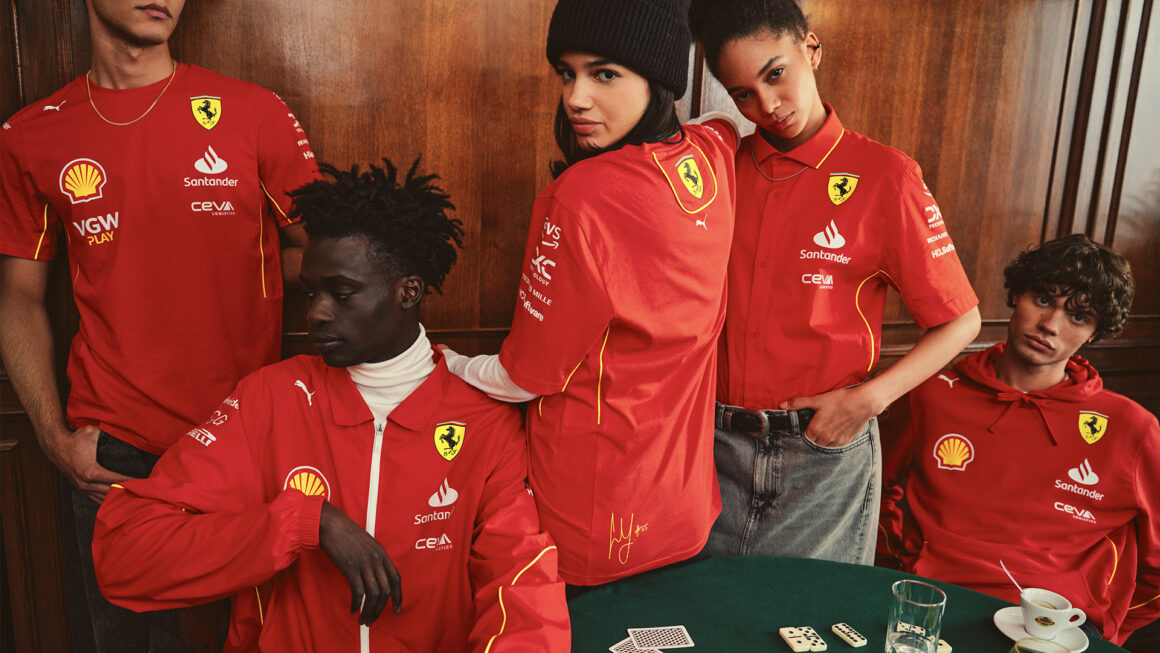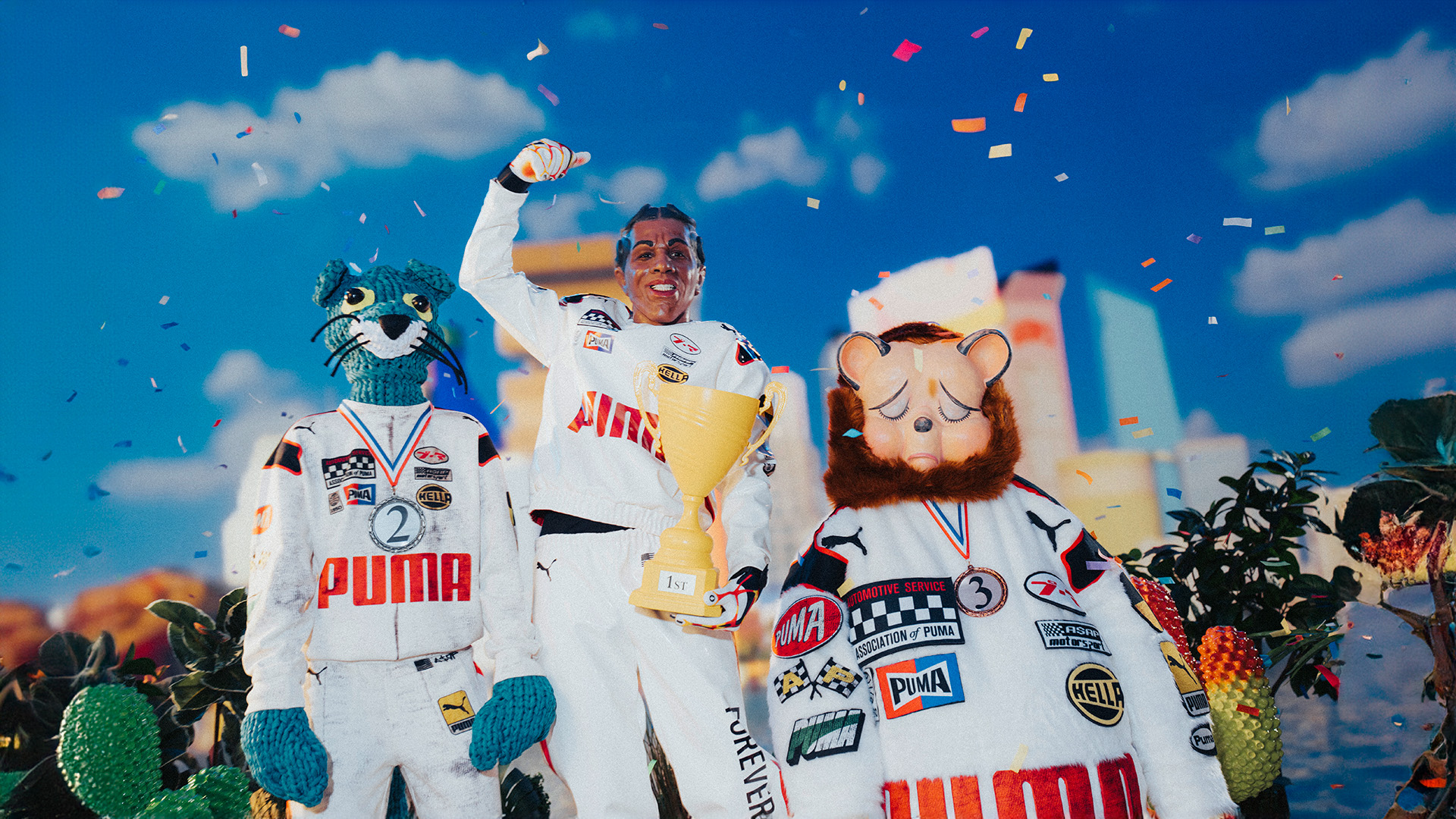
Motor racing has evolved its own style over time, which has occasionally found its way onto the streets.
Sometimes a product designed specifically for a situation can change context, breaking down functional barriers and becoming a sociological, even cultural, piece. Sport is, in general, a source of new designs that must be tailored to specific contexts. Only in some cases are they able to broaden their range of action; basketball, skateboarding, and tennis have introduced their styles to a wider audience. They are usually sports in which the admired protagonists are fully visible and relatively close to the audience.
Motorsport is in the opposite place, the drivers are far from the public, who only have seconds to appreciate a helmet, their clothes and shoes are designed for extremely unique situations, high temperatures, and with the obligation to be fireproof, needs that the common of mortals do not need. However, motorsport has managed to create some essential silhouettes to understand casual footwear.
Driving shoes
In 1963, artisan Gianni Mostile solved a problem for Italian high society, who enjoyed driving but did not want to damage their shoes. Mostile created shoes specially designed for driving, inspired by classic loafers, without soles and with small rubber pods to maintain grip on the pedal.
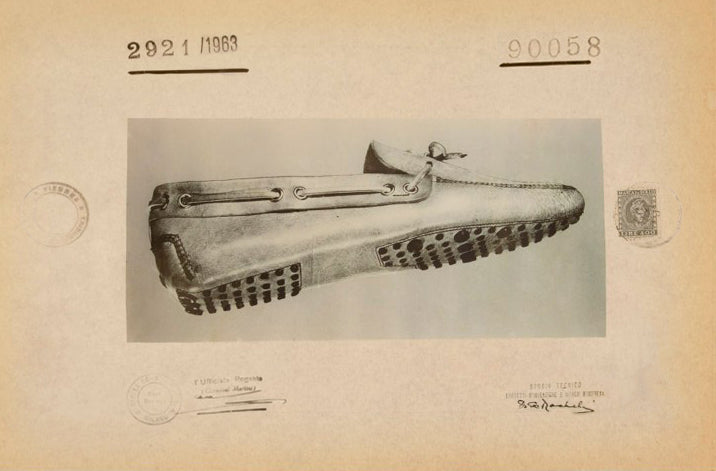
His shoes were perfect for driving, but they also sent a message: they were a luxury item that only those who drove for pleasure could afford. Mostile called his brand Car Shoe and six decades later it is part of the Prada group and maintains the same ideas. The silhouette of a moccasin with rubber pods transcended the brand itself and today is used as a basic.
Francesco Liberto, Ciccio
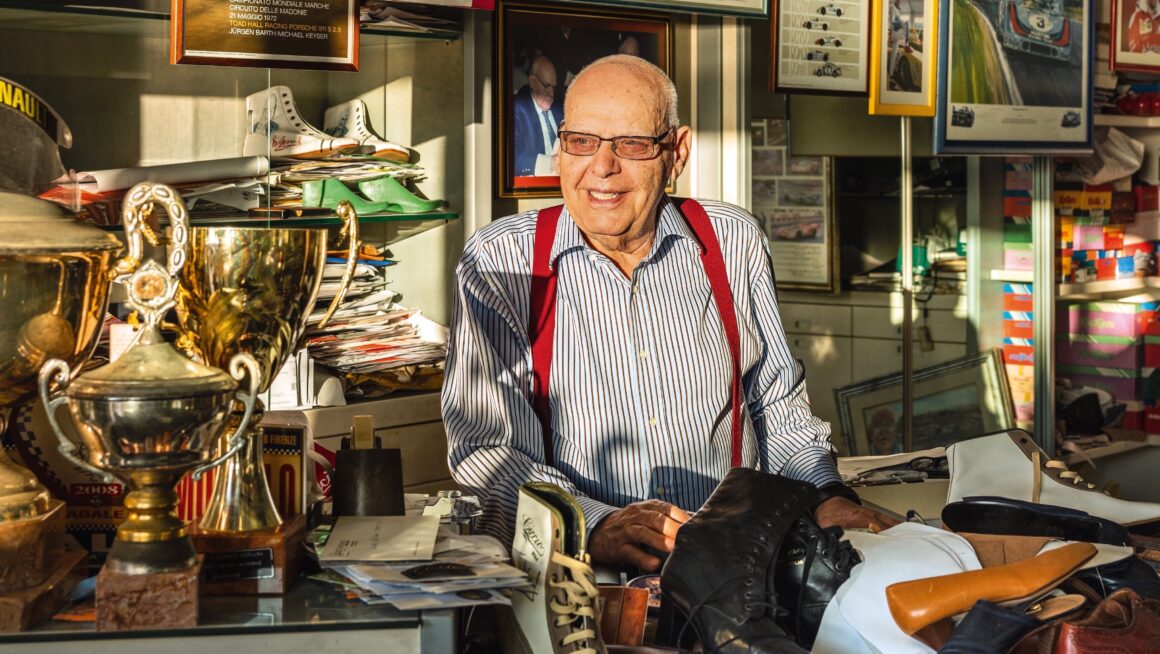
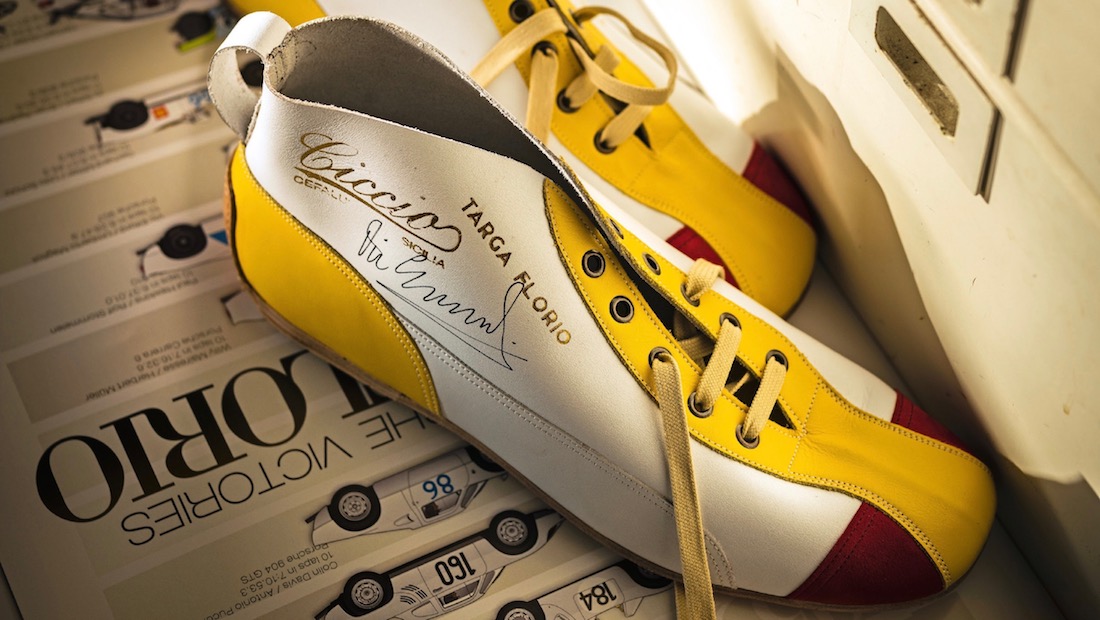
Almost at the same time, on the more professional side, three drivers, Ignazio Giunti, Nanni Galli and Vic Elford, were preparing for the Targa Florio, an endurance race in Sicily. In a pizzeria in Cefalù they met Francesco Libert “Ciccio”, a local shoemaker specializing in orthopedics, who was surprised by the inadequacy of the shoes the drivers wore to compete, slippers, models with rigid soles, shoes with heels… Ciccio created for them a fireproof, flexible, anatomical shoe that would keep them close to the pedals. The first prototypes came off with the heat of the engine, but after a few attempts, Francesco Liberto created a type of shoe that laid the foundations of the design for the following decades, they had to be soft, with a very thin sole, closer to ballet shoes than to the shoes they usually wore.
adidas vs Puma, 1980s
The driving rivalry between adidas and Puma began in the 1980s. The Dassler brothers split up the Formula 1 and rally drivers; Walter Rohrl and Nelson Piquet wore adidas, and Stefan Bellof wore Puma. The conflict was put on hold in 1985 after Bellof, then 26 years old, perished in an accident at Spa Francorchamps. He was the first driver to wear the Puma brand in Formula 1, having been personally selected by the company’s founder, Armin Dassler. His rebellious and carefree attitude shaped Puma’s relationship with motorsport for all time.
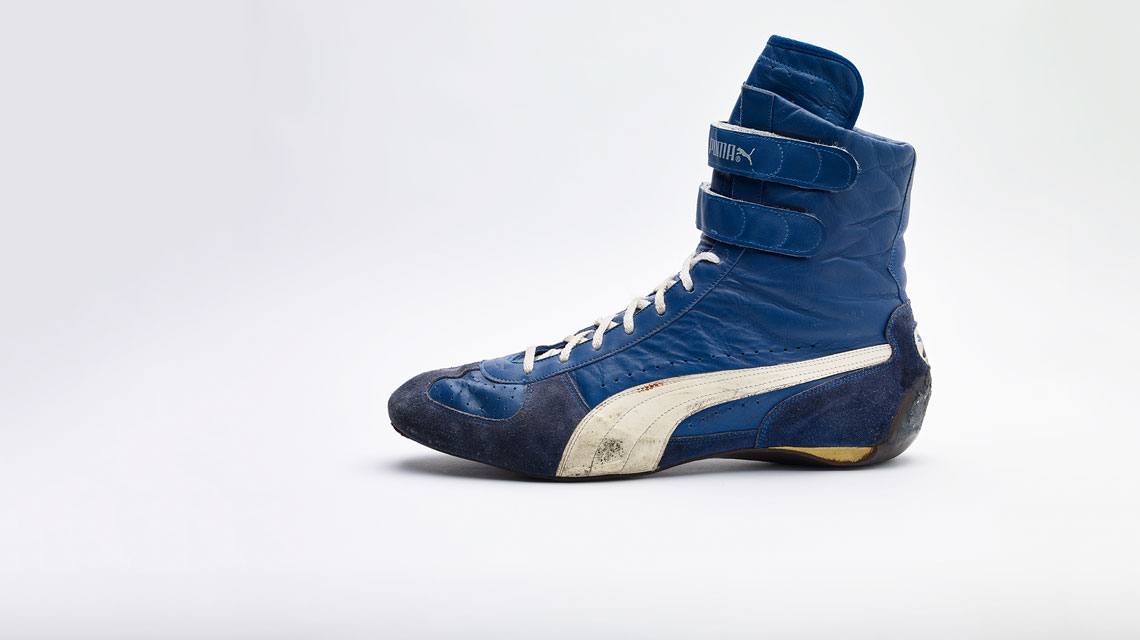
Another company that had been active in the sport up until that point, Diadora, entered the motorsport industry and created a product especially for Niki Lauda’s comeback to competition.
Puma creates a style
With the help of Dale Earnhardt of NASCAR and Michael Schumacher of Formula 1, Nike attempted to break into the motorsport world in the 1990s by providing them with training shoes and signature athletes. But Nike failed to establish a style, and it vanished from sight. Puma was able to accomplish this quickly.
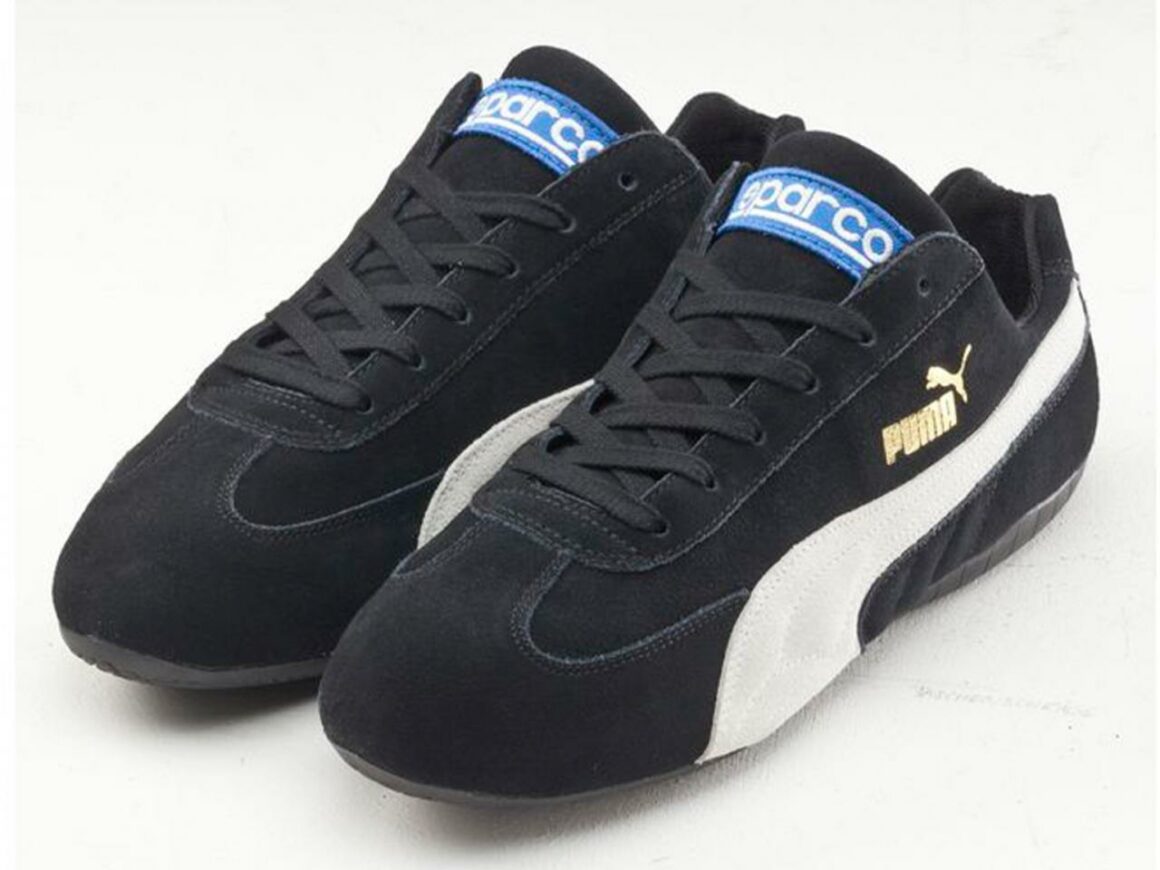
It began working with Sparco, a venerable manufacturer of car accessories, in 1998. The Puma Speedcat started out as a practical trainer before evolving into a fashion staple and a generational symbol thanks to its form-fitting silhouette.
Puma continued to rule the racing world at the same time, winning races for Ferrari, BMW, Williams, and Renault while also forging strong relationships with some of the most significant Formula 1 teams.
Motorsport outside of racing
Already established as a distinct style outside of the racecourse, it has evolved to appear in a variety of contexts such as music and film, always with a very defined pattern: blocks of colour, large letters, ergonomic designs, and very tight cuts. In recent years, Michael Jordan has demonstrated his passion for motorsports with his own team, 23XI Racing, with special editions, and Drake has collaborated with L’Art de L’Automobile, but it is still Puma that leads the way, on the circuits dressing the main drivers, Mercedes AMG Motorsports, Scuderia Ferrari, BMW Motorsports, or Williams Racing, and on the streets with collaborations with A$AP Rocky that breathe motorsport air.