Warning: Trying to access array offset on false in /var/www/blog.footdistrict.com/wp-content/plugins/fusion-builder/inc/lib/inc/class-fusion-images.php on line 219
Warning: Trying to access array offset on false in /var/www/blog.footdistrict.com/wp-content/plugins/fusion-builder/inc/lib/inc/class-fusion-images.php on line 219
Warning: Trying to access array offset on false in /var/www/blog.footdistrict.com/wp-content/plugins/fusion-builder/inc/lib/inc/class-fusion-images.php on line 219
“Ladies come to me for a gown as they go to a distinguished painter to get their portrait put on canvas. I am an artist, not a dressmaker. ” Paul Poiret told The New York Times during a visit to the United States in 1913 (yes, there was a time when designers toured foreign countries and gave interviews without demanding questions in advance). It was the first time a designer made explicit reference to his (supposed) status as an artist. In fashion – as in life – the first to declare himself the first has not always been the first to do something. Only the first to say it.
The pose
Before Poiret, Charles Frederik Worth – the Briton who, with the help of a Swedish investor, laid the foundations of the Parisian haute couture industry – had taken a fundamental step towards putting the figure of the designer on a par with that of the artist, probably partly because at the end of the 19th century it was frowned upon to work in women’s dress: he adopted Rembrandt’s uniform. He almost always wore a velvet beret, a bow tie like the Bohemians and a simple suit under a heavy cloak. In addition, he had a serious demeanour and acted sternly. His profession could only be understood as respectable
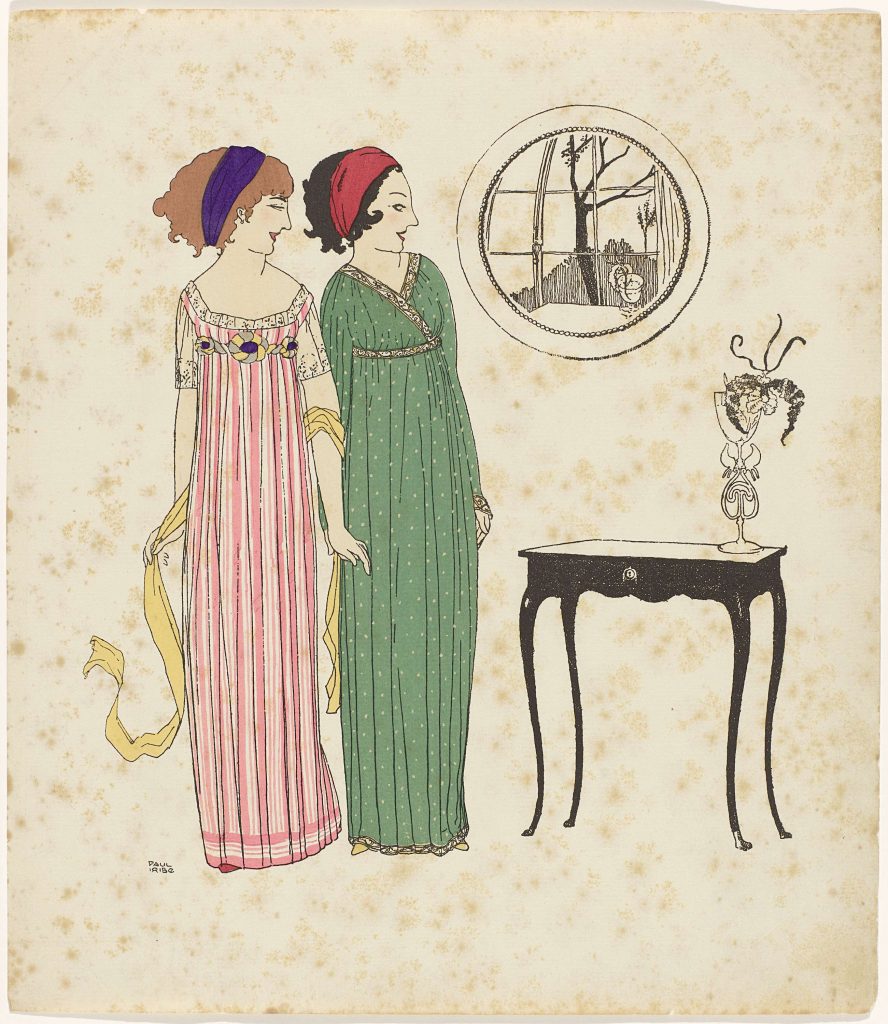
Shortly afterwards Poiret upped the ante by doing everything in his power to bring the two disciplines closer together. From Worth he had learned the importance of posing, and from the couturier Jacques Doucet he had inherited a taste for art (as well as alternating with Matisse and Modigliani, Doucet was the first owner of Picasso’s Les Demoiselles d’Avignon). In 1908 he invited Paul Iribe to illustrate his designs, which were published in the book Les Robes de Paul Poiret Racontées par Paul Iribe. This was the first step for illustration to become an indispensable part of fashion communication, and also the definitive push for these professionals to be considered artists even though they were dedicated to the representation of commercial products.
Partnership
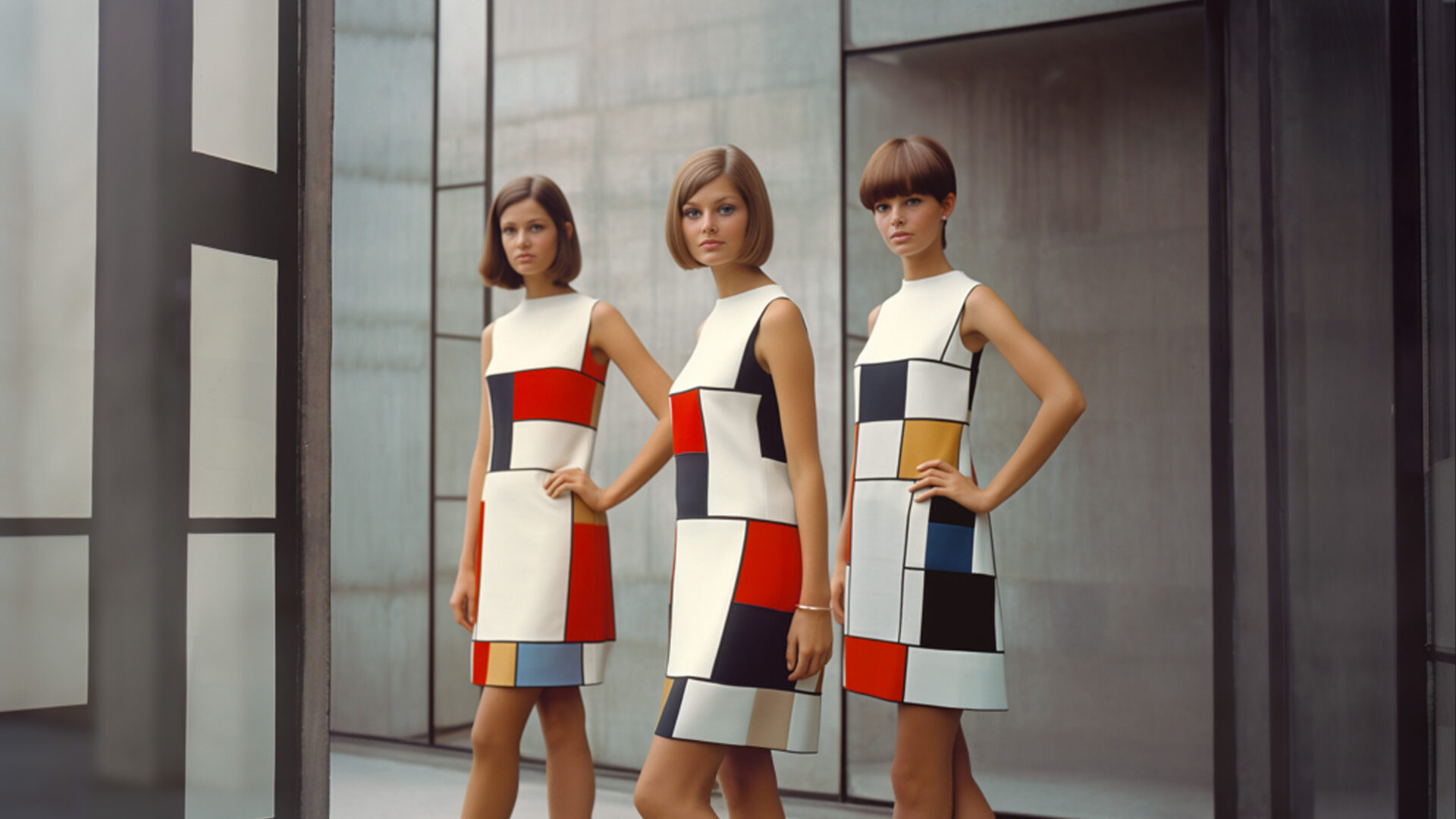
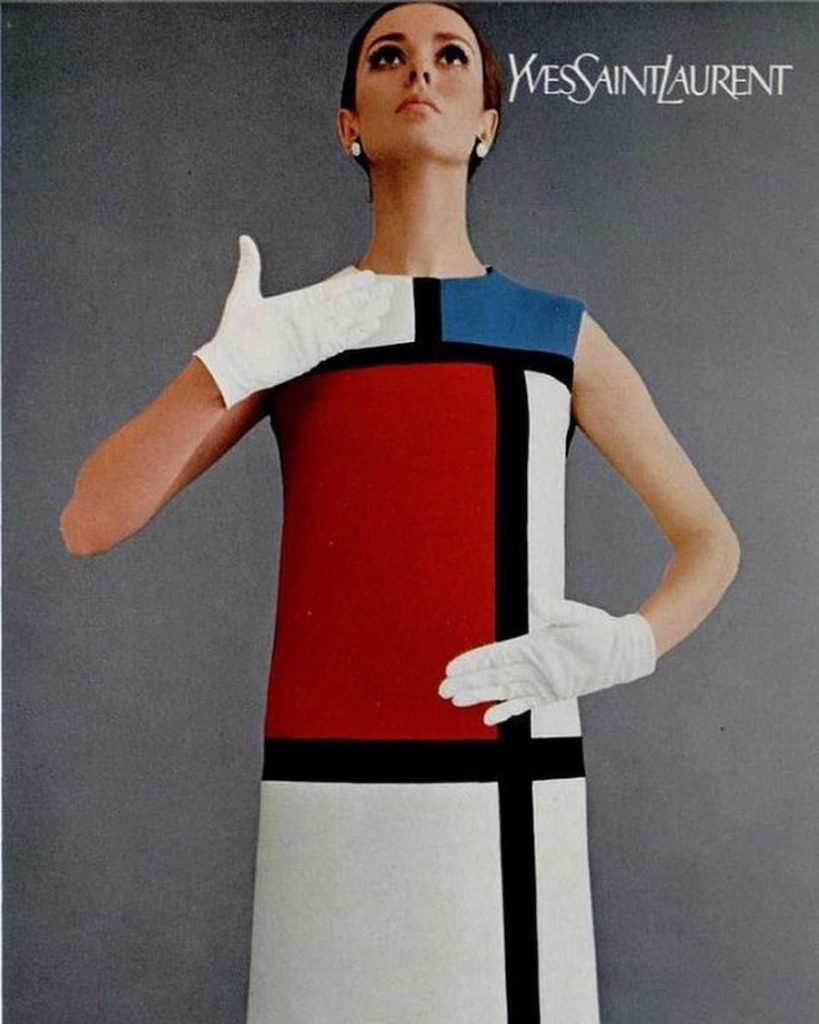
Then came the era of the avant-garde. Diaghilev’s ballets dressed by Chanel and decorated by Picasso, Schiaparelli’s themed collections with garments intervened by Dalí, the covers of Vogue signed by Bérard. When illustration gave way to photography, its creators were also artists. Man Ray’s Noire et Blanche, published by Vogue France in 1926, sold in 2017 for $3.1 million. Although fashion and art have never again had such an intimate relationship as in the days of surrealism, the history of Yves Saint Laurent would not be the same without the Mondrian dress (1965), nor that of Versace without the Pop collection (1991). Without being contemporaries, both lived under the influence of Warhol, the artist who so blurred the line between art and fashion that he even joined a modelling agency.
Marc Jacobs (who has been a pioneer in many things, but has preferred not to say so) brought the concept of collaboration to the fashion industry’s golden egg hen: handbags. Getting a Louis Vuitton Speedy today from his collaborations with Stephen Sprouse (2001 and 2009) or Takashi Murakami (2003 and 2008) requires research time and more money than at the time they were presented, and not only because of inflation. To get one of the pieces of the French maison ‘s collaboration with Yayoi Kusama, on the other hand, just visit the firm’s online boutique
The language
In 2022, Christie’s held one of its famous Hermès sales. Sixty-nine lots including coveted Birkin handbags and exotic leather items were auctioned for a total of 2,273,040 euros. Terms like “auction,” “lot,” “exhibition,” “intervention,” and “collaboration,” so common in the art world, have been cheerfully adopted by the fashion industry. Not to mention that designers are no longer creative directors, they are art directors. Since the first Costume Institute exhibition in 1976, organized by Diana Vreeland and dedicated to Balenciaga, the formula of merging fashion and art in museums has been repeated, although some see this type of exhibition as a mere form of promoting capitalism.
Secondly…
“Focusing solely on T-shirts didn’t align with my vision. I appreciate things that are very accessible, but I also value high-concept ideas,” Shayne Olivier told Business of Fashion when he announced his departure from design at Hood by Air. His latest project, Mall Of Anonymous, is an immersive installation in Berlin that combines video, photography, and garments from the three brands he plans to launch next year.
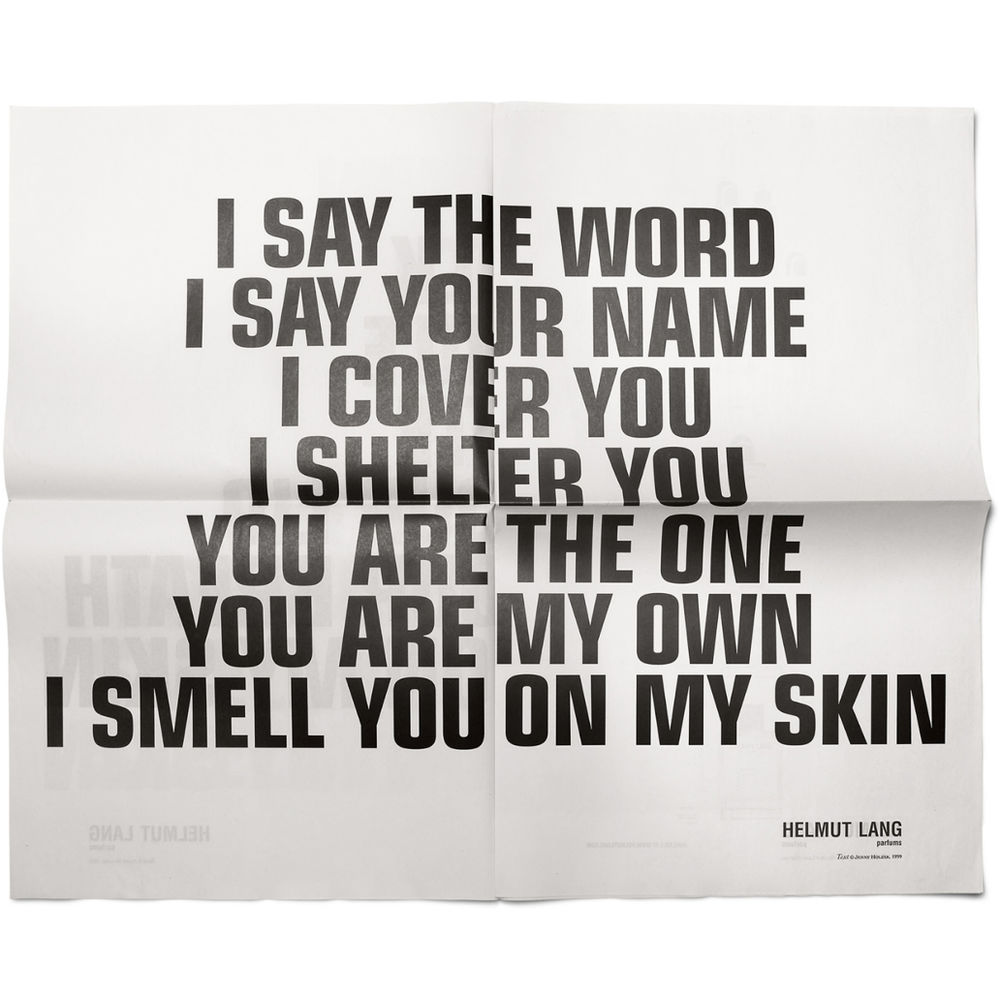
The fashion system can be particularly frustrating for creative individuals, and the art world becomes a refuge where they find solace. A great example is Martin Margiela, who before retiring had already contributed to reducing the gap between clothing and artistic work. In the 90s, alongside Chalayan or Kawakubo, he made us fall in love with what we didn’t understand. The Belgian’s first art exhibition, held in 1997, consisted of a series of vintage garments from his collections treated with fungi, mold, and bacteria, altering their appearance as days went by. Through this process, Margiela brought to light the history of second-hand clothing stores and markets, and the way they are inhabited by changing bodies and identities. In 2005, four years before one of the most remarkable exits in fashion history, Helmut Lang decided to exchange the designer’s uniform for that of an artist. With the garments that were not burned in the fire that his studio suffered in 2010, torn to shreds by his own hands, he erected the 16 columns that formed “Make It Hard,” his first solo exhibition. Fire as a concept.