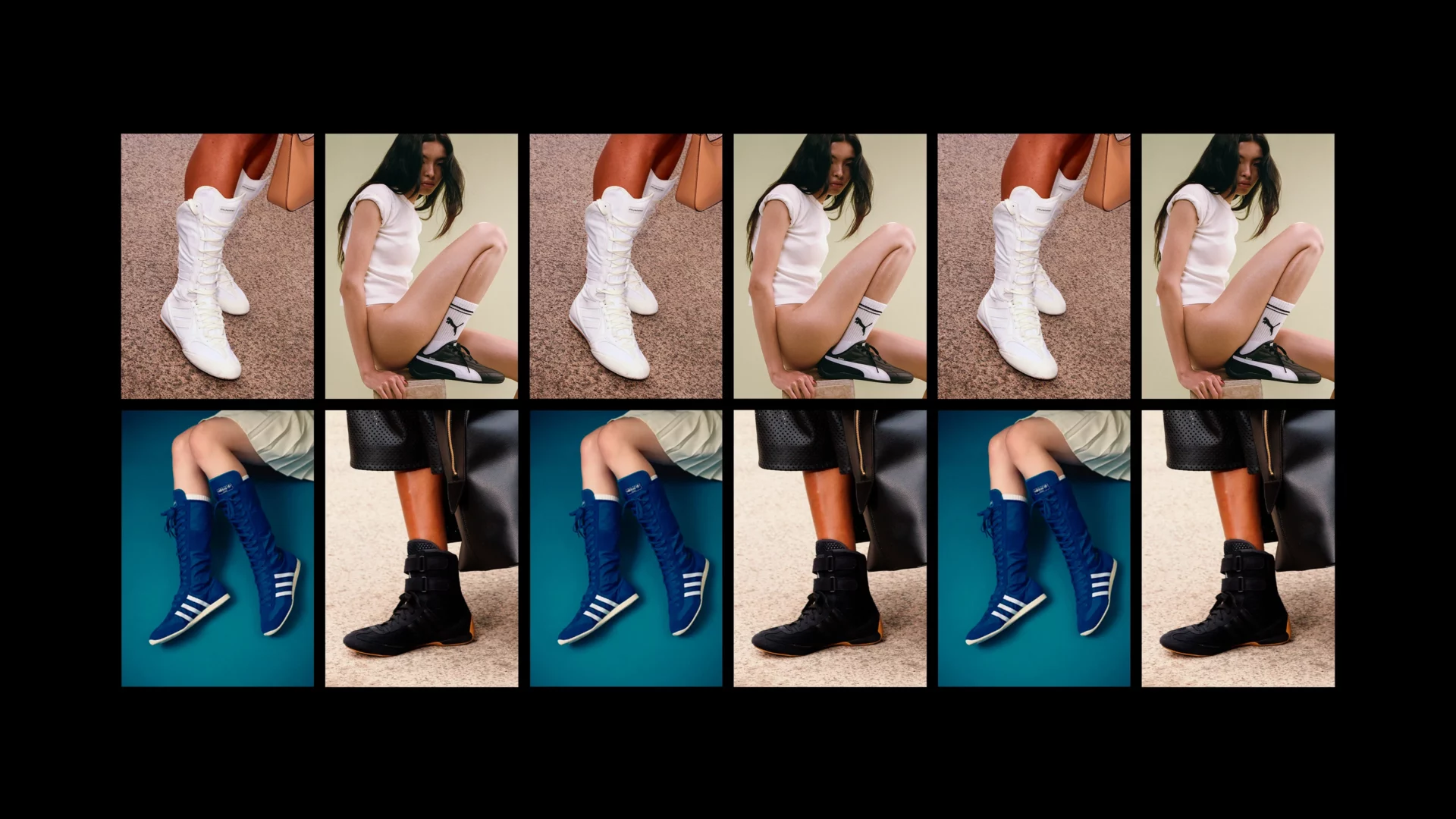
Among the trends taking over the runways, the streets, and social media platforms like TikTok, some are fleeting while others are here to stay. Typically, the latter arrive with an interesting backstory and appear at just the right time. A prime example of this is the Low Profile sneaker trend.
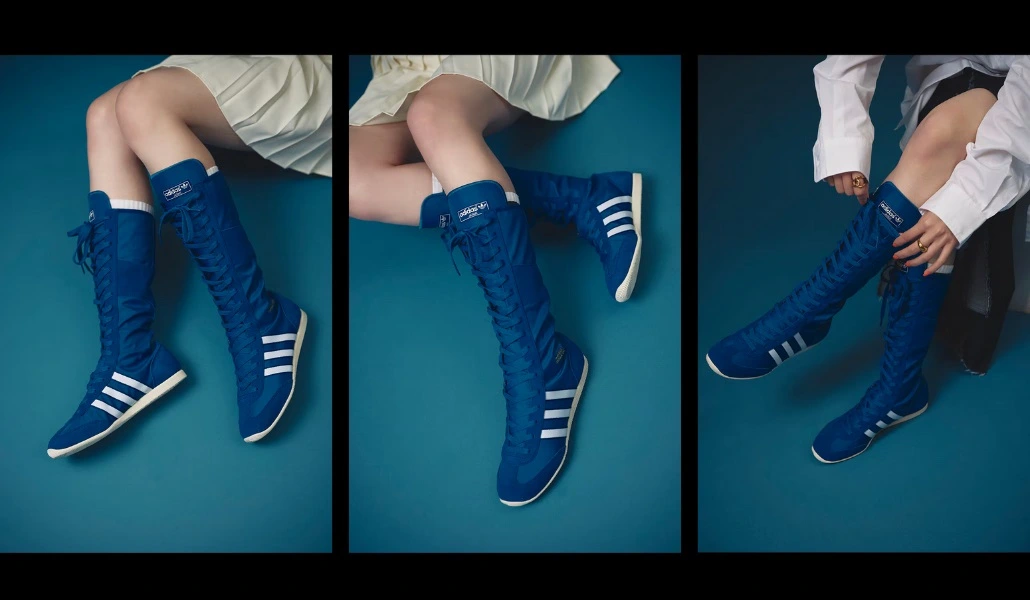
What Are Low Profile Sneakers?
After a maximalist era and the return of Y2K designs, the new “Low Profile” silhouettes were created with various goals in mind, but all share a common pattern: a minimalist midsole and a simple upper that fits closely to the foot. These models were originally designed for sports like martial arts, motorsport, boxing, and training, with the goal of keeping the foot as close to the ground as possible to optimize speed and movement control.
Low Profile: A Trend from the 00s
The models that best represent “Low Profile” silhouettes are those inspired by motorsport, such as the Puma Speedcat and the adidas Adiracer, closely associated with Formula 1. In the 80s, race drivers sought sneakers that kept their feet connected to the vehicle’s controls, and both adidas and Puma responded with special designs. What began as a performance-focused aesthetic transformed into a trend in the early 00s, combining functionality and style.

Low Profile: Taekwondo, Boxing, and More
The popularization of minimalist “Low Profile” silhouettes also led to the recontextualization of other models from sports where agility and quick reactions required staying as close to the ground as possible. A prime example is the adidas Taekwondo sneaker, which transitioned from the dojang to the streets and was later reinterpreted by Y-3 in its early collections. At the same time, high-top boxing shoes began to gain popularity.
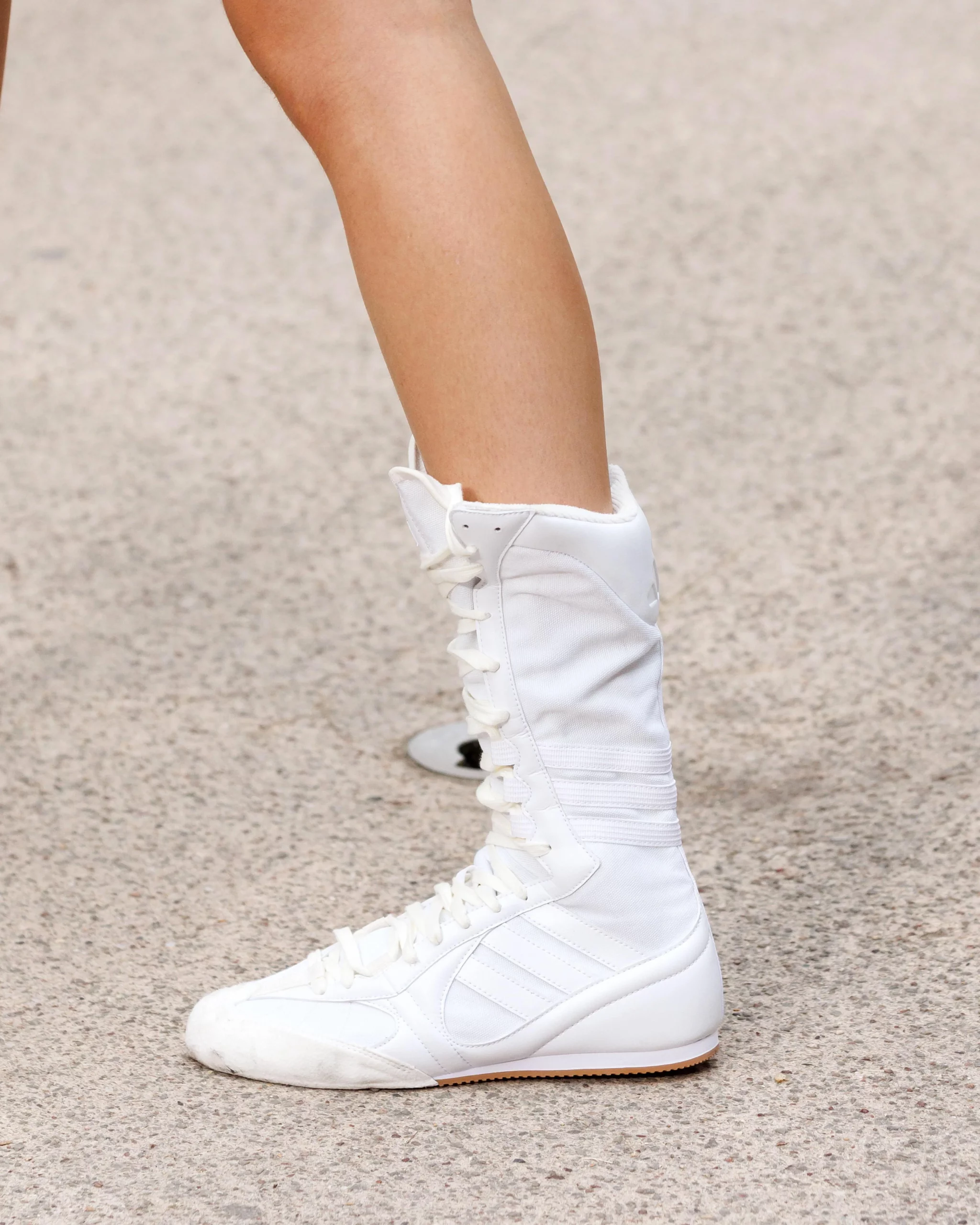
This minimalist approach also spread to running models from the 60s and 70s, a time when cushioning wasn’t as essential. Sneakers like the Onitsuka Mexico 66, adidas Japan, and adidas Tokyo joined the trend.
The Return of Low Profile Silhouettes
Today, “Low Profile” models, which reached their peak popularity in the early 2000s, are experiencing a revival. This new version maintains its urban style but introduces modern finishes and adaptations that bring the silhouettes closer to boxing, as seen with the adidas Japan, and updates to classic models like the adidas Tokyo, inspired by the sneakers created for the 1964 Olympic Games.

The Low Profile trend has arrived at FOOTDISTRICT to stay, with a functional aesthetic that revitalizes classic lines.