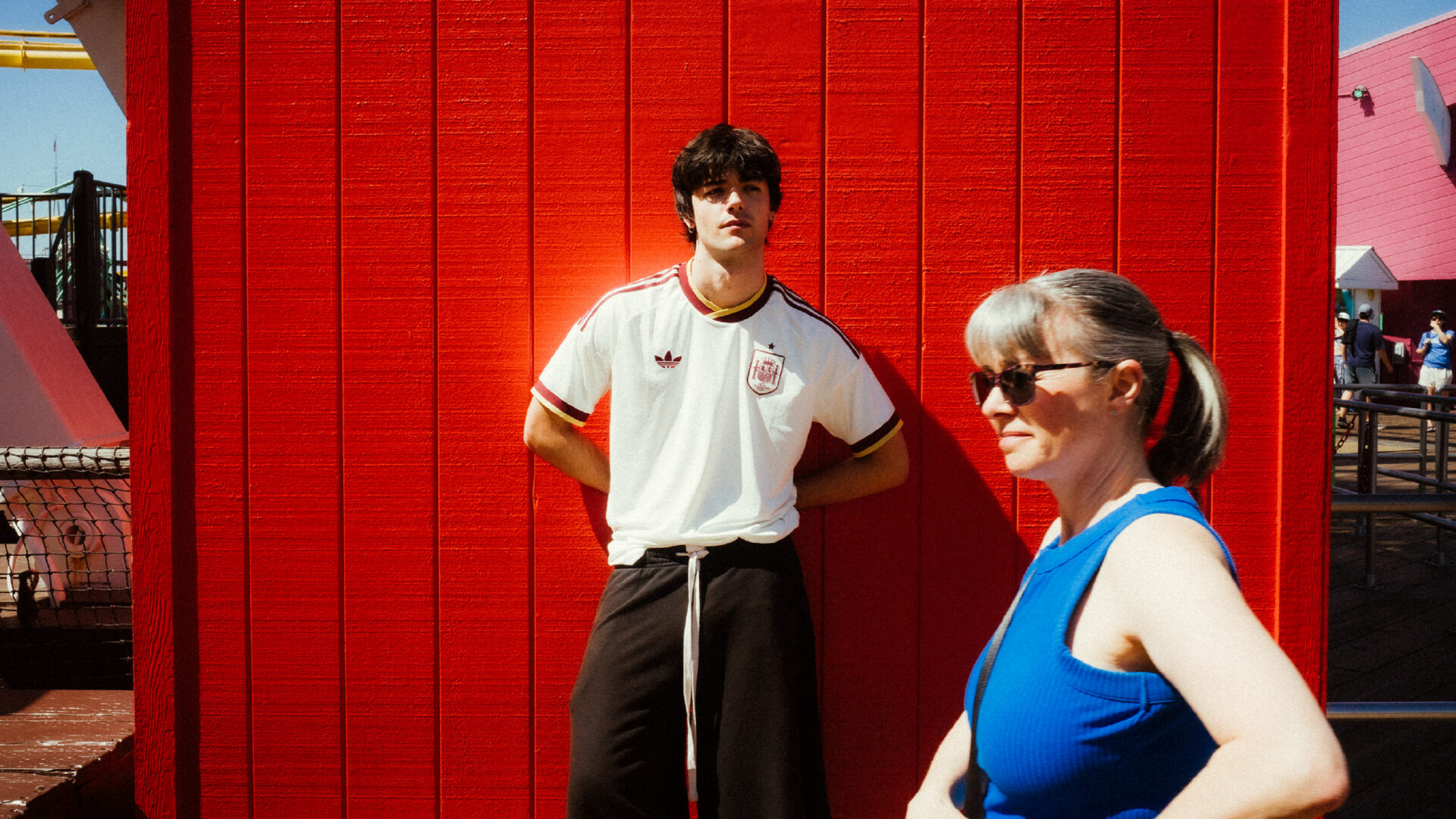
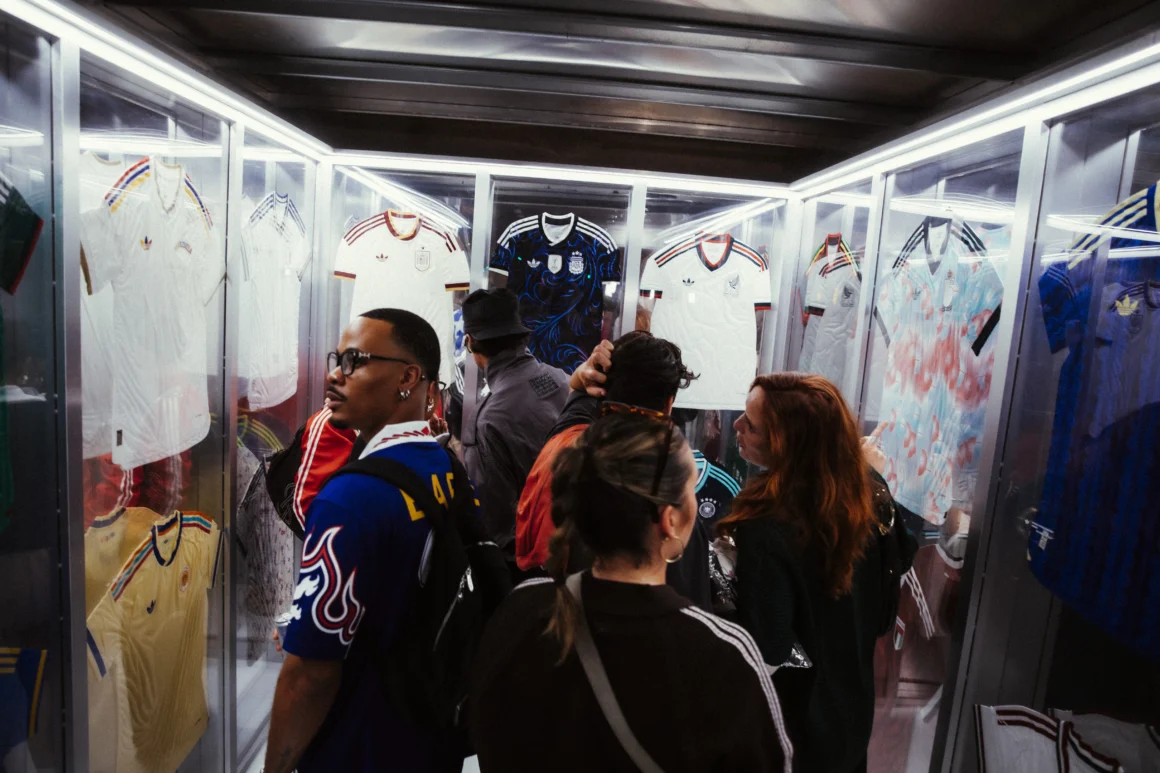
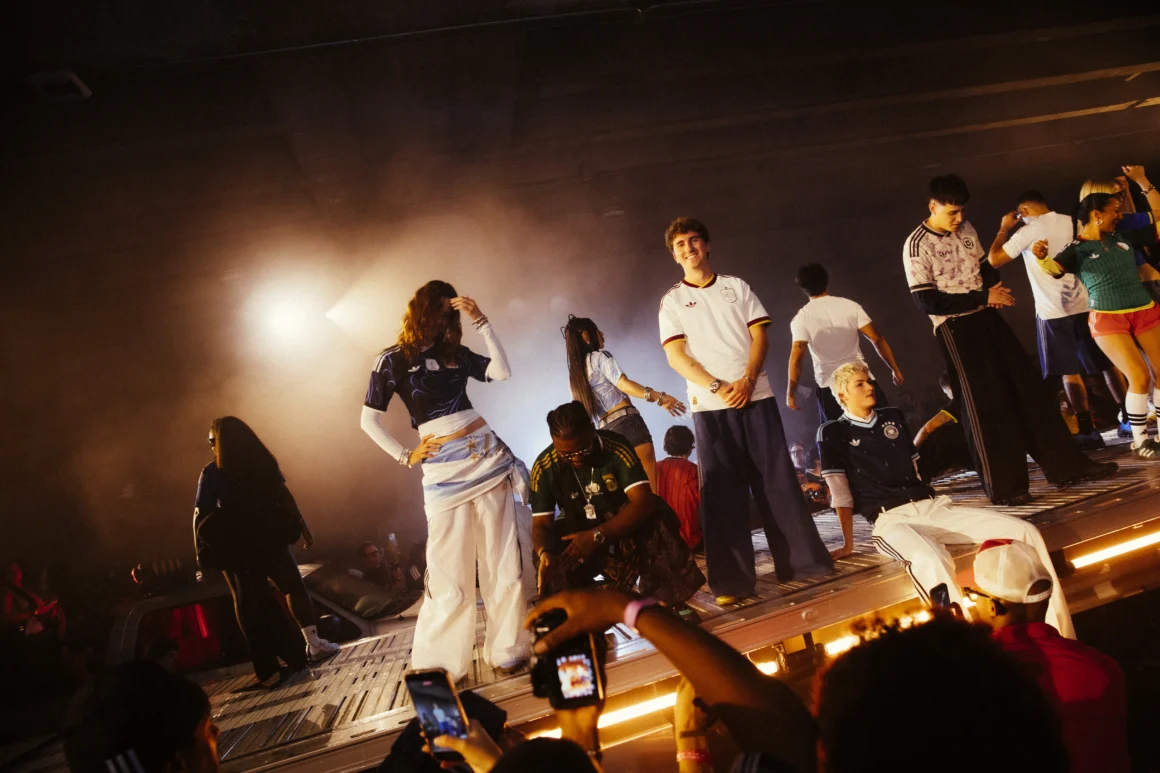
Los Angeles, California. During the presentation of the Away kits for adidas national teams ahead of the FIFA World Cup, one perspective stood out from the rest thanks to its multidimensional nature.
Pablo Alzaga is a photographer who understands sport from every angle, an observer of both the game and the architecture surrounding football, an intuitive trend researcher, and the founder of Matinal, a studio that reveals how football exists across multiple cultural fields.
Matinal should be a football team, but it is something more. Much more. Matinal FC emerges from football, but what sets it apart is everything that happens before and after the game, the universe it builds around it. A world often perceived as separate from football, or at least from the way we used to understand it.
Pablo Alzaga arrives from Los Angeles after experiencing everything adidas is preparing for this football-driven summer. It becomes the perfect moment to speak with him about his personal projects, Matinal, and, of course, what he discovered at adidas in Los Angeles.
Matinal exists somewhere between football, design, and music. How did Matinal FC begin?
Matinal, as it exists today, a creative studio focused on the intersection of football, fashion, and culture, was established at the end of 2022. But before structuring it as an agency, we had already been exploring the idea of decontextualizing traditional football formats. In 2018, together with my partner Nacho Asensio, I founded a creative collective around our lifelong team, CCP (Club Ciudad de los Periodistas). We designed jerseys with adidas and LATIGO, a brand I was working with at the time, where we had already experimented with projects combining these three disciplines, from Dellafuente FC to our split Barça–Madrid jersey. We organized informal matches for creatives and began engaging in cultural conversations with clubs and professional players. Matinal responds to the need to connect what happens on and off the pitch and to facilitate dialogue between both worlds.
You start from global, mass-consumption worlds, yet by combining them you create something closer to the countercultural. Do you feel you are going against the current?
Yes. Historically, football has overly romanticized the idea of “shut up and dribble.” Players have been taught to leave their interests and passions aside and focus solely on performance. Think about what happens when a striker shares an artistic interest online but hasn’t scored in three months, or when a club activates a cultural project while flirting with relegation. We’ve always believed that a certain separation between culture and performance is beneficial for the industry, and it seems this idea is finally gaining traction in some areas of the football ecosystem.
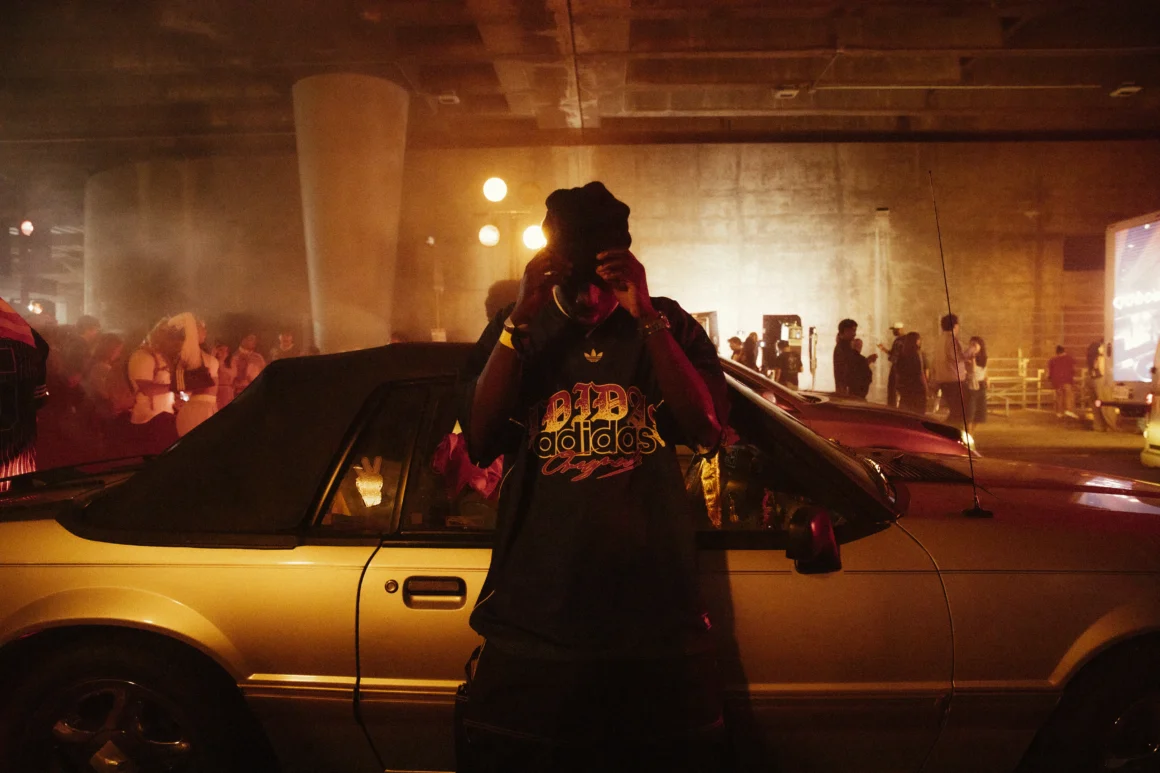
What is the common thread across the content you create — from clothing to music or events?
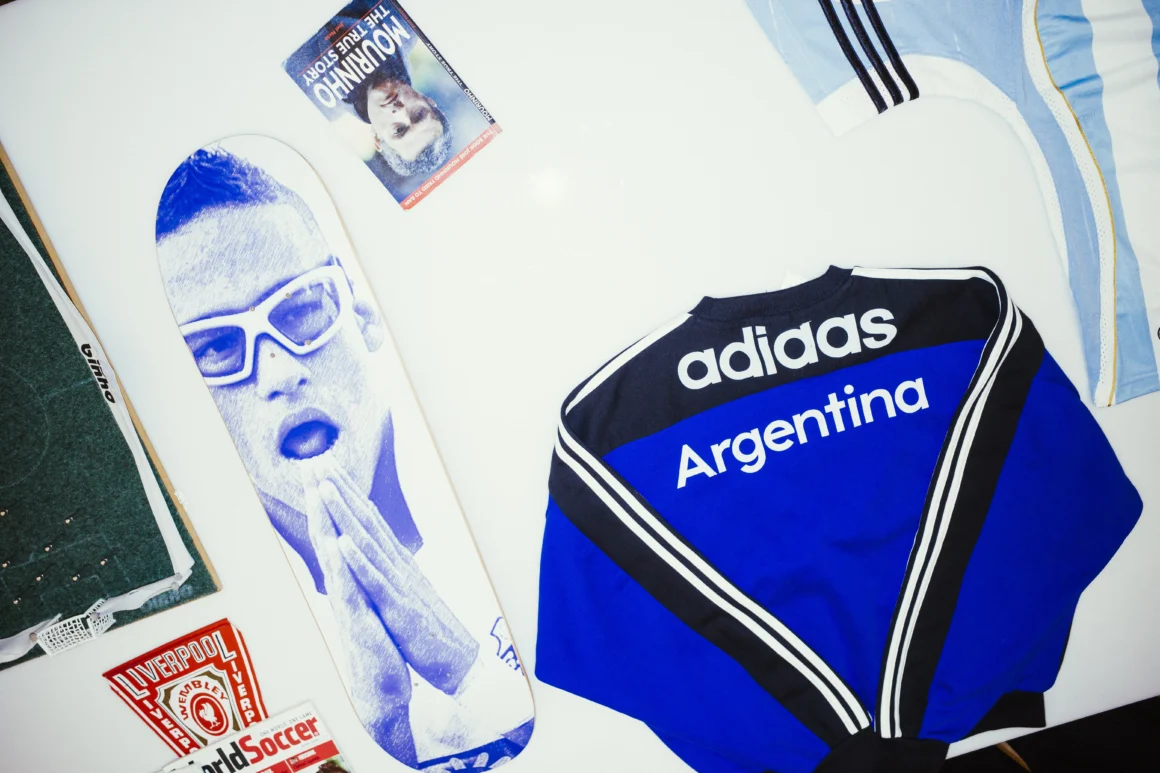
We are inspired by redefining what it means to be a fan: how people access football through their own passion points, which may be far removed from playing the sport itself, such as design, fashion, art, music, photography, or architecture. In 2026, you don’t need to have stepped into a stadium to be interested in football. This is what we call post-football, the space that exists beyond victory and results.
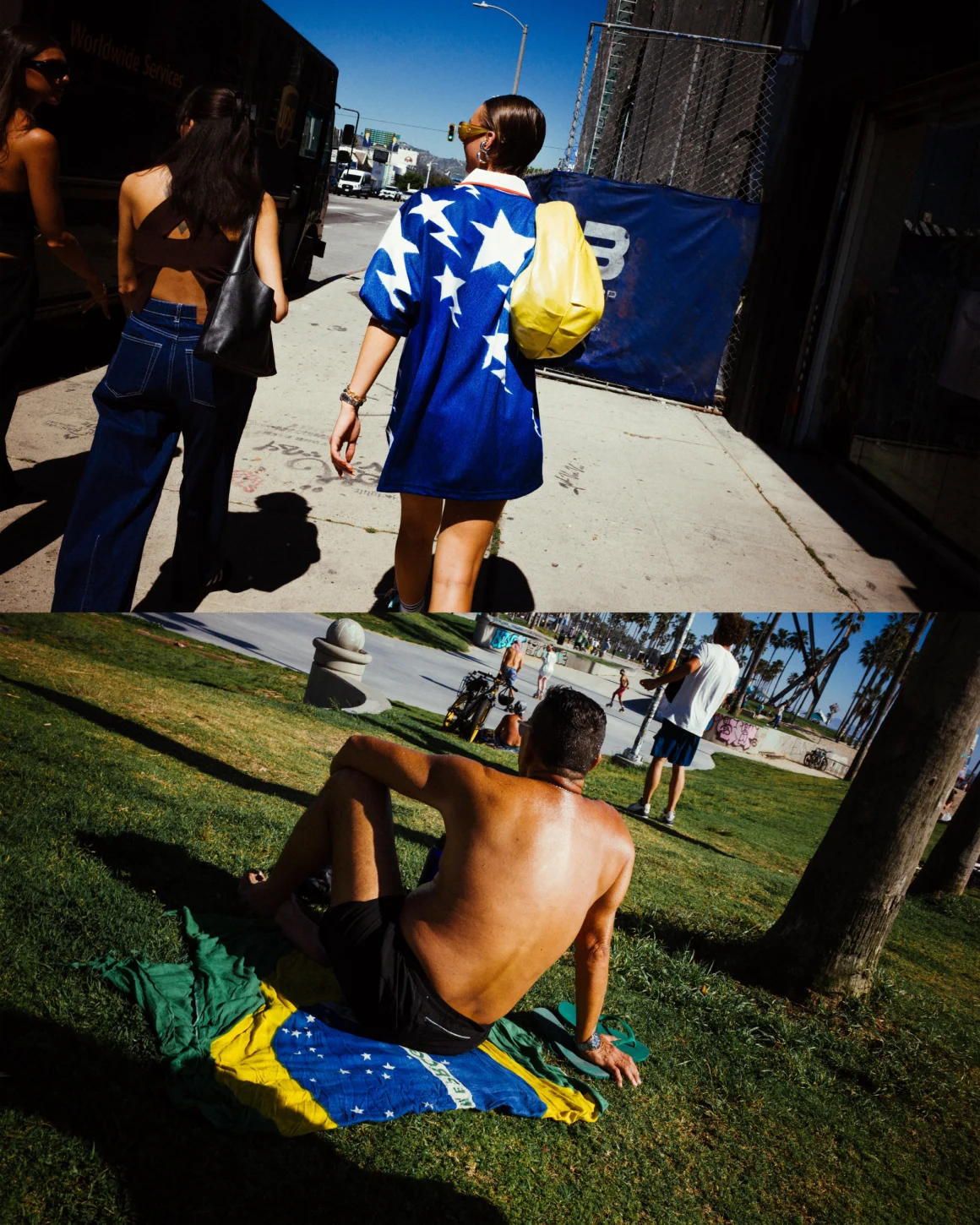
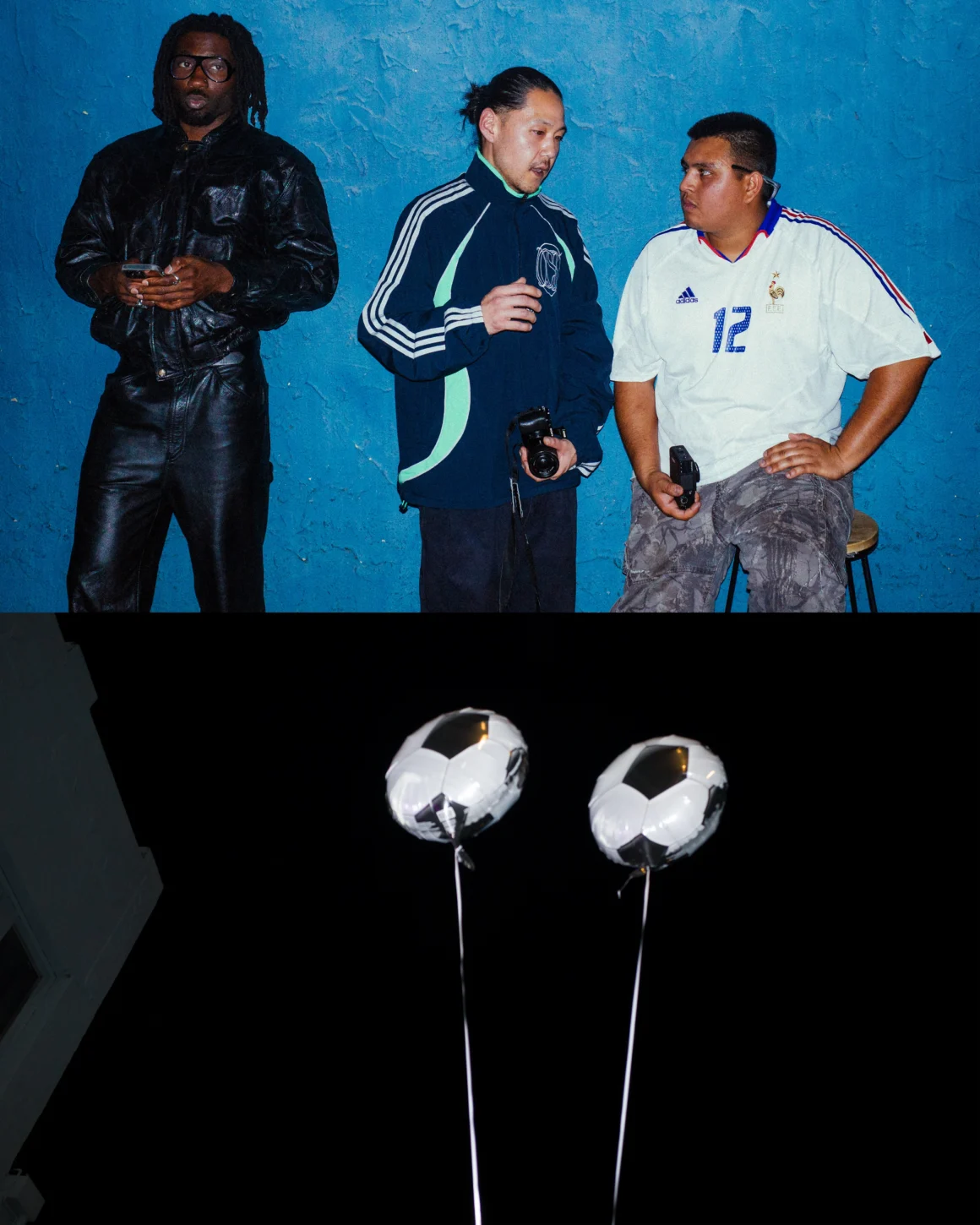
One thing that sets Matinal FC apart is that you’re real “Sunday league players.” But creatively, there’s also a side of Matinal without a direct connection to football. How do those two sides interact?
Our processes and brand identity also reflect different ways of “being a fan.” Matinal’s origins lie in a Sunday league team where several players work in creative fields. In my case, working in fashion photography, admitting in certain circles that you liked football could be perceived as a red flag — being “that kind of guy.” At the same time, it was quite common to discover creative profiles who also played or consumed football but didn’t have a space to celebrate it with like-minded people.
As for the side without a direct connection, we have a very illustrative example. Sandra Ramiro — our first creative director and the designer of Matinal’s identity — wasn’t particularly interested in football at the time. All her references came from other fields, and that’s evident in many of our designs and even in the logo: it doesn’t resemble any traditional football crest. Any other designer influenced by football aesthetics would have likely arrived at a much more classic, heraldic result. This lack of bias adds significant value and richness to the scene. In fact, within the Matinal team, there are people who don’t like football, at least not in its traditional sense, but connect to it for other reasons. It’s in that friction and diversity of backgrounds where the magic happens.
There’s something about football that has made it transcend the sport itself. When do you think it began functioning as a cultural phenomenon in its own right? In a hyper-professionalized world, what role does the fan play in shaping football’s style and identity?
Football as a cultural and social phenomenon has always been part of its essence. When it comes to style and identity, I think the influence of the fan has grown in recent years compared to clubs and players, who historically set the tone. The football fan profile has diversified: it’s plural, directly connected to culture, and develops a sense of belonging through everything that happens on the pitch and beyond it. The sport is now expected to carry a purpose that extends beyond the stadium. Football no longer belongs exclusively to players and clubs — and the current challenge lies in mastering the conversation both on and off the field.
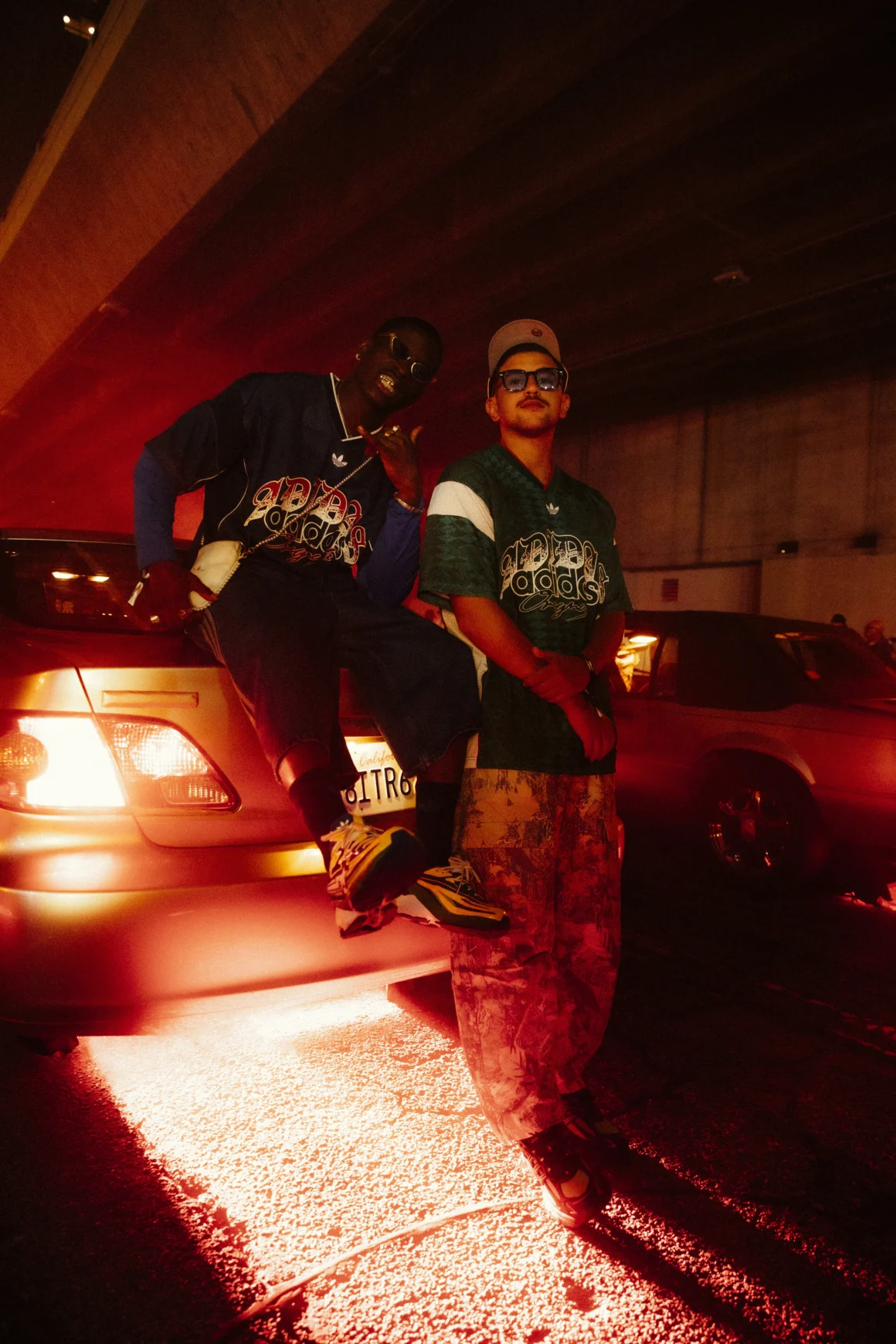
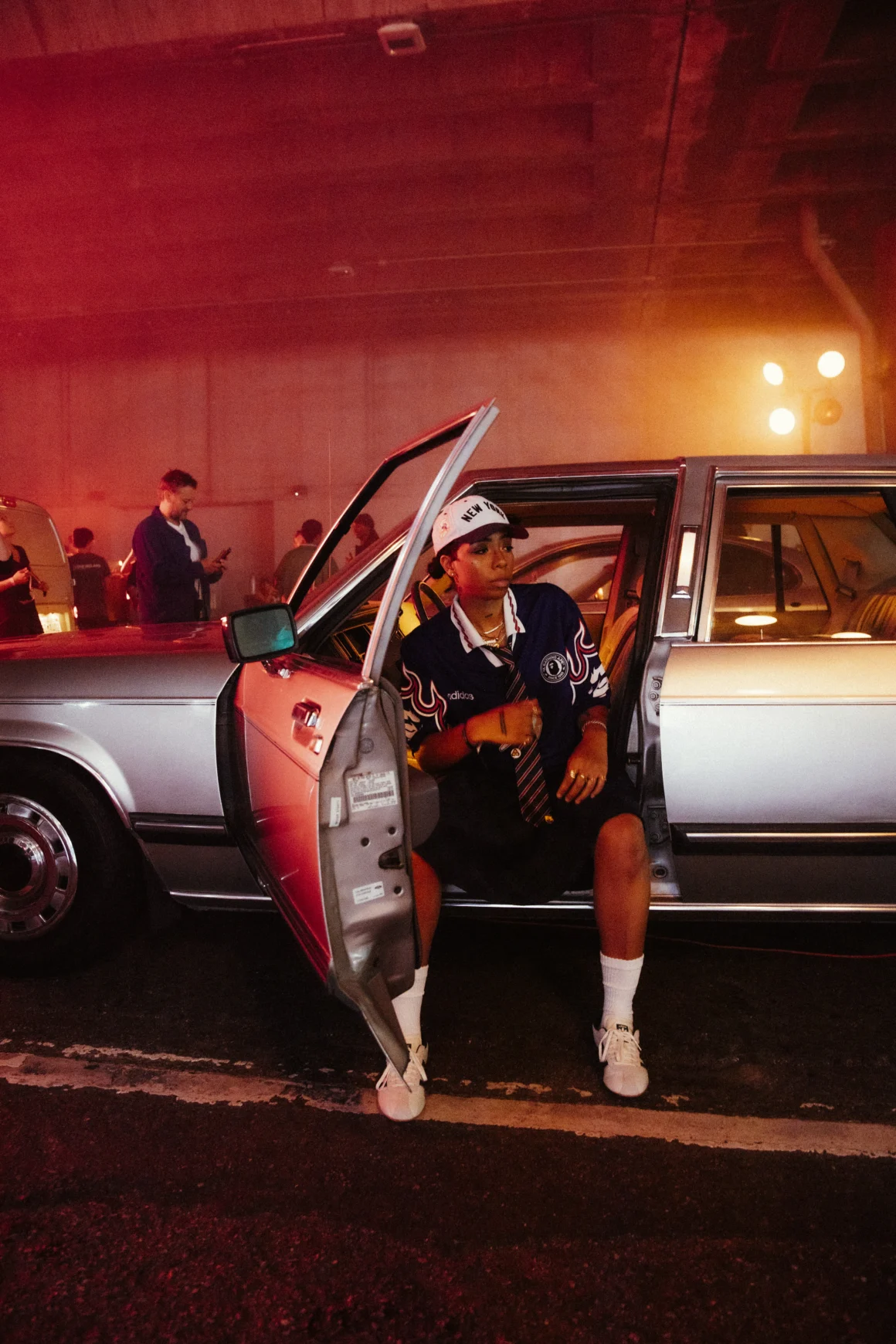
Do you think sports brands understand the cultural value of football?
Football, like fashion, is “reactive by design”: it waits to see what works and then replicates it with slight changes. Nobody wants to lead, but everyone wants to be among the first. Once again, the path is opened from subculture: Discord groups, run clubs, fictional football teams… I think some sports brands are learning where to look, and it’s very positive that they understand that cultural gravity starts within communities.
There’s a special connection between Matinal and music — or at least with music professionals. How did that relationship come about? What role does music play in shaping football identity today?
Both music and football have a deep sense of belonging and community embedded within them. Few disciplines share these values so strongly, which is why their relationship has always felt natural for Matinal. In terms of product, the concept of merch as a cultural artifact is essentially the same in both worlds: I see no difference between the feeling of crossing paths with someone wearing your team’s jersey or your favorite artist’s t-shirt.
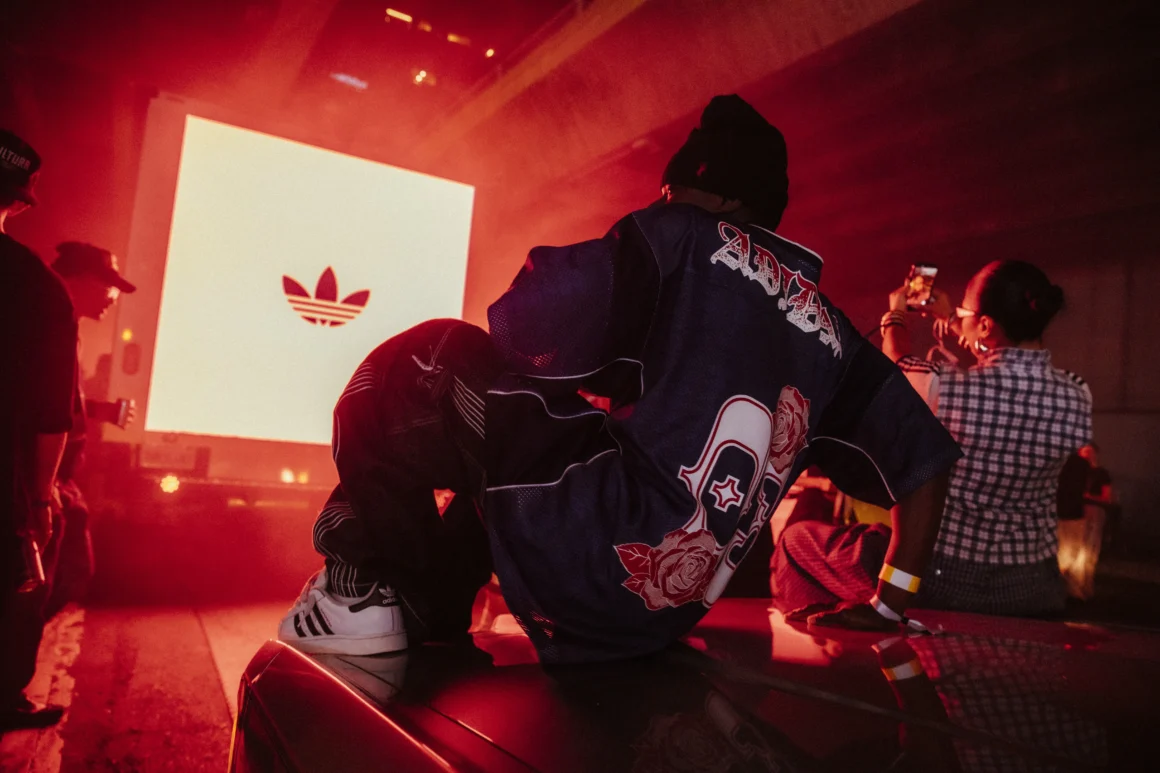
Paco de Lucía, Rod Stewart, Elton John, Julio Iglesias, Bob Marley — there’s a long history between musicians and football. Today, is it associated with a specific style?
I’d summarize that list by saying personality sells tickets. The Gallagher brothers, Leiva, Dellafuente… In the collective imagination of music and football, there isn’t a dominant style, but there is a clear connection. For example, we’ve designed football shirts across a spectrum that ranges from Aitana to Viva Belgrado.
We’re not going to ask which musician is the best footballer, but you’ve organised matches in some pretty unusual places and situations. What do you think is the strangest setting you’ve ever played in? Any anecdotes?
In 2023, we played two matches in the same week against Duki, Milo J, Khea and their crew after a bit of banter during a dinner (Argentina World Cup 2022 vibes). The first match was behind closed doors, but on the second day some kids spotted us entering a sports center in central Madrid, and we ended up playing with more than 100 kids cheering from the sidelines. The younger sister of one of our players had seen us on TikTok.
Fashion has its runways twice a year; football has its own every four. What does the World Cup represent in terms of style?
The symbolic power of World Cup kits — and how they become icons (Spain 94, Germany 94, France 98) — feels like a breath of fresh air compared to the current pace, where clubs release up to four or five kits per season.
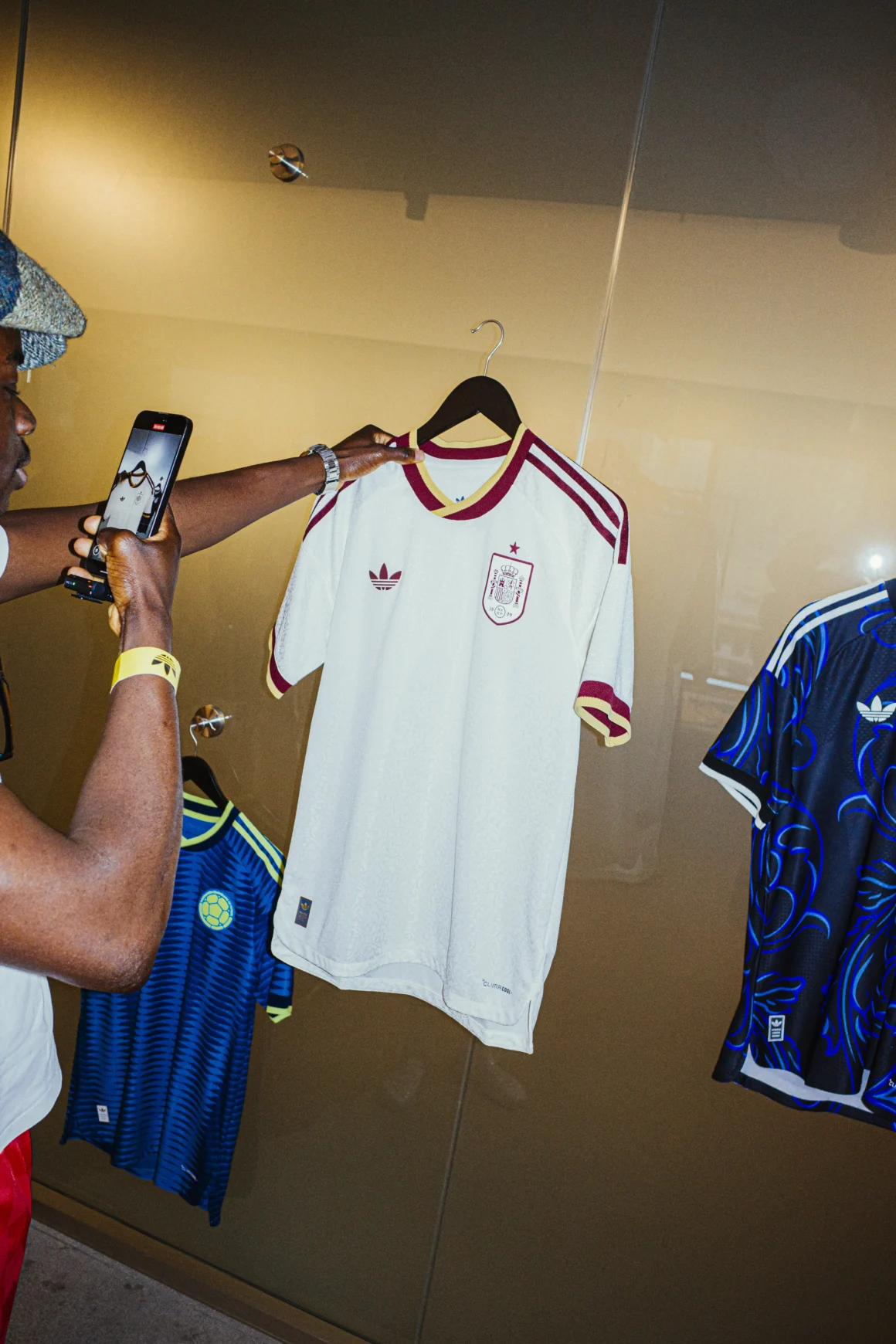
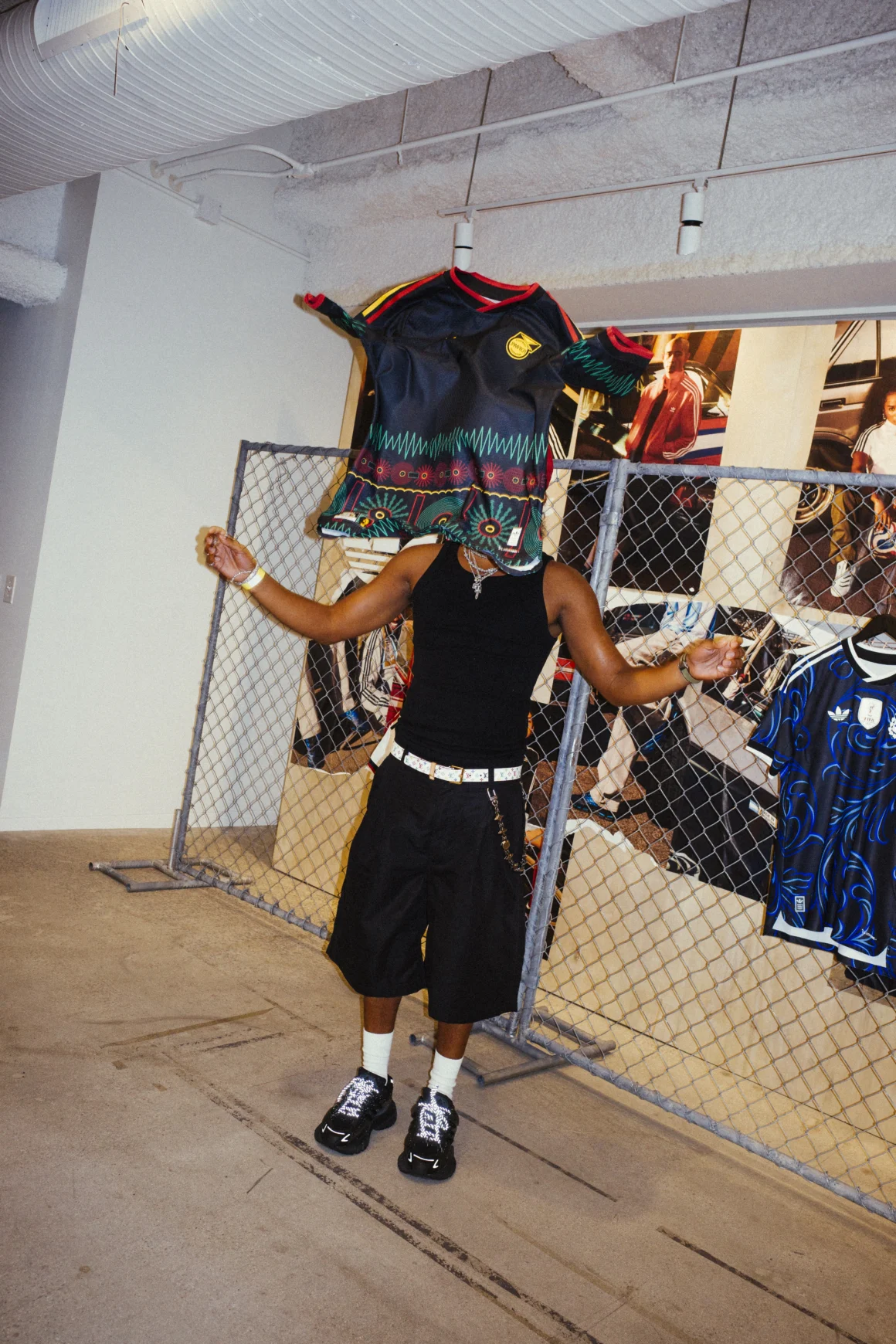
What can you tell us about the presentation of adidas kits in Los Angeles?
adidas has shown how it’s dominating the conversation both on and off the pitch. The reintroduction — 36 years later — of the Trefoil logo on World Cup kits is a strong move, with Originals acting as the narrative engine in a space historically reserved for performance. This makes it easier for culturally engaged insiders to connect with football through their own passion points — design, fashion, music — and organically expand the brand’s discourse.
In my opinion, this should be the future of the relationship between football and brands: narratives rooted in their own cultural value, connected to the sporting context yet able to stand independently. What happens around the pitch is now just as relevant as what happens on it.
What interests you most about the communities formed around football — the stands, the streets, creative projects?
I’m interested in analyzing how creative football projects anticipate cultural shifts instead of reacting to them. As I mentioned before, discourse leaders always emerge from the margins.
Football is undergoing a visual, narrative and aesthetic transformation. Where do you think this evolution is heading?
Fans and players are becoming increasingly plural and diverse. Clubs have turned into complex ecosystems. Leagues are no longer just competitions, but festivals. In short, the value of football as a brand now lives both on and off the pitch. It needs to develop its own lore: a narrative thread that keeps fans engaged between seasons, not limited solely to results.
What values or emotions would you like Matinal FC to transmit to future generations of football and culture fans?
Football goes far beyond Sunday matches or sport in the strict sense — it’s part of our identity and everyday life. Human first, athlete second.