Released in 1990 and designed by Tinker Hatfield, the Air Jordan 5 holds a special place in both basketball history and sneaker culture. As part of the original Jordan line-up, this silhouette has been revered, analyzed, and dissected countless times. Y
et there are still lesser-known stories that enrich its legacy—unexpected connections to cinema, fashion, and technical innovation.
Design Process
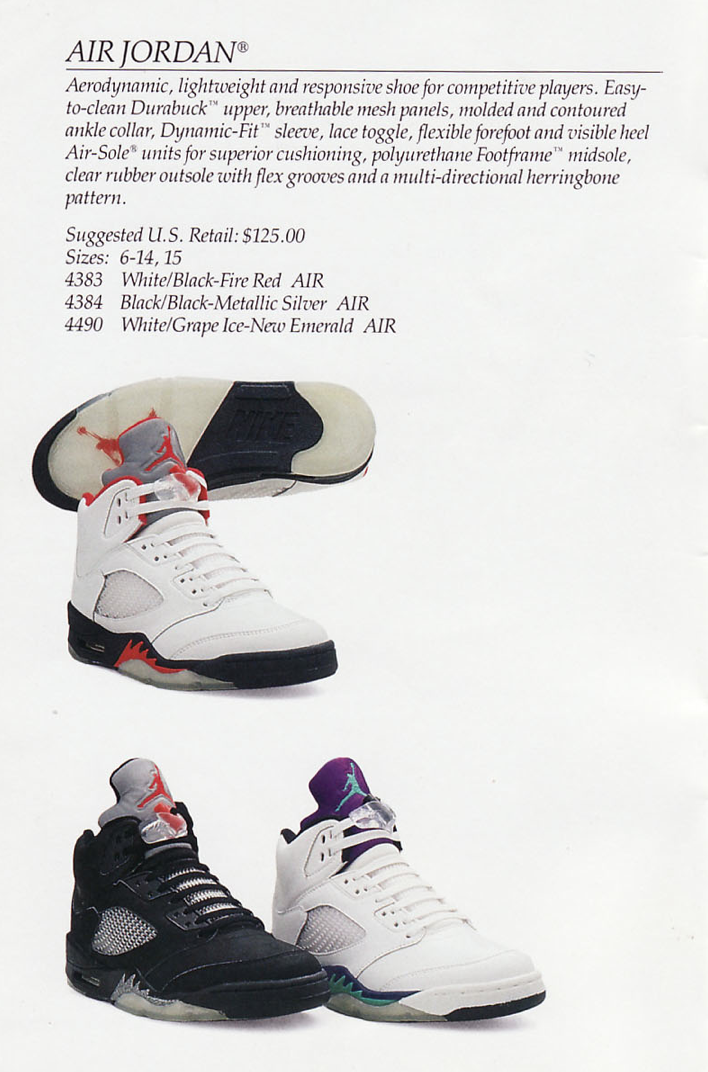
Its original name wasn’t Air Jordan 5. In the 1990 catalogs and on the box label, it simply appeared as Air Jordan. It wasn’t until the 2000 retro that the name Air Jordan V was introduced.
Reflective elements began appearing on sneakers in the 1970s with a functional purpose: visibility during nighttime training. The Air Jordan 5 was the first basketball shoe to use reflective materials, designed to pop under camera flashes. Ironically, such elements were later banned in some basketball leagues.
One technical feature directly links the Jordan 5 to Back to the Future. Tinker Hatfield, the shoe’s designer, also designed the Nike Mag for the movie, which premiered just a year earlier in 1989. The translucent sole of the Jordan 5 was originally developed for the Mag.
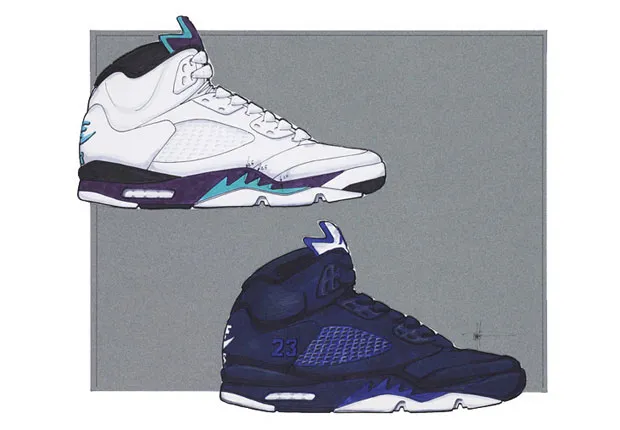
In the original sketches, Hatfield proposed two opposing colorways based on the grape shade. It wasn’t the last time grapes inspired him—the legendary “Concord” colorway of the Jordan 11 is also named after a type of grape.
Jordan 5 On Court
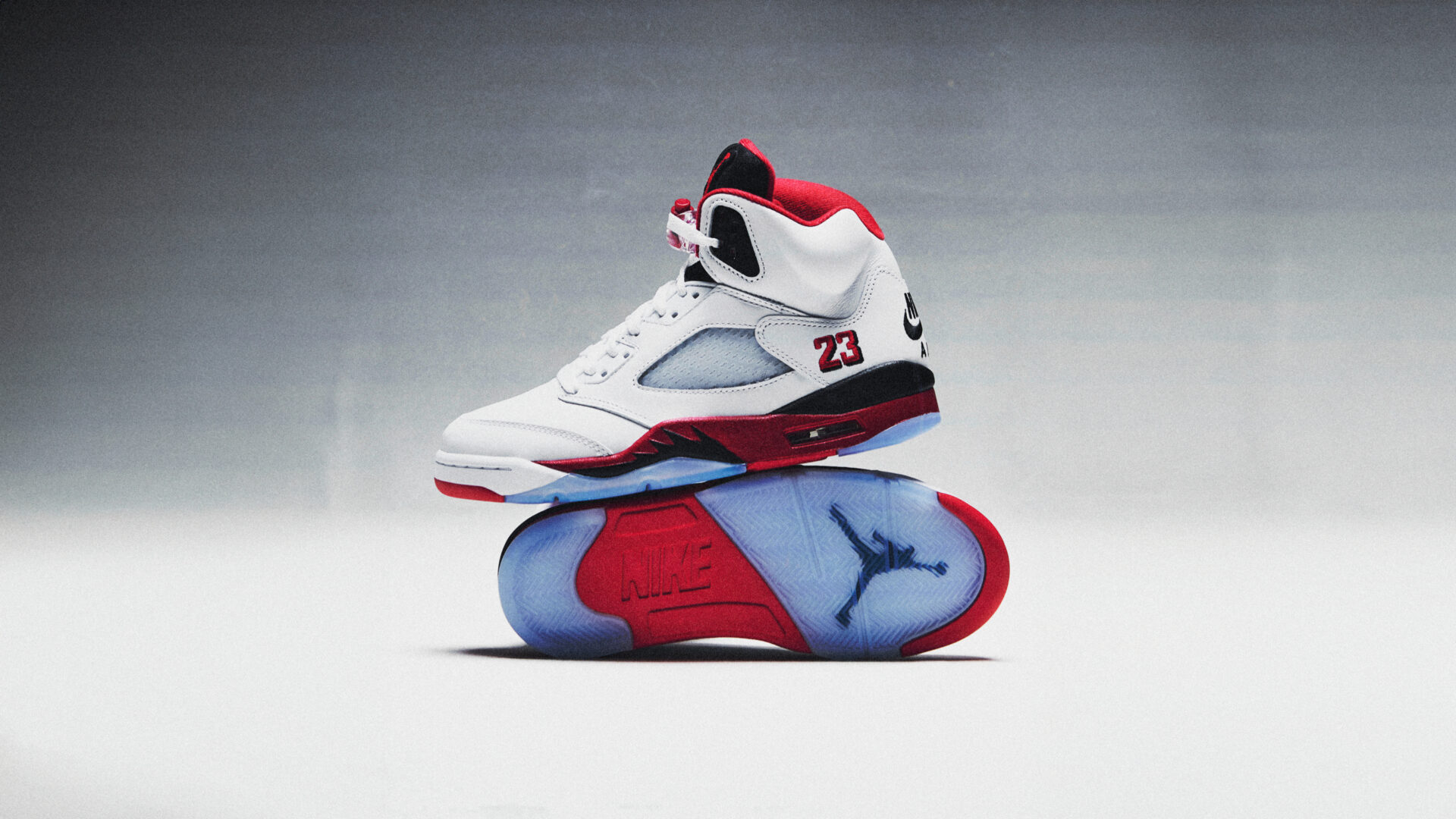
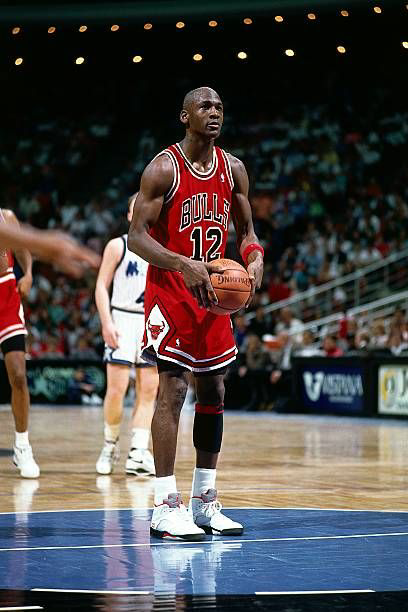
One of the most curious features of the Jordan 5 is the embroidered number 23 on the side of some versions—something its predecessors didn’t have. On Valentine’s Day 1990, the only place Michael Jordan’s number appeared was on his sneakers. His jersey with number 23 mysteriously vanished before a game against the Orlando Magic, so he played with a nameless jersey featuring the number 12.
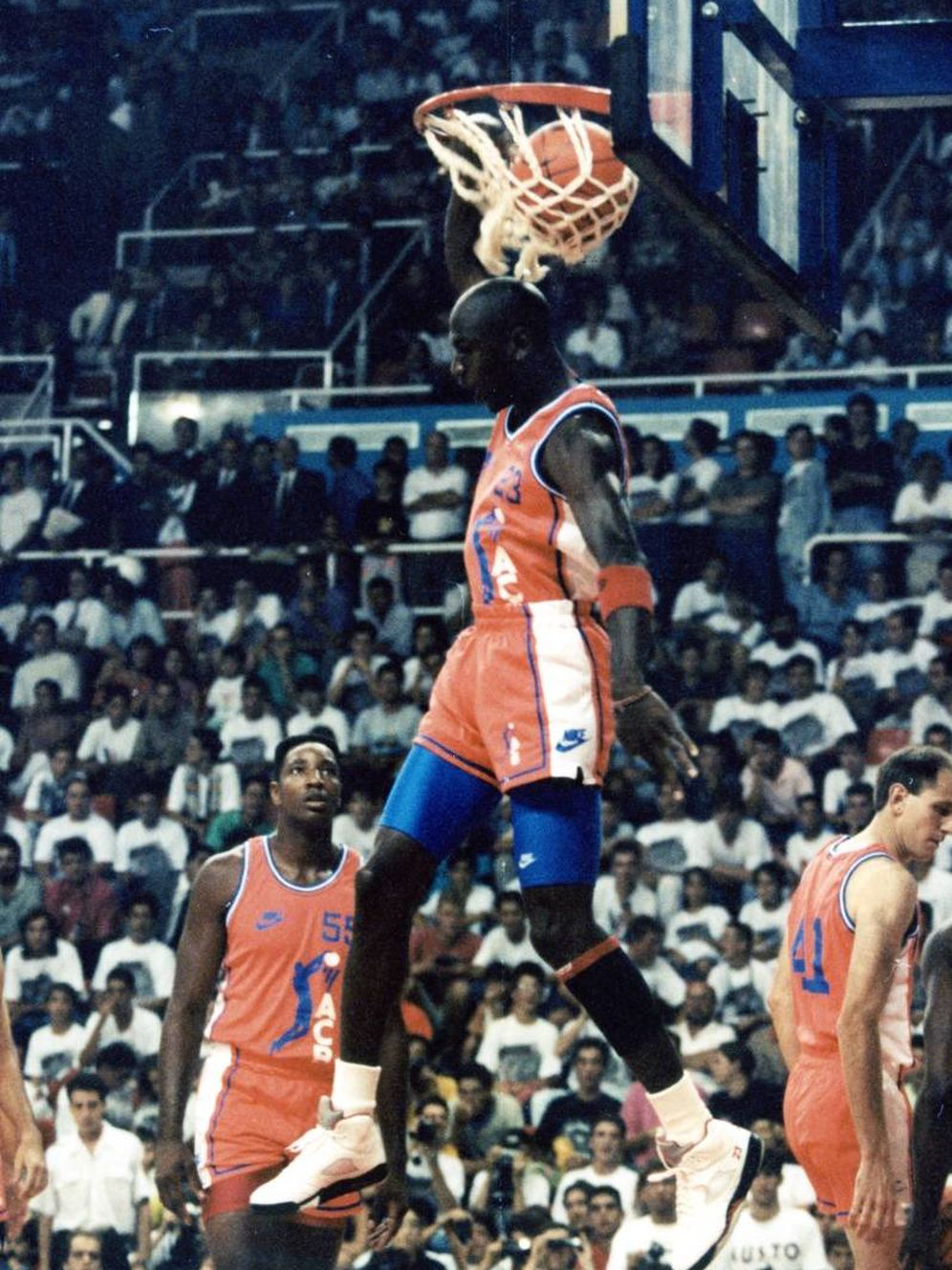
In the summer of 1990, Michael went on a European tour with stops in France and Germany. However, the most memorable moment was his appearance at the ACB All-Star Game in Spain’s professional basketball league.
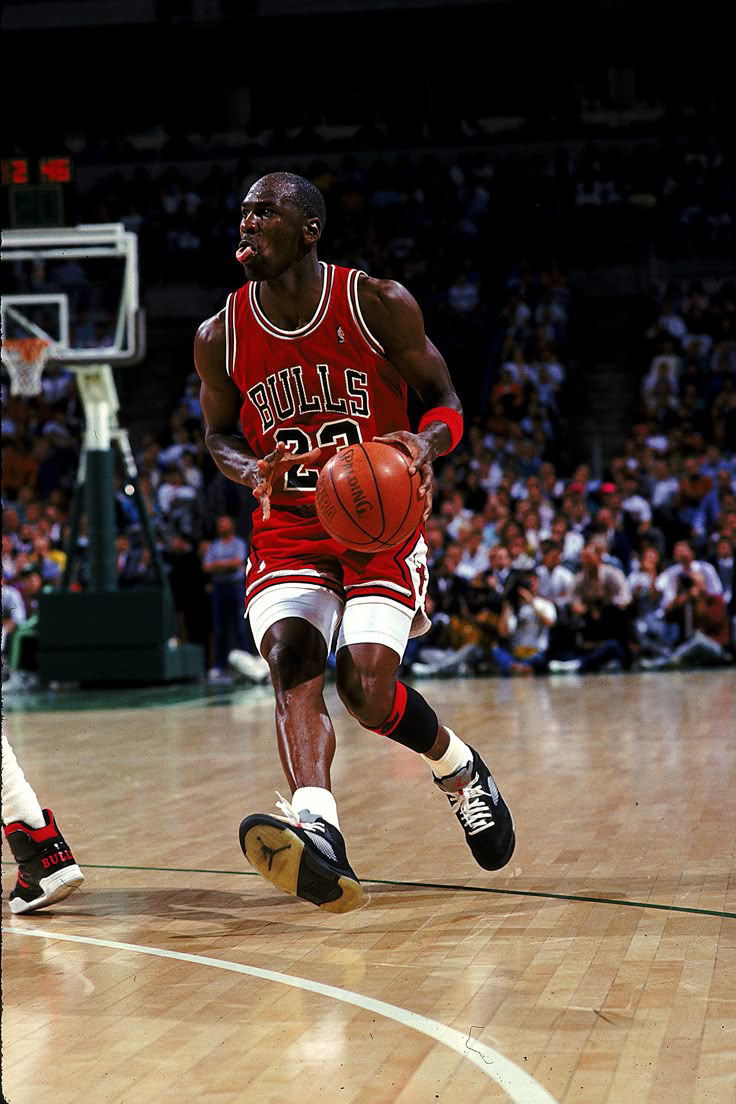
During the 1989 playoffs, the Chicago Bulls made a visual statement of unity by all wearing black sneakers. A year later, during the series against the Bucks, they took it a step further by adding white laces, which were not included in the commercial version of the Jordan 5. Some special editions later brought this detail back, like the Jordan 5 Premio Bin23 (2011) and the Jordan 5 Reimagined (2025).
Notable Wearers
While the Air Jordan 1 and 2 had both high and low versions, and the Jordan 3 and 4 introduced a mid-height style, the Jordan 5 was originally released only as a high-top—until Mike Bibby entered the scene. The point guard debuted in the NBA in 1998 and quickly became a key figure for Jordan Brand. The only issue? He preferred low-tops. This led to special low versions being made for him, eventually extending to models like the Jordan 6, 8, 9, 12, and 13.
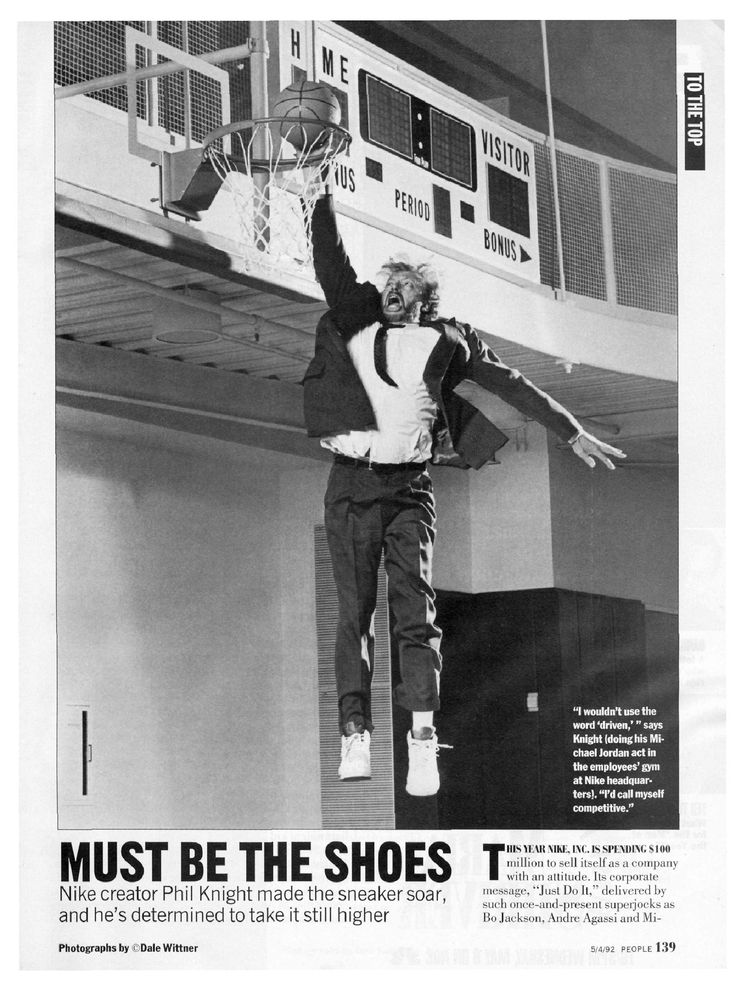
One of the most unexpected names to wear the Jordan 5 was Phil Knight, Nike’s founder. He wore them in a photo shoot for People Magazine—a smart choice, as he was trying to channel Michael Jordan in that shoot.
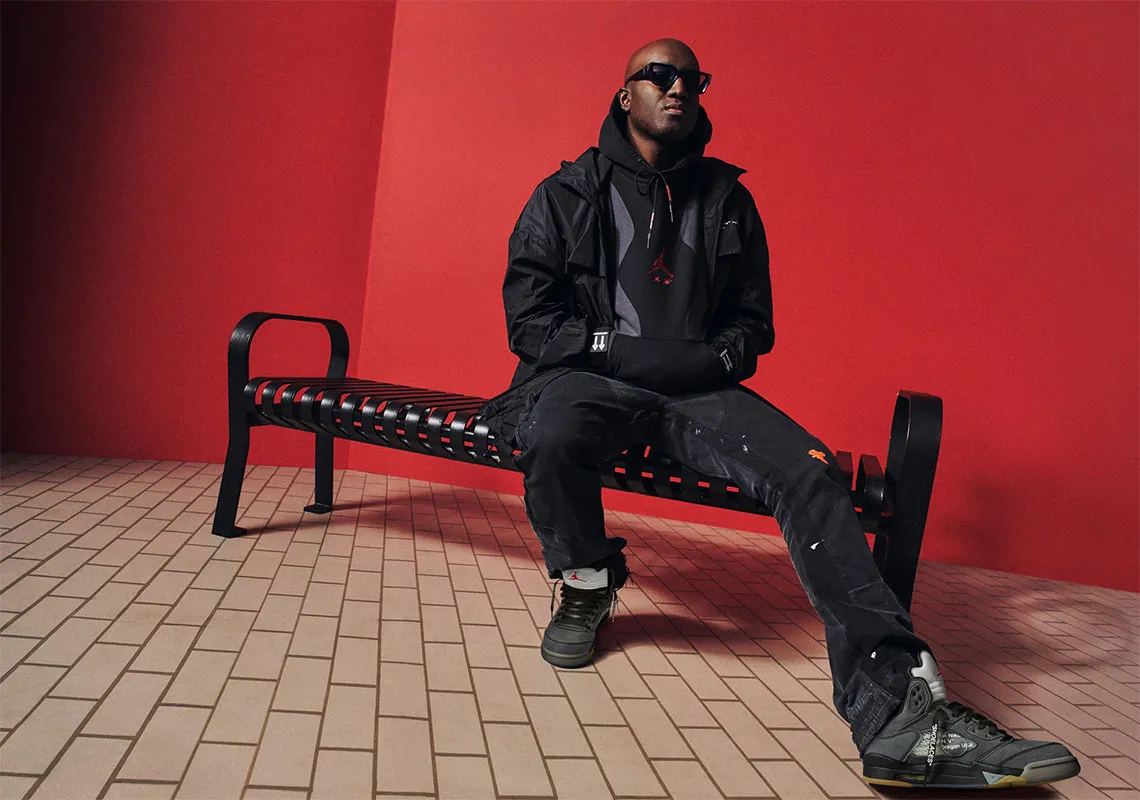
Virgil Abloh, born and raised in Chicago during the Bulls dynasty, owned the AJ5 as his first pair of Jordans. That deep connection was reflected in his Off-White Jordan 5 designs, where he always stayed true to the original colors.
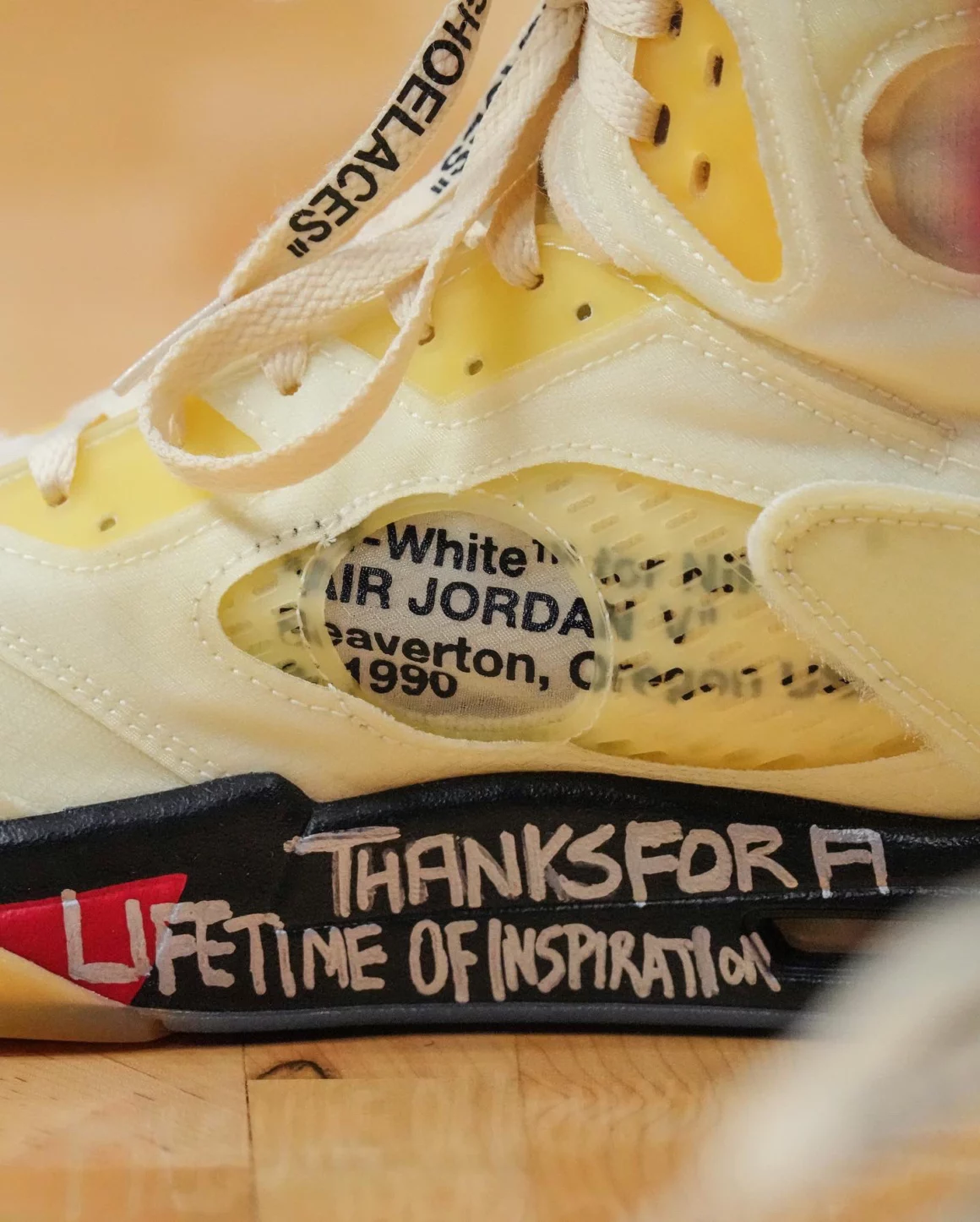
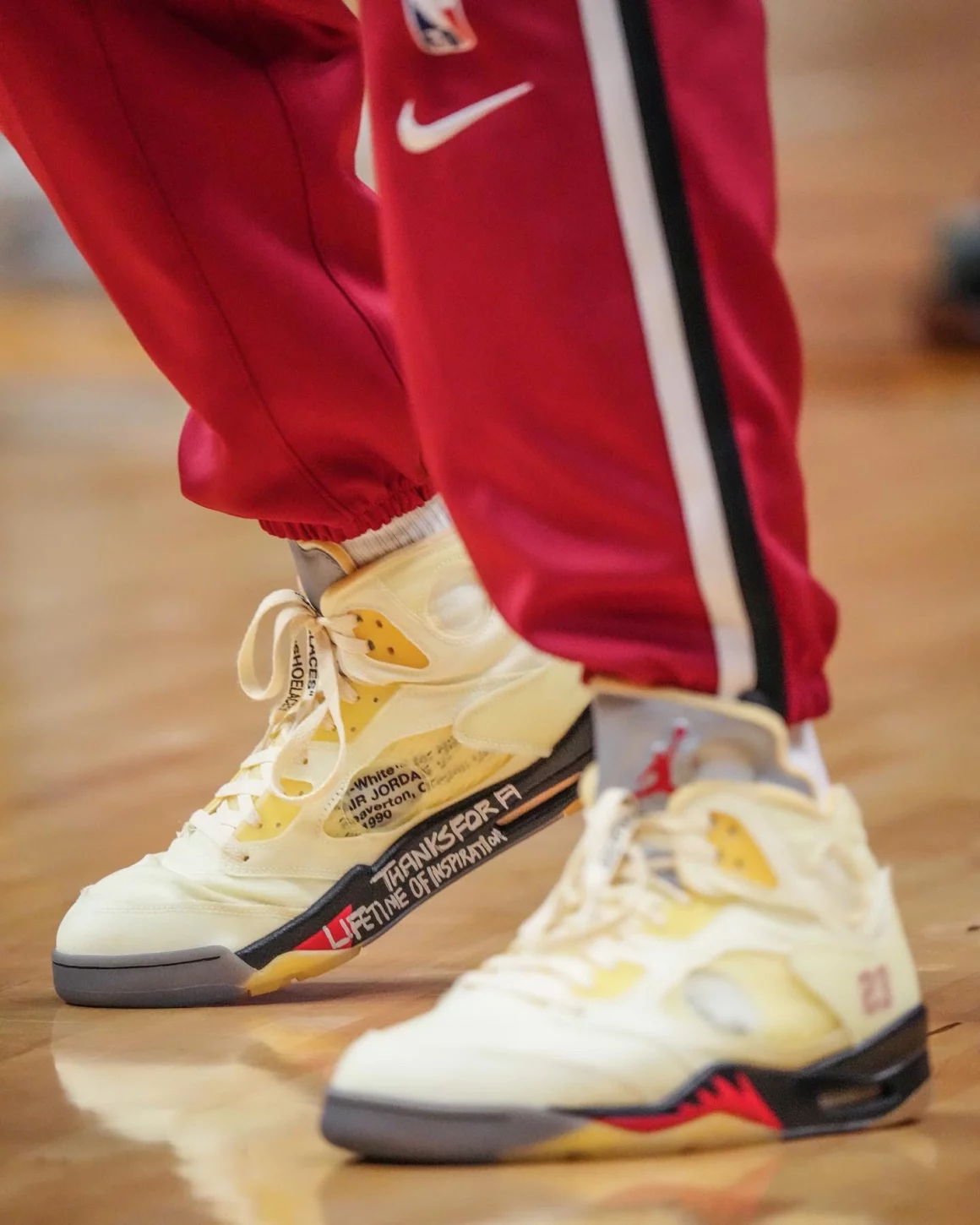
NBA sneakerhead P.J. Tucker, widely considered the league’s biggest collector, paid tribute to Abloh after his passing by wearing a custom pair of Jordan 5s covered in personal messages to the designer.