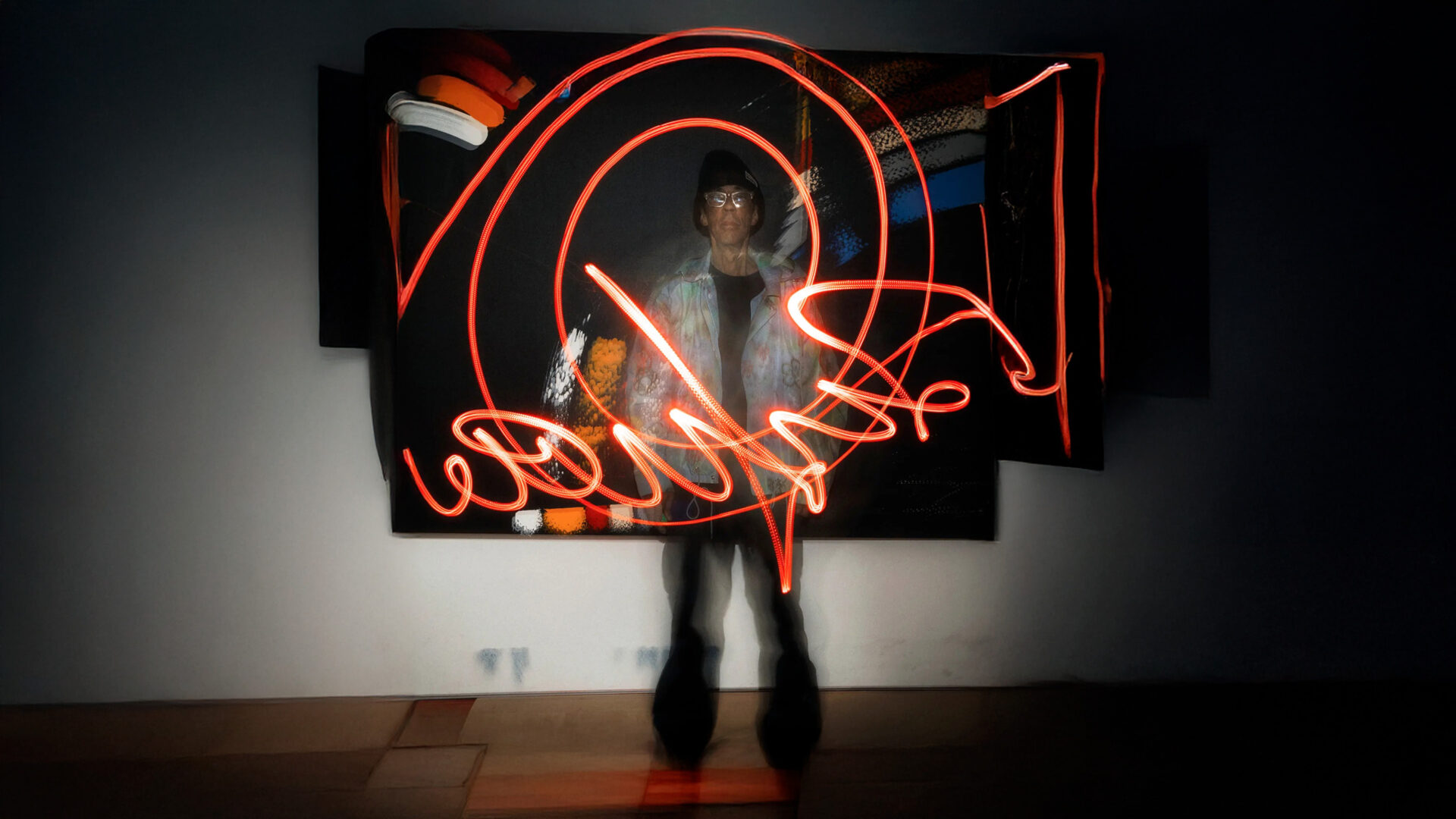
45 years of innovation, rebellion, and cultural dialogue, a review of Futura 2000‘s cultural relevance on the occasion of his collaboration with KENZO.
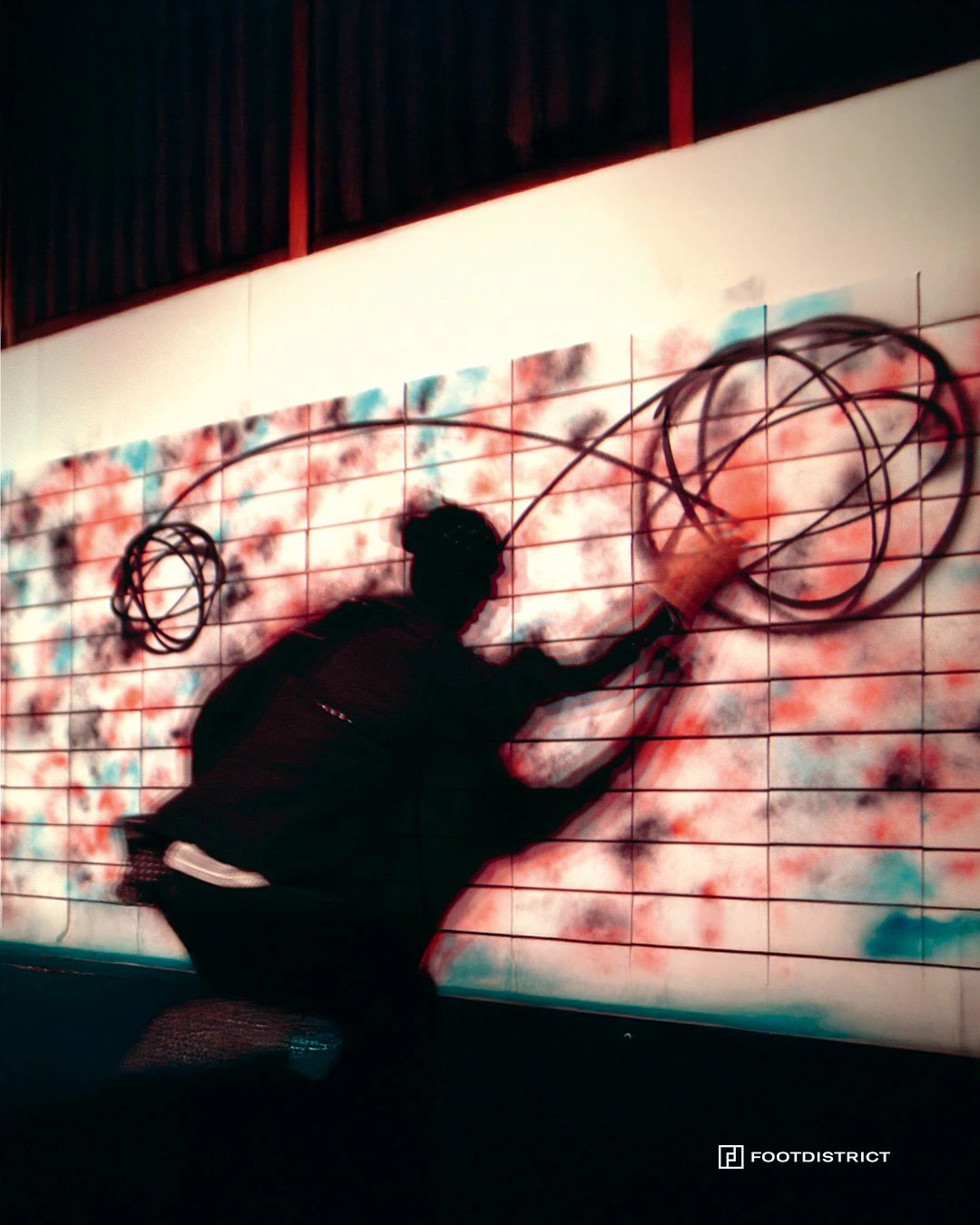
Leonard Hilton McGurr, known initially as Futura 2000 and later, Futura, began painting on New York subway cars in the late sixties, just as graffiti sought its own grammar and made a name for itself during the following decade. While most opted for compact signatures and inflated names, he introduced nebulous swirls, filiform lines, and flashes of spray that seemed traced at the speed of light. Those abstract forms broke orthodoxy and opened the door to a new language: that of graffiti as atmospheric art, free of frames and rules. It was the arrival of abstract elements.

Futura and music
In 1980, chance led him to the stage with The Clash. During the band’s North American tour, Futura painted enormous murals for the band, which aimed to establish a bridge between punk and hip hop.
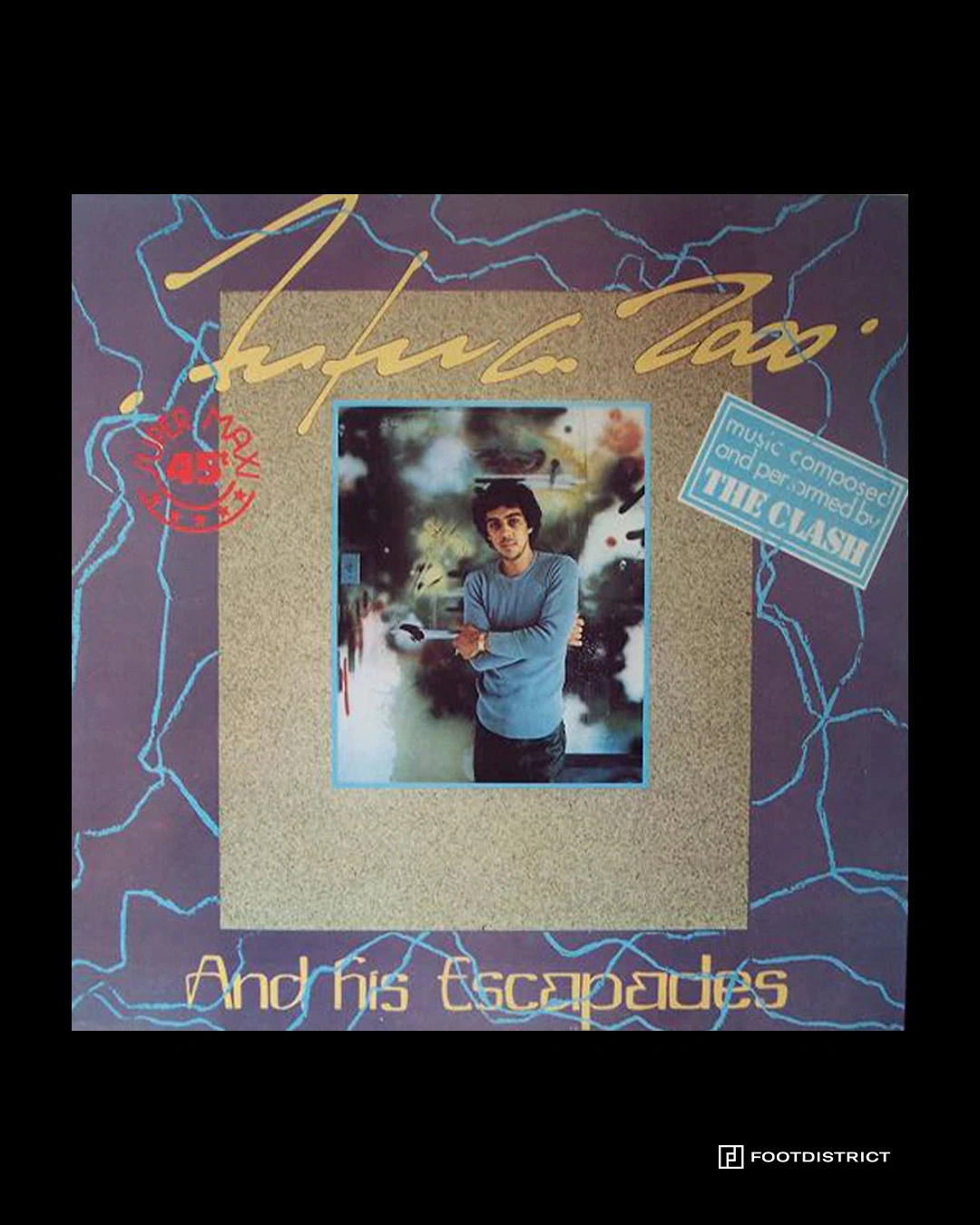
Later in the decade, Europe adopted Futura through the Mo’Wax label, cradle of trip-hop and turntablism. His illustrations, stylized figures floating over galaxies, The Pointman, Johnny, and his already recognizable atoms adorned records by DJ Shadow and UNKLE, consolidating a cosmic aesthetic that mixed science fiction, Japanese calligraphy, and street tagging.
Futura and streetwear
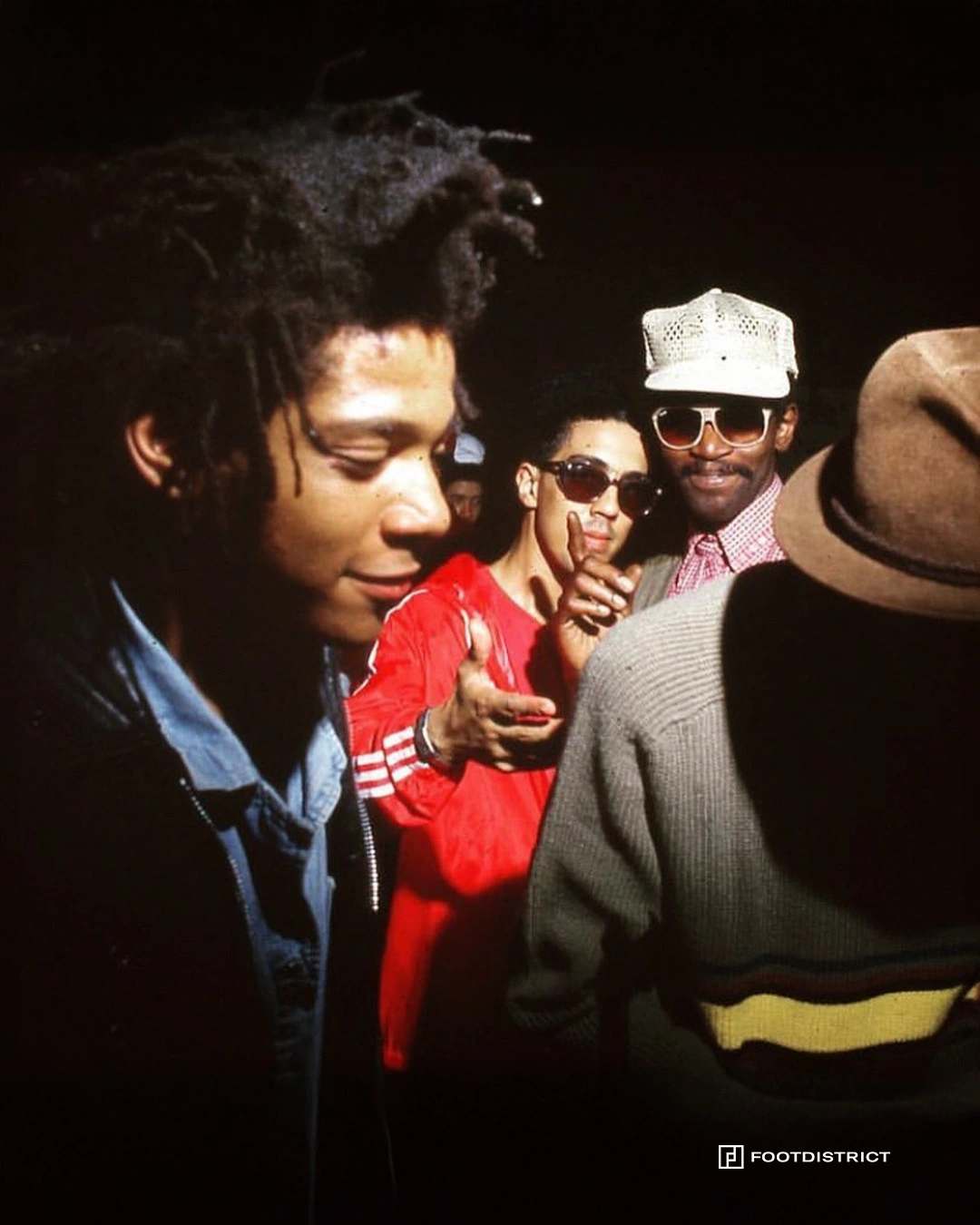
But Futura was not limited to galleries and covers: together with Stash he founded GFS/NFC and collaborated with Subware, Recon, or Nort. This gave birth to streetwear as we understand it today: capsule collections, logos that dialogue, and collaboration as a way to tell stories. That seed traveled to Tokyo, where a young Nigo transformed it into a global phenomenon with BAPE, Human Made, and a shared obsession.
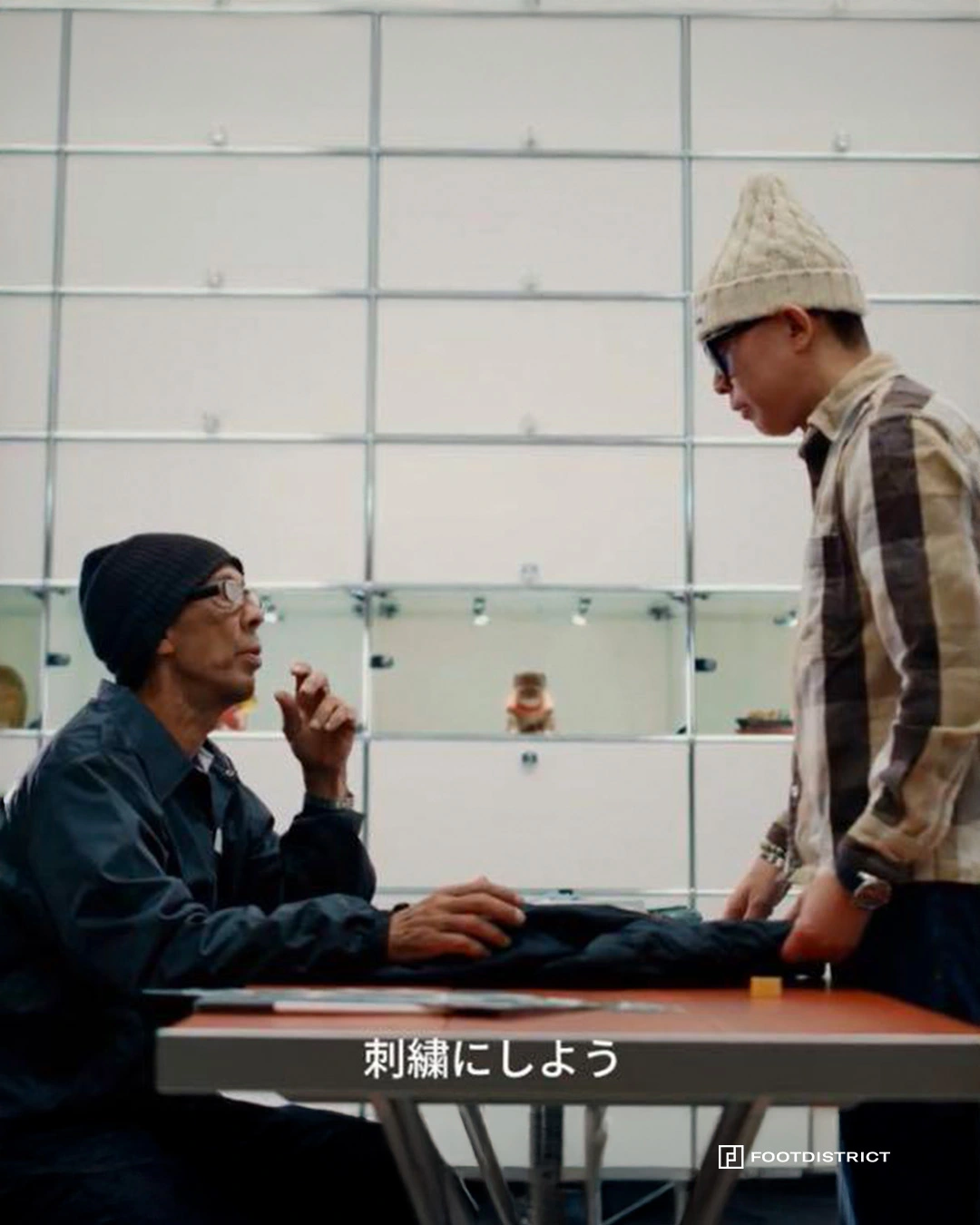
The new millennium multiplied the echo: projects with Off-White, Levi’s, Comme des Garçons, Louis Vuitton, Nike, or Medicom Toy. Each alliance transferred his ethereal signature to a different medium —vinyl, denim, ceramic, leather— without losing the essence: freedom of stroke and a futuristic vision.
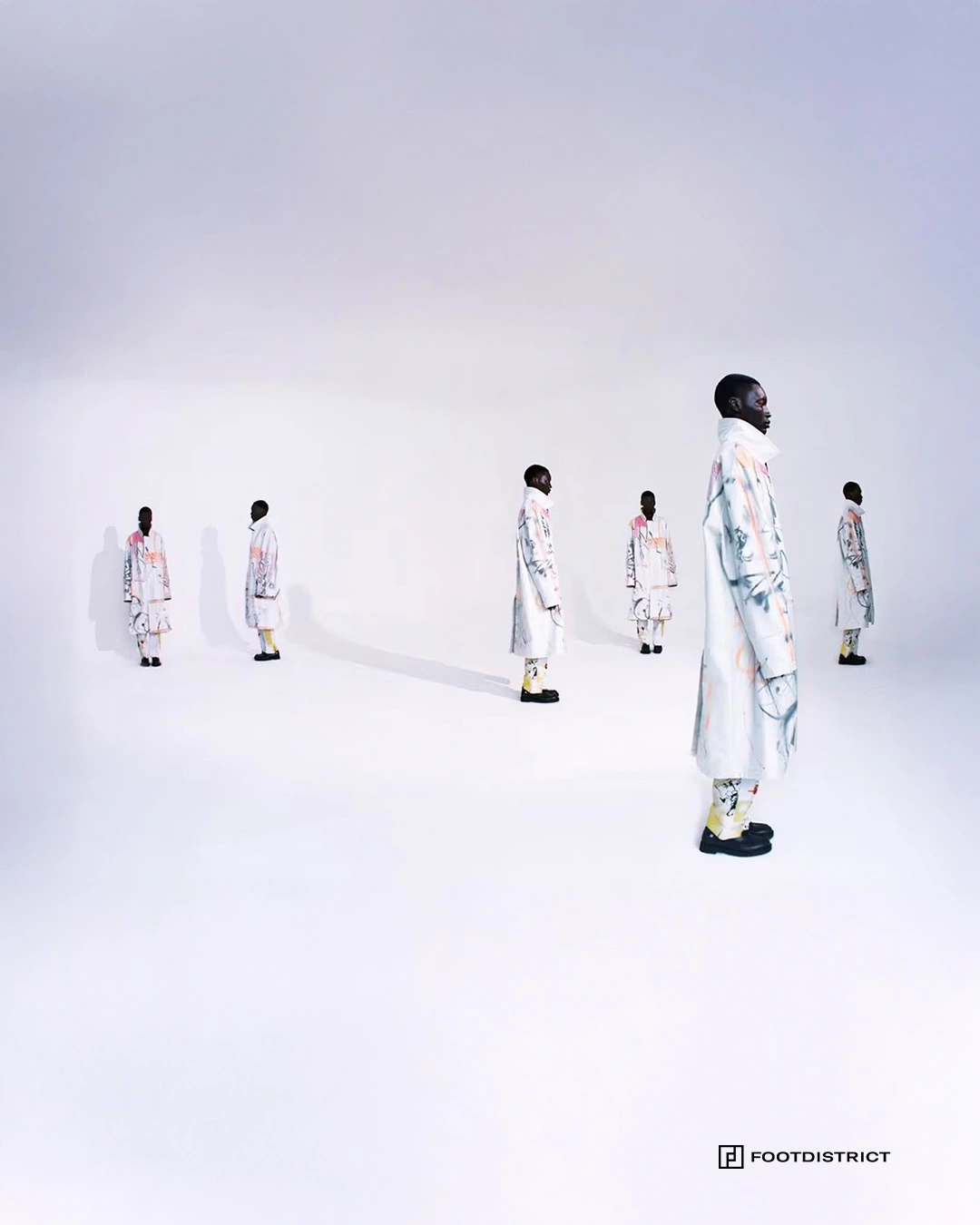
Today, the circle remains in motion with KENZO. Hand in hand with Nigo —now creative director of the maison—, Futura integrates his graphic cosmos into garments that combine Parisian tailoring and urban DNA. Half a century later, that tag that floated in the tunnels unfolds on runways and digital murals. His message remains intact: creativity is perpetual motion.