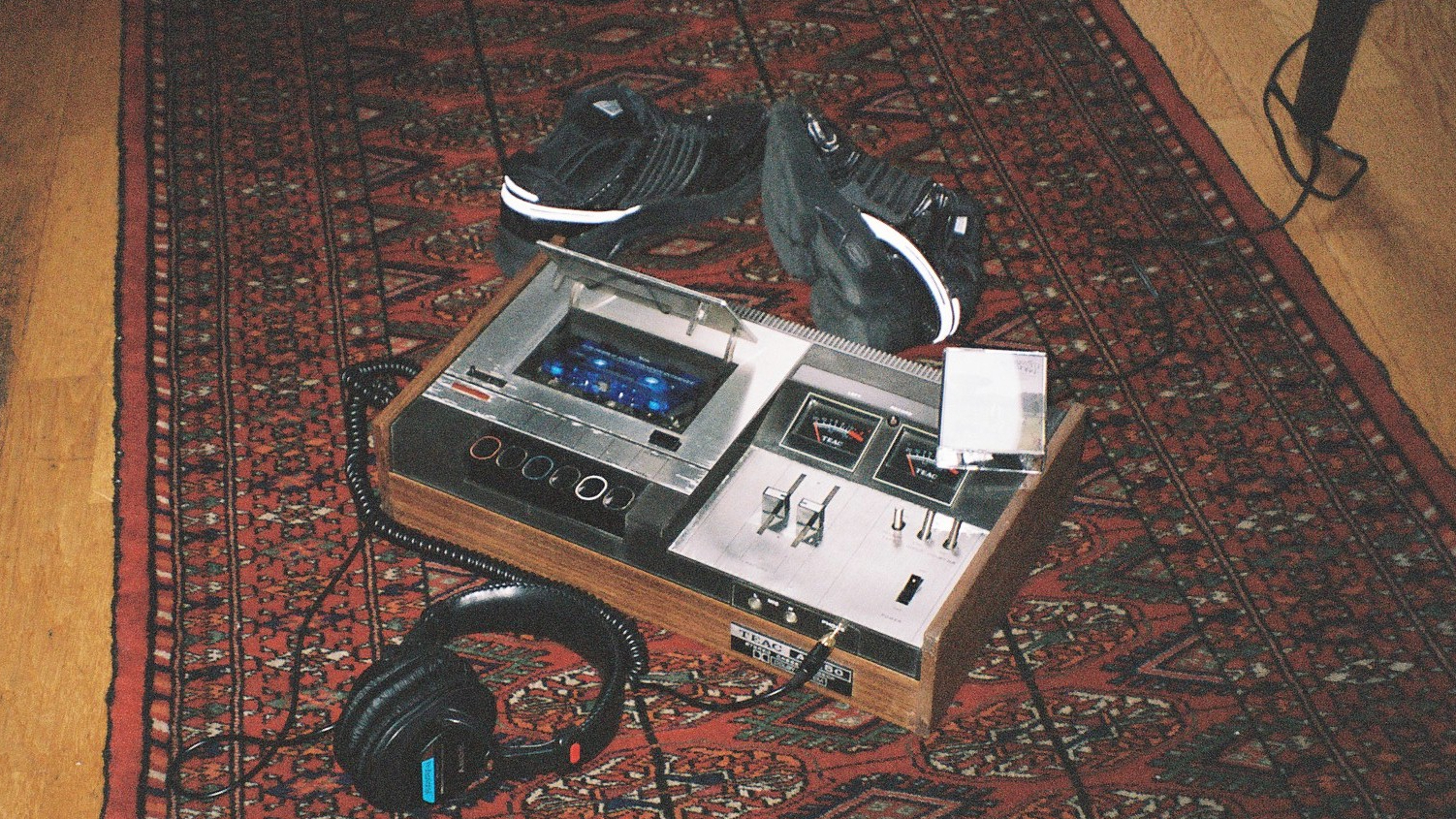
Depresión Sonora exists in a constant state of tension — between the solitary beginnings in his bedroom and the massive concerts; between a name that evokes melancholy and a creative energy that’s always in motion; between the dominance of sound and the need for a visual identity to match it.
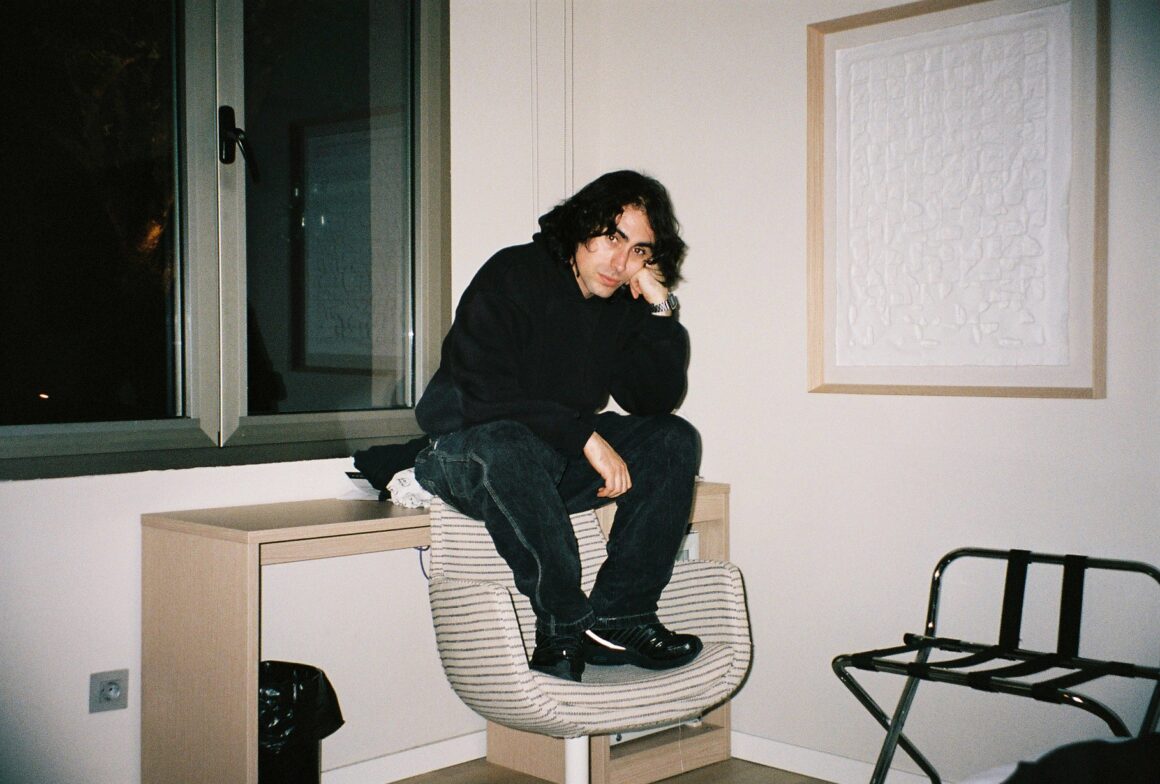
The presentation of “Los Perros no Entienden Internet (…Y Yo no Entiendo de Sentimientos)” was the moment to bring those contrasts to the stage. At FOOTDISTRICT, we joined him during this new chapter, where the adidas Adistar Control 5 stand at the center of his attitude. We spoke with Marcos about how all these elements — from music to wardrobe — help build a complex personality that has become one of today’s key references in the scene.
The wardrobe we see on stage and in Depresión Sonora’s visuals — is that your own style? Is there a conscious difference between the person and the character through clothing?
It’s 100% my own clothes. I don’t like feeling like I’m wearing a costume, and I truly believe in the authenticity of a project where the personal aesthetic is essential. There has to be a unique personality that doesn’t separate the person from the character.
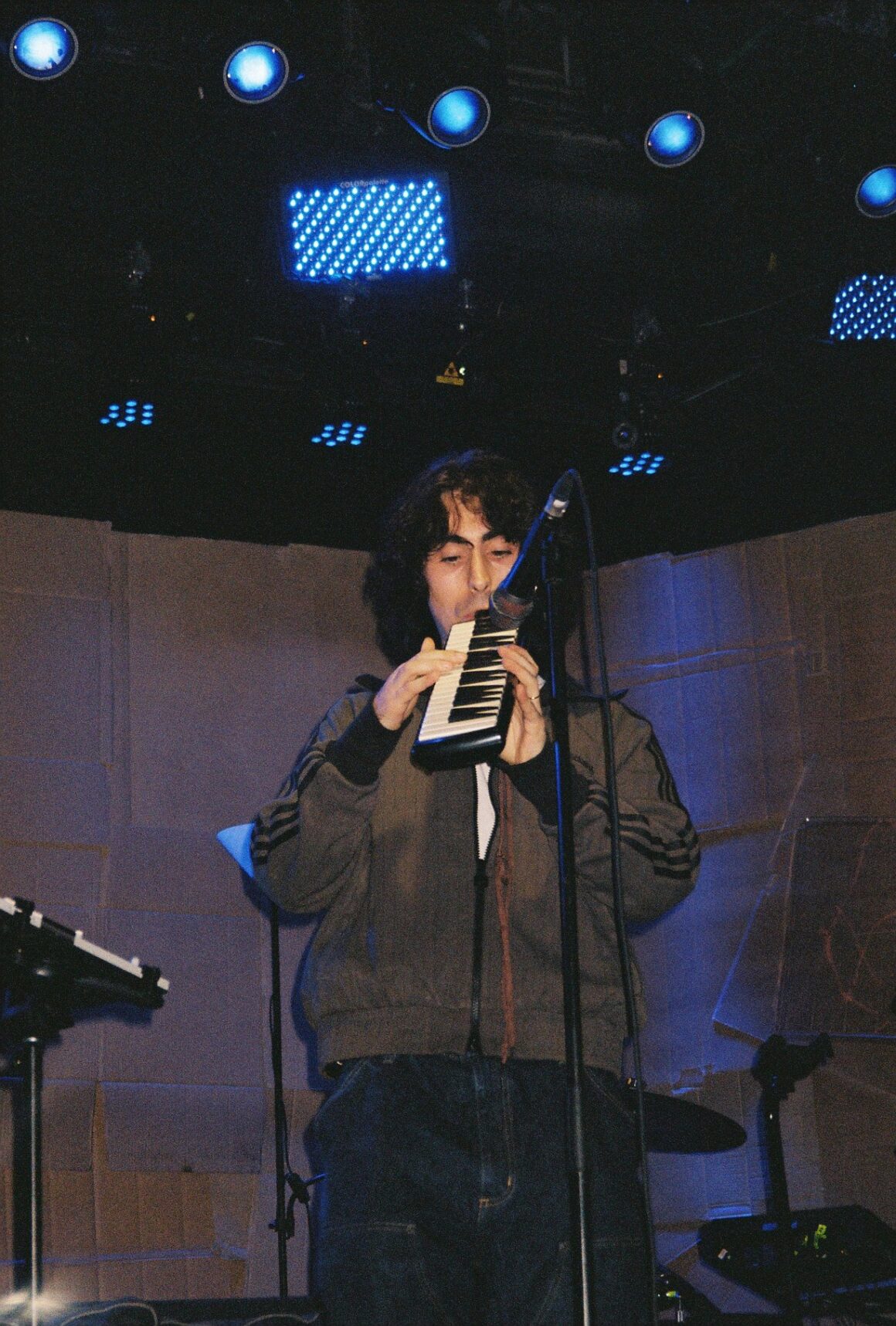
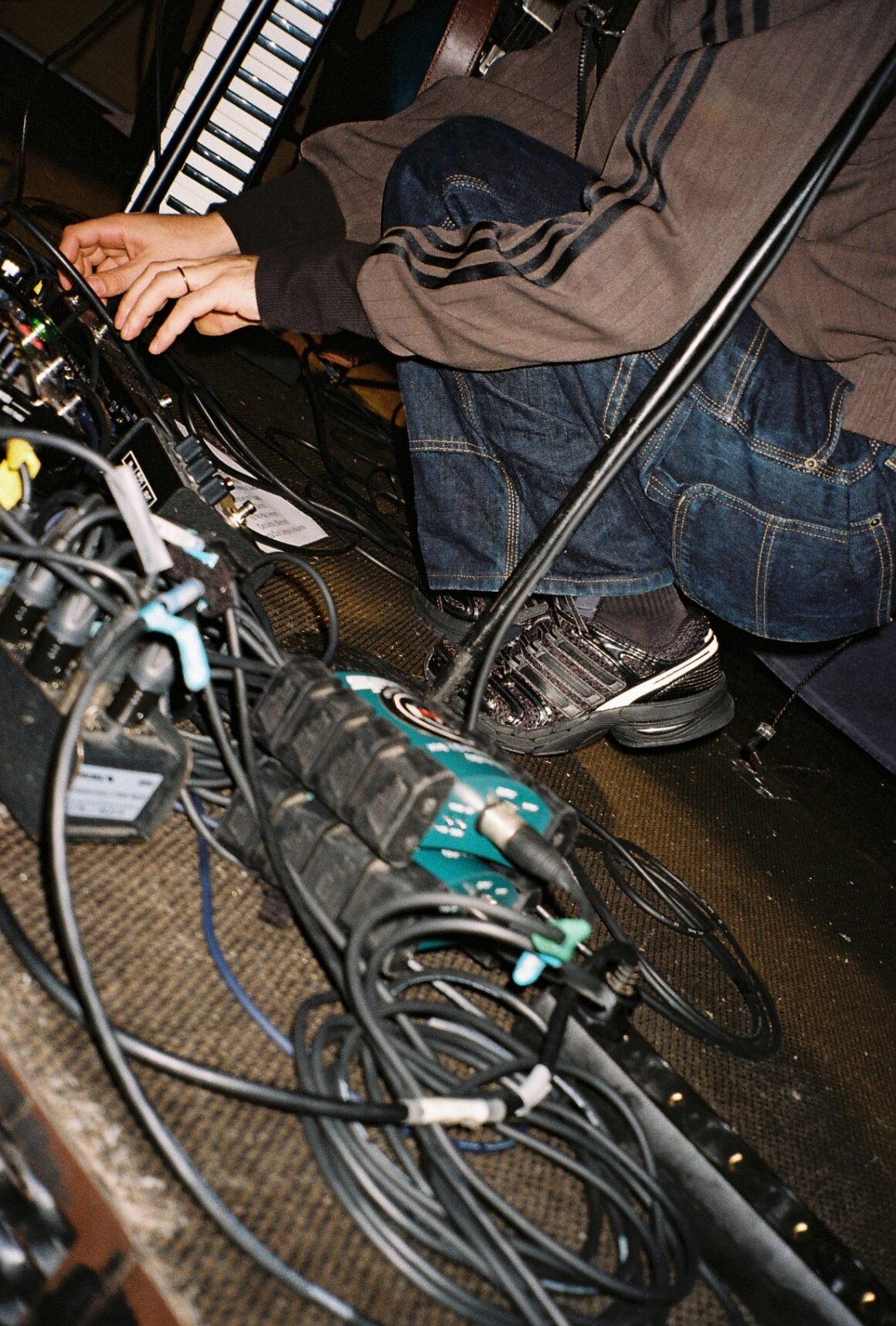
Depresión Sonora isn’t defined by a specific style, but the project’s name might create certain visual expectations. Do you feel that name has limited or, on the contrary, strengthened your aesthetic freedom?
I think it’s a play on words that might box the project in at first, but once you understand it, it can take you to many places. The visual identity has evolved over time, and growing up in an alternative environment gave me the freedom to choose. I could show up looking like a goth and people would find it normal — but my soul is way more hip-hop.
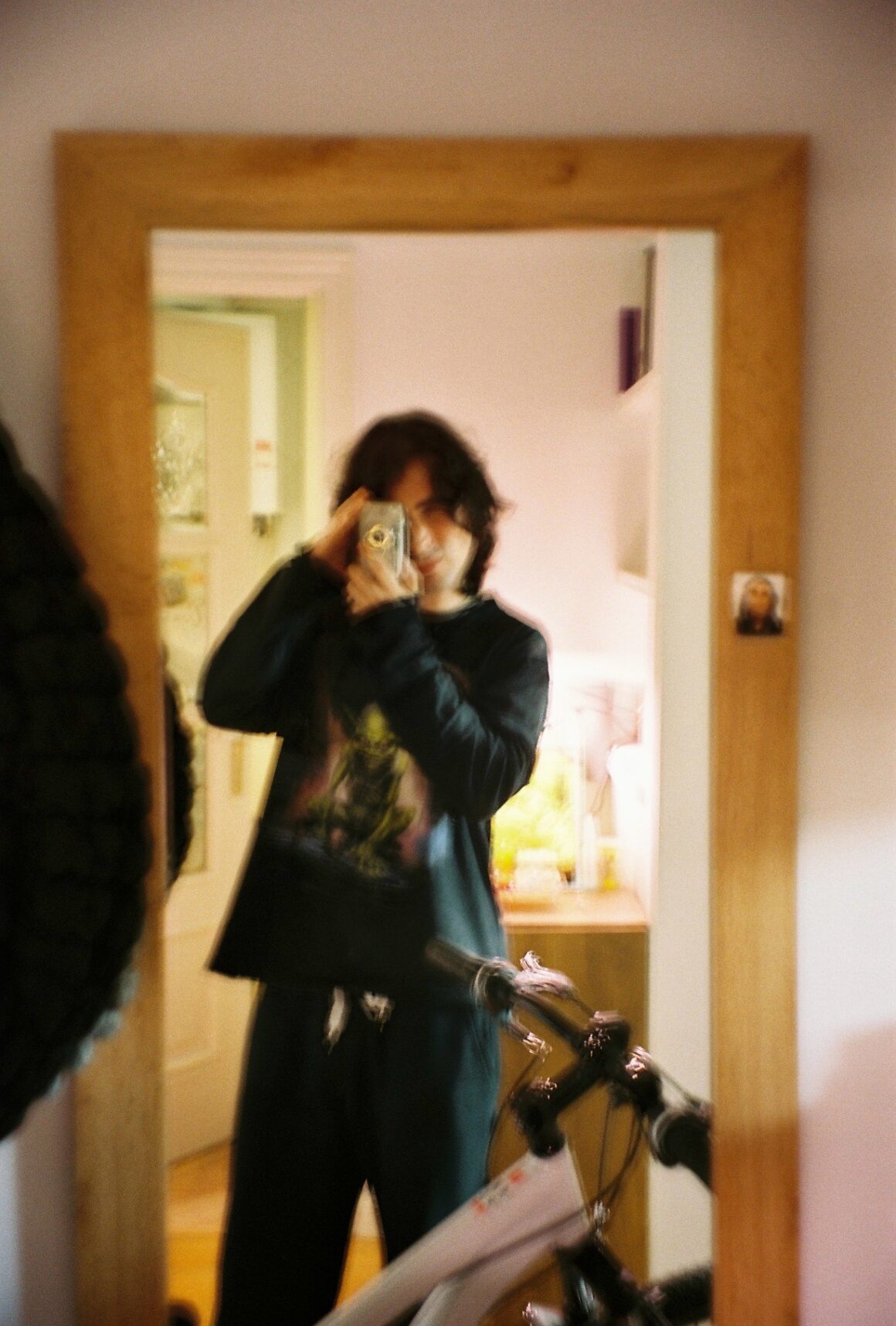

In your experience, do you think clothing can really influence your mood before a show or how you connect with the audience while performing?
Absolutely. When you feel comfortable with your appearance, it gives you the confidence to give everything on stage.
Do you believe certain pieces — like a specific jacket or type of sneaker — have the power to communicate something, simply because of their historical link to certain music genres or movements?
Clothing and aesthetics are key cultural elements. Many brands are associated with specific music styles and urban tribes. I’ve been buying the same type of sneakers from the same brand for years because the older kids I looked up to wore them — they symbolized belonging.
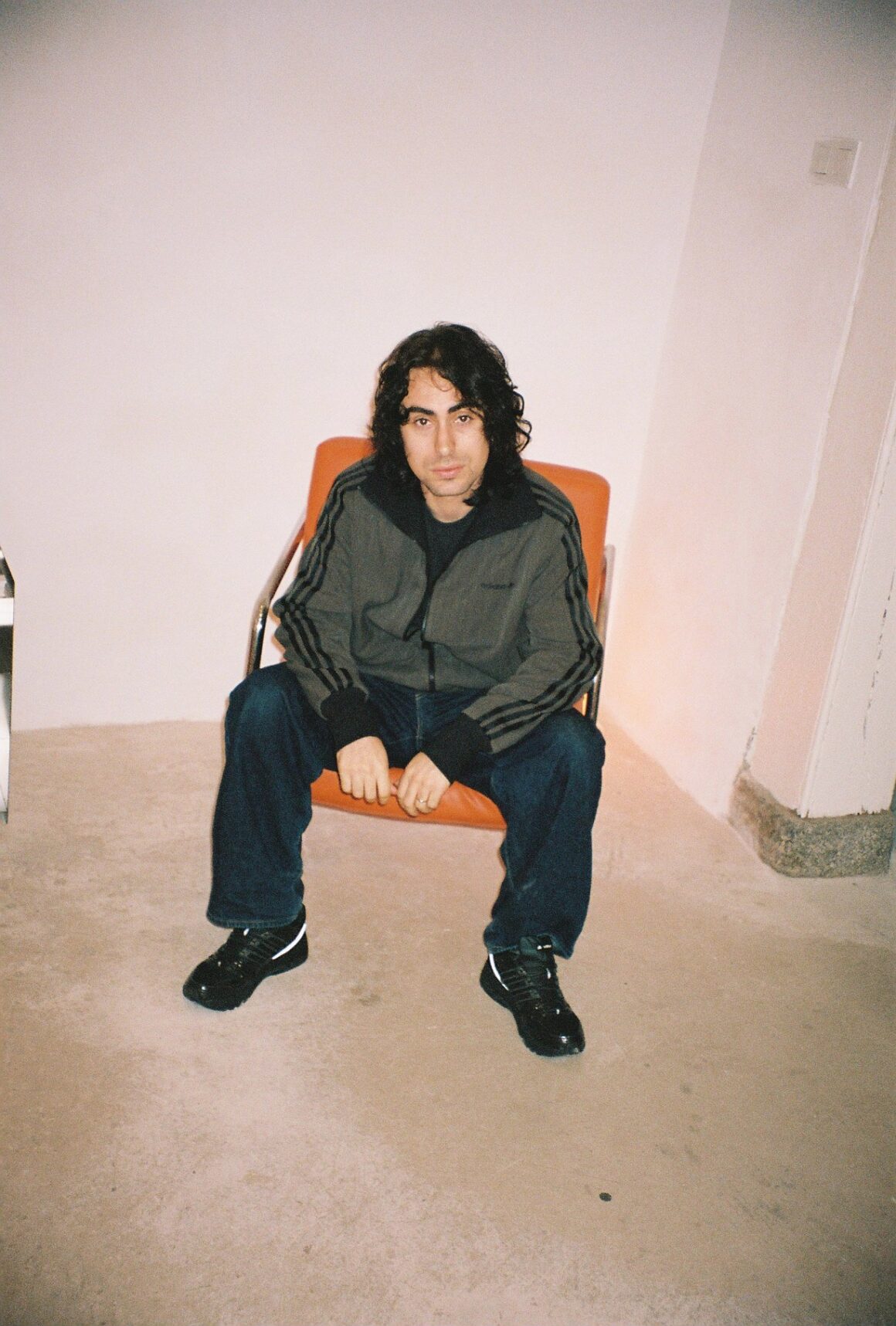
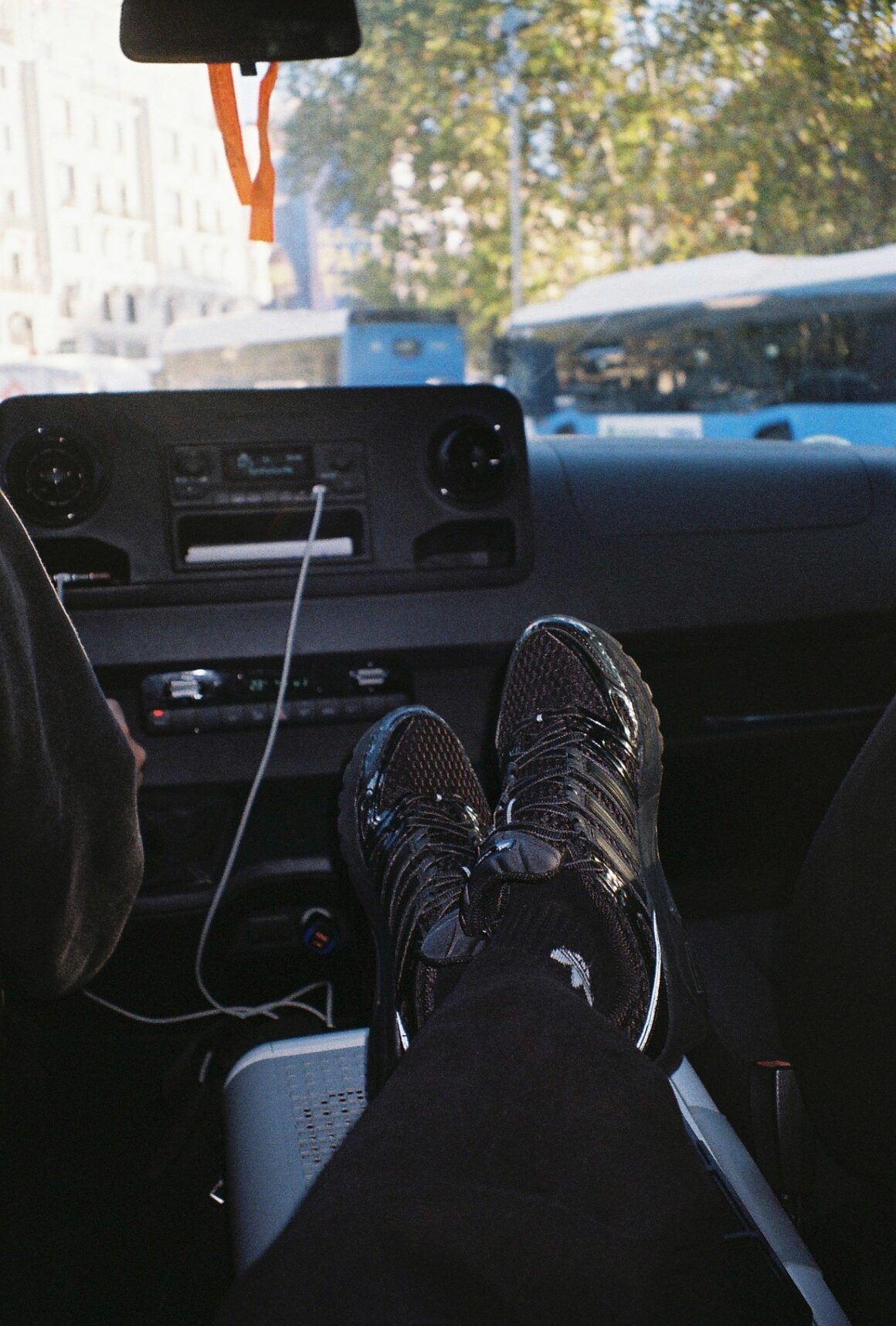
As a musician with a sharp visual sensibility, has photography — its composition, light, and texture — influenced the way you shape your image in videos and photoshoots?
Just like I aim for a very specific sound aesthetic to evoke precise emotions, I do the same visually. I pay attention to how everything is filmed. This time, all the music videos were shot with digital cameras from 2005 to 2009. There’s also a lot of MiniDV footage and video synth processing. Everything has to feel cohesive to truly convey what you want to express.

We’ve often seen you wearing Bad Brains or Nirvana tees and shoegaze-inspired caps. Do these choices create a cohesive visual story, or are they simply nods to the bands that influence you?
I really like the merch and aesthetics of 90s bands. They’re mostly tributes to those groups, but they end up becoming part of who you are — and part of your aesthetic.
Your beginnings were purely lo-fi and DIY. Now that Depresión Sonora plays on big stages, how do you balance the transition from the “bedroom” aesthetic to large-scale formats? Is it important to maintain a recognizable visual identity despite the change in scale?
As long as you stay authentic, everything that was born in your room will follow you wherever you go. Of course, you have to be mindful of the people you work with, but it’s essential to stay true to the philosophy that got you here.

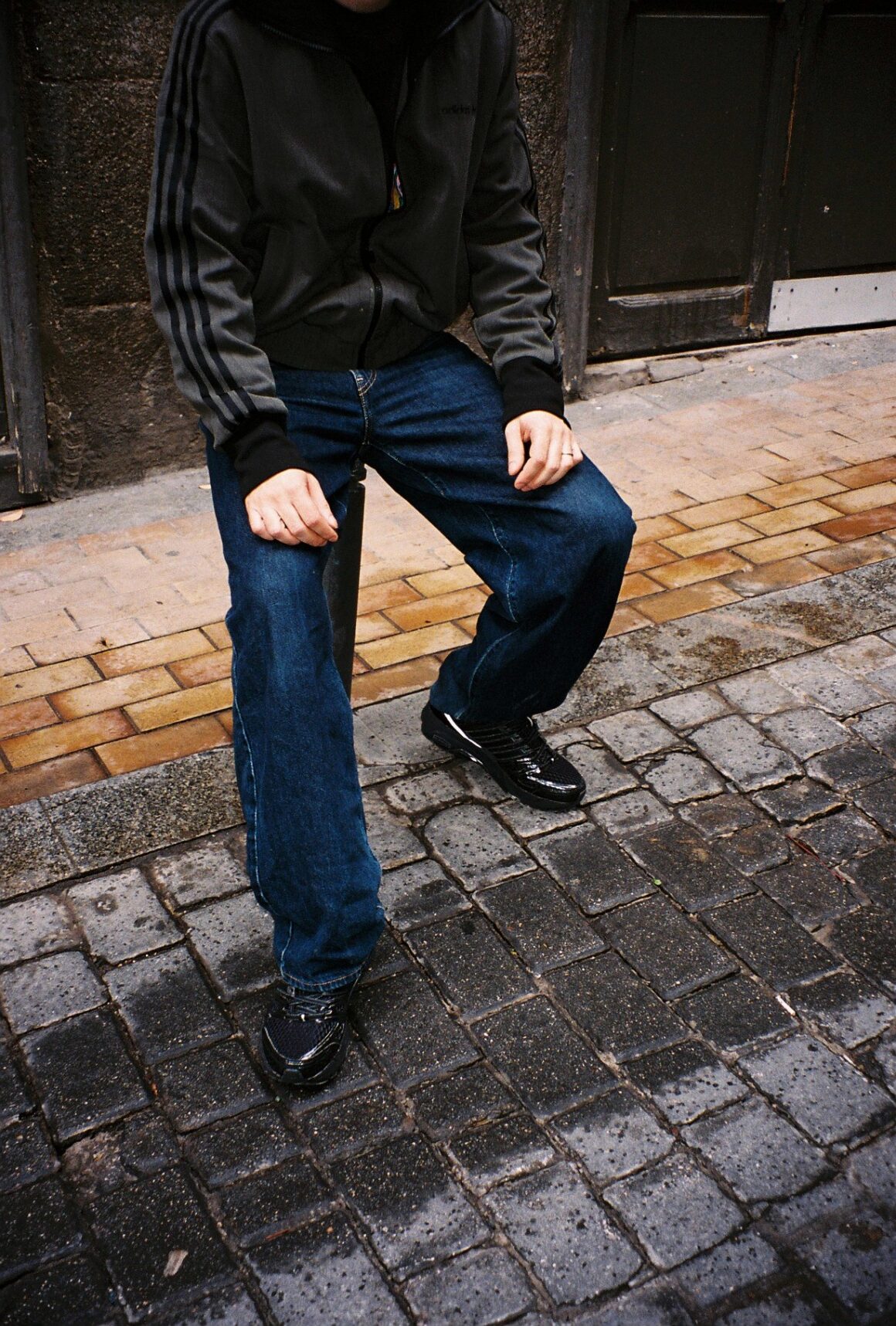
A narrative of authenticity and cohesion in which Marcos includes the adidas Adistar Control 5, the model that accompanied him through the presentation of “Los Perros no Entienden Internet (…Y Yo no Entiendo de Sentimientos).”