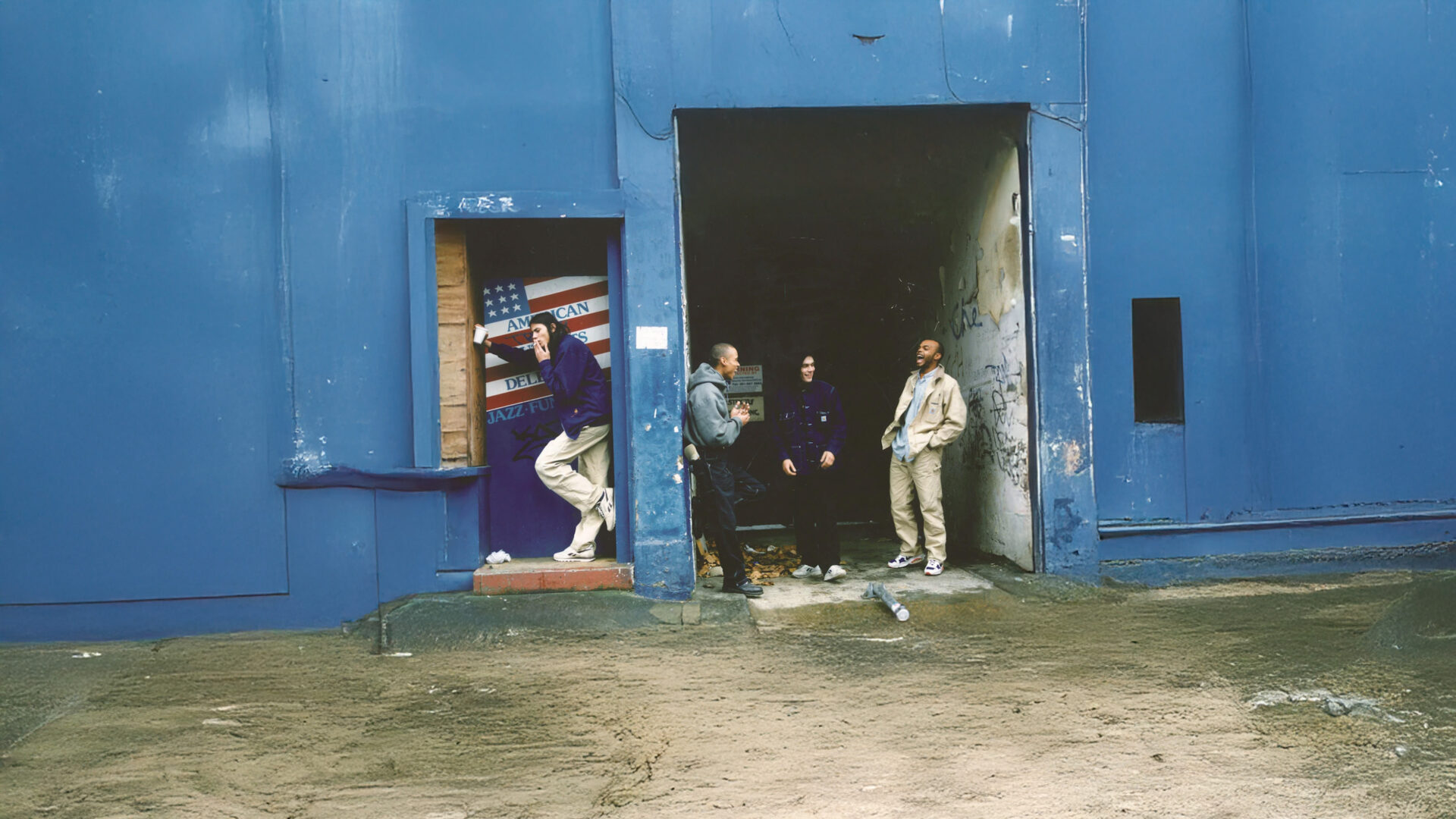
Carhartt WIP has transcended its workwear roots to become a global cultural emblem.
Its history is a fascinating narrative of how authenticity, durability, and functional design have resonated with some of the world’s most influential subcultures. From its beginnings to its current impact, we explore how this brand has been adopted and shaped by music, skate, and street culture—a journey driven by culture itself.
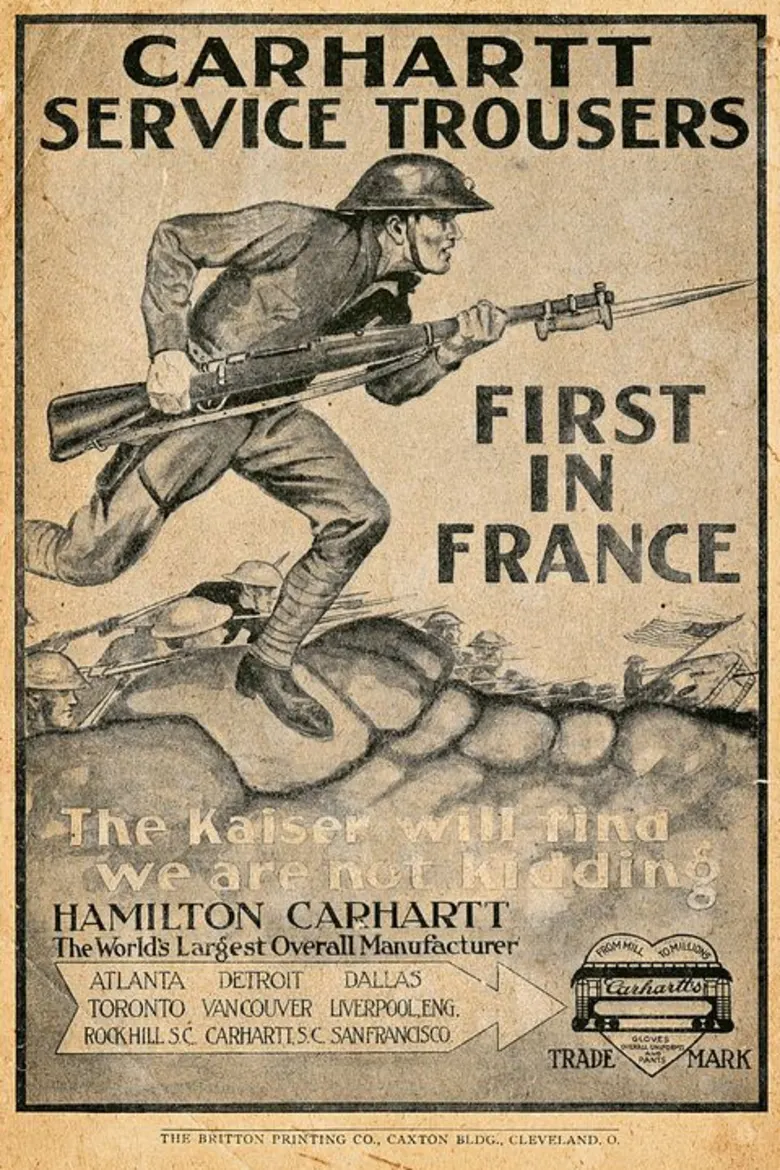
From Workwear to Global Culture: The Origin of Carhartt WIP
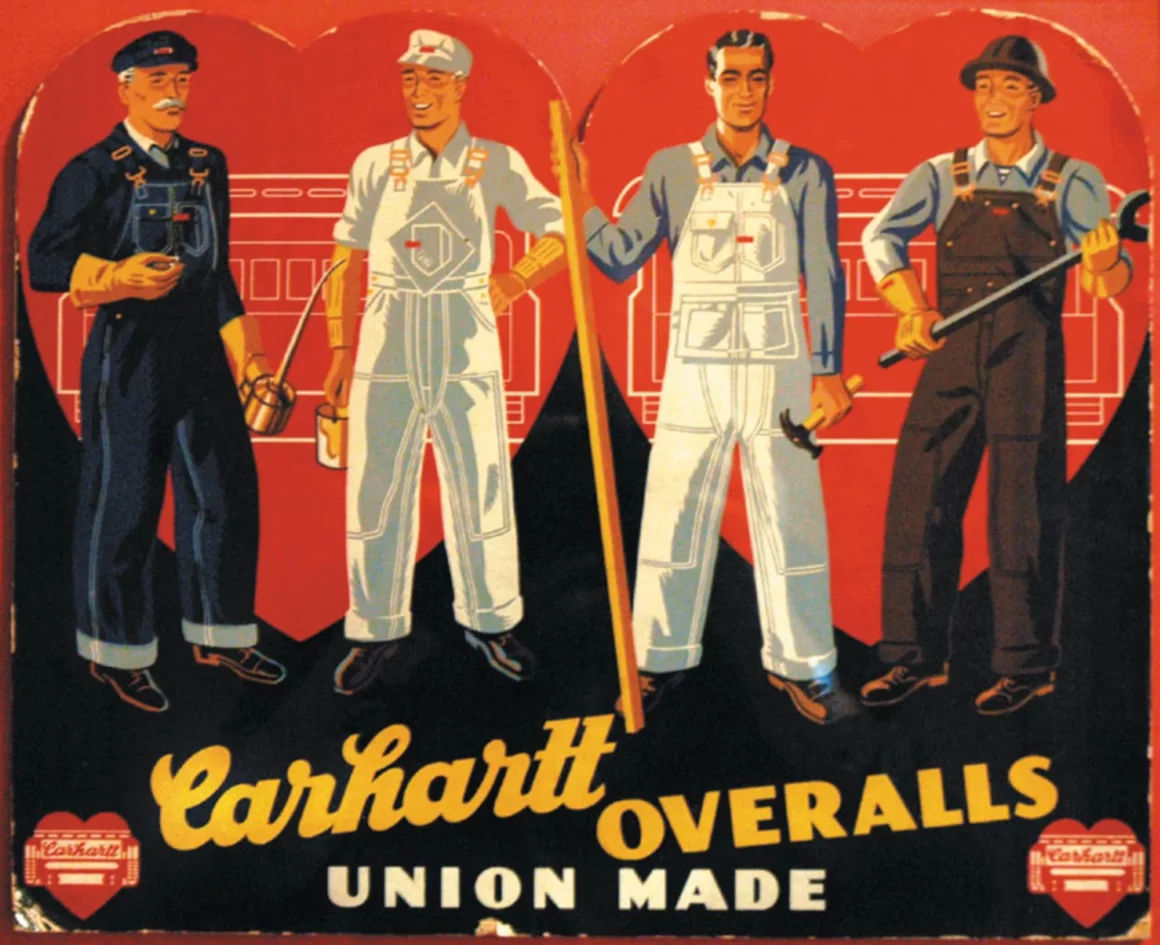
Founded in Detroit in 1889 as a workwear brand for railroad workers, Carhartt took a turn in Europe with Carhartt Work In Progress (WIP). This extension was oriented towards streetwear and youth culture, in contrast to the original workwear line in the United States. This development was not a radical change but a natural evolution that recognized the potential to adapt the garments for a European market eager for an authentic aesthetic that fused American workwear with various subcultures. Carhartt WIP’s philosophy, which values individuality and teamwork, lent itself perfectly to the creative industries.
Carhartt in Hip Hop
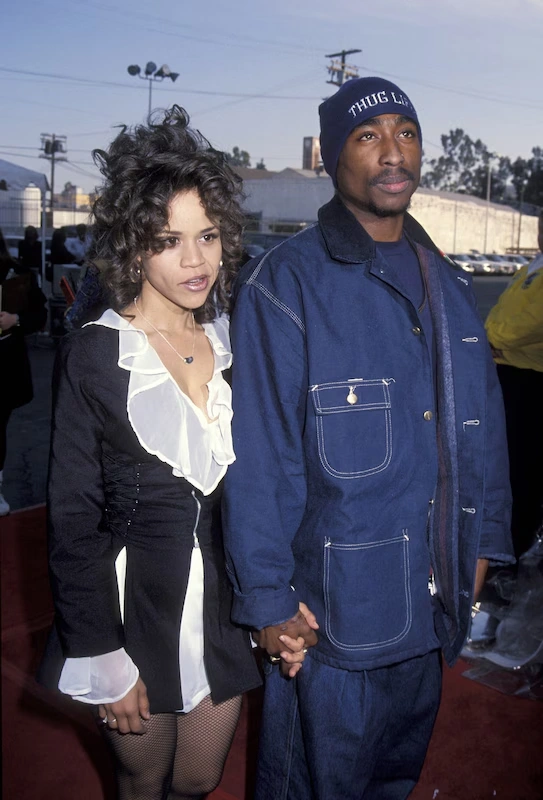
Carhartt’s relationship with hip hop is a clear example of how culture has chosen the brand, not the other way around. In the late 1980s, Carhartt garments began to make sense to urban hustlers and underdogs making a living on the streets, offering a functional and identifiable look. In freezing winters like those in New York, Chicago, and Detroit, a durable, lined jacket made of extra-heavy canvas and equipped with ample pockets proved extremely useful.
Young people saw a new style in this, and as they adopted the street style, Carhartt became one of their preferred brands. The aesthetic previously only used by farmers and construction workers suddenly exerted a real influence on fashion.
Around 1990, Monica Lynch, then president of Tommy Boy, and Albert “Albee” Ragusa, the label’s director of rap marketing, saw the success of Carhartt jackets on the street and conceived the idea of using them as a promotional tool. An order for 800 jackets was embroidered with Stüssy’s version of the Tommy Boy logo and distributed among friends of the label, creating a collaboration before such a notion even existed. Suddenly, Carhartt was a fashion accessory.
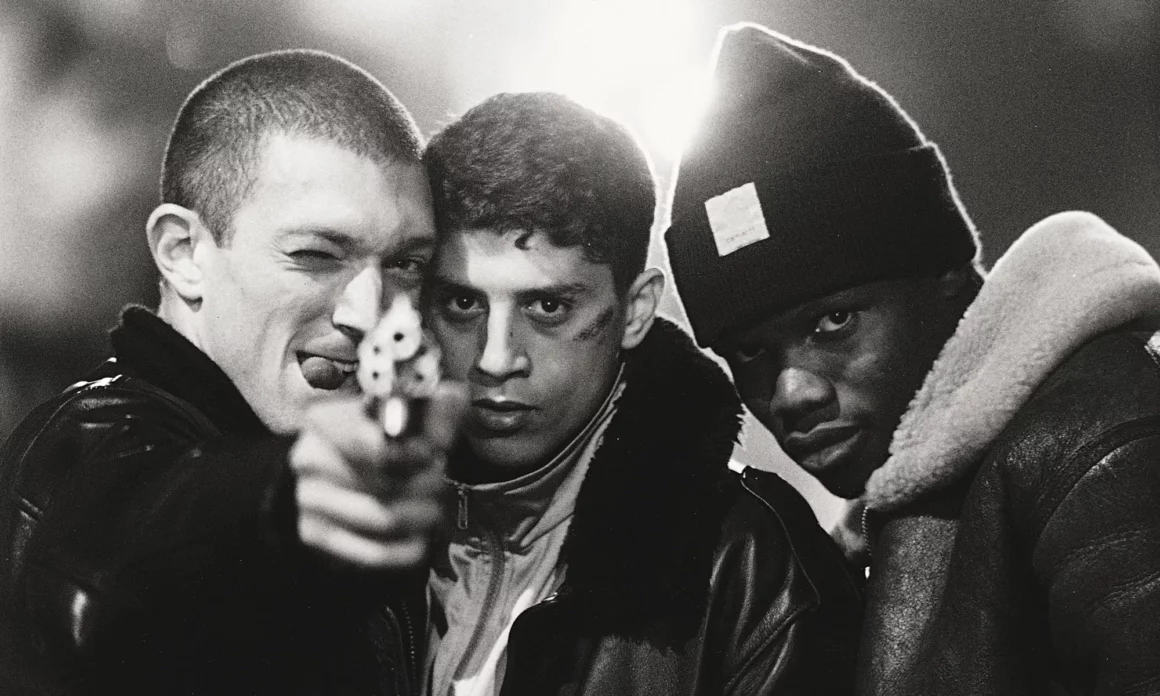
The brand’s adoption showed subtle regional differences: in New York, hip-hoppers preferred their Carhartts in mustard brown and hunter green tones with baggy corduroy pants tucked into Timberland boots, while in Los Angeles, the style was more akin to prison wear, with Carhartts in darker colors and shirts buttoned to the neck. The influence extended internationally, as seen in the cult French film “La Haine” (1995), where the central character Hubert proudly wears a Carhartt beanie.