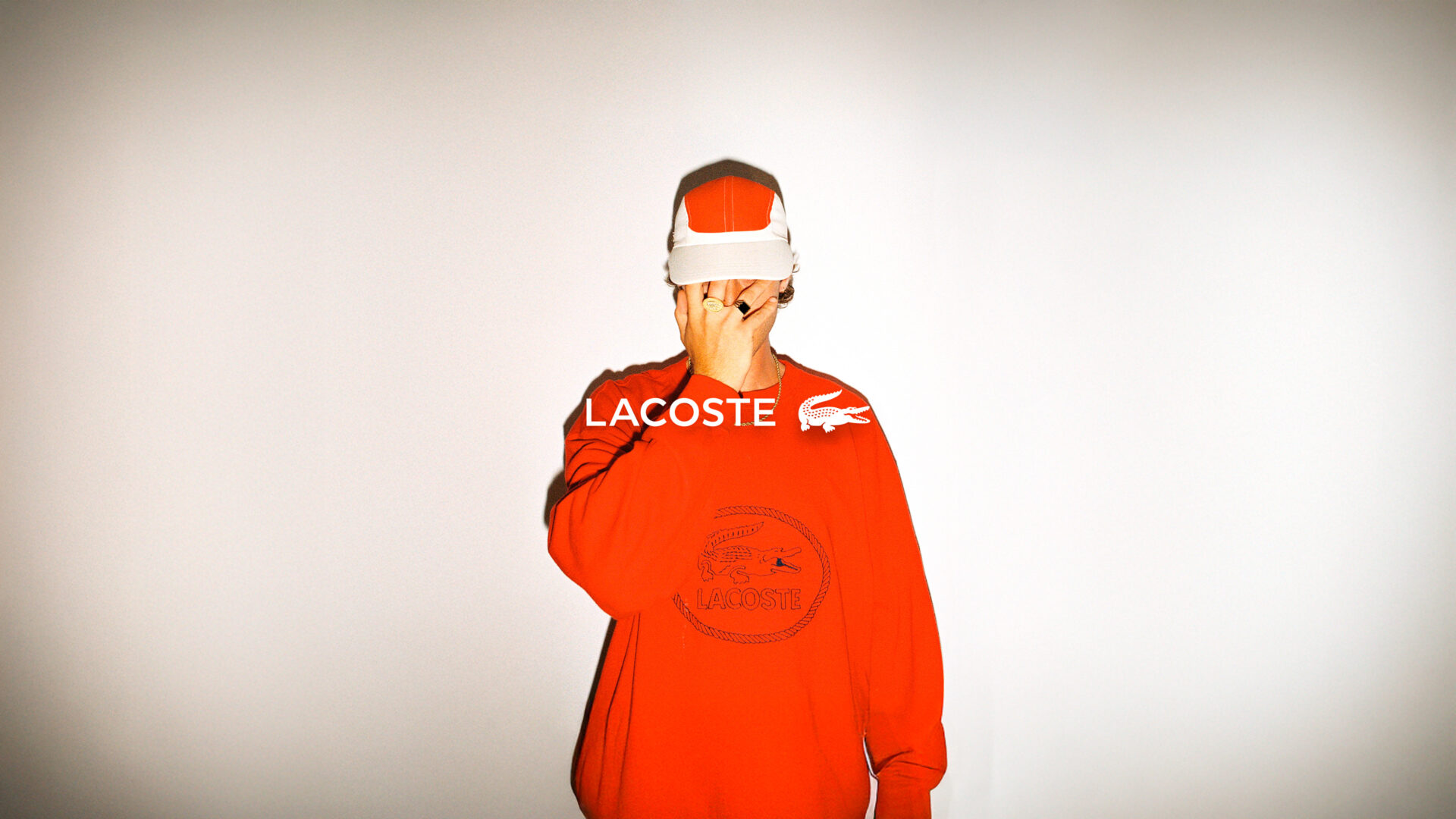
Barcelona-based photographer Aleix Barau approaches street photography as a form of documenting the urban landscape. And within those streets, Lacoste has created its own language. We talk to Aleix about how he captures collecting, symbols, and culture.
Aleix Barau works with a camera, but calling him just a photographer would be an oversimplification. His work aligns more closely with the role of an archivist of contemporary culture.
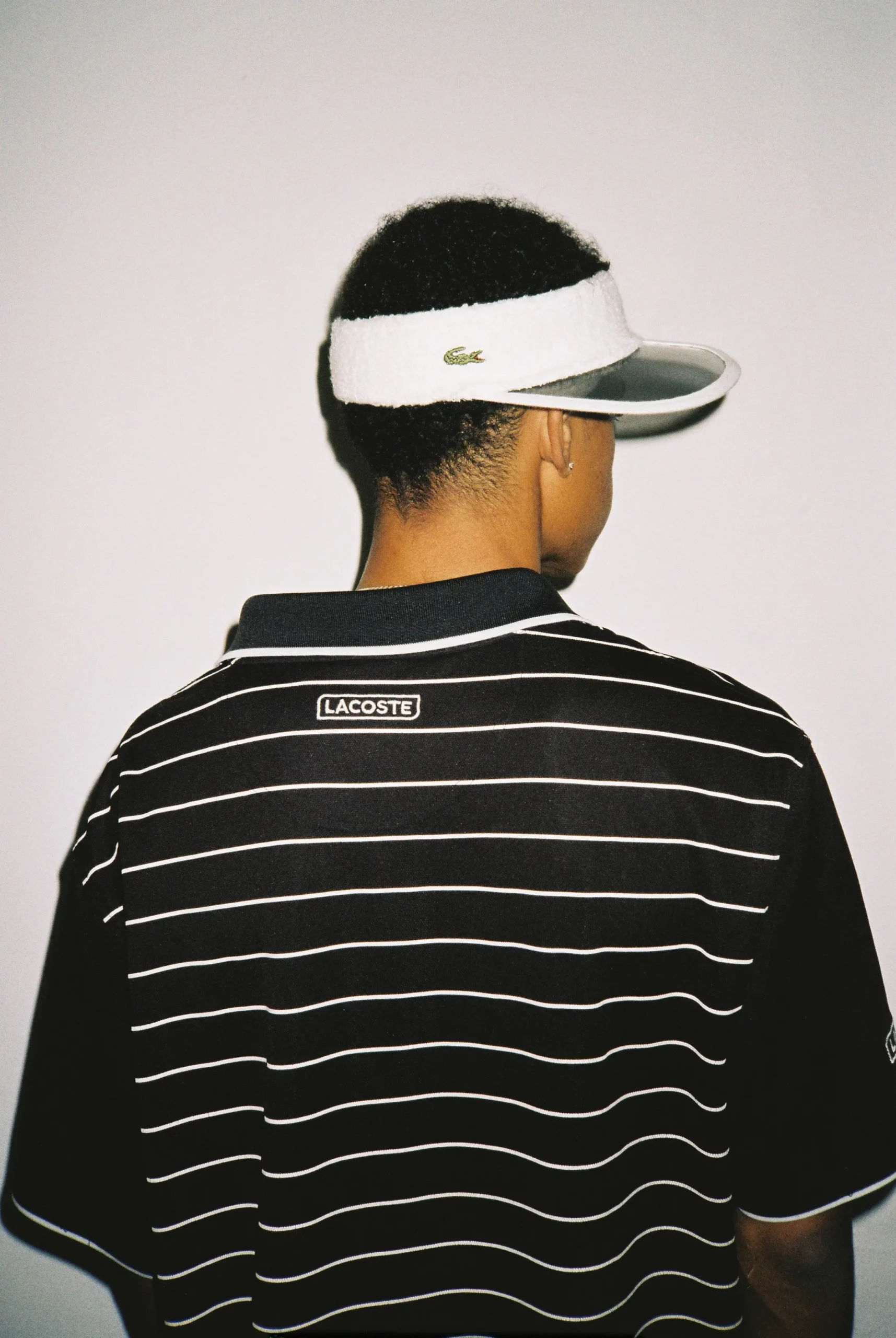
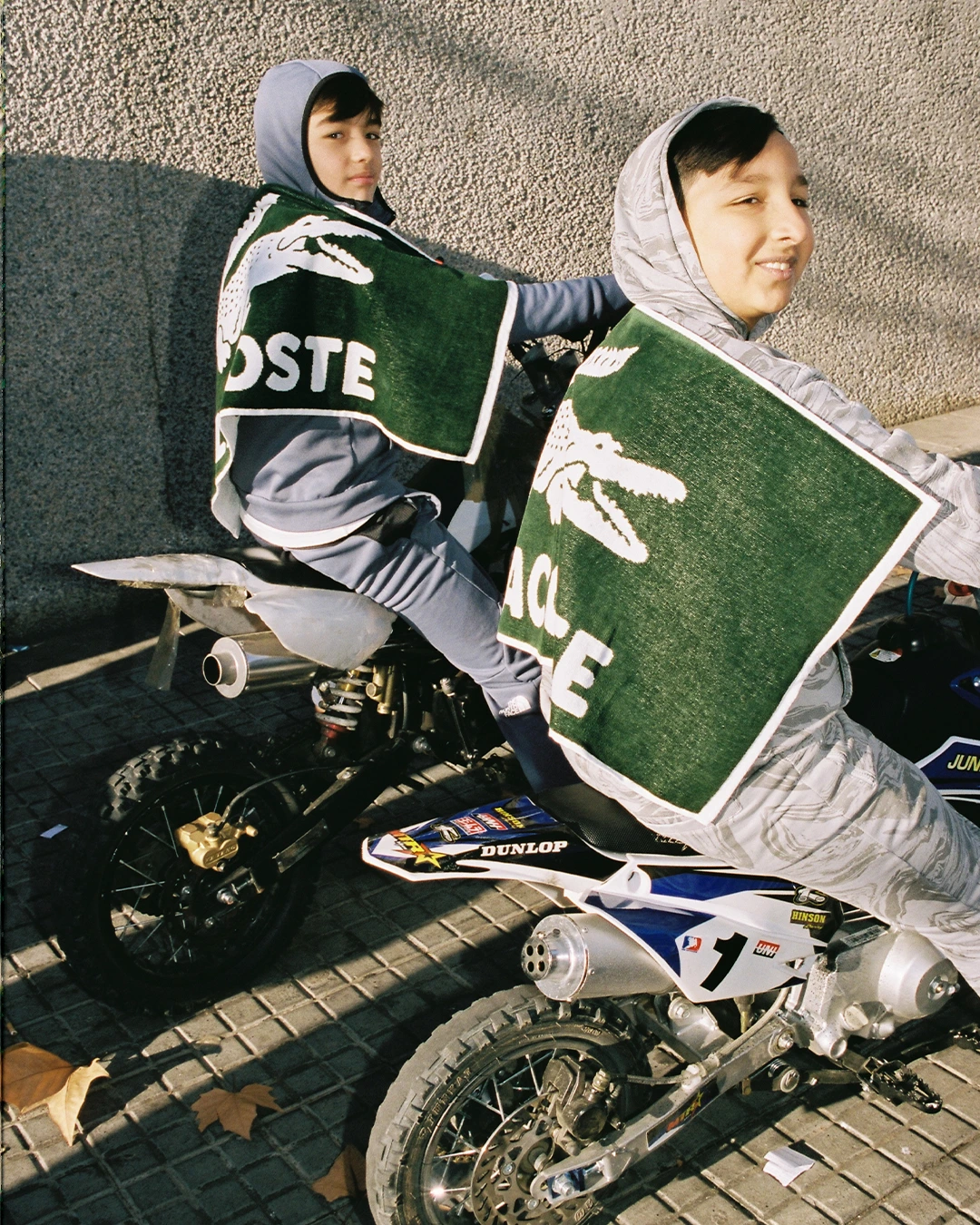
He not only captures images but also documents the stories, aesthetics, and connections that shape what happens on the streets. With a keen eye for detail and a unique sensitivity to authenticity, Aleix has carved out his own space in the world of photography and collecting.
One of his strongest aesthetic and emotional ties is with Lacoste, a brand that exemplifies the power of objects as symbols of style and belonging. His collection of garments and deep knowledge of the brand have led him to explore the intersection of clothing and urban scenes—from tennis courts to hip-hop and the casual culture. In this interview, we discuss his passion for Lacoste, his vision of photography, and the role of brands in shaping identity.
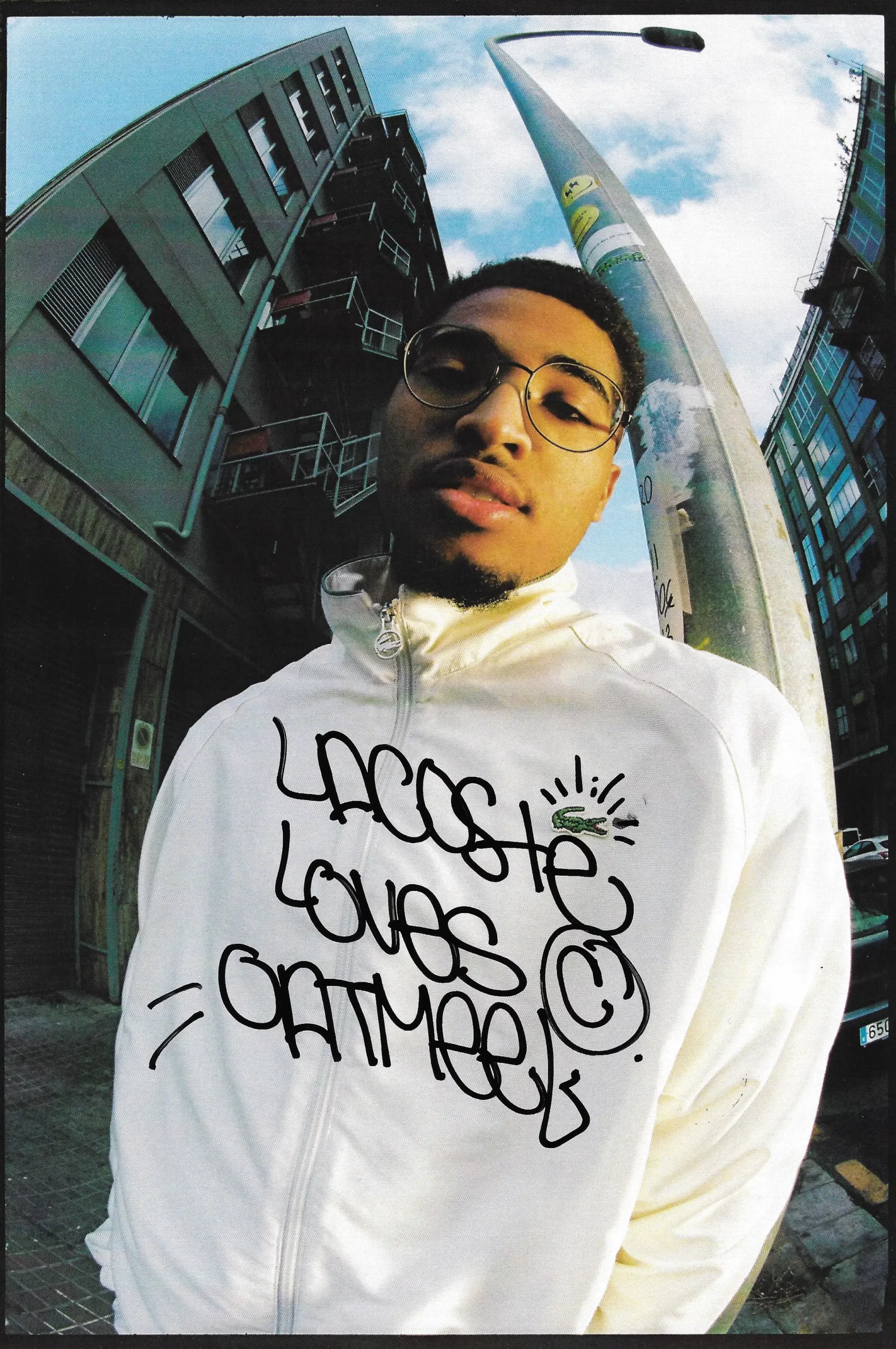
In your photography, the streets play a key role. How do you balance spontaneity and planning in your shoots?
It depends a lot on the type of photos I’m taking. If it’s a personal project, I always try to allow room for spontaneity within recreated situations, with the models positioned. On the other hand, when it comes to more commercial work, it’s a balance between that naturalness and the creative needs of the brands that hire me. No matter how much they seek that “street” essence for something commercial, it always gets slightly softened, whether by adjusting locations, casting, or poses at the moment of shooting.
In a world where fashion photography leans toward perfection, your work stands out for its rawness and authenticity. Is that a conscious decision, or does it come naturally to you?
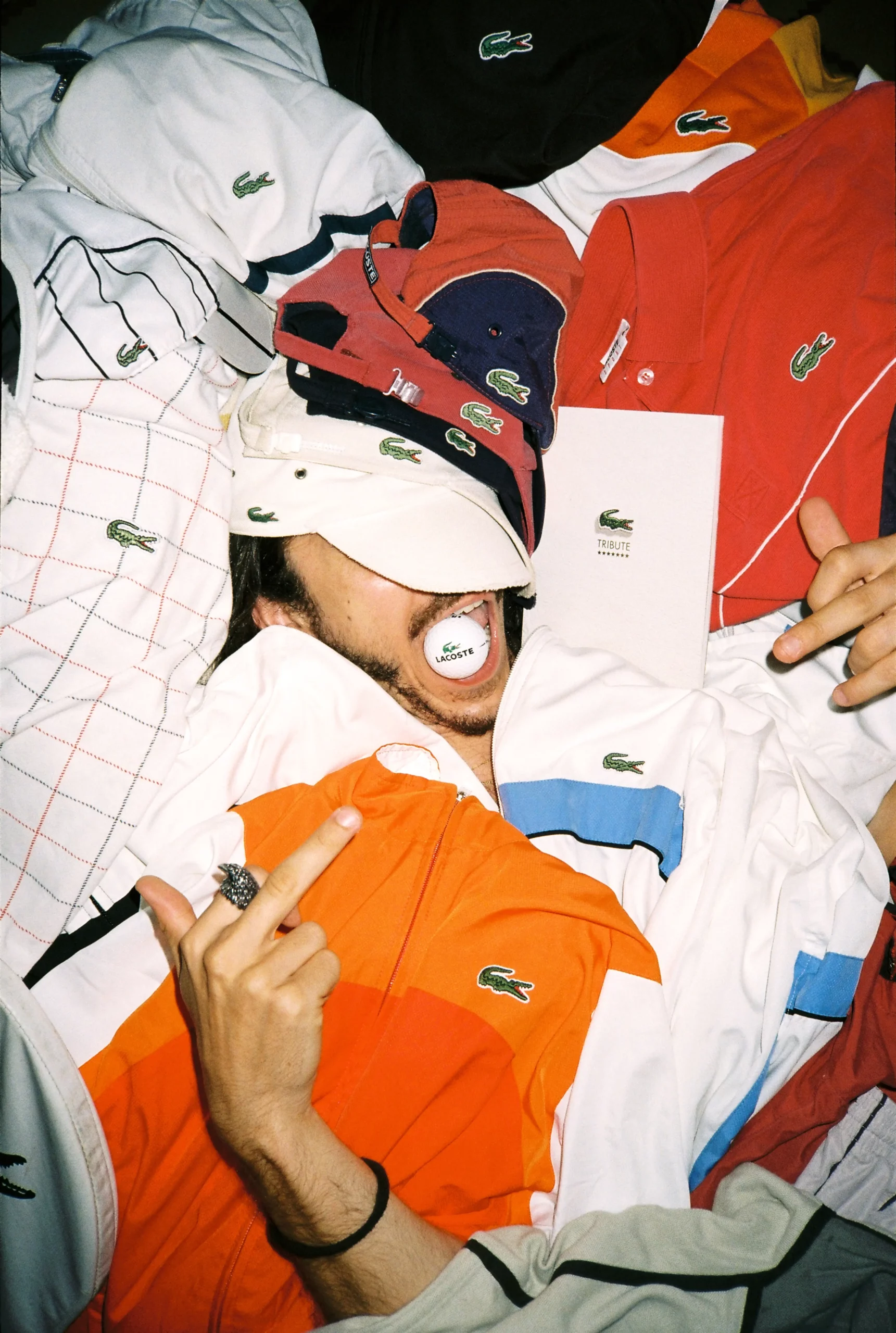
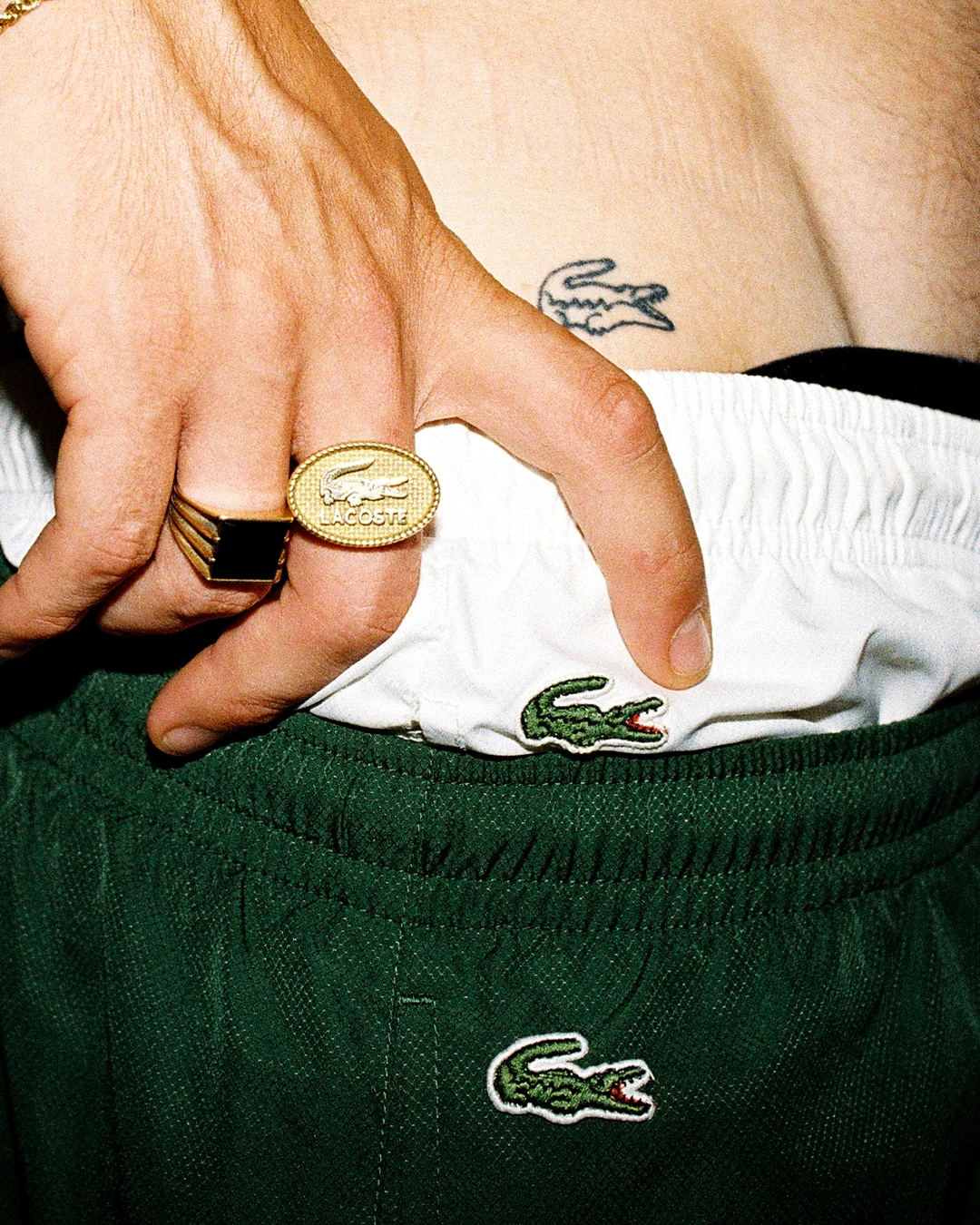
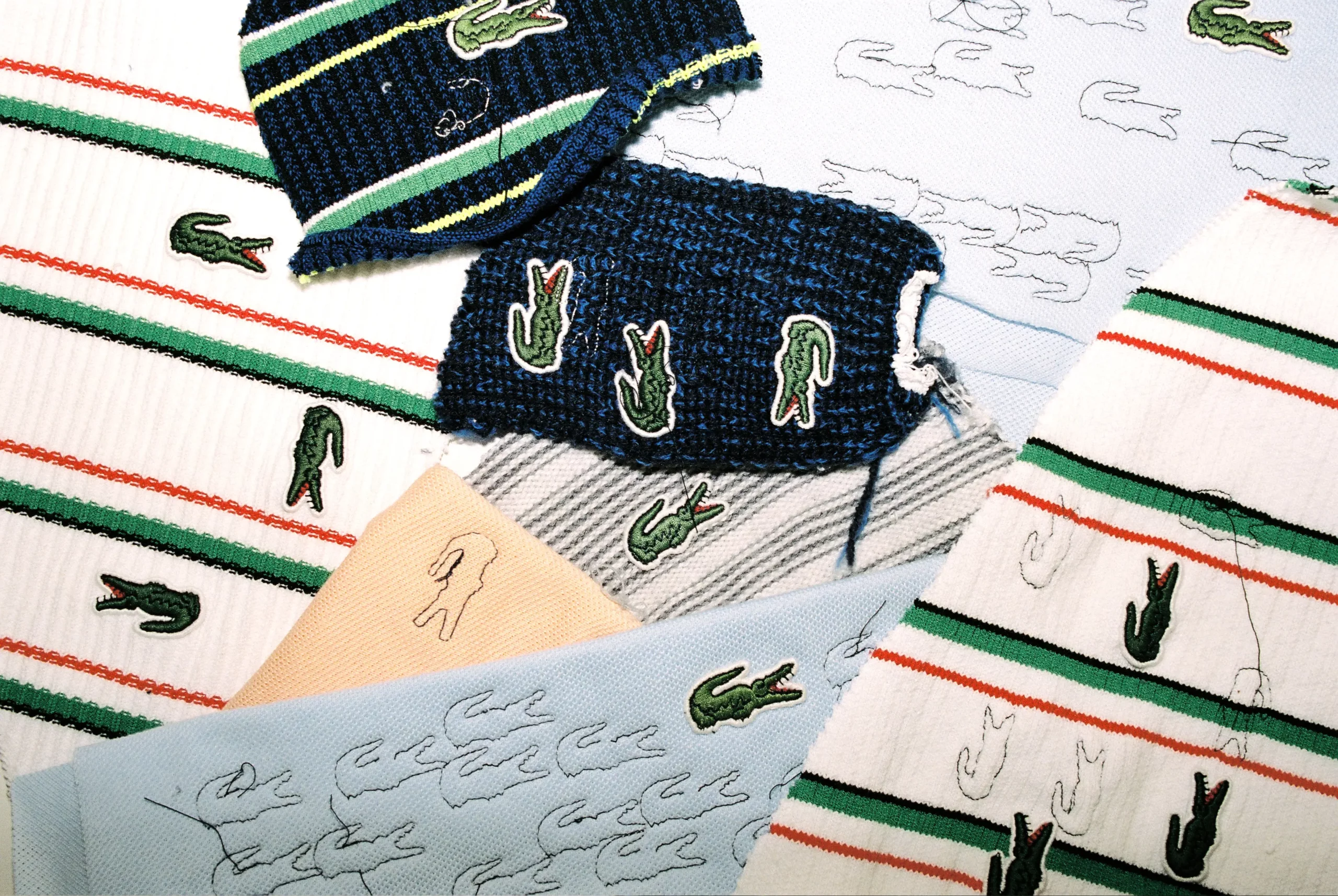
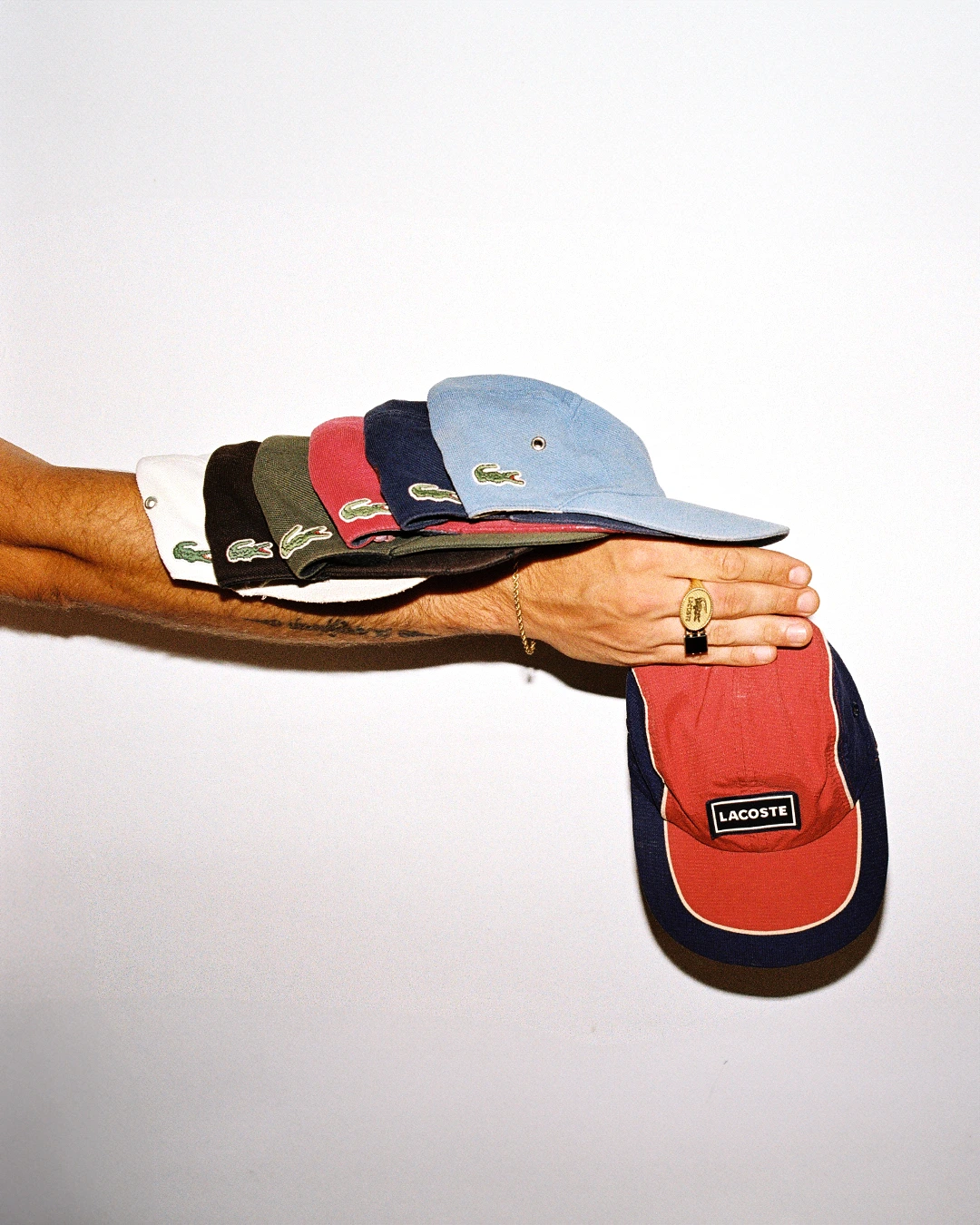
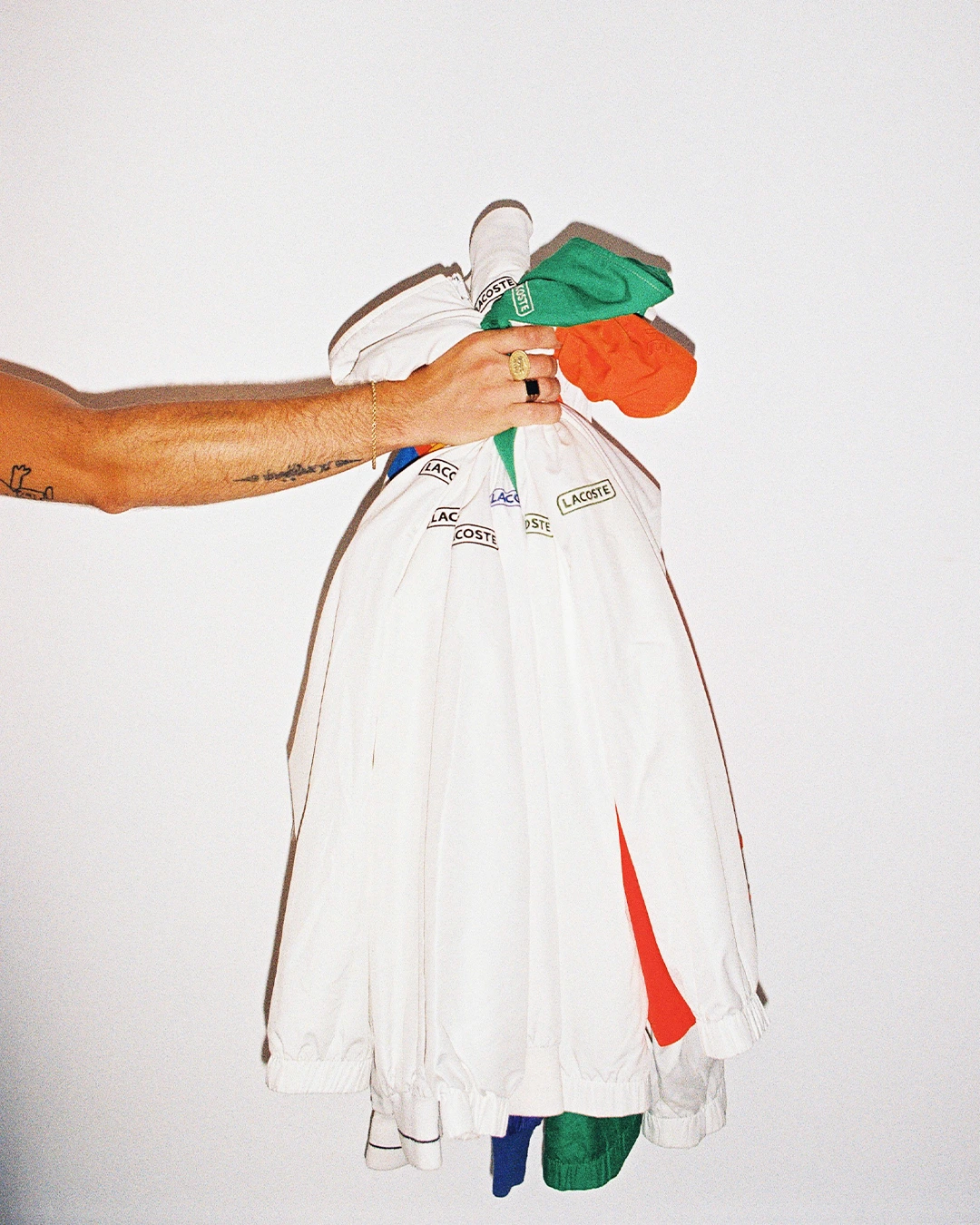
Although I work in fashion, my approach is documentary. I don’t need a perfect set or impeccable lighting because showing things in their rawest state is what gives that documentary look and feel. I also achieve it through casting and the garments I use, which often come from my own archive or from my friend Nacho’s, from BckrowVintage.
You’ve mentioned that you prefer photographing friends in real-life situations. How does that influence your work compared to more traditional shoots?
Exactly, that’s what I was mentioning about casting. Right now, brands seek me out to create images that feel real in terms of situation and context. I’ve encountered commercial work where they try to recreate that authenticity, but when the casting isn’t made up of people with a real connection, it’s much harder to achieve honest images.
That’s why, whenever I can, I select the casting myself, choosing people from my own circle. Sometimes they’re not friends with each other, but since they come from similar worlds, I know they will fit together. I believe that authenticity is perceived in the photo, from the styling to the interaction between the models.
I always search for genuine talent—people who would actually wear those clothes outside the shoot or who, in their daily lives, would be sitting on a neighborhood bench with their friends.
Nowadays, subcultures don’t have time to explain their processes. Do you feel like your photography is documenting something that could disappear at any moment?
Absolutely.
I take photos to document what is happening. My greatest achievement would be that, in 50 years, people can see today’s lifestyle in the most real way possible. Everything today moves so fast and is so fleeting. Maybe that’s why I shoot on film—to build a photographic archive in a tangible medium.
Your photos reflect a strong connection to the aesthetics of the ’90s and 2000s. Is that a tribute, a reinterpretation, or simply a natural extension of your vision?
Nostalgia is the key to all my imagery: recreating situations I lived or saw in my preadolescence and capturing garments I had or dreamed of having. Photography is my medium to express that nostalgia, which I also preserve in my clothing archive, especially sneakers.
To capture these visual codes, do you think it’s essential to understand their meaning?
More than knowing the meaning, I think the key is to be honest and show your experiences through art. In the end, what you have lived is unique, and only you can convey it in that way. These experiences can resonate with other people, evoking nostalgia or unlocking memories in them.
Do you remember the exact moment when Lacoste went from being just another brand to becoming an obsession for you?
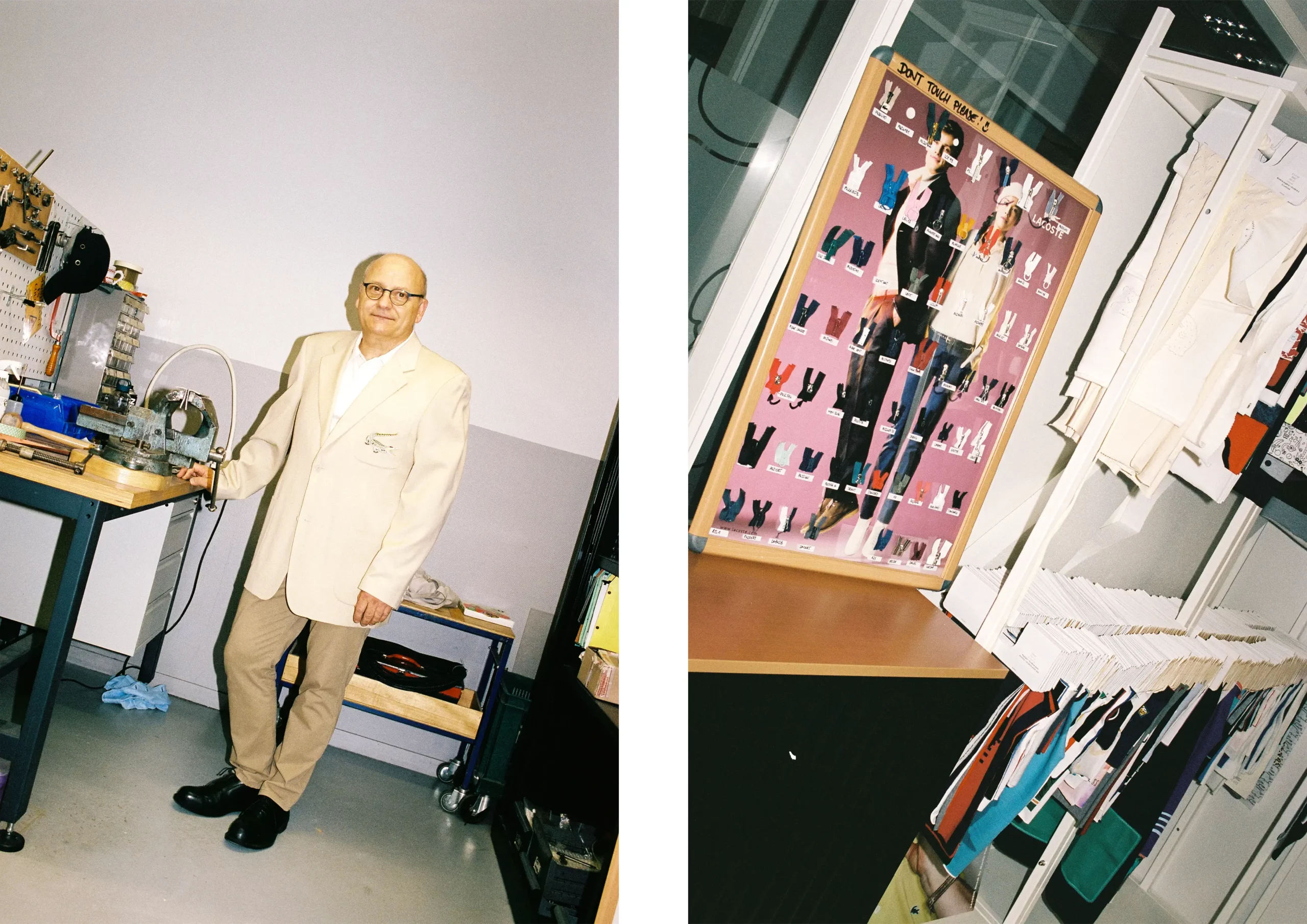
I always saw a lot of Lacoste as a child since it’s my father’s favorite brand. I’ve been wearing L1212 polos for many years. In high school, it was almost a uniform: a tracksuit from Andy Roddick’s era combined with a pair of TNs or Shox.
But it wasn’t until I started making some money and discovering vintage stores where I could find the pieces I had always wanted that my collection really began.
What does Lacoste represent in your life? Is it just clothing, or is there something more behind it?
All the clothes in my wardrobe are more than just clothes—they are memories that transport me to specific moments.
Do you think loyalty to a brand can become a form of identity within certain social circles?
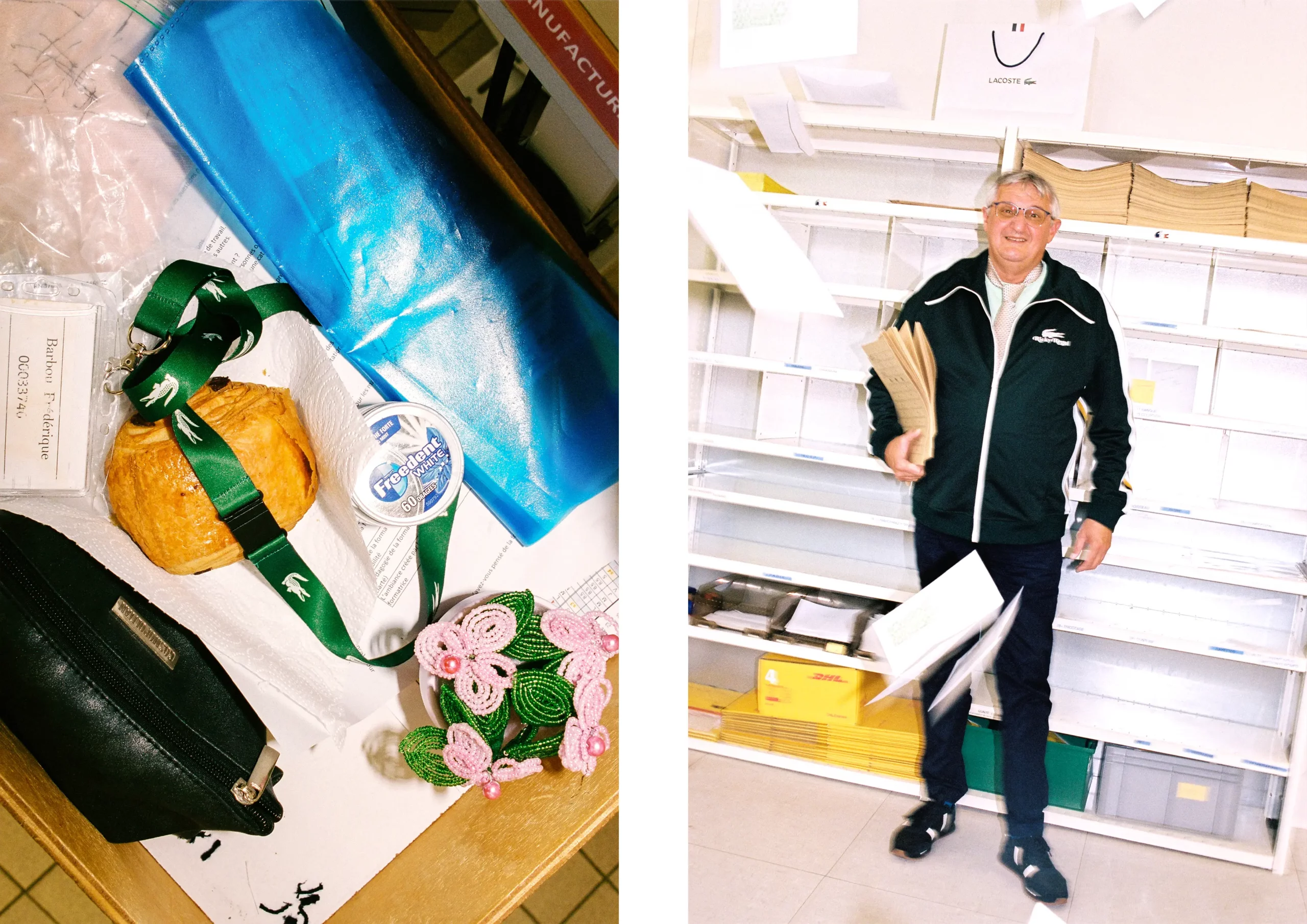
It always has been, although many brands rejected it at the time. For years, brands traditionally associated with wealthier classes were adopted in working-class neighborhoods, something that wasn’t well seen before.
Today, everything has changed—brands have understood the value of these subcultures and are exploiting the image of different urban tribes and collectives to the fullest. More and more, I see visual references aimed at capturing these authentic groups to enhance a product.