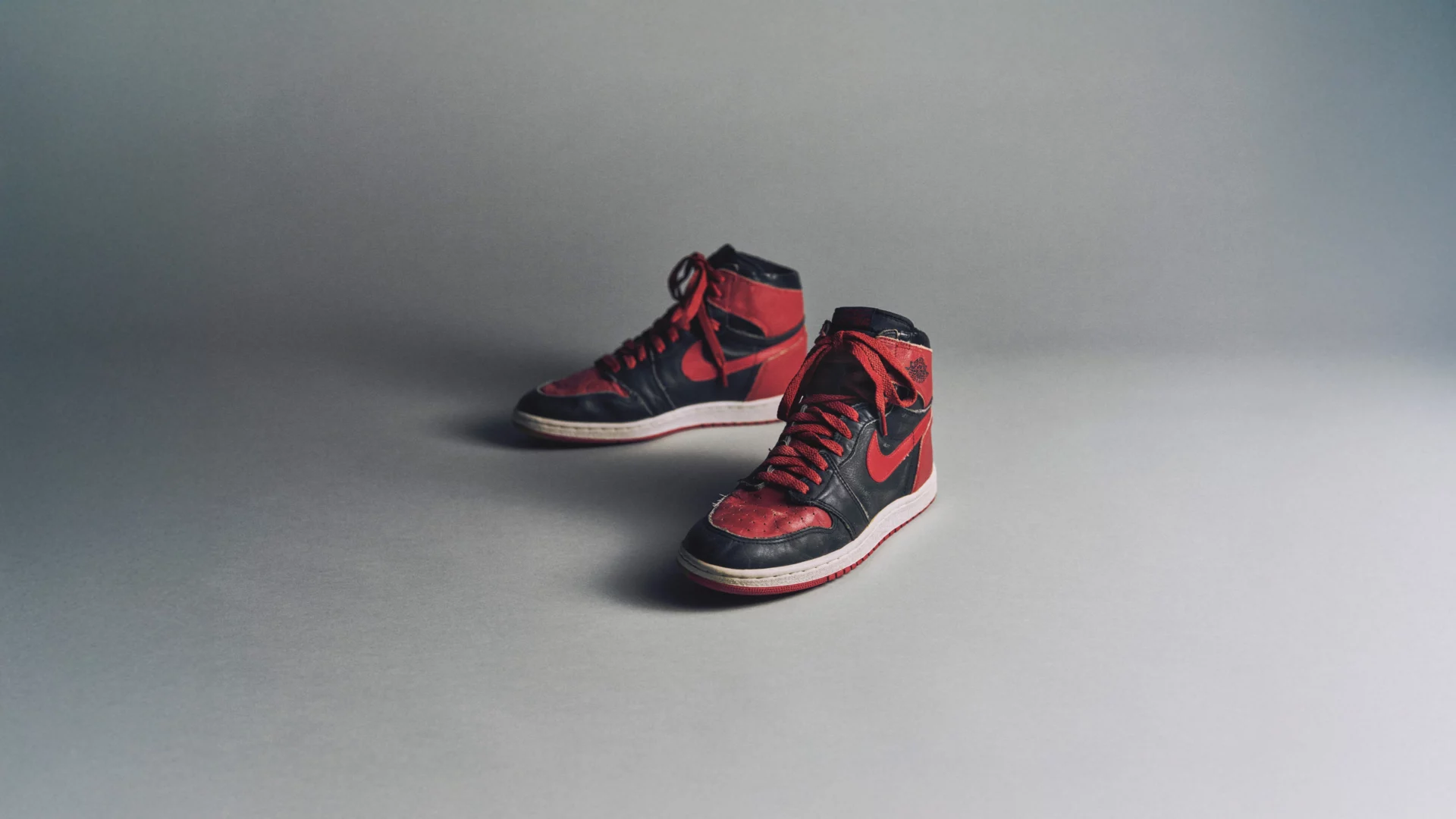
The story of the first banned Jordan sneakers is perhaps the most retold tale in sneaker culture. Precisely for that reason, it has many versions—constantly evolving, much like classic narratives, with new discoveries.
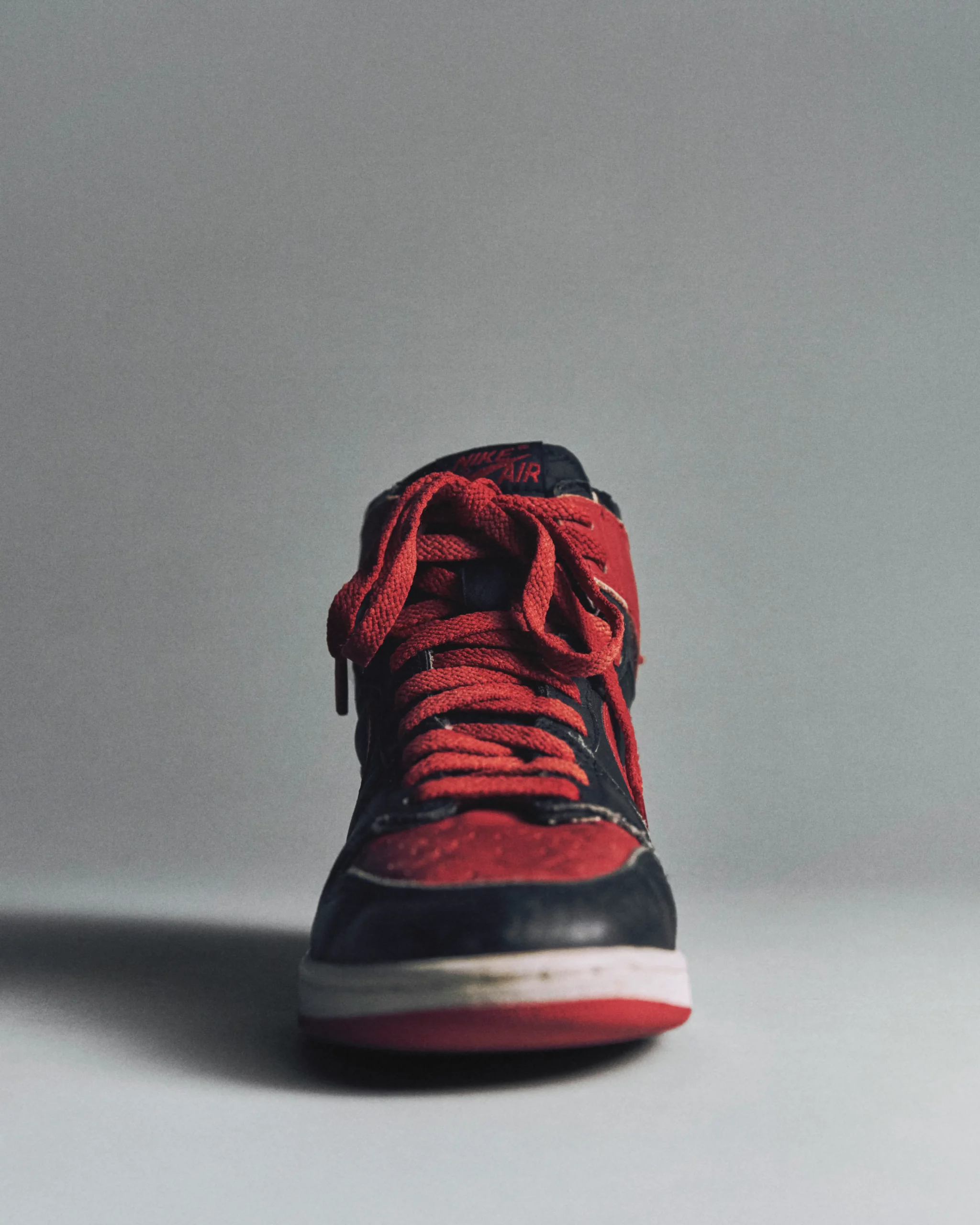
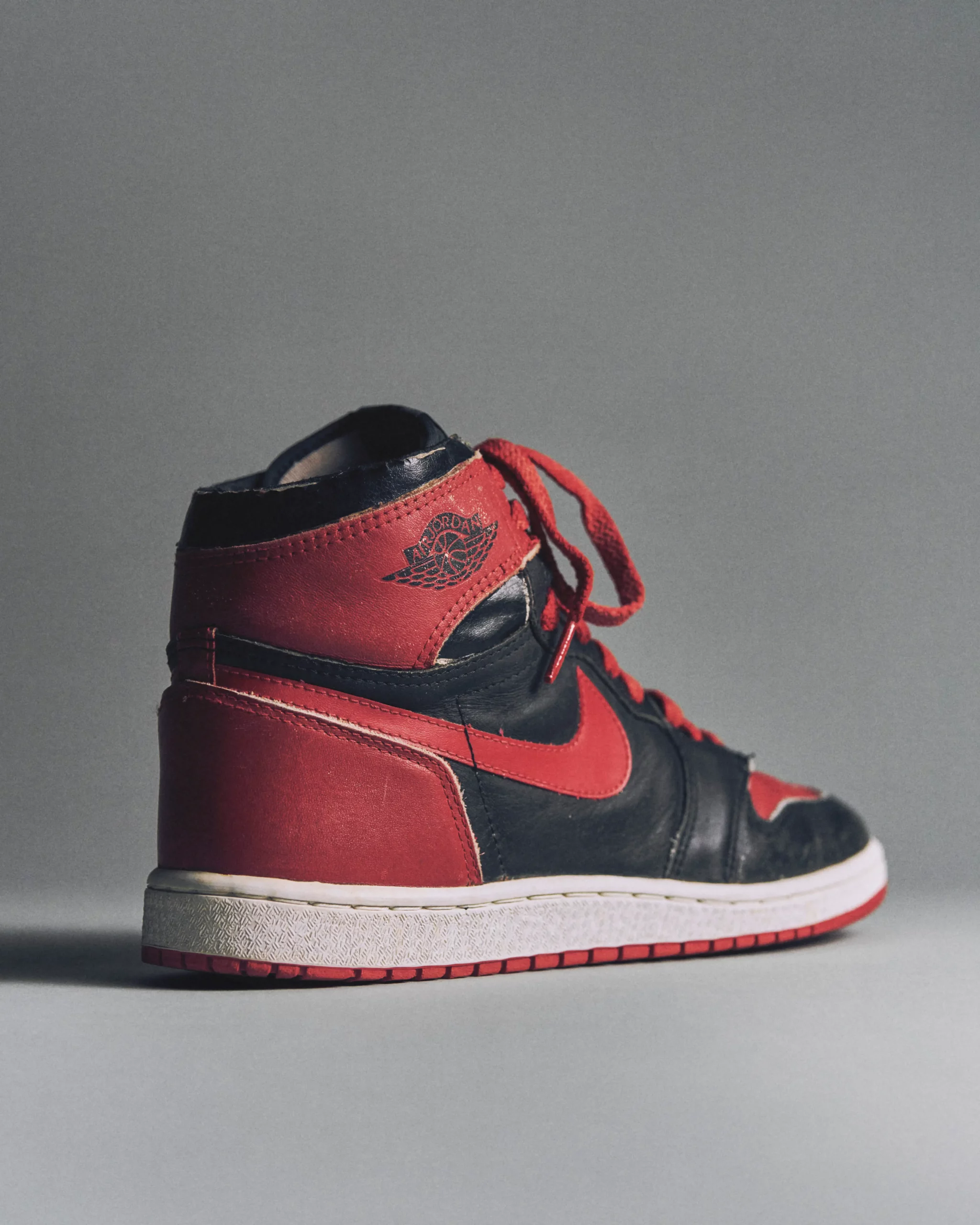
Among the different theories, one point remains undisputed: the cultural significance of that prohibition. A significance that seems disproportionate for a sneaker that was never worn in an official game. The ban on colors originated during a preseason game, and Michael only wore the Jordan 1 during the 1985 All-Star Dunk Contest. Yet, that was enough for him to showcase his talent and for the banned sneakers to shine. More than their impact on the court, what truly matters is the influence of that first release—one that still resonates today.
Nike’s swift response to the NBA’s uniform rule violation resulted in an ad that instantly became legendary. “They can’t stop you from wearing them” was the perfect tagline, even though, at the time, there was no explicit ban. The only written notice on record was signed in February 1985, referencing games played “around October 18.” That night, the Bulls faced the Knicks at Madison Square Garden—a place where every detail is meticulously documented. Interestingly, although Michael Jordan and Nike had reached an agreement in the summer of 1984, the first official contract wasn’t signed until October 24. In other words, when Michael made his impact on the NBA wearing his first prototype of the Jordan 1 “Banned“, he wasn’t officially part of Nike yet.
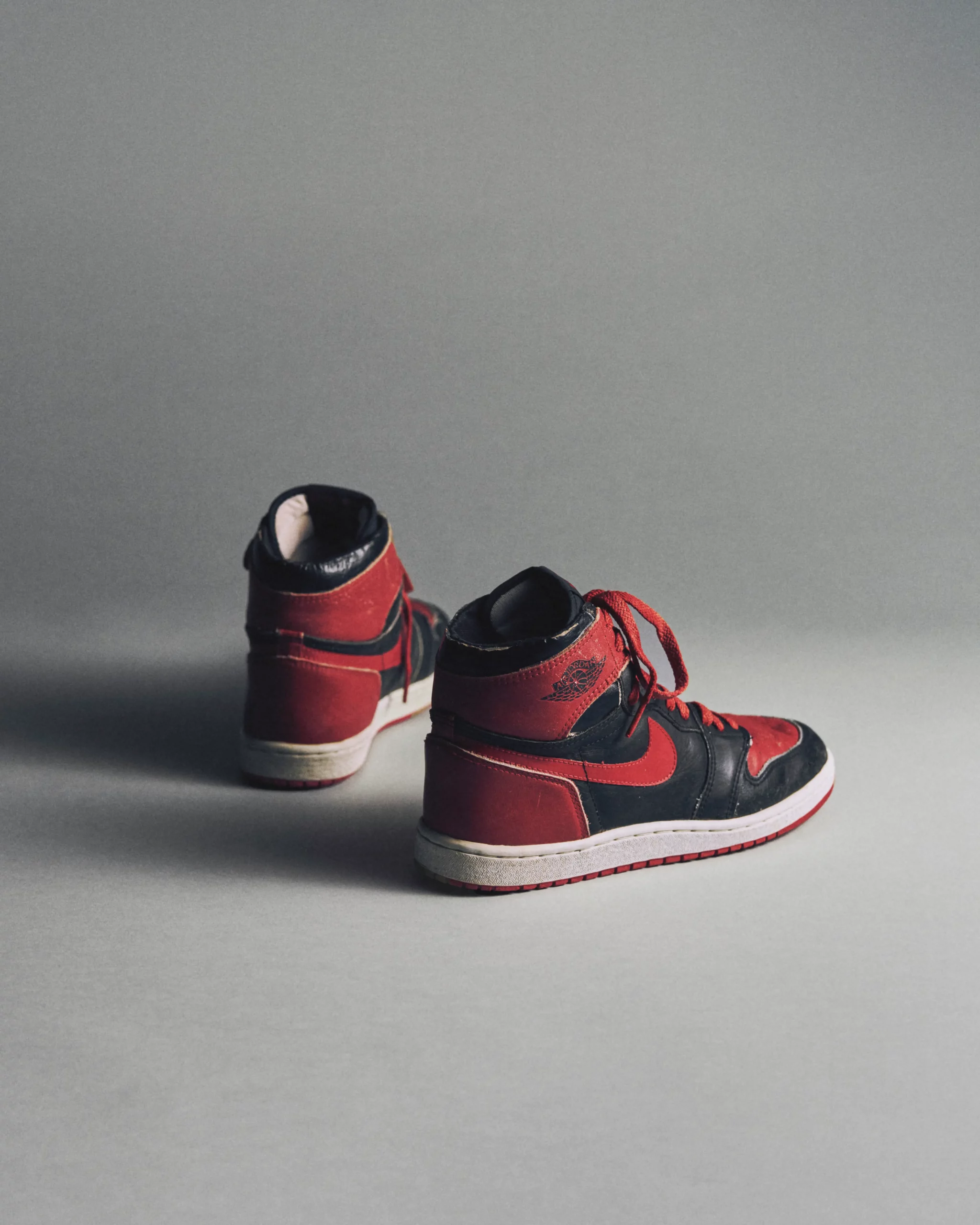
The ad aired across U.S. screens months before the Air Jordan 1 hit stores—first in major cities, then expanding to a wider market. Demand far exceeded Nike’s production capacity, creating an entirely new retail scenario. This delay allowed retailers to increase their orders dramatically—sometimes multiplying their initial requests tenfold.
Unintentionally, Jordan had introduced a new concept that would be replicated for decades: a fixed release date. And, of course, the very idea of a “banned” sneaker would also be imitated.
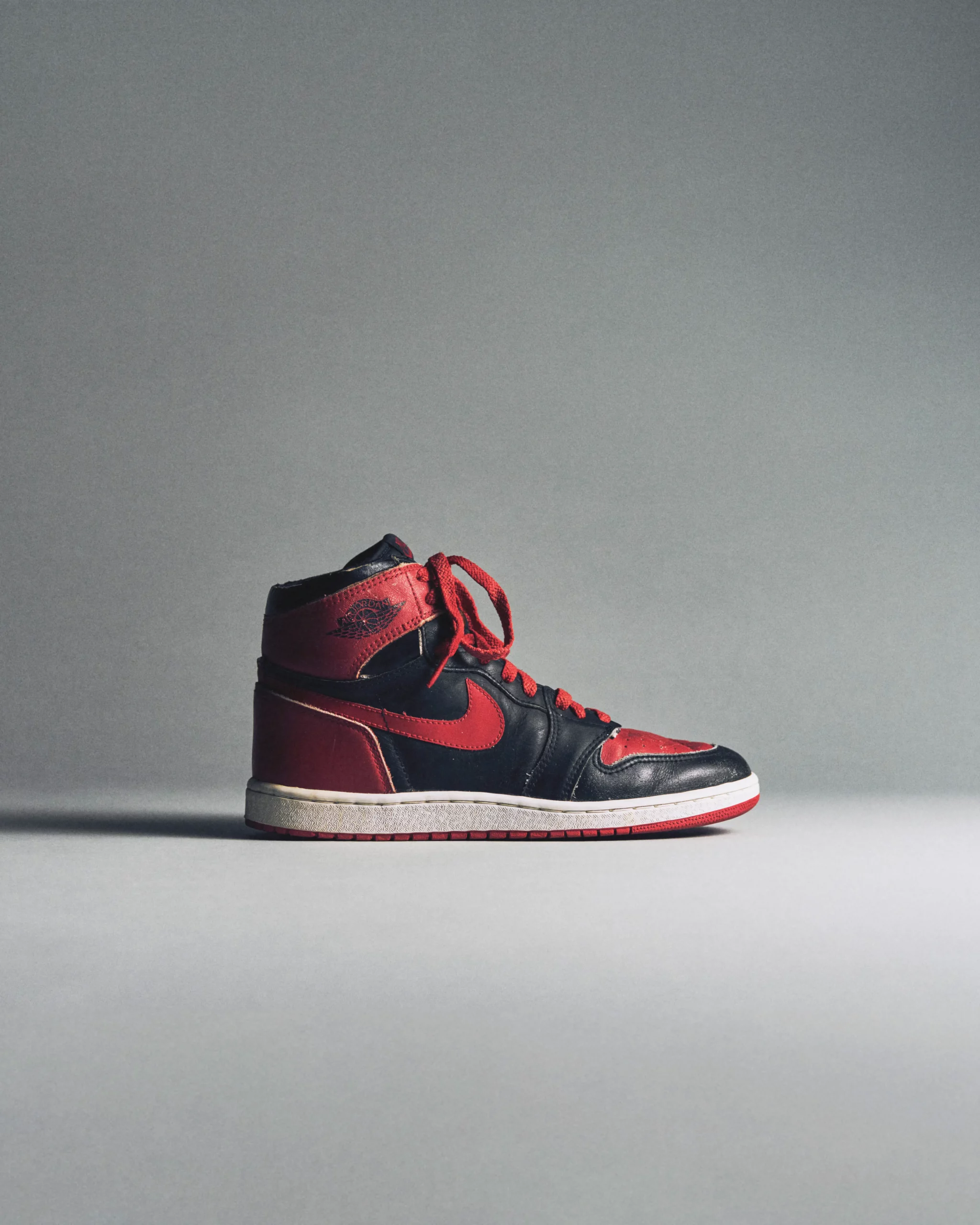
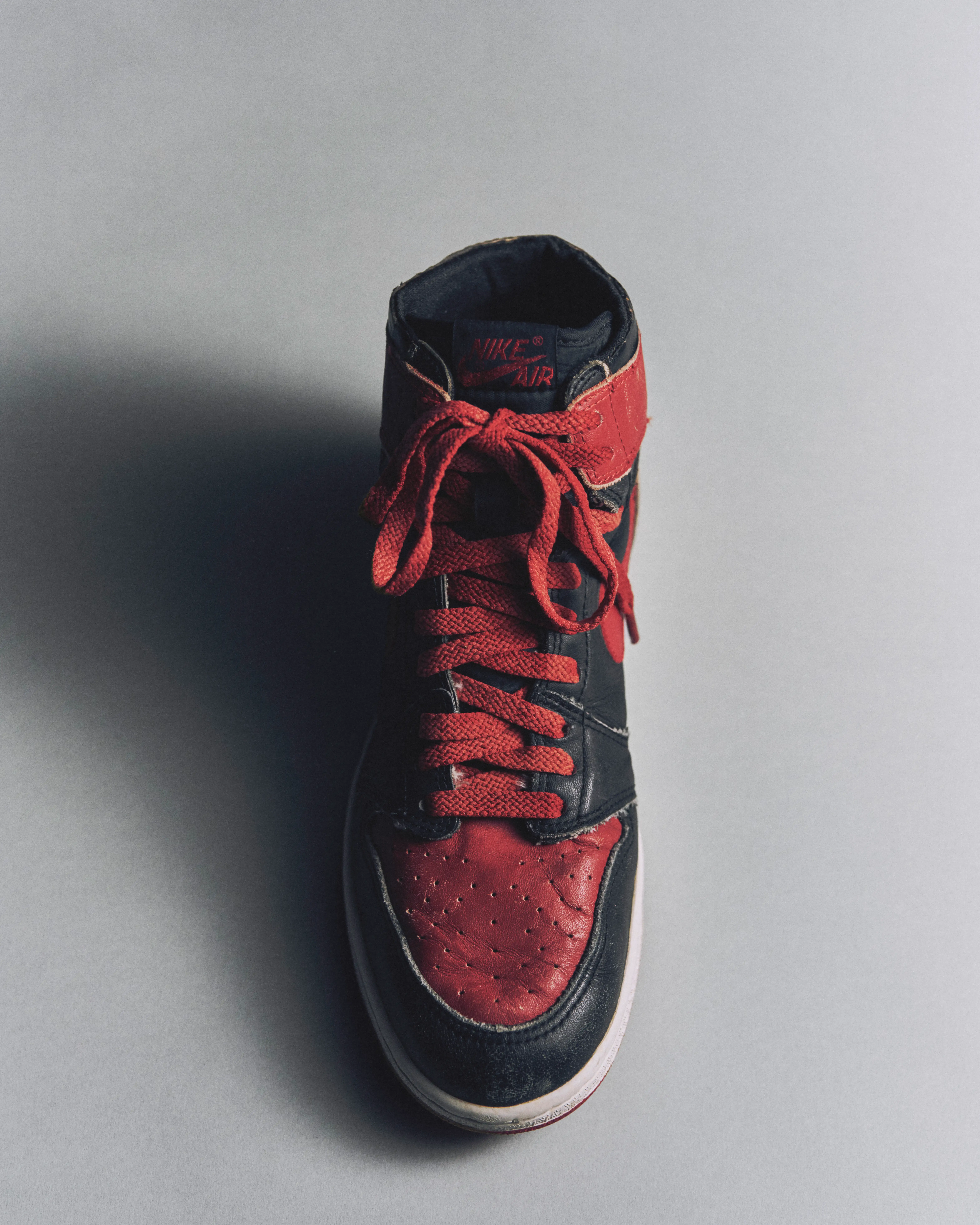
The success of that first Jordan paved the way for the vision Nike had envisioned from the start—an evolution that involved complete collections, new designs each season, and even the creation of an independent brand. All sparked by a prohibition and the participation of the greatest player of all time.