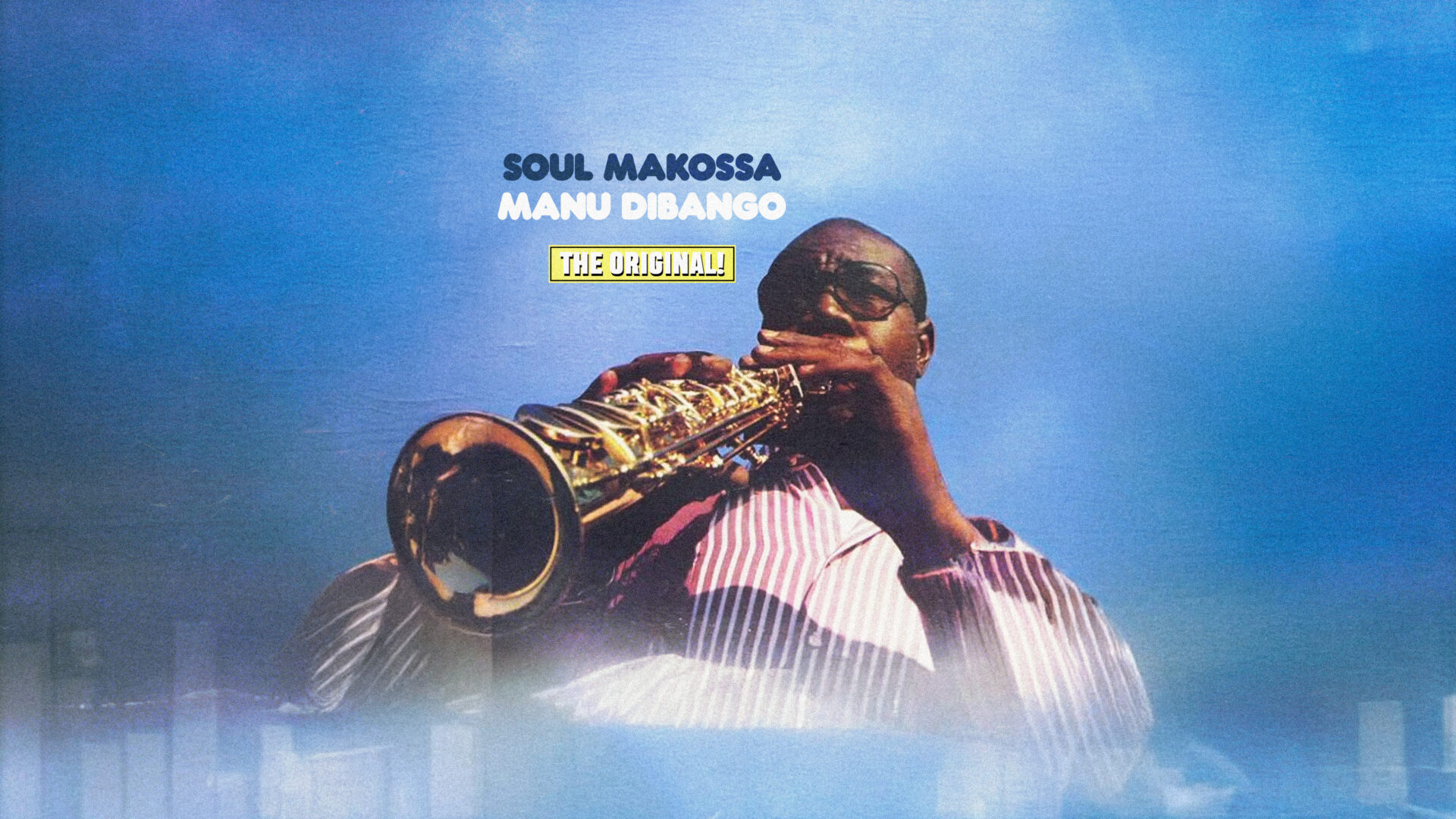
Created for football, Soul Makossa seemed destined to be quickly forgotten. Instead, it passed through the hands of Michael Jackson, Rihanna, Public Enemy, and Will Smith, eventually becoming an anthem.
In 1972, Cameroon was going through a decisive moment. Following a referendum, the country ceased to be the Federal Republic of Cameroon—made up of two semi-autonomous states, Eastern Cameroon (Francophone) and Western Cameroon (Anglophone)—and became a single nation: the United Republic of Cameroon.
The Africa Cup of Nations, held in Cameroon just months before unification, presented itself as a symbolic opportunity to reinforce this sense of national unity. The tournament was a continental showcase, and the moment demanded more than football. It needed a soundtrack.
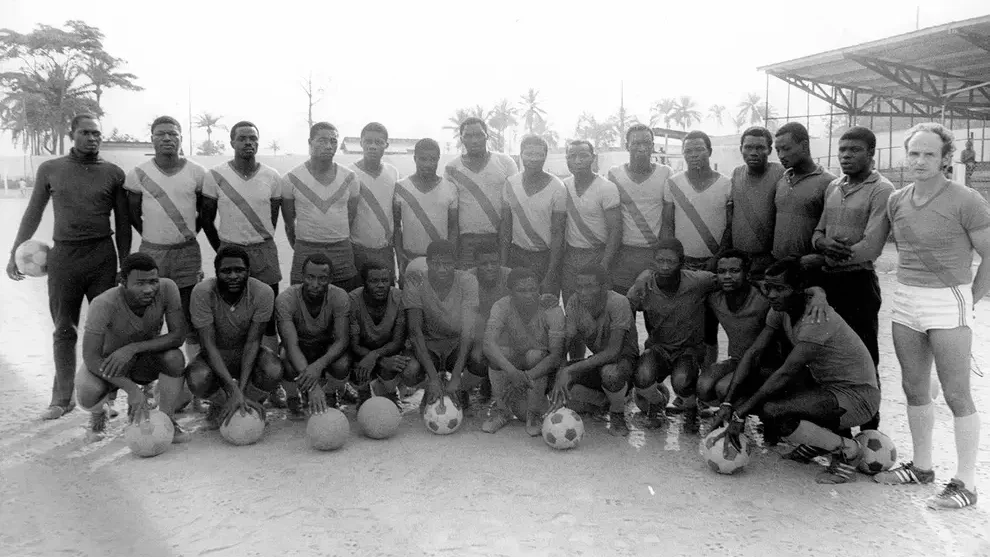
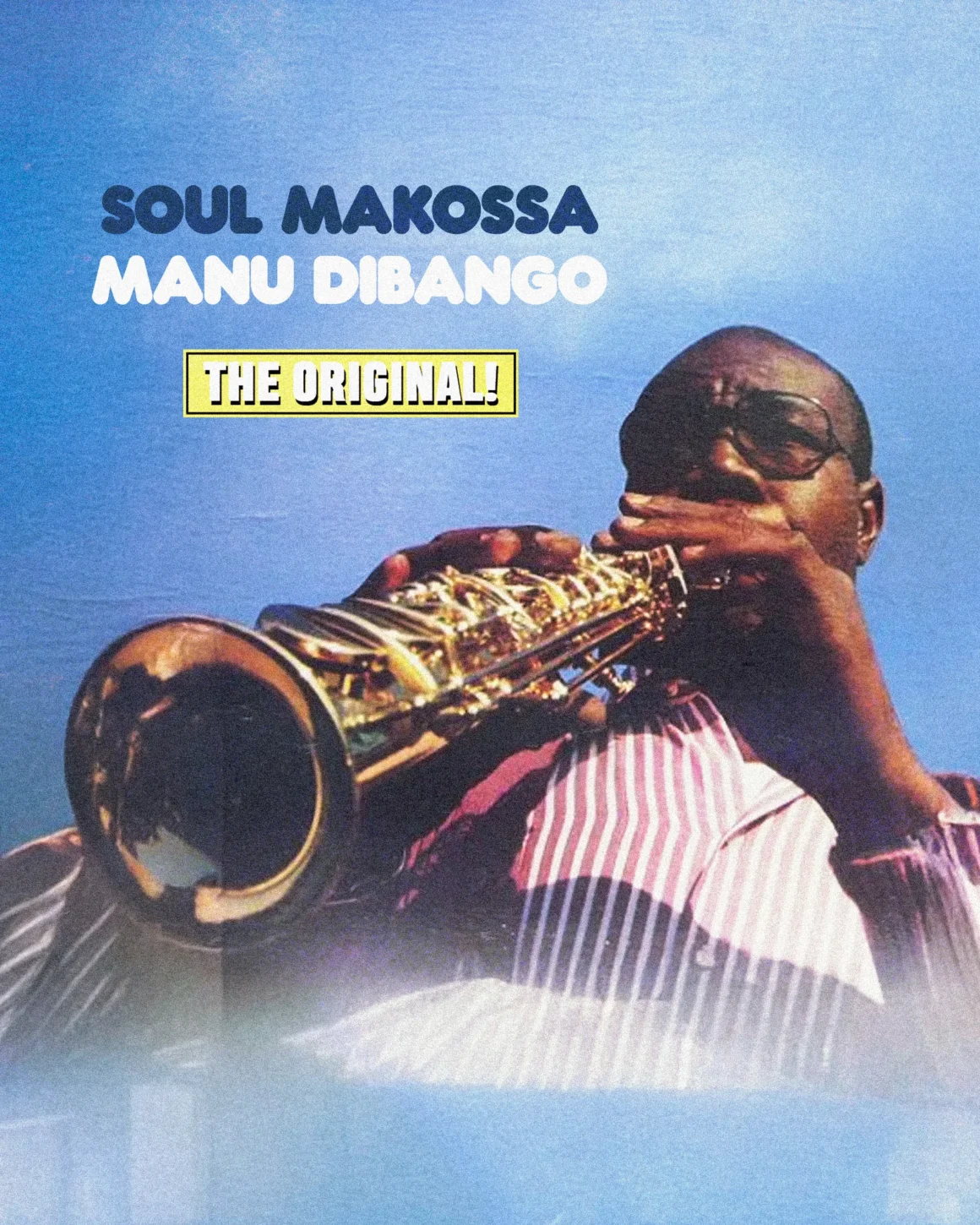
That soundtrack took shape as Hymne de la Huitième Coupe d’Afrique des Nations 1972, a commission taken on by saxophonist Manu Dibango. The piece fulfilled its institutional role, although the defeat of the Cameroonian national team quickly cooled the collective enthusiasm.
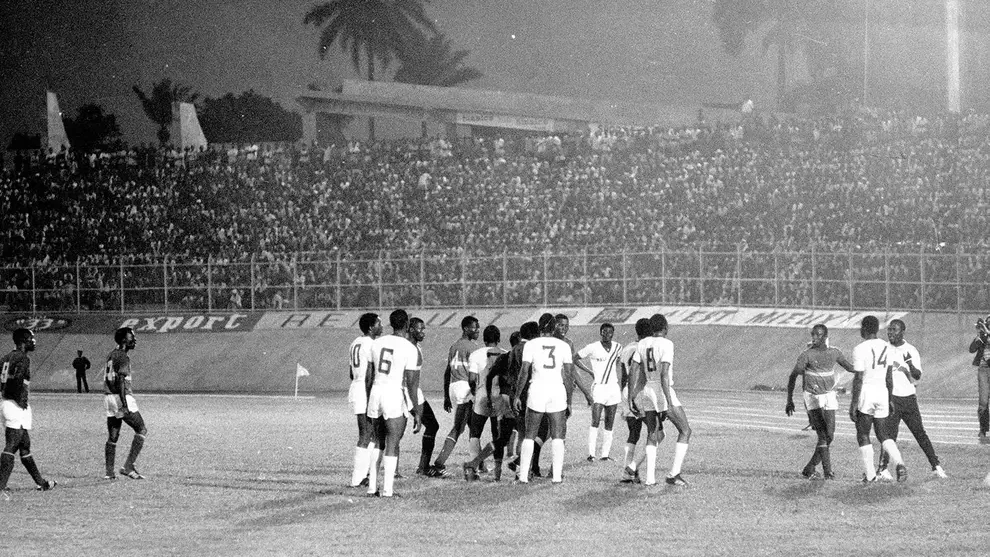
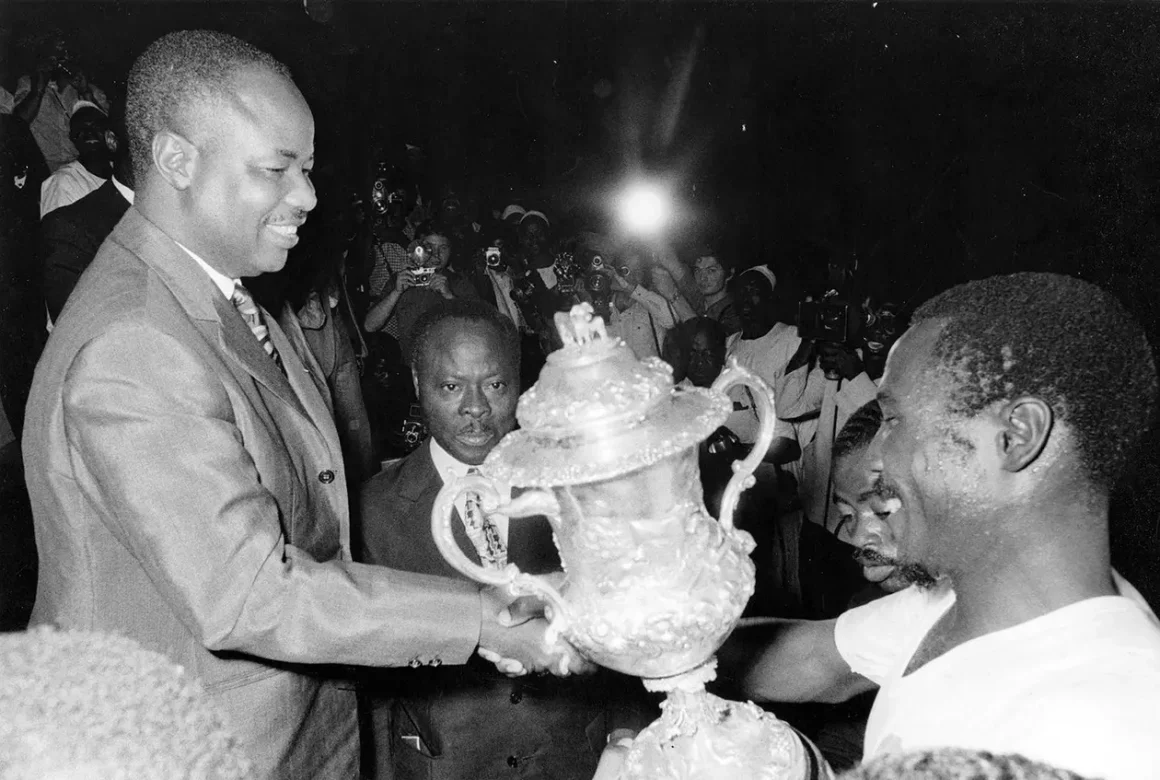
The 1972 Africa Cup of Nations would go down in history for Congo’s victory and for the presence of players such as Salif Keita Traoré—who would later play for Valencia—and François M’Pelé, who during his time at PSG became the all-time top scorer in the Coupe de France, a record only surpassed by Kylian Mbappé in 2024. But beyond the results, the tournament left behind an unexpected legacy in the form of music—not through its official anthem, but through a song added to complete the single.
In the early 1970s, a growing interest in African music was beginning to take shape in the United States. Herbie Hancock adopted the name Mwandishi, Hugh Masekela achieved gold record status, Fela Kuti discovered Los Angeles, and Miriam Makeba established herself as a popular figure in the U.S. with songs like Pata Pata.
It was within this context that David Mancuso emerged. Far removed from any pan-Africanist discourse, Mancuso had arrived in New York with limited means, taking on any work he could find. He lived in a loft located in an office district that emptied out in the afternoons, and he began hosting what became known as rent parties: gatherings where he played music and attendees contributed money to help pay the rent.
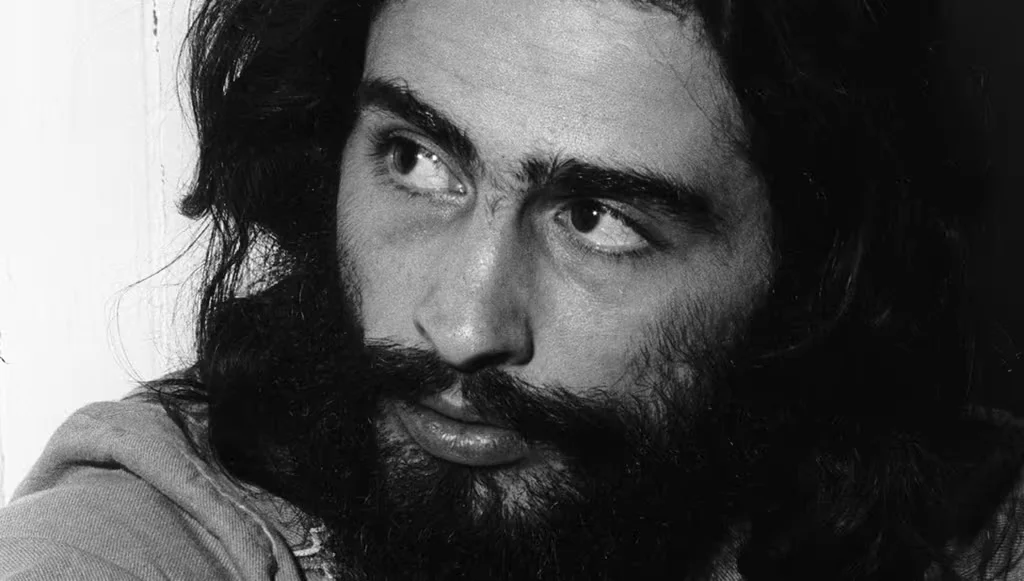
In New York’s underground scene, Mancuso’s loft became a safe space for communities without a place of their own. His parties were exclusive and invitation-only. Although he is now considered one of the first DJs, Mancuso rejected the label, preferring to call himself a “selector.” He believed music should be heard exactly as its creators intended, without manipulation or embellishment.
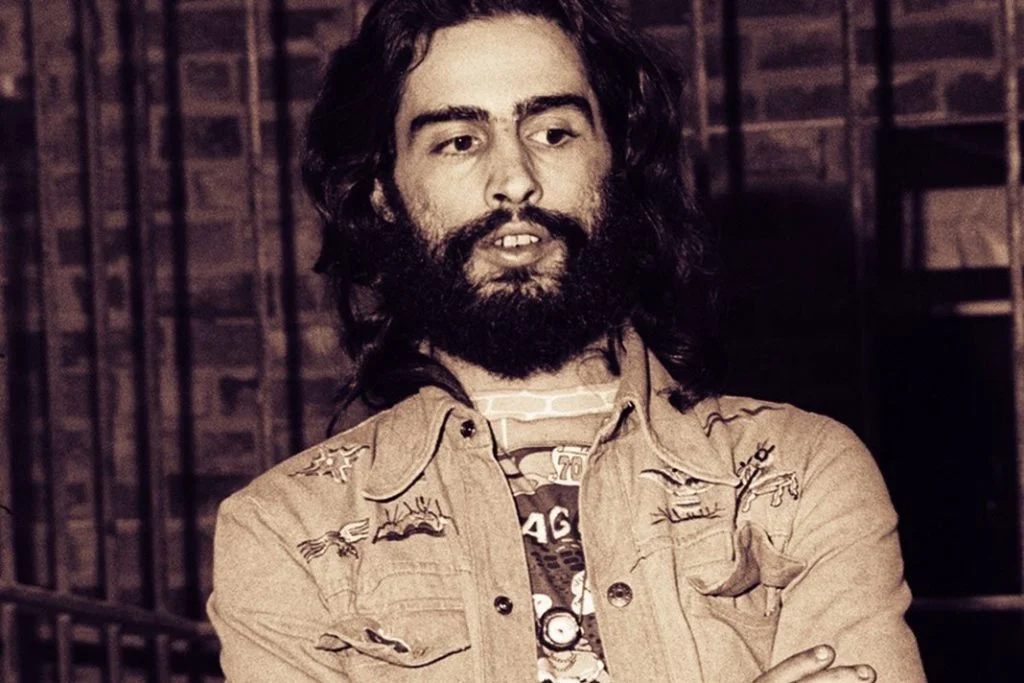
It was in this environment that Mancuso discovered the single from Hymne de la Huitième Coupe d’Afrique des Nations 1972. What truly caught his attention was not the anthem itself, but its B-side. Soul Makossa began to play at his parties, attended by artists and musicians who would later define the sound of the 1970s and 1980s.
Without official distribution in the United States, Soul Makossa started to circulate organically and was covered by numerous bands. When Atlantic Records acquired the rights, the track became a local hit before turning into an international phenomenon.
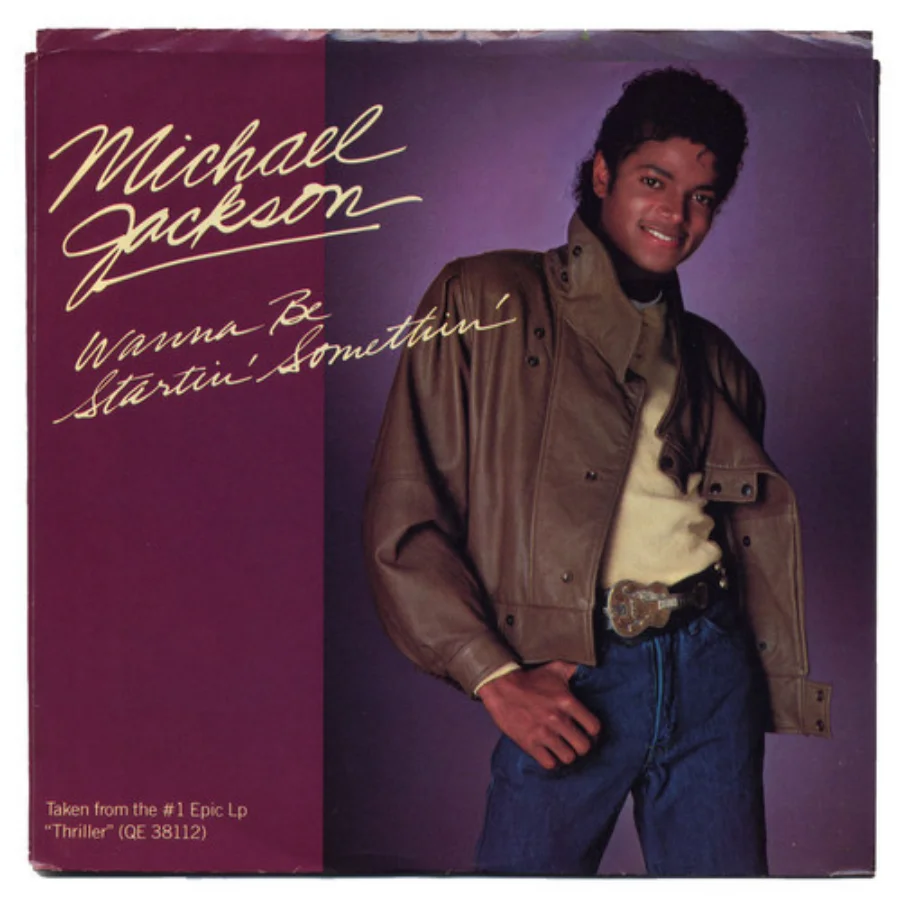
In the 1980s, Quincy Jones brought the song back to life for Michael Jackson’s Wanna Be Startin’ Somethin’. A sample that was initially uncredited, it opened the door to a long chain of reinterpretations, later appearing in songs by Kanye West (Lost in the World), Will Smith (Gettin’ Jiggy Wit It), A Tribe Called Quest (Rhythm – Devoted to the Art of Moving Butts), Fugees (Cowboys), Jennifer Lopez (Feelin’ So Good), and Beyoncé (Déjà Vu).
From an African football tournament to the heart of global pop culture, Soul Makossa never followed a planned path. It simply found the right places, the right people, and the right moments to keep moving forward—like songs that don’t belong to a single era, but to all the ones that come after.