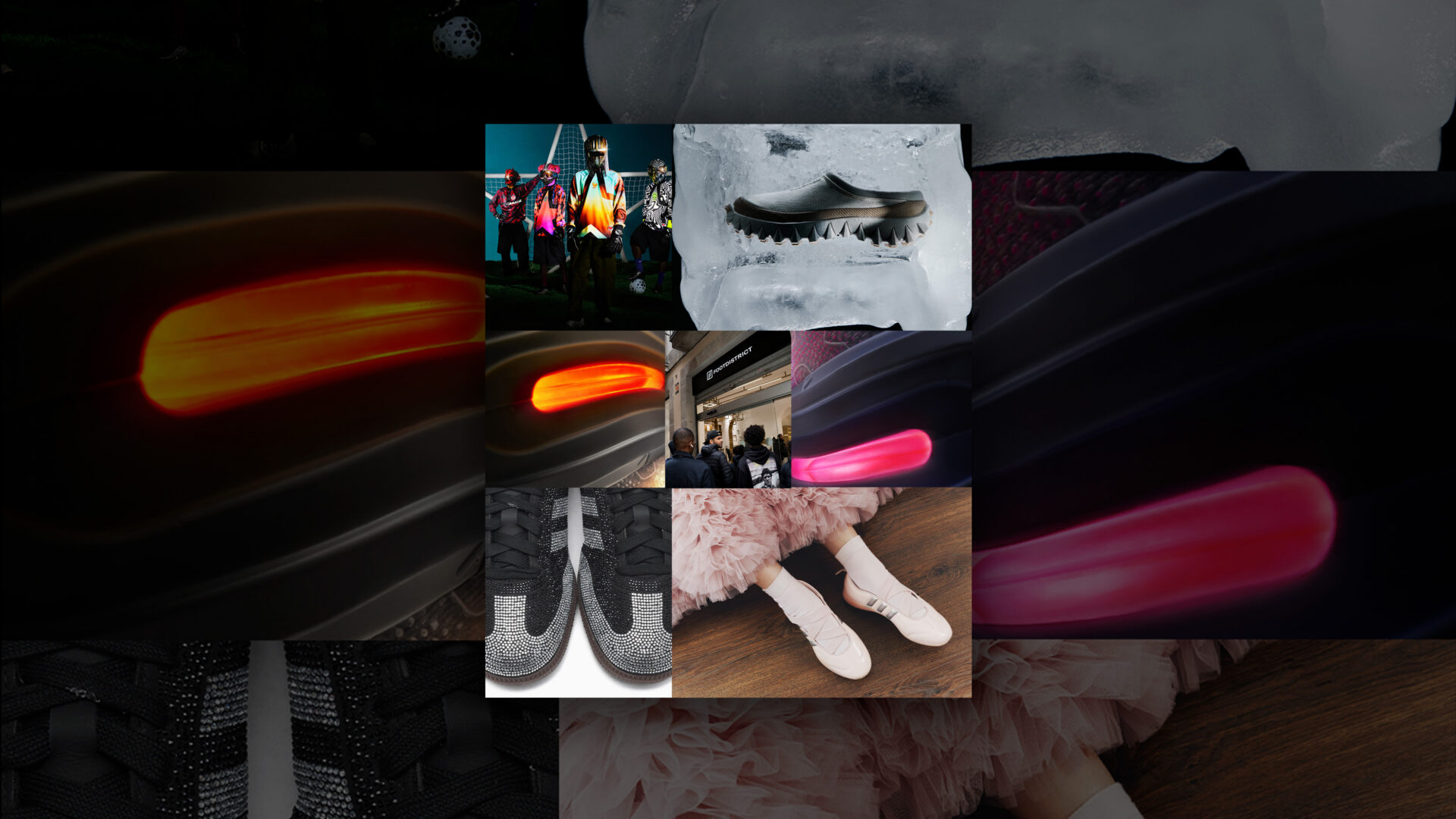
2026 marks a turning point in sneaker culture and streetwear. After years dominated by hype and overexposure, the industry is moving toward more functional design, honest narratives, and a real connection to sport, community, and everyday use. Less noise, more intention.
Less noise, more meaning
2026 opens a new chapter for streetwear and sneaker culture: less noise, more intention. After a decade shaped by hyper-collaboration, constant hype, and endless releases, the sector enters a more mature, reflective, and conscious phase.
The brands defining the moment are no longer those that release the most, but those that build coherent narratives, connect with real values, and understand the cultural context they operate in.
Streetwear in 2026 doesn’t aim to impress at first glance, but to remain relevant over time.
Sport, community, and new urban rituals
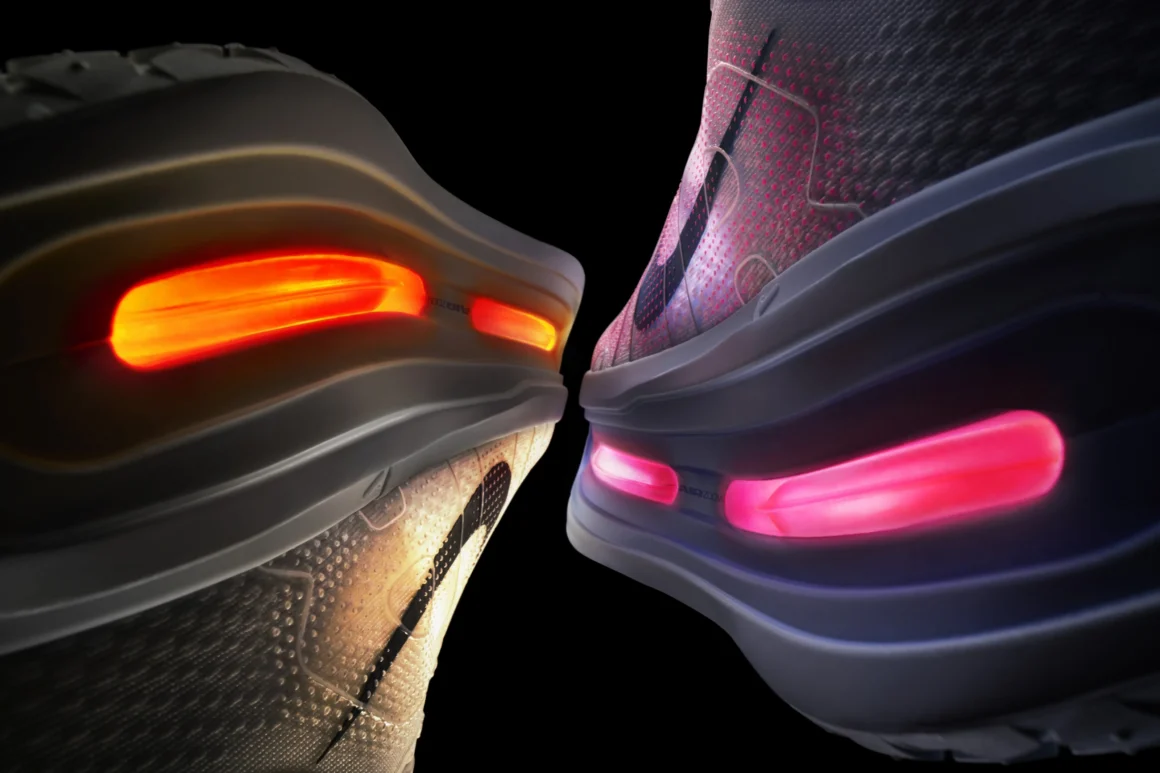
The boundary between performance and streetwear fully dissolves. Social run clubs turn training into an urban ritual and a social space, while running shoes move from the asphalt into the lifestyle scene without losing technical credibility.
Events like Hyrox, currently expanding on a global scale, reinforce a new imaginary where performance, spectacle, and belonging converge. The direct result is a growing demand for technical sneakers capable of performing equally well in athletic environments and everyday urban life.
In this context, the sneaker stops being just a style symbol and becomes a visible expression of an active, communal, and increasingly competitive way of life.
Football: archive, identity, and the street
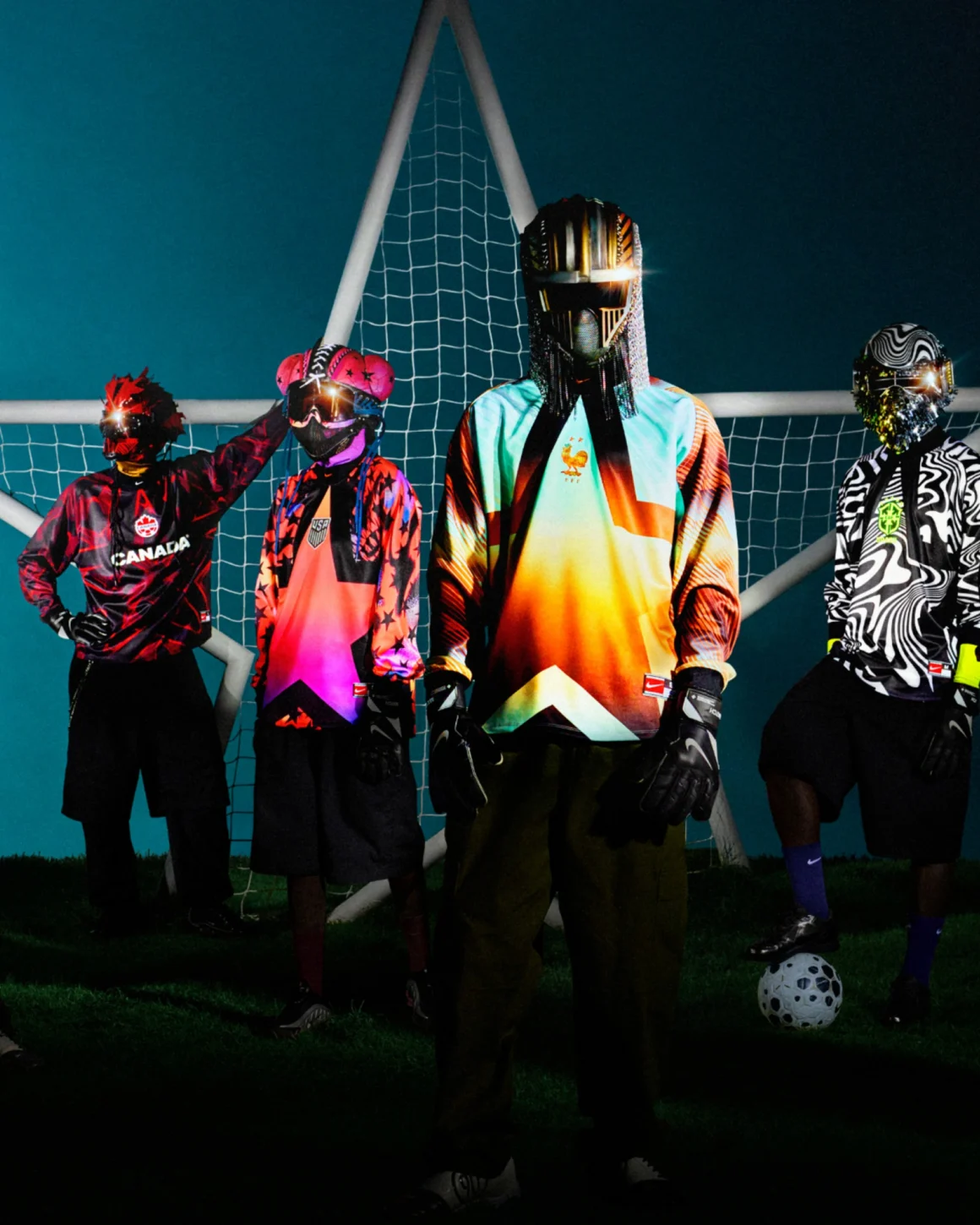
With the World Cup on the horizon, football establishes itself in 2026 as one of the major aesthetic drivers of streetwear and sneakers. Its relevance blends performance with archival references, collective identity, and a strong presence in popular culture. Classic jerseys, retro typography, club colors, and silhouettes inspired by football boots bring the stadium’s imagery into everyday urban life.
Sneakers adopt sharper profiles, low soles, and clean lines that directly reference football footwear from the 1990s and early 2000s. In a moment defined by the search for authenticity, football offers something few disciplines can: real history, strong communities, and an emotional bond that transcends trends.
The return of the launch as an experience
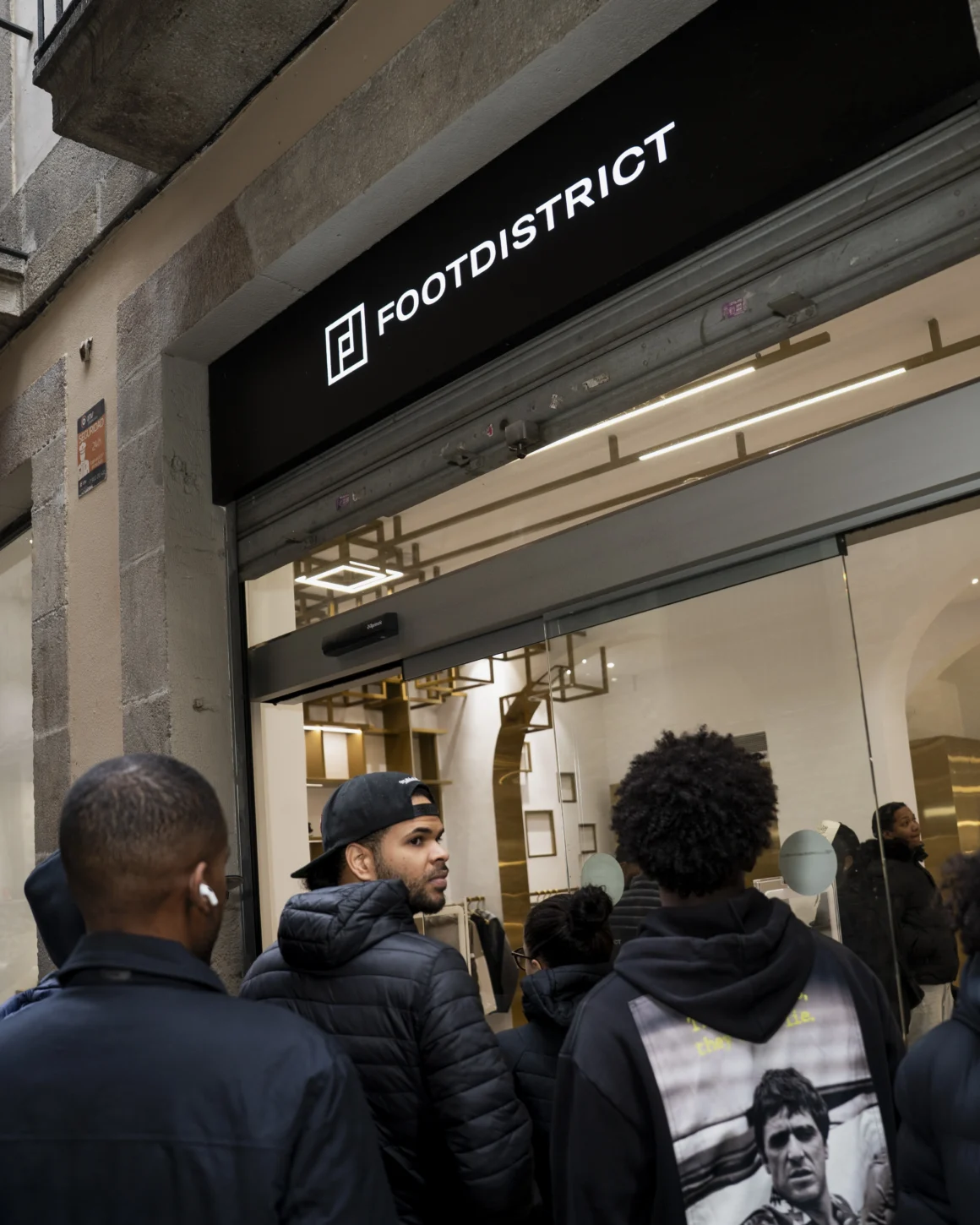
When launches with a set time, place, and expectation seemed like a relic of another era, some brands are bringing the format back — but from a new perspective.
The launch is no longer about extreme exclusivity or endless queues, but about experience: conversation, context, direct contact, and community. Less spectacle, more memory. Less volume, more meaning.
Style as quiet resistance
Streetwear in 2026 moves away from visual excess to build a more restrained aesthetic. Minimalism, neutral color palettes, and textured materials replace the omnipresent logo, while technical silhouettes add contrast and functionality without demanding visual dominance.
Wearing sneakers becomes an act of calm self-affirmation — a way to prioritize comfort, coherence, and durability over the constant noise of fleeting trends.
Strategic shine: a new way to stand out
As a reaction to the dominance of raw tones and earthy colors, shine re-emerges as an aesthetic tool in 2026. Satin finishes, reflective surfaces, and metallic details introduce contrast without excess.
This isn’t about reviving maximalism, but about using shine in a controlled, almost technical way — as a functional and visual element that adds identity without disrupting overall harmony.
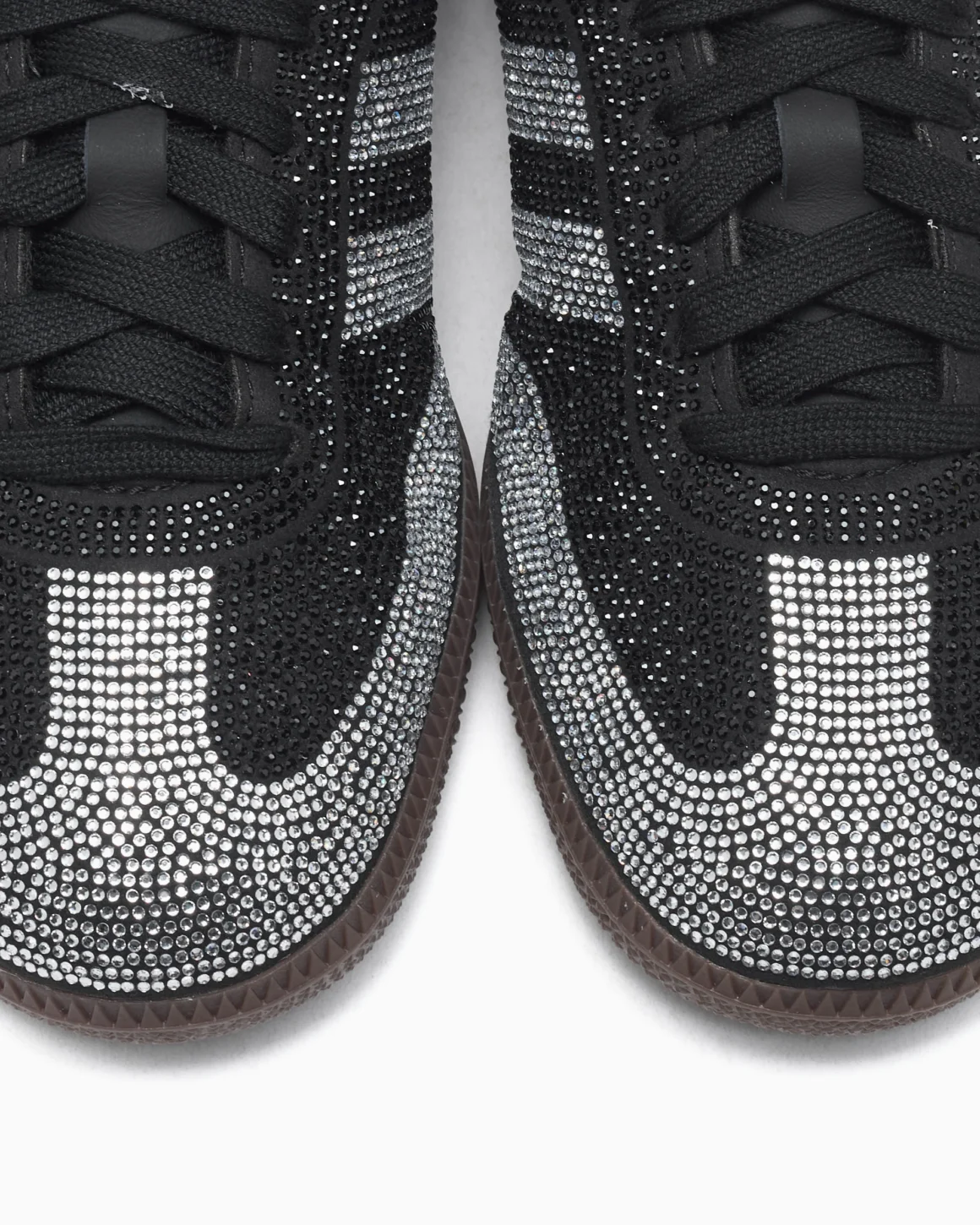
Low profile: back to the ground
In contrast to exaggerated volume and oversized soles, low-profile silhouettes consolidate as one of the key sneaker trends for 2026. A direction that began gaining momentum in 2025 and now expands through new interpretations.
Thin soles, closer contact with the ground, and a more direct sensory experience. First through the revival of iconic silhouettes from the early 2000s, and later through entirely new models that reinterpret this philosophy from a contemporary perspective.
Outdoor integrated into everyday life
Gorpcore is no longer a trend — it’s a shared language. In 2026, outdoor aesthetics are fully integrated into streetwear and urban sneakers.
Technical materials, adjustment systems, weather protection, and mountain references become normalized, losing their aspirational character and turning into everyday solutions. Outdoor is no longer a visual statement, but a practical one.

Scene-less sneakers: the rise of the hybrid
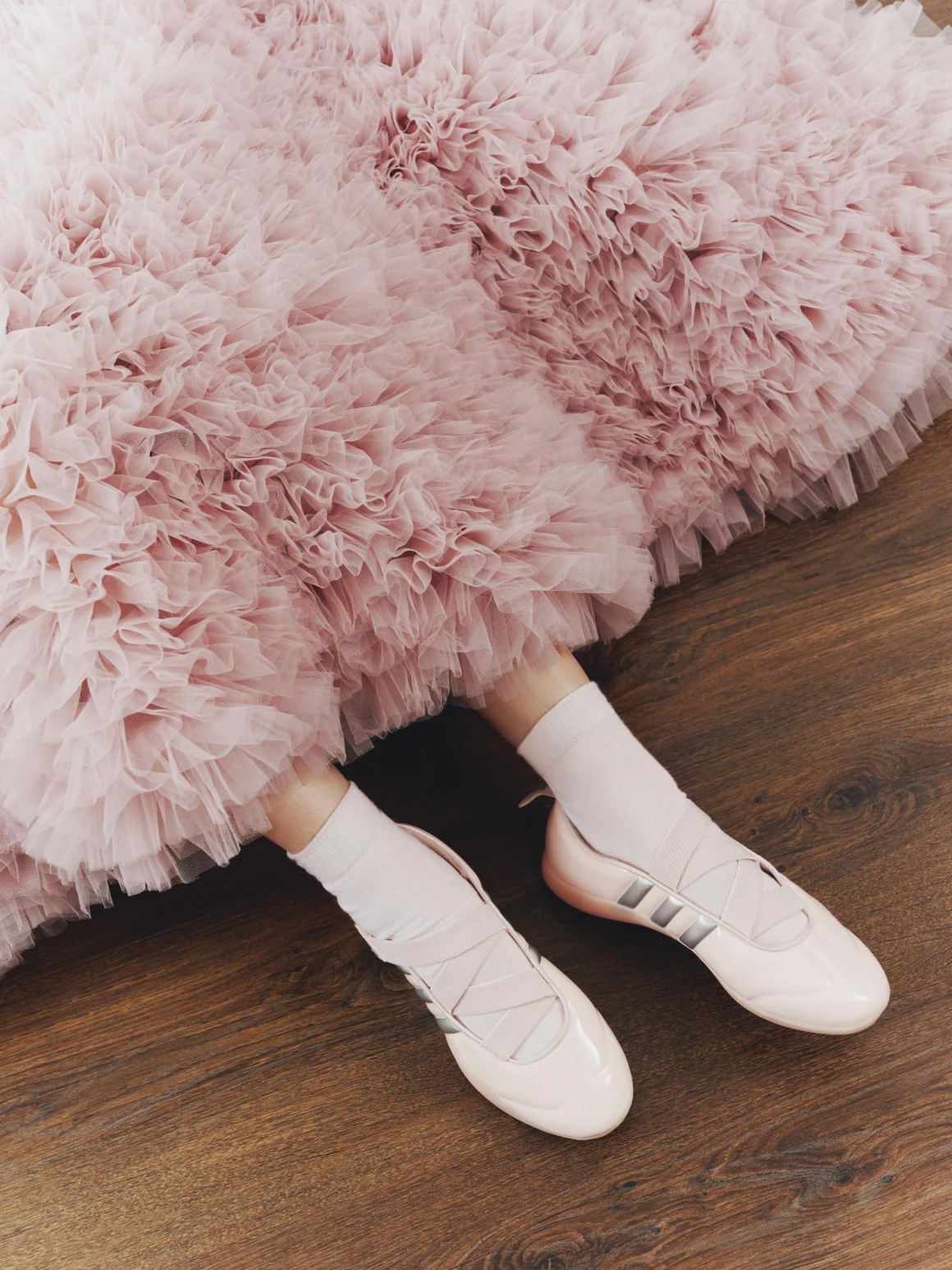
One of the key developments of 2026 is the rise of sneakers that don’t clearly belong to a single category. Models that are neither strictly running, skate, nor outdoor, but functional hybrids designed for daily use — even blending with less traditional footwear concepts, such as the already emerging sneakerinas.
These hybrid silhouettes respond to a contemporary reality in which people no longer identify with a single scene, but move fluidly across multiple contexts.
Durability and real use as new values
Design increasingly values durability as part of its appeal. Sneakers built to age well, materials that gain character through wear, and designs that aren’t tied to a single moment in time.
Sneakers move away from fast consumption and toward a longer, more functional, and emotional relationship with the wearer.
The trends that will define sneakers and streetwear in 2026
Sneaker and streetwear trends for 2026 point toward a clear evolution: more functional design, refined aesthetics, and a real connection to sport, community, and everyday life. The prominence of running, the rise of low-profile silhouettes, the integration of outdoor influences, and the focus on durability shape a new landscape in which the sneaker is no longer just an object of desire, but a cultural tool.
2026 won’t be the year of the loudest sneaker, but of the most honest one — a year in which style and performance finally move in the same direction.