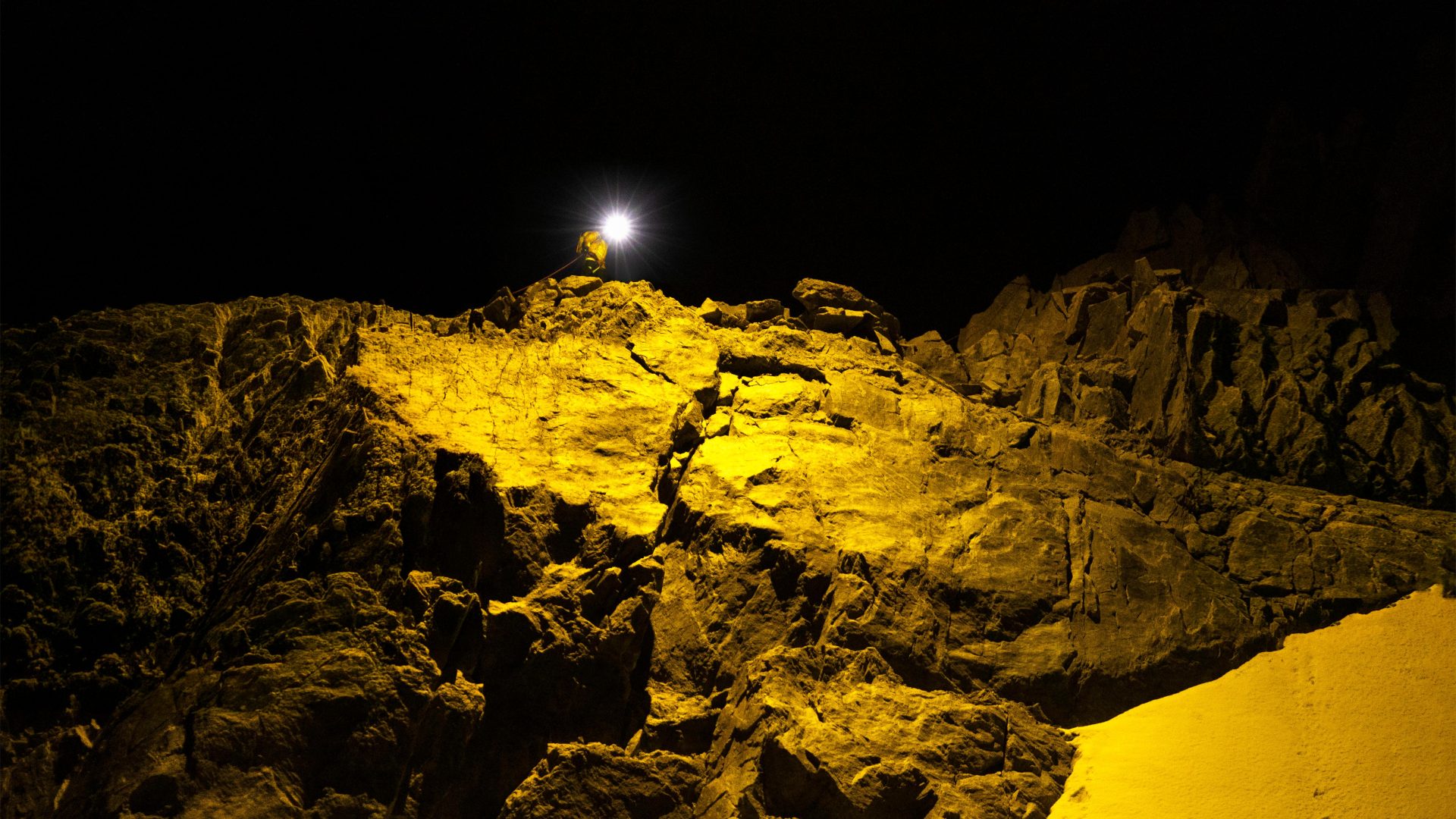
In 1992, The North Face introduced the Nuptse as part of its revolutionary Expedition System, a layering system designed for high-altitude conditions and tested by the brand’s elite athletes. The jacket was designed by Ingrid Harshbarger, who had already contributed to the creation of another of The North Face’s most recognisable garments: the Denali.
For the Nuptse, The North Face developed a new baffle construction that reduced down migration and improved the jacket’s ability to retain warmth. Its distinctive colour-blocked design also served a purpose: increasing climbers’ visibility in extreme conditions.
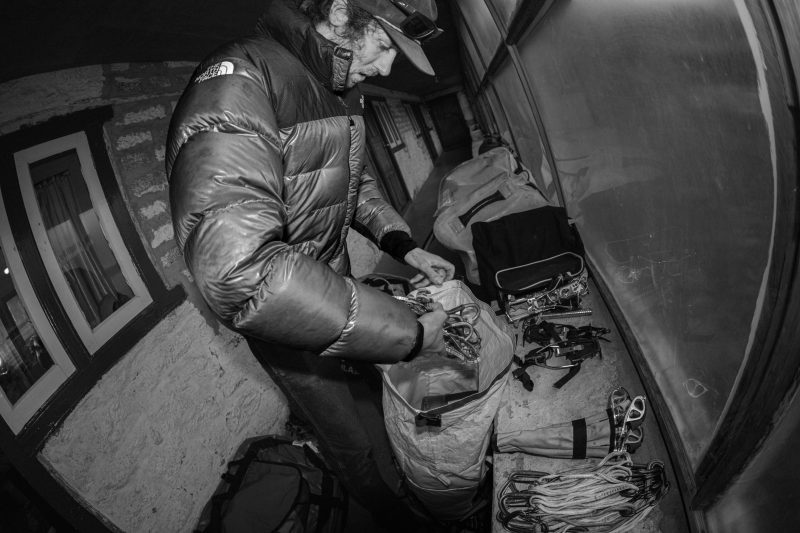
A solution originally conceived for the mountains would eventually become one of The North Face’s most recognisable design signatures. A new path was opening up on the streets, where the Nuptse began to be adopted as a symbol.
In 1996, the Nuptse received its first update. From that moment on, its story would continue to grow far beyond the environment for which it had originally been designed.
The Same Perspective. Something Different.
The North Face Nuptse was born in the mountains but grew up on the streets. It evolved through new designs and collaborations that opened up new directions, all while staying connected to its origins.
Over the years, the jacket originally created for high-altitude conditions found new territory on the streets. Its volume, colours and technical character resonated with a generation that approached clothing differently.
The Nuptse went from accompanying expeditions to becoming part of the urban landscape. Its silhouette became a symbol of creativity and personal expression, embraced by those who were also looking for different paths.
This ability to evolve while maintaining its identity lies at the heart of the new generation of Nuptse. A collection that preserves the silhouette that made the jacket an icon while revisiting its roots to take it into new territory.
And that ability to move between two worlds continues to define the Nuptse today.
Back to the Mountains
This season, The North Face looks back to where it all began. The new Summit Nuptse revisits the silhouette’s alpine heritage and takes it to a new level, designed for more extreme conditions.
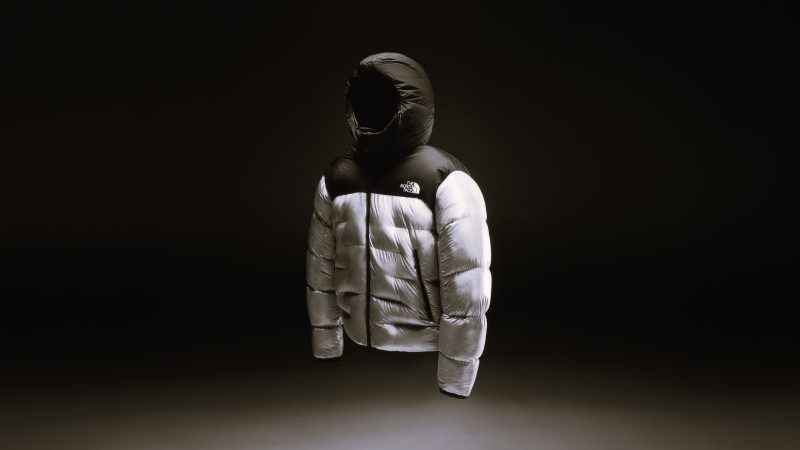
Its construction features 800-fill ProDown™ insulation with a water-repellent finish and Cloud Down technology, designed to reduce cold spots and improve thermal performance. The result is a warm, lightweight and more compressible jacket, ready to provide protection when conditions truly demand it.
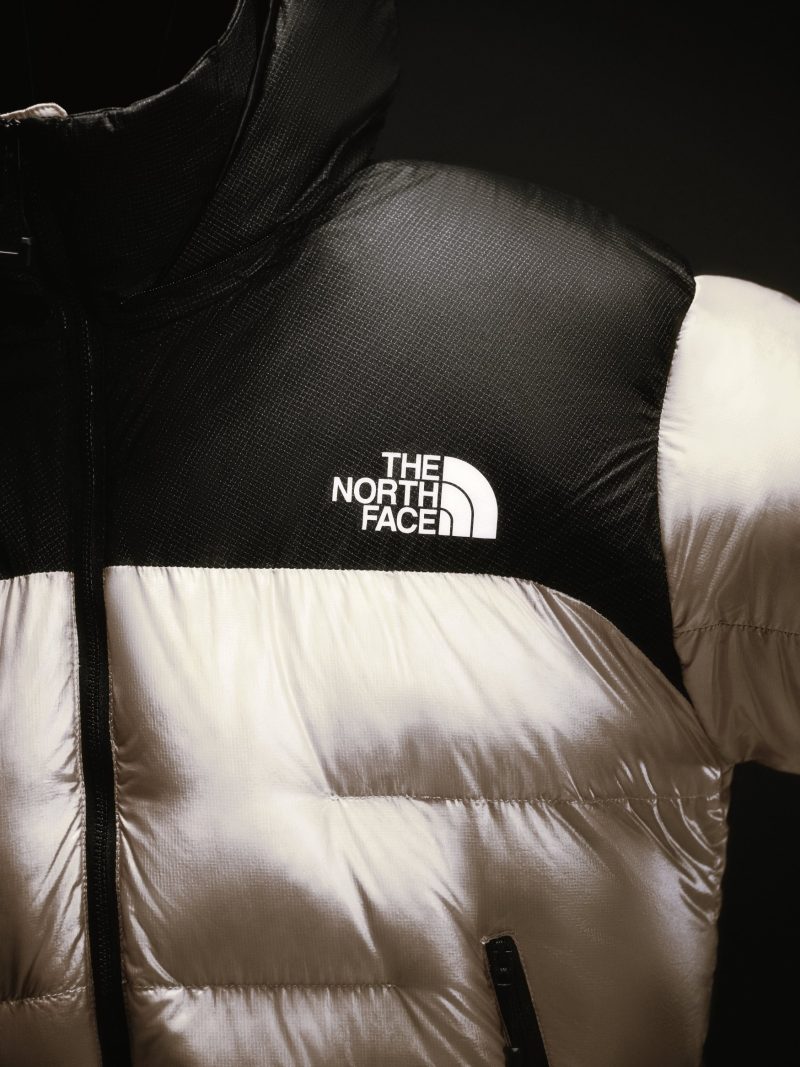
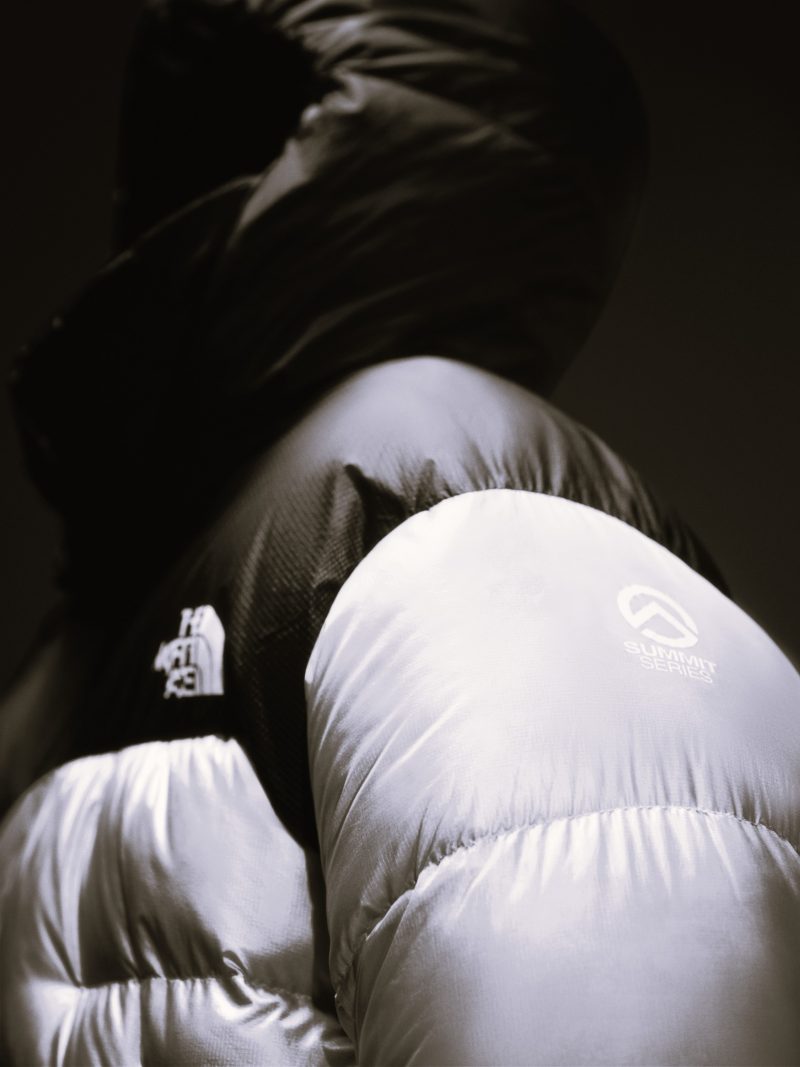
The design retains some of the features that have made the Nuptse instantly recognisable, including its signature oversized baffles, while incorporating them into a more technical construction.
This is the Nuptse returning to its roots. Revisiting its origins to continue moving forward.
One Classic, Two Paths
The other side of this evolution comes with the new Nuptse featuring Pertex® Quantum. A version that preserves the connection between mountain and city that has defined the silhouette for decades, while introducing a new way to experience it.
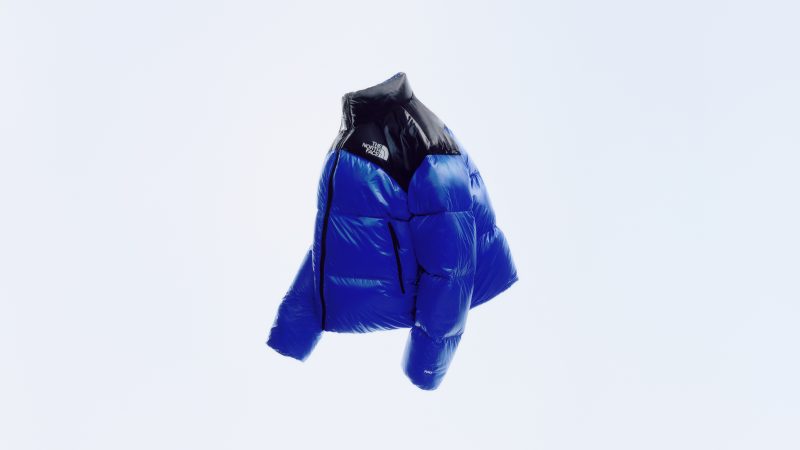
Its Pertex® Quantum fabric uses a tightly woven structure of extremely fine yarns that helps keep the insulation in place and allows the down to achieve its full loft. The result is a lightweight, soft fabric that enhances both comfort and thermal performance. Its water-repellent finish provides additional protection against light rain and snow.
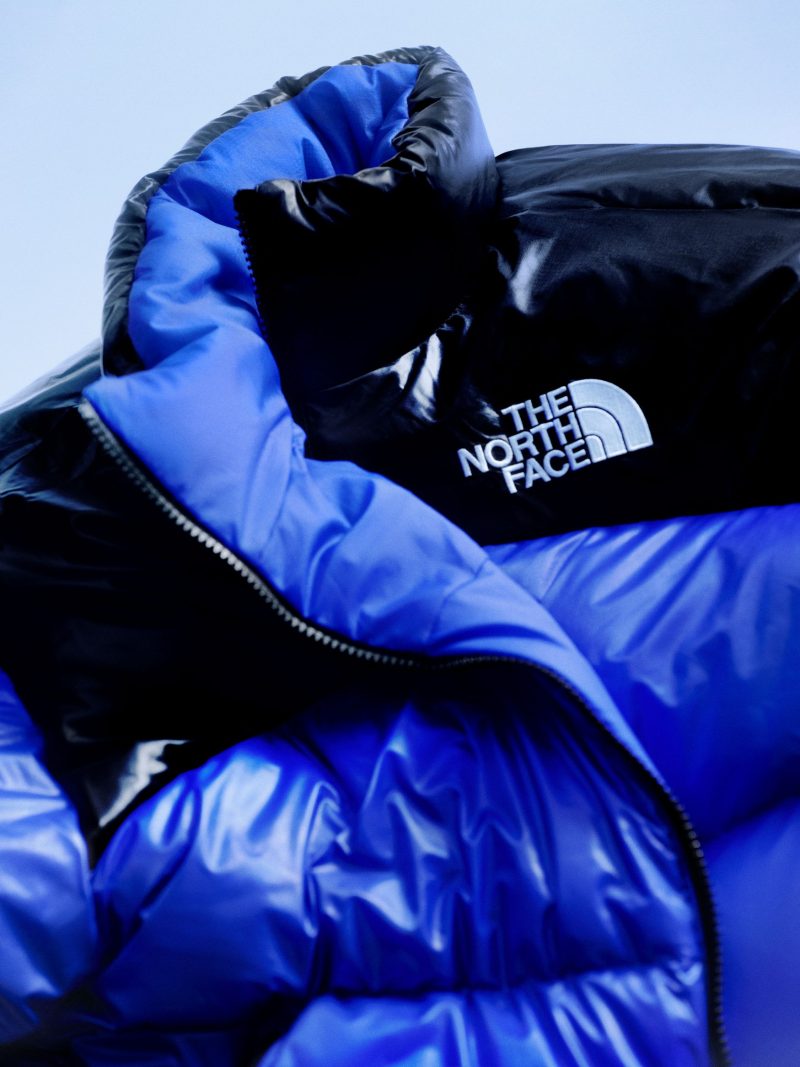
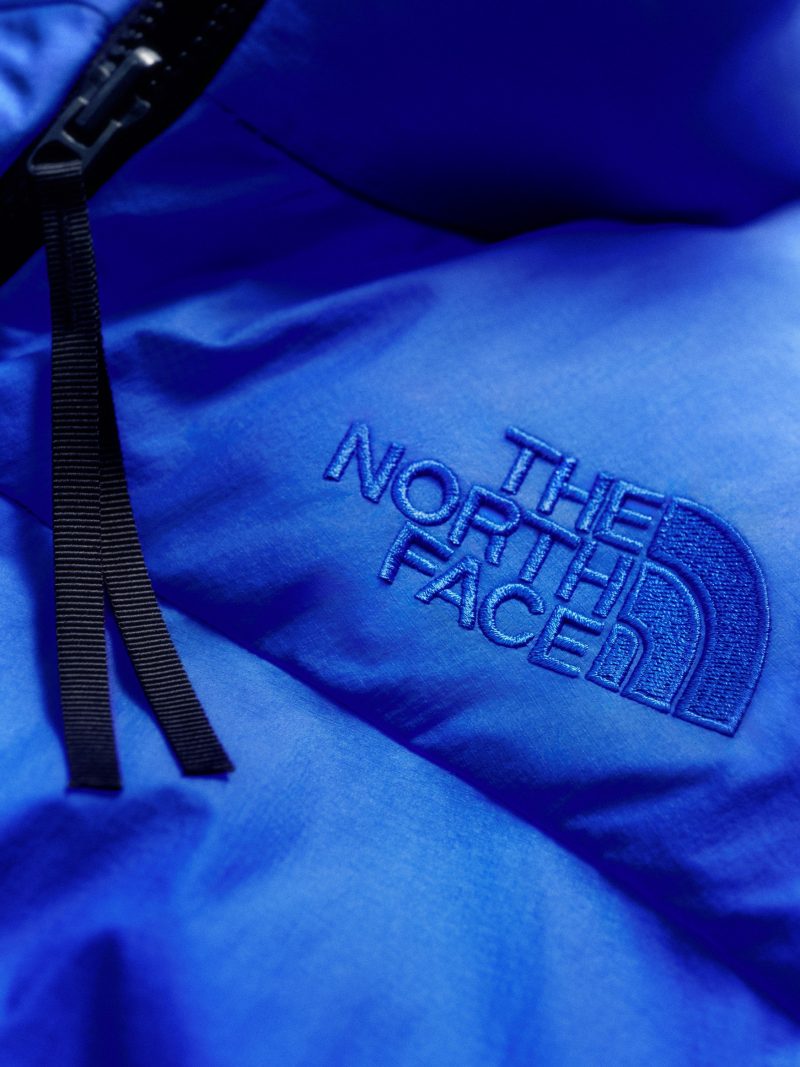
The classic silhouette is also updated with a reversible construction that allows you to change its appearance depending on the moment. Two sides, two possibilities, one Nuptse.
Because leading the way doesn’t always mean following the same path.
A Story That Keeps Moving Forward
The name Nuptse comes from a Himalayan mountain located southwest of Everest. In Tibetan, “Nup” means west and “Tse” means peak. A name that connects the jacket to the territory where The North Face has historically faced some of its greatest challenges.
Since 1992, the Nuptse has continued to evolve. First, as part of a system created for the most demanding high-altitude conditions. Later, as a garment capable of crossing boundaries and finding its own place in urban culture.
Now, it looks in both directions once again: towards the mountain that gave it its name and the streets that turned it into a cultural icon. An example of evolution.