Technology and Style Take Center Stage
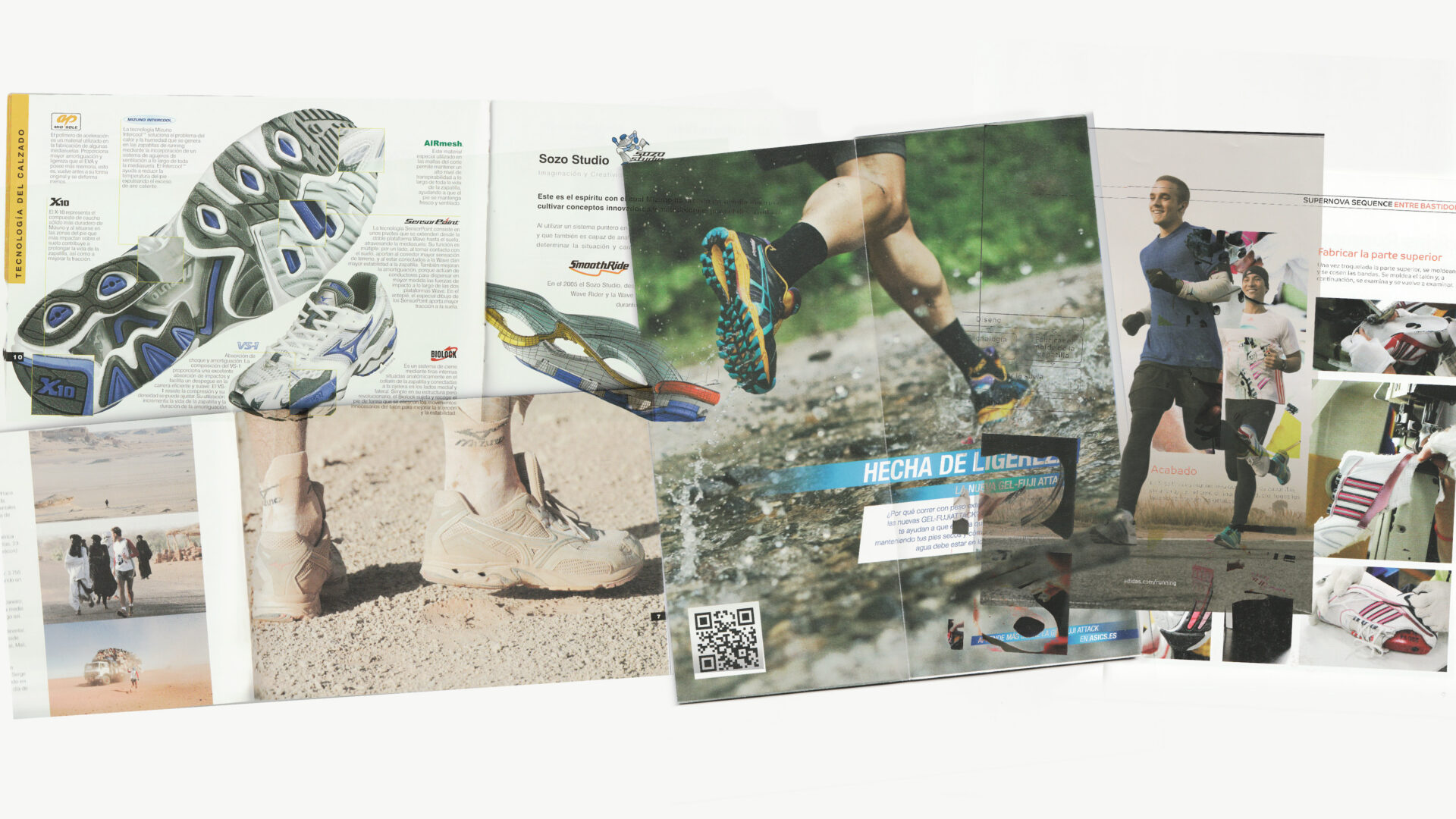
Between 2005 and 2015, running shoes moved beyond the minimalism of the 1990s. Functionality became the driving force behind design, with layered constructions, visible reinforcements, and technical midsoles standing out not only for performance but also for aesthetics. Technology, once hidden, became a key feature. Visible cushioning and supports marked an era where innovation and style naturally intertwined.
Trail Running Finds Its Name
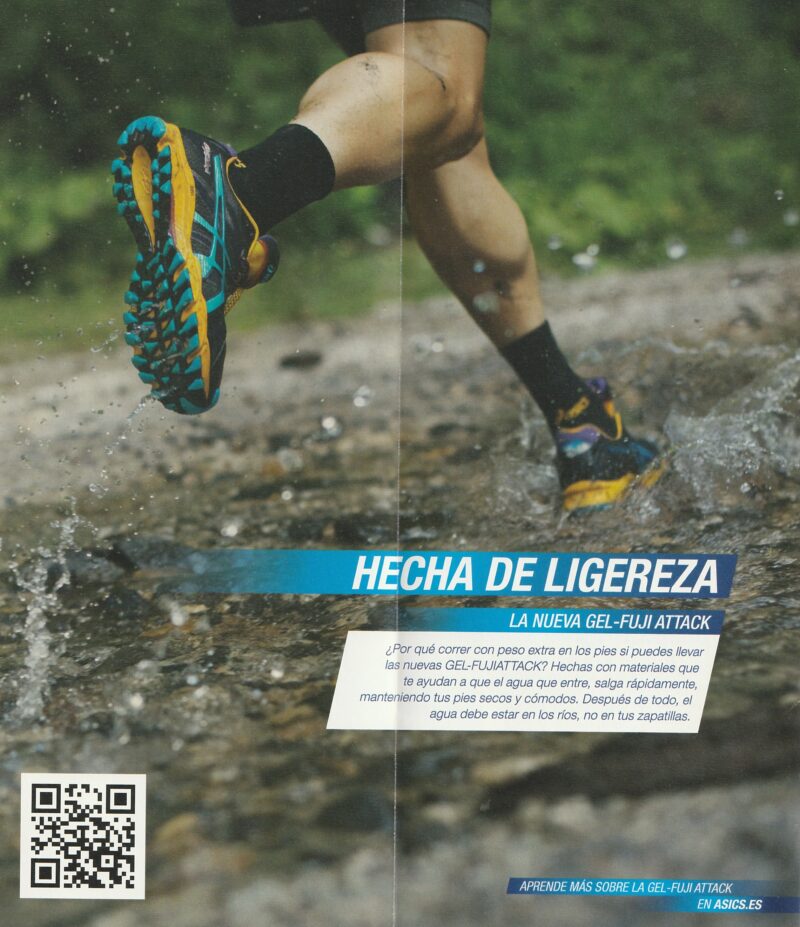
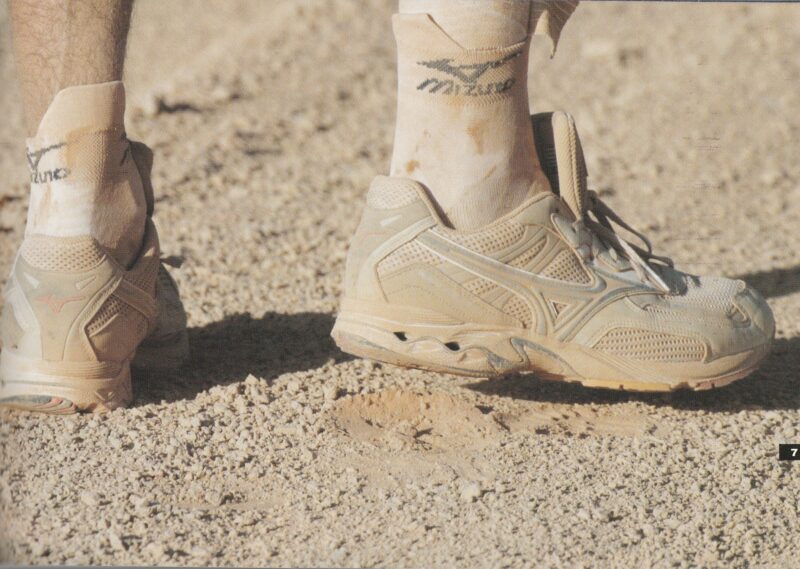
Trail running existed from the sport’s early days, but in the early 21st century, adventure raids—hybrid competitions combining multiple disciplines—evolved into dedicated running events. Brands like Asics, Mizuno, Saucony, adidas, and Salomon introduced products specifically for trail runners, driving the creation of innovative designs tailored to these new demands.
The Rise of Wearables and Communities
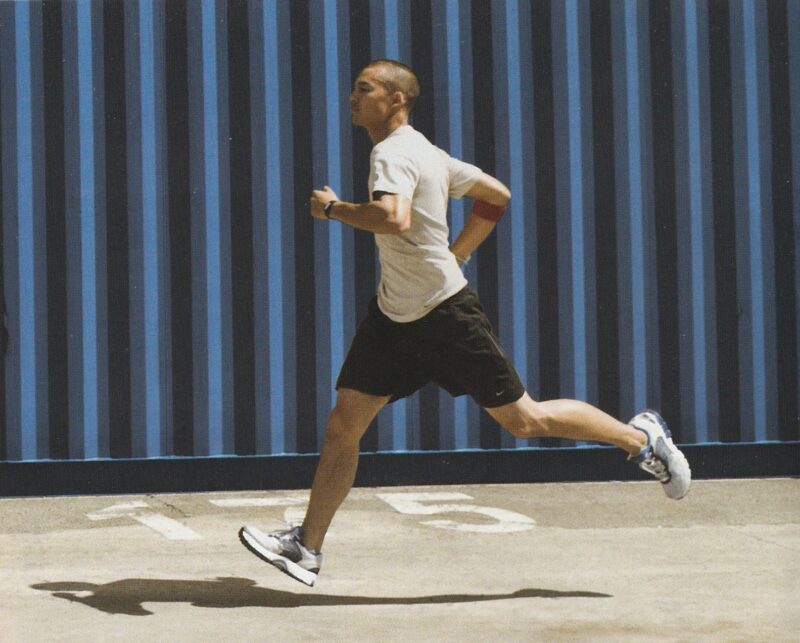
The decade also saw the emergence of Nike+ and miCoach, the first connected running systems. Though primitive by today’s standards, they established the link between sneakers, performance, and technology. Meanwhile, brands started promoting running clubs: sharing routes, stats, and achievements transformed running into a social experience. Running became a vehicle for identity and belonging.

Silhouettes Out of Context: From Track to Street
Today, these sneakers enjoy a second life on city streets. Just as functional workwear evolved into lifestyle fashion, running aesthetics transitioned from pure performance to a distinctive urban style. Models designed for marathons or trail runs are paired with everyday clothing, creating a hybrid look that celebrates both comfort and the runners’ legacy. Interest in “hidden gems” beyond the classic 80s and 90s designs drives this revival: the Kinvara, Streak 3, or Wave Prophecy offer ergonomic performance and character without losing their identity.
Rediscovery and Cultural Relevance
This resurgence carries a touch of nostalgia—not for a history decades old, but for products truly experienced. Beyond nostalgia, it reflects the search for silhouettes that merge performance, aesthetics, and practicality. The designs from 2005–2015 demonstrate how running could be expression, technology, and urban culture simultaneously. By integrating these shoes into everyday life, consumers reconnect with a period that redefined technical footwear, translating it into urban fashion and creating a trend that dominates today’s shop windows and social media feeds.