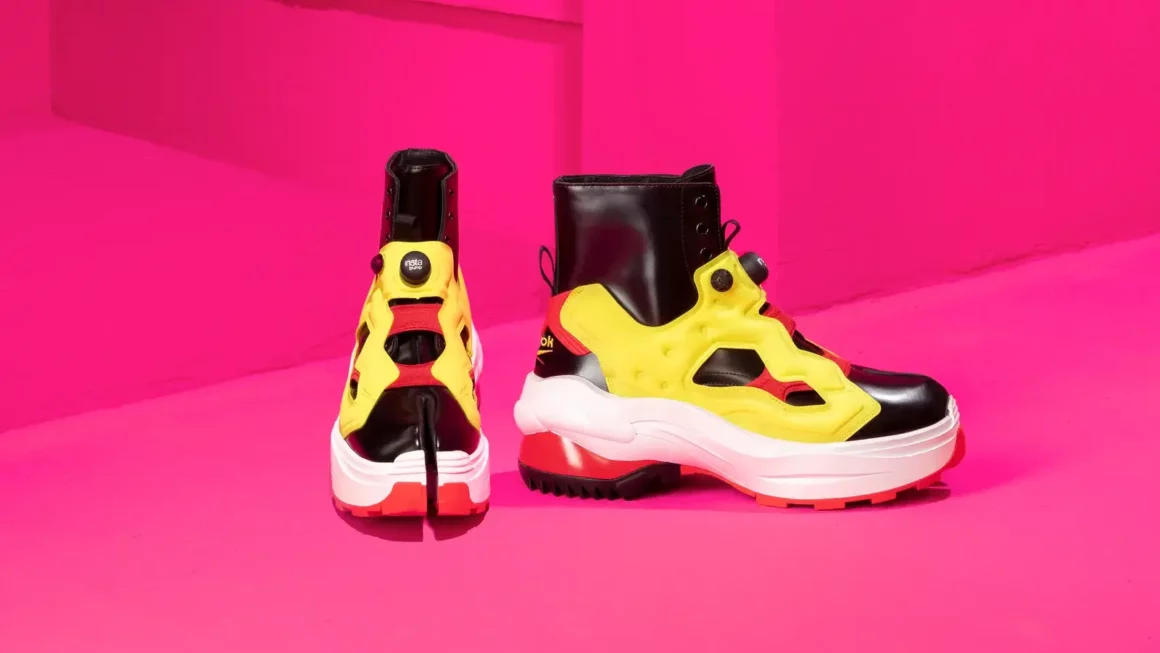
A sneaker from the past with futuristic ideas, the Reebok Instapump Fury has been impactful since its inception. Here are 10 key facts about the process that made it one of the most revolutionary sneakers of the 1990s.
Reebok RAC
The creation of the Instapump Fury wasn’t accidental but the result of a dedicated creative team working independently from the rest of the company. Originally named Reebok ACG (Advanced Concept Group), the name was later changed to RAC (Reebok Advanced Concepts) to avoid confusion with Nike’s outdoor line. RAC’s logo appeared on Reebok’s most advanced products.
Reebok The Pump: The Origin
The Pump was Reebok’s greatest success, rooted in an anatomical premise: no two feet are the same, so shoes should adapt to individual shapes. Air was the simplest way to achieve this, so the idea was for each foot to be surrounded by air.
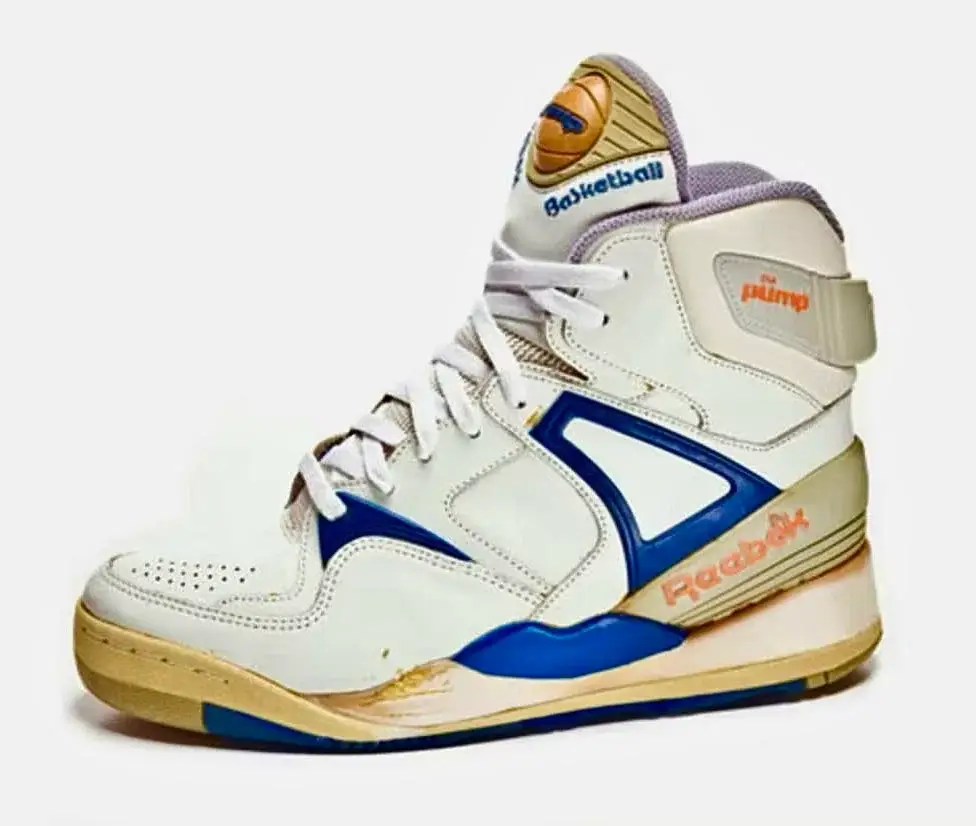
This led to the creation of an air chamber system inflated via a pump on the tongue.
Instapump: Born in a Dream
The Instapump system was the next step, inspired by a dream of Reebok CEO Paul Fireman. In the dream, an athlete at the starting line used an air gun to instantly inflate their sneakers’ internal air chambers. The RAC team developed a CO2 injection gun that worked with three models: Instapump Trainer, Sprint, and Racer.
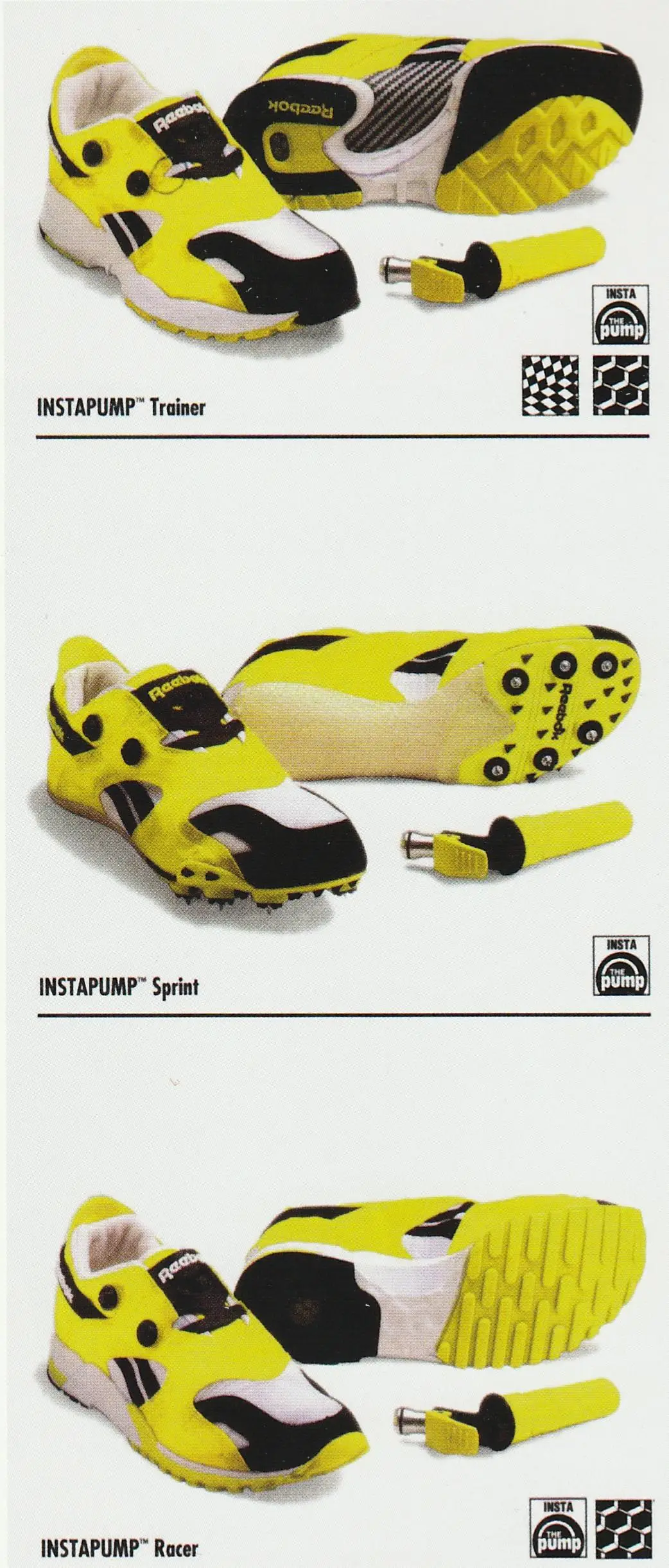
Steven Smith: From Classic to Disruptive
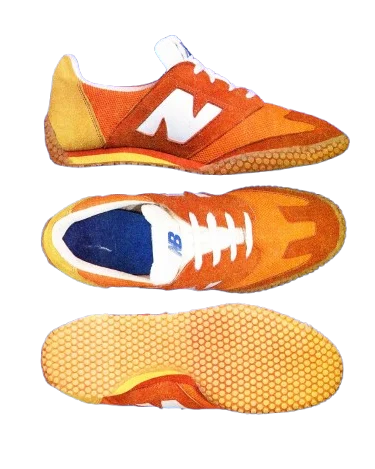
The design of the Reebok Instapump Fury 94 is revolutionary, even today. Surprisingly, its creator, Steven Smith, is better known for timeless, classic designs like the New Balance 574.
Inside Out
The Fury’s original concept came while Steven Smith was working with Paul Litchfield, the creator of The Pump system. Pump-equipped sneakers included booklets showcasing their internal technology. Smith proposed making that technology visible, exposing the inflatable components.
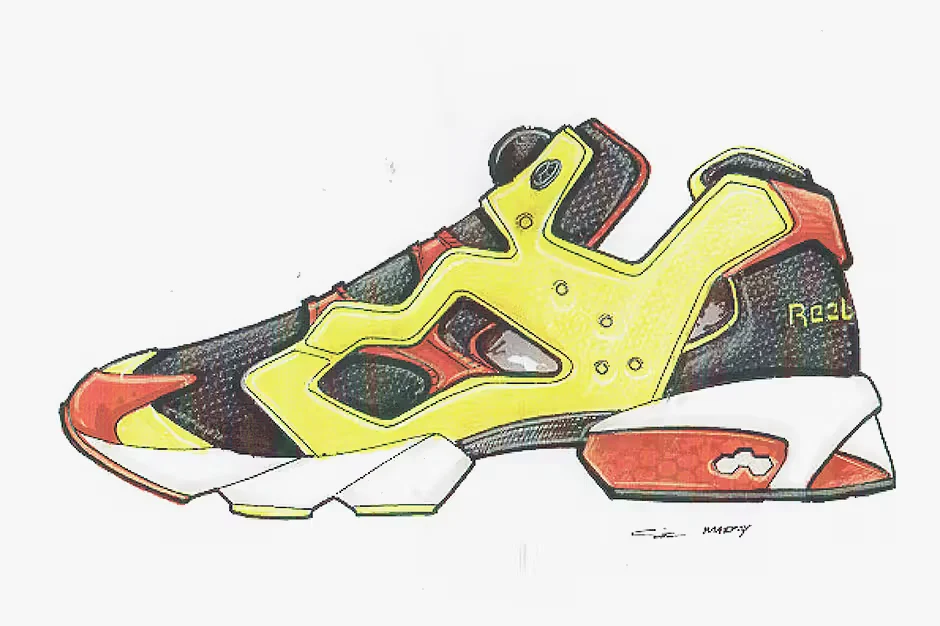
A Nod to a Favorite Sneaker
The Fury’s lines pay homage to a sneaker that influenced Steven Smith in 1977: the New Balance SuperComp. The toe piece, with sections extending toward the laces, mirrors this design.
A Technological Marvel
Behind its bold design, the Reebok Instapump Fury 94 showcased cutting-edge technologies like Hexalite and the Graphlite plate. The latter enabled one of the shoe’s signature features: a split midsole that reduced weight.
The Fury 94’s Colors
The Fury’s original colorway was inspired, as Steven Smith revealed, by the Sex Pistols’ debut album cover and the bold colors of the 1978 edition of the New Balance SuperComp.
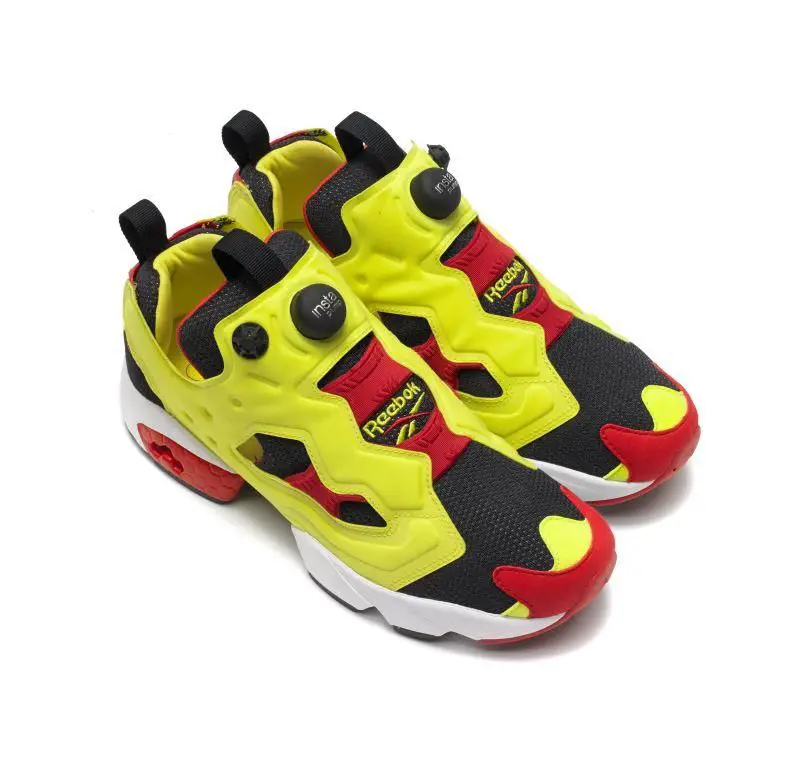
The neon and red combination initially met resistance from the sales team, leading to a more traditional colorway that’s now forgotten. The daring neon and red version, however, became iconic and continues to be reissued.
Two Versions of the Fury 94
Following its early success, Reebok positioned the Fury as a recurring model. Changes were made to the midsole for greater longevity, and the Instapump system was replaced with The Pump—although the original name remained.
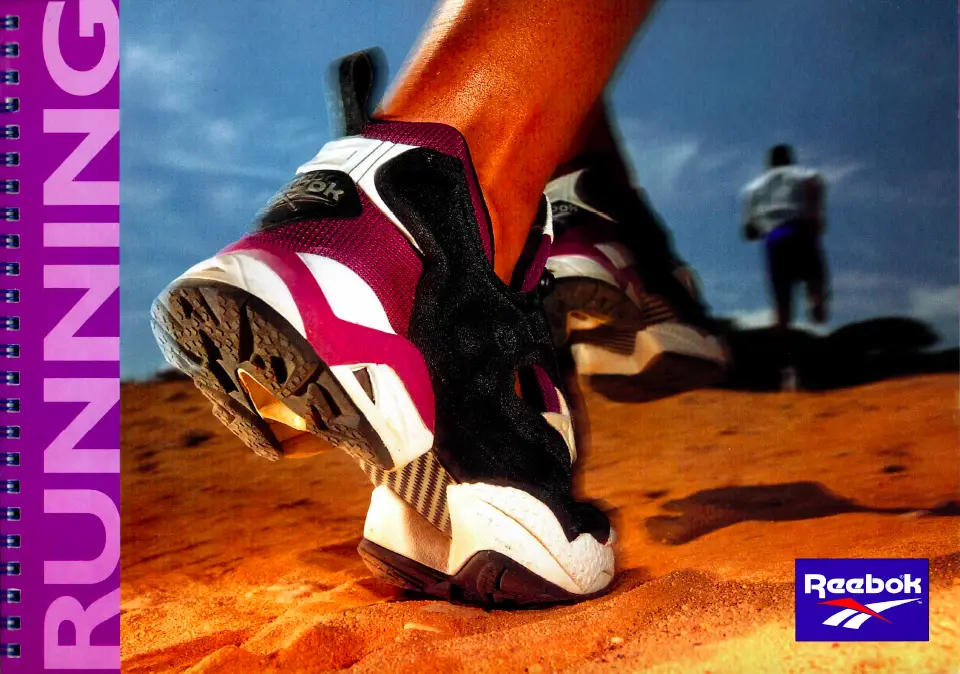
The Many Lives of the Instapump Fury
Like many performance-oriented designs, the Instapump Fury found its way into unexpected contexts, worn by Björk and Steven Tyler of Aerosmith. Its distinctive design has been adapted and reimagined by Boris Bidjan, Vetements, Aries, and Maison Margiela.