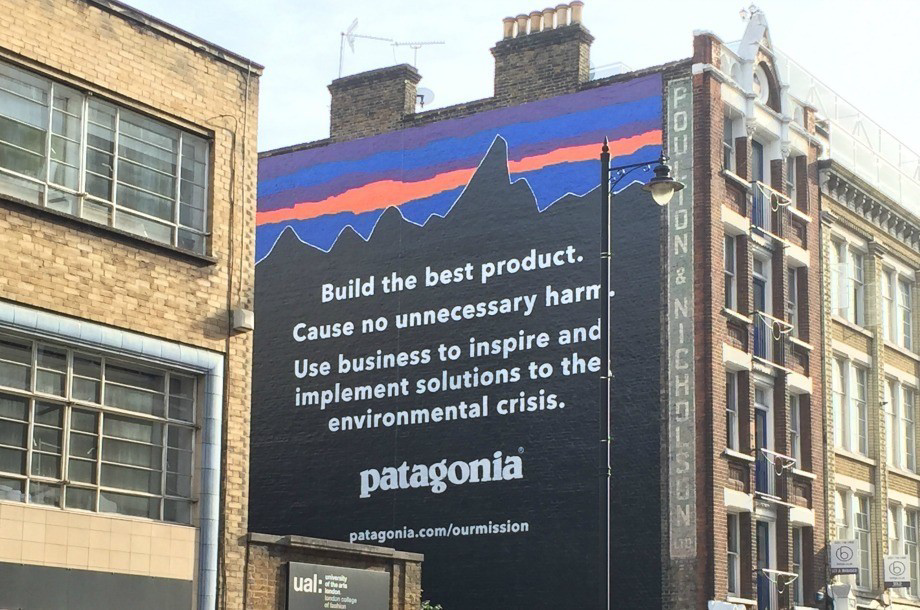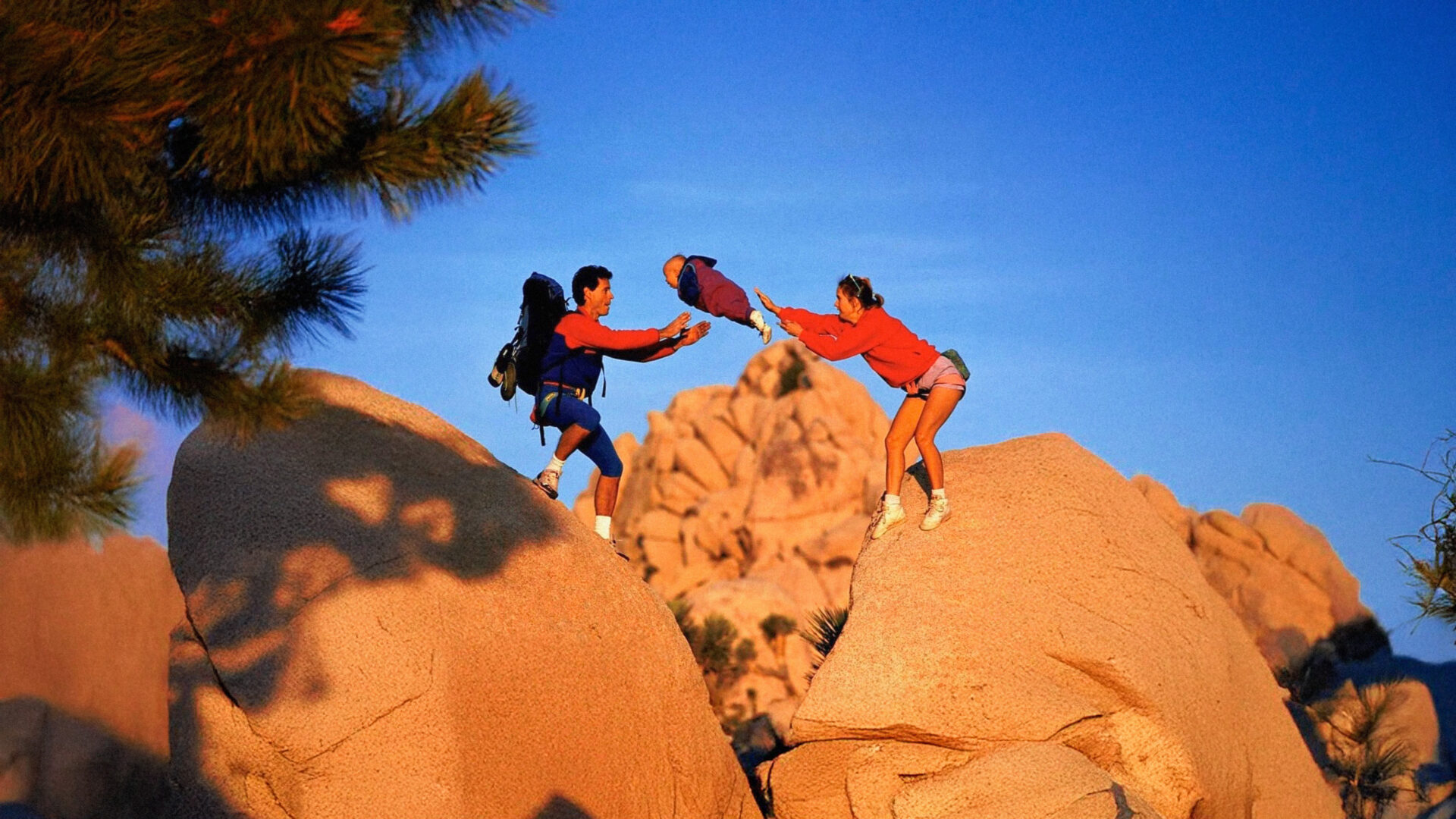
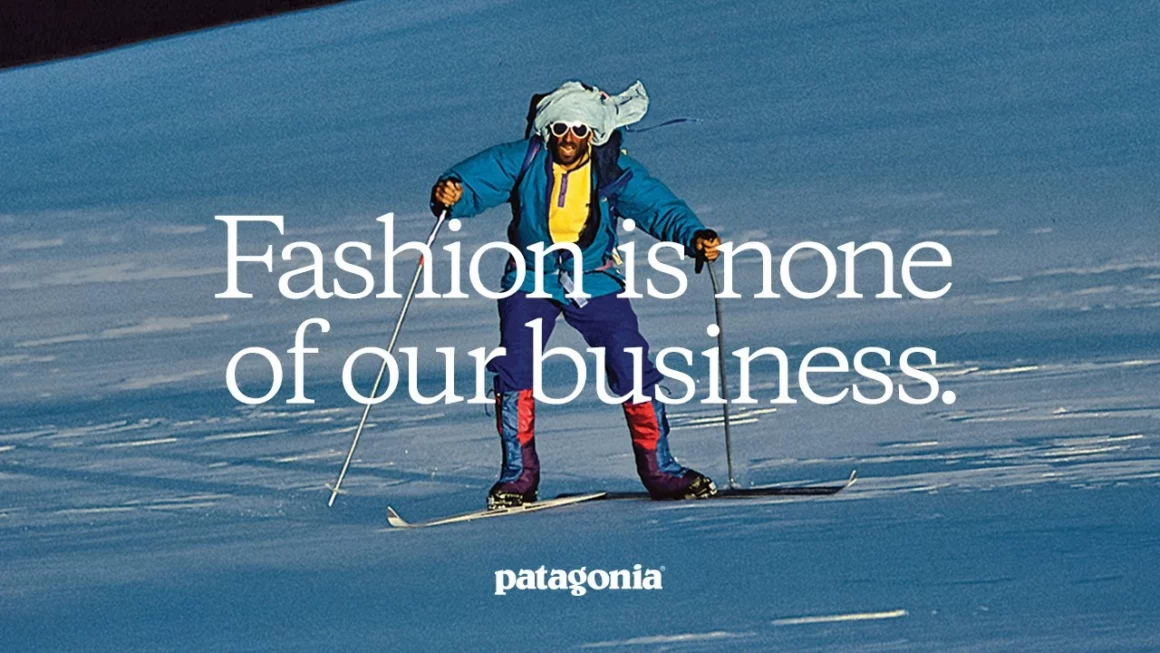
In a world saturated with retouched images, flawless models, and campaigns filled with empty promises, Patagonia has spent decades doing the exact opposite: showing what is real, functional, and imperfectly human. Its visual story emerges not from marketing, but from a community that dresses to climb, to hike, to repair, to resist.
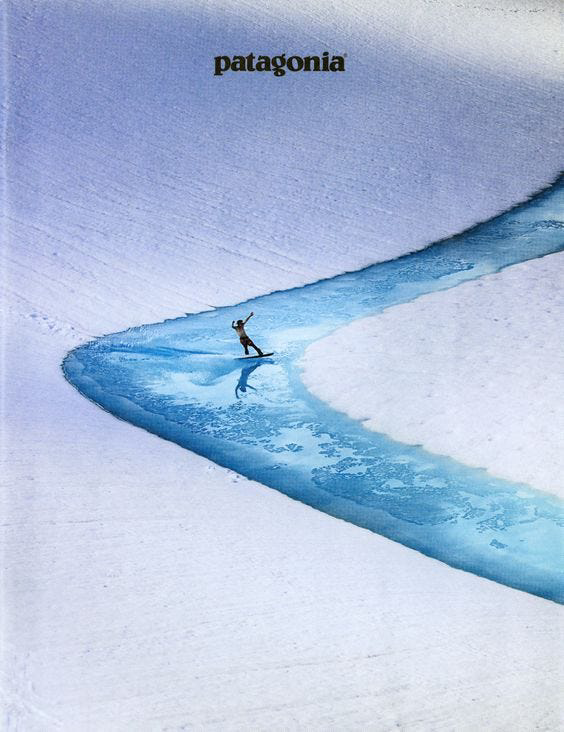
The soul of the catalog
For its first 44 years, Patagonia never aired a single television ad. When it finally did, it was to defend America’s national parks. Its most powerful communication tool has always been the catalog—not as a product showcase, but as the brand’s spiritual guide. As one 1988 critic quoted in Unexpected put it, the catalog was “the perfect expression of the company… the guide to Patagonia’s soul.”
Jennifer Ridgeway, Patagonia’s first photo editor, made it clear in her essay Capture a Patagoniac: even professional photographers had to unlearn their craft. Perfect light, attractive models, carefully composed frames—none of that mattered. If the image looked too polished, it was rejected.
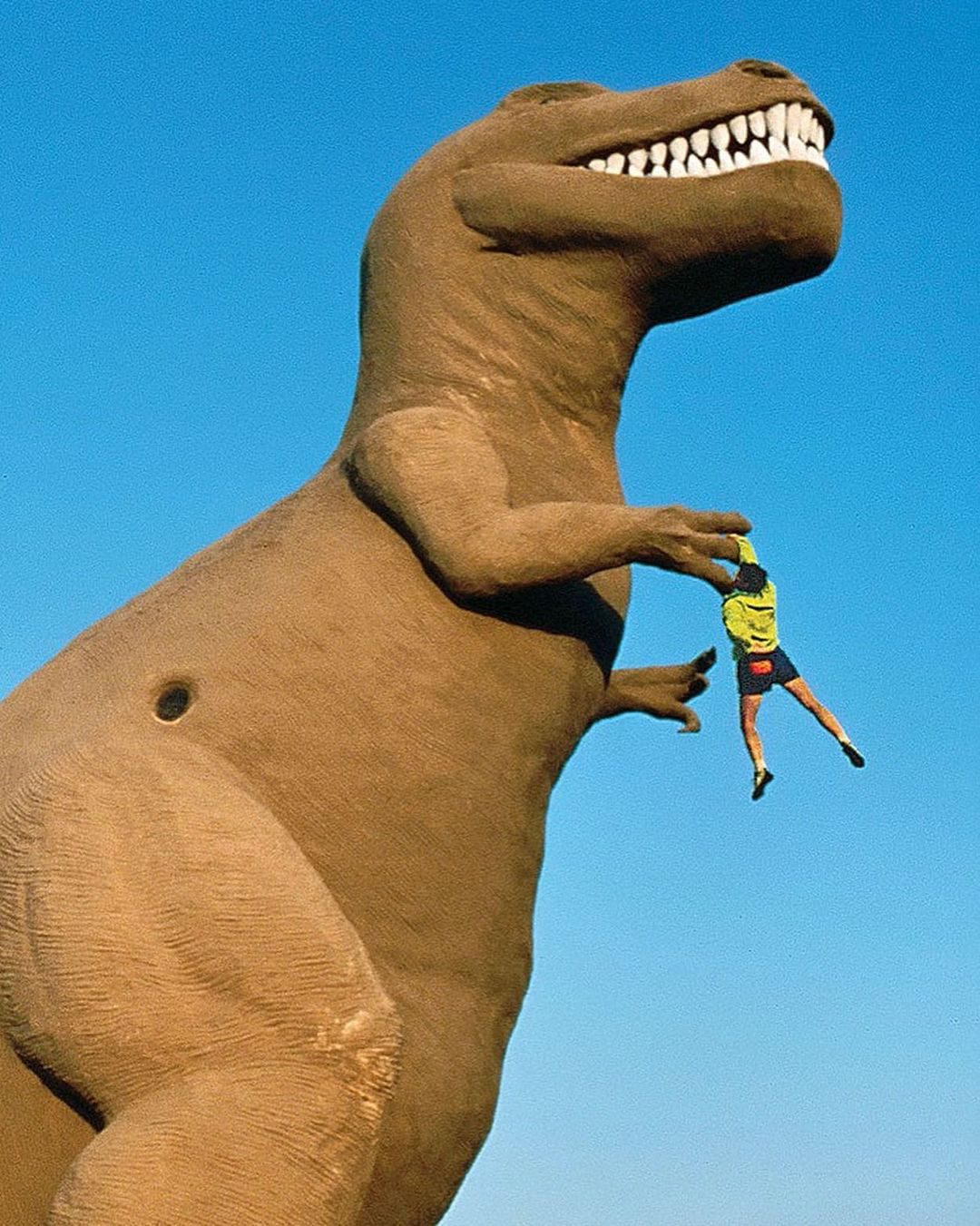
What did work: a mechanic in Yosemite wearing a worn-out fleece, a kid in a T-shirt standing in front of a summer camp sign, a climber shivering under the snow on El Capitan. Every photo sent in by customers or friends—affectionately called “Patagoniacs”—was a chance to tell a true story.
Origins: doing without posing
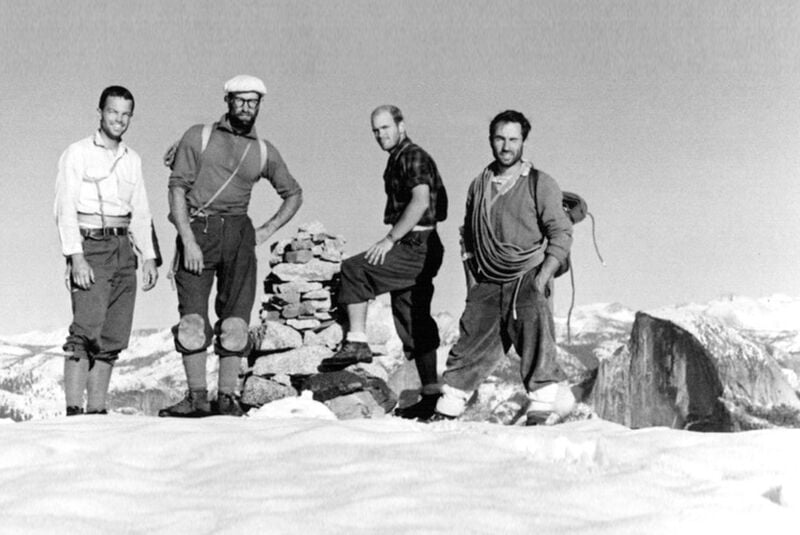
Rick Ridgeway, climber and key narrator in Patagonia’s history, recalls how the first catalog came together in 1980: using employees, friends, and family as models, wearing prototype garments in real-life settings. The shoots were unscripted and improvised. No one posed. No one pretended.
That approach became a signature. When Ridgeway took over catalog production in 1981, the goal was simple: to show people “wearing the clothes in their real lives, doing what they actually do”. Beauty wasn’t in the pose—it was in the dust, the sweat, the unfiltered gesture.
The photos say everything
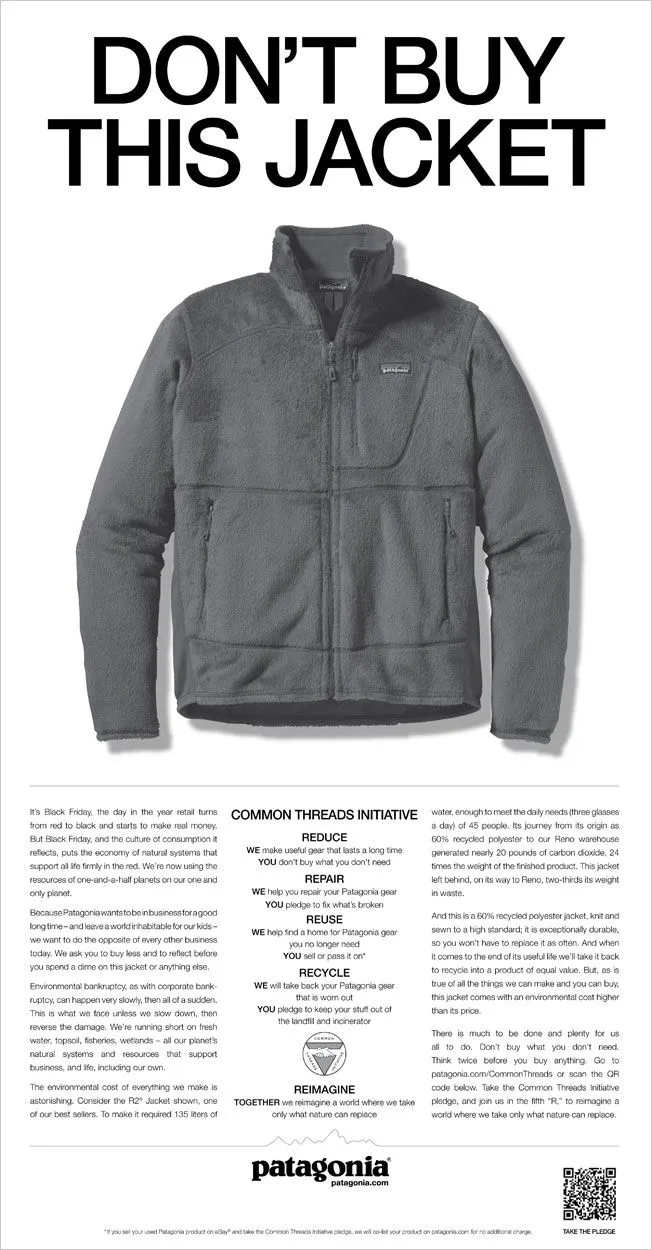
The title Unexpected is no accident. It speaks to Patagonia’s unique ability to build a visual world that doesn’t try to persuade, but to show—with integrity. A brand that doesn’t sell style, but purpose. That doesn’t rely on slogans, but on action. From the iconic Don’t Buy This Jacket campaign to their TV spot defending public lands, every image has been built on ethics, not claims.
The result is a brand whose aesthetic isn’t imposed—it’s shared. Built with amateur photographers, employees, children, even pets. It’s an archive of sincere moments that go beyond documenting product—they reflect a way of being in the world.
The photos tell the full story
That may be the secret to its visual power: not controlling the narrative, but letting the story tell itself. From a shack in Ventura to a catalog cover printed on recycled paper, Patagonia has shown that it’s possible to be radically consistent while staying relevant.
And as Jennifer Ridgeway, Patagonia’s first marketing director, once said:
“The photos tell the full story.”