At first glance, the Swoosh seems made for hot asphalt, running tracks, or the hardwood of an NBA court. Yet a closer look reveals another story. From its earliest days, Nike has maintained a steady—if less visible—relationship with winter. Perhaps it’s a natural consequence of its Oregon roots: when temperatures drop, the brand doesn’t slow down.
This is a journey through some of the most unexpected intersections between Nike and the cold. A story that moves from hockey to snowboarding, from Olympic experimentation to the technical innovation set to define 2026.
1. The sole that wanted to be a sled: Nike Snow Waffle
The Waffle sole is one of Nike’s foundational pillars. In the late 1970s, the brand decided to test that innovation beyond track and field. The result was the Nike Snow Waffle, a design that translated running traction to icy surfaces.
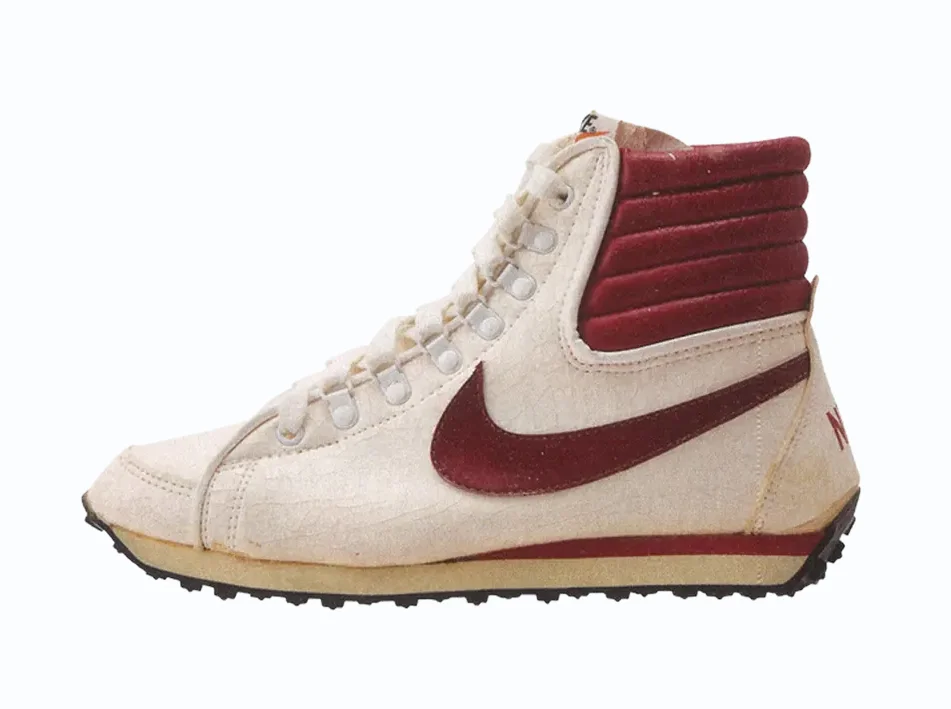
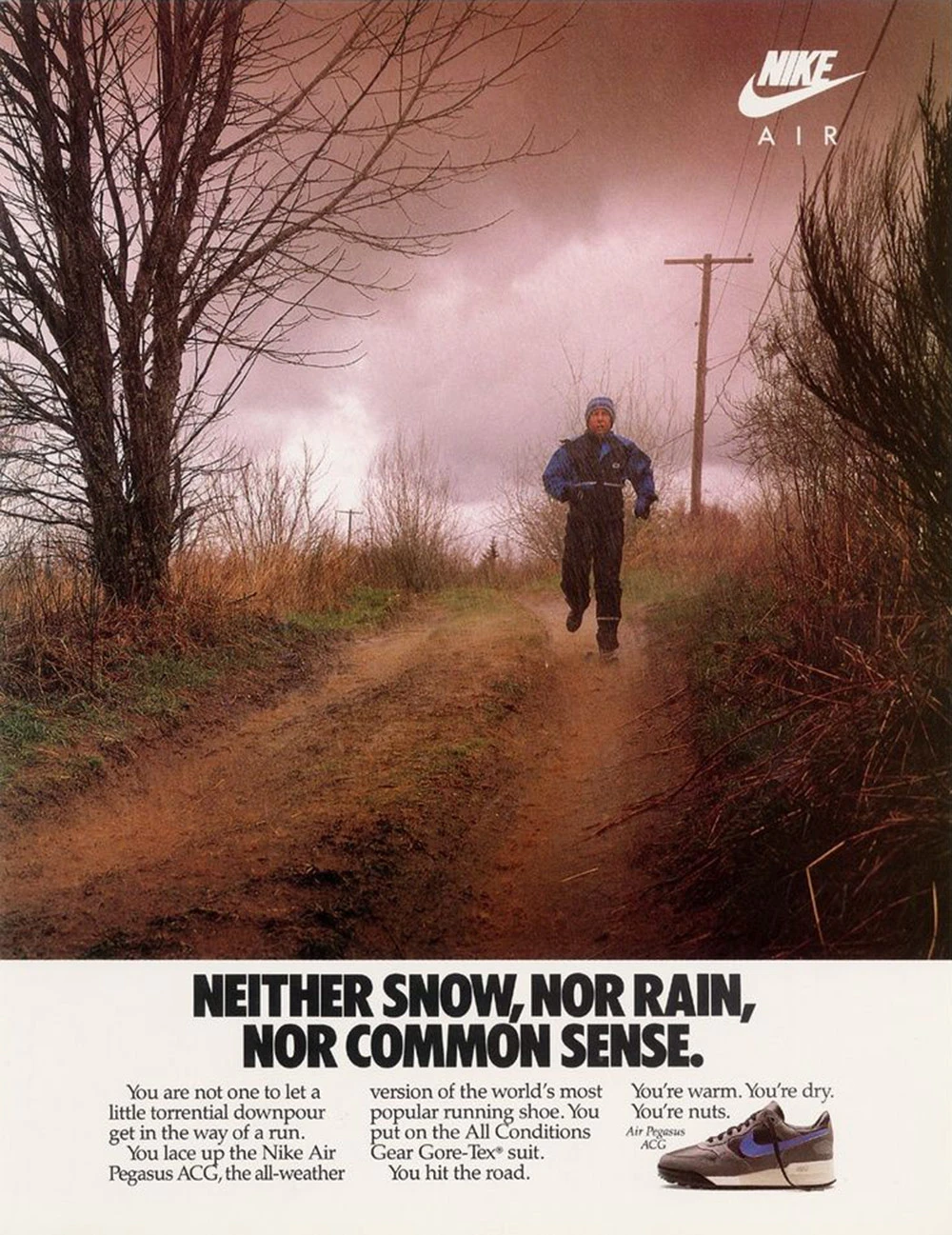
Beyond its experimental nature, the model laid the groundwork for what would become the Nike Pegasus ACG a decade later—an already legendary running shoe adapted for winter. That Pegasus ACG anticipated a key idea: performance shouldn’t be limited to favorable weather.
2. The King of Ice and the training narrative
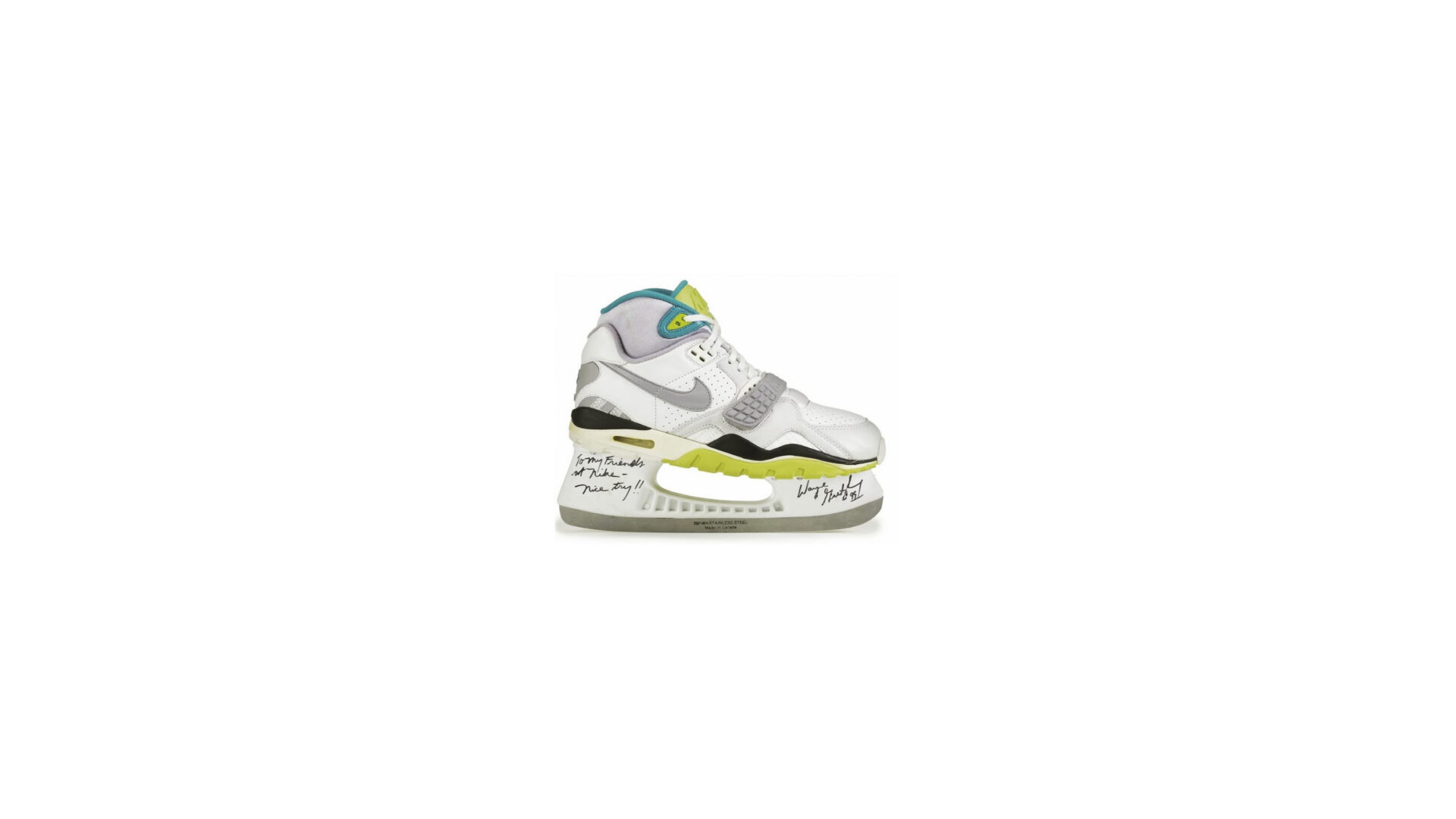
Long before producing dedicated hockey equipment, Nike had already entered the sport’s imagination. In the 1980s, Wayne Gretzky starred in Nike Trainer campaigns alongside figures like Michael Jordan and Bo Jackson.
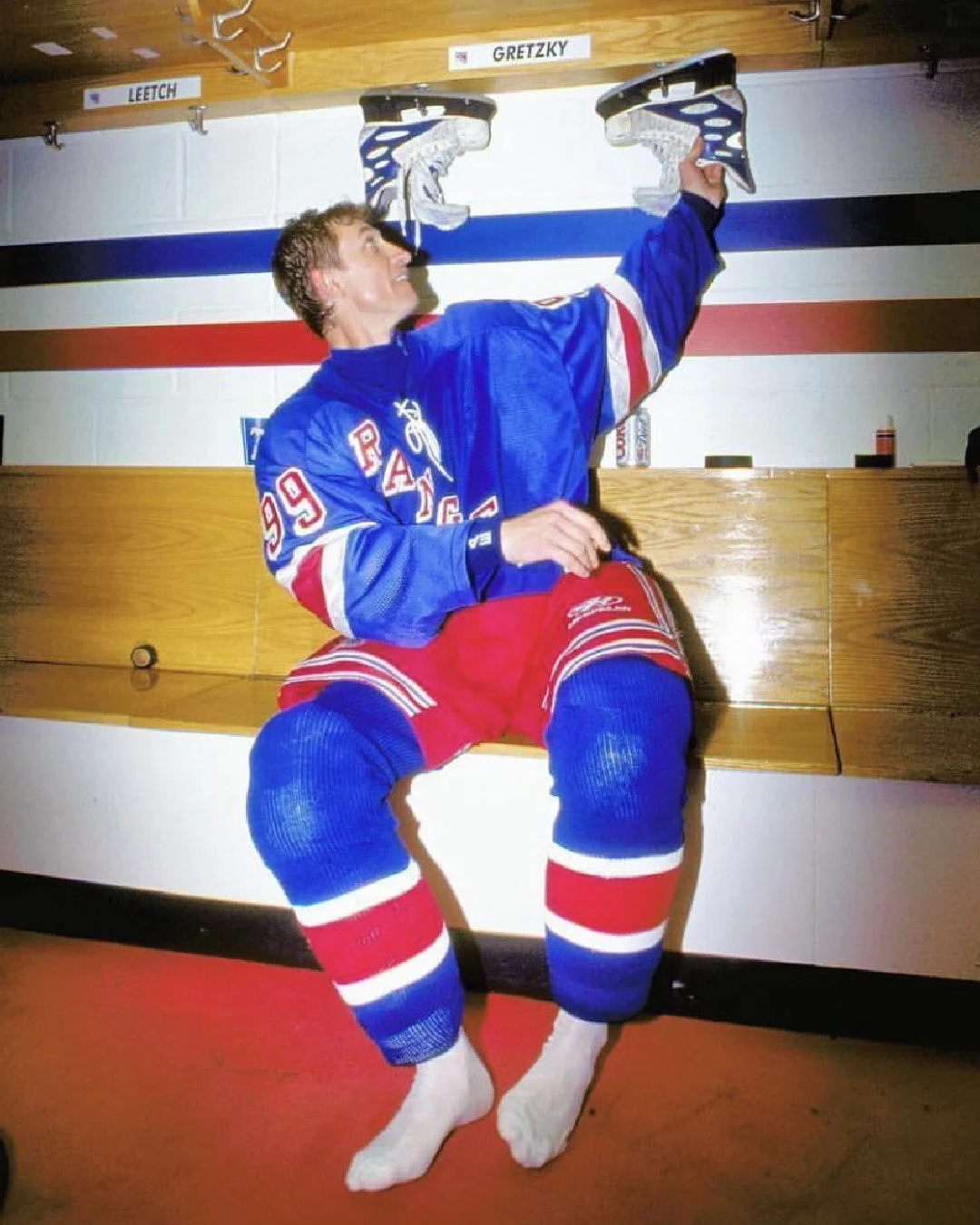
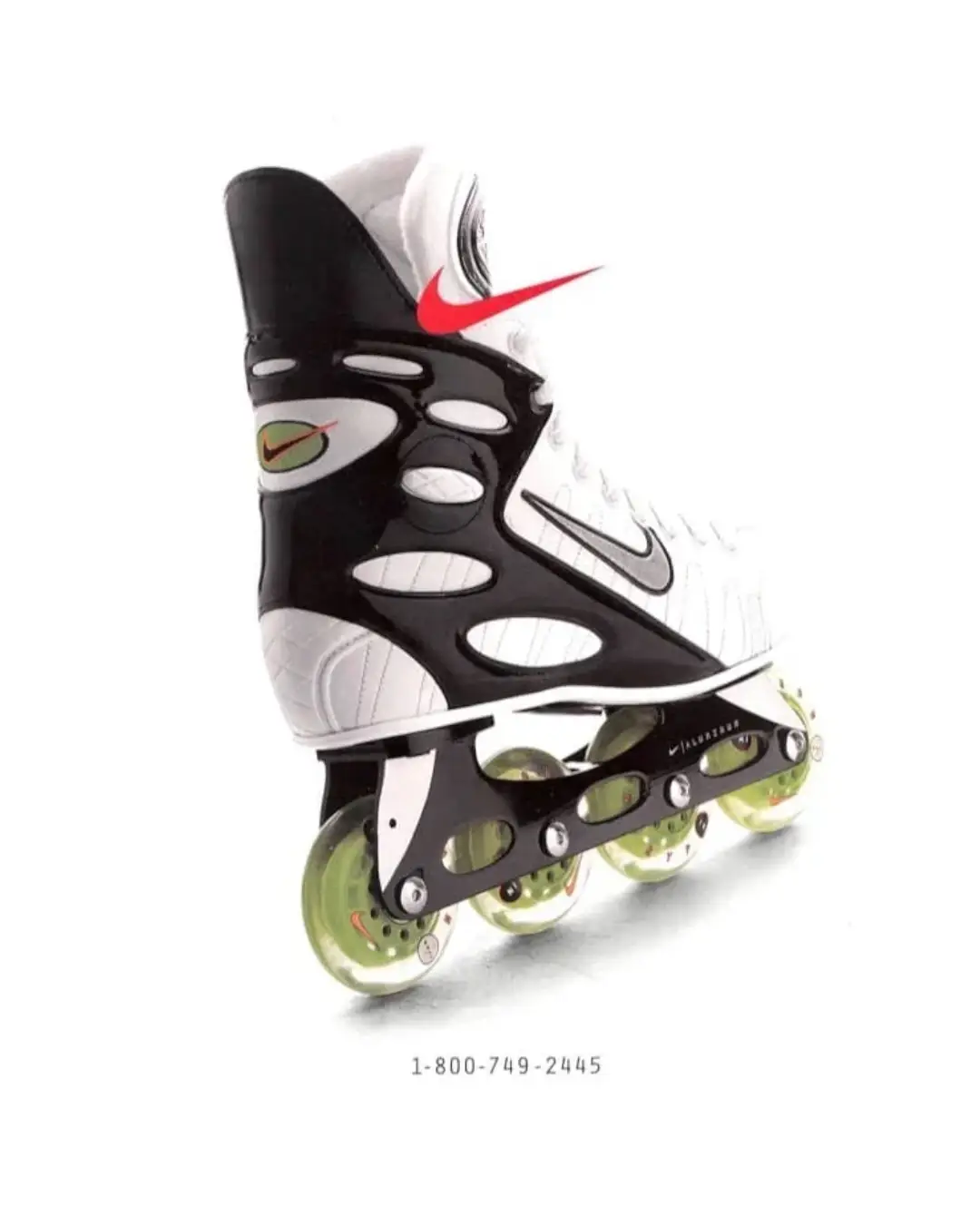
The strategy took shape in the 1990s with the launch of Nike Bauer, a partnership with a nearly century-old brand that brought the Swoosh to the ice through players such as Sergei Fedorov and Mario Lemieux. In the iconic image of Wayne Gretzky’s retirement, the skates were Nike Bauer. Years later, Gretzky recalled how they were designed by the same team behind some of the most historic Jordans.
3. The Kenyan experiment in Nagano
In 1996, Nike posed an unusual question: could a Kenyan runner compete in the Winter Olympics? The answer was Philip Boit, an athlete with respectable times in the 800 meters who hadn’t matched the success of his uncle Mike, a bronze medalist at Munich 1972.
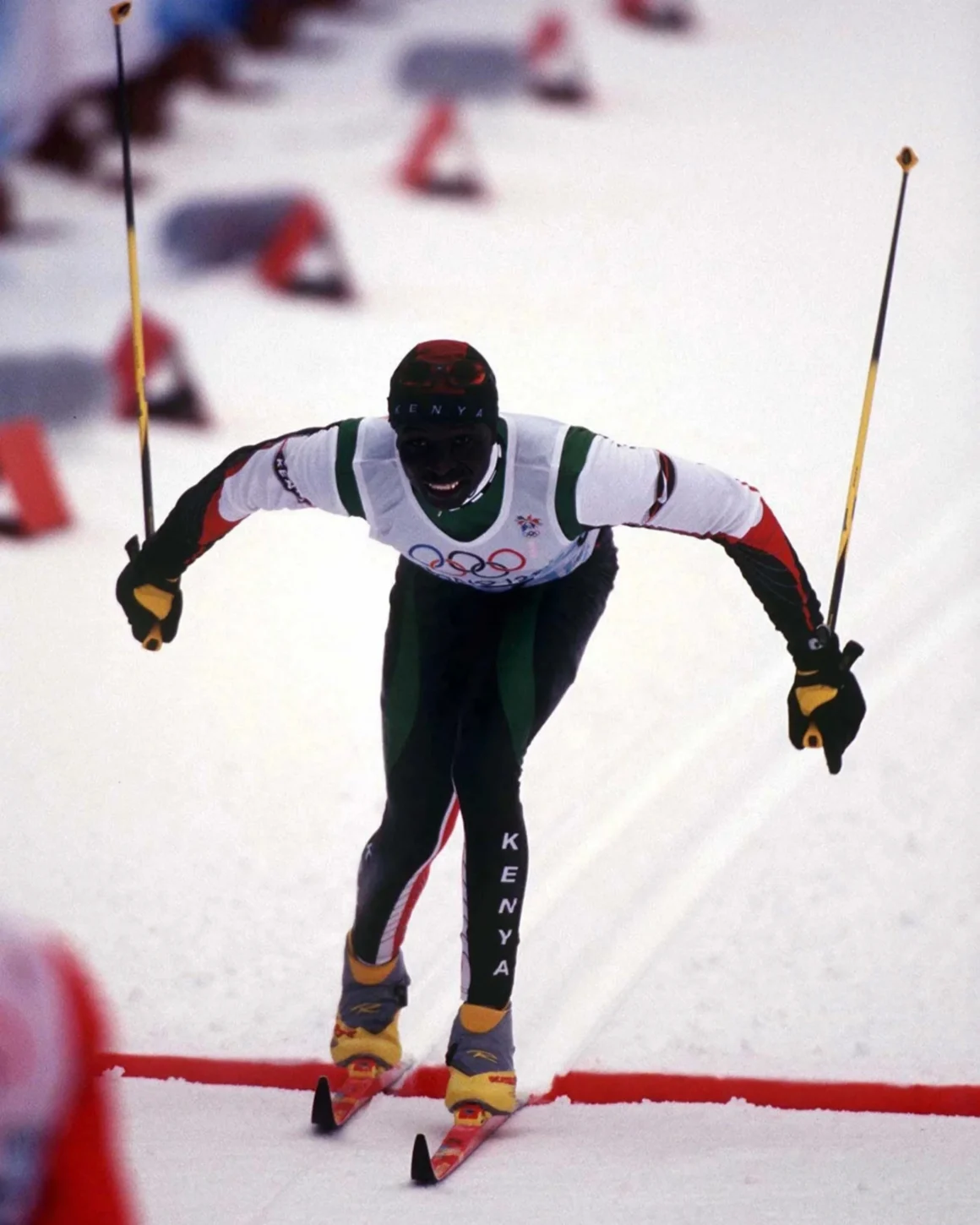
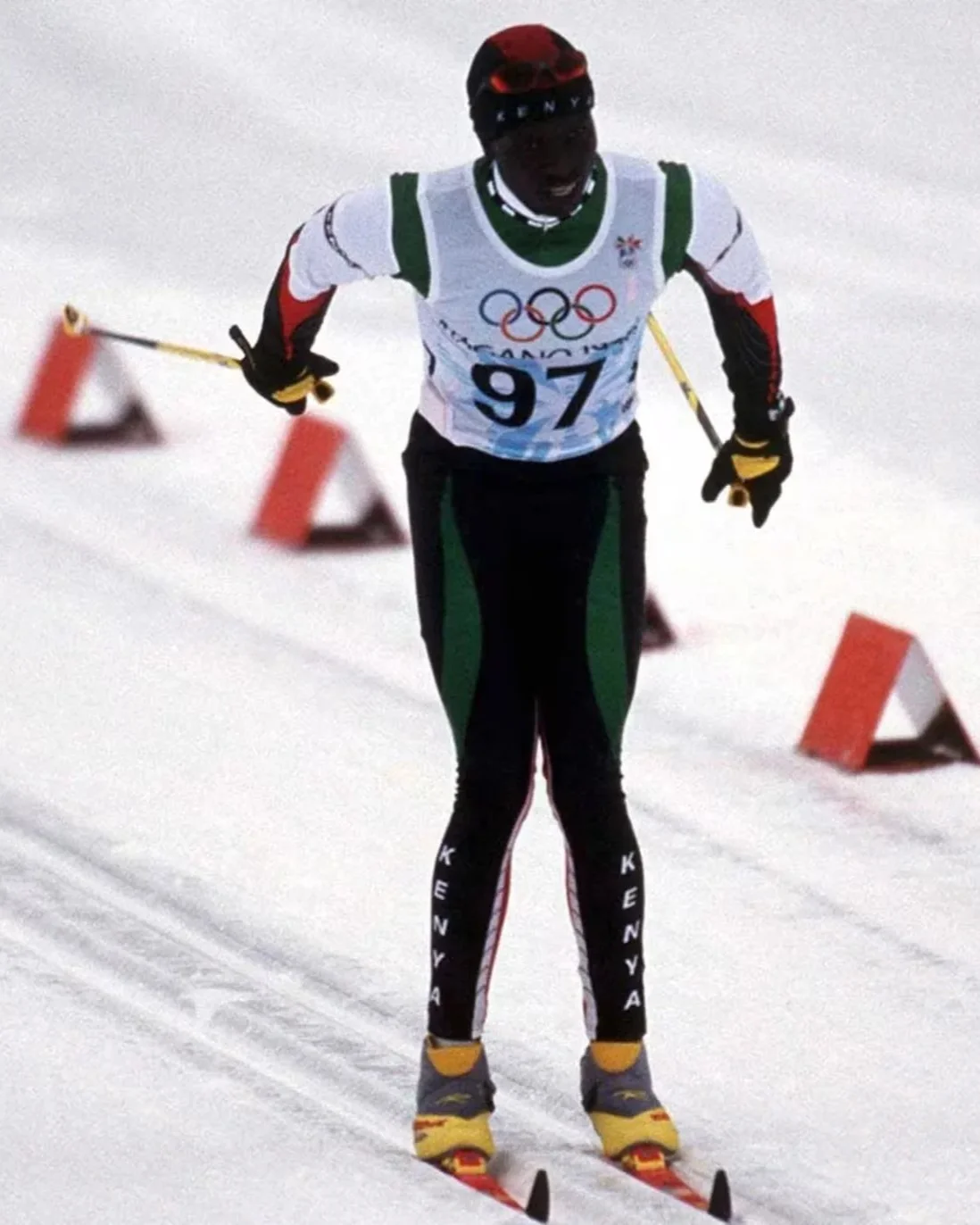
The project to turn Boit into a cross-country skier culminated at Nagano 1998. He finished last in the 10 km event, but his presence carried immediate symbolic weight: he became the first Kenyan athlete to compete in the Winter Games. For Nike, the sporting result mattered less than the message.
4. Barrett Christy and the move into snowboarding
Nike’s entry into snowboarding came with a clear figure at the forefront: Barrett Christy. A Winter X Games champion, Christy also became the first athlete to have a pair of Nike ACG shoes bearing her name—models that even received a sequel.

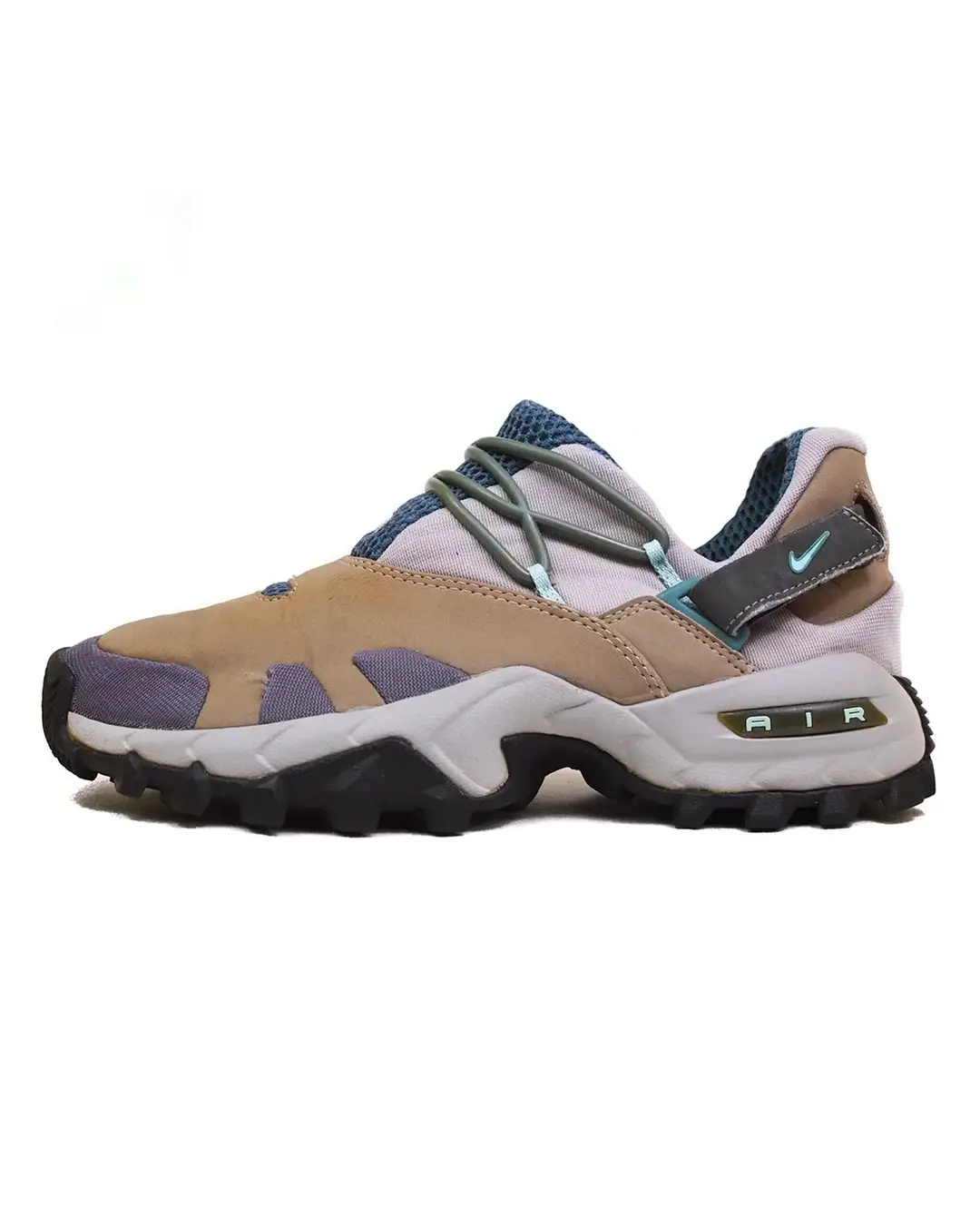
That collaboration shaped the development of Nike’s snow line and proved key to the later creation of Nike 6.0. After retiring from competition, Christy’s influence continued through design and strategy.
5. Nike LunarENDOR, a bright idea
During snowboarding’s golden era, Nike boots reached cultural status. Models like the Zoom DK, associated with Danny Kass, moved beyond the mountain and appeared in unexpected settings, driven by figures such as Pharrell Williams.
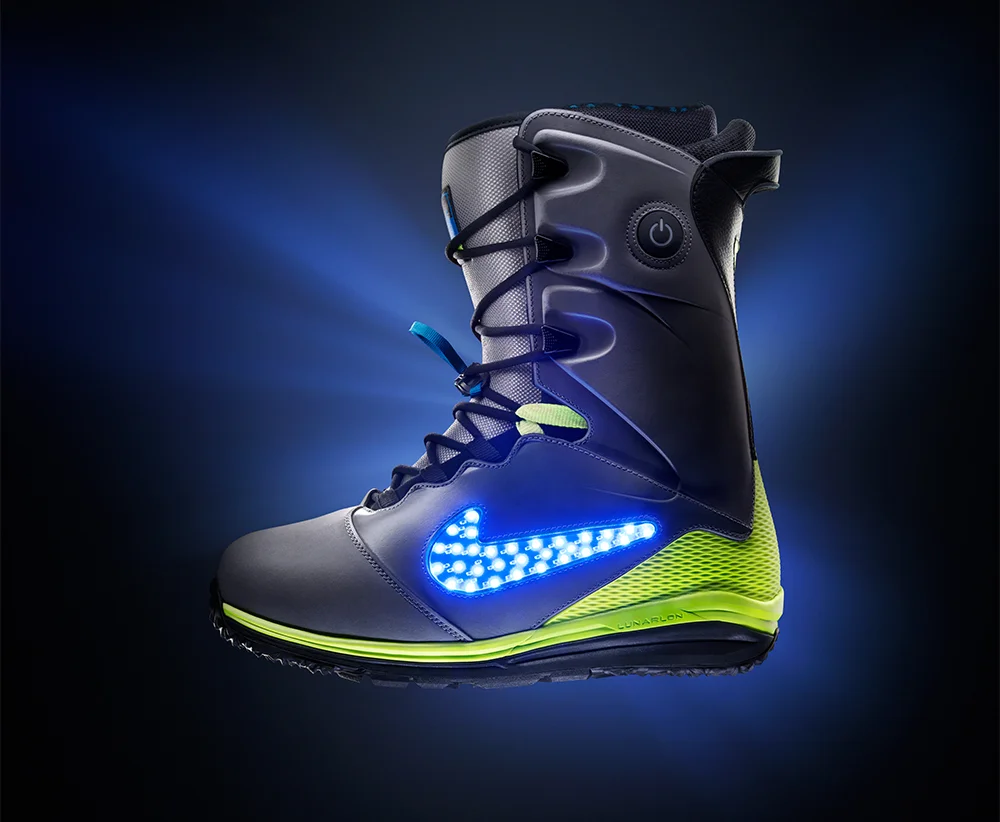
The most experimental moment arrived with the LunarENDOR: a boot with integrated LED lighting that turned every nighttime descent into a visual spectacle. It was technology—but also storytelling.
6. Curling, hype, and virality in Beijing
At the Beijing 2022 Games, one of the quietest sports found itself at the center of the conversation. American curler Matthew Hamilton competed wearing customized Nike SB Dunk “What The Paul” adapted for ice.
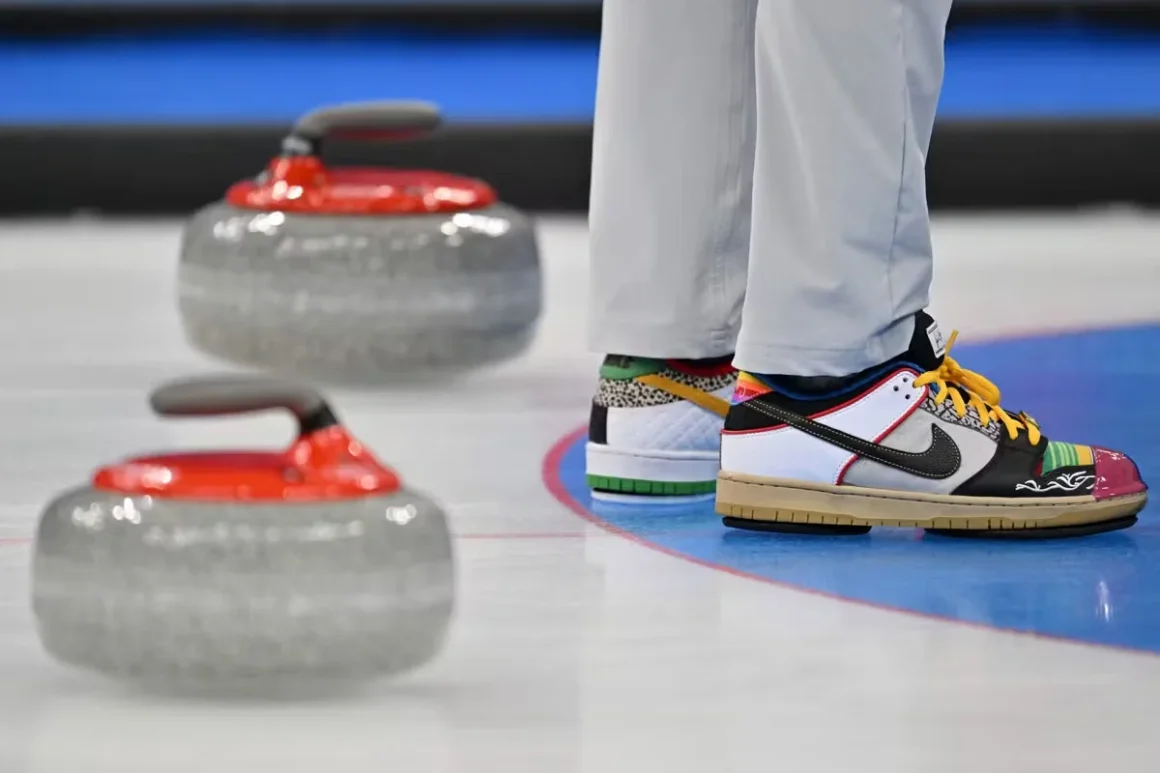
The image spread across social media and news outlets. There was no gold medal, but there was certainty: the language of style can infiltrate even the most unexpected corners of Olympic sport.
7. Milano Cortina 2026: cold as a testing ground
The story now points toward Milano Cortina 2026. There, the Therma-FIT Air Milano jacket will debut—a direct successor to the ACG Airvantage from 2008. Its A.I.R. technology (Adapt, Inflate, Regulate) allows athletes to adjust body temperature through air chambers controlled in real time.
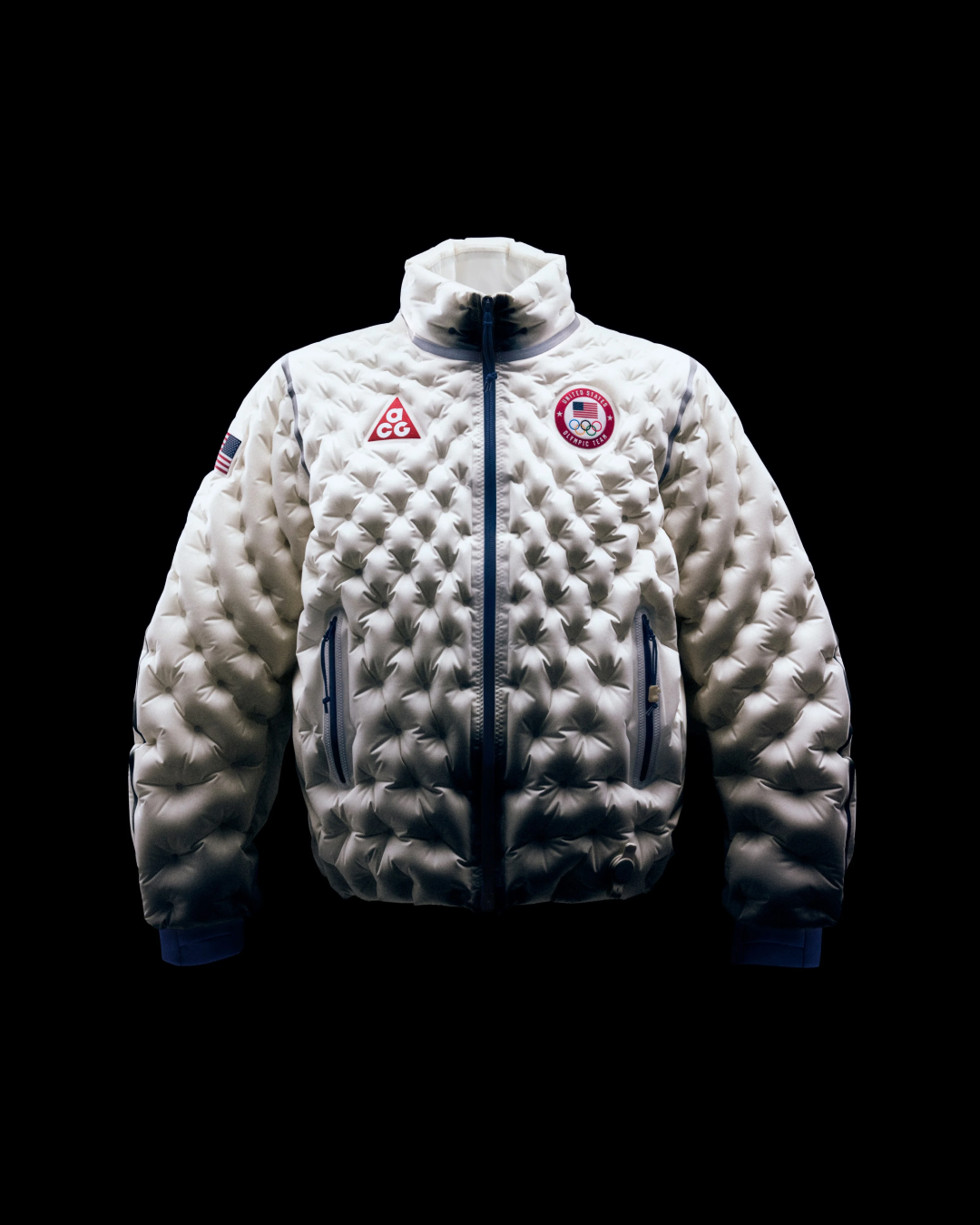
Two decades after beginning to outfit the U.S. Olympic team, Nike once again turns cold into a laboratory—not an obstacle, but another environment in which to test its ideas.