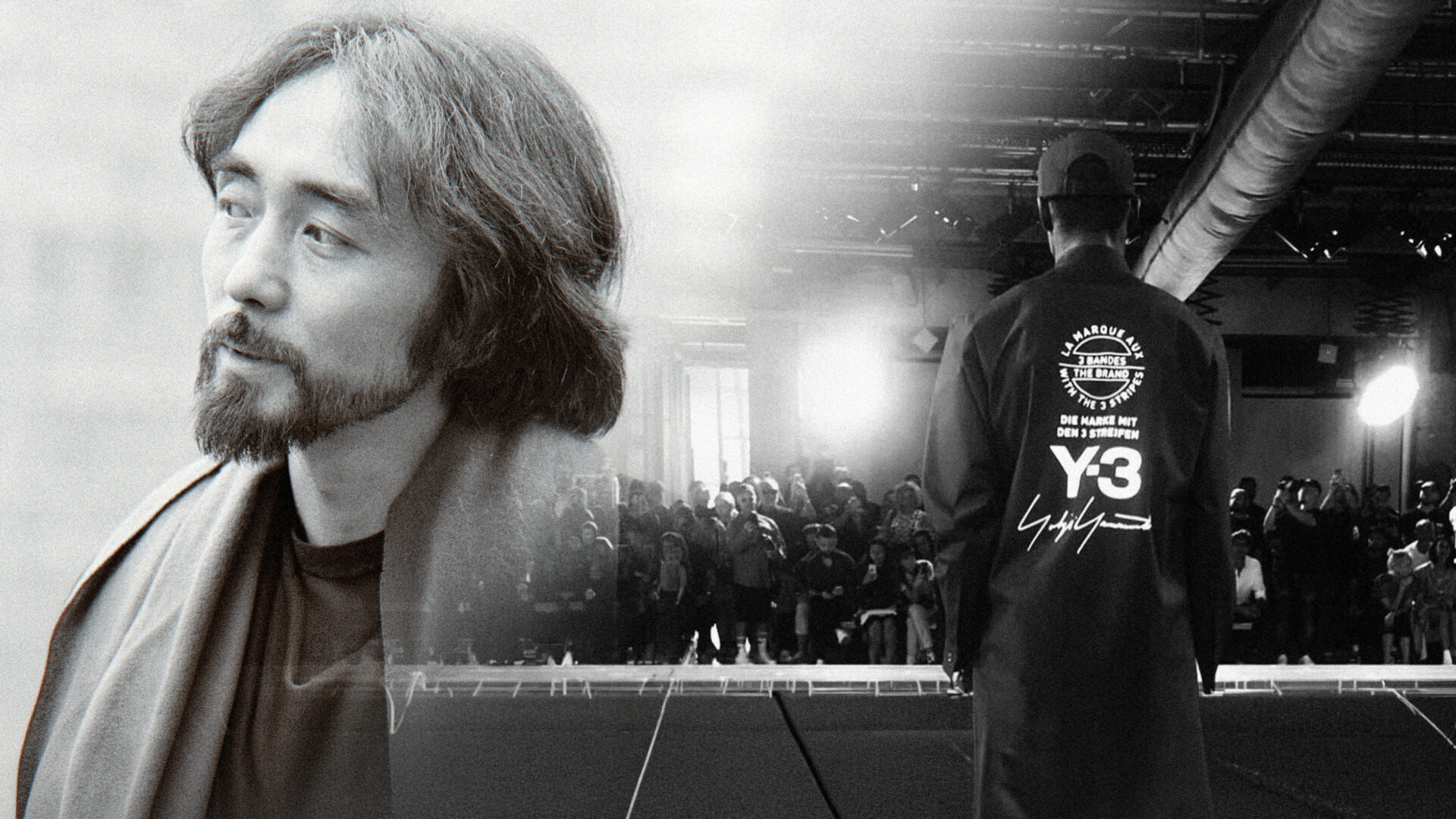
The story of Yohji Yamamoto can only be understood through conflict. From his early years to his consolidation as a designer, his work has been a constant response to what is established. Between tradition, rupture and discomfort, Yamamoto built his own language, one that transformed contemporary fashion.
Yohji Yamamoto: origins and rupture
Yohji Yamamoto’s life seems marked from the very beginning. Born in 1943, in the midst of World War II, he lost his father at a very young age. He grew up with his mother, a seamstress who supported the household through long working hours. From her, he inherited a connection to craft, but also the expectation of a different future.
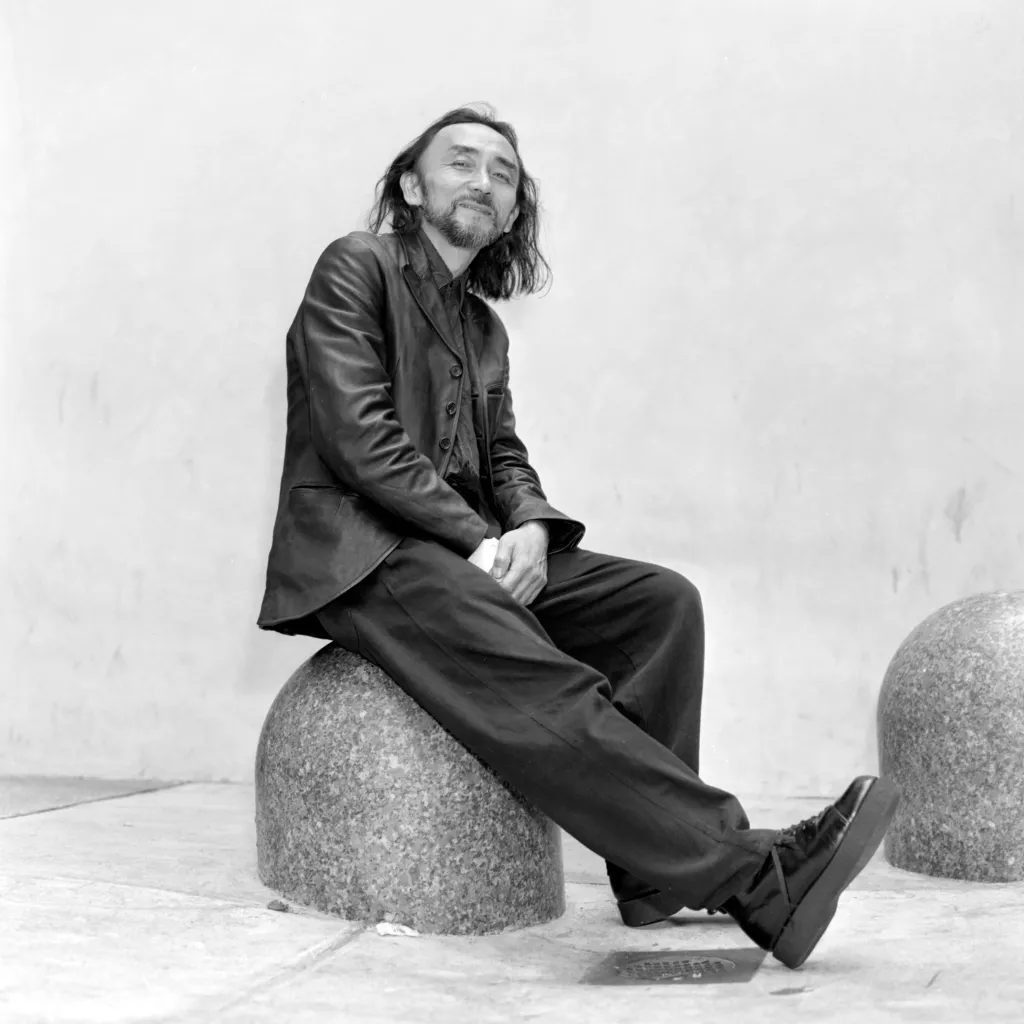
Originally trained as a lawyer, he soon realized that this was not his path. After studying at Bunka Fukusō Gakuin, he began working in the family workshop, dressing women who sought to replicate European style. However, this imitation never felt natural to him.
From Tokyo to Paris: building a language
His journey to Europe marked a turning point. London brought him closer to the punk universe, while Paris became the place where he developed his vision. London was his first contact with European fashion. Malcolm McLaren and Vivienne Westwood recall Yohji (and his partner at the time, Comme des Garçons founder Rei Kawakubo) as regular customers of Sex, the store that, under different names, defined and accompanied the evolution of punk.
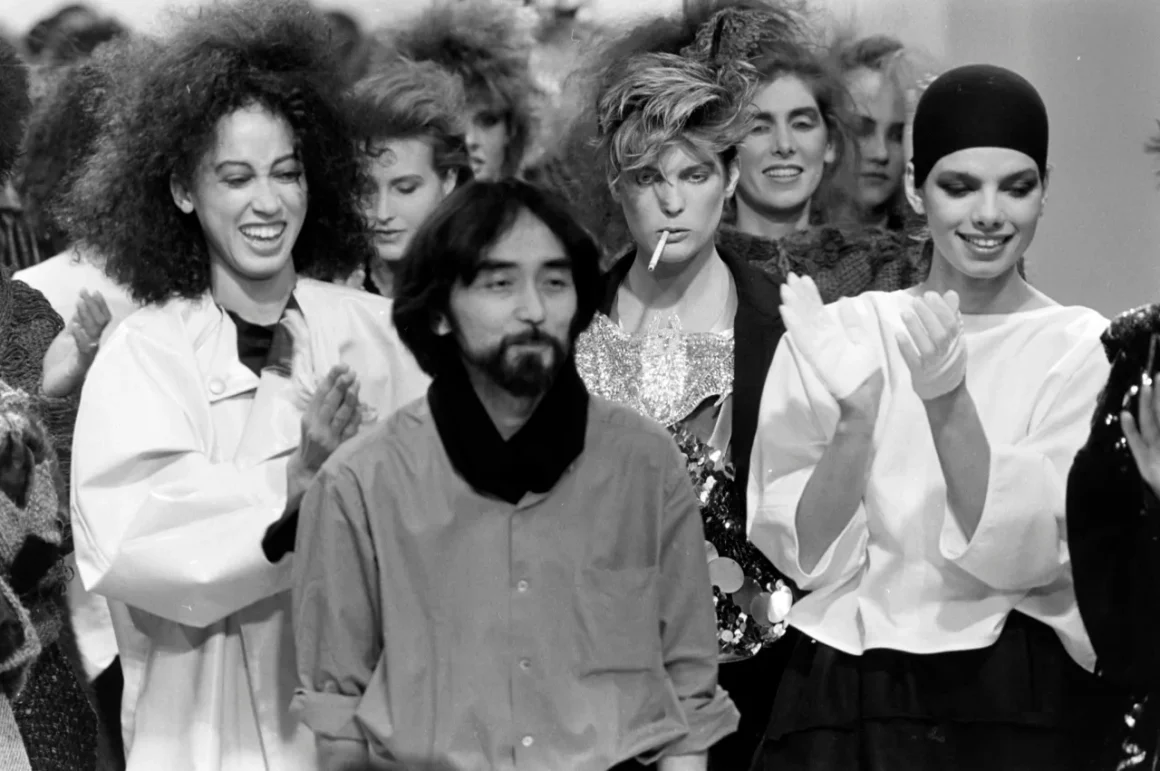
In 1981, he presented his first collection in Paris: a radical break from traditional luxury. He embraced imperfection, deconstruction and a palette dominated by black, white and beige. Against excess, Yamamoto proposed silence. A departure from perfect forms, where error became language.
The outsider and his followers
His work was not immediately understood. In a context dominated by shine and ostentation, his proposal felt uncomfortable. However, a community emerged that found in his work a form of identity.
His followers, dismissively called “Crows” for their preference for black, adopted his vision as a form of opposition to conventional fashion. Yamamoto was proposing a stance on life, more than just design.
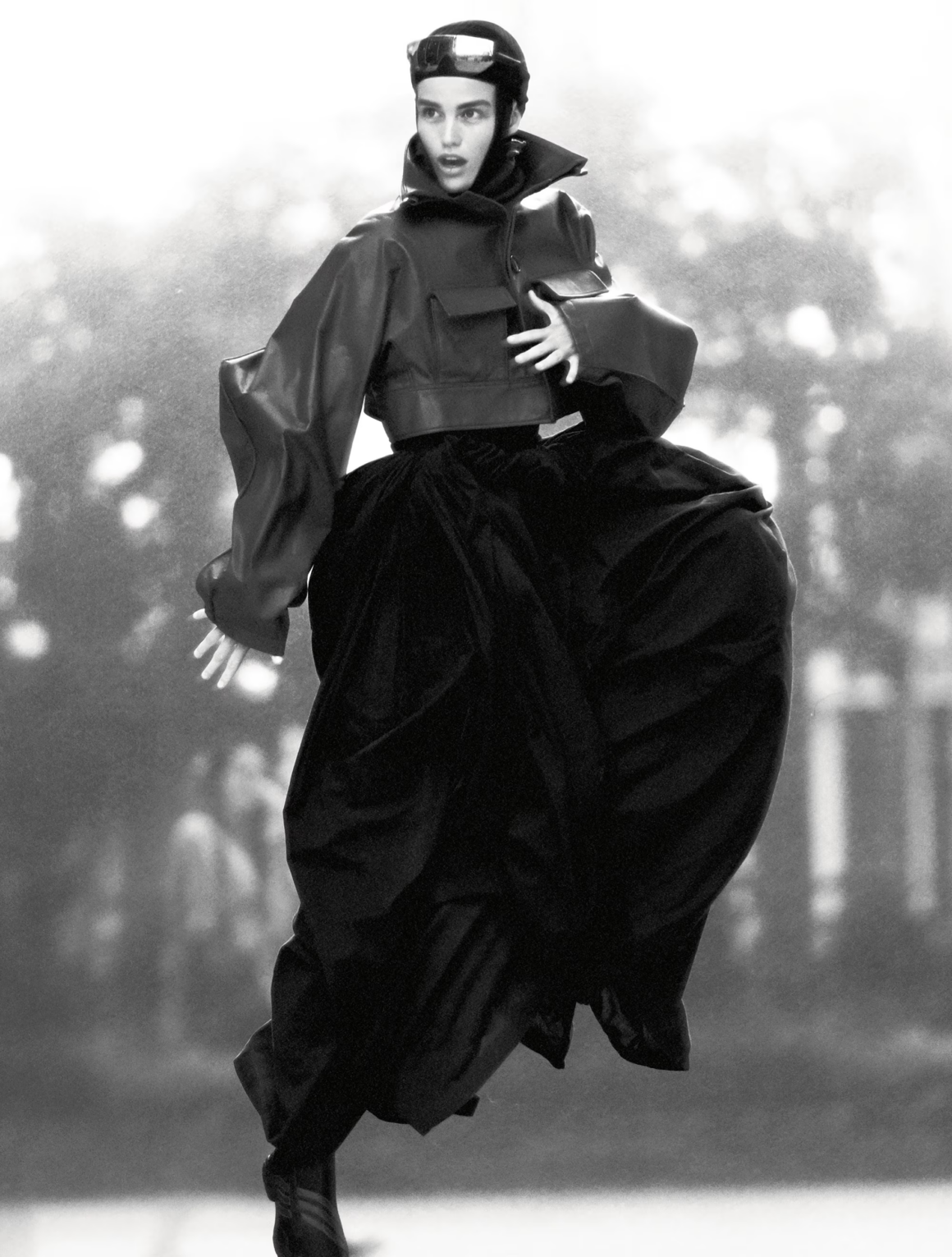
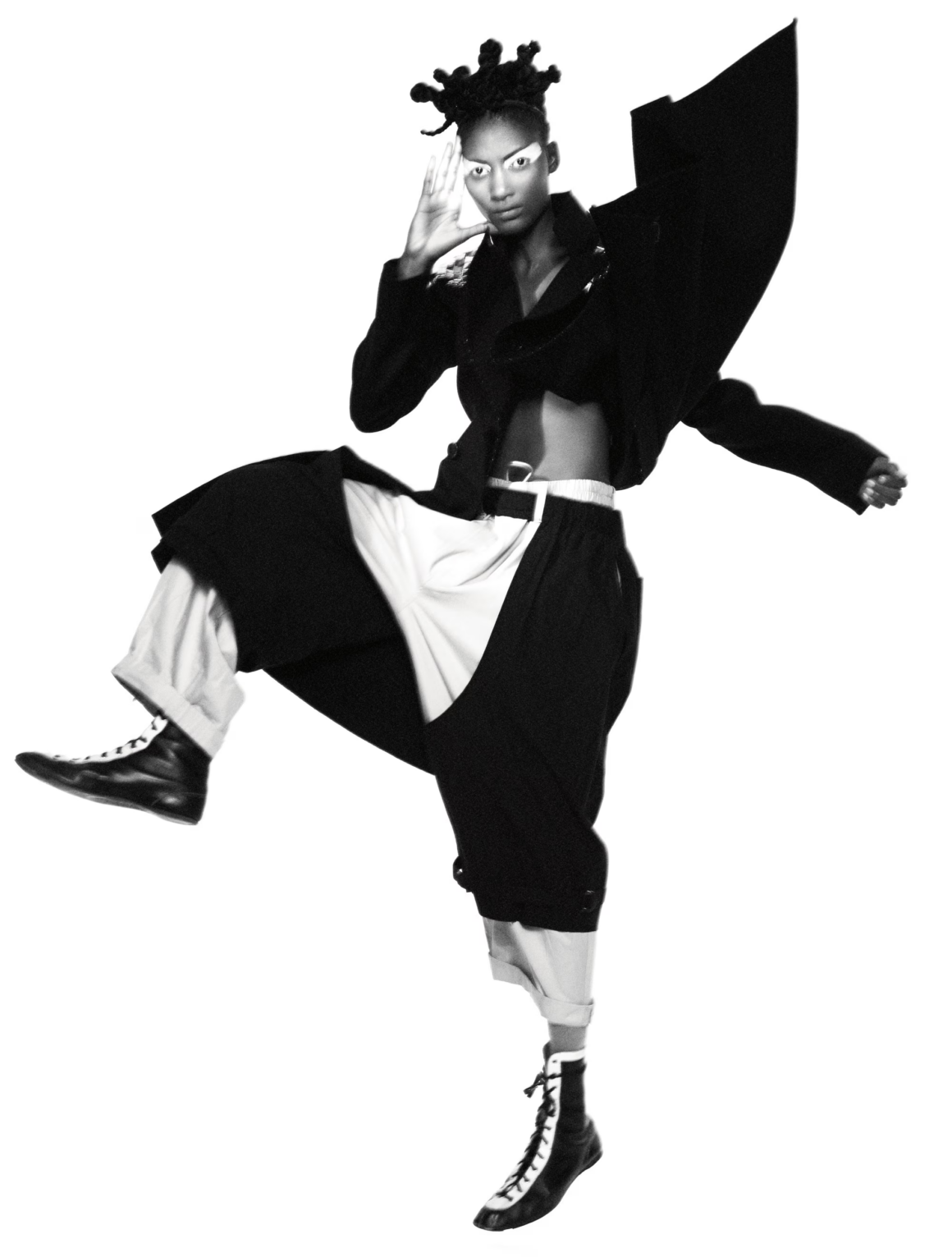
Yamamoto himself was influenced by the architectural concepts of Balenciaga, a designer who might seem opposed to his work. In turn, Yamamoto’s proposals influenced designers such as Rick Owens, Boris Bidjan Saberi and Ann Demeulemeester, while his universe expanded through collaborations in film (Takeshi Kitano, Wim Wenders), music (Ryuichi Sakamoto) and design (Nick Knight, Peter Saville).
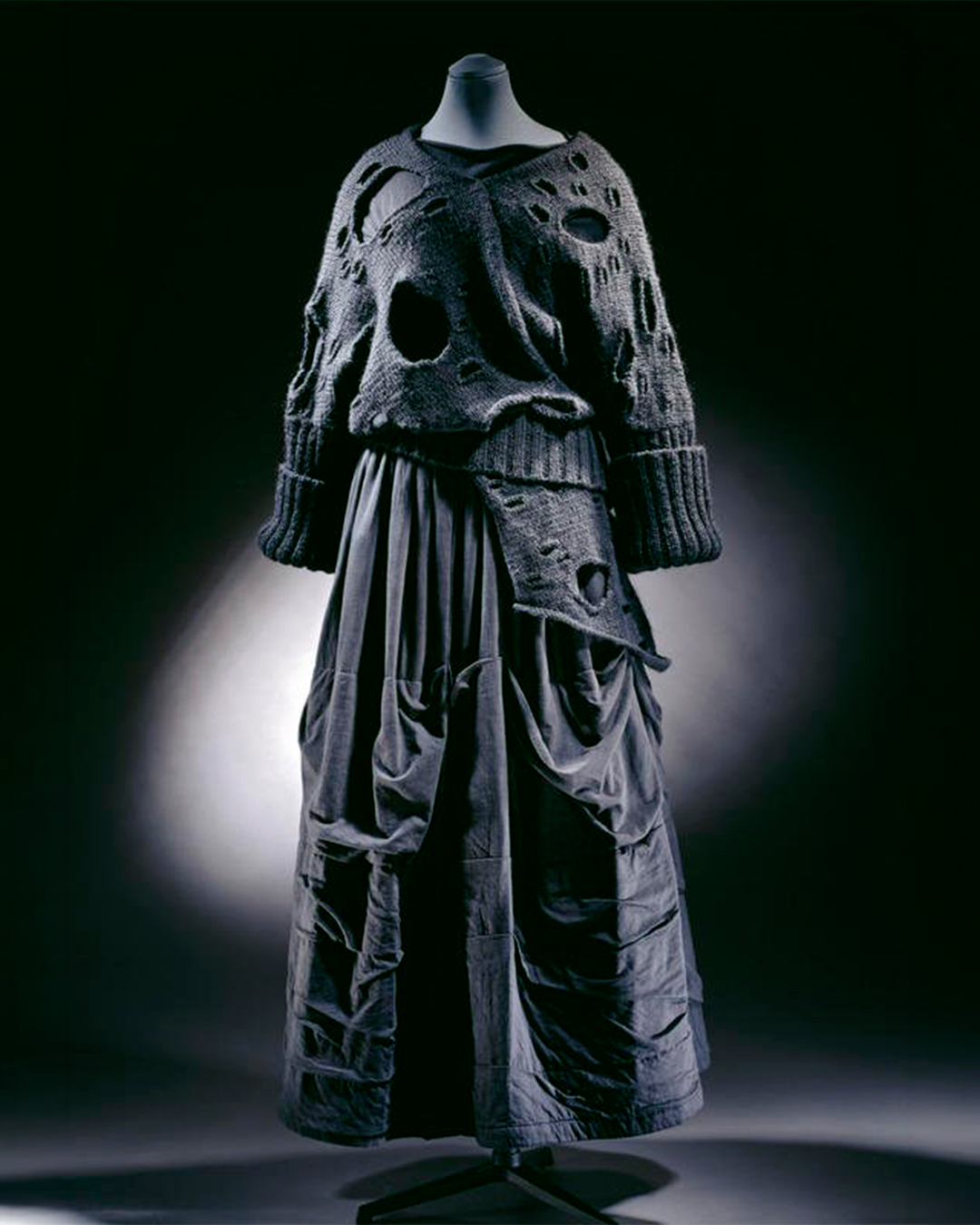
From the runway to the street: the birth of Y-3
During the 1980s and 1990s, Yamamoto’s influence stood at the center of a relationship between Paris and Tokyo that marked the beginning of a new way of understanding trends. This vision shifted again in 2002.
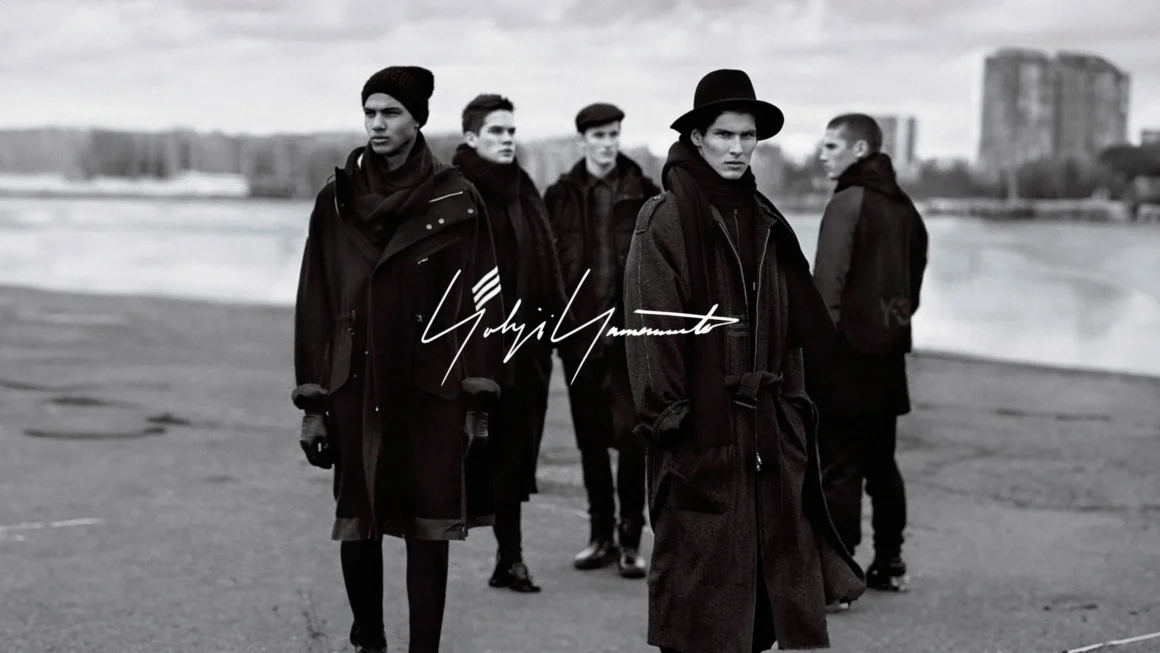
Yamamoto felt that his creations were not entirely real, as he did not see them on the streets. What he did see were sneakers and sportswear. At 59, Yohji Yamamoto began a new chapter alongside adidas, which led to the creation of Y-3, a line that anticipated the fusion of fashion and sport.
Tension as a creative force
Discomfort, an outsider position and a rejection of the established form the core of Yohji Yamamoto’s work. This constant tension has defined his career and turned his work into a reference for generations.
In his universe, fashion does not seek pleasant acceptance or forced smiles. It seeks to question, to unsettle, and to move beyond expected patterns.