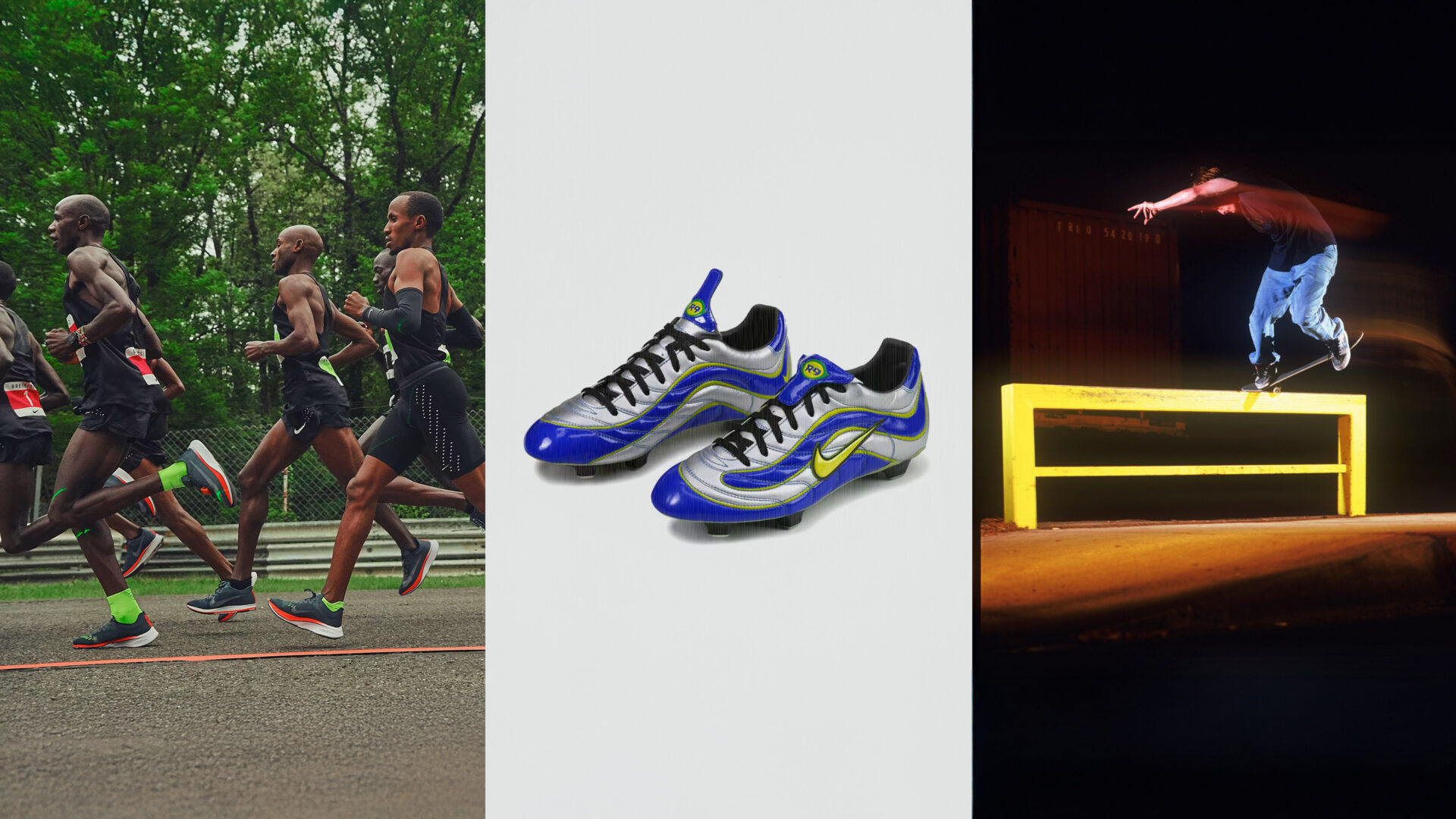
It all starts away from the spotlight
Before offices, presentations, or major launches, Sandy Bodecker was a skier. Running was part of his training, and almost by chance he began testing shoes from a young brand that was starting to gain traction among athletes: Nike.
Fit, feel, tiny details — Sandy could break down every shoe to its most minimal elements. His feedback was so precise that people stopped asking for his opinion and started asking for something more: to become part of Nike.
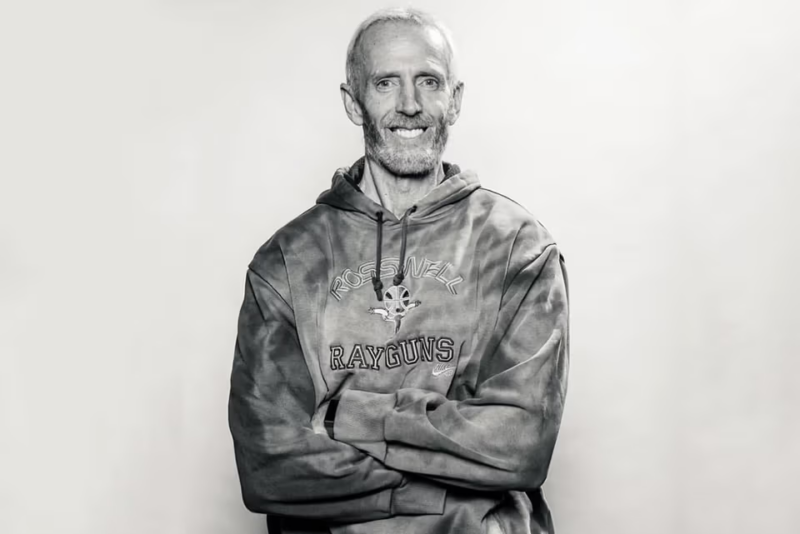
Understanding the product from the inside
In the late 1970s, Bodecker joined Nike as a product tester. It didn’t take long for him to move into different roles and contribute to some of the company’s most important developments. Alongside Tinker Hatfield, he helped shape models such as the Air Max and the Air 180.
He didn’t design from pure aesthetic intuition, but from real-world experience. Every product had to answer a specific need.
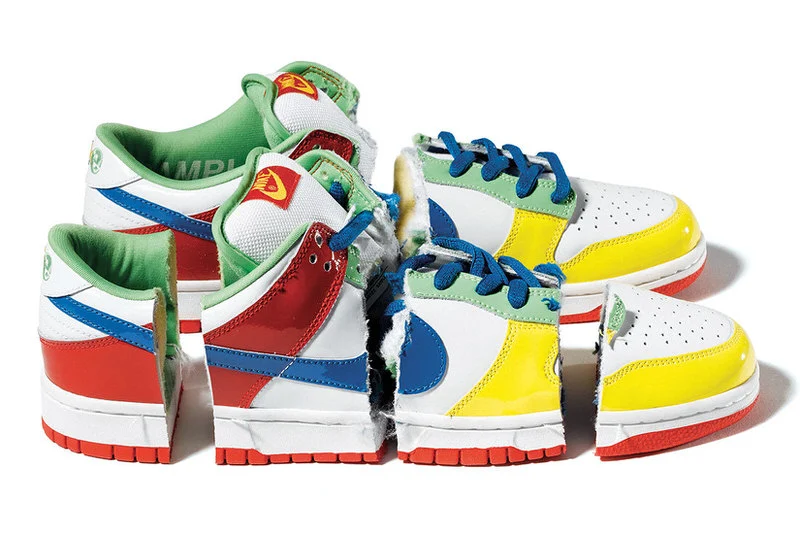
When Nike decided to speak football
In the 1990s, one of his biggest challenges arrived: turning Nike into a relevant football brand at a time when the sport had little cultural influence in the United States. Football was dominated by historic brands and deeply established codes.
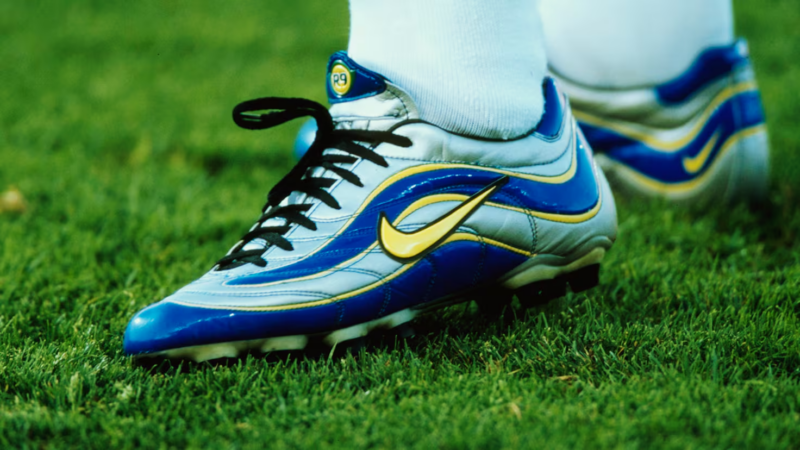
Bodecker’s strategy was to break with everything that existed. New designs, radical campaigns, and sponsorships that connected with a different generation. Gradually, Nike stopped being an outsider and became a central figure in football culture.
Nike enters skateboarding without asking permission
Once football was on track, Bodecker changed direction again. Skateboarding was the most hostile environment for a major corporation like Nike — and he knew it.
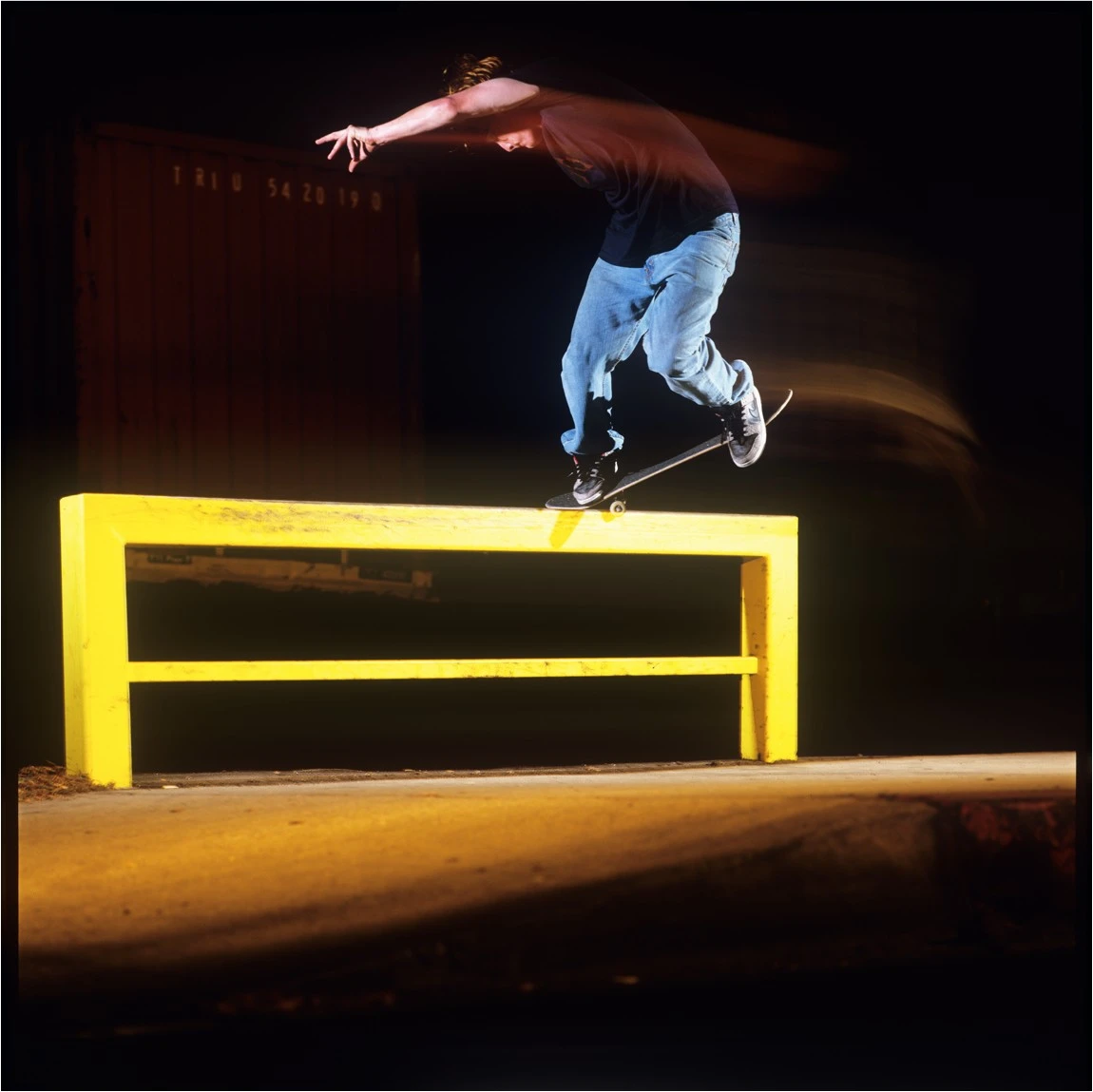
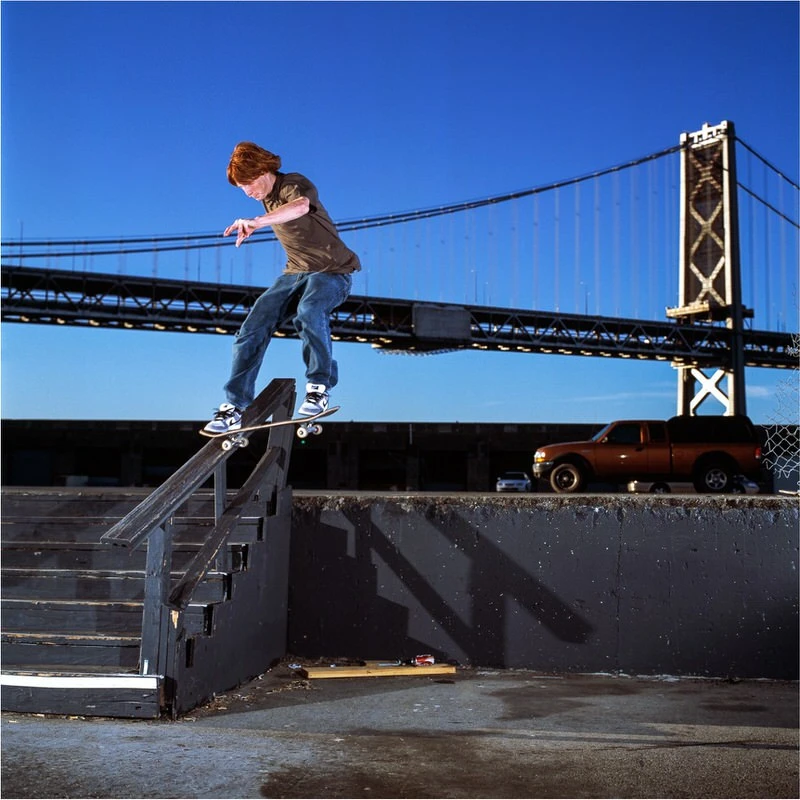
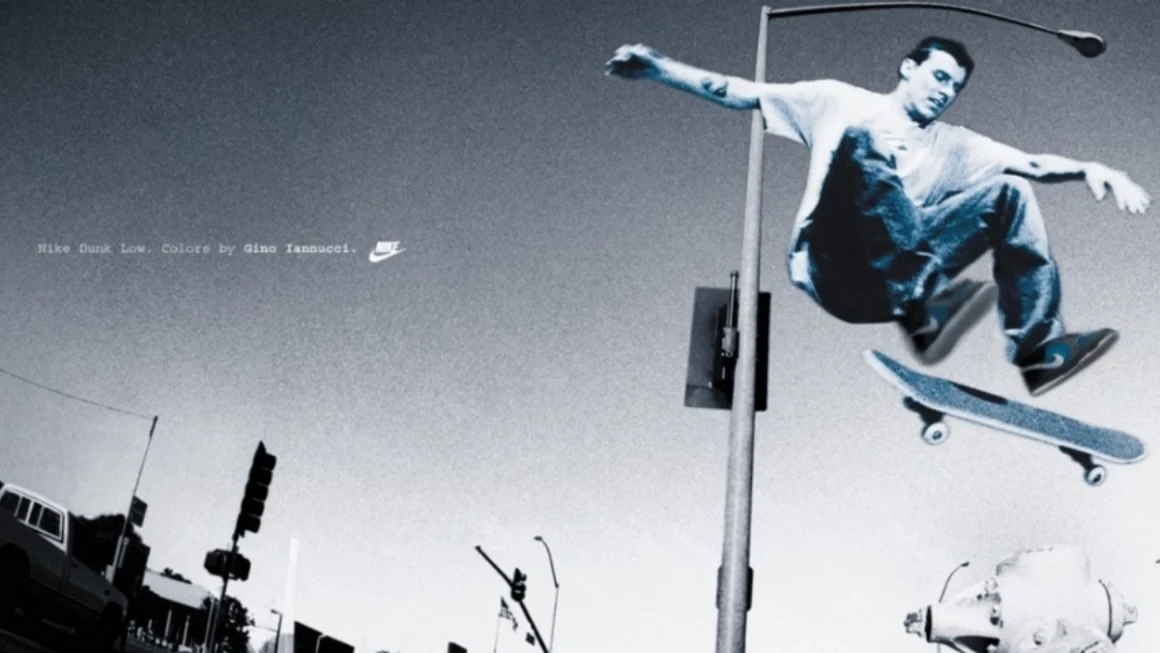
So he did the opposite of what was expected: no superstar signings, no aggressive strategies. Listen first. Work with real shops. Build product from within the culture. The early days of Nike SB were proof of his philosophy: you can’t design for a scene you don’t understand.
He understood skateboarding so well that many believed Nike SB stood not for Skateboarding, but for Sandy Bodecker.
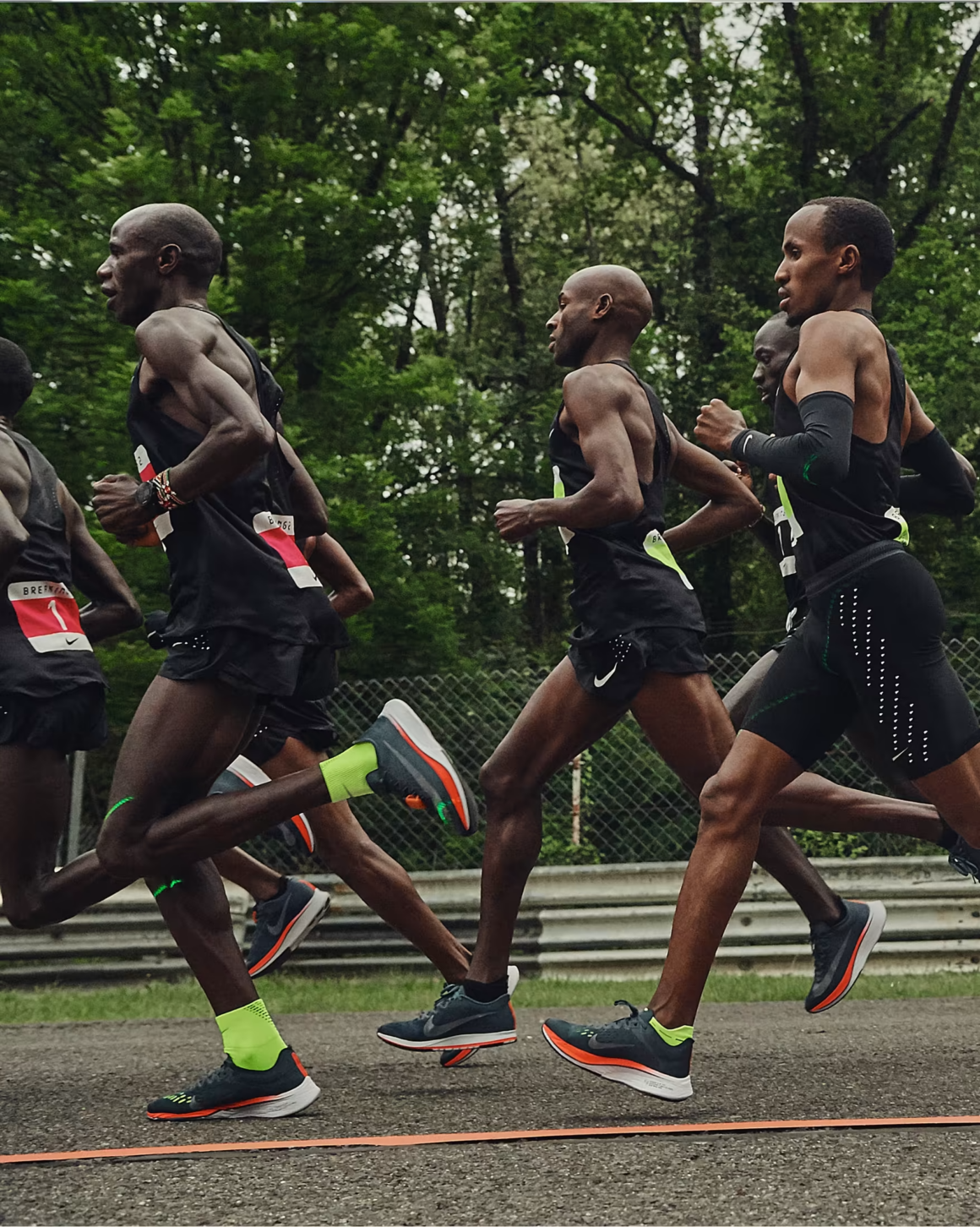
Breaking2: a moment that changed everything
In 2007, he took on new roles, first as Vice President of Design and later as Vice President of Special Projects. From there, he led one of Nike’s most ambitious ideas: Breaking2.
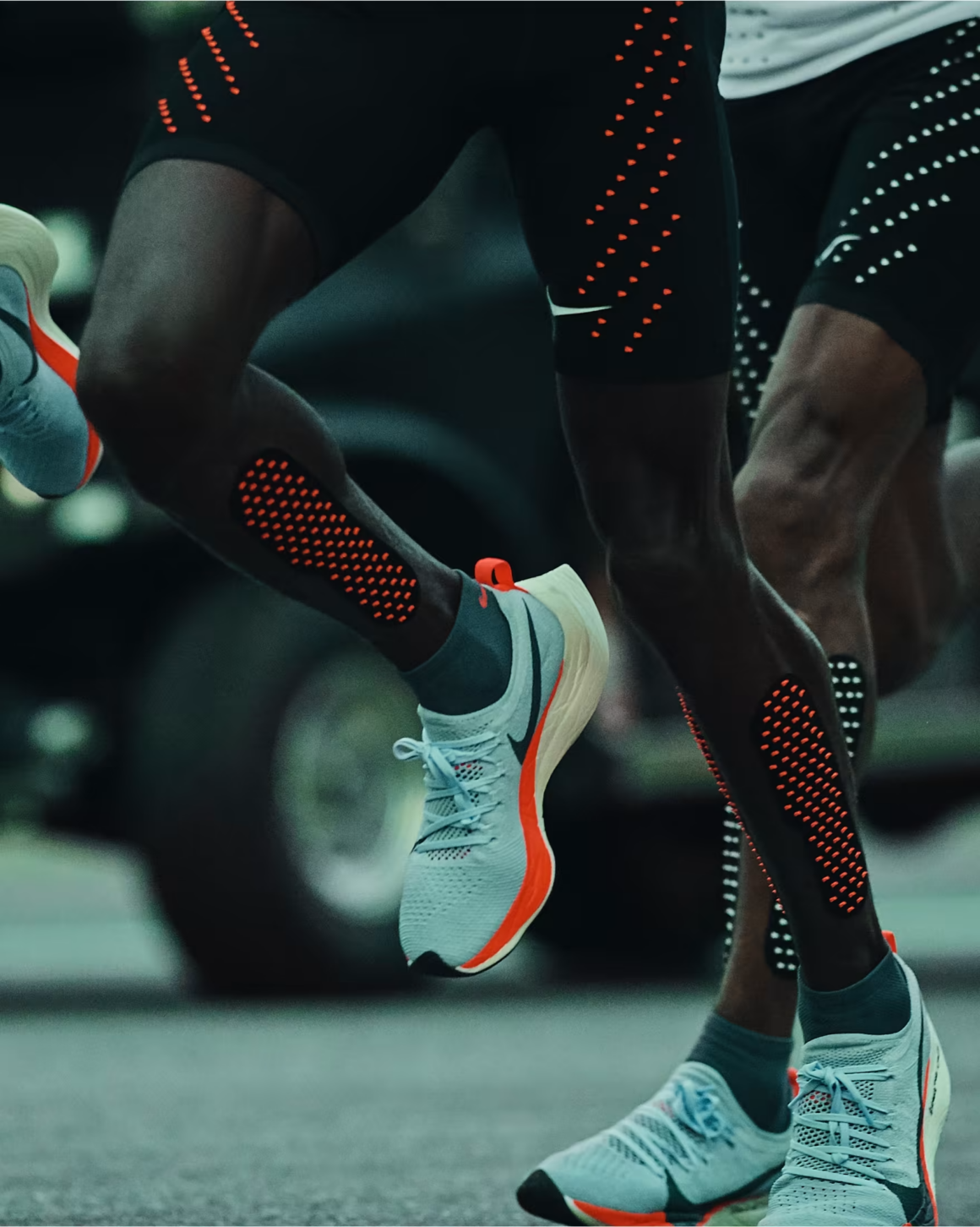
It wasn’t just about running fast — it was about breaking a symbolic barrier: two hours. For the attempt, Nike developed carbon-plated shoes that redefined performance in modern running.
The image of Bodecker standing next to Eliud Kipchoge at the finish line became iconic. Shortly after, he passed away.
Culture before market
Football, skateboarding, and running. Three different worlds, three distinct languages. Sandy Bodecker approached each with a different strategy — and mastered them all.
His legacy isn’t only found in iconic products or unforgettable campaigns, but in a way of working that placed culture on the same level as performance.
That’s why his name remains a reference. And why, even today, he is a true game changer.