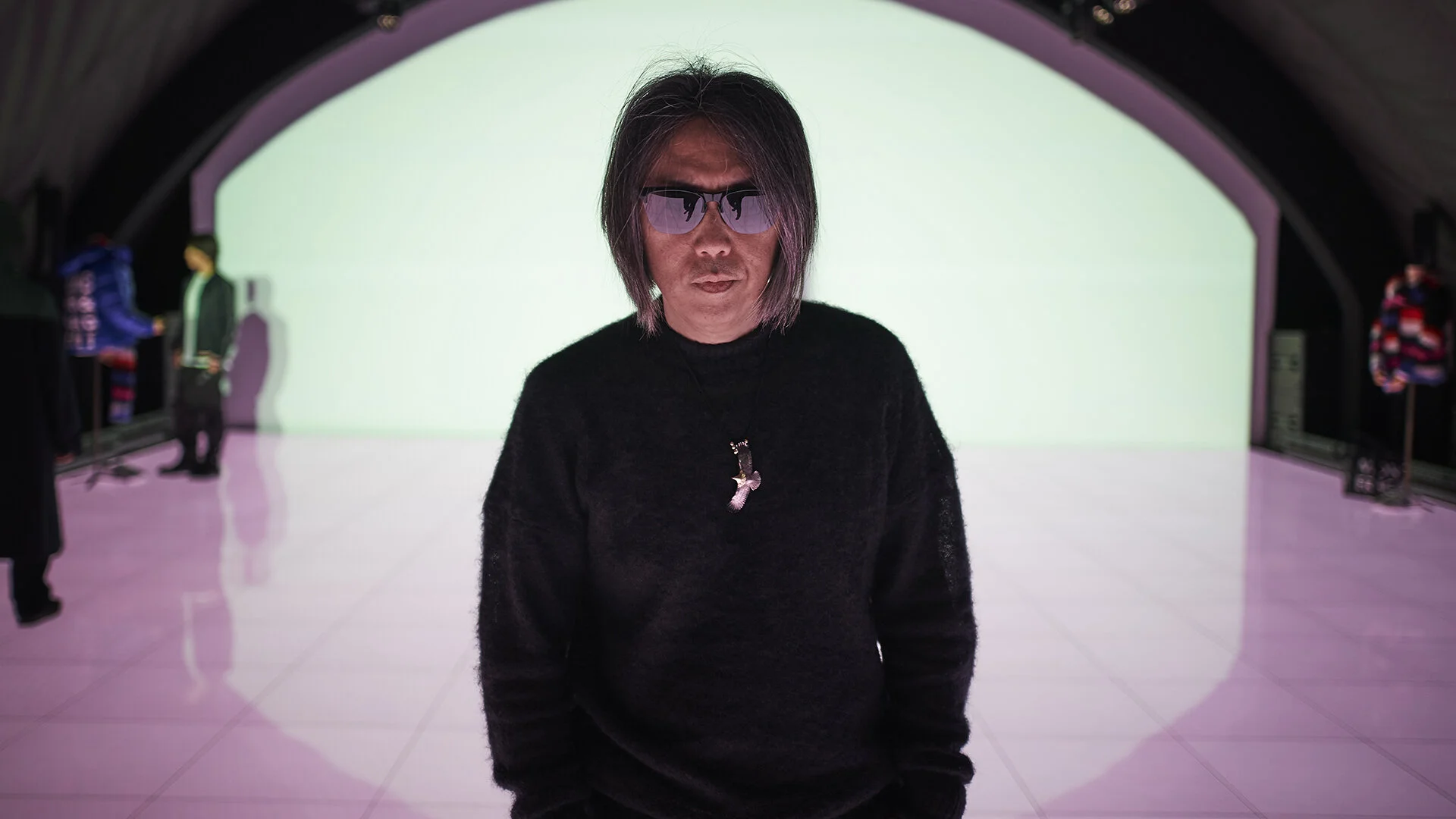
Some figures don’t chase the spotlight, yet somehow end up designing the entire stage. Hiroshi Fujiwara is one of them: a name that doesn’t always appear in bold, but whose influence has shaped three decades of urban culture, fashion, and music.
From Ise to Tokyo: the origin of a hybrid vision
Born in 1964 in Ise, Japan, Fujiwara made his first creative leap when he moved to Tokyo at just eighteen. There, he began studying fashion, drawn to the rebellious spirit of Vivienne Westwood. His talent earned him a scholarship that took him to London, where the defining spark ignited: late punk, sound systems, and the rise of hip hop all collided in a scene that was redefining youth culture.
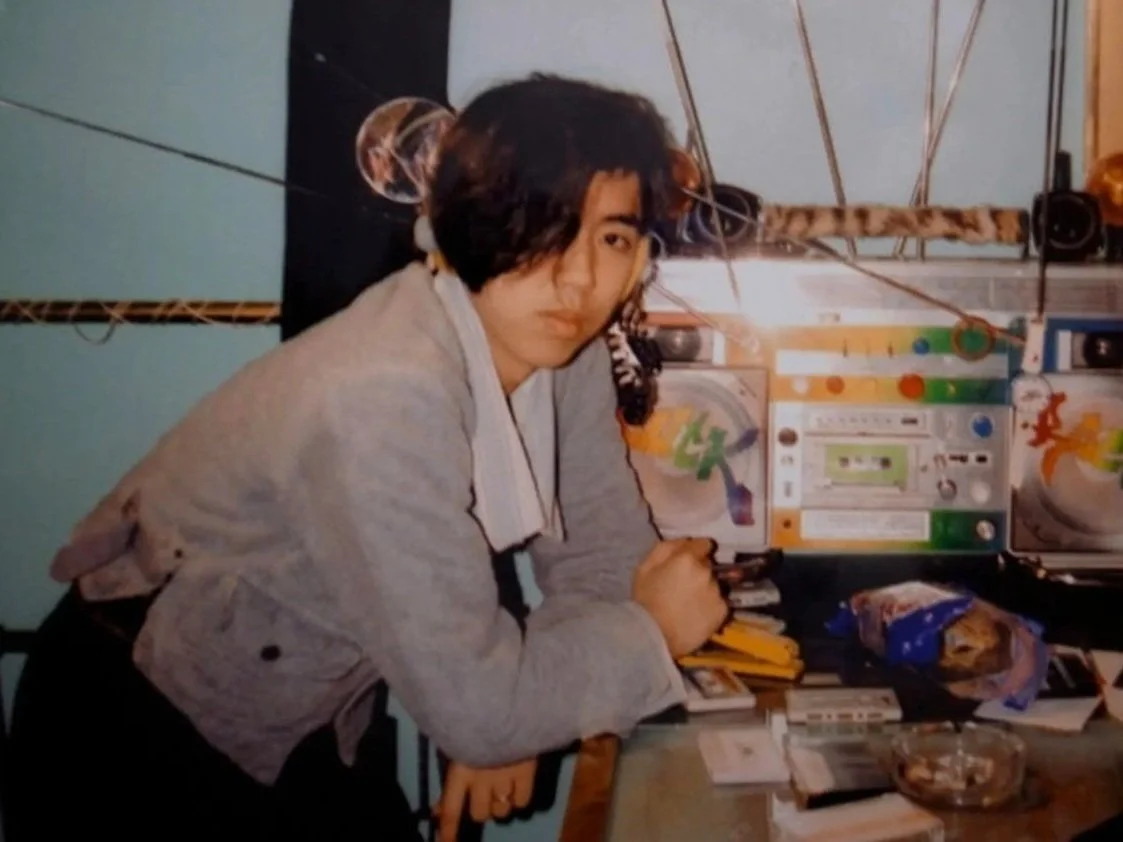
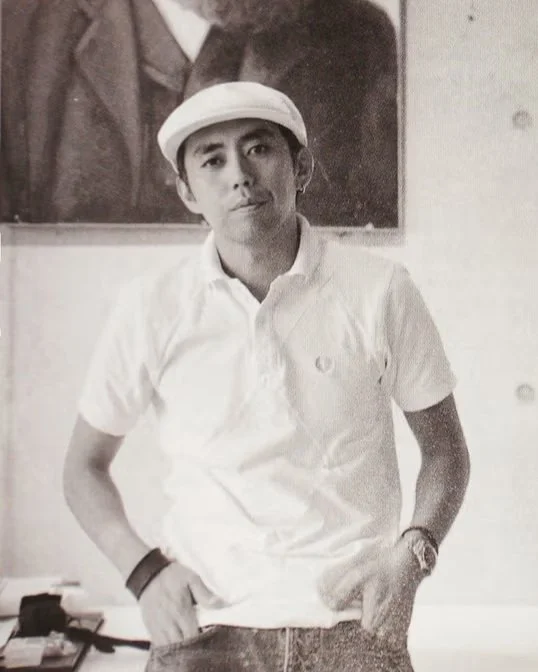
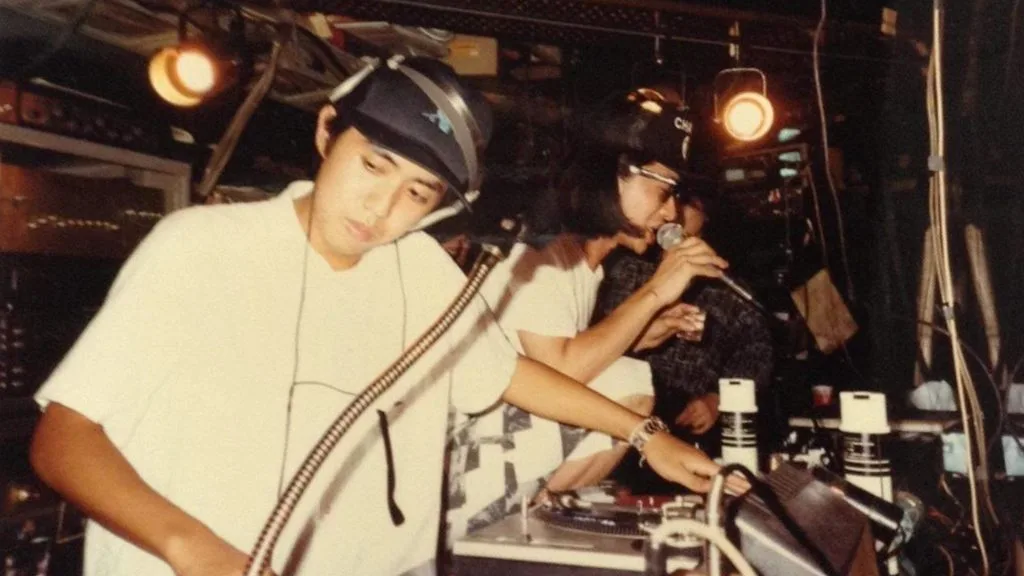
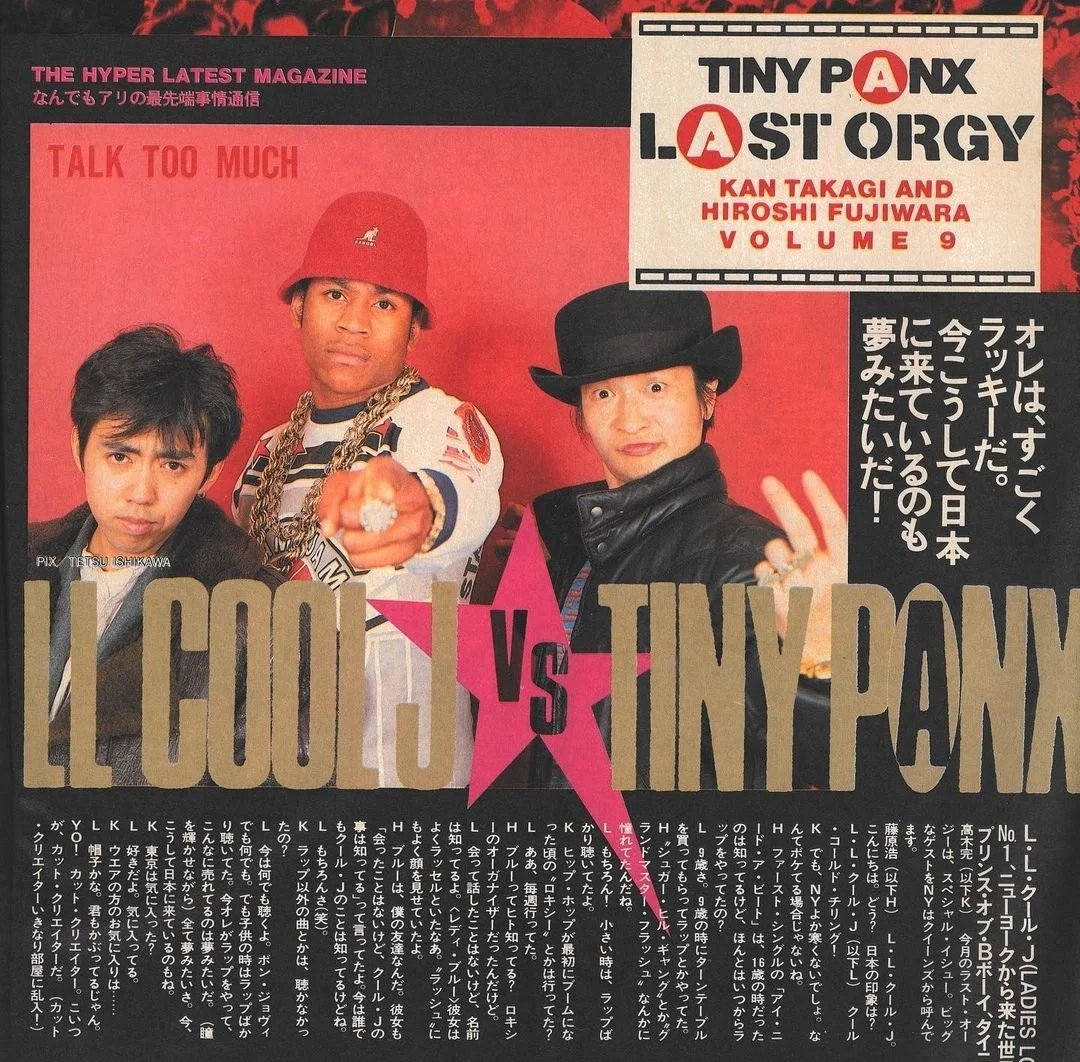
A piece of advice from Malcolm McLaren pushed him even further: New York. And there, in the birthplace of hip hop, Fujiwara found his language. He didn’t just absorb music, but attitude. Back in Japan, he became one of the first DJs to introduce the genre, performing as part of Tiny Panx and planting an aesthetic that would take hold in Tokyo. At the same time, he was involved in the development of Major Force, the label where Tiny Panx released music, which in a curious reversal of influences would later prove key to the UK scene, particularly through its impact on Mo’ Wax.
Culture before product: the birth of Japanese streetwear
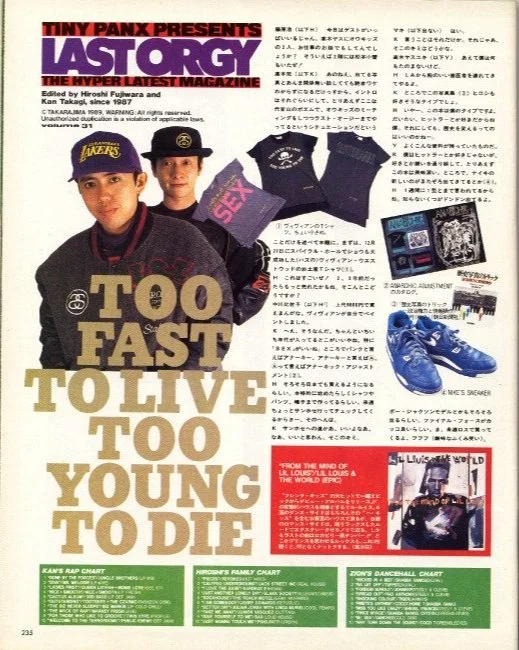
Fujiwara understood something early on: streetwear is not clothing, it’s context. Together with Kan Takagi, he created the column Last Orgy, a kind of cultural compass for an entire generation. From music to emerging trends, everything passed through his filter.
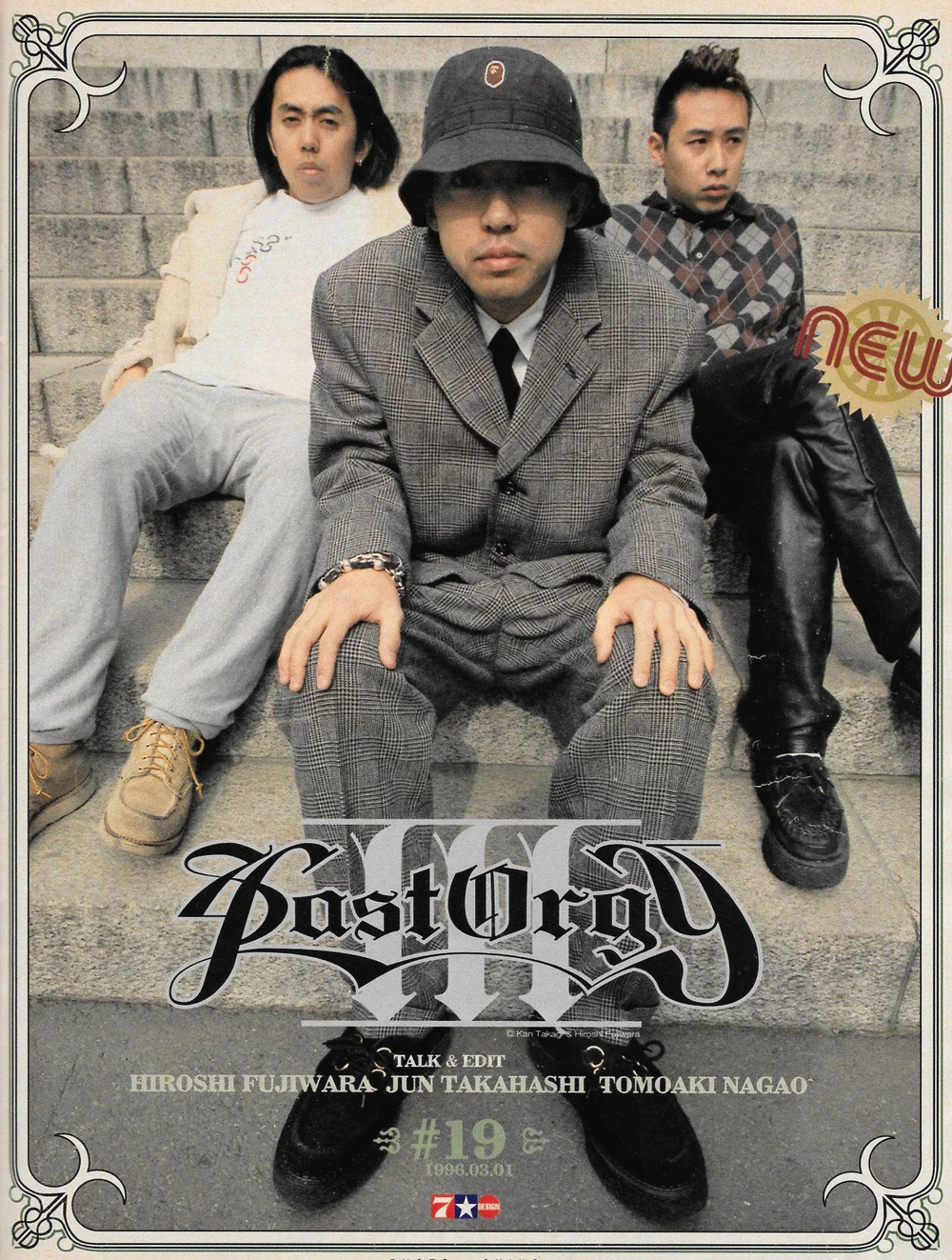
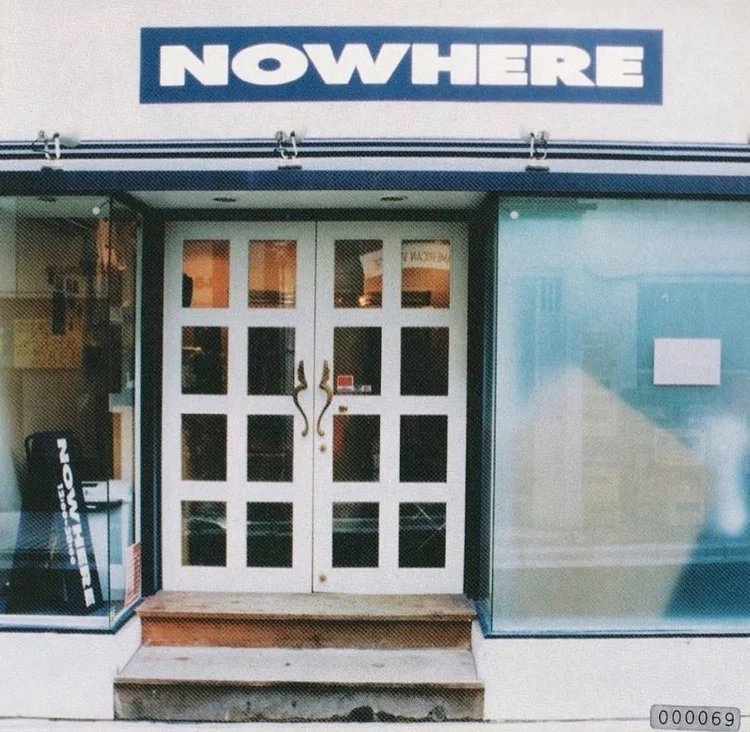
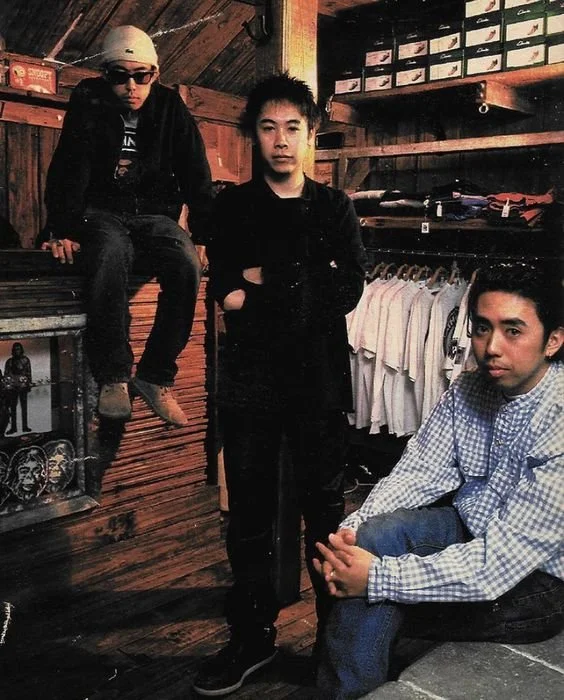
In 1993, he helped launch NOWHERE, a store that would become far more than a retail space. It was there that brands like UNDERCOVER and A Bathing Ape were born, driven by Jun Takahashi and Nigo. What began as a response to low demand ended up becoming the foundation of two streetwear giants. Fujiwara didn’t just participate, he activated an ecosystem.
The power of collaboration: Fragment and beyond
If there is a thread running through Fujiwara’s career, it’s his ability to connect worlds. His brand Fragment Design operates as an archive, a laboratory, and a creative platform. From collaborations with Nike, such as the HTM line with Tinker Hatfield and Mark Parker, to projects with Louis Vuitton and Pokémon, his approach has remained consistent: cross cultures and generate desire.
But his method is even more compelling. Fujiwara creates brands, lets them grow, and then connects them through strategic collaborations. It’s a living system, almost organic, where each project feeds into the next.
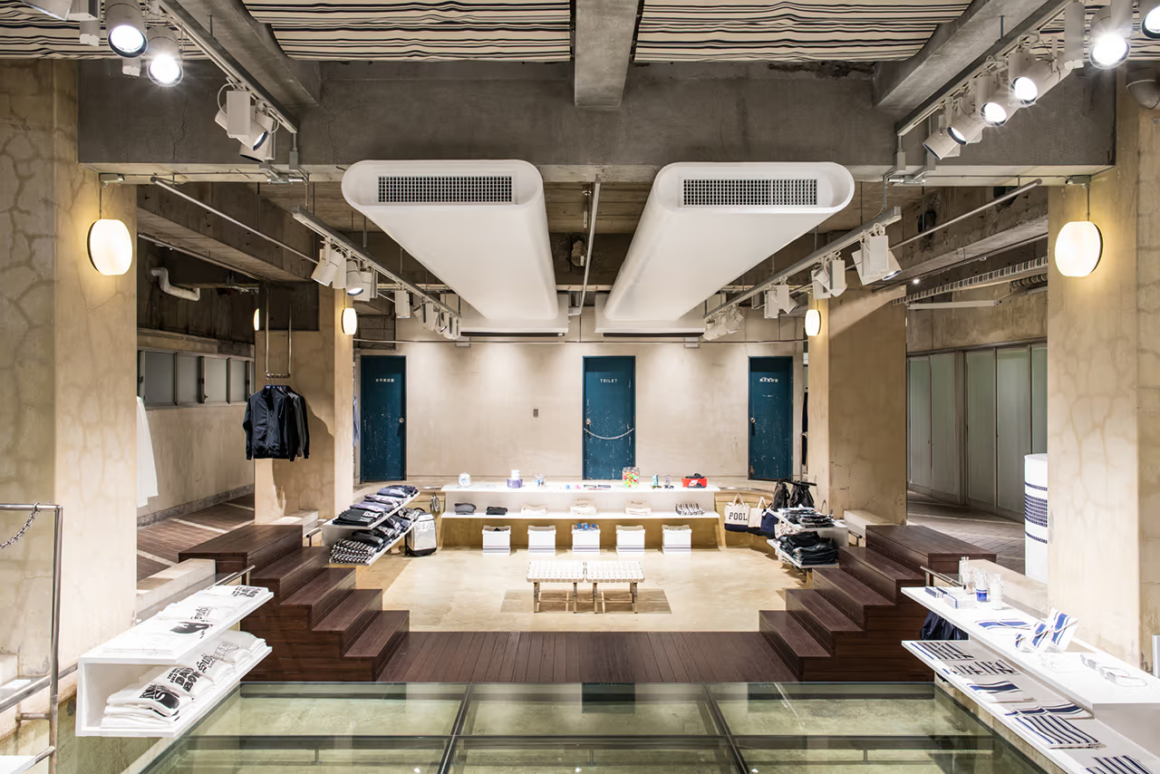
In a universe obsessed with names and visibility, Hiroshi Fujiwara has built something different: an invisible network of influence, one that quietly points the way forward.