
One glance at the Polo logo tells you all you need to know about the brand’s origins. The signature image of a polo player on horseback with mallet held high was one clearly intended to resonate with society’s elite – the ones with means to partake in such a ludicrously exclusive and expensive sport. 52 years after the brand’s formation, however, Polo has spread far further than Ralph Lauren could possibly ever have imagined. So, with Polo recently joining the Foot District roster, we’re taking a look at the brand’s evolution from country club staple to sought-after streetwear.
High Society
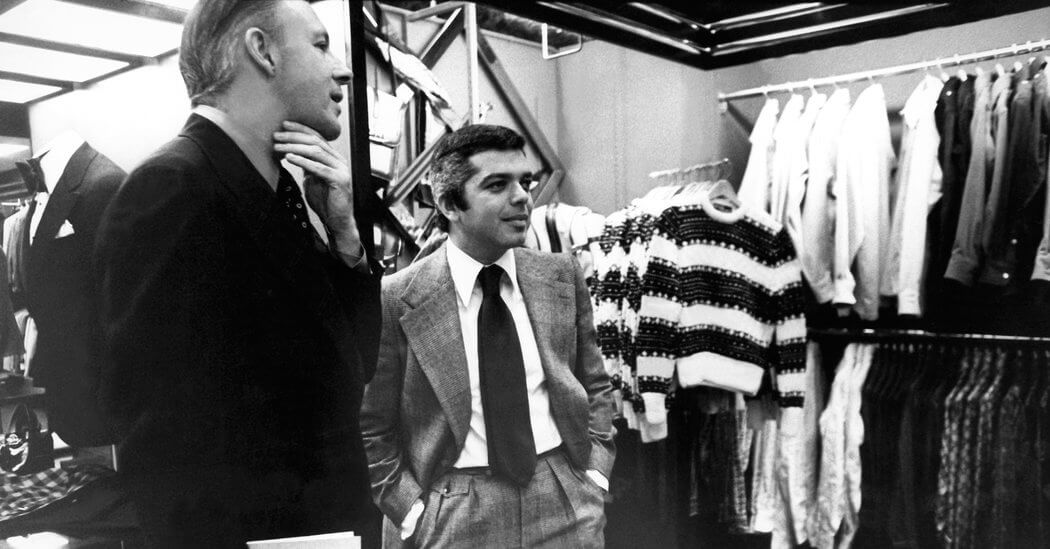
Polo’s story begins in 1967, when a 28-year-old Ralph Lauren successfully convinced New York City-based tie manufacturer Beau Brummell to take a chance on Lauren’s daring wide-tie designs, which were released under the ‘Polo’ name. Lauren lacked any formal training, having instead focused his studies on business in high school and college, but was motivated by a disdain for the contemporary menswear trends of the late 60s. He reportedly chose the name Polo for the classic style associated with the sport, but also because, as The Independent described it, the name evoked ‘the kind of preppy, white-bread, Waspy lifestyle’ that Lauren longed for. The ties were a phenomenal success, raking in half-a-million dollars in sales in Polo’s first year.
Selling Dreams
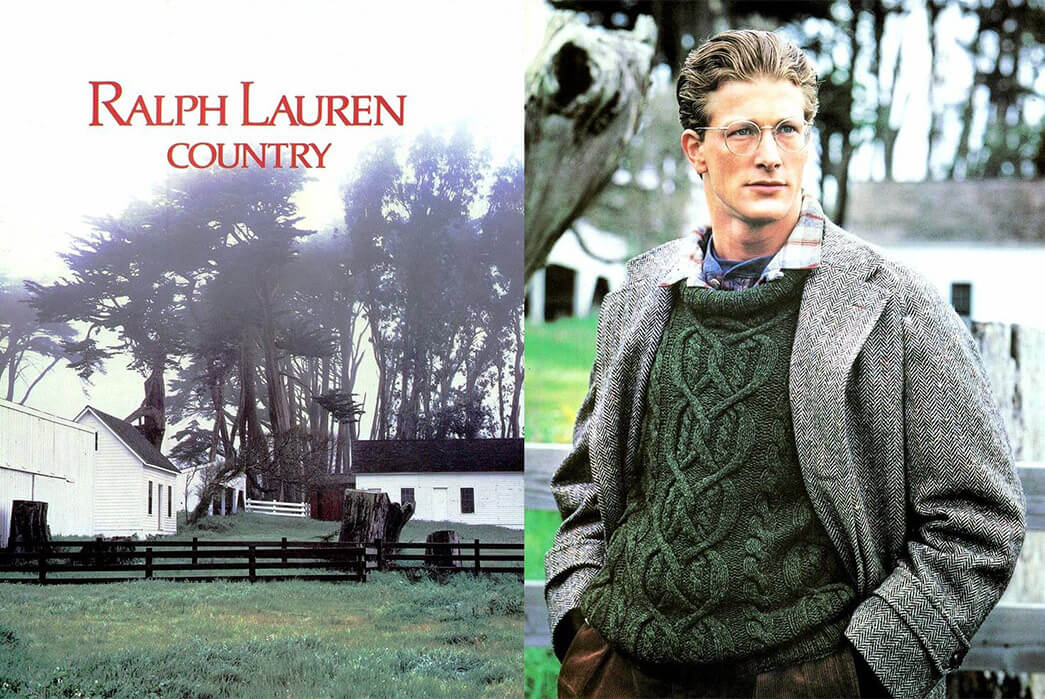
The following year, in 1968, Lauren would expand Polo into a full menswear venture with the support of clothing manufacturer Norman Hilton. Building upon the success of his necktie designs, Lauren followed up in the most logical way by adding tailored suits and shirts to the mix. Lauren described Polo’s style as ‘tweedy English-American look with a French cut’. What Lauren was really selling though was a lifestyle, one characterised by the players of the very sport from which he drew the brand’s name. They were considered wealthy, cosmopolitan and chic. By association, Lauren was bestowing his wearers with an image of these same qualities. In his own words, Lauren remarked that ‘I don’t design clothes, I design dreams’.
Ralph Lauren’s empire expanded rapidly in response to its continued success. In 1971, Polo introduced women’s offerings, which also saw the debut of Polo’s trademark polo player emblem. Regardless of gender, though, the brand’s core customer was still seen as the upper-class society convened by its evocative name – or, at least, those that wanted to pretend.
Living the Lo Life
Polo’s profile continued to spread throughout the 70s. A flagship store was launched on Beverley Hills’ famous Rodeo Drive in 1972 and Polo’s image as the clothing of the elite was cemented in 1974, when it served as the wardrobe of choice for the male cast of that year’s adaptation of The Great Gatsby. Polo’s meteoric rise continued through the 80s, but by then, amid growing crime rates, people were no longer content working hard for the dreams that Lauren was selling – they were going to obtain them by any means necessary.
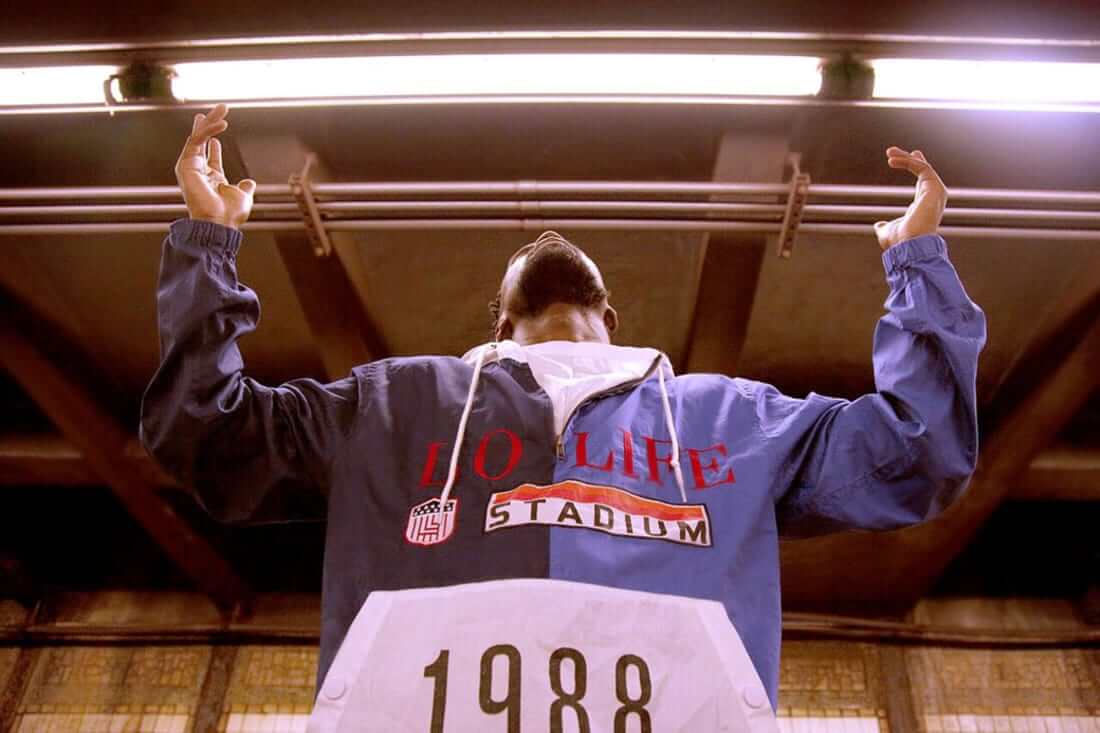
In New York City, a street gang known as the Lo Lifes, compromised of two shoplifting outfits from some of the city’s poorest areas, made Polo – and the taste of the high-life that it offered – their target. In the late 80s, the gang took to Upstate malls and Manhattan’s decadent retail stores in droves, picking stores clean in carefully coordinated shoplifting operations. The gang weren’t afraid to show off their stolen wears and could be seen regularly flaunting their lasted gains as something of a display of conquest. Hapless New Yorkers wearing Polo on the city streets became easy targets, should they step down the wrong alleyway. In other shady parts of town, with drugs running rampant, dealers saw Polo as a means to boast of their success and riches. In contrast with Lauren’s original vision, Polo had become an unintentional trophy of illicit success.
Hip Hop History
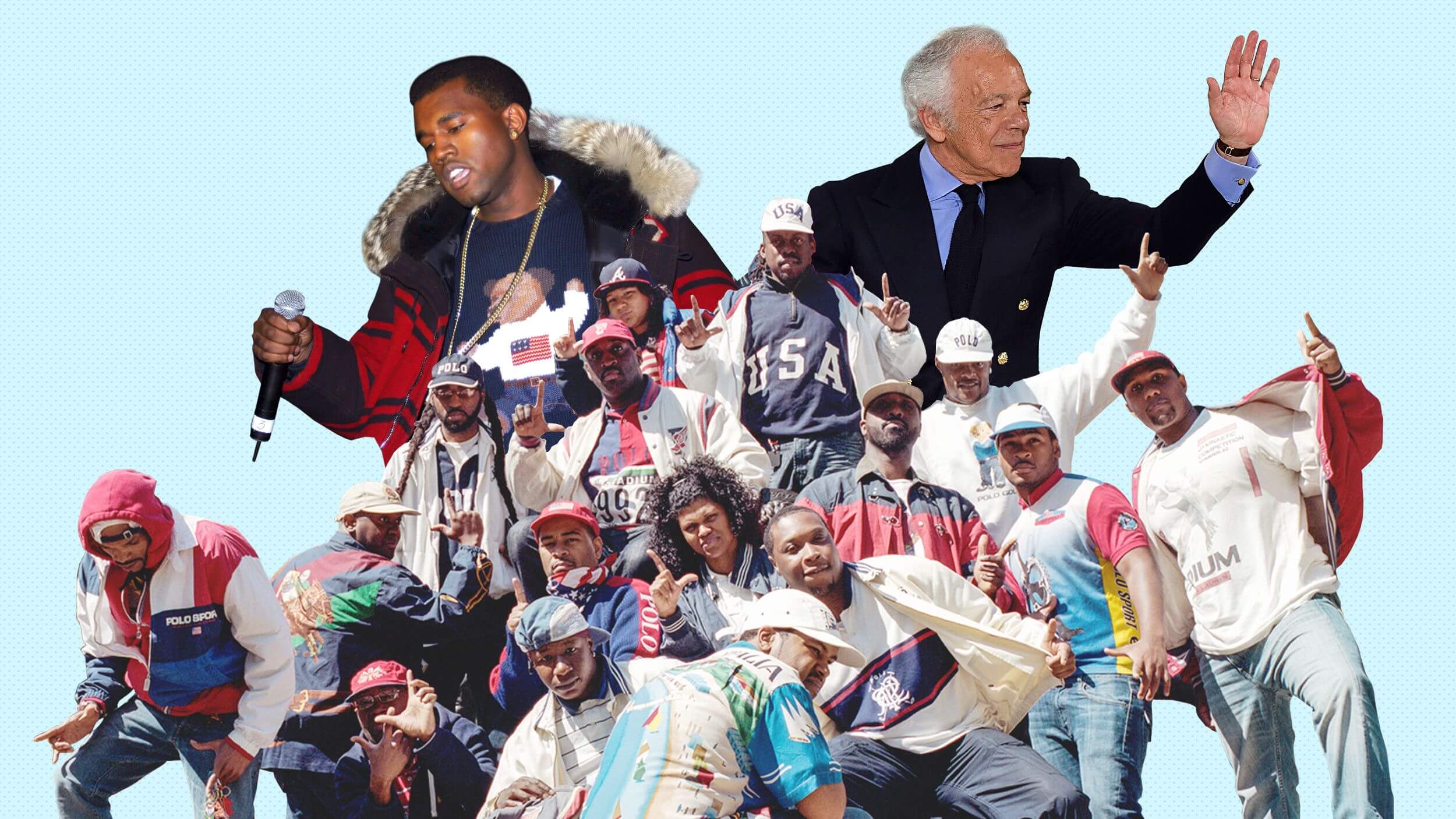
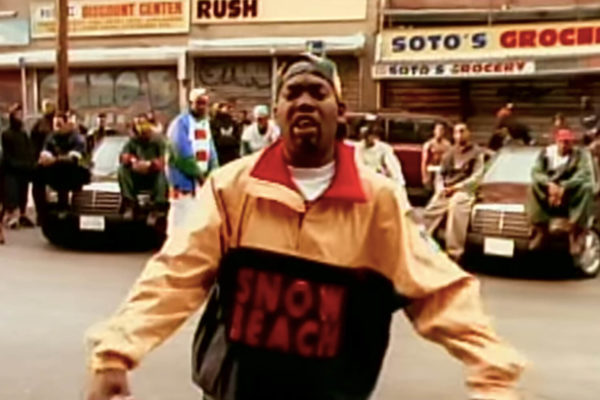
In a natural evolution, Polo’s presence on the streets ultimately worked its way into hip hop culture in the mid 90s. Wu-Tang member Raekwon famously donned Polo’s now-famous ‘Snow Beach’ pullover in the 1994 music video for the Clan’s track ‘Can It All Be So Simple’. The iconic cameo, coupled with Wu-Tang’s colossal success, made the item one of the most coveted in the brand’s history. Polo’s status as a symbol of hip hop success would receive another boost thanks to heavy wear by Kanye West during the mid 2000s, including sweaters that featured the brand’s iconic Polo Bear. He would later rap about the brand’s hood credentials on the 2007 track ‘Barry Bonds’, which featured the line ‘I’m doing pretty good as far as geniuses go, and I’m doing pretty hood in my pink polo’.
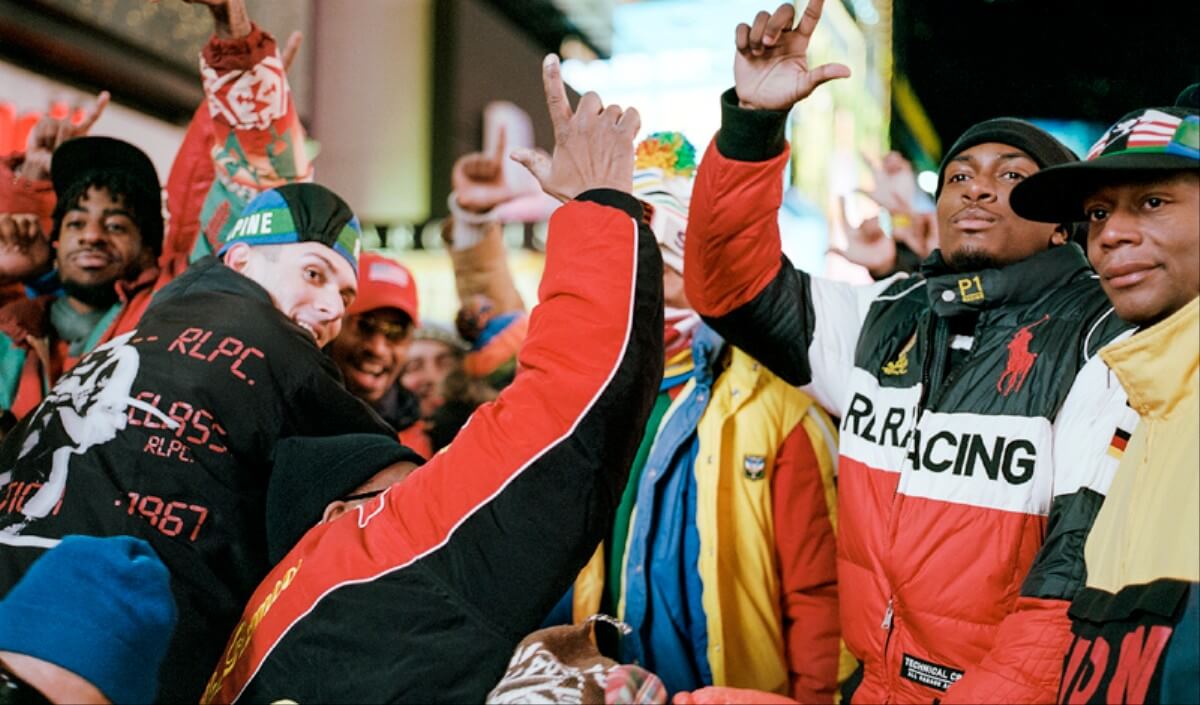
Today, Polo has proudly embraced its adoption in the world of streetwear. The brand has reissued many of the bold designs that became coveted trophies on the streets of The Big Apple during the 80s and 90s, including a selection of pieces from the Snow Beach collection just last year.
We have recently added Polo to our extensive brand roster here at Foot District and you can be sure we’ll be stocking many must-have pieces from both past and present. Head on over to our online store or drop by our Madrid or Barcelona locations to check out the current styles on offer, and rest assured there are big things to come!