Boxing, a sport deeply intertwined with literary and cinematic culture, arrived in Spain through the port of Barcelona. Since then, it has left an indelible mark on the city’s identity and style.
The Origins of Boxing in Barcelona
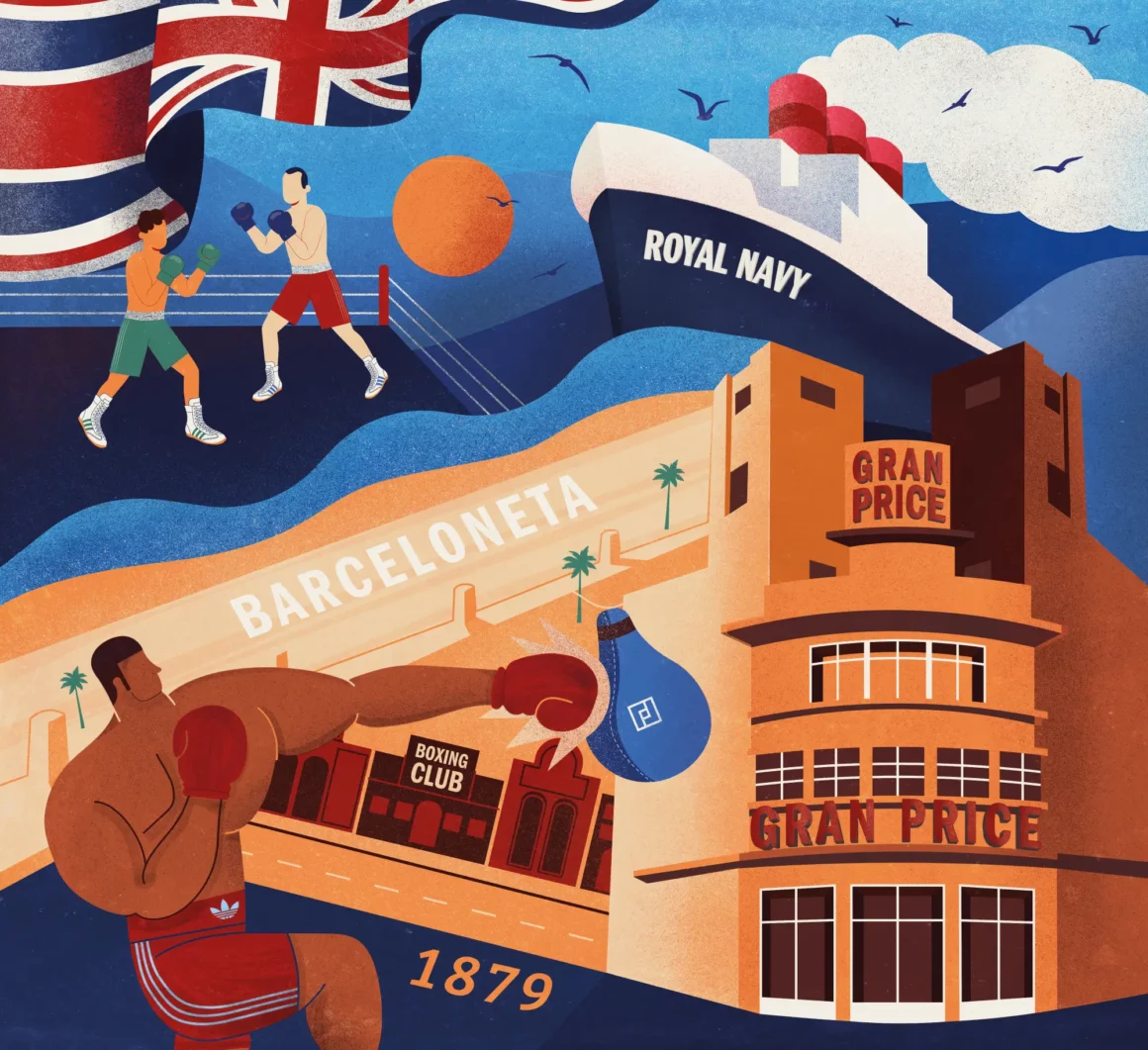
In the late 19th century, boxing made its way to Barcelona thanks to a sailor from Mahón who, influenced by his time aboard a British ship, introduced the fundamentals of the sport to locals. As the 20th century began, the first clubs and gyms dedicated exclusively to boxing emerged in Barceloneta, a seaside neighborhood that embraced the sport as a way to bring the community together. Barceloneta witnessed unique events, including a legendary 1916 fight where Jack Johnson, fleeing American justice, faced off against Arthur Cravan, the nephew of Oscar Wilde, a Dadaist poet, and a pioneer of spectacle-driven boxing bouts against pugilistic idols.
This marked the beginning of a sporting tradition that found its stage in iconic venues like the Gran Price.
Early Boxing Nights
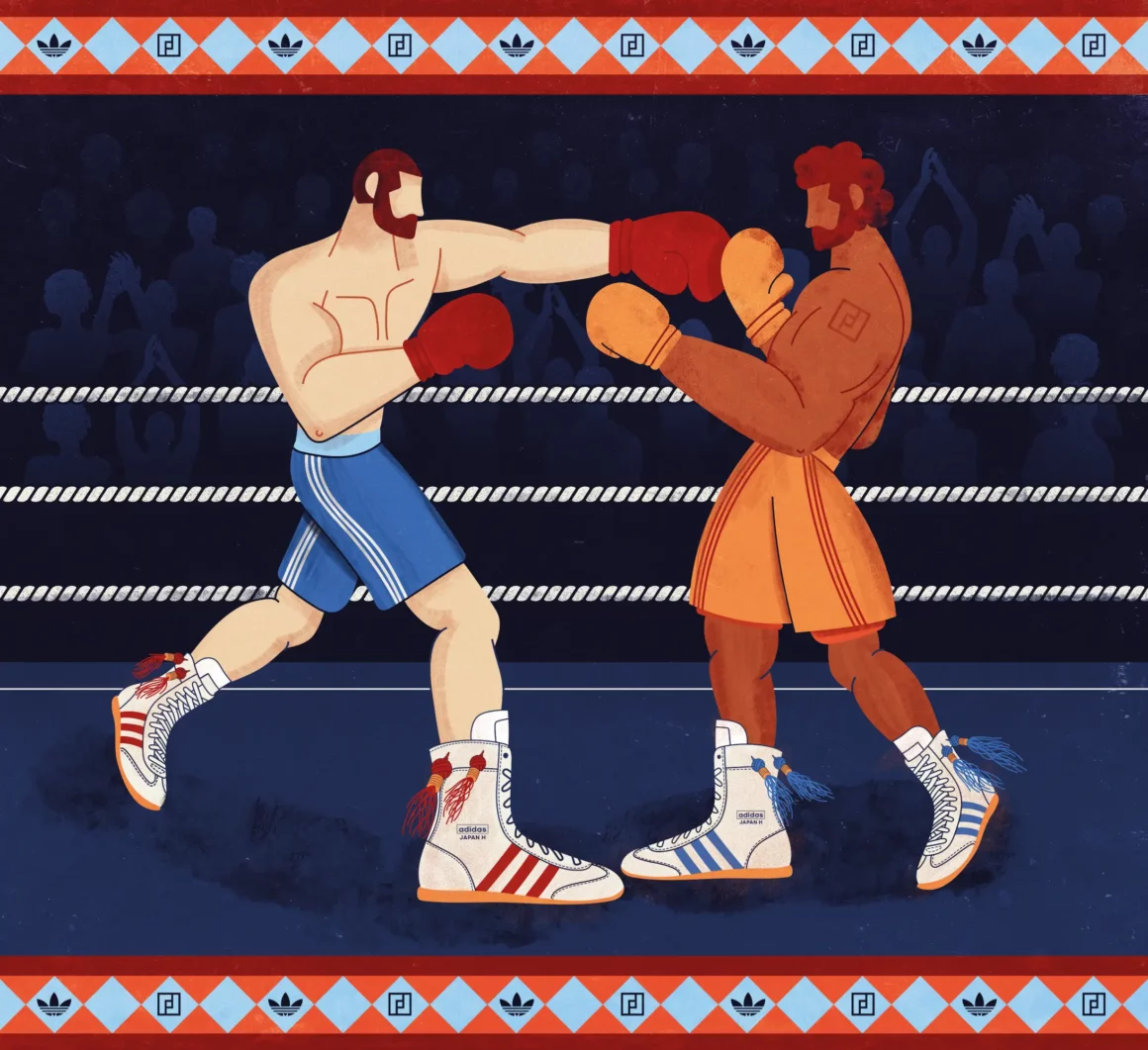
The Gran Price became the epicenter of competitive boxing. This multifunctional venue hosted dance sessions, concerts, poetry festivals, and boxing matches featuring some of the era’s top fighters, such as Fred Galiana, Mimoun Ben Ali, Pedro Carrasco, José Legrá, and Urtain.
Pioneering clubs like the Barcelona Boxing Club (1910) and the Club Pugilista (1913) were instrumental in promoting boxing in the Catalan capital. These organizations arranged public matches that not only popularized the sport but also embedded it into the cultural and athletic life of the time.
Boxing as Cinematic Inspiration
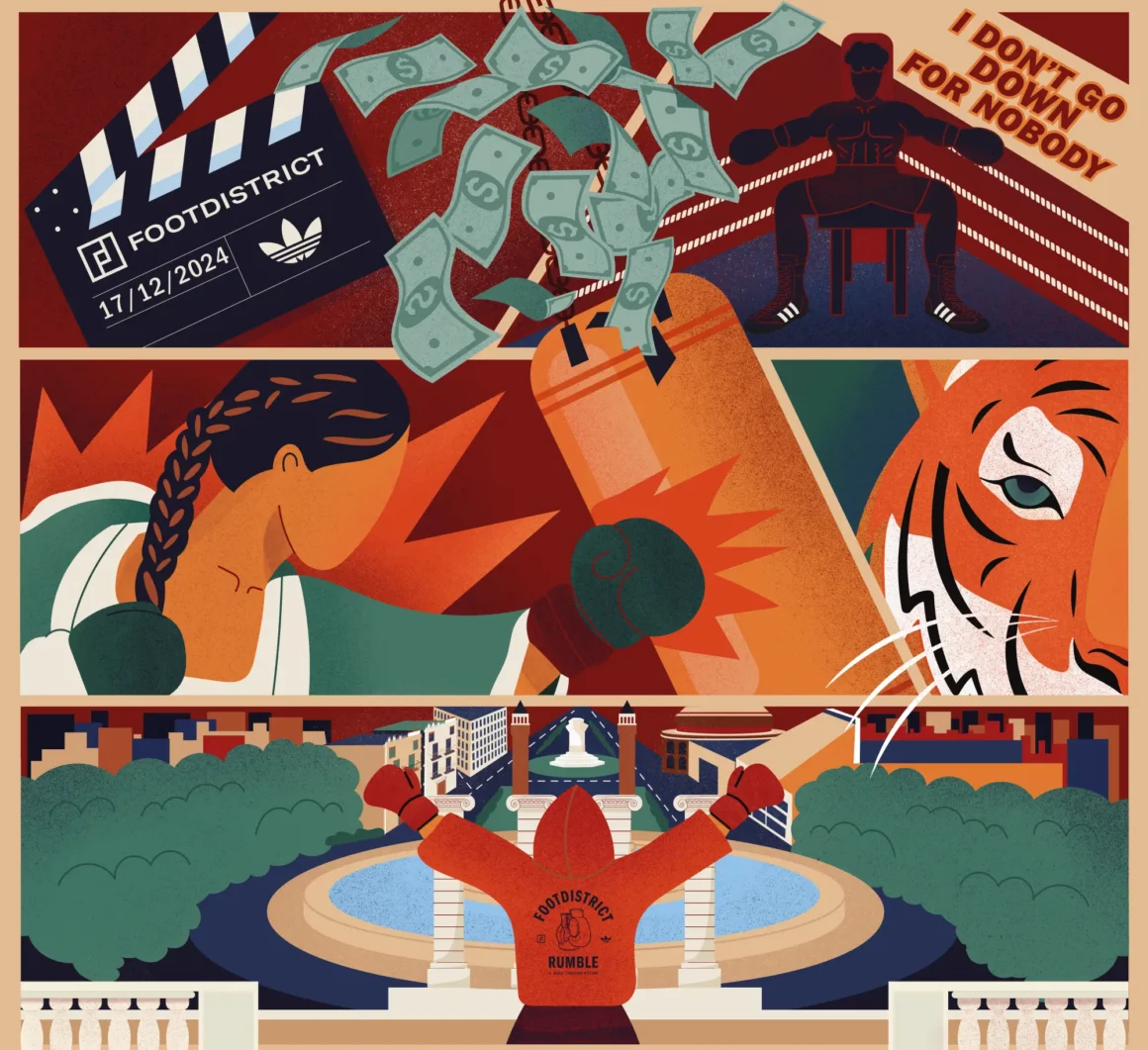
As boxing’s influence grew in Barcelona and around the world, it elevated its champions to idol status. Literature, and later cinema, immortalized the drama, drive for self-improvement, and redemption inherent in the sport. Films such as Raging Bull, Million Dollar Baby, and Rocky not only capture the lives of boxers but also elevate boxing to a cultural symbol.
Boxing as Style
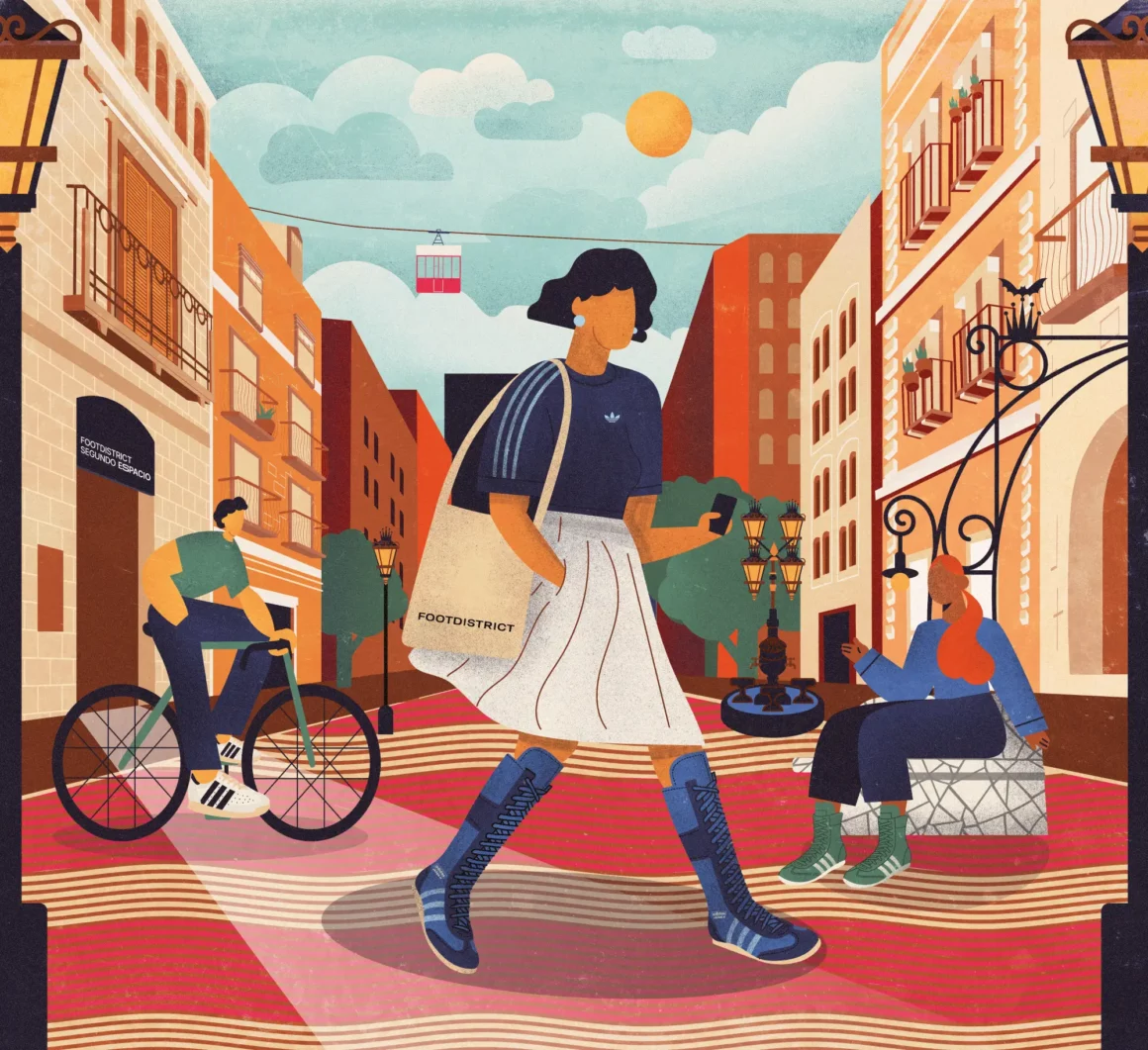
In the 20th century, boxing’s impact extended beyond the ring, especially with icons like Muhammad Ali and Joe Frazier. The aesthetics of boxing began to symbolize resilience, rebellion, and unique style. Boxers drew inspiration from street fashion and brought it into the ring, creating a dynamic exchange that influenced both worlds. Stories of boxing and fashion intertwined seamlessly. For instance, Mike Tyson and Mitch Green first fought in Madison Square Garden, only to clash again two years later outside Dapper Dan’s boutique, a place where both purchased their custom luxury apparel.
Satin robes, shorts, and customized shoes transcended their functional purpose to become coveted items that influenced contemporary fashion.
Boxing: A Journey Between Tradition and Modernity
From its humble beginnings to its influence on popular culture, boxing has left an enduring legacy in Barcelona’s history. A sport that forged communities, evolved into a cultural emblem, and continues to inspire narratives, aesthetics, and styles in constant reinvention.