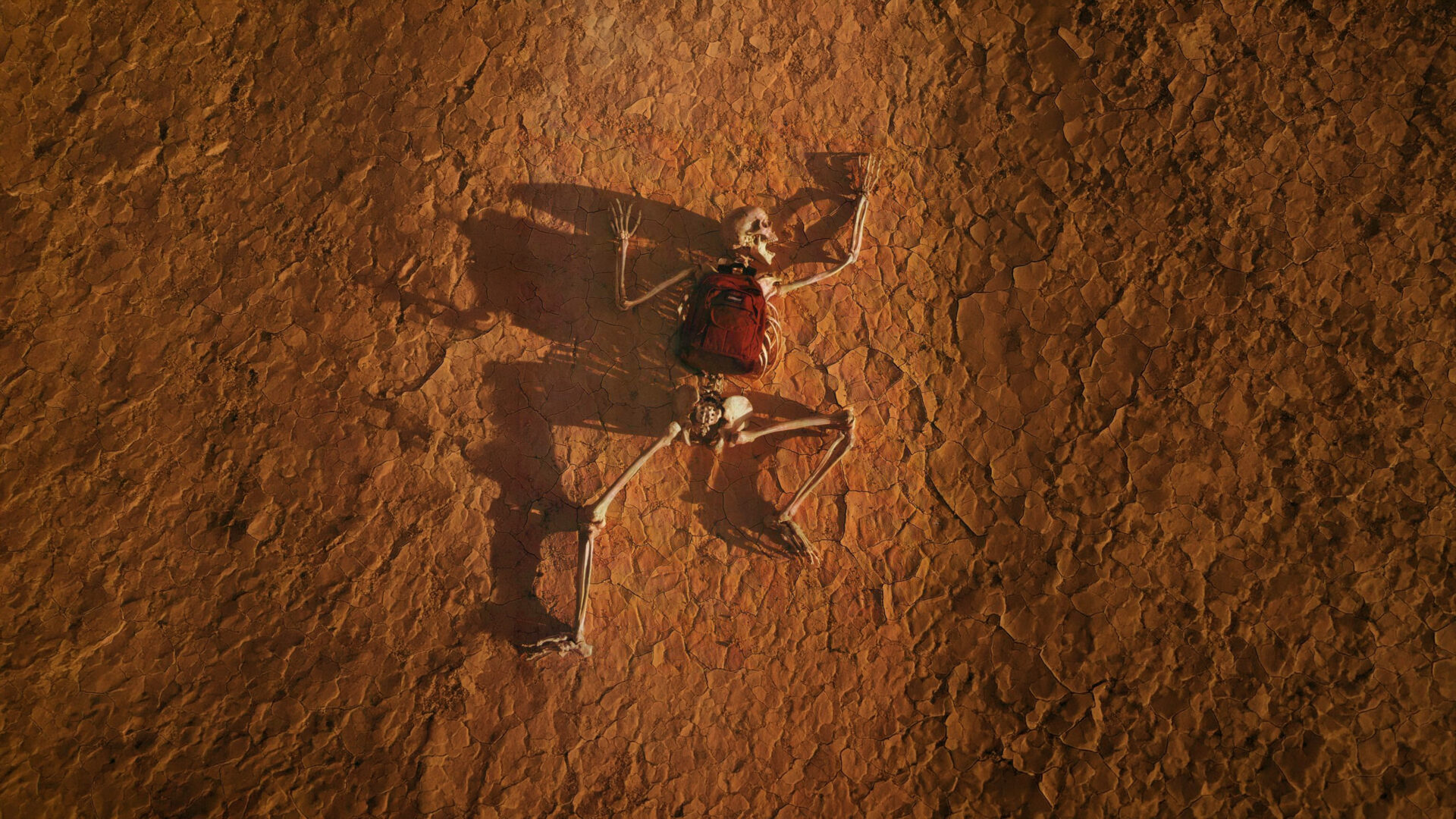
1. It All Started with a Solution
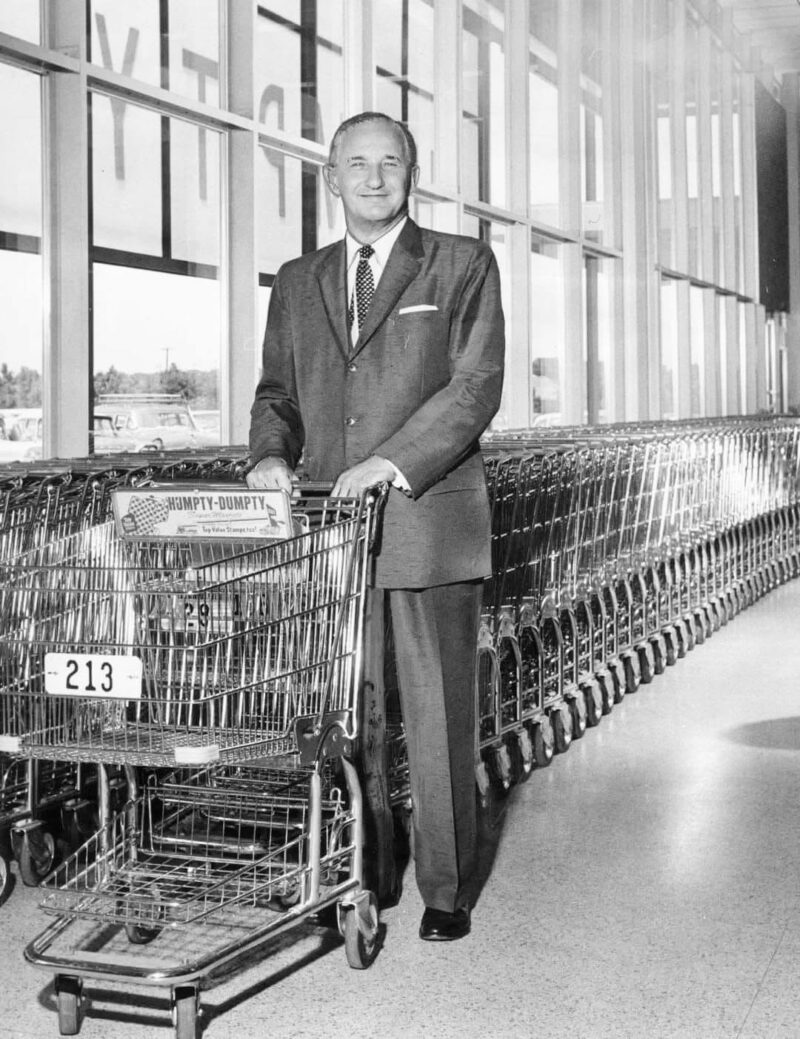
Long before Eastpak existed, there was an intuition: observing how people move. In the 1930s, the father of Eastpak’s founder, a supermarket owner, noticed a recurring gesture: shoppers stopping when they could no longer carry more with their shopping baskets. He solved it with a new creation: the first supermarket cart. A design born from necessity. The same logic was already there: making everyday life flow better.
But there was something else. People did not understand the cart until they saw it in use. So Sylvan Goldman thought about how to introduce it: people walking through the aisles with carts, integrating them into their daily routine. Today, we would call it a brand activation or a performance. Back then, it was simply common sense. And it worked.
2. Military Precision, Civil Adoption
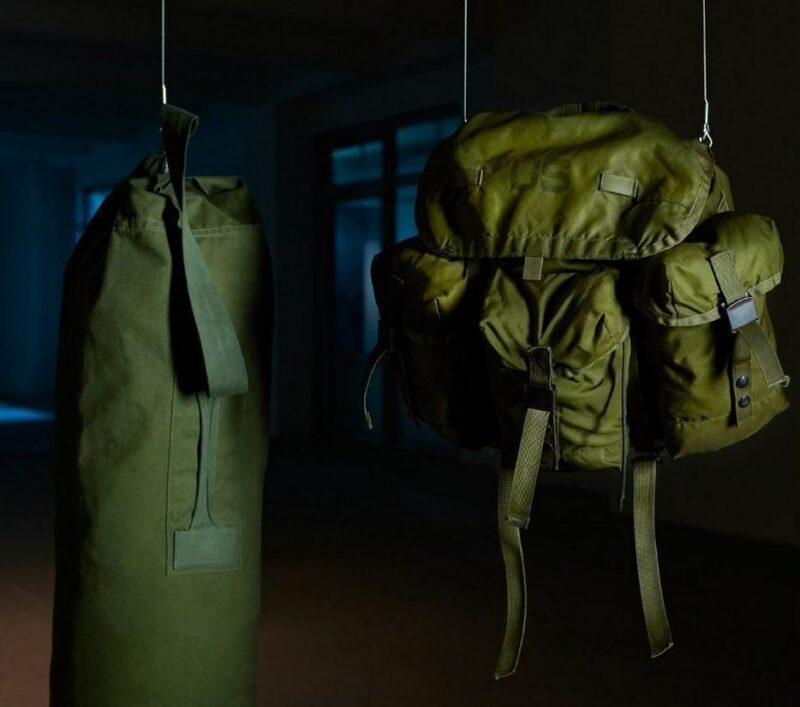
Eastern Canvas Products was founded in 1952 to create bags for the U.S. military. Tough materials, durable stitching, products designed to last. In the 1970s, peace brought a surplus of military supplies. Just like the M65 jacket or cargo pants, these items were adapted for civilian use and completely separated from their military origins.
Eastern Canvas Products’ bags and backpacks found a new place.
3. Eastpak Is Born
In 1976, Eastpak was born as a way of adapting these products to everyday life, introducing more padded designs created for daily use.
4. A Design That Doesn’t Need Updating
Its first major design was the Padded Pak’r, a model that does not follow fashion because it never depended on it. Its shape responds to use, and that is why, half a century later, it remains almost unchanged. In a cycle dominated by the temporary, that stability makes it something rare: a standard.
5. When Colour Comes Into Play
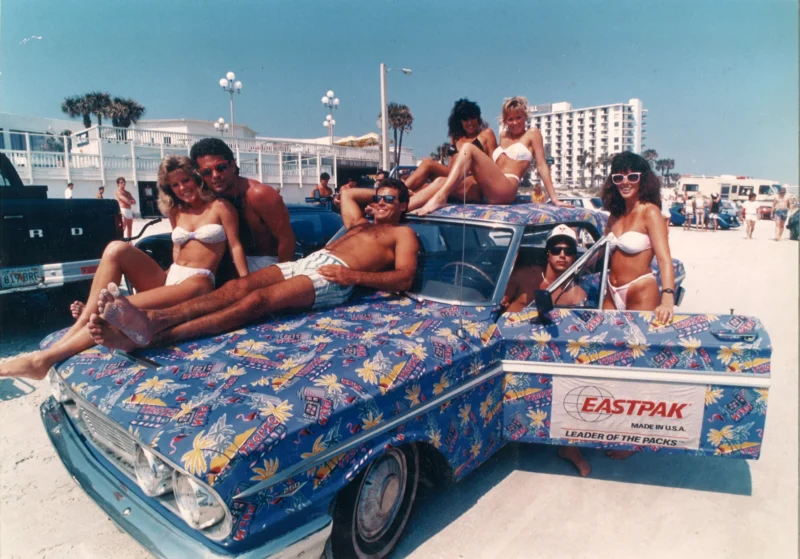
By the mid-1980s, colour transformed the perception of the product. The backpack stopped being neutral and became a choice. It was not only about what you carried, but how you carried it. This is where it began to connect with identity.
6. Back to the Future
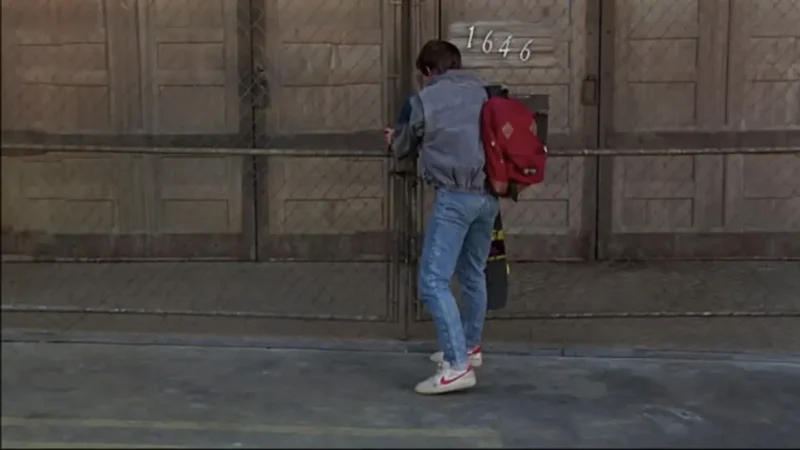
Some objects, without trying, naturally fit into visions of the future. While Back to the Future imagined what was to come, with designs we still remember today, the Padded Pak’r quietly stole the spotlight with a clean, functional, and timeless aesthetic. A reminder that well-designed objects always work. Eastpak’s appearance in Back to the Future did not receive the same media attention as other designs created specifically for the film. However, its backpacks were already accessible to everyone at the time, and people are still wearing them today.
7. A Personal Archive in Motion
For generations, Eastpak has been a portable archive: notes, tapes, clothes, secrets. In environments where everything else was standardized through uniforms and codes, the backpack became a space for individuality, a place for personal identity.
8. From Tool to Language
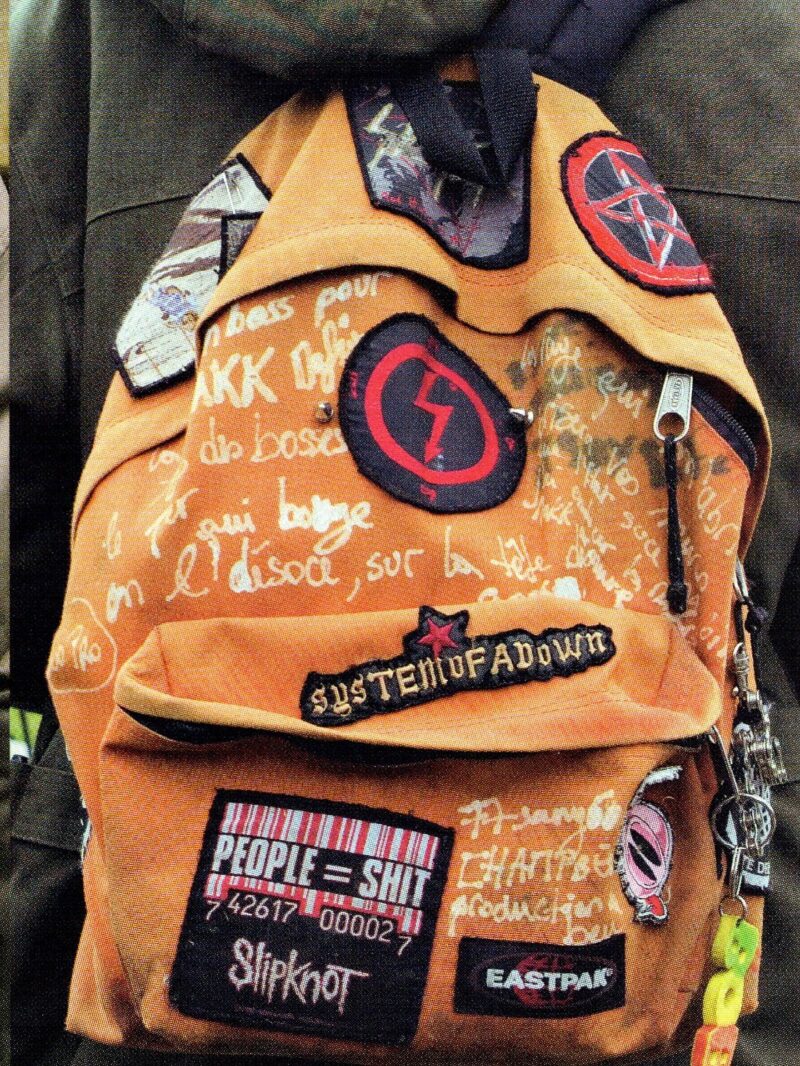
Its adoption by graffiti artists in the 1980s and 1990s was not accidental. Durable, discreet, and capable of carrying everything needed without failing, it became part of hip-hop culture as a real tool. Through that journey, it became a symbol.
9. Movement as a Natural Extension
When Eastpak introduced wheeled luggage in the late 1990s, it expanded its universe. The same principles: durability, functionality, honest design, applied to a generation that was increasingly mobile. From school to travel, without friction.