
In the footwear design narrative, the figure of the designer has often been idealized as a solitary creator, a unique mind. However, Salomon shows us that a sneaker is never the result of just one brain.
We spoke with Axelle and Myriam, a dynamic duo that proves design is always a collaborative effort. Axelle, as Senior Footwear Designer, is in charge of the lines, while Myriam, as CMF Designer, takes care of colors, materials, and finishes.
Axelle and Myriam: Design and Color
Footwear design is a well-known job, or at least idealized. For Axelle Portailler, creating new silhouettes and adapting archive models to new processes is her everyday work. But her job is not solitary; it’s essential that her lines fit with the new colors, materials, and finishes.
When you’re a CMF Designer, explaining what you do to your grandmother is a bit trickier. CMF stands for Color, Material, Finish. Although this part of design is often overlooked, there’s no doubt that Salomon’s success in recent seasons is largely due to its ability to reinterpret its classics. Myriam Córdoba, who leads the CMF team, has found a way to bring both rationality and passion to a part of design that is often forgotten.
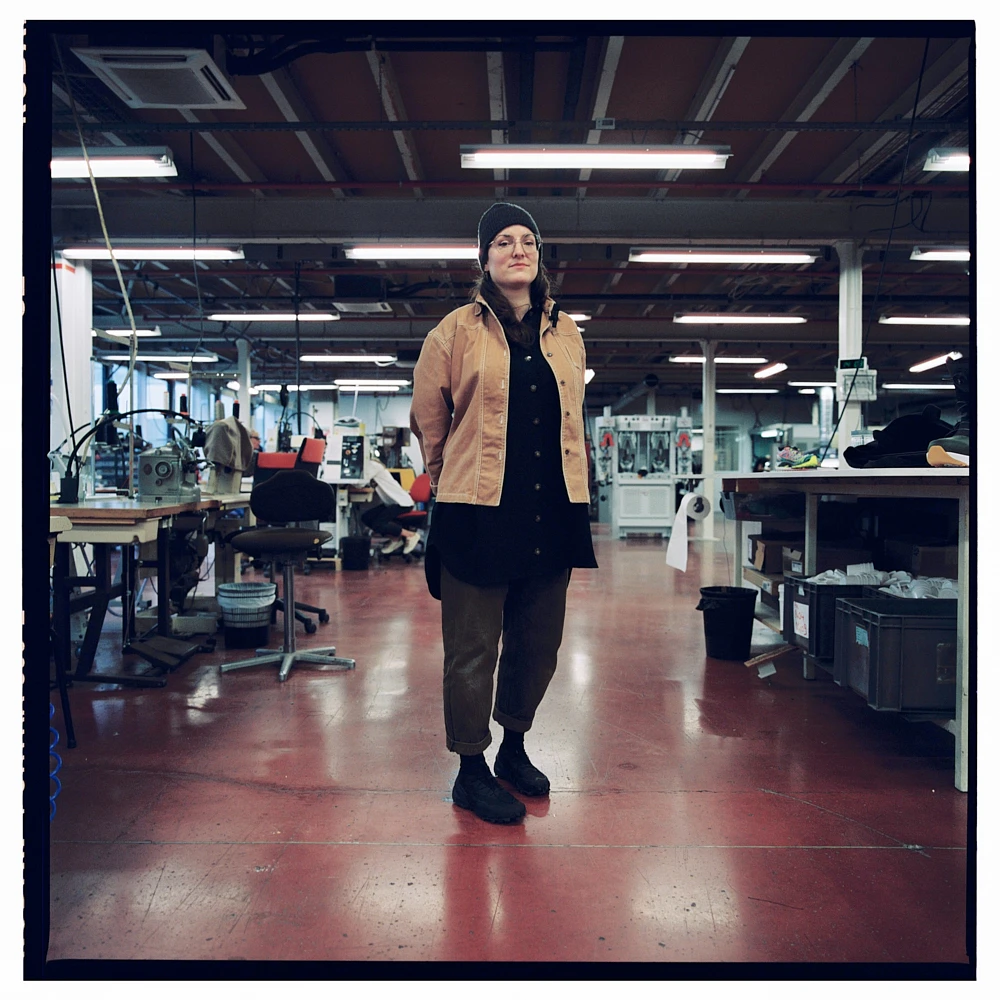
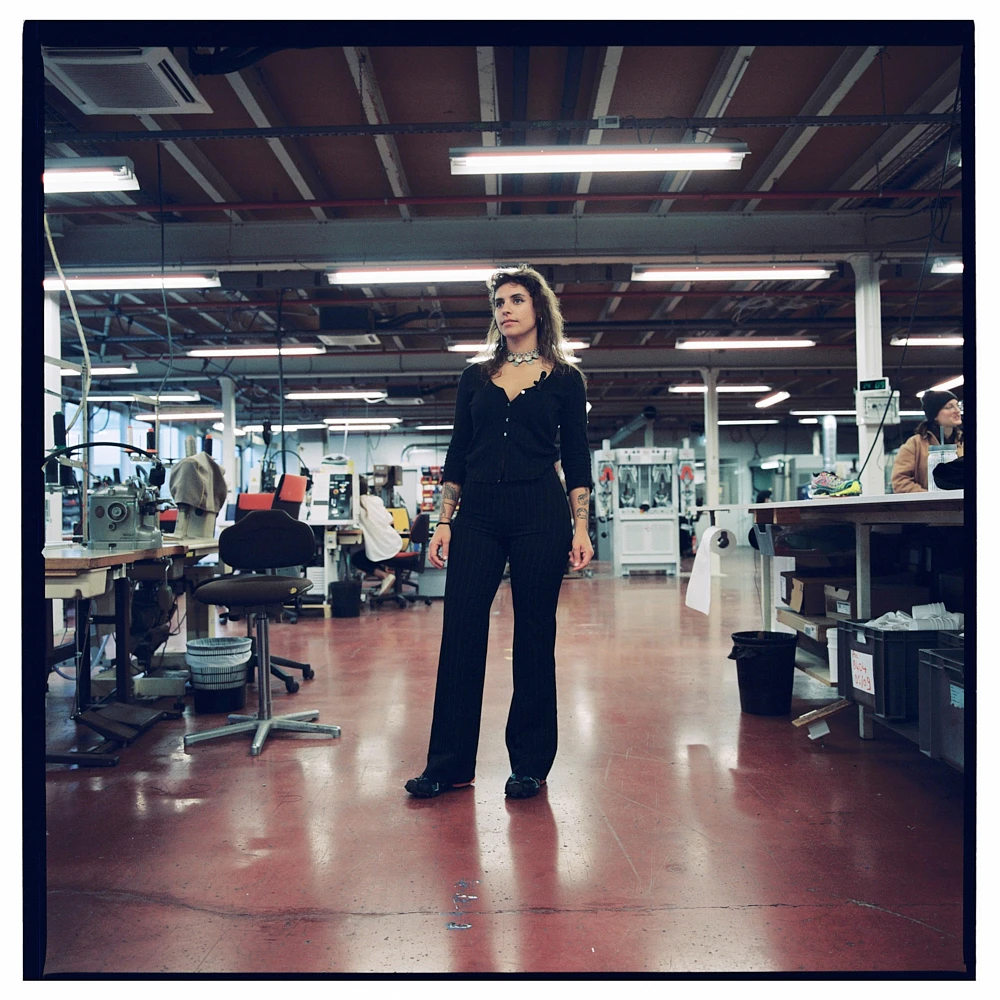
Myriam, with her broad perspective, oversees the entire design process. Her background in product allows her to see the full design picture. It’s like a conversation between her and Axelle, where they complement and dialogue with each other, much like in our interview.
The Joint Work of Footwear Designer and CMF Designer
The work between Footwear Designer and CMF Designer is a constant collaboration. This works at Salomon because they always keep the mountain in mind—not only mentally but also physically, as the designers work between mountains. Salomon doesn’t do fashion; they recontextualize their designs to bring them into other concepts.
Salomon has its own color rules, related to performance and sustainability, rules that adapt to collaborations and new proposals. Every part of the design brings its own challenges and solutions. Even when they explore the brand’s archive, their goal is always to bring those pieces into the present, always seeking continuous improvement and, why not, beauty.
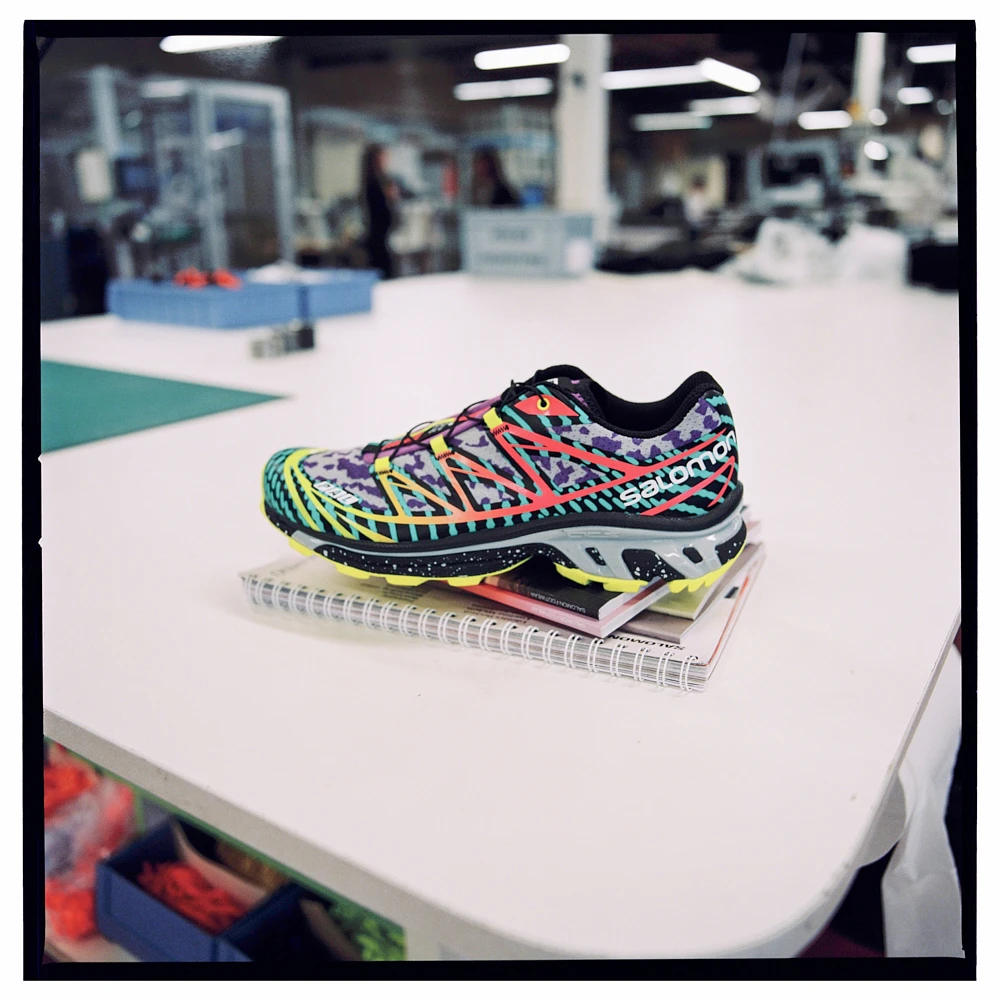
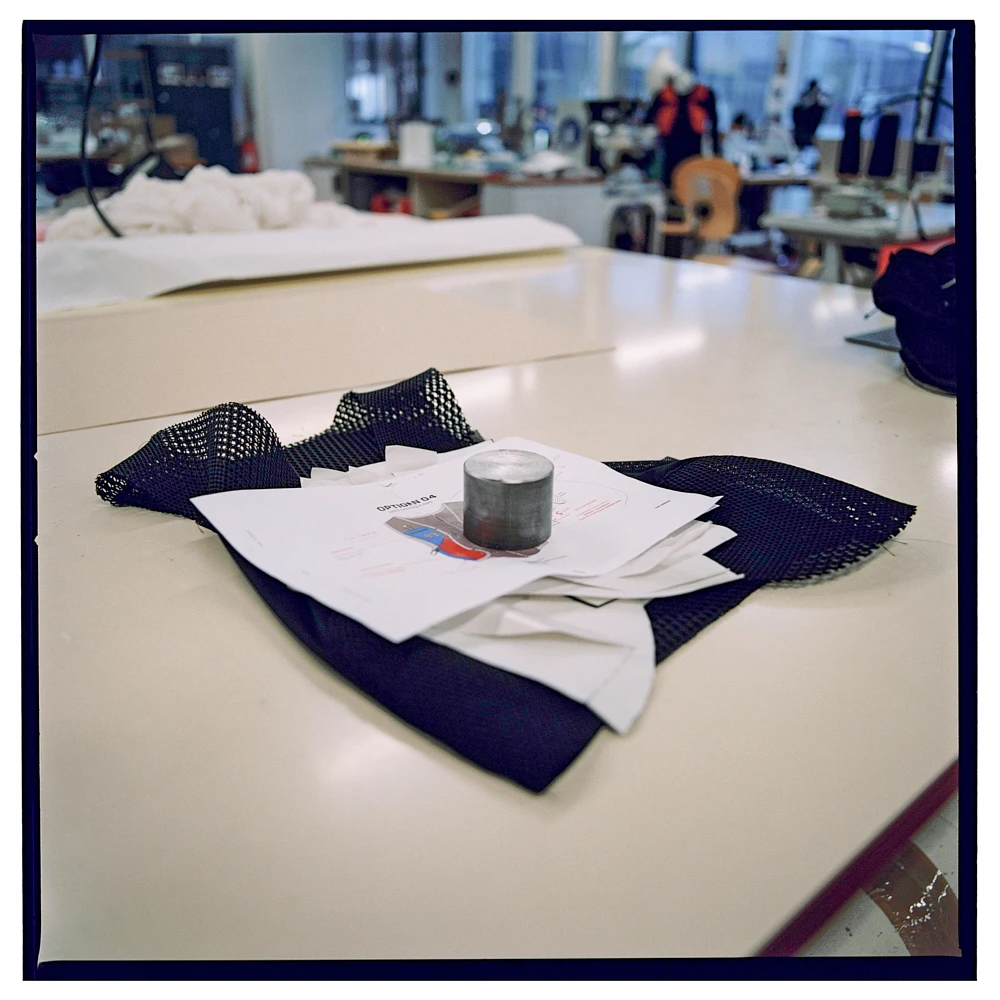
Even when the most cosmetic part remains unchanged to keep the aesthetic result the same, the creation process can be completely different because beauty is also found in the improvement of the process. In models like the XT-4, XT-6, or XT-Whisper, the processes evolve, and the materials improve their relationship with sustainability, yet they maintain the aesthetic that made them iconic, with details like the recovery of original colors—something possible because each color and material is registered in an impressive archive.
Inspiration from the Outdoors and Collaborations
Axelle’s inspiration comes from the functionality of the mountain. If someone in the city wears Salomon Advanced, it’s because of what the brand does in the mountains. But through contact with consumers and collaborators, they have access to other sources of inspiration. The emotional aspect of the design always comes from the mountain.
Myriam, although she shares that connection with the outdoors, is also drawn to consumer psychology and how communities move, finding inspiration in social media. Collaborations are key in this process, enriching the designer’s work by incorporating new perspectives. Brands like The Broken Arm or Maison Margiela bring new viewpoints that are reflected in their collaborations and, indirectly, in the rest of their designs.
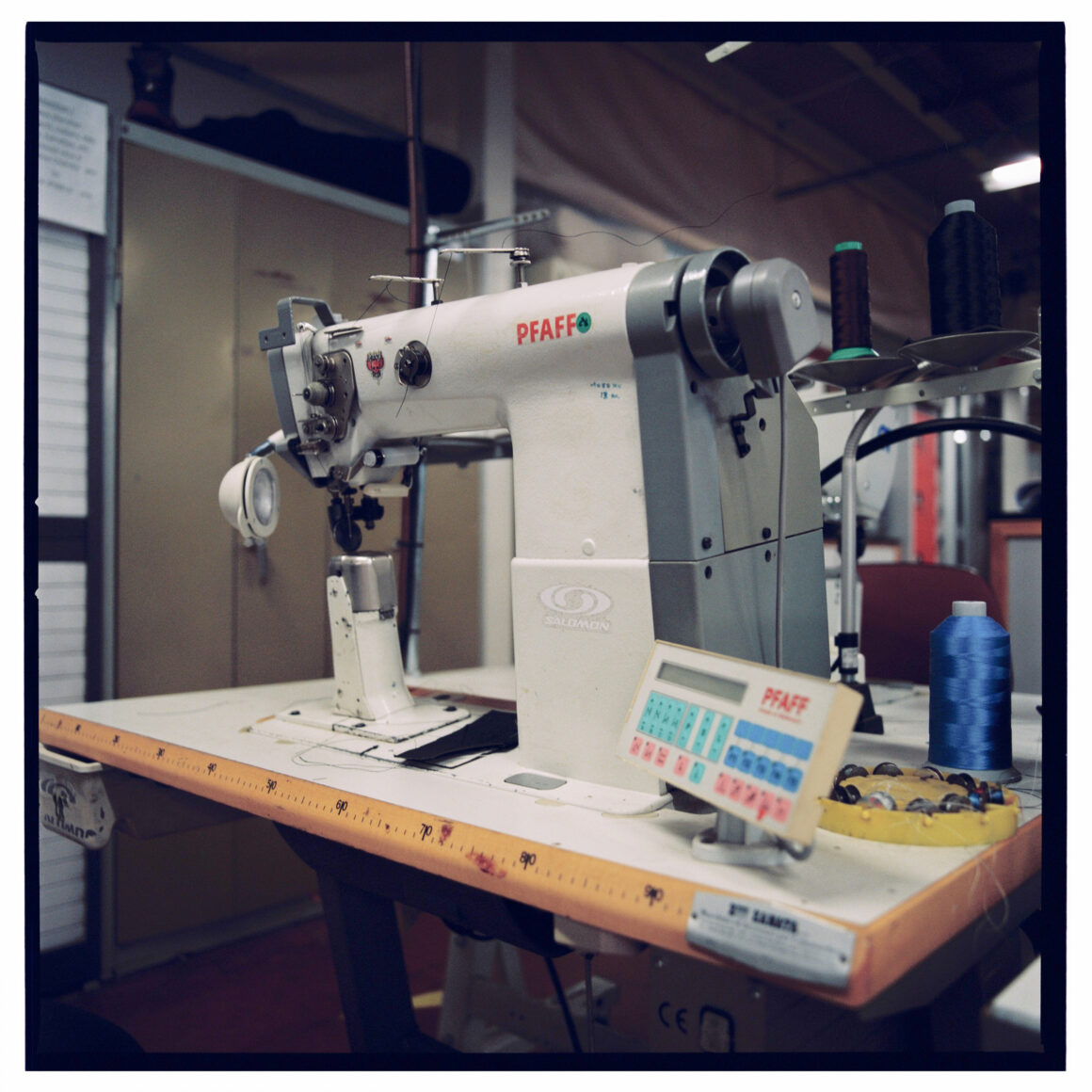
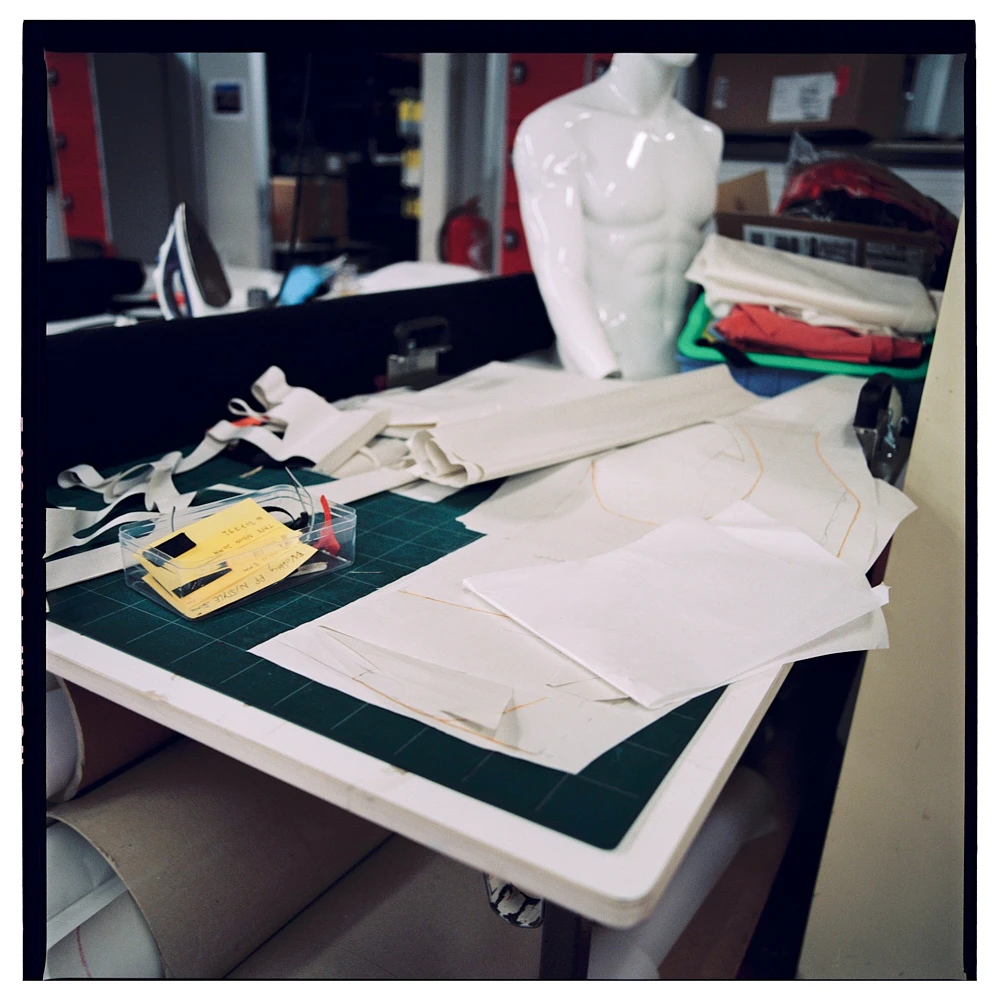
The Importance of Sustainability
At the Annecy Design Center of Salomon, sustainability is lived as a direct commitment to the environment. Nature is so present in their daily life that it influences every step of the design process. For Salomon, sustainability is not demonstrated through big campaigns, but rather something that is lived and appreciated in every design. Redesigning a piece can mean less waste, and the color choices for each season are designed to maximize the use of dyes and finishes while maintaining a balance with sustainability.
We already know the functionality and style of Salomon, which have made it one of the brands that best understands the relationship between urban and outdoor in the contemporary world. Thanks to Axelle and Myriam, we’ve learned more about the processes behind some of our favorite sneakers.