
The adidas Originals Santiago collection pays homage to contemporary style with deep historical roots. Its name takes us back to the 1962 FIFA World Cup in Chile, where the first adidas football drew its inspiration. The aesthetic blends this vintage football heritage with the revival of baggy fashion and the iconic jersey designs of the 1990s.
The new adidas Originals Santiago collection arrives as an example of modern style. And yet, it carries a touch of nostalgia, as if it belonged to another era. The reason? Its inspiration first transports us to the 1990s and then back to the 1960s, to a moment when adidas was just beginning to explore products we now consider core to the brand: footballs.
The Origin of the name: The 1962 Chile World Cup
Look closely at the name of the new adidas Santiago collection. “Santiago” takes us directly to Santiago de Chile, the host city of the 1962 World Cup final — a tournament held under very different conditions, with only four venues and a nation recovering from the most powerful earthquake ever recorded, the 1960 Valdivia earthquake.
The Violent “Battle of Santiago”
This tournament is sadly remembered for the Battle of Santiago, considered by many the most violent group-stage match in football history, and indirectly responsible for the eventual introduction of yellow and red cards. Italy and Chile faced each other in an extremely tense atmosphere. Italian journalists Antonio Ghirelli and Corrado Pizzinelli had published criticism of Chile’s organizational capacity; Chilean media reproduced it, sparking public outrage that forced the journalists to leave the country — and intensified hostility toward the Italian squad.
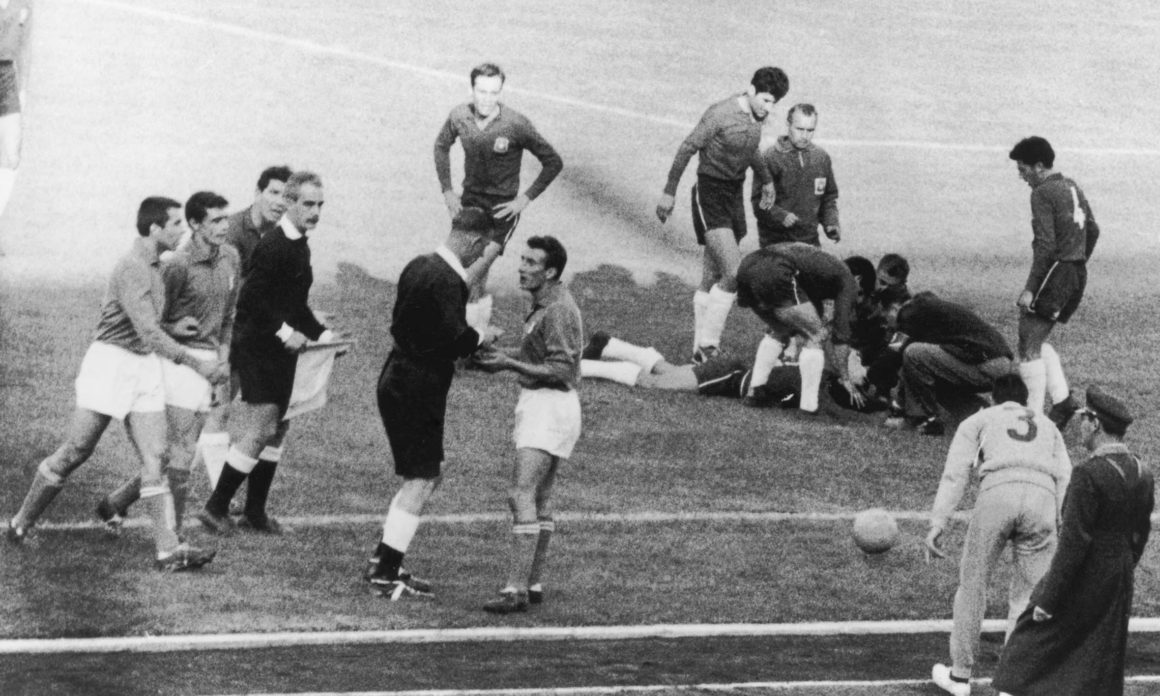
The match was brutal from the start, with a foul 12 seconds in and a sending-off in the seventh minute — or an attempted one, since player Giorgio Ferrini refused to leave the pitch and had to be escorted off by police. The referee of that match was the Englishman Ken Aston, who years later proposed the idea of yellow and red cards, perhaps inspired by that traumatic experience.It was, in many ways, a tournament ahead of its time: it featured the first official World Cup anthem, El Rock del Mundial by Los Ramblers. But it also marked the end of an era — it was the last World Cup without a mascot and the last without an adidas football.
The adidas Santiago Football
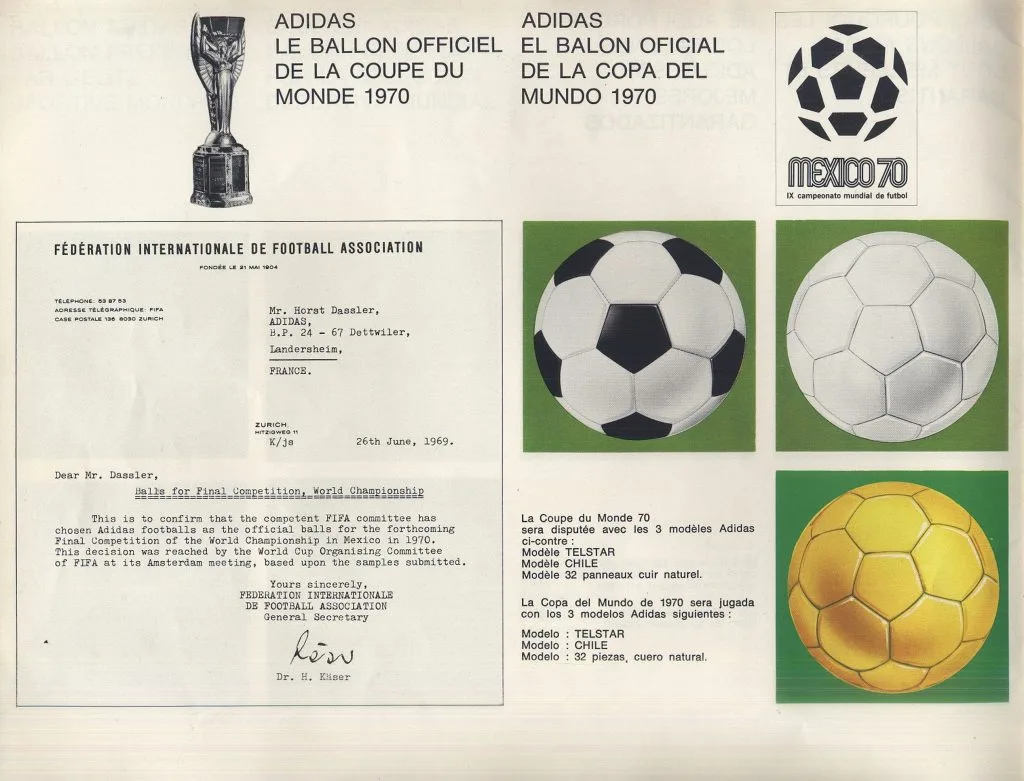
The 1962 World Cup used a locally manufactured ball made by Zamora. One year later, adidas created its first football and named it “Santiago” after the most recent World Cup. In 1966, another locally made ball was used (by Slazenger), but due to low production numbers — only 20 hand-stitched units — adidas Santiago balls appeared as backups. In 1970, adidas became the sole official supplier, introducing both Telstar and Chile. The name “Santiago” became permanently linked to adidas’ vintage football heritage and made a surprising return in the 1990s.
The Return of the nineties: A new aesthetic
adidas had already used the name Santiago for some 1980s templates, but the phenomenon of football jerseys exploded in the 1990s as adidas experienced a renaissance. The Three Stripes began appearing in new forms, and the adidas Santiago line became one of the most recognizable.
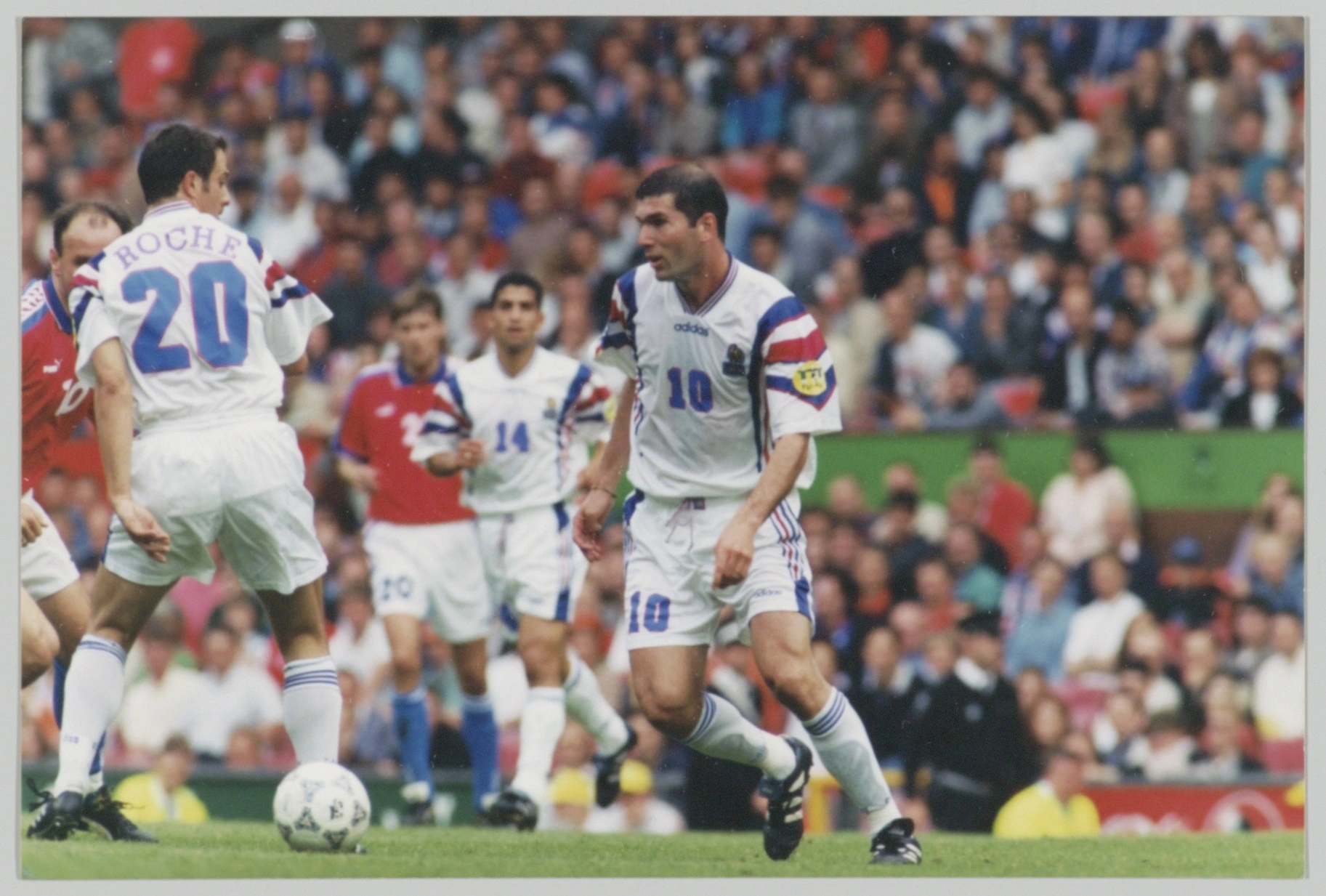
Football jerseys changed shape entirely during this decade — embracing baggy silhouettes and new materials that enabled fresh cuts and bold graphics. From these innovations came an iconic adidas design: three stripes running from shoulders to torso without crossing seams. This clean, uninterrupted line also appeared on jackets, sweatshirts, and pants — and jerseys became the heart of the Santiago collection.
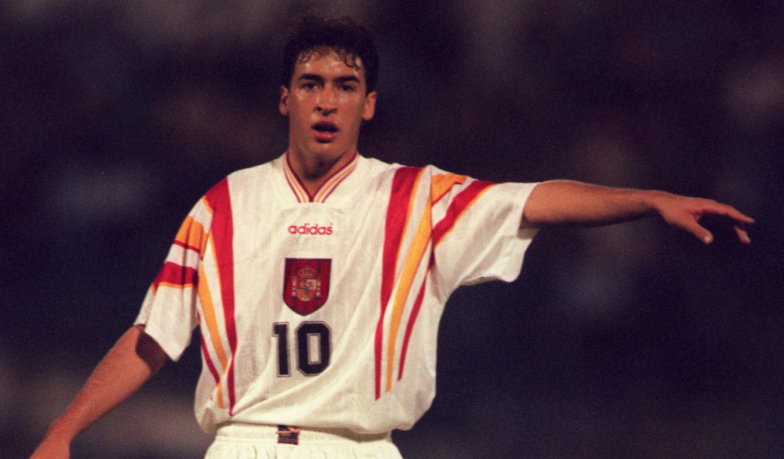
Between 1996 and 1998, national teams including Germany (away), Spain (away), Romania, France, Australia, Finland, Sweden, Turkey, Argentina (away), and Ghana wore Santiago templates, along with clubs such as Bayer Leverkusen, River Plate, FC Twente, Newell’s Old Boys, and Glasgow Rangers.This era revolutionized football aesthetics, driven by the 1994 World Cup in the United States, whose visual explosion continues to influence the sport’s style. With the World Cup returning to the U.S., many of those design codes resurface. The adidas Santiago collection borrows the spirit of the nineties, reinterpreting it through jackets, sweatshirts, and pants, pieces evolving from blokecore and offering new perspectives on football culture.