Driven by the blokecore trend, football shirts have become an essential garment. But beyond the shirt itself, the style has permanently influenced fashion. Now, as we prepare for the World Cup’s return to the United States, adidas brings back the designs from one of its key moments: +Teamgeist.
2006, adidas’ golden year
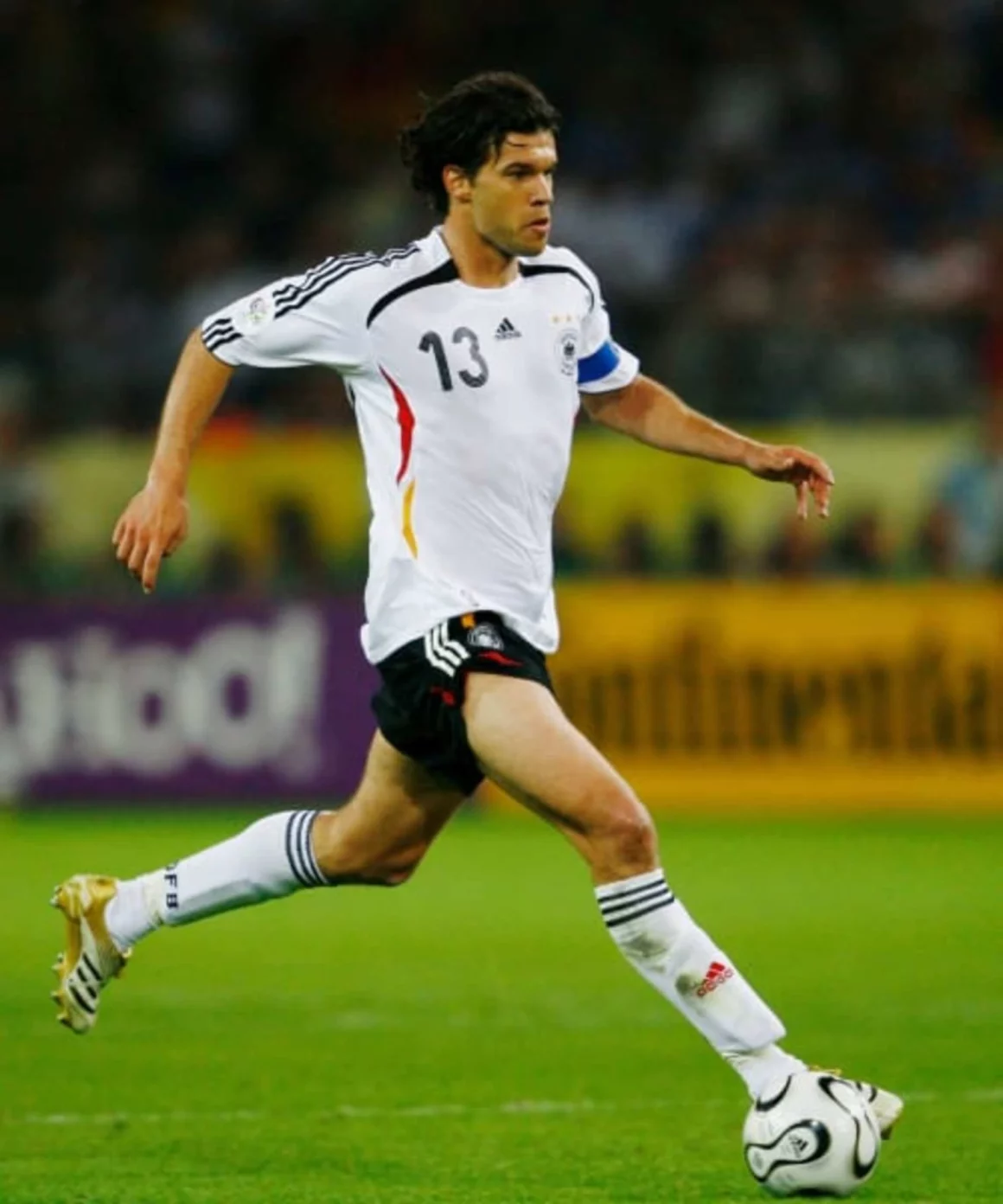
2006 was a brilliant year for adidas. The sport it grew up with—football—was celebrating a new World Cup, and it was happening in Germany, the brand’s birthplace. Argentina, one of the adidas national teams already featuring the three-stripes star Messi, set up camp during the group stage in Herzogenaurach and trained in adidas’ very own facilities.
The ball as a symbol of innovation
One of the most anticipated moments of every World Cup is the unveiling of the official match ball, something adidas has been doing since 1970. First came the legendary Telstar, followed by Tango, Azteca, Etrusco, Questra, Tricolore, and Fevernova.
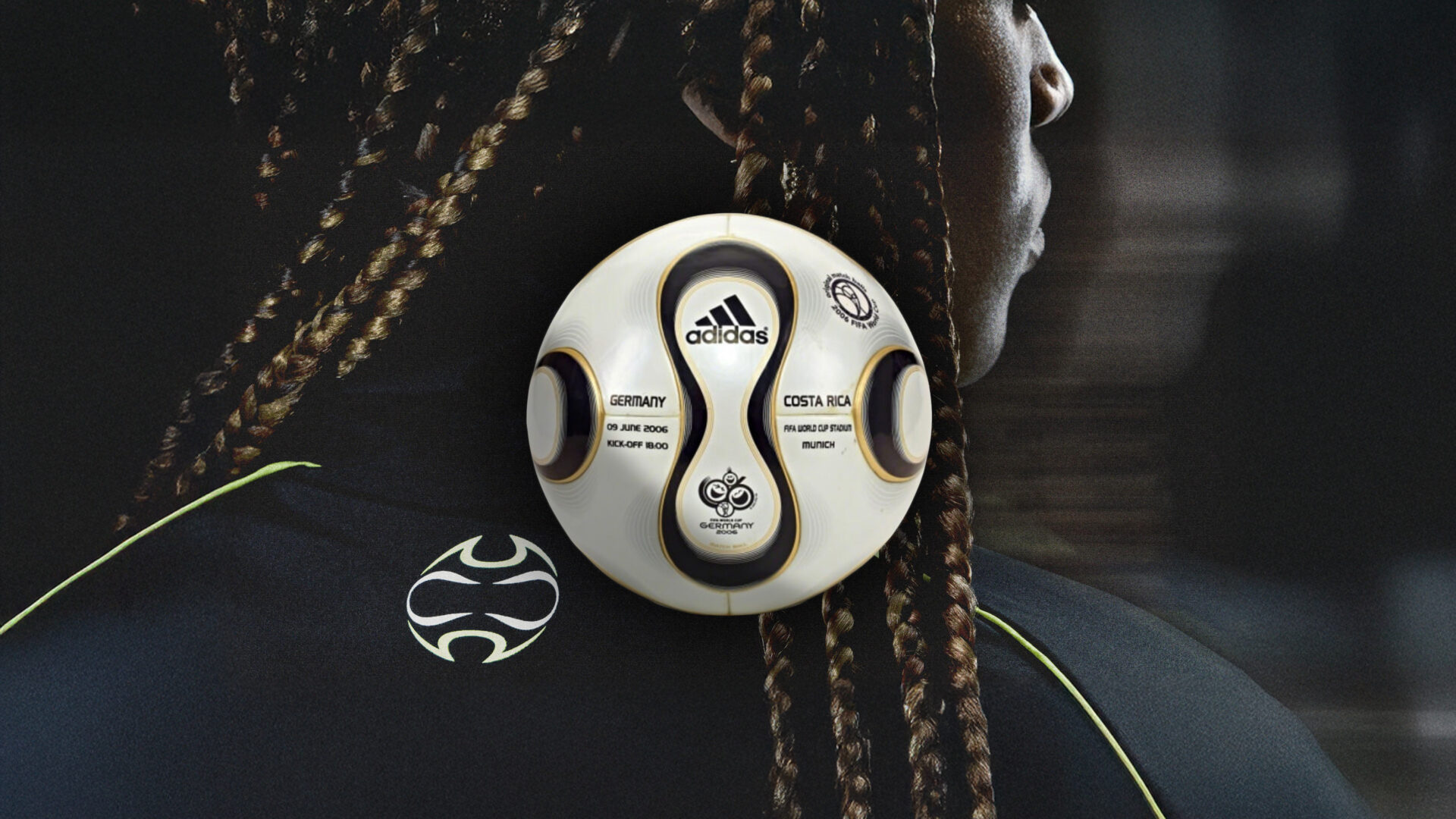
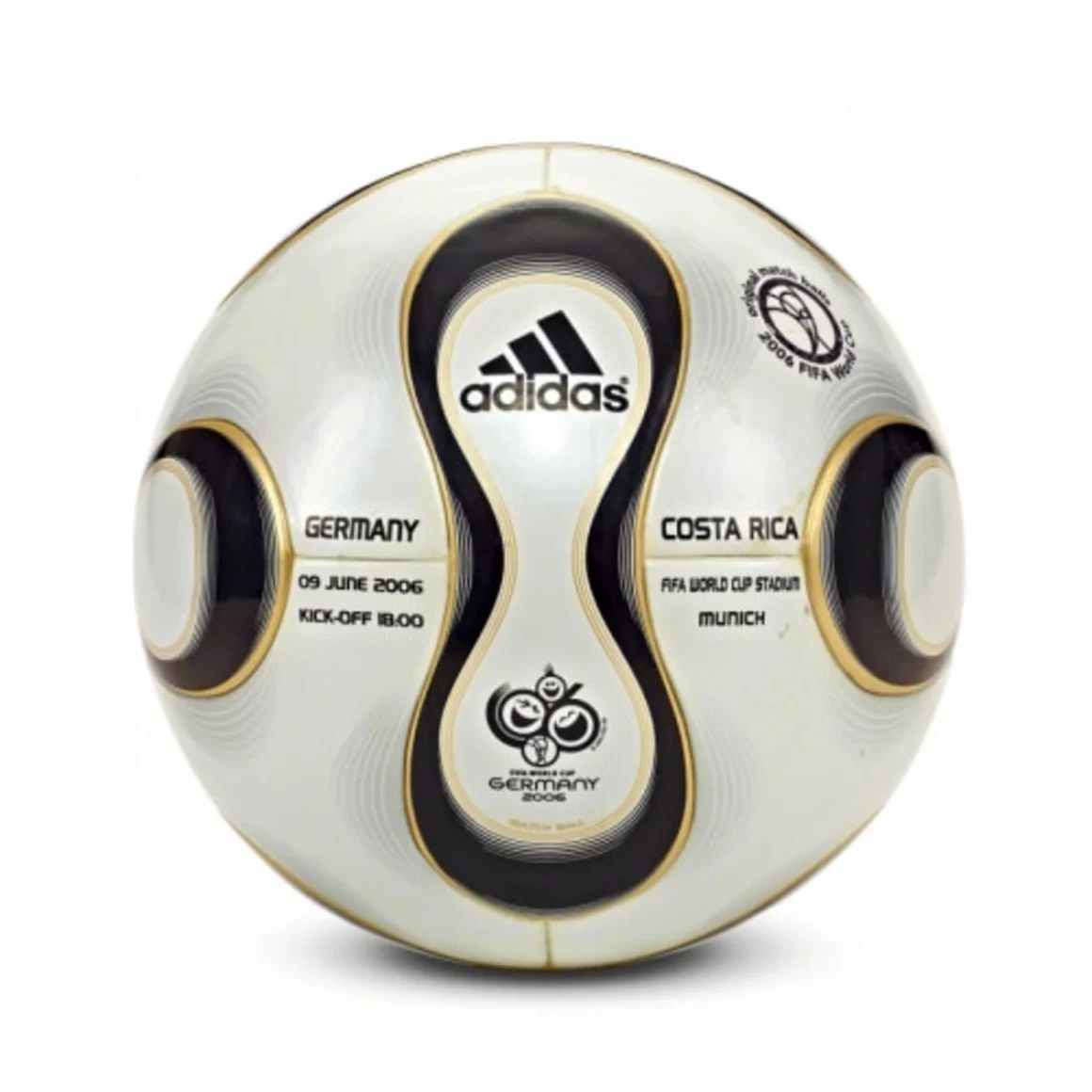
For 2006, the revolution was called adidas +Teamgeist: a completely redesigned ball made from 14 panels instead of the usual 32, giving it an entirely new look. The curved lines that defined the panels weren’t limited to the ball; they also appeared on kits and leisurewear, turning +Teamgeist into a shared identity. The name itself meant “team spirit,” embodying adidas’ vision at a time when individualities seemed to dominate football.
“José +10”: the campaign that tied it all together
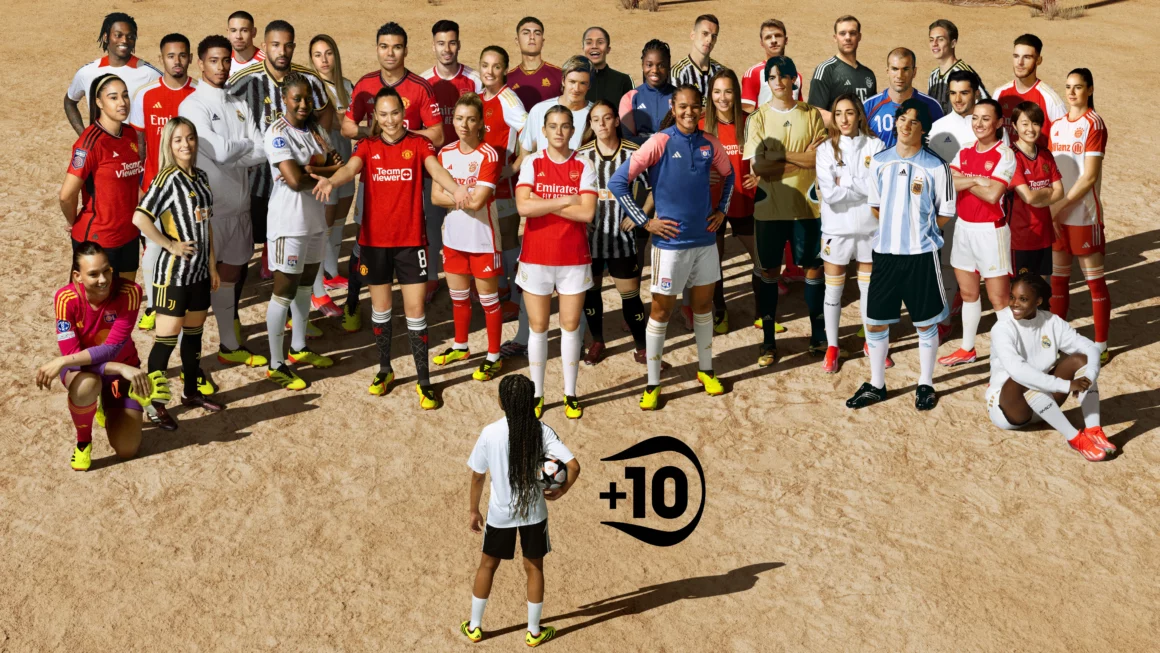
The detail that brought everything together was the “José +10” campaign. José and Pedro, two kids playing football in the street, pick their teams—and among their choices appear Zinedine Zidane, Jermain Defoe, Frank Lampard, Djibril Cissé, Kaká, David Beckham, Oliver Kahn, Juan Román Riquelme, Arjen Robben, Bastian Schweinsteiger, Michael Ballack, Shunsuke Nakamura, and Raúl. Thanks to technology, even young versions of Michel Platini and Franz Beckenbauer joined the game.
Messi, who had just signed with adidas, didn’t make it into the ad, though he did appear on the promotional poster.
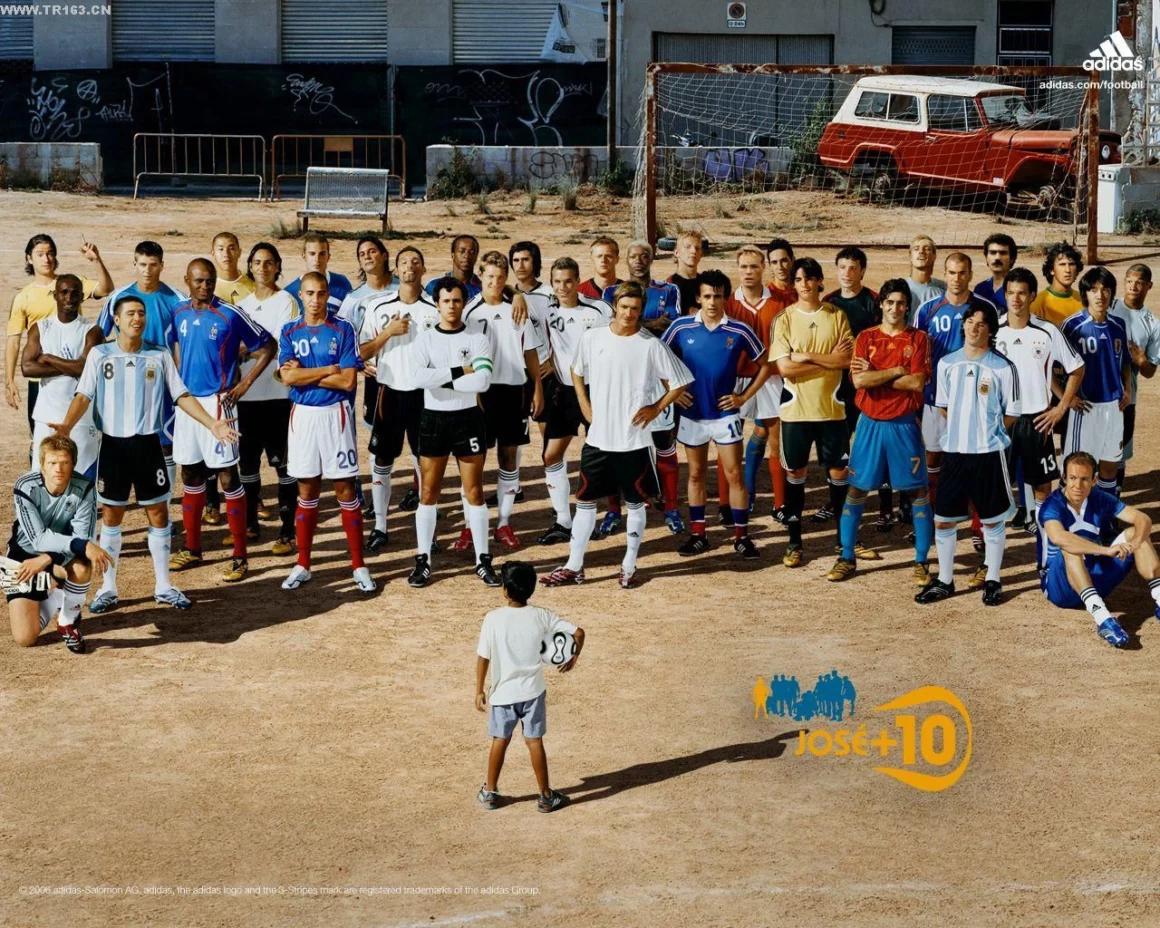
“José +10” is considered one of adidas’ greatest football campaigns and had a direct impact not only on the sport but also on urban culture. At a time when football was no longer played exclusively on the pitch, the streets embraced it as part of their own aesthetic.
The legacy of +Teamgeist
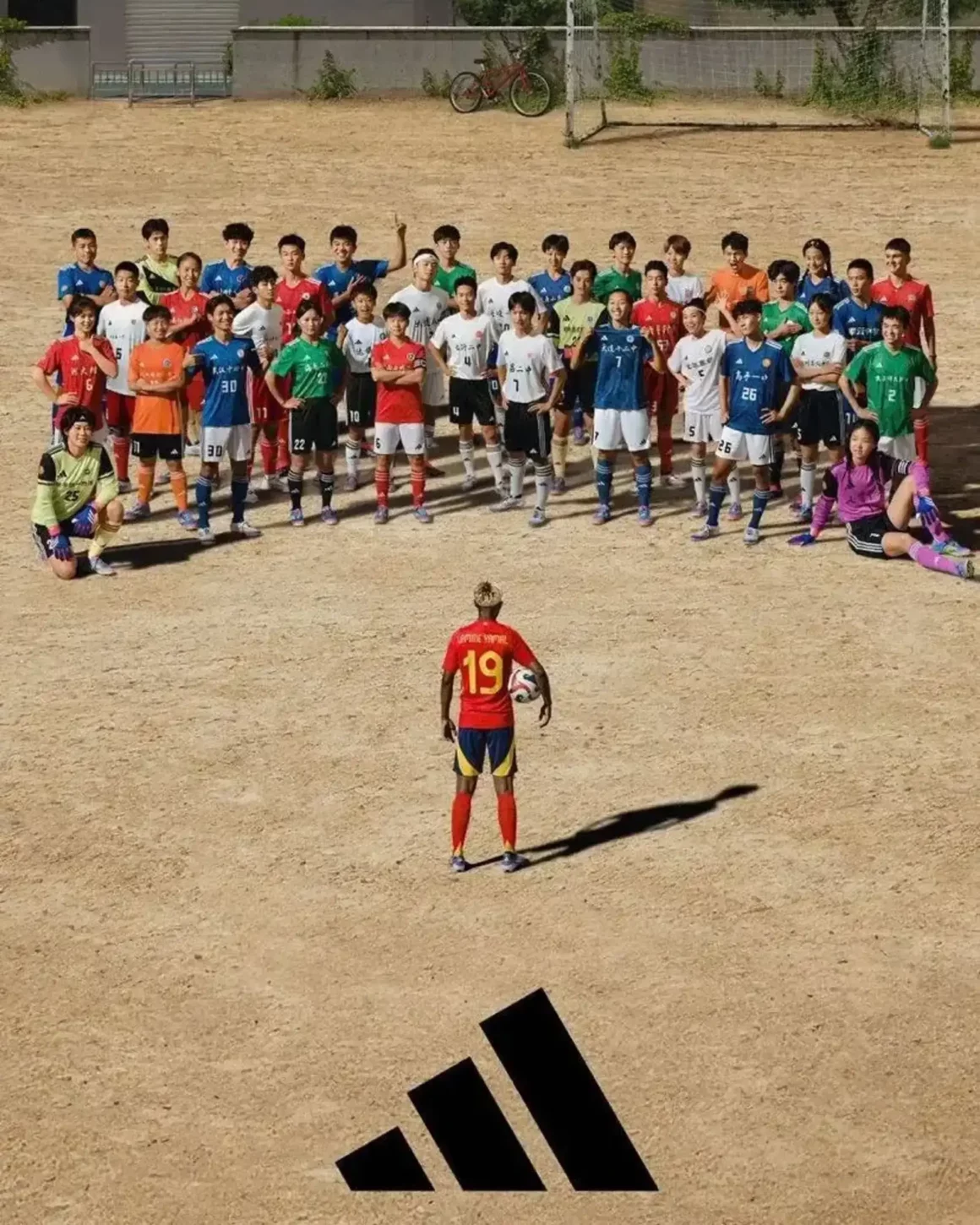
The +Teamgeist lines became synonymous with an era and have been revisited in many ways: as details on kits, as standalone collections, and as redesigns that aim to capture not only the look but also the stories tied to it. The iconic image of José facing off against his idols has been recreated several times, starring female football icons and even Lamine Yamal during his trip to China.
Adilenium and the Y2K spirit
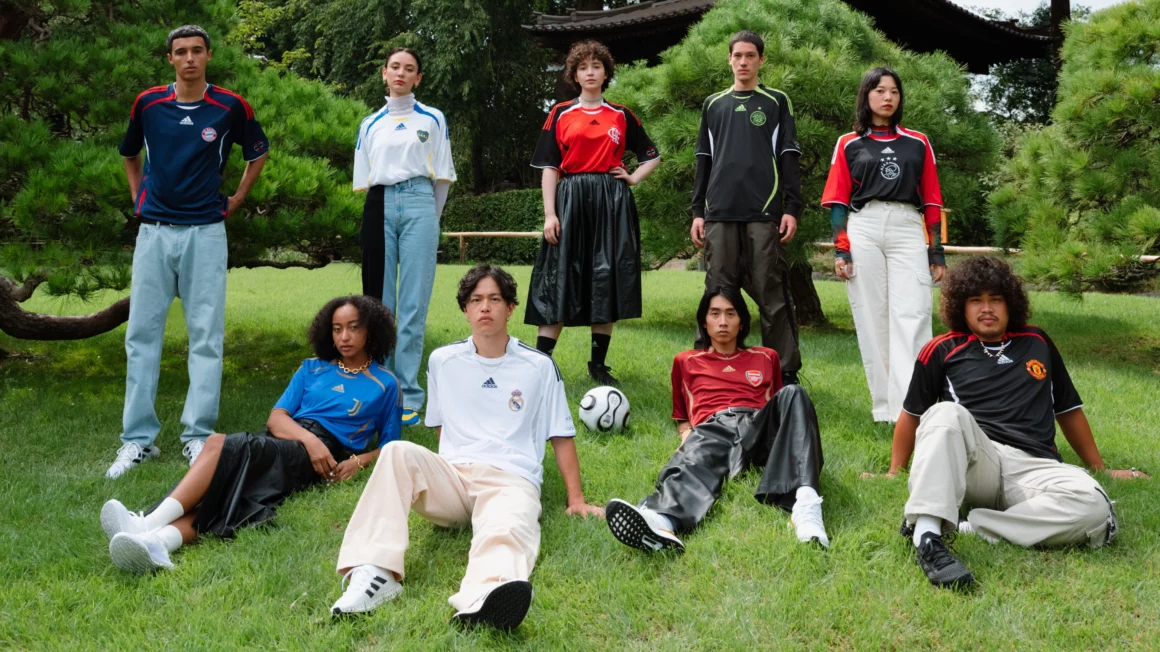
The most recent connection comes with the Adilenium line, which draws not only from Teamgeist’s curved lines but also from the era it was born in: the Y2K years, with oversized silhouettes and tribal graphics. It represents football as a trend that will grow stronger in the seasons to come.