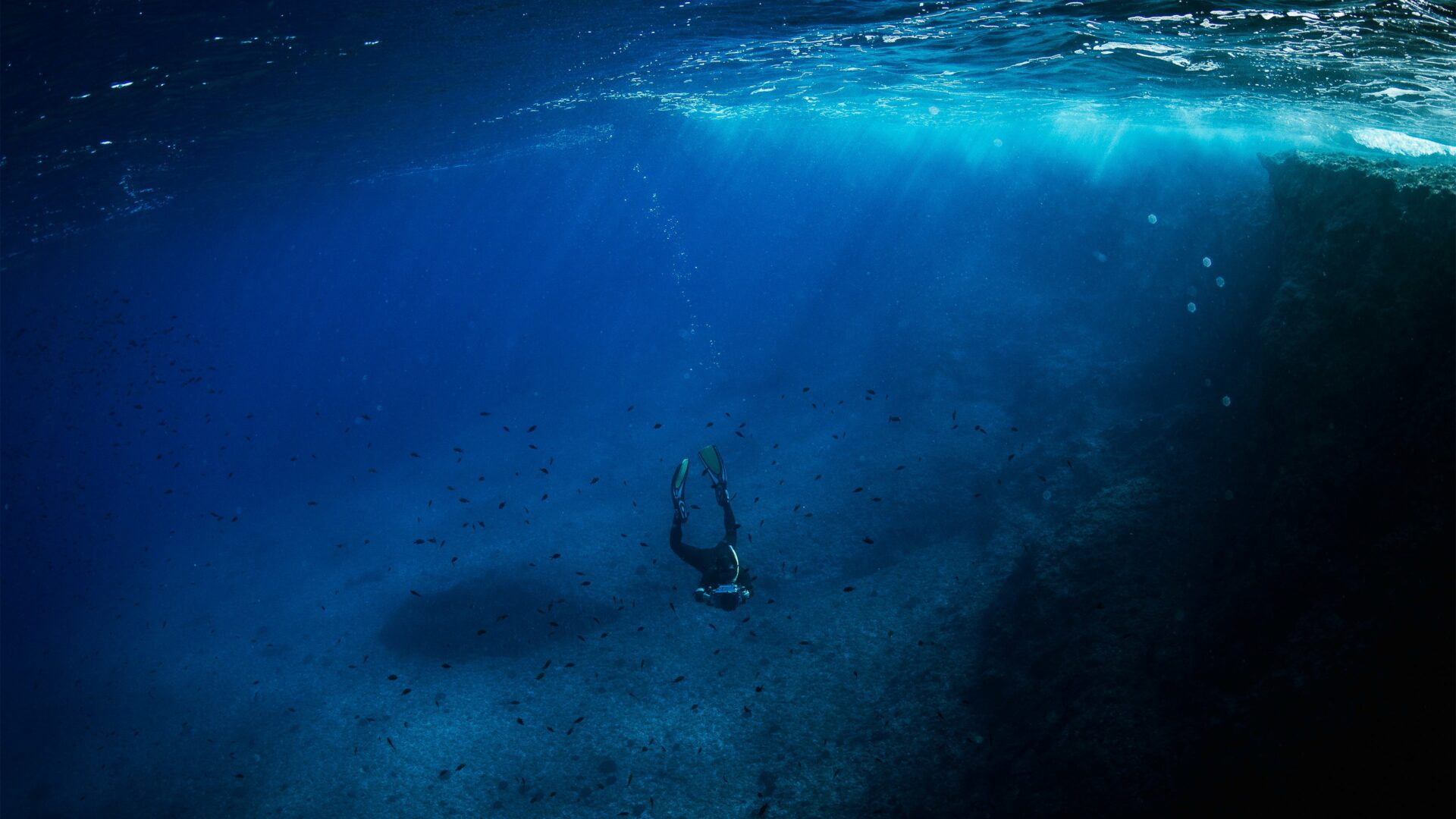
Why is there an Oceans Day? is a question that is asked each time June 8 rolls around.
The oceans are essential for all life on Earth, not just ours. The seas and oceans are responsible for 80 percent of all life on Earth. Essentially, the survival and sustainability of various species and ecosystems are heavily reliant on the oceans.
However, it appears that we are not treating them well: microplastics have already been discovered in the Mariana Trench (the world’s deepest point).
A sick ocean represents a sick world.
The ocean, the water, is more than just a resource; it is also not “our heritage” or “our legacy” (does it belong to us?) The ocean is where we coexist and exist. That is why it is critical for us to guard, protect, and monitor its conservation.
So cute, but what about the garbage?
There is a famous large garbage island in the Pacific Ocean that is three times the size of France… but it is not the only one: it has already been noted that the phenomenon extends all over the world, with garbage islands in the Atlantic and Indian Oceans, as well as off the coasts of Antarctica, the Sea of Japan, and the Mediterranean.
Every year, 126 tons of waste are dumped into Spanish seas.
Fashion, of course, has a significant negative impact on the oceans due to a variety of factors including production, consumption, and waste generated by the industry. The fact is that waste from the fashion industry finds its way into marine environments. That is why we must accept responsibility and work to prevent this from happening again.
The truth is that we are frequently unaware of the environmental impact of our clothing and footwear choices. The amount of waste produced by the fashion industry that ends up in the ocean, as well as the type of waste, are two of the most urgent issues.
At FOOTDISTRICT, we organize to raise awareness, educate ourselves, and gather waste from the environment. On the one hand, we try to avoid generating waste and improve all our processes. On the other hand, we train ourselves and take part in clean-up campaigns.
There are many different types of materials in the ocean, but non-biodegradable plastics and microplastics are the most concerning. When discussing trash in the ocean, it is critical to understand a few key terms. We have created a brief glossary of footwear and fashion material typology.
A glossary of environmental material terms
Biodegradable materials are those that, in the right environmental circumstances, can naturally decompose through biological processes like the action of microorganisms. They break down into simpler parts during this process of decomposition, leaving no harmful residues for the environment. Organic cotton, which is grown without harmful pesticides and dyes, is an example of a biodegradable material used in fashion.
Synthetic materials decompose more slowly and could release microplastics as they do so. Such as polyester or plastics.
Materials that are recyclable can go through a recycling process in which they are gathered, sorted, and used as building blocks for new products. The products must be recyclable in order to avoid having to discard them. Recycling PET allows for the creation of recycled polyester fibers, which are then used to make clothing.
Instead of using raw materials, recycled materials are created by processing recyclables that have already been used. The best material is recycled and recyclable.
Oxo-degradable plastics are plastics, such as some bags, that contain additives that speed up their physical decomposition in the presence of oxygen and sunlight. Okay, so it’s a word, but it’s starting to become popular. Although they initially seem harmless, these plastics eventually break down into smaller pieces to form microplastics. Note that due to environmental factors, this fragmentation happens more slowly in the marine environment, and plastic objects can persist as marine debris for up to five years.
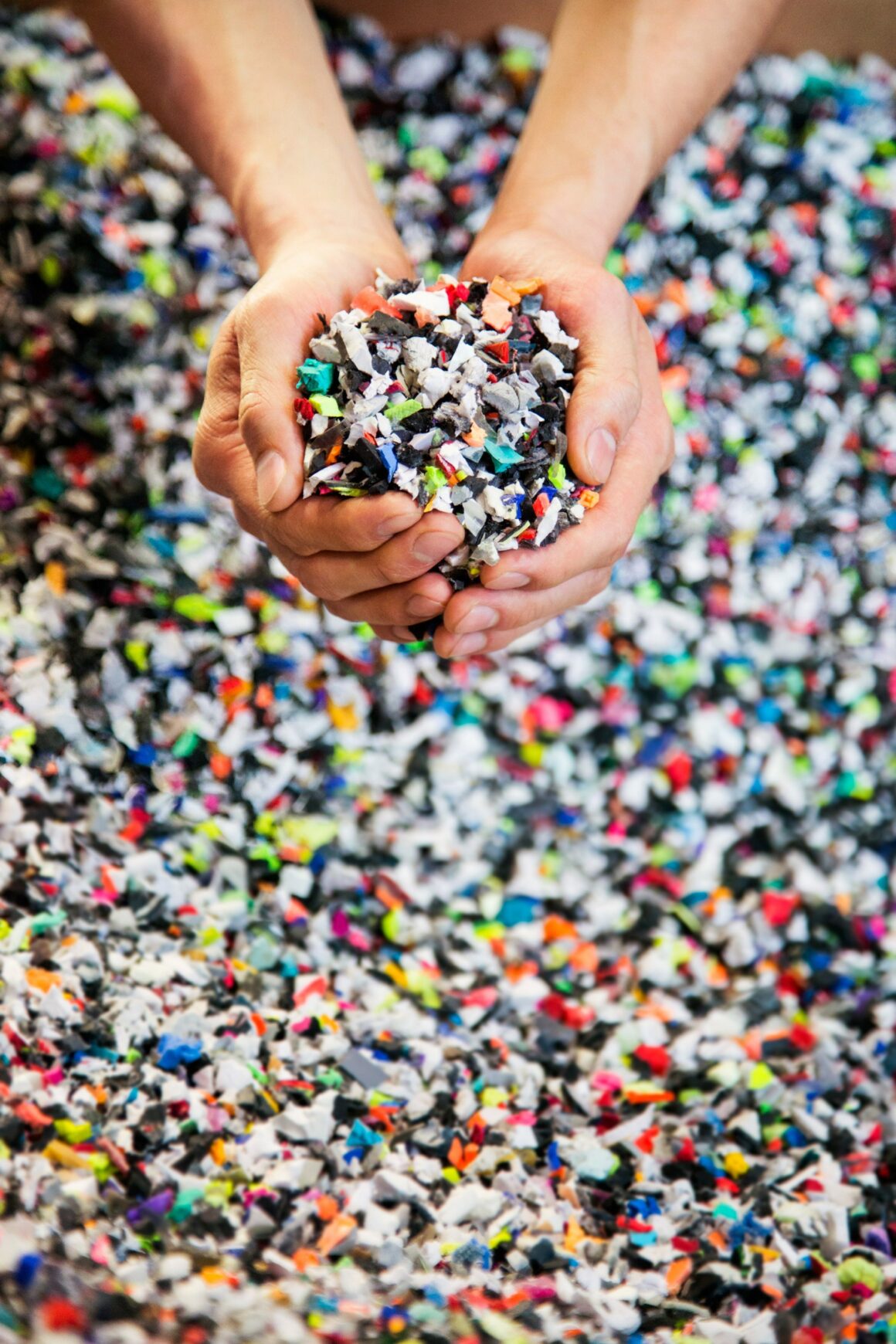
Small plastic particles known as microplastics and nanoplastics typically have a diameter of less than 5 mm for microplastics and even smaller for the latter. When used and washed, clothing and accessories release these plastics, which end up in the environment, the oceans, and animals.
Still, a lot of fashion items, like sneakers, are made of materials that aren’t biodegradable or recyclable, take a while to break down, and produce tiny plastic particles called microplastics that endanger fish and other wildlife. However, there are brands that are pursuing sustainability in the right way as well. These companies have innovation processes, are conscious of the effects of fabrics, constantly experiment with new materials, and manufacture clothing and footwear in sustainable ways. Sustainability is a journey and a constant work in progress.
Alliances and movements to reduce litter and safeguard the environment
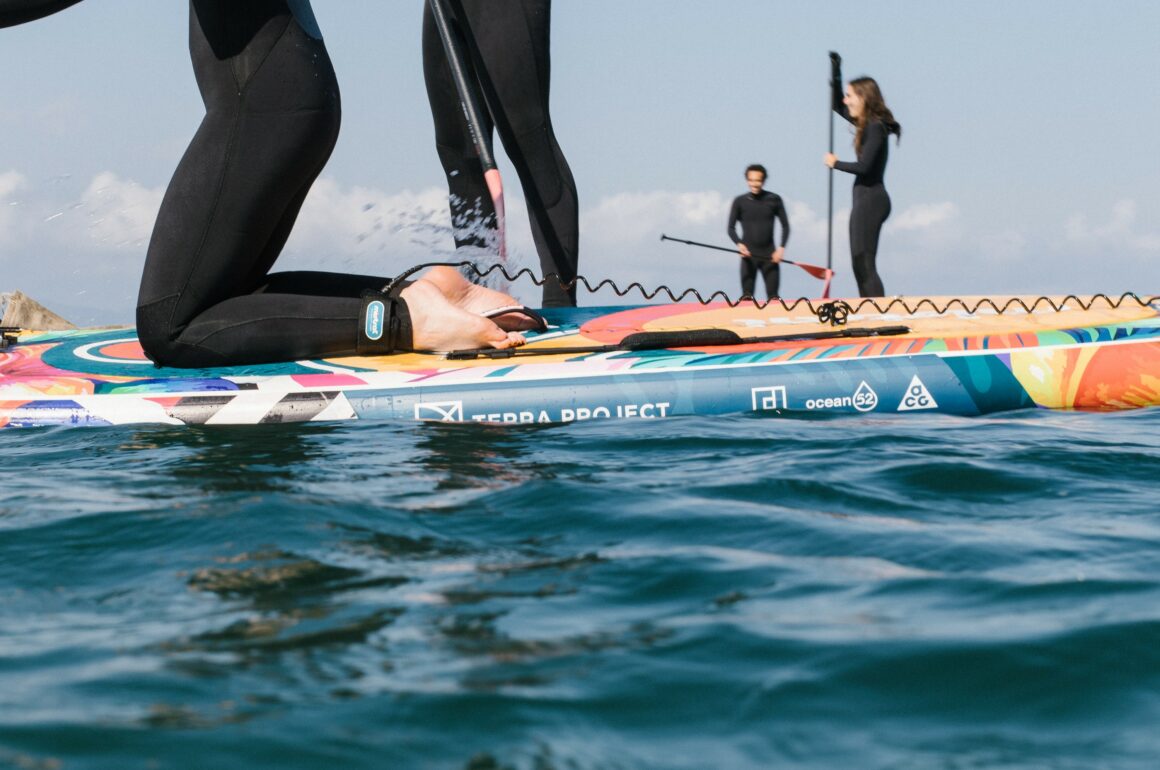
In this context, the TERRA PROJECT project plays a fundamental role. For several years, we have been developing this initiative with Nike ACG, where we meet organizations that are involved with the environment, as we do at FOOTDISTRICT. The most important thing is to get out there and enjoy nature while also raising awareness and working together.
Movement is our way of connecting with nature.
FOOTDISTRICT is always learning and catching up. As consumers, we all have an important role to play in this process. Looking at labels and choosing brands that prioritize sustainability and environmental stewardship is a step toward changing the way we shop. Furthermore, we can reduce our consumption of single-use plastics by adopting practices such as proper recycling of our sneakers, clothing, footwear, and fashion products.
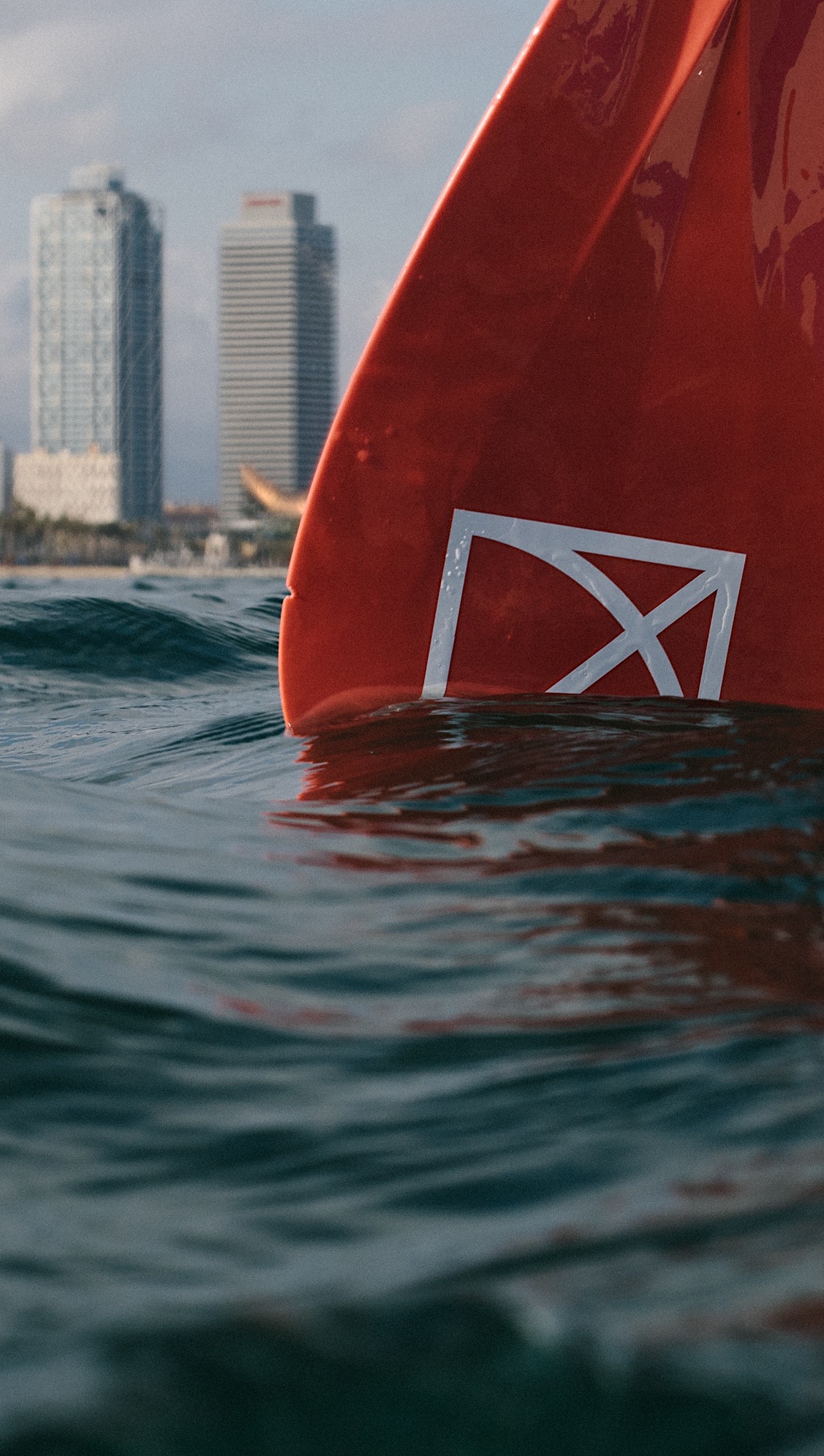
In short, why do we celebrate Ocean Day? Well, because it reminds us that we must take action to protect our environment, especially when it comes to fashion-generated trash that ends up in our oceans. We don’t want a sustainable future, we want a better future.
The third season of TERRA PROJECT is ready to take you close to the sea, connect with nature, and learn more about its importance, emphasizing how critical it is to protect it. Check it out and sign up.