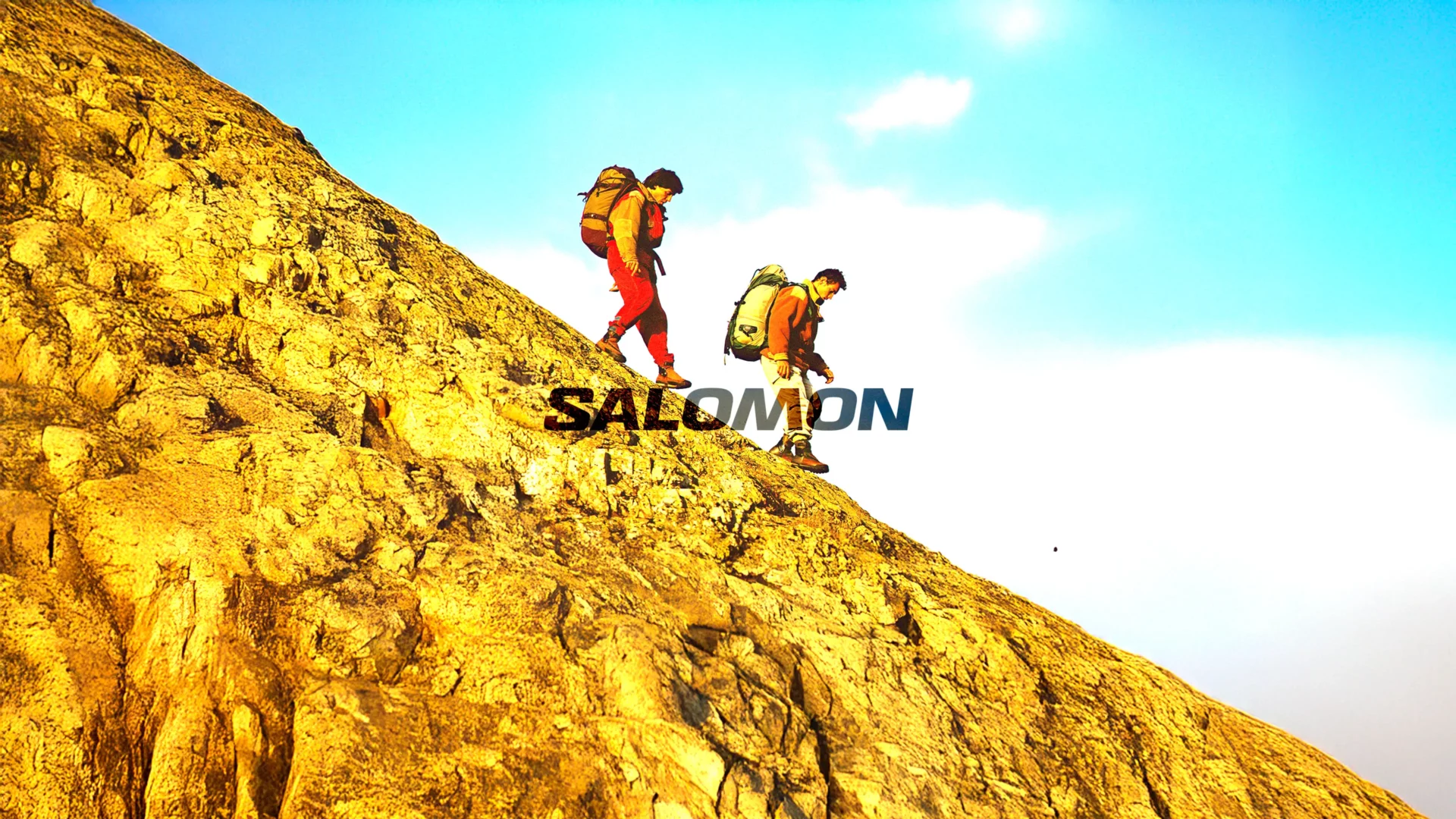
In recent seasons, Salomon has gone from being considered an exclusive mountain product to appearing on the feet of Bella Hadid, Emily Ratajkowski, and Rihanna.
Born and developed in the mountains, focused on the most technical products, the Salomon phenomenon is not new. The most technical items have always had an aura of attraction for trends that approach a product purely focused on performance. In the balance between both, we explore the history of Salomon with some interesting facts.
At the Foot of the Alps
Salomon was born in Annecy, a French town an hour away from the Alps. Its headquarters are still there.

A Ski Workshop
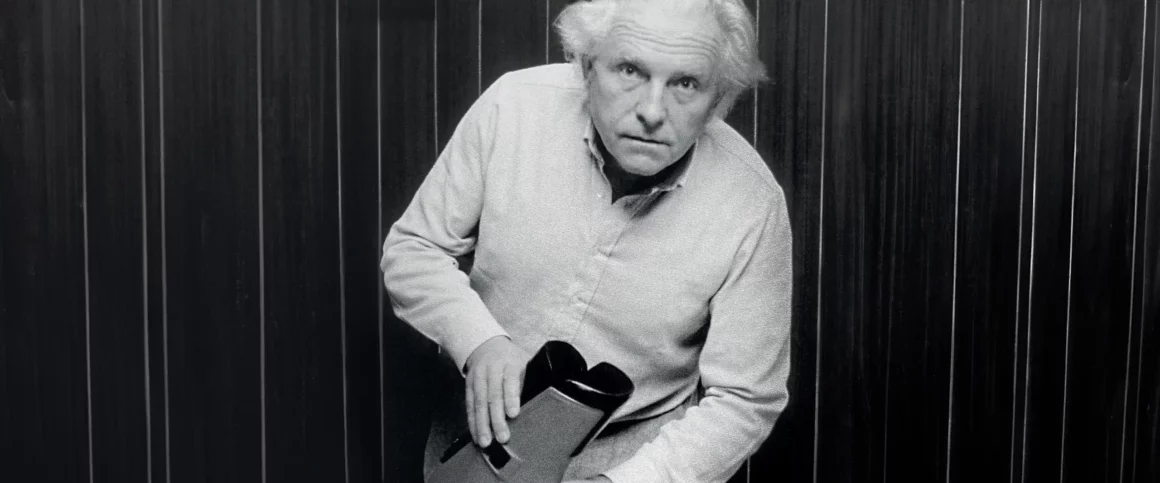
In 1947, Georges Salomon’s idea emerged as a workshop for repairing skis. Ten years later, he started creating his own products, bindings that replaced traditional straps. In 1979, Salomon developed its first ski boots.

Curiosity Leads to Footwear
In 1992, Salomon launched its first trekking footwear out of curiosity. Walter Zibung, a Salomon employee in Switzerland, placed a trekking midsole on one of his cross-country boots. The result caught the attention of Georges Salomon, who suggested developing the idea.
Salomon and Peter Moore
During the 1980s, in its growth process, Salomon acquired TaylorMade, a golf company. With the acquisition of TaylorMade, Salomon associated its name with one of the greatest designers in history, Peter Moore, known for creating the first two Jordan sneakers and revolutionizing adidas with the EQT collection. Before being known for creating the Jordan and adidas (Performance) logos, Peter Moore was responsible for redesigning the TaylorMade logo.
Salomon Revolutionized adidas from Within
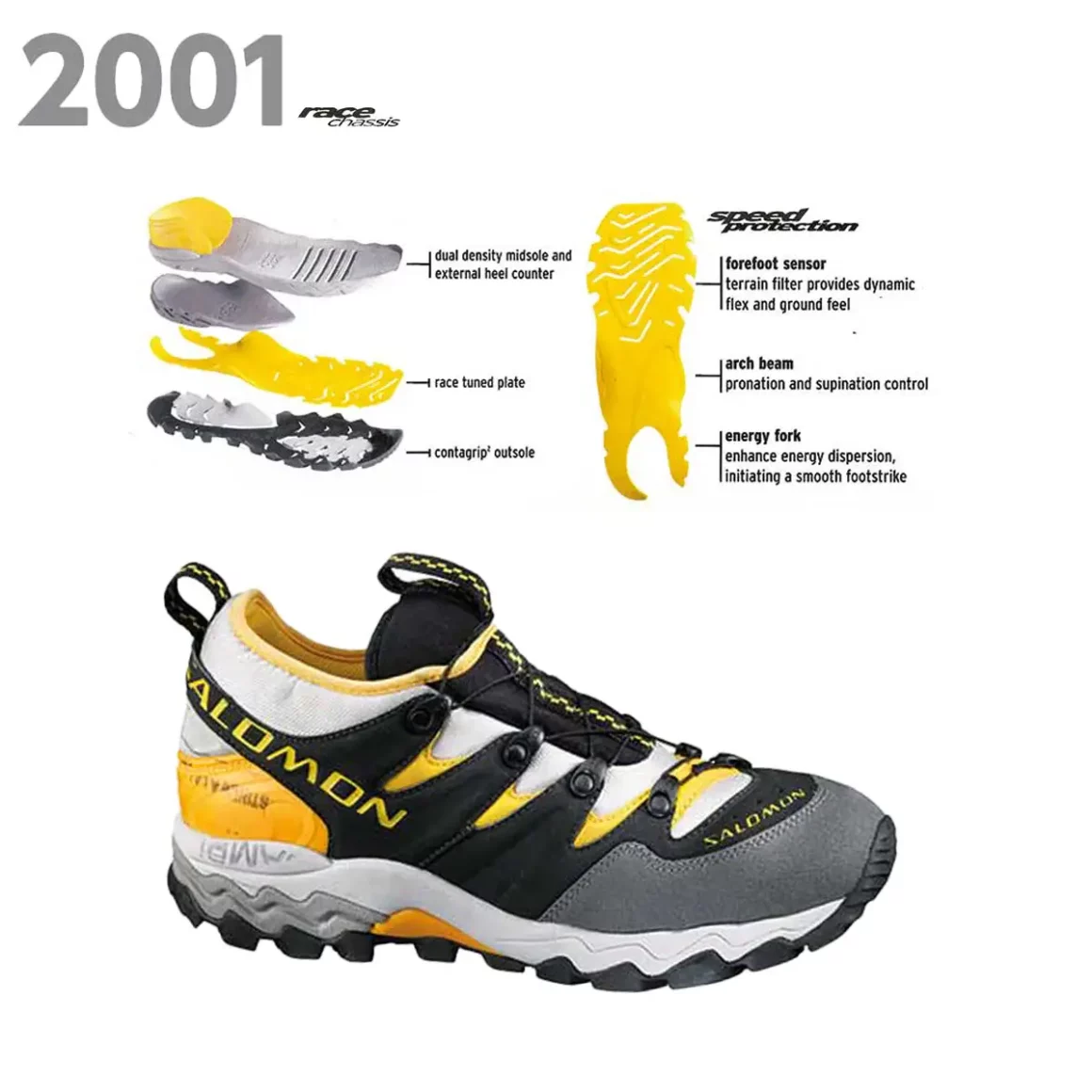
From 1997 to 2005, Salomon was owned by the adidas group, which was called adidas-Salomon, making it the second-largest sportswear manufacturer in the world, surpassing Reebok. During their time together, adidas and Salomon developed technological collaborations such as the Salomon GCS (Ground Control System) Pro.

Salomon X-Adventure
The creation of the XT (X-trail) line is linked to the popularization of adventure races, multi-sport competitions usually by teams, involving all-terrain outdoor shoes. Salomon sponsored the world championship of adventure races, the Salomon X-Adventure.
S Core, Salomon in Surfing
In 2003, Salomon shifted from snow to sand with S Core, a surf-focused brand that included boards (based on its ski experience) and wetsuits, inspired by punk and tattoos.

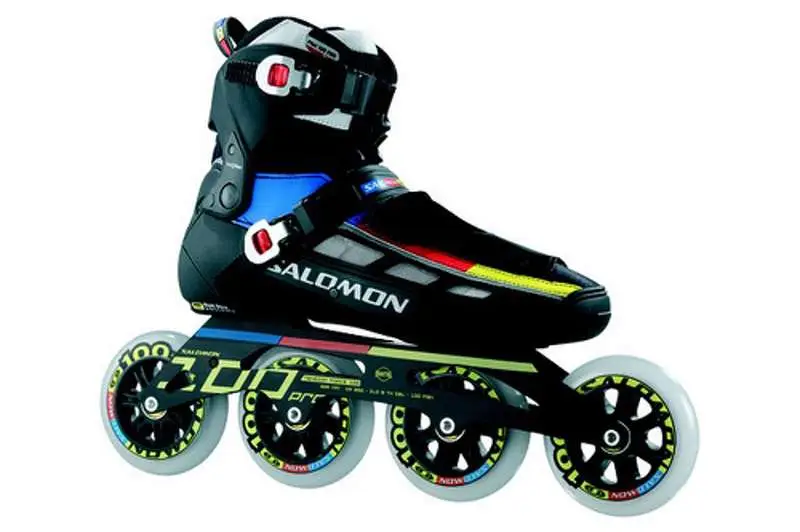
Salomon on Wheels
Another unusual venture for Salomon: building on its ski learnings, Salomon launched a full line of rollerblades, which remained active until 2006 and is still sought after on secondary market websites.
Salomon and Skateboarding
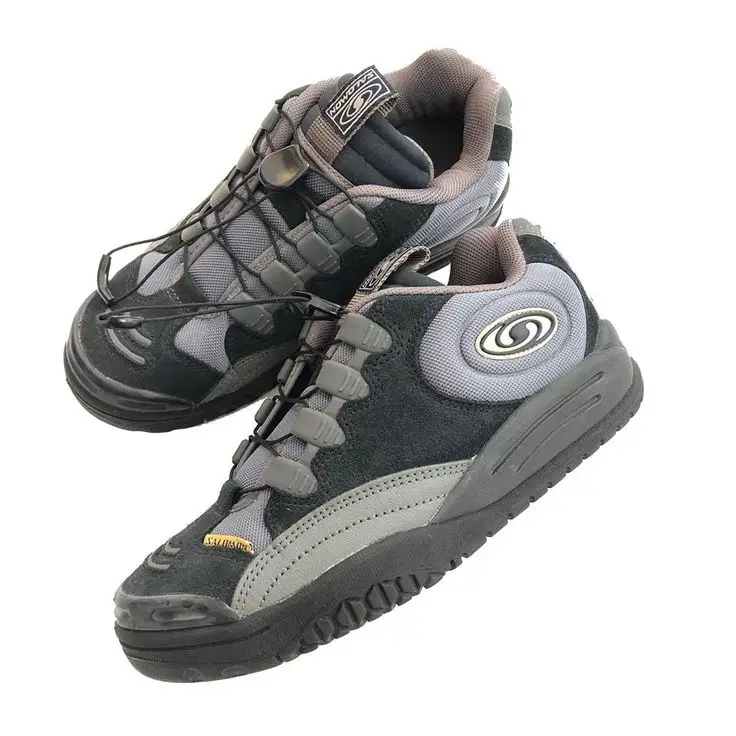
It wasn’t the only connection with wheels. Due to its gliding background, Salomon also tried to make its mark in skateboarding with “puffy” era sneakers.
Salomon on the Red Carpet
While it’s easy to associate Salomon with the outdoors, in the 1990s, its sneakers reached very different places: it was common to see them on the red carpet at major premieres with Brad Pitt, Steven Spielberg, and Robin Williams.
Salomon and the Origin of Collaborations
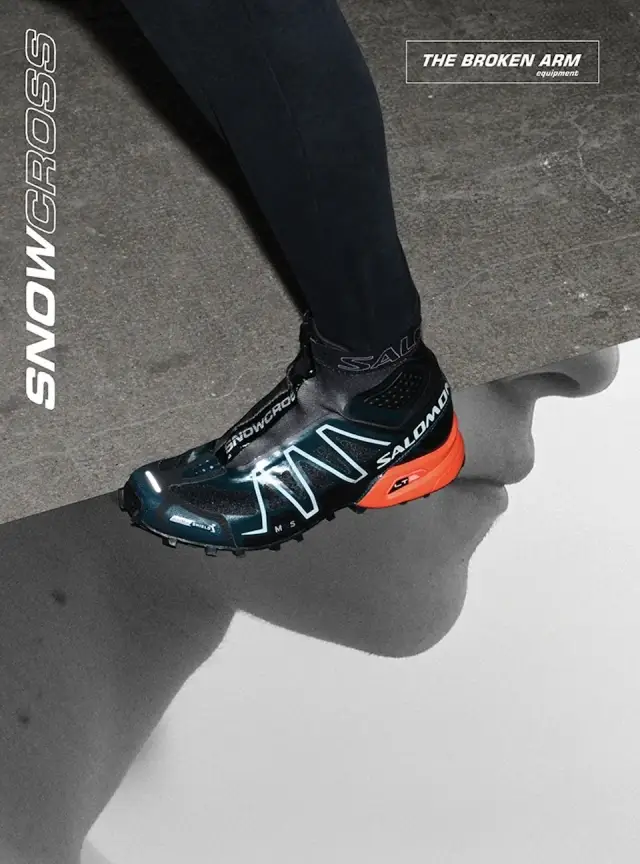
Unexpected collaborations with Palace, Maison Margiela, and Comme des Garçons trace back to Boris Bidjan, a German-Iranian designer who knew the brand from his snowboarding experience. Around the same time, The Broken Arm store suggested Salomon step out of its usual environment and venture into fashion.
Made in France
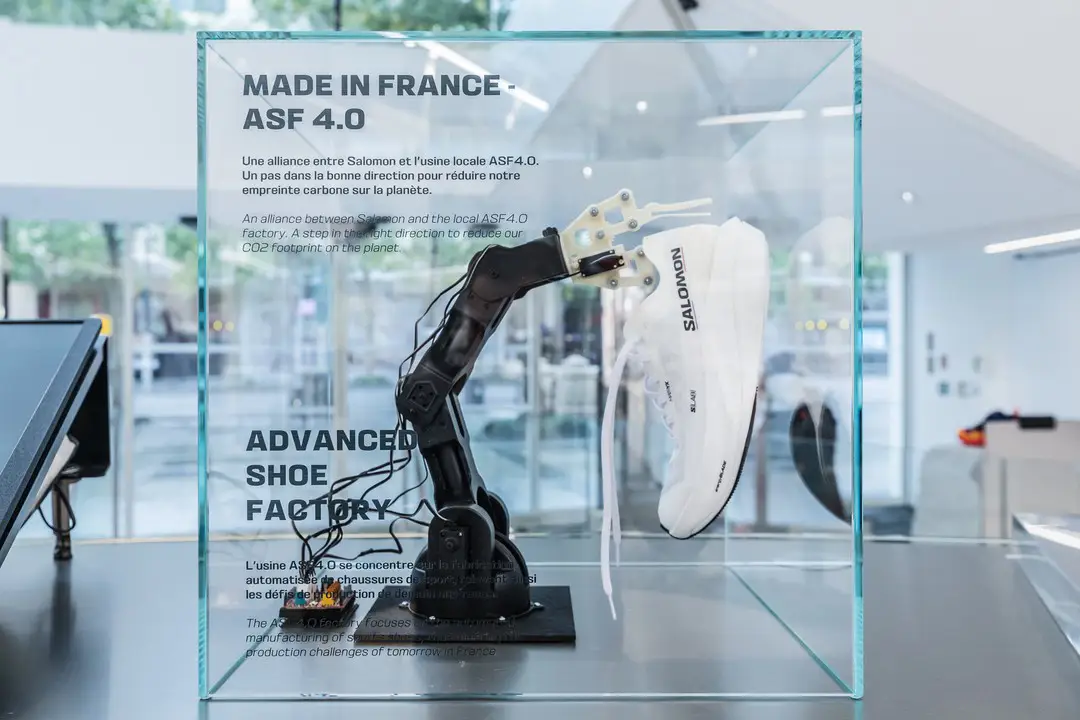
Salomon manufactures some of its models in France, which helps reduce travel distances. Some of the Salomon sneakers distributed throughout Europe are made in France, which reduces transportation and the carbon footprint.
Salomon Index, a Recycling Initiative
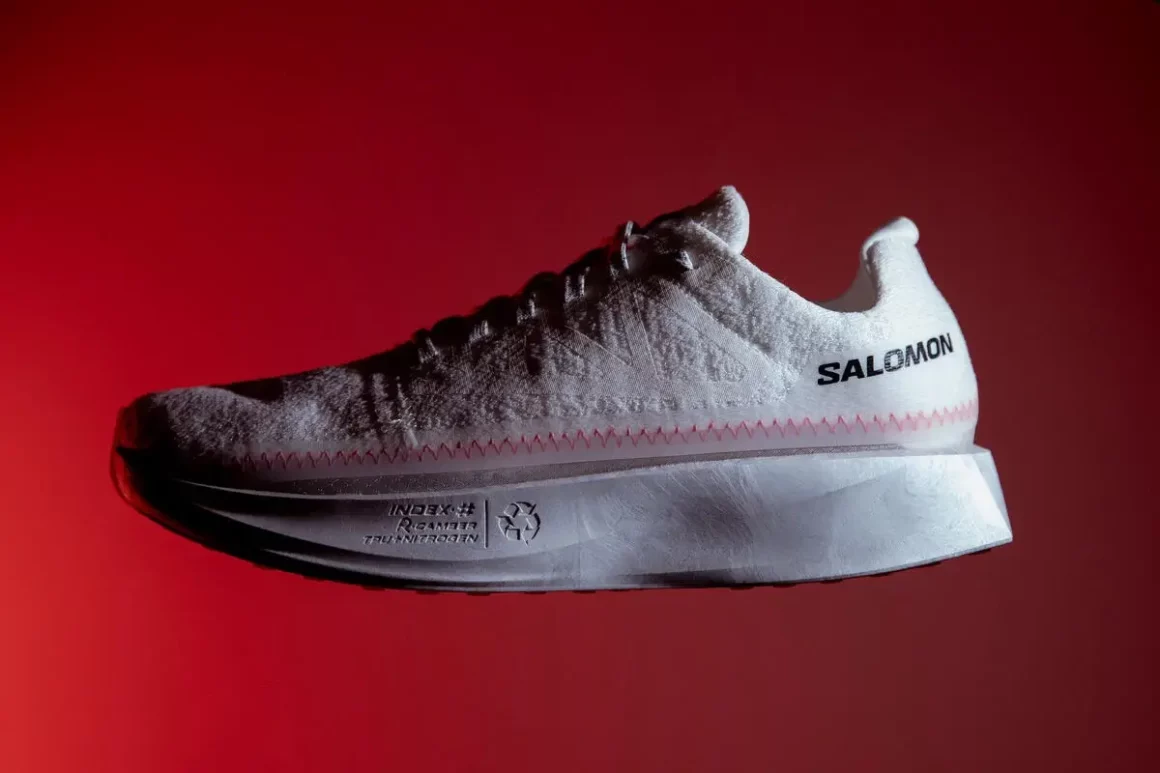
Index is a recycling initiative by Salomon, which is now on its third shoe, the Index 03. Designed to easily separate its components, it includes a QR code on the tongue, allowing you to send your shoes back to Salomon for proper recycling.